
Ableton Push Prototype: Off The Grid

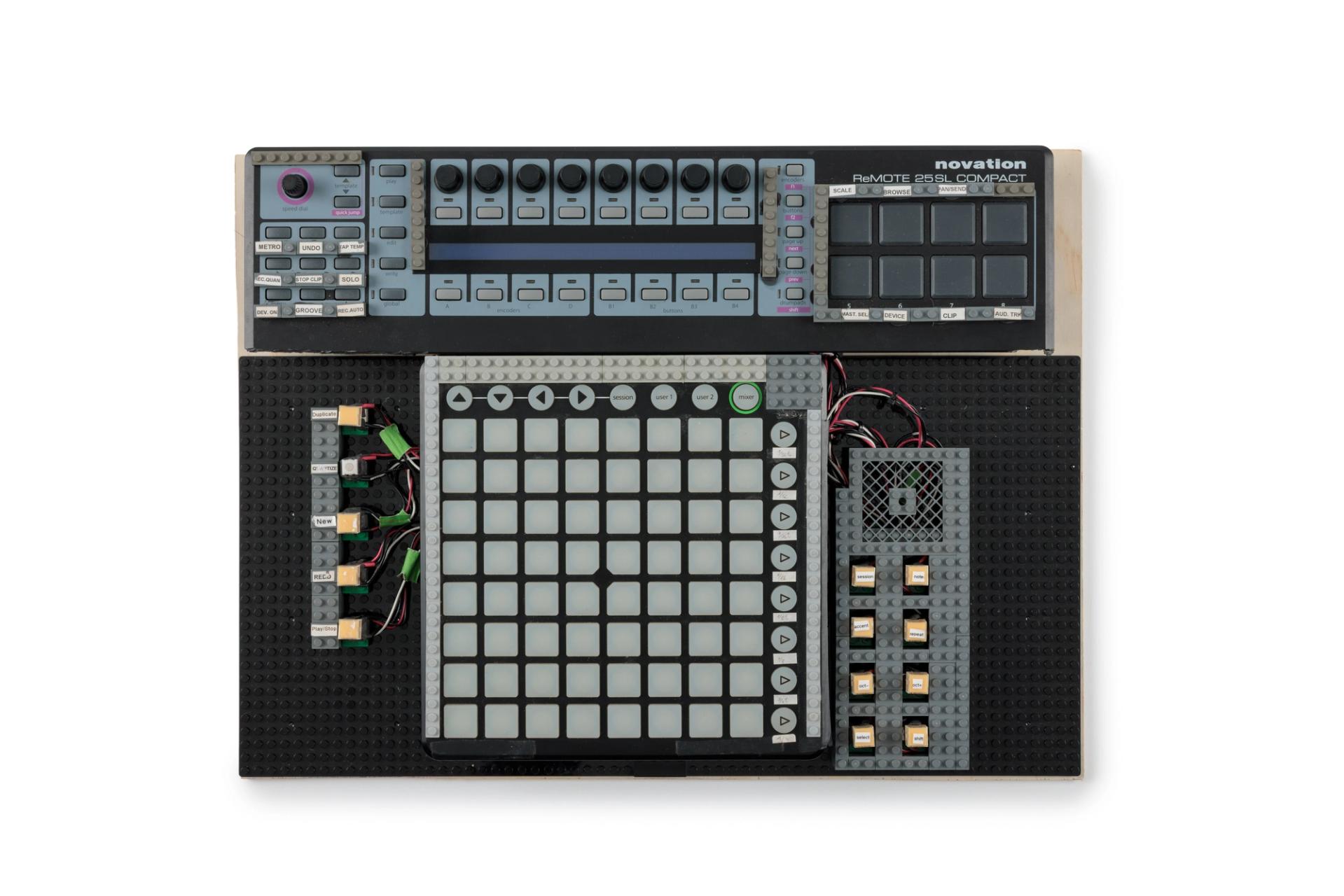
The Ableton Push is a landmark musical instrument that offers organic tactility and creative expression previously not seen in electronic music production. Powerhouse is custodian to one of only 2 Ableton Push Prototypes, designed and built by Jesse Terry. This prototype was constructed with LEGO, allowing for modular user testing, leading to optimal ergonomics and functionality.
The Ableton Push has been used by artists such as Flying Lotus, Jlin, Pete Townshend from The Who, Timbaland, Q-Tip from A Tribe Called Quest, King Gizzard and the Lizard Wizard, KUČKA, The Roots and Snoop Dogg.
‘The prototype of Push is like the way I work with samples: I chopped up a bunch of other products and sampled the parts of them that I wanted.’
Push was reconciling those worlds of using my hands, playing rhythmically, playing with nuance and swing, and the world of the computer, which can process audio in such cool and different ways.
In high school, I built a vacuum tube preamp from a kit. I didn't really know what I was doing but I was always soldering, opening guitars, tinkering with them, trying to customise them a bit.
I never studied electronics deeply. My knowledge comes from using a lot of different gear and talking to a lot of different musicians. At Ableton I was the artist relations manager, and that really got me deeply in touch with different users across all different genres and see the different ways that people were using music software and hardware.
Making music with computers really got to me in 1999 when my brother had an MPC-2000 XL. That was really fun to work with samples, chop things up and start to make the music that I was listening to. I would use it with an Apple G4 computer with Cubase for VST and Reason 1. These were the days where if your computer went to sleep, everything would crash, nothing would save.
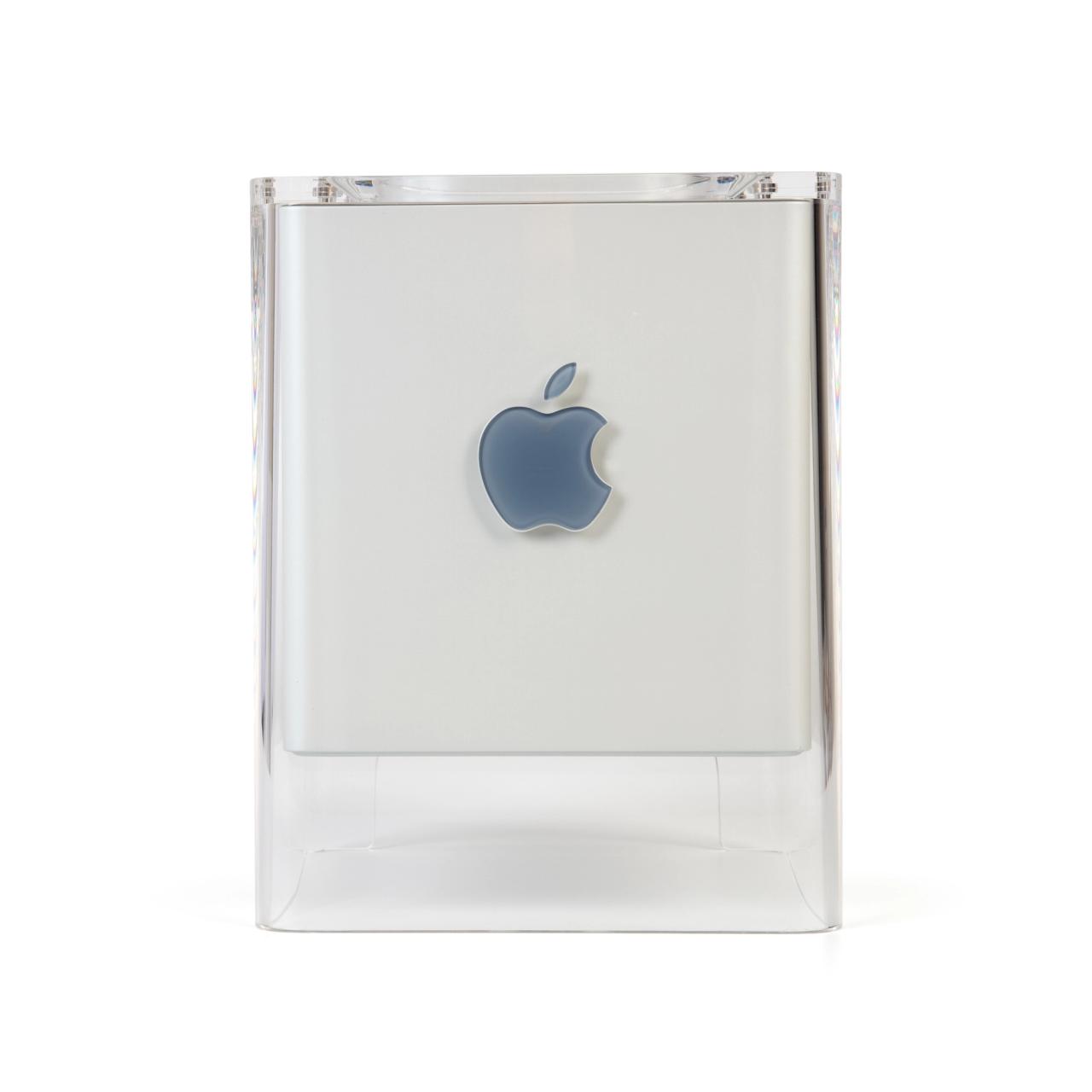
I was in San Francisco writing for a music magazine called XLR8R. I was the music technology editor. That's where I first learned about all kinds of different VST plugins and hardware products, and eventually Ableton Live. The way you could stretch audio and move it around like a rubber band, I was like, this is the thing that I've been missing.
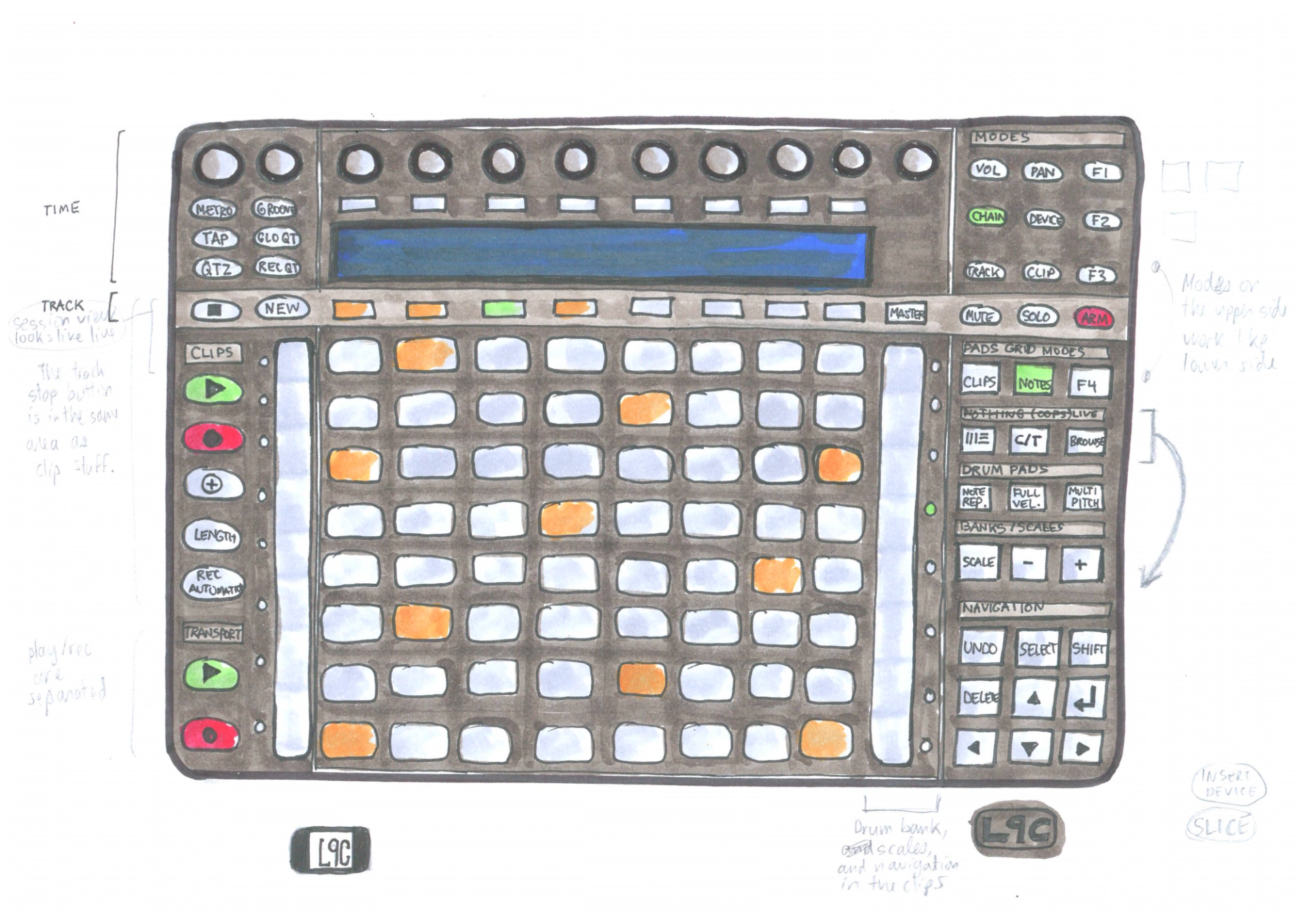
I was making line drawings trying to come up with how this product could be. I wanted it to be a standalone product with a computer inside. I wanted to see samples on the display. And I think the reality was that some of that wasn't to come for many years.
The LEGO prototype went through many, many phases of moving buttons around, trying to figure out the right ergonomics for it, figuring out where and what buttons we wanted to have to do the different functions. It was playful and not permanent, and that's what allowed us to go through so many iterations to get the right thing.
I had a bin of old Legos at my parents’ house and went and grabbed them and glued them onto things. The Legos let me adjust a lot of the extra buttons in a very fluid way. And we could work back and forth from Berlin to Philadelphia with these two prototypes.
The tactility is important because you get nuances of rhythm and pitch with your fingers that you can't get using a mouse or a computer keyboard. There are these variations that are off the grid that I think are what makes human music have soul.
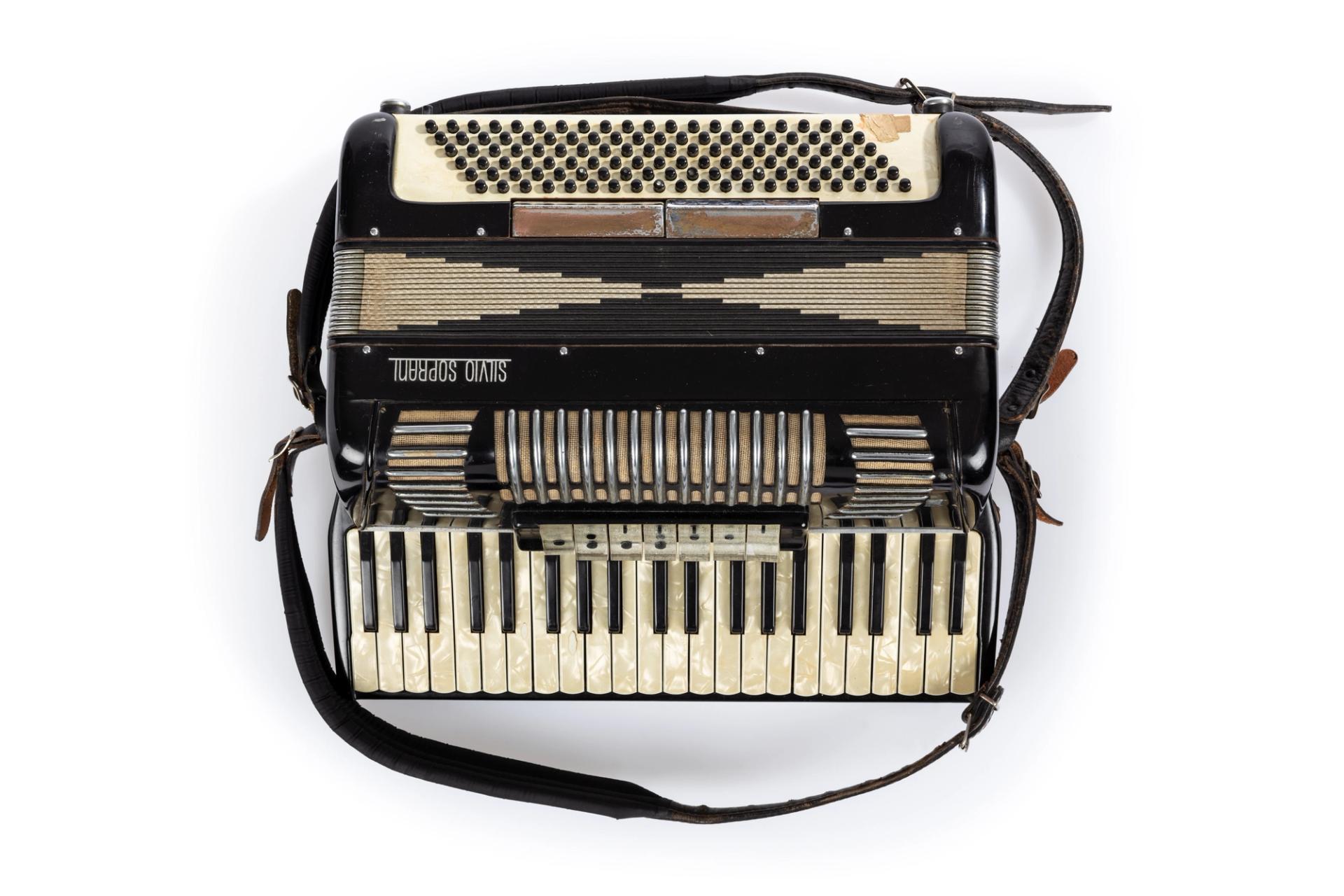
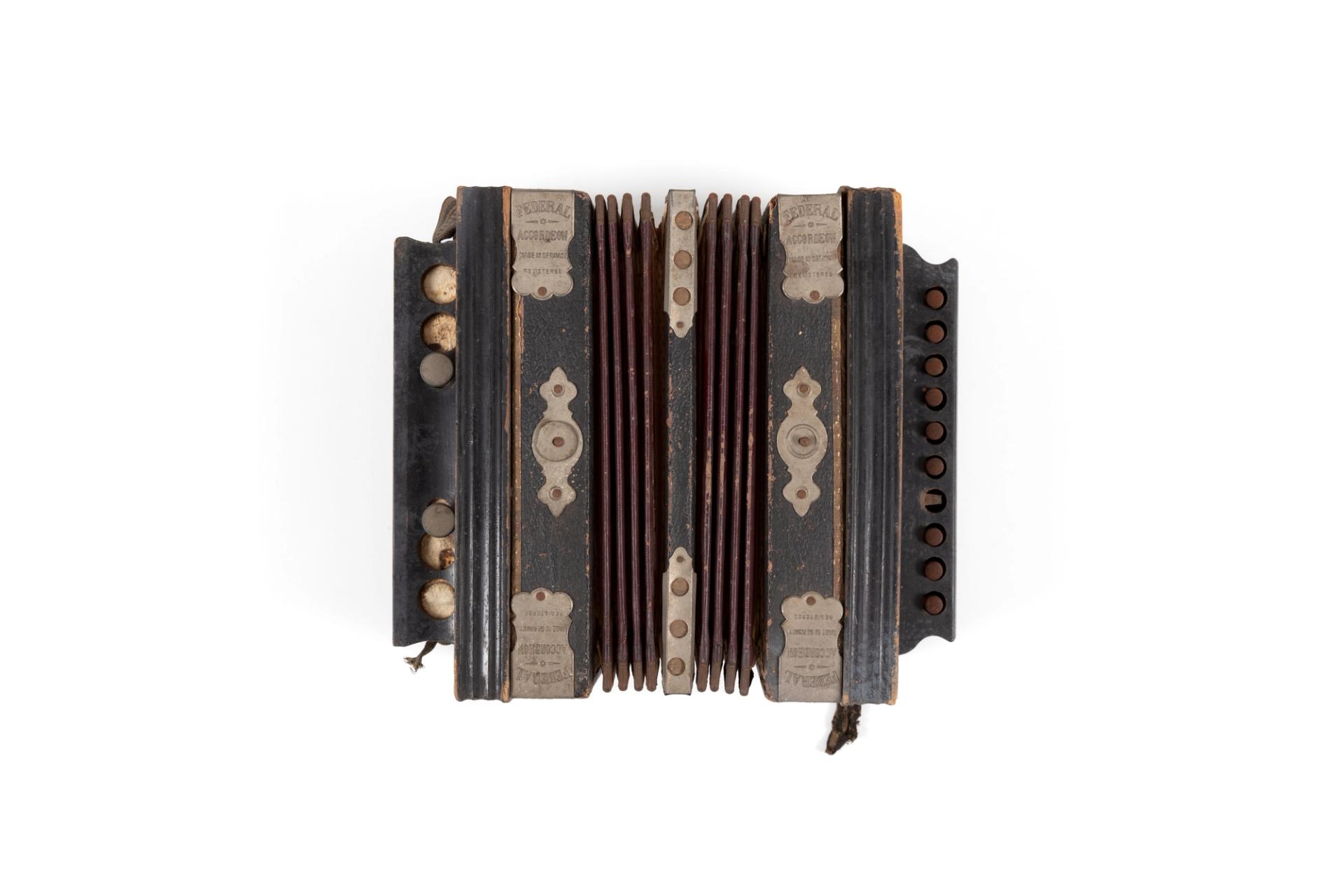
We were talking a lot about these older instruments like bandoneons and accordions. They had isomorphic layouts — a guitar is an isomorphic instrument. You can learn one chord shape and move it around and play it in different keys.
We wanted something that could let beginners play it without needing years of training before you could make a good sound out of it. But we also wanted something that would reward practice and let you become a virtuoso if you did spend the time on it.
The innovation we had was to make this a diatonic isomorphic grid. So it’s like eliminating the black keys on the piano to let anybody play in any key quite easily with just a few shapes. That was powerful.
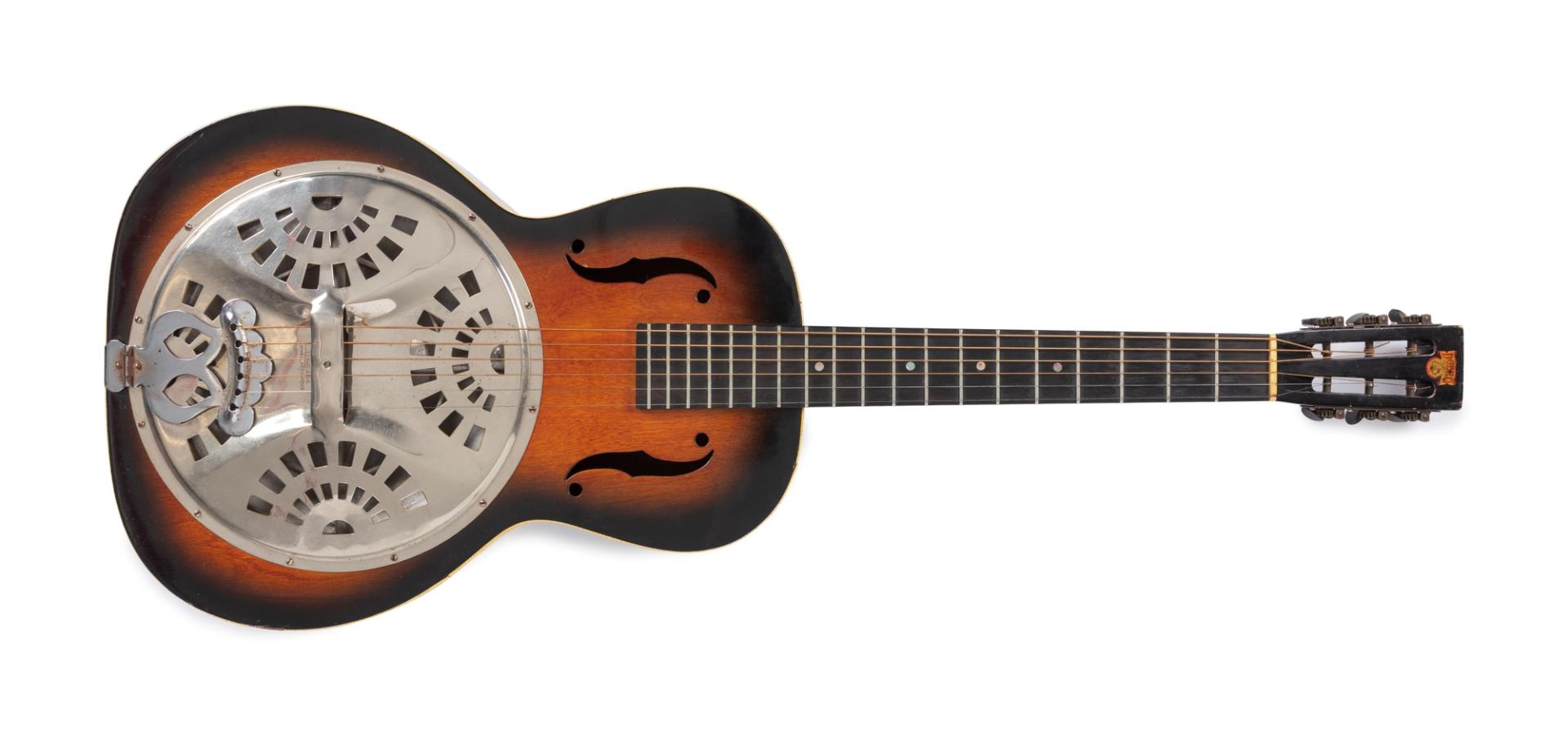
I studied guitar and I have learned over the years that you can tell a guitarist by their fingers, the way they touch the strings, the way their finger wiggles on a string. If you’re a blues listener, you know a BB King from a Freddie King to an Albert King. You can hear them. You can tell from one note, even if they're playing the same guitar. And while I don't think there's any BB King of Push yet, because of the sensitivity and the expression control we have of each pad being an XY control surface, we can offer that level of detail into electronic music. The hope is that someday you would be able to tell one Push player from another.
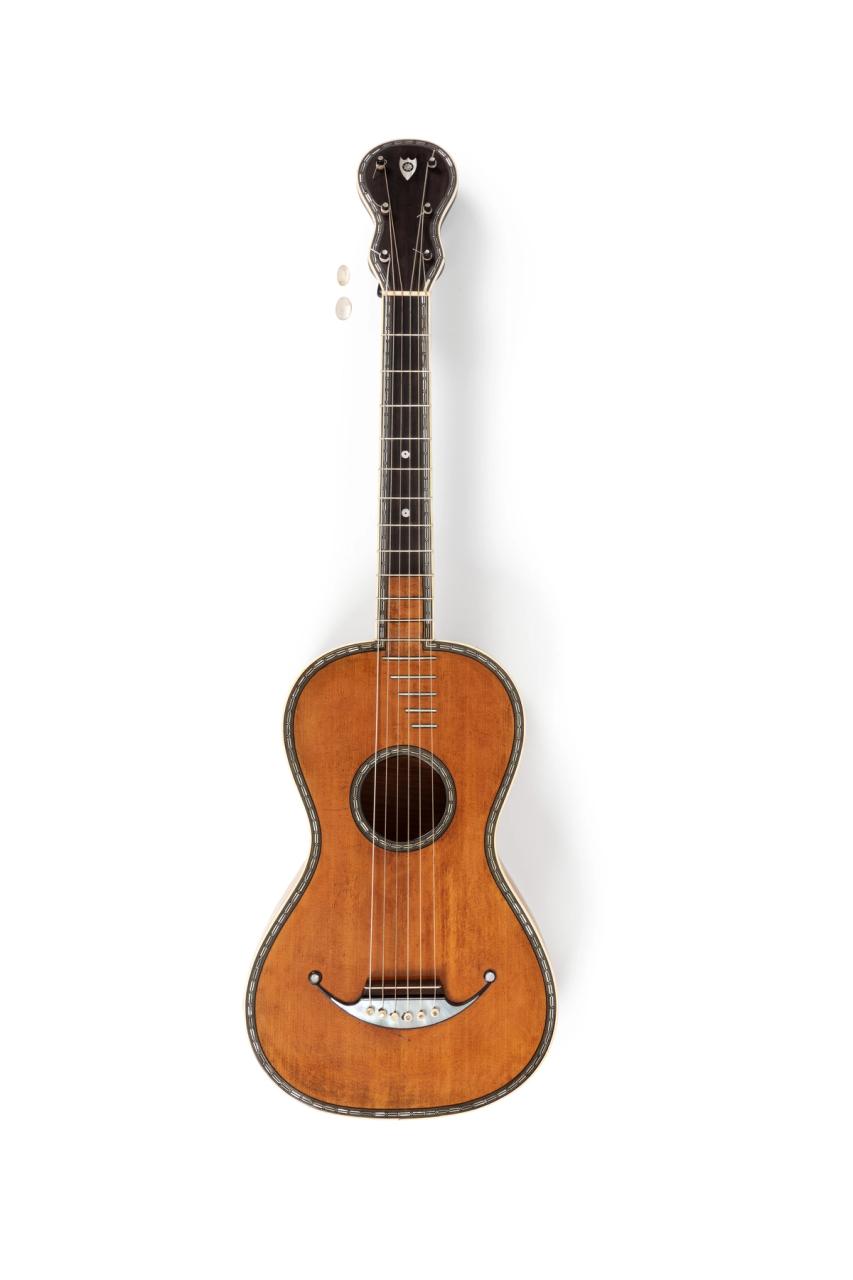
![Pear-shaped back made up of 11 ribs; two-piece [cedar] soundboard with unusually-shaped soundhole and ivory purfling; very worn wooden saddle with metal bridge; black wooden bridge pins with ivory inlay; guitar-like hardwood neck meets body at 8th fret; rosewood fingerboard; brass frets extend onto soundboard; two mother-of-pearl fret dots; curved headstock with flat finial and six metal machineheads with yellowish knobs (one knob missing).](https://cdn.sanity.io/images/wkgts1b4/production/cb2f60d801453164009de2f87b0e0d2ea2eccca5-5270x7905.jpg?w=1920&h=1280&q=75&fit=fillmax&crop=entropy&auto=format)
I always wanted to be a professional musician, but becoming an instrument maker has been surprisingly fulfilling. Now seeing this product in the hands of some of the best musicians and my heroes makes me really excited to make it better all the time and make it into something that goes beyond what they thought they needed.
I remember showing the Lego prototype to Flying Lotus and Q-Tip, who are some of my favourite artists. They always came in with wishes like, ‘Oh, it should do this this way, not that way.’ Jazzy Jeff is another person who was using the Lego prototype early on and giving feedback. It's been fun to see Herbie Hancock use a Push 1 and play Flight of the Bumblebee on it without any practice.
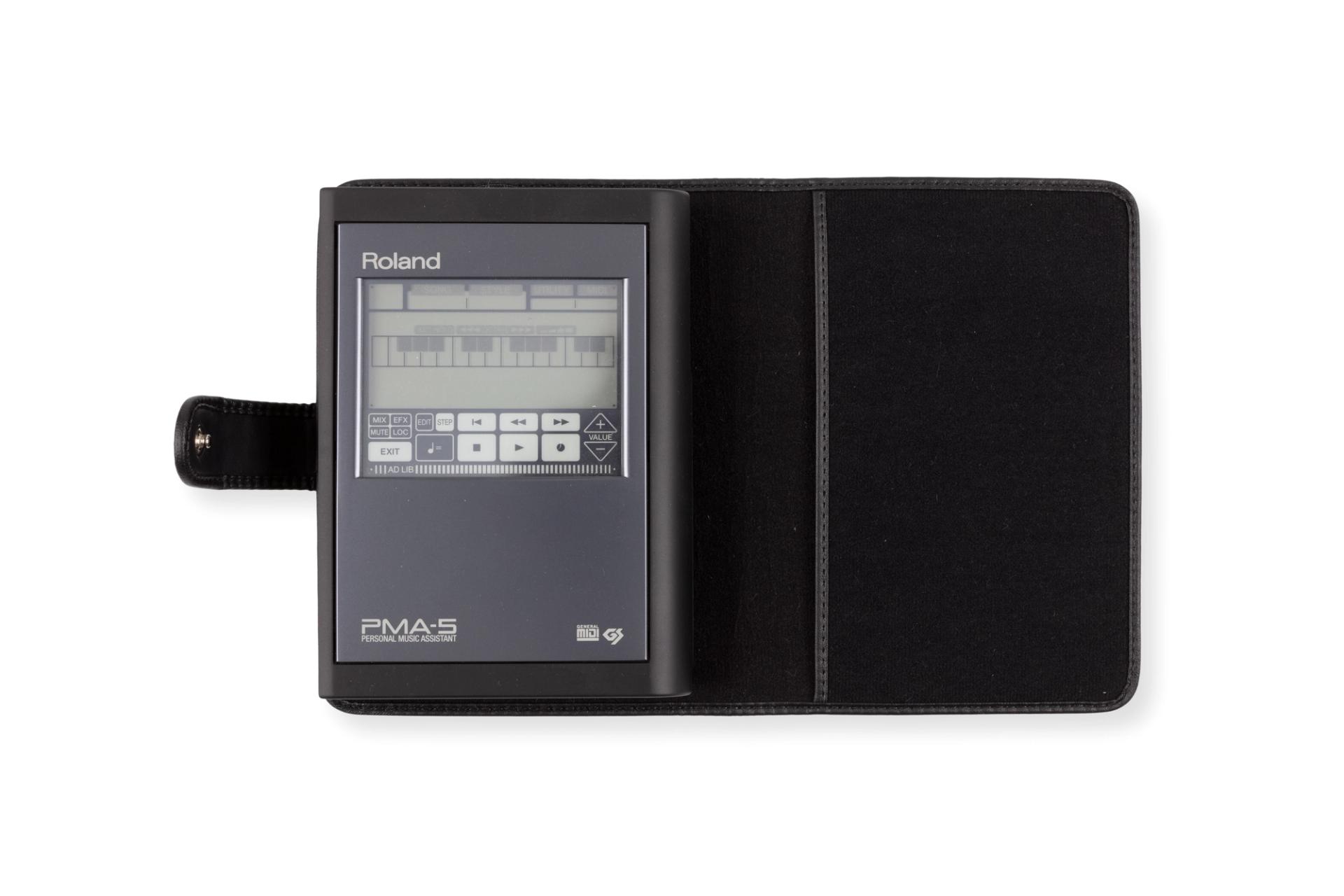
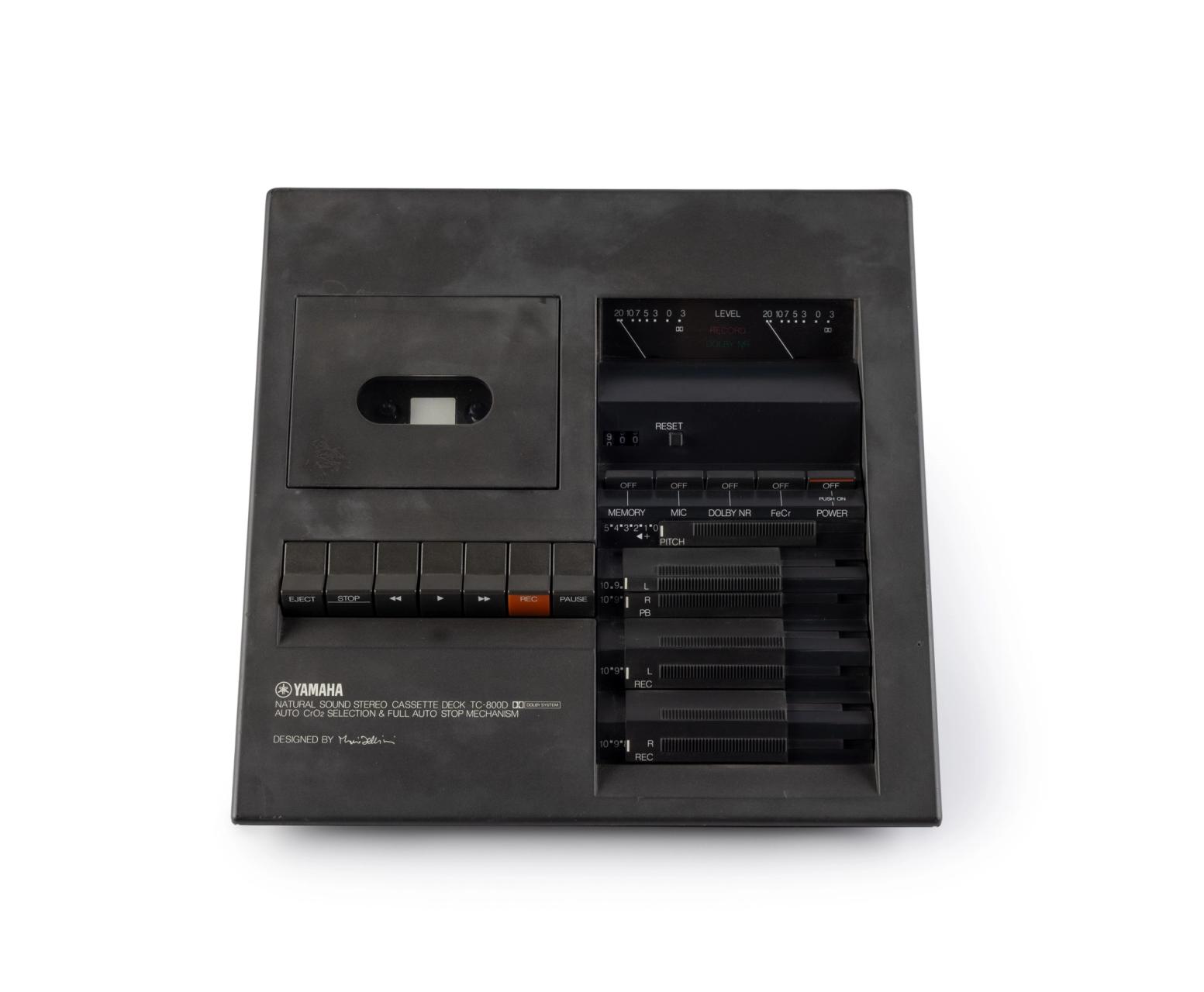
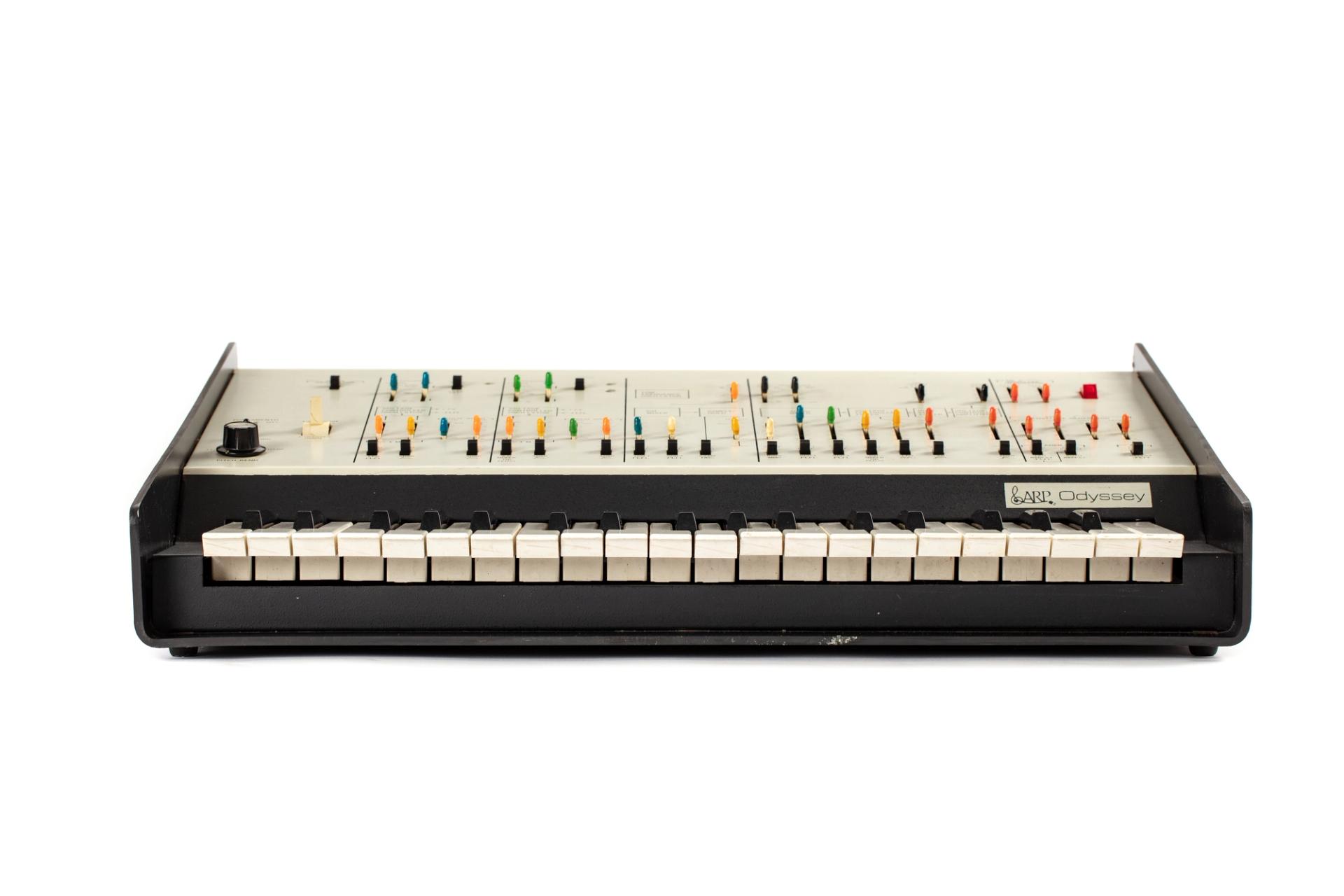
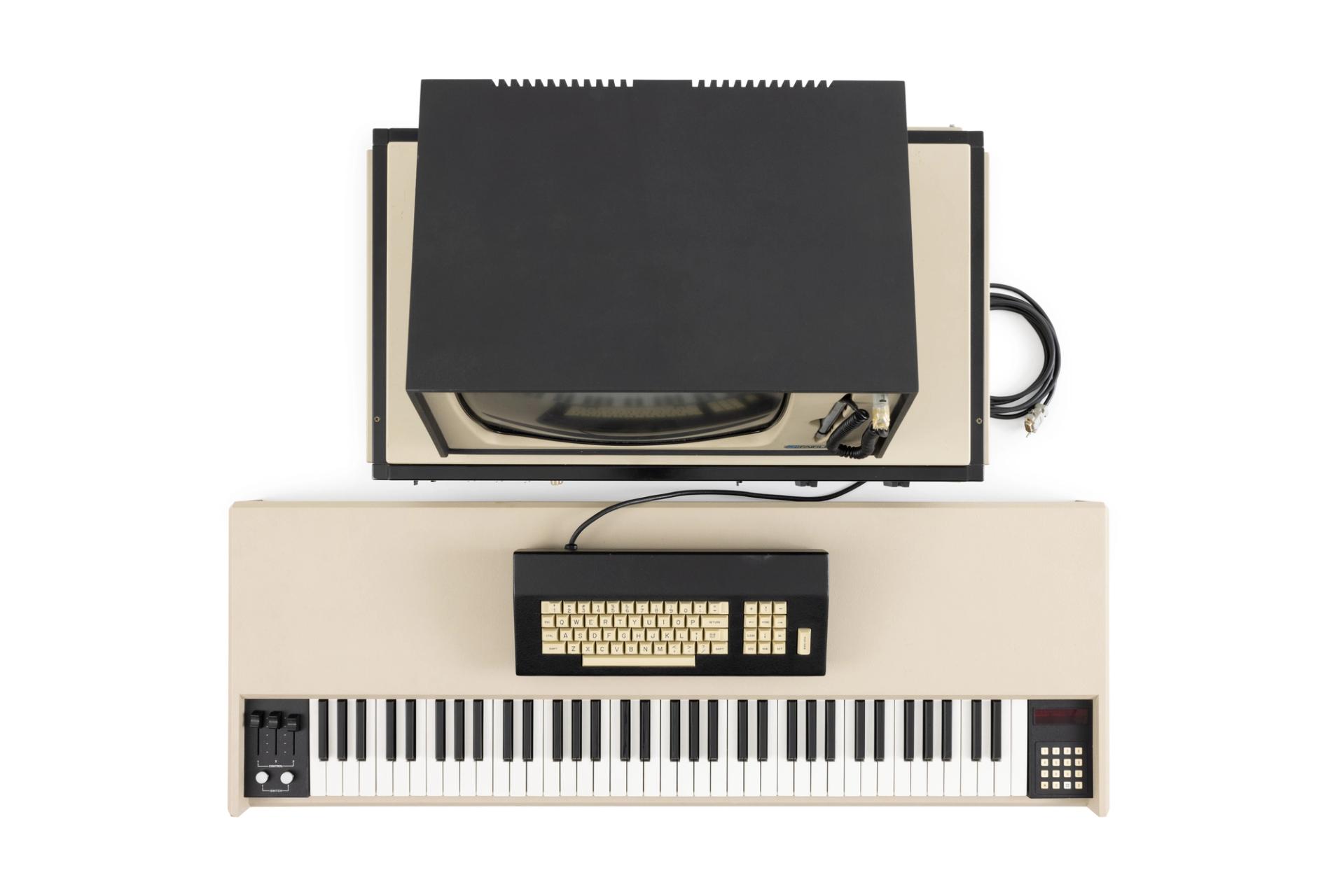
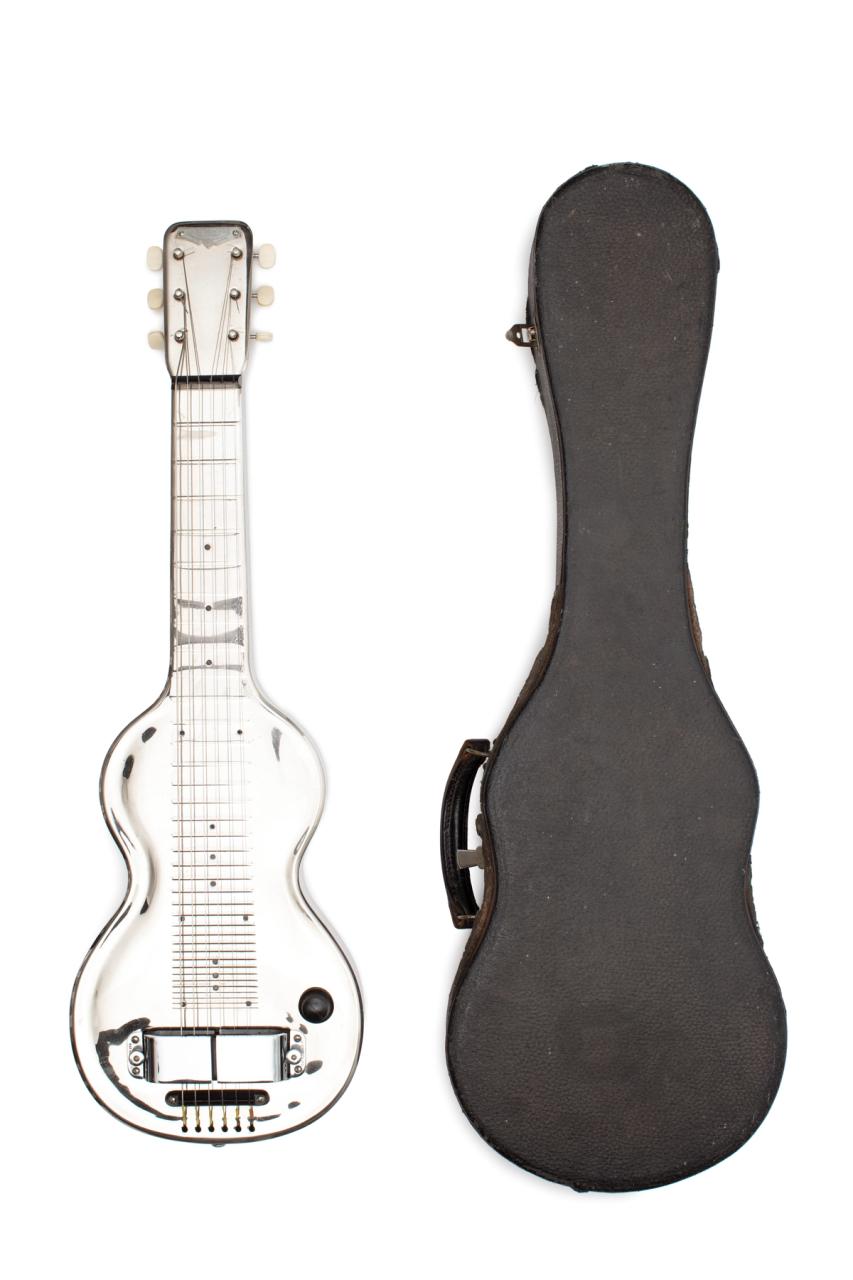
From its beginnings in my attic, digging through LEGO bins, hoping that this would get made, to have it now sitting alongside some of these other amazing instruments from the past, things that I love and respect and have learned from, it's super exciting.
About
Jesse Terry is head of hardware at Ableton, leading a team that shapes the vision of Push and Move. He joined Ableton in 2005, initially working in artist and partner relations — a role that led to his involvement in designing the APC40 in collaboration with AKAI Professional, the first dedicated Ableton Live controller. This led him to then prototype the Push as Ableton's first proprietary MIDI controller.