Climate Action Plan – Year three

Powerhouse launched its Climate Action Plan 2022–25 in November 2022, setting out 12 key objectives encompassing infrastructure, programs and operations across the museum’s 4 sites, with the aim of achieving net zero operational carbon emissions by the opening of Powerhouse Parramatta.
The key projects highlighted in this report demonstrate our progress towards targets set out in the plan. Powerhouse will report progress across our objectives during the 3-year plan period, publishing a final report on climate action achievements in 2026.
Powerhouse Infrastructure
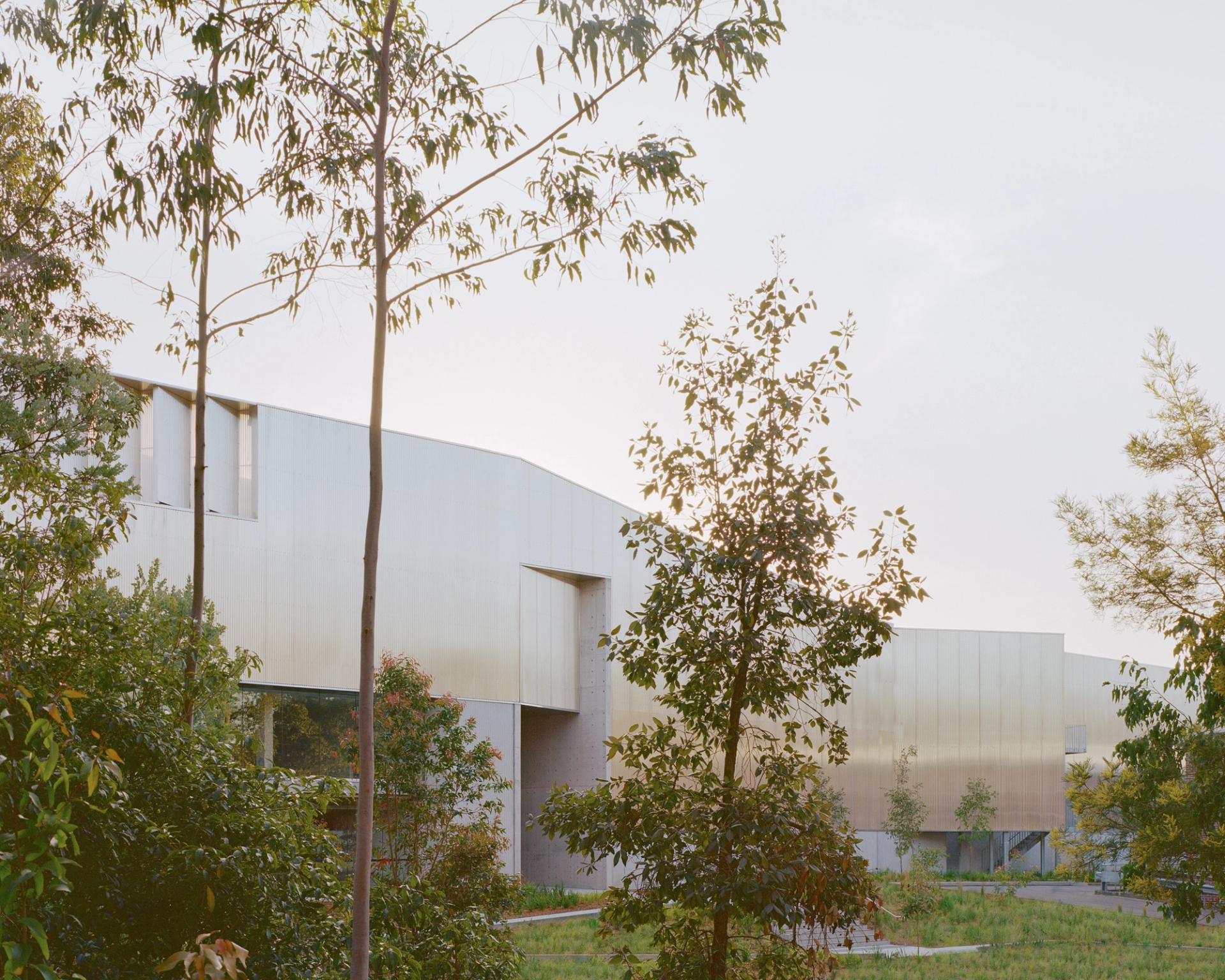
Innovation, function and critical analysis of energy production and consumption have been ongoing themes throughout the history of Powerhouse, from our priceless Boulton and Watt Steam Engine through to the adaptive reuse of the Ultimo Power Station for Powerhouse Museum in the 1980s. Renewal of our buildings and precincts represented an immediate opportunity for Powerhouse to reduce carbon emissions. With innovative architectural design and engineering, Powerhouse Parramatta will be a 6 Star Green Star building. The renewal of Powerhouse Ultimo will adopt a sustainable approach to modifications, new built form and further adaptive reuse, while recognising the site’s original function and purpose.
Objective 1
Practice Responsible Stewardship
1.1 Work with First Nations people to develop opportunities, engagement and strategies to embed caring for Country principles that reflect their perspectives and knowledge.
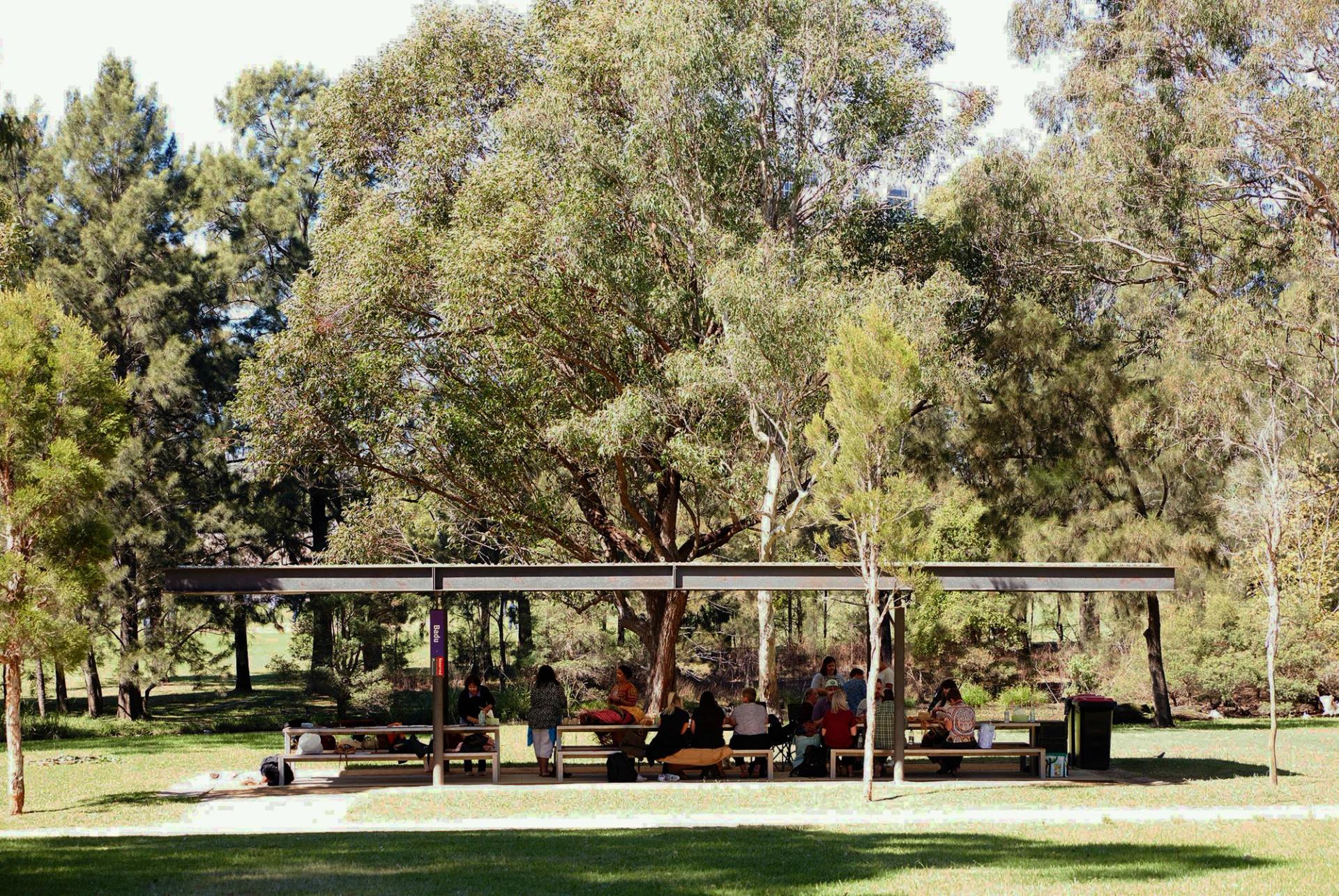
Baramadagal Gathering
The Baramadagal Gathering program continued, led by Jayne Christian and Aunty Julie-Ann Christian, to create a space to support and share culture on Country for Baramadagal and Dharug community members from across Australia. Multiple events were held in 2025 including a walk on Country, led by archaeologist and heritage practitioner Dr Jillian Comber to share the findings of archaeological excavations she directed at Parramatta North Precinct, in addition to yarns and a presentation from Powerhouse. Powerhouse will continue to support this Nation building work led and designed by the Baramadagal Gathering group members.
Objective 2
Decarbonise Powerhouse Sites
2.2 Maximise onsite renewable energy opportunities at all sites.
2.4 Implement sustainable transport plans for all Powerhouse locations.
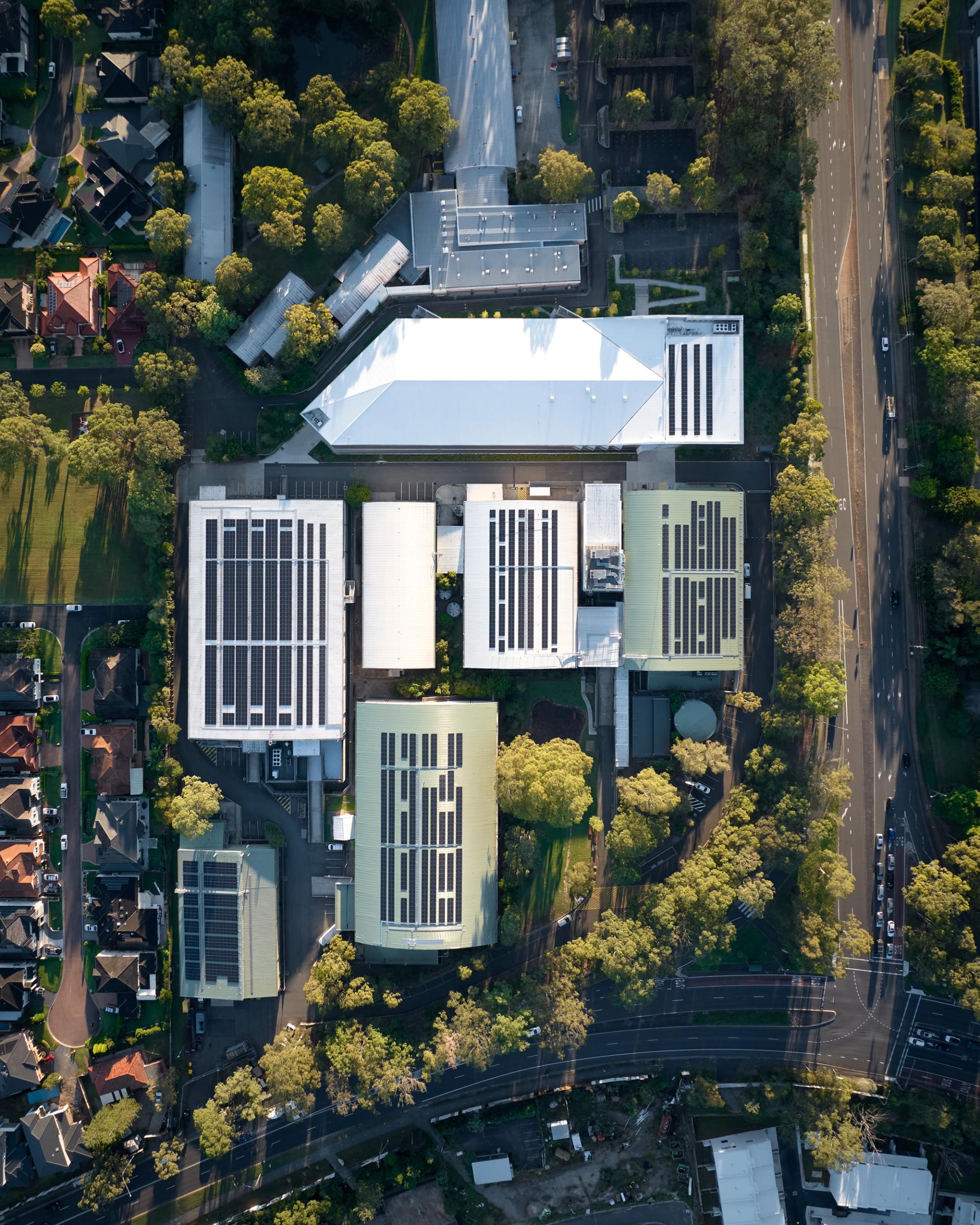
Renewable Energy Ecosystem
In May 2025, the 800kW solar photovoltaic (PV) and 250kWh battery energy storage system (BESS) was commissioned at Powerhouse Castle Hill following a 9 month construction period. Early system performance measurement demonstrated it provides approximately 30% (winter) to 50% (summer) of the site’s electricity needs. The system has significantly reduced electricity costs and carbon emissions generated by the site, contributing to the overall decarbonisation target for the portfolio.
Transport plans for Powerhouse sites promote public and active transport, while disincentivising private car travel. Aligned to the decarbonisation pathway, the museum’s staff passenger fleet has transitioned to electric vehicles, with charging stations powered by renewable electricity.
Objective 3
Standardise zero waste approach to exhibition construction and museum operations
3.3 Integrate circular principles into exhibition production and design processes.
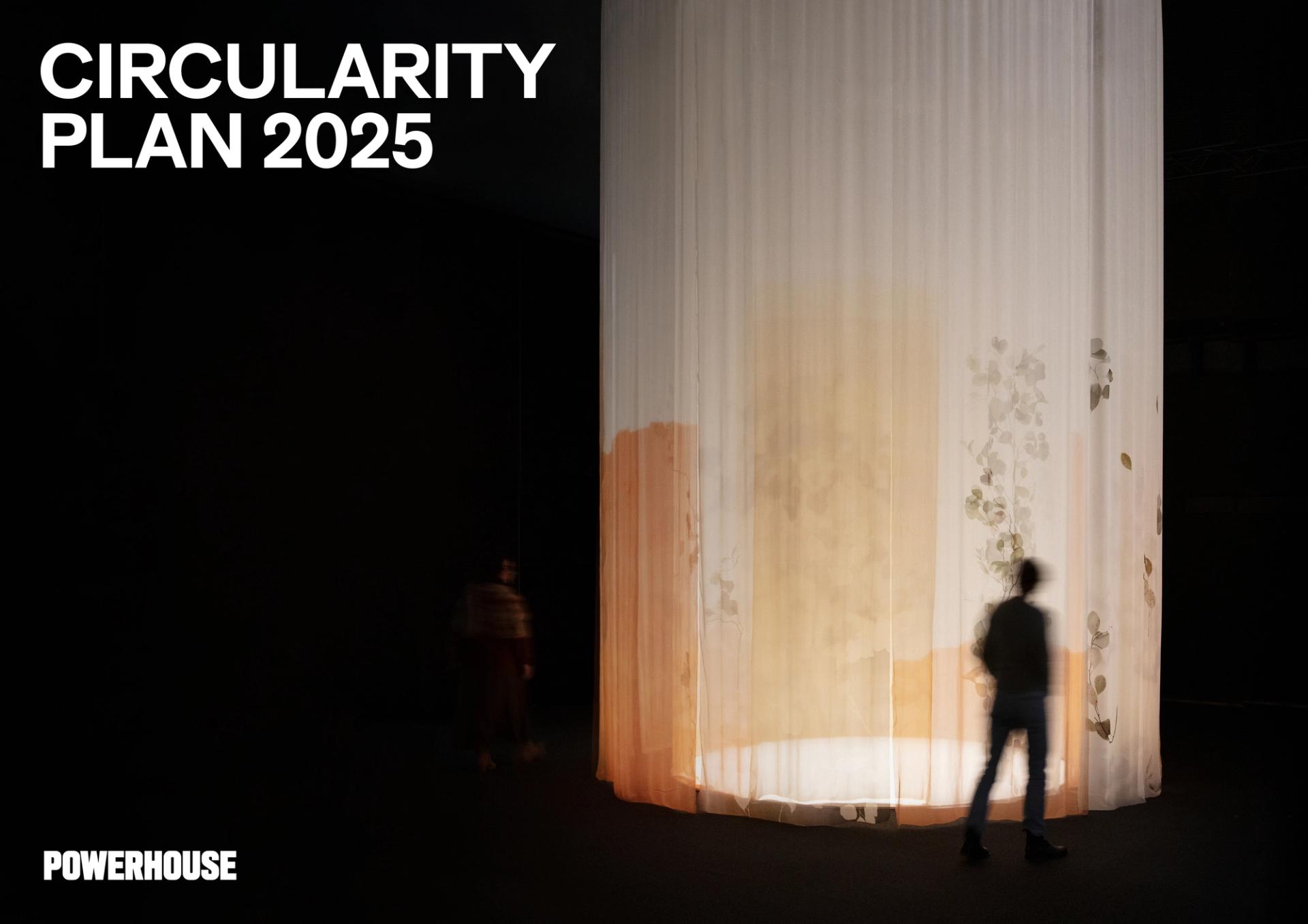
Powerhouse received funding through the NSW Choose Circular program to integrate circular practices in exhibition production. The carbon footprint of Powerhouse exhibitions is second only to Powerhouse building operations, which are responsible for most of the organisation’s footprint. Exhibitions also represent the organisation’s most significant use of materials.
The circularity plan and supporting tools were created to communicate standardised expectations that circular methods and material selection (flows) should be part of all exhibitions. Powerhouse-engaged specialist consultancy Coreo to support the development of the plan.
University Group Project: Enabling circularity in museum exhibitions
Interdisciplinary student groups were invited to explore how sustainable exhibition production can be supported by innovative designs incorporating circular practices in material tracking, reuse and lifecycle planning. Project solutions were developed in parallel to the current Powerhouse intent to integrate circularity into exhibition making, with feedback from Powerhouse staff.
Students developed practical and scalable solutions such as inventory tracking methods, digital interfaces or improved workflows that enable more transparent and efficient material management aligned to the museum’s long-term vision for circularity and innovation in the cultural sector.
Powerhouse Programs
As we deliver our renewal program, it is timely to reflect upon and learn from our history and redefine our role in contemporary society. It is insufficient for cultural institutions to simply stage exhibitions and programs that highlight contemporary social issues. They must demonstrate leadership by interrogating their own processes and practices and make intrinsic changes. Powerhouse exhibitions and programs account for the second highest proportion of carbon emissions, behind electricity use.
Objective 5
Embed sustainability in museum practice collection management
5.2 Formalise our commitment to sustainable collection and management practices within conservation and collection policies and procedures.
5.3 Support regional museums and galleries through outreach programs to share learnings gained through sustainable conservation and collection management.
5.4 Respond to industry development and guidelines for collection condition and sustainable conservation practices.
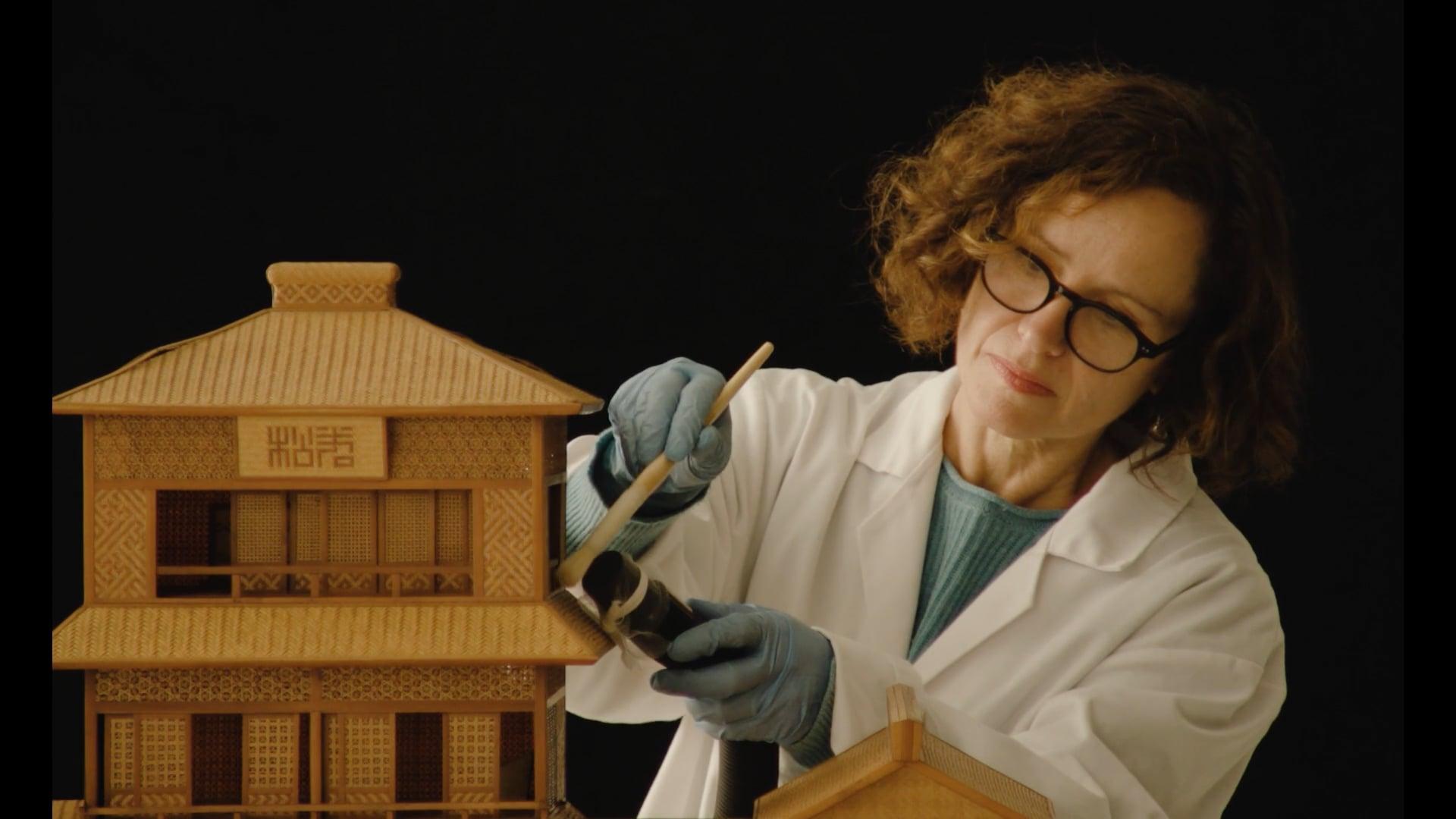
Conservation guidelines for exhibitions
Conservation guidelines for exhibitions were updated to formally broaden the approach to determining appropriate climatic conditions for collection objects. These guidelines are aligned with the reviewed Bizot Green Protocol recognising the environmental impacts associated with the maintenance of strictly limited indoor environmental controls. Powerhouse conservation and facilities management teams continue to collaborate on projects designed to optimise object conditions and building performance.
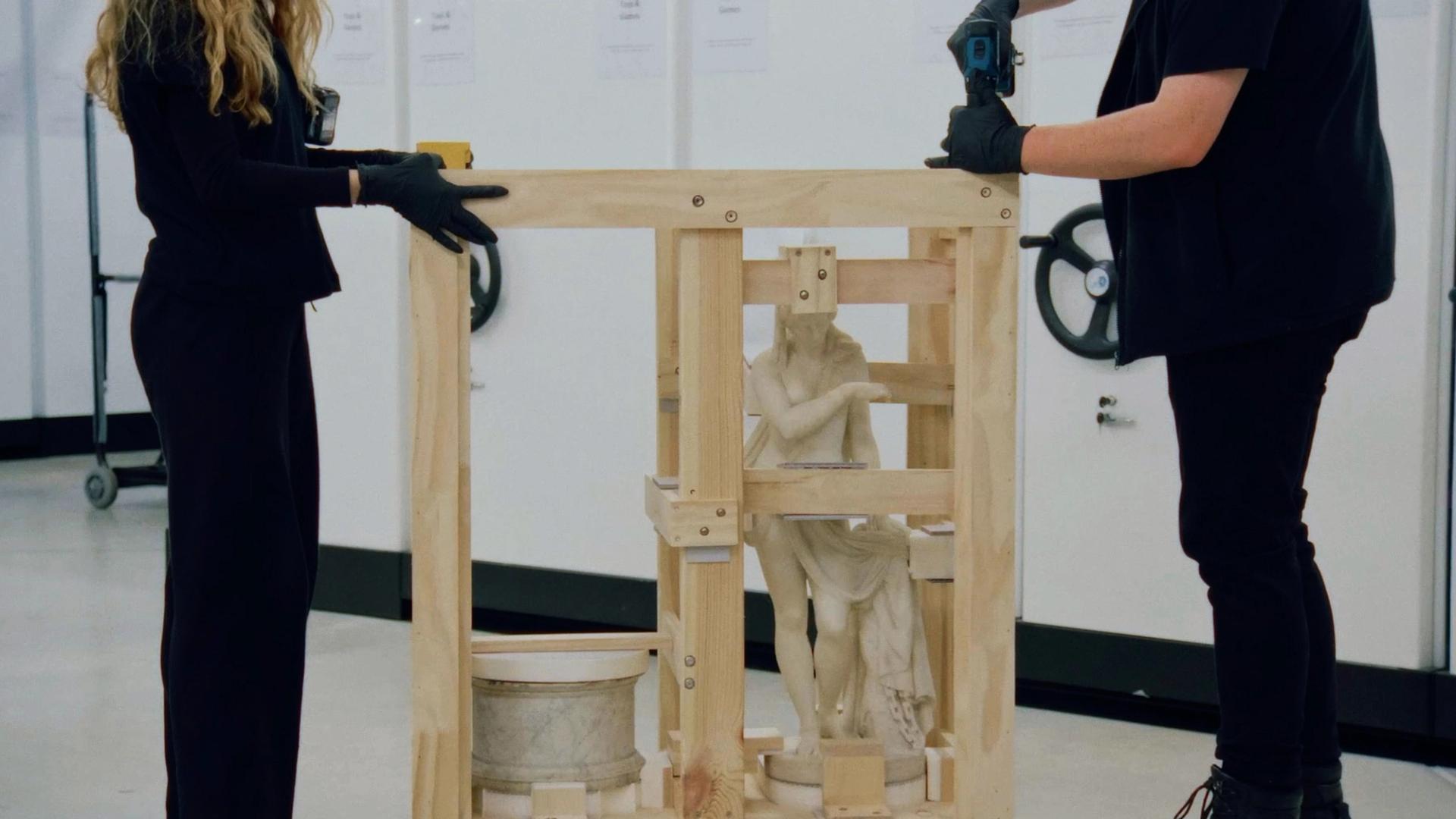
Unlocking sustainable collection practices
Registrars Bronwyn McKenzie and Yasmin Green conducted a sustainable collection management workshop designed for staff and volunteers working across the museum and collecting sector.
Participants learnt about procedures and strategies for dealing with uncollected loans and unidentified objects, how defining a museum's collection policy can mitigate the risk of unwanted donated objects and how to improve efficiencies in acquiring objects.
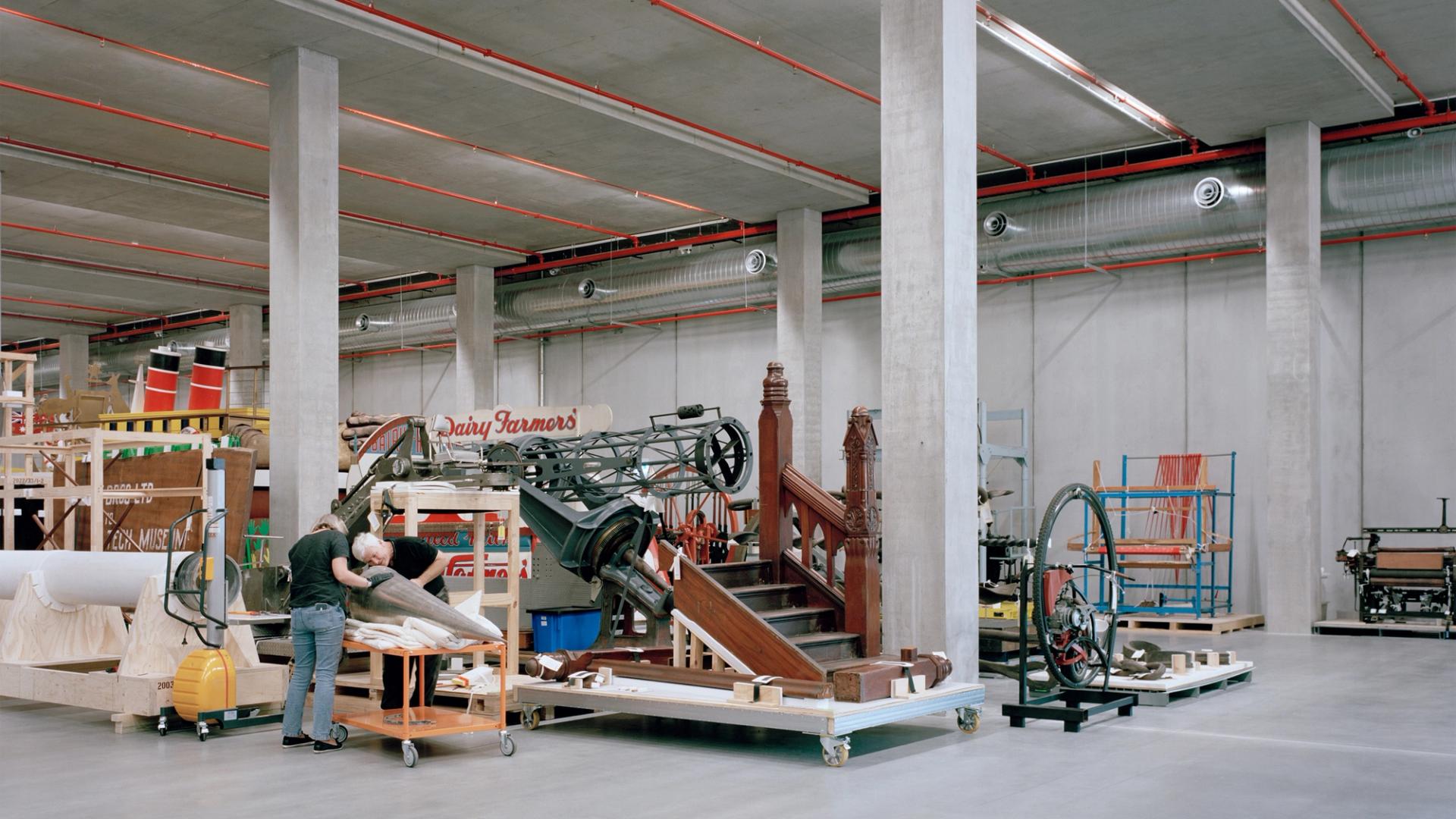
Regional Stakeholder Forum
In November staff and volunteers from regional and Western Sydney museums and galleries came together to network, share stories and engage with current topics relevant to the regions. The event was presented in partnership with Powerhouse, Museums & Galleries of NSW and Regional Arts NSW.
In 2025, the forum explored the longevity of the sector at large, from the organisations we run and the collections we care for, to the communities we serve and the legacies we leave.
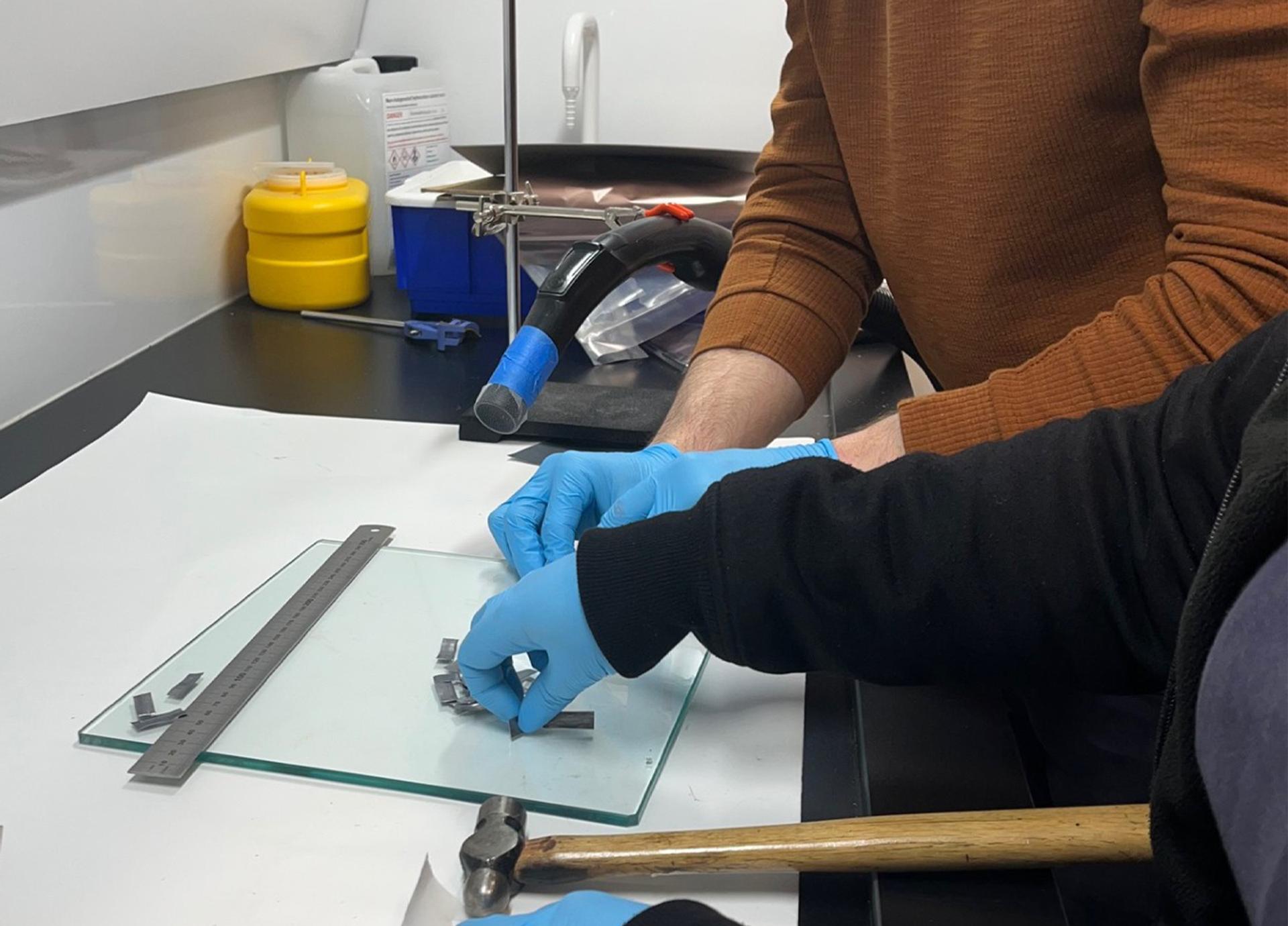
Oddy Testing
The Oddy test is an internationally recognised method to test the safety of materials that come into proximity with museum objects. The NSW Choose Circular funding enabled Powerhouse to incorporate Oddy testing into the Circularity plan, bringing Oddy testing equipment and related procedures in house for the conservation team. This has been a very beneficial capacity building opportunity for the team with the ability to undertake Oddy testing as needed rather than contracting an external service provider.
As part of the circularity plan the conservation team initiated experiments to improve the Oddy testing process. Sanitising the testing materials, including metal coupons to reuse in future testing batches, aims to eliminate waste materials from the testing process altogether. The experiment continued in 2025 and the project was presented at the AICCM (Australian Institute for the Conservation of Cultural Materials) conference in late 2025.
Objective 6
Prioritise collaboration and research with climate change thought leaders and industry to showcase innovation and ideas
6.2 Embed sustainability and climate change experts within the Powerhouse visiting research fellowship and residency programs.
6.3 Produce innovative sustainability and climate change-related programs, research projects and exhibitions ensuring relevance and responsiveness to global sustainability and climate change issues.
Dr Mia Francesca Jones
‘Objects of Light: Impacts of Artificial Night Lighting’ explores the evolution of artificial night lighting and its impacts on ecological systems, human health and prose in works of literature. Through literary inquiry and object-based writing that draws on items in the Powerhouse Collection, this project will result in a literary essay that interweaves an exploration of the evolution of artificial night lighting with a personal narrative.
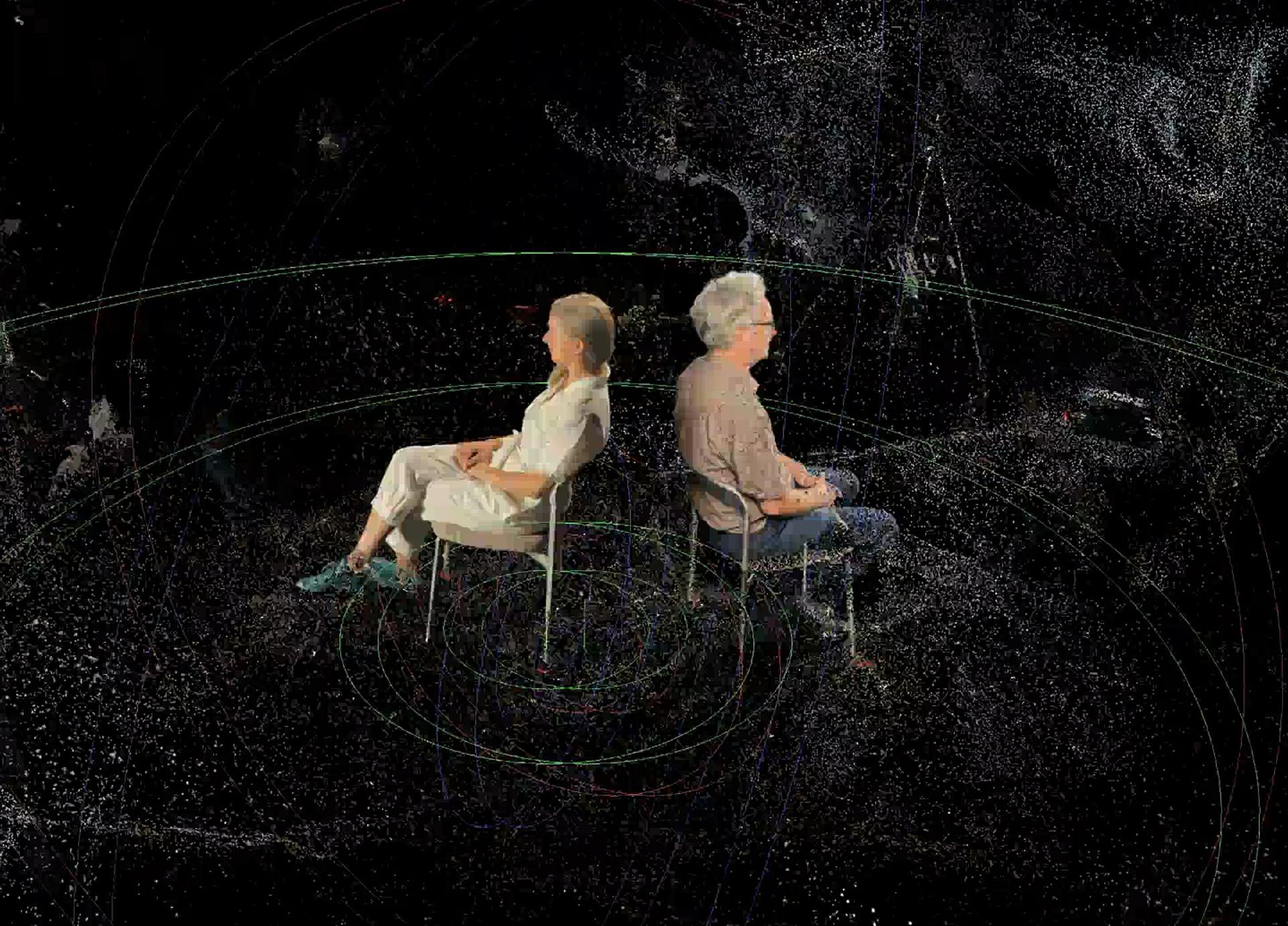
Professor James Goodman and Dr Julia Scott-Stevenson
‘Imagining the Electric’ is a journey through the fits and starts of electricity in Australia. It crafts a story through the objects and infrastructures that show the paths not taken as well as the roads that lead to our electric present, giving space to imagine what’s next for electrified futures.
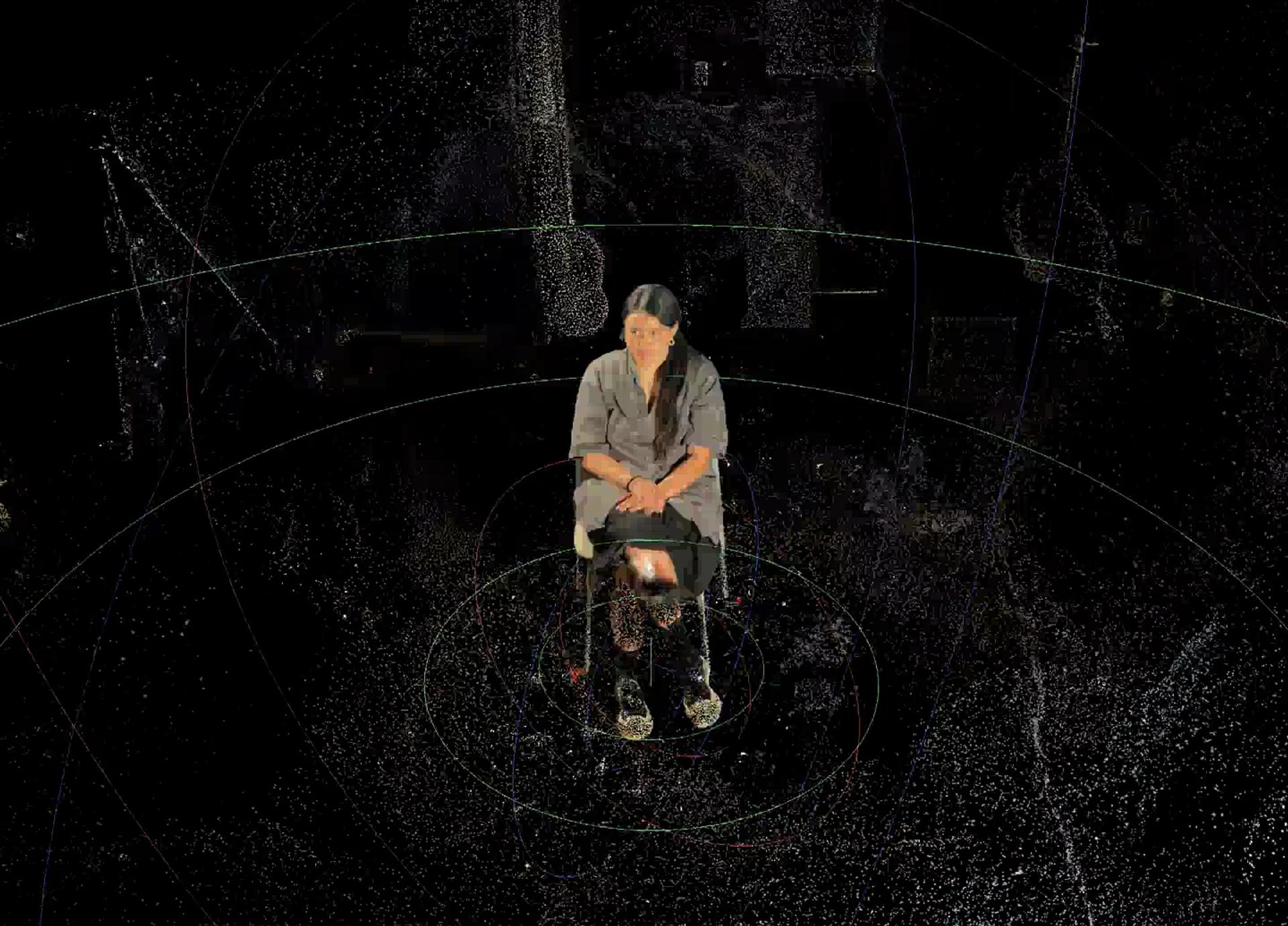
Talei Mangioni
‘Radio Histories in the Pacific Islands‘ explores the immense cultural power of radio in the Pacific Islands region — from its earliest days as a technology connecting white settler plantation communities, to the airwaves being reclaimed, localised and decolonised to suit the needs of Indigenous peoples on the cusp of political independence and self-determination. Responding to the radio and broadcast collection at Powerhouse, particularly objects produced by Amalgamated Wireless (Australasia) Ltd (AWA) (opens in new tab), the project intends to track the developments of radio through its material culture.
Future Leaders Forum
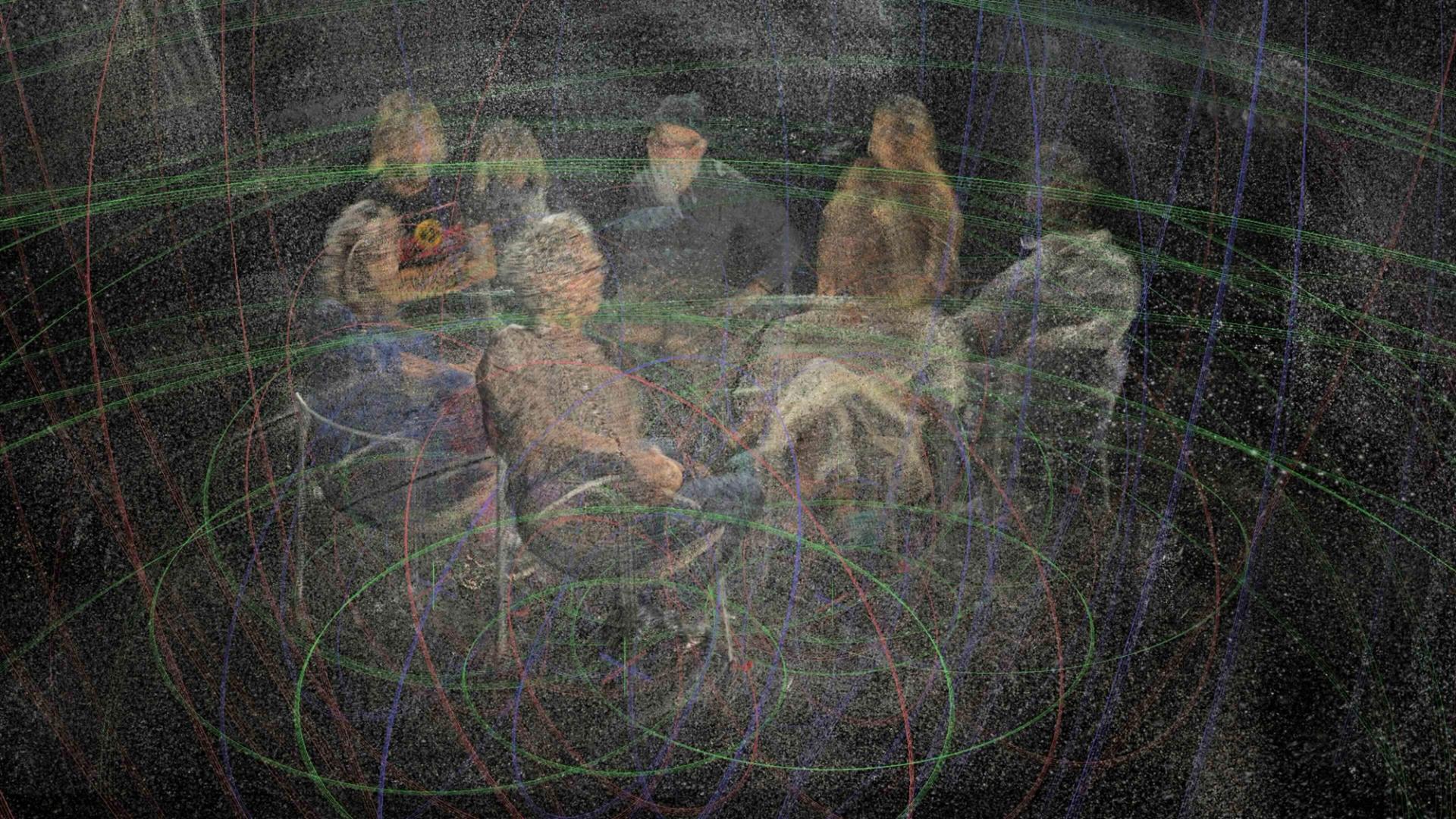
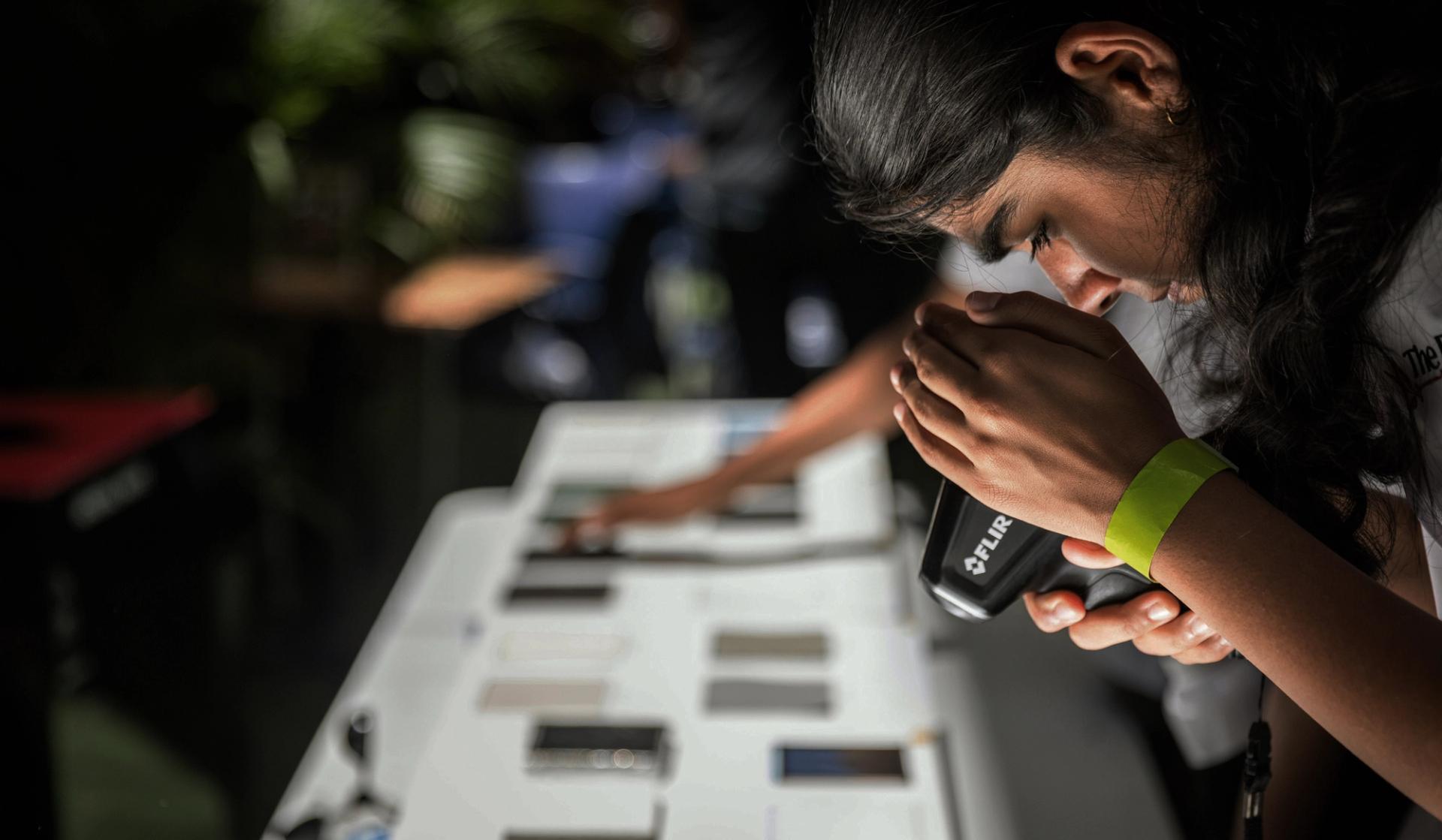
High school students from across Sydney were invited to join the Future Leaders Forum to explore climate leadership on World Environment Day. The program was presented by Powerhouse in collaboration with the NSW Department of Climate Change, Energy, the Environment and Water. The forum provided opportunities for aspiring climate advocates and leaders to connect and voice new perspectives on climate change and its impacts. Students participated in 2 workshops: in the first, led by Eora-based multidisciplinary artist, educator and facilitator Melissa Gilbert, presented in collaboration with researcher, maker and curator Dr Julia Scott-Stevenson (UTS) and visualisation developer Thomas Ricciardiello (UTS Data Arena) students used generative AI to design collective visions of desirable climate futures; and in the second, led by Grace Vegesana, national director of the Australian Youth Climate Coalition, and journalist Phoebe McIlwraith, students explored the different roles needed for change.
Climate Action Week 2025 – New Possibilities
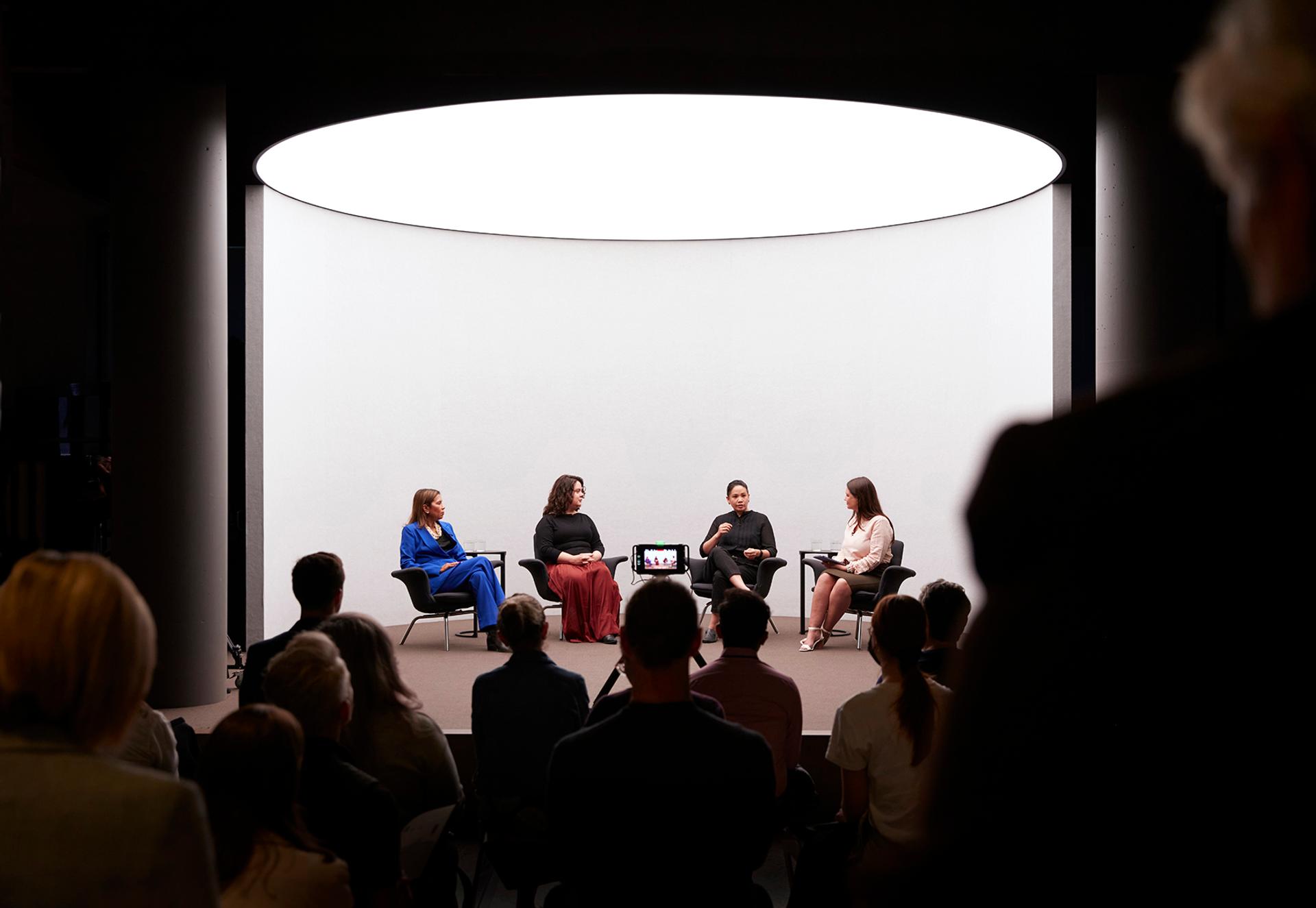
Aligned with Climate Action Week, Powerhouse presented an afternoon of discussion and storytelling diving into the past, present and future role of young people in the climate change movement. The program included talks, a panel discussion, visual displays and workshops to bring together youth climate advocates and activists, artists and designers, academic researchers, policy makers and the broader community to explore how youth climate action is strengthening democracy and climate justice.
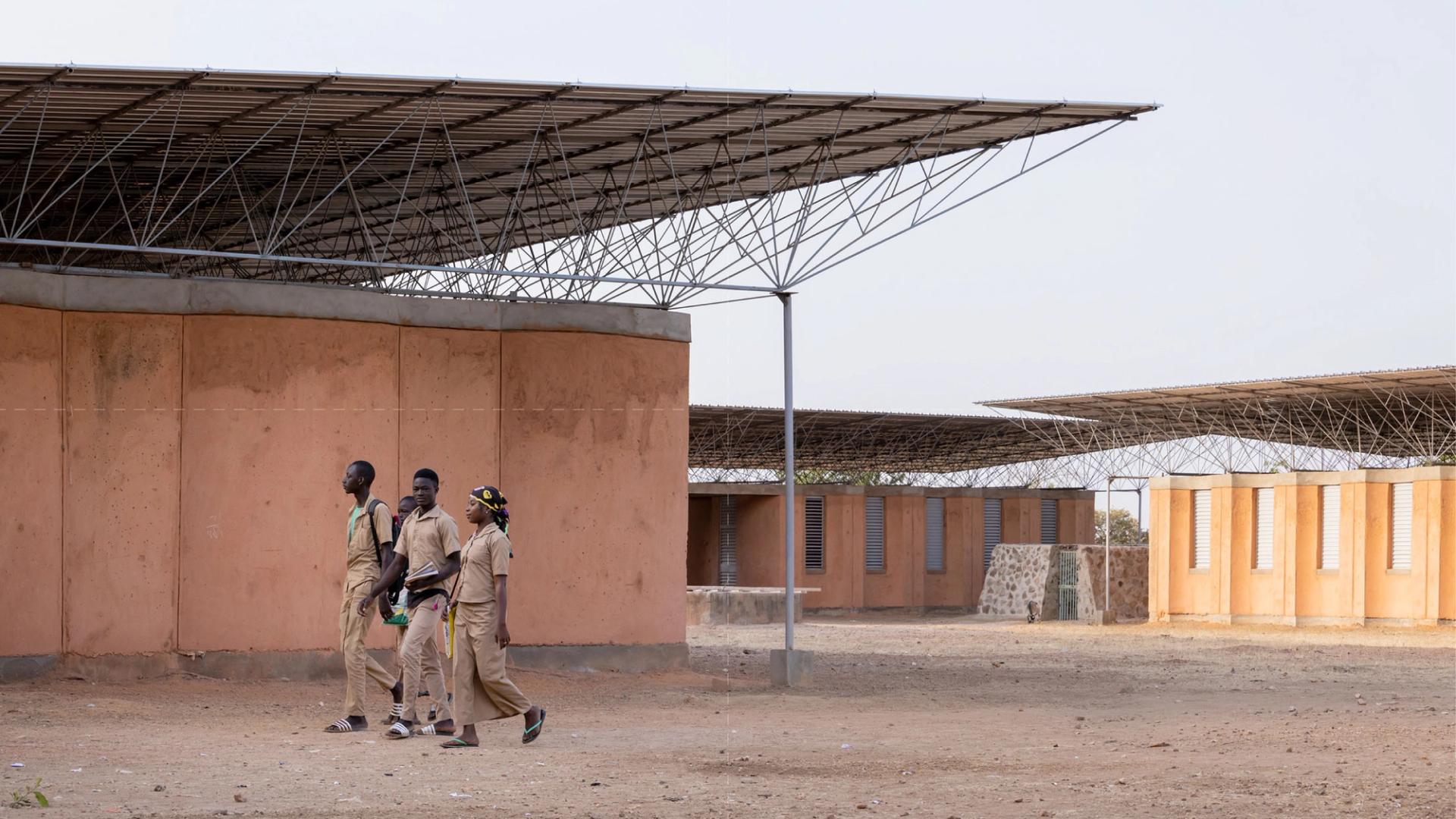
Sydney Design Week: HEAT AND RESILIENCE
Co-curated with local communities and creative practitioners, Sydney Design Week 2025 explored places designed for contemplation, connection and creativity.
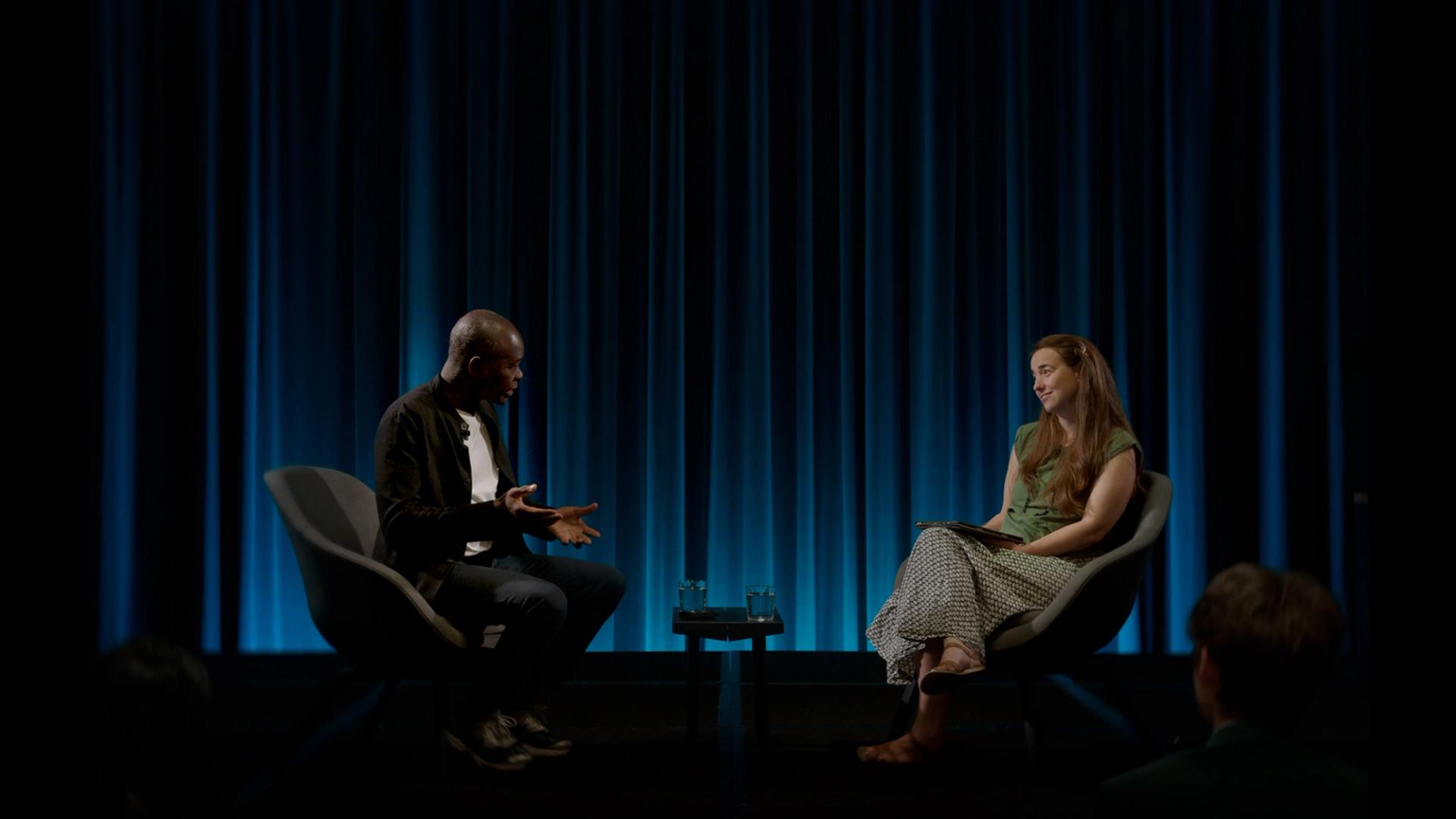
Pritzker Architecture Prize winner Francis Kéré joined architect Daina Cunningham and local students for a collective conversation on climate-adaptive schools.
Francis Kéré is known for his work on creating civic buildings that respond to heat, place and community. Through the Kéré Foundation, he uses local materials, cultural traditions and environmental conditions to create resilient and sustainable architecture. Students from the Lang Walker Family Academy’s 50ºC: Climate, Heat and Resilience program then led a conversation with Kéré about how sustainable design can create schools that are comfortable places to learn, work and play.
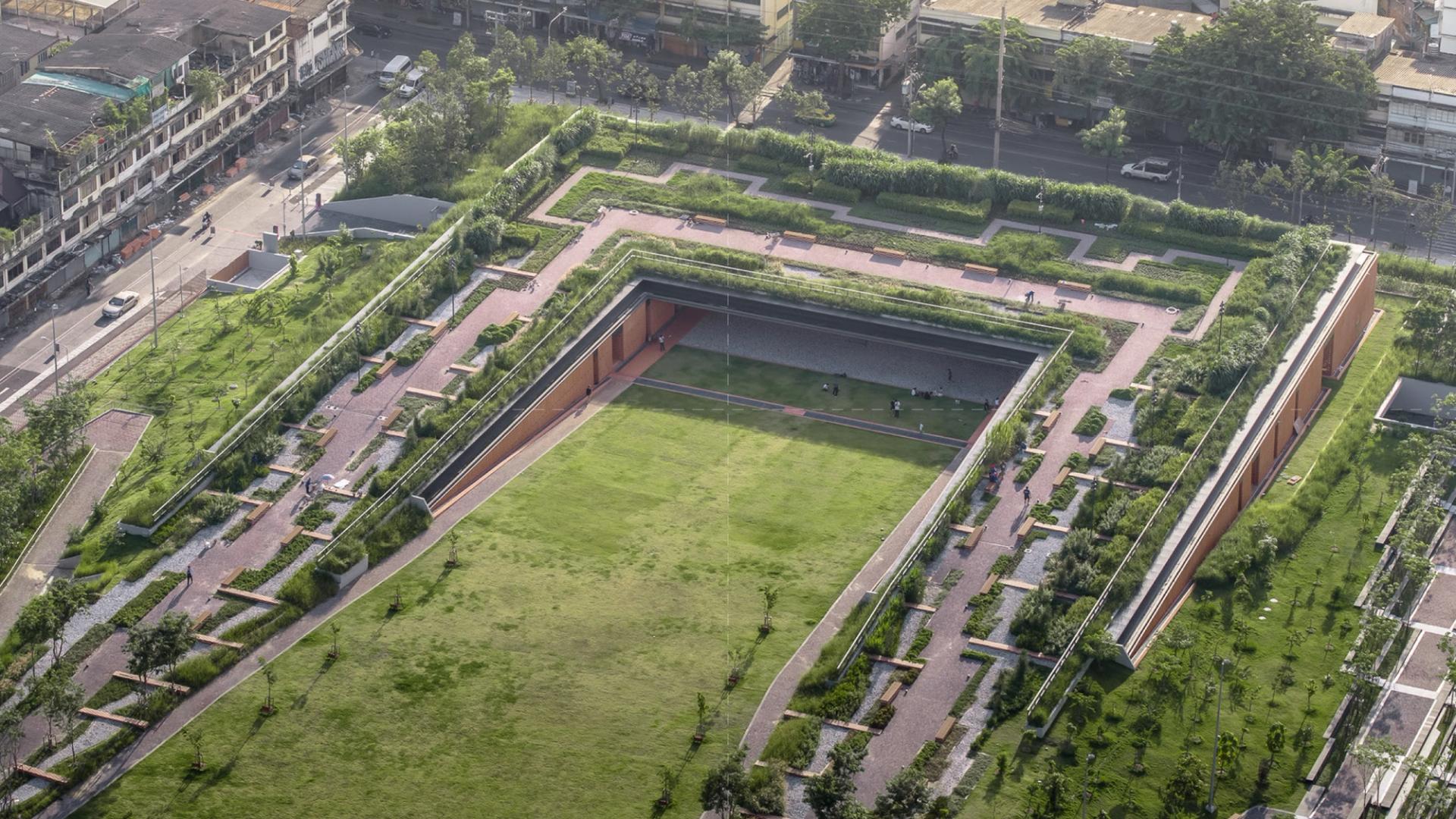
Sydney Design Week: POROUS CITIES
Arts centres, canal gardens and water-collecting parks featured in this conversation on architecture and landscape design for delta and flood-prone cities.
Flooding, rising sea levels and subsiding land are some of the most pressing consequences of climate change affecting cities in our region. Solutions for these complex issues require collaborative, cross-disciplinary and cultural strategies that help cities adapt. Thai landscape architect Kotchakorn Voraakhom led the presentation and discussion exploring major urban projects responding to flooding in New Orleans, Bangkok and Sydney.
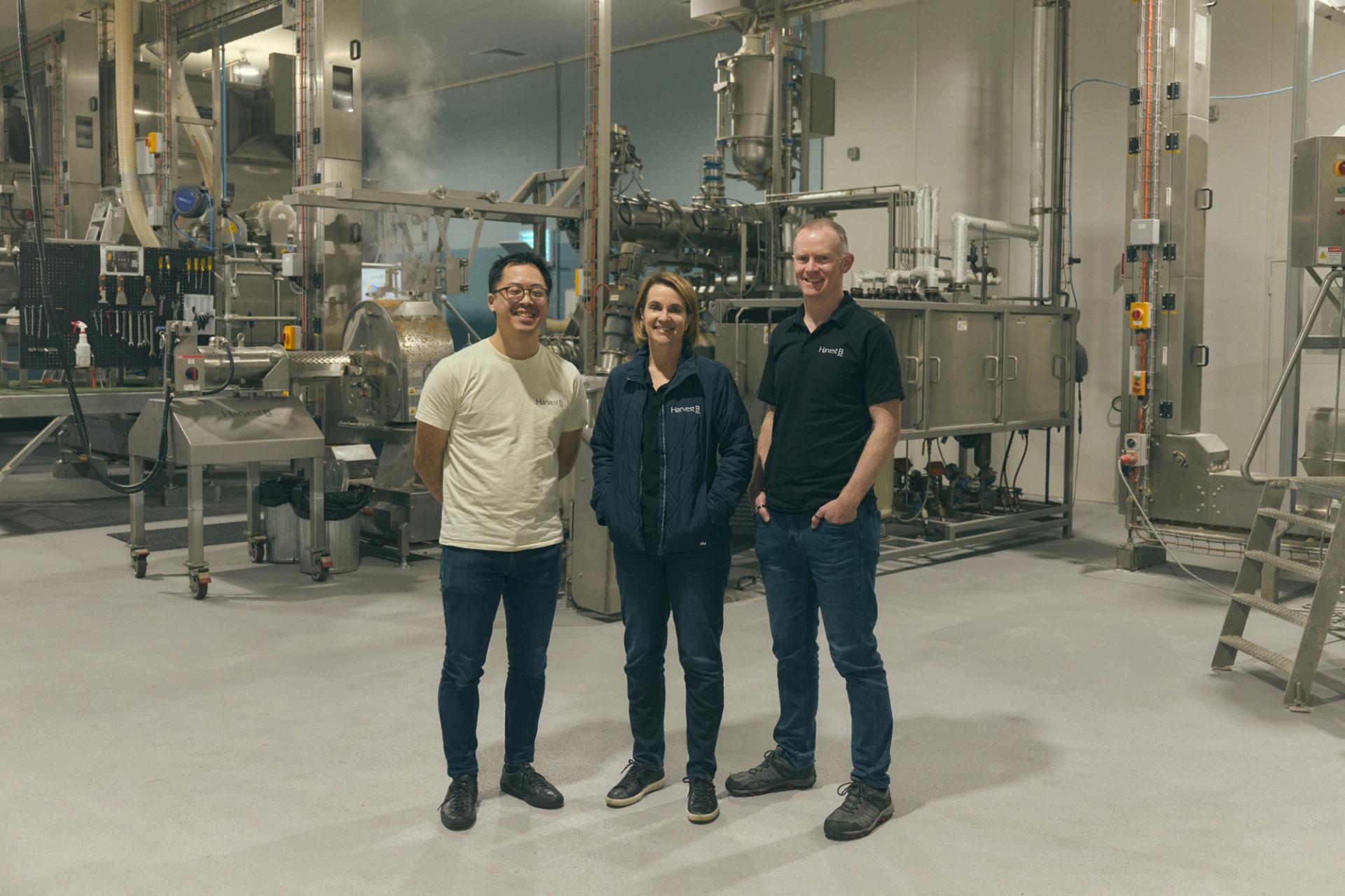
Powerhouse Food: Producers – Plant Proteins | Harvest B
Harvest B is an Australian food technology start-up that develops and manufactures plant proteins with animal protein-like textures. Based in Penrith in Greater Western Sydney, Harvest B was co-founded by Kristi Riordan and Alfred Lo, who believe alternative protein sources have an important role to play in developing a more sustainable food system.
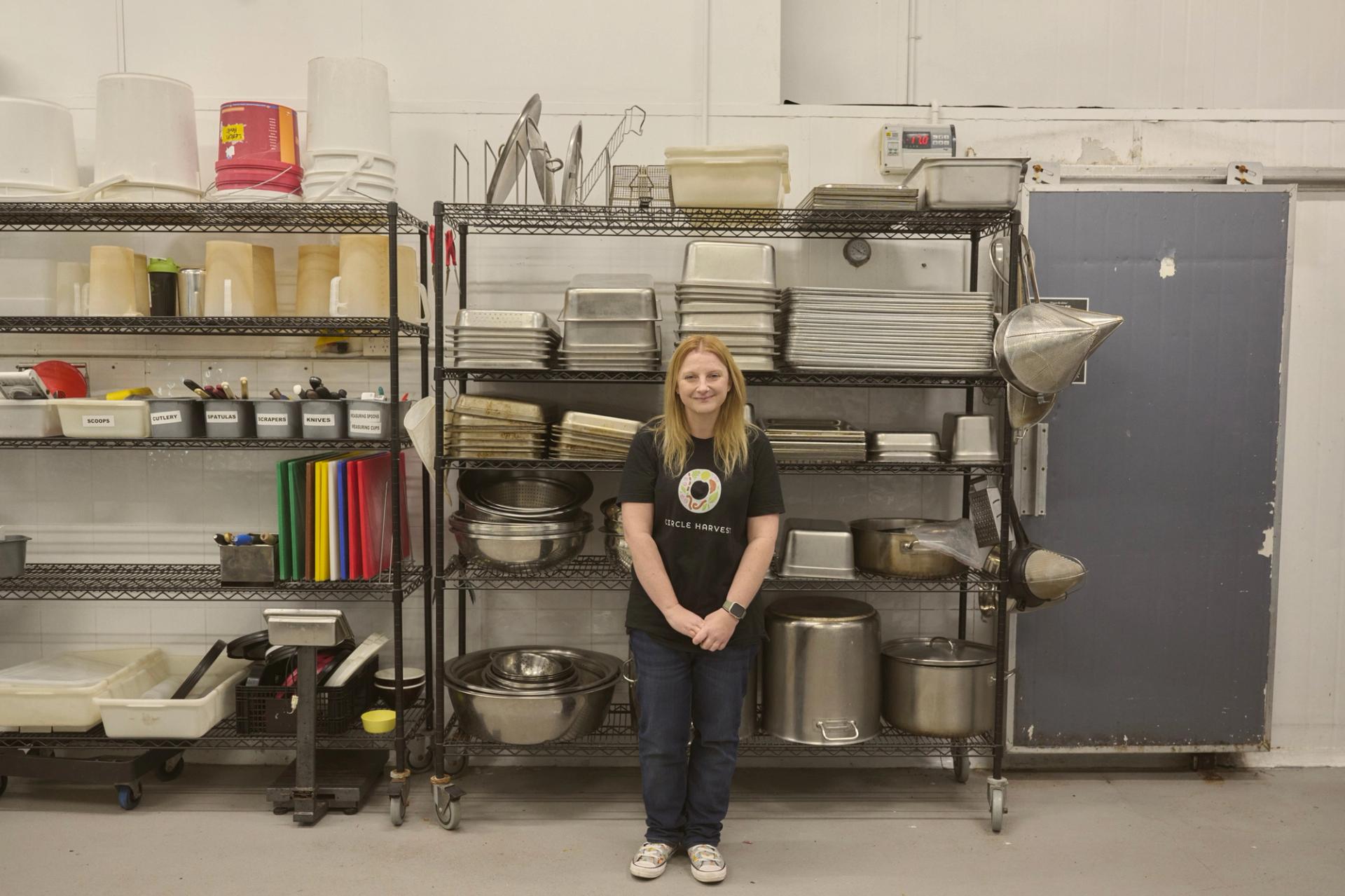
Powerhouse Food: Producers – Insect Tasting Menu | Circle Harvest
Circle Harvest and renowned Parramatta restaurant Misc. joined forces to create a very special insect-themed multi-course dinner. Skye Blackburn, an entomologist, shared her innovative approach to developing alternative proteins, the story of Circle Harvest and introduce you to the insects on your plate carefully prepared by the exceptional chefs at Misc.
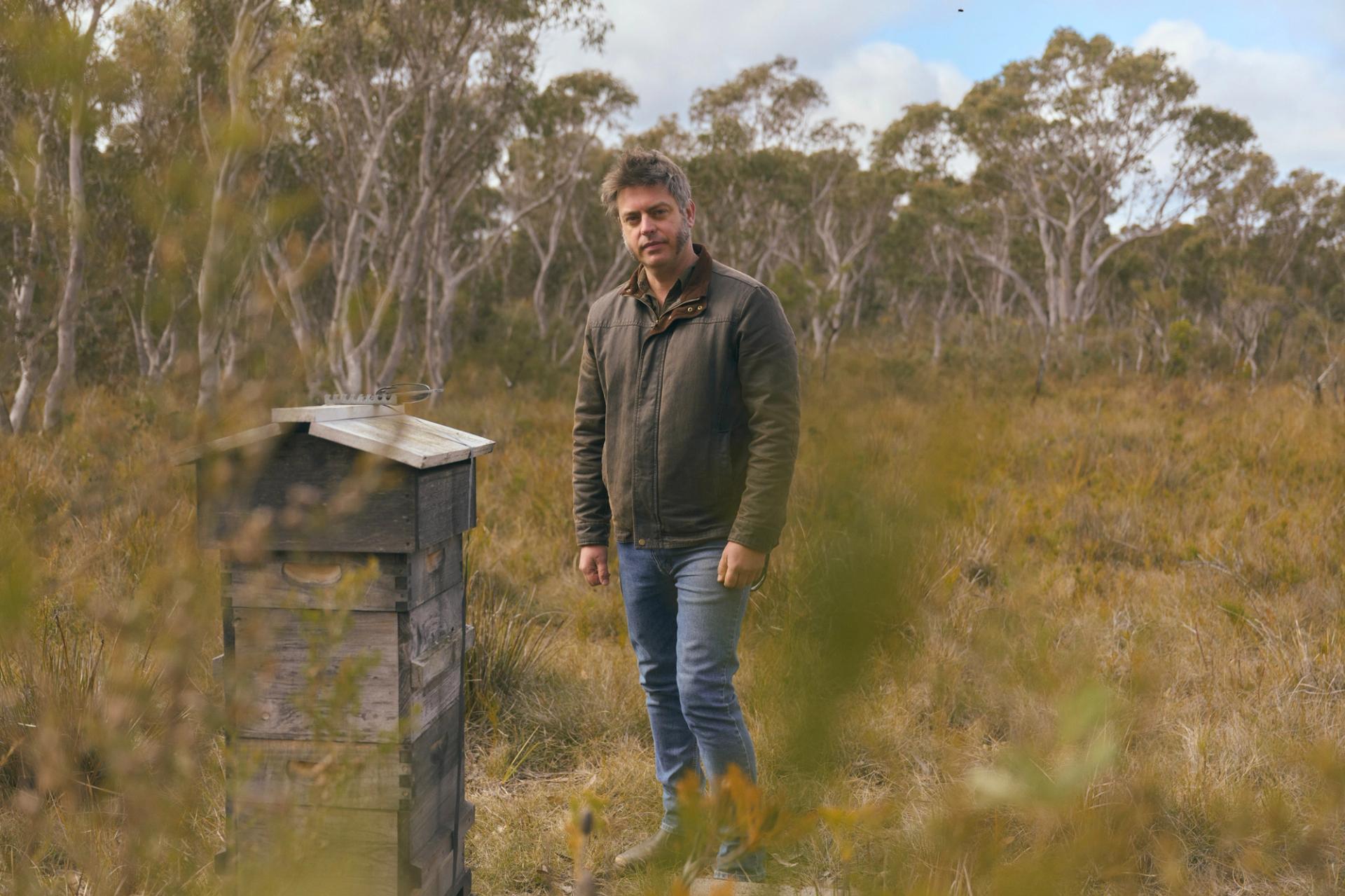
Powerhouse Food: Producers – Wild Honey | Malfroy's Gold
Australian natural beekeeping pioneer Tim Malfroy led a workshop on the principles of natural and sustainable beekeeping, wild honey production and the importance of bees and pollination to food production in Western Sydney.
Malfroy’s Gold is a pioneering small business that sells wild honey, wild honeycomb and beeswax products all ethically and sustainably produced in bee-friendly Warré hives. The team includes theonly professional natural comb beekeepers in Australia and its methods exceed Australian organic and biodynamic standards. Malfroy’s Gold wild honey has won many awards and is sought out by Australia’s leading chefs.
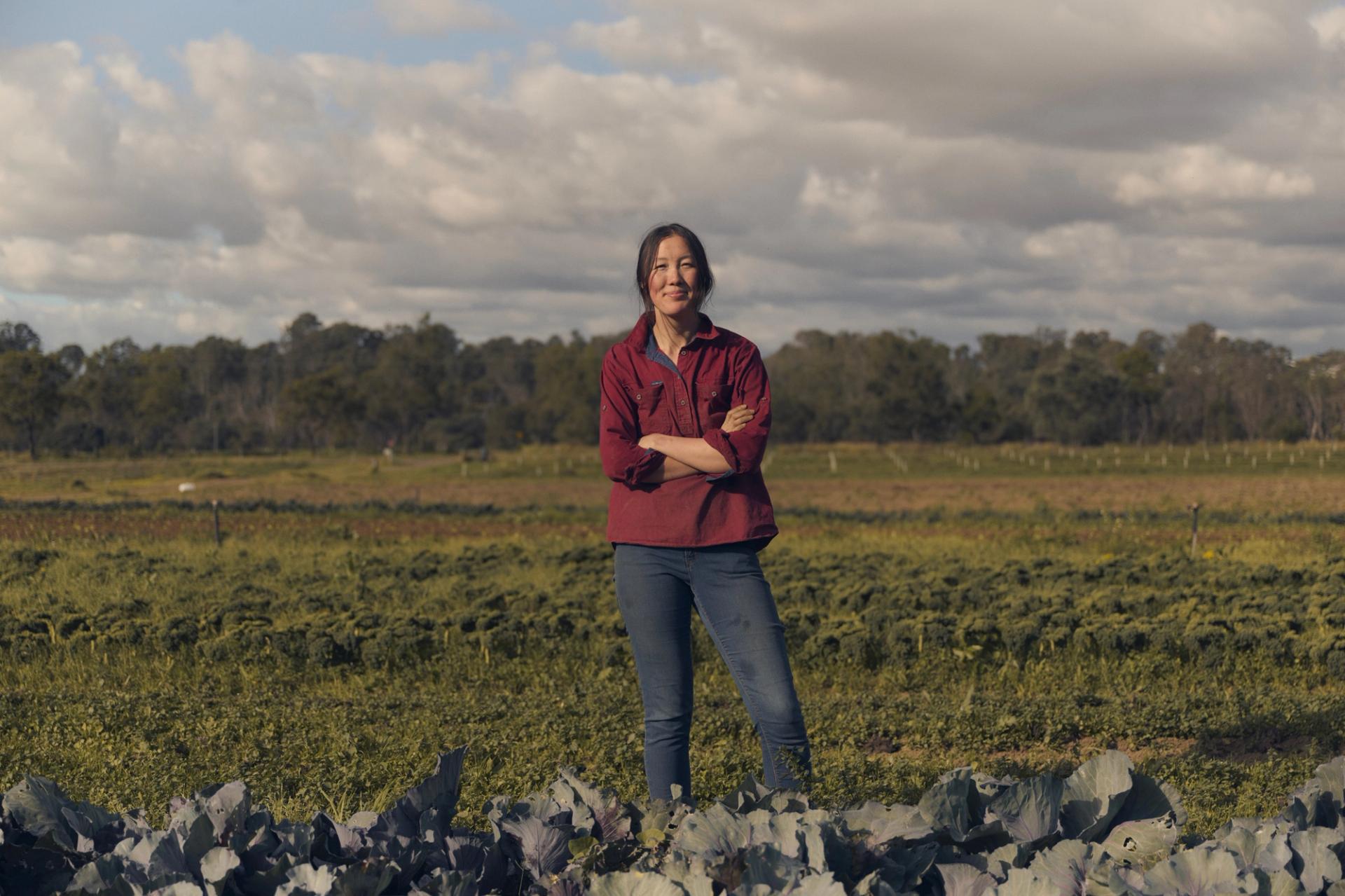
Powerhouse Food: Producers – Growing Organic Produce | Rita’s Farm
Rita Kelman has been growing organic herbs and vegetables in Wallacia for almost 20 years. Rita and her daughter Christina Kelman hosted a farm tour, tasting and workshop, sharing their knowledge and passion for organic farming. A migrant from rural China, Rita Kelman’s interest in organics motivated her to start her own farm in 2005, growing chemical free vegetables from her backyard in Kemps Creek. Kelman learnt how to farm during her previous work as a Chinese translator for the local council, supporting Chinese market gardeners. Enterprising and passionate, Rita continues to educate the community on organic farming.
Objective 8
Prioritise community collaboration to promote wider community engagement and relationships and support access to Powerhouse education programs and exhibitions
8.2 Powerhouse will extend unmediated access to objects and cultural belongings through original exhibition making and an expansive and dynamic program informed by community.
8.3 Facilitate community collaboration by giving public access to museum facilities.
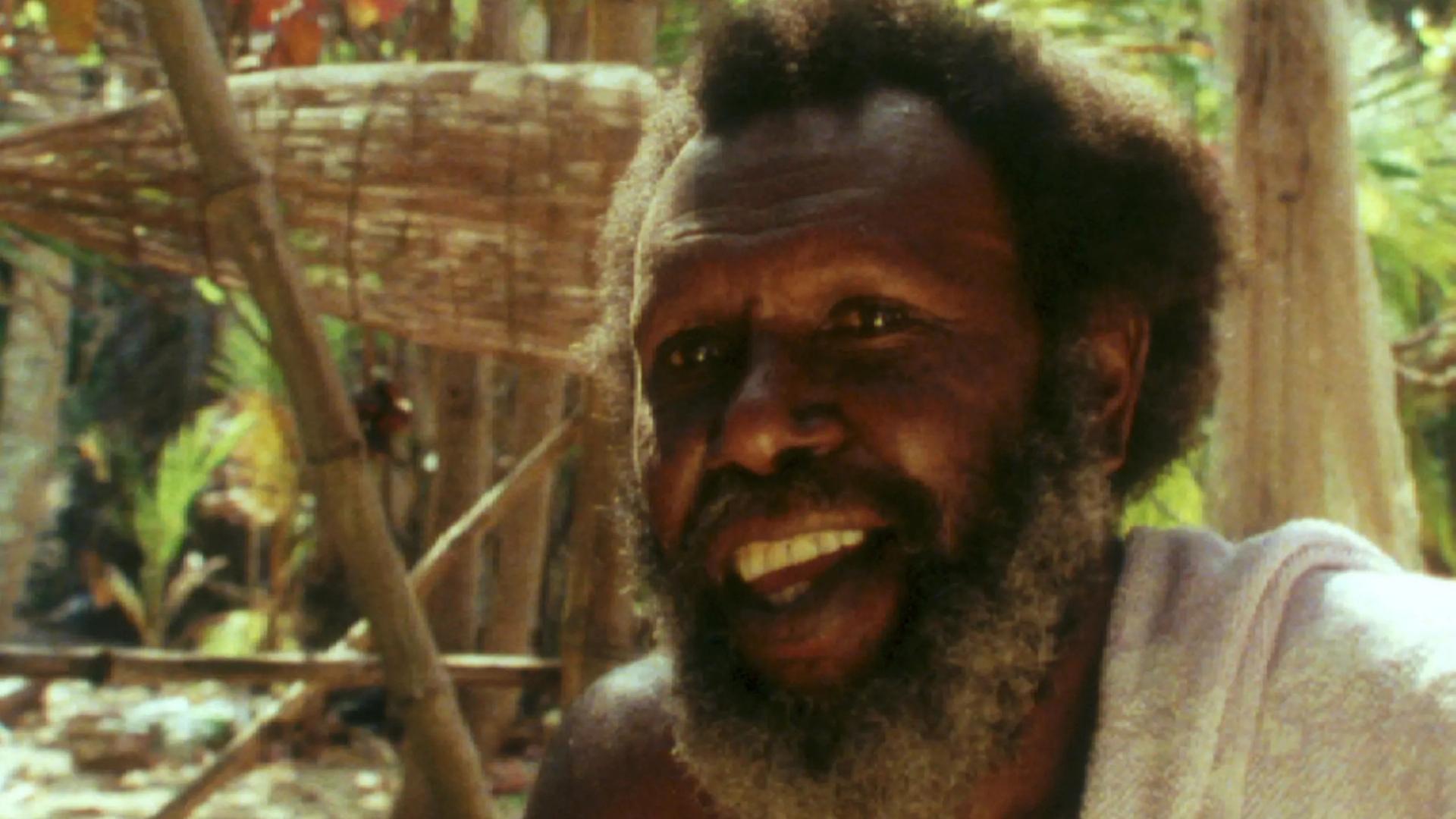
I Put the Stars on the Ground
I Put the Stars on the Ground opened in May 2024 at the Sydney Observatory in the restored Residential Wing, which housed government astronomers and their families for more than a century. This exhibition highlights First Nations custodianship to Sky Country and illustrates the site’s evolution into a public educational space and museum.
The exhibition features a selection of works and star maps by Gail Mabo, ceramic pieces illustrating Waŋupini (cloud) stories by Bulthirrirri Wunuŋmurra, and Songlines of Our Universe, an original soundscape by William Barton and Veronique Serret honouring the rich knowledge of First Nations Astronomy, navigation and seasonal patterns passed down through First Nations art, songs, stories and ceremonies.
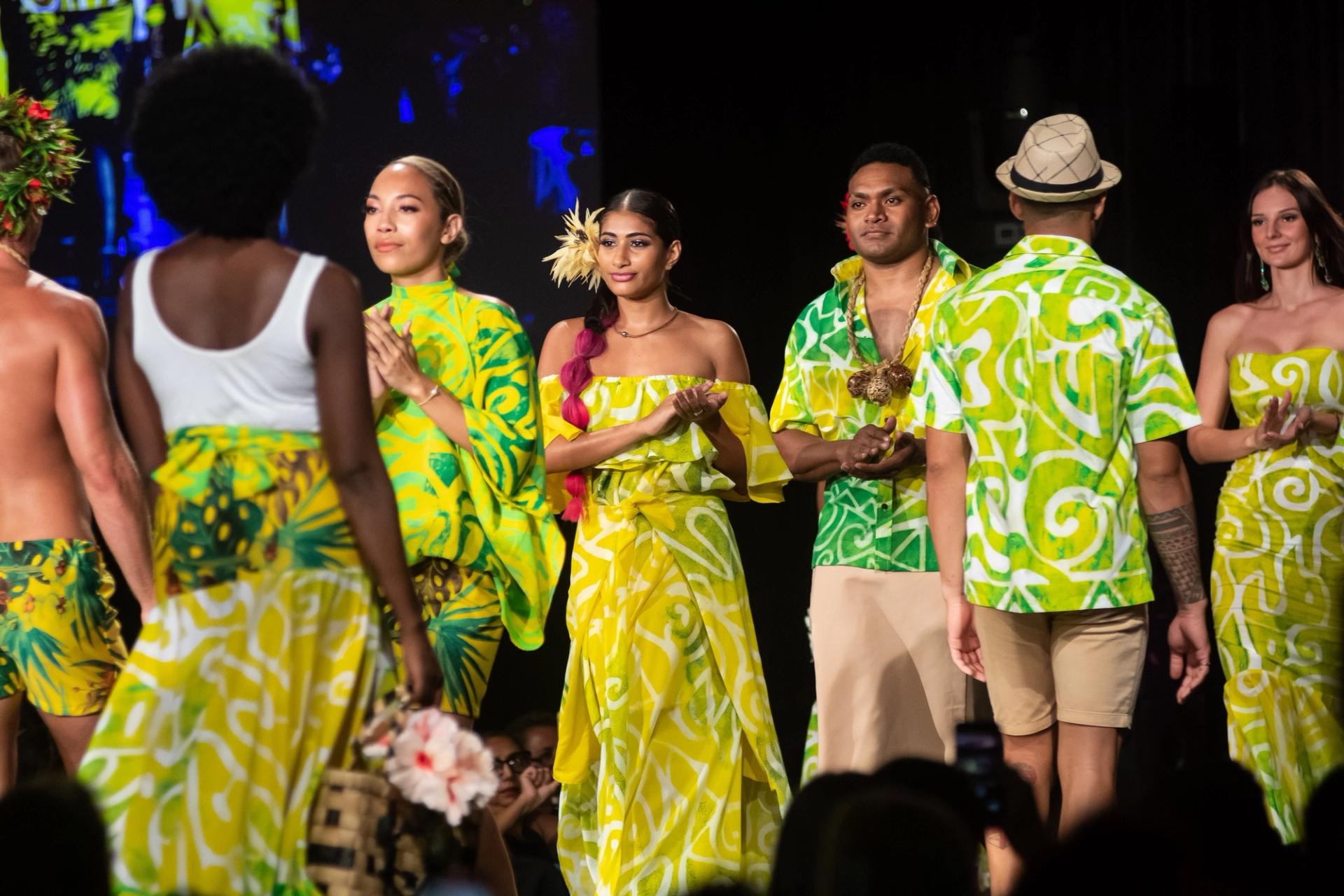
Creative Studio: Sustainable Fashion
Internationally acclaimed Fijian fashion designer Hupfeld Hoerder led a 3-day sustainable fashion workshop at PHIVE Parramatta. Students digitally conceptualised patterns featured in the Powerhouse Collection and designed garments that speak to their interests and identities.
Hoerder has worked in the fashion industry for more than 25 years and is undertaking a Doctor of Creative Arts at Western Sydney University’s Institute for Culture and Society, exploring sustainable solutions to help futureproof the Fijian fashion industry.
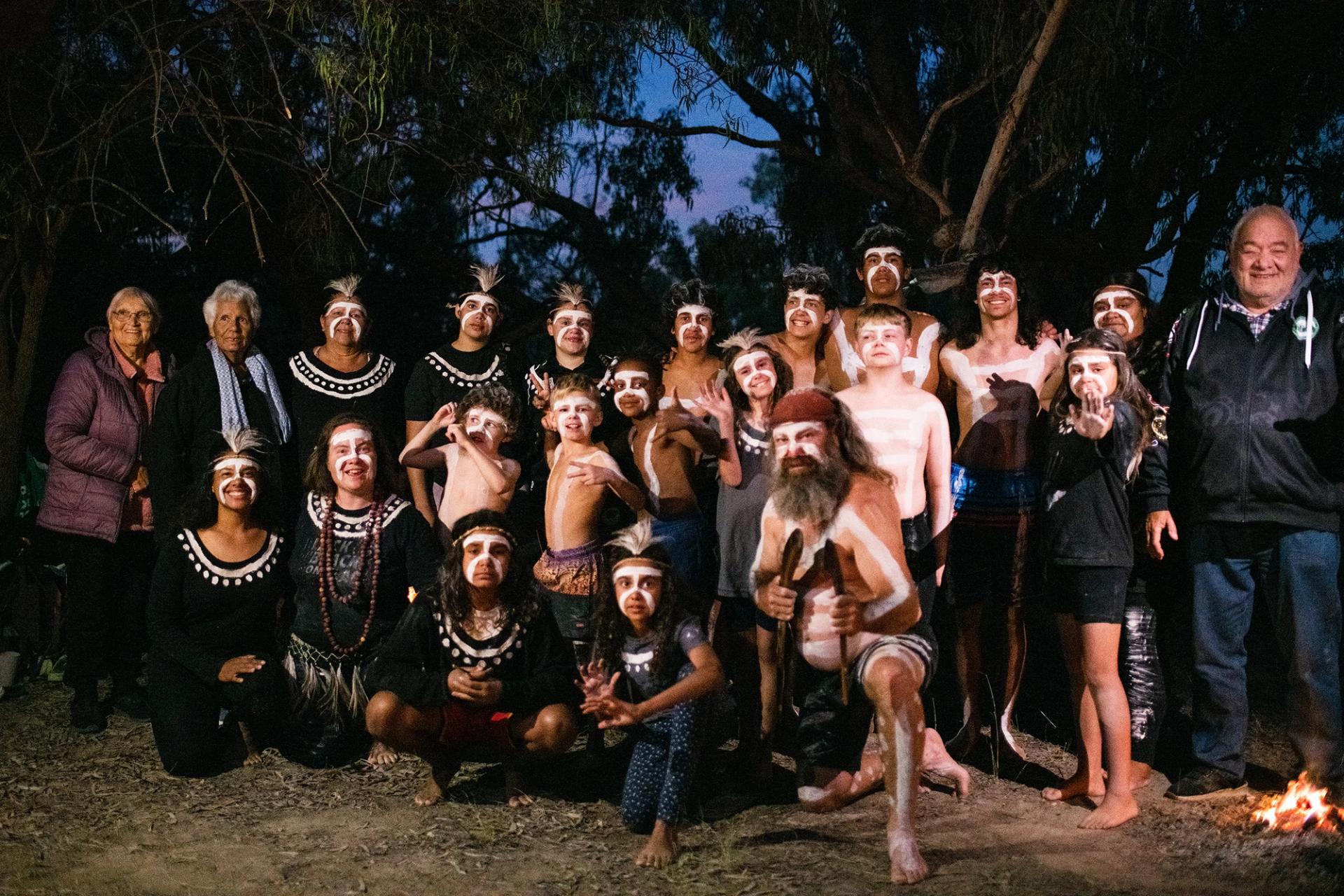
Ngunhi Wayilwan Dhumbullu
Powerhouse hosted another gathering of Wayilwan Elders and community members at Macquarie Marshes on Wayilwan Country to share culture and history, building on the previous gathering. Warren Land Council is the partner for this program.
Powerhouse Operations
To ensure accountability, track against our targets and improve ways of working, Powerhouse commits to reviewing and redefining policies and procedures and developing the capabilities of our workforce to achieve our net zero commitments. We will focus on performance measures and continuous improvements to embed the actions of the Climate Action Plan into operations.
Objective 11
Participate in industry leading collaboration
11.2 Seek sustainability project funding through innovation grants, strategic partnerships and operational savings gained through other realised efficiency measures.
11.3 Develop strategic partnerships that demonstrate industry leadership in cultural programs that prioritise sustainability.
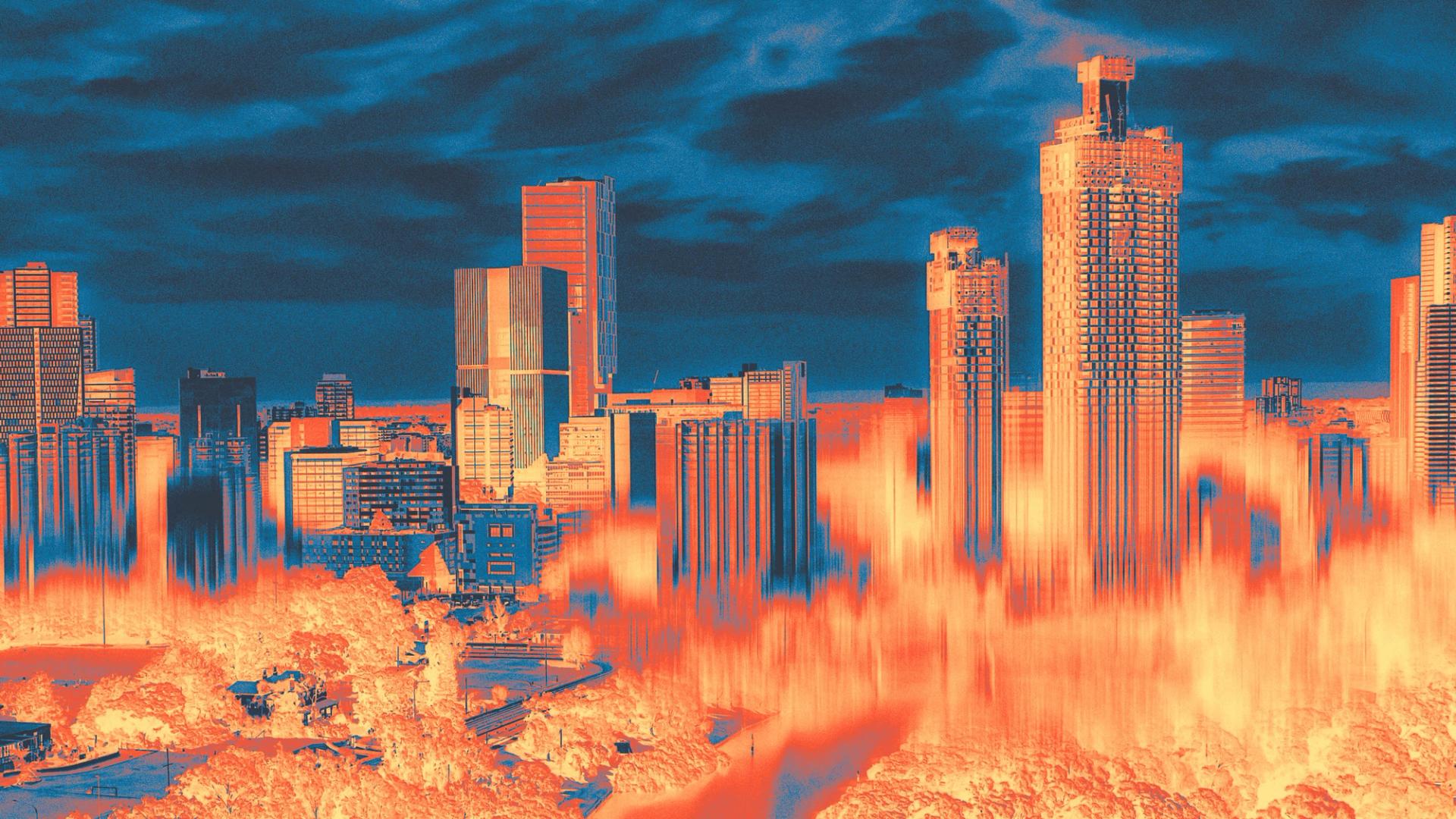
50°C: Climate, Heat and Resilience Across Western Sydney, Term 1, 2025
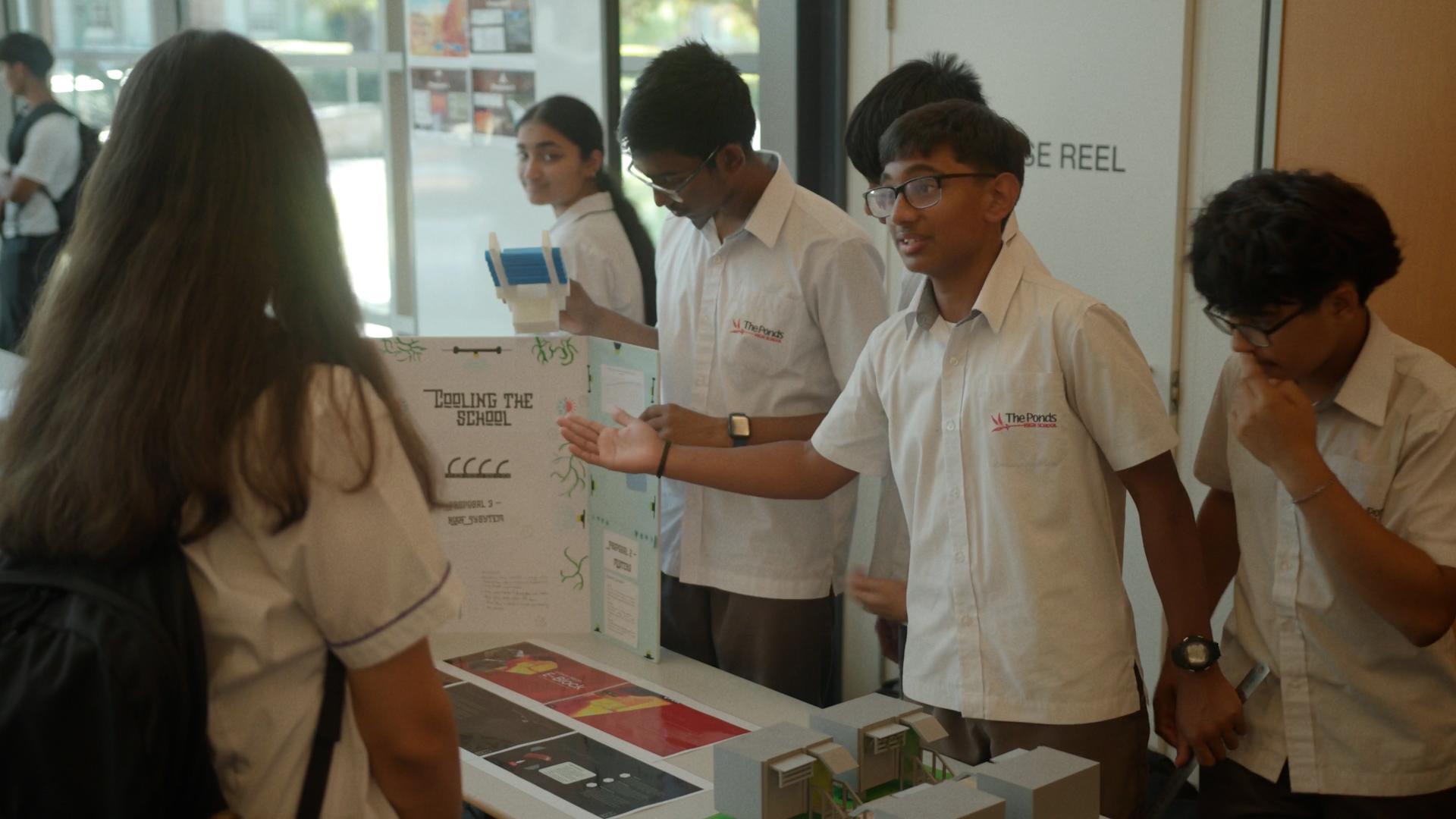
50°C: Climate Heat and Resilience was an innovative 10-week interdisciplinary learning program for Stage 5 students supported by the NSW Office of the Chief Scientist and Engineer. The program responded to the urgent need for climate resilience education by empowering students to investigate and respond to the growing threat of extreme urban heat. A suite of newly created program resources drawing on Geography, Science, Visual Arts, English and Design and Technology, 50°C integrated real-world challenges with curriculum-aligned learning to position students as active contributors to their communities’ climate futures. Year 9 and 10 students from Blacktown, Cumberland and Parramatta local government areas worked with experts from academia, local councils, advocacy groups and Masters and PhD students in school and during on-site visits. Students investigated microclimates in their schools, developed cooling solutions and created heat safe messaging for their communities. At the end of the term students presented their findings and proposals at the 50°C Summit to key decision makers from NSW Education, local councils and advocacy groups. As part of the program, more than 40 high school teachers received professional learning. 50°C: Climate, Heat and Resilience set a benchmark for climate education through its focus on student agency, interdisciplinary learning and community-wide impact.
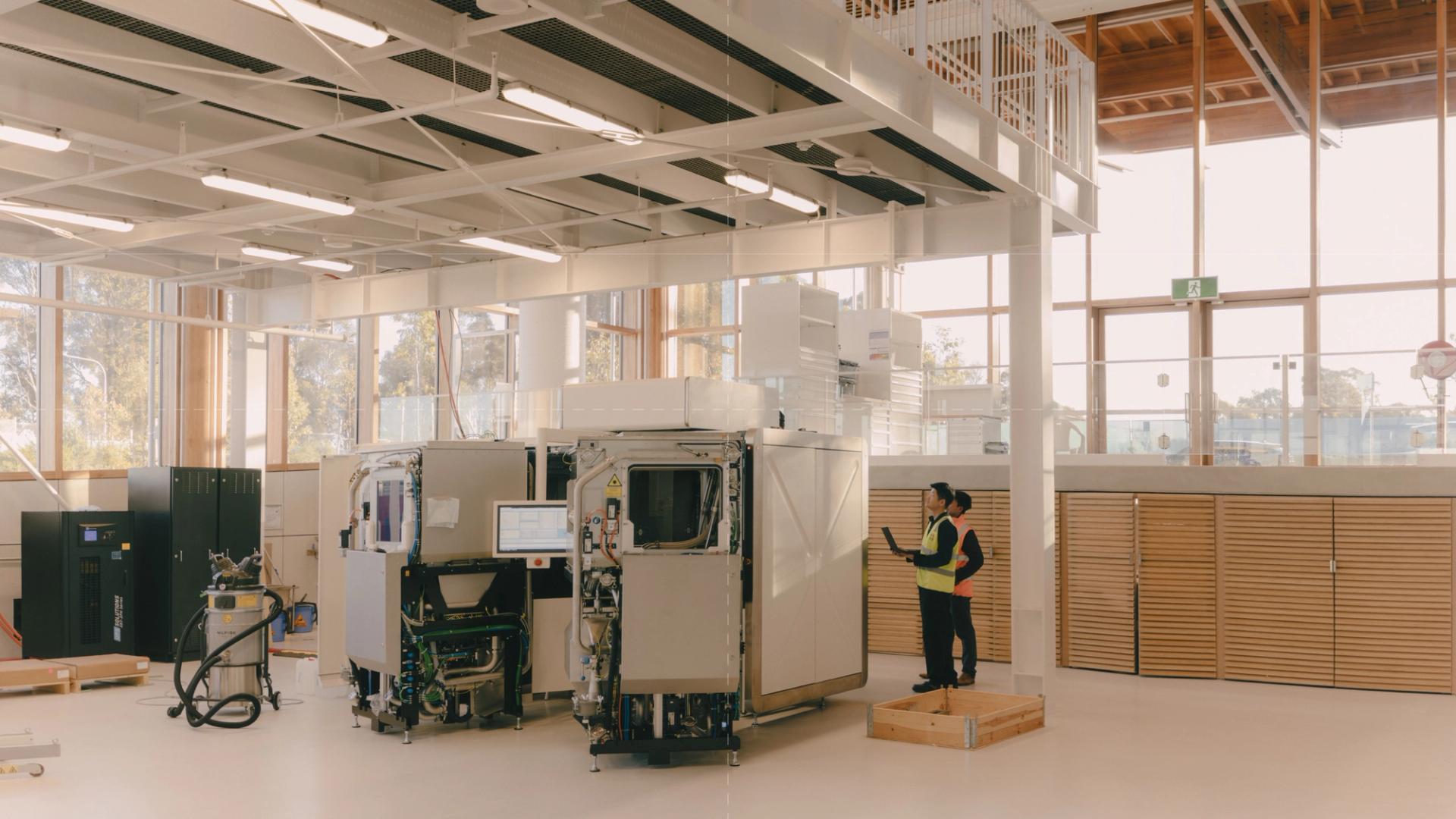
Sydney Design Week – Sensing Technologies
Industrial designer David Caon, Hassell and Industrial Design Xchange (IDX-SYD) hosted an industry afternoon at the Advanced Manufacturing Readiness Facility (AMRF) in Bradfield, Australia’s newest city.
This industry-led program during Sydney Design Week 2025 showcased the cutting-edge manufacturing facilities at AMRF, where local designers can learn about new production methods. Located in Bradfield’s award-winning First Building, designed by Hassell in collaboration with Djinjama, AMRF offers shared facilities and independent advice to help businesses accelerate from prototyping to production. The event included talks, tours and demonstrations to share world-leading developments in manufacturing capabilities and opportunities for innovation in the Australian design industry.
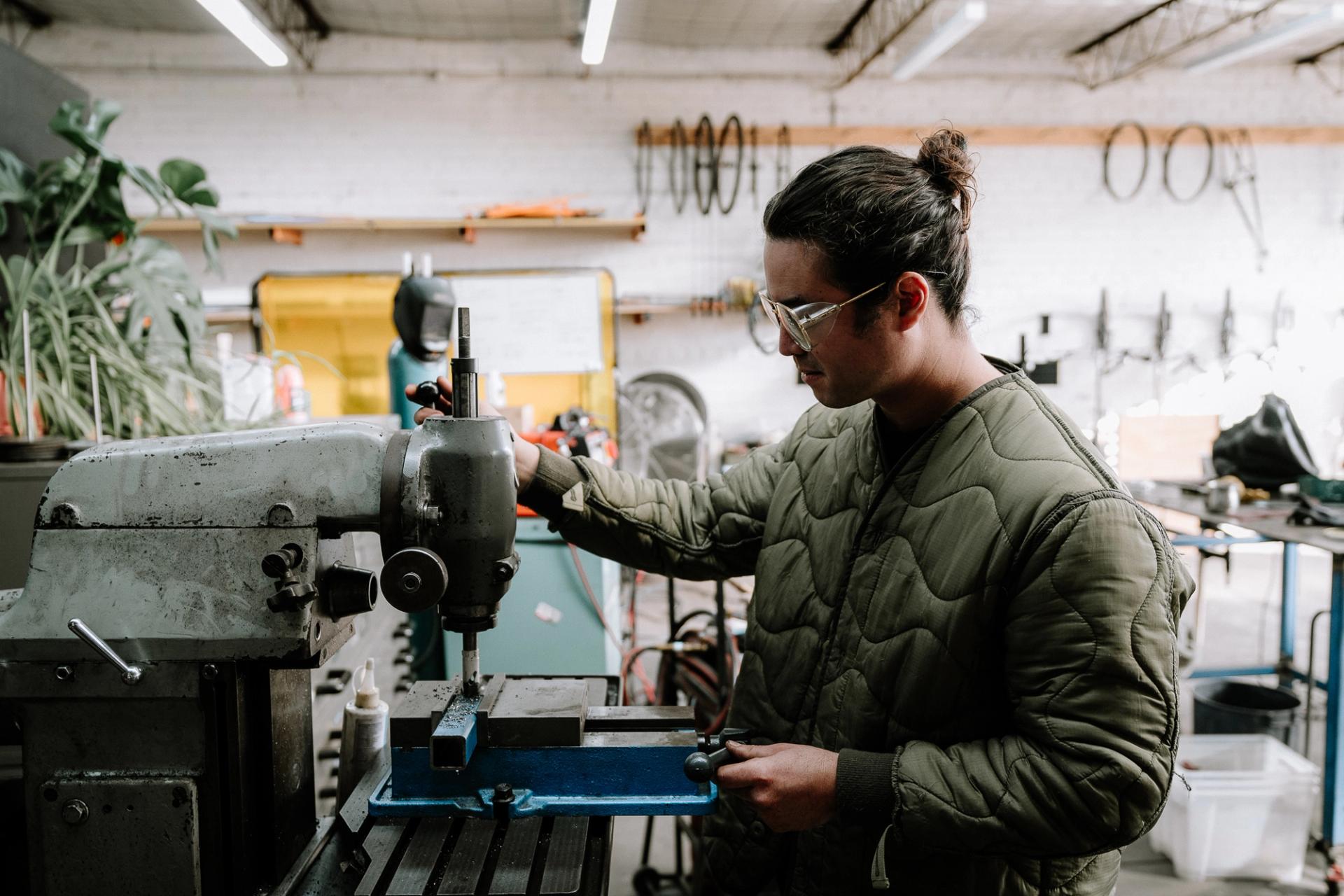
Carl Neilsen Design Accelerator
Olson Hamilton-Smith, a Melbourne-based, Northern Territory-raised designer and manufacturer of Taiwanese heritage, was the successful recipient of the 2025 Carl Nielsen Design Accelerator program. Trained at RMIT, Melbourne Polytechnic and the Elisava Barcelona School of Design and Engineering, he has worked across the world of design, including at IHS Design, a furniture manufacturer, and DCG Design, a business producing public art, lighting and specialised architectural installations. Hamilton-Smith is the founder and lead designer at Loop Cycles, a Brunswick-based workshop specialising in custom engineering, design and fabrication with a focus on cycling.
FOLDEE, his latest project, is a modular, repairable and recyclable folding cargo bike that enables car-free transport within cities, reducing congestion and climate impact.
Sydney-based industrial designer and Associate Lecturer, Industrial Design at UNSW Ed Ko, is advising Olson during the program. Ko is a multifaceted, award-winning industrial designer, lecturer, communicator and community builder dedicated to nurturing creative expression and driving positive change through industrial design.
Powerhouse Climate Action Plan
As climate change continues to impact our communities, Caring for Country and First Nations’ cultural knowledge have become central to the delivery of practical solutions.