Dragons and Phoenixes

Working for streetwear outfit 108Warehouse in Marrickville, artist Dennis Nguyen was intrigued by what was happening with fashion in Vietnam. On Instagram, he started following Tùng Nguyễn, designer for up-and-coming label Paradise Saigon. Tùng, meanwhile, had already made plans for a working holiday in Australia. He was interested in connecting with Dennis to find out what was happening in Sydney, a city he hadn’t visited for many years.
In 2023, after Tùng moved to Australia, the two started hanging out and established experimental art collective VŨTRỤ inc. For aesthetic inspiration, they would go for walks around Cabramatta to check out the shopfronts and signage. The visual culture they saw, including what people wore, contributed to what they produced under VŨTRỤ inc. Hanging out with Tùng, who had a visitor’s sense of wonder about Cabramatta, Dennis found himself asking: ‘What makes this place, this place?’
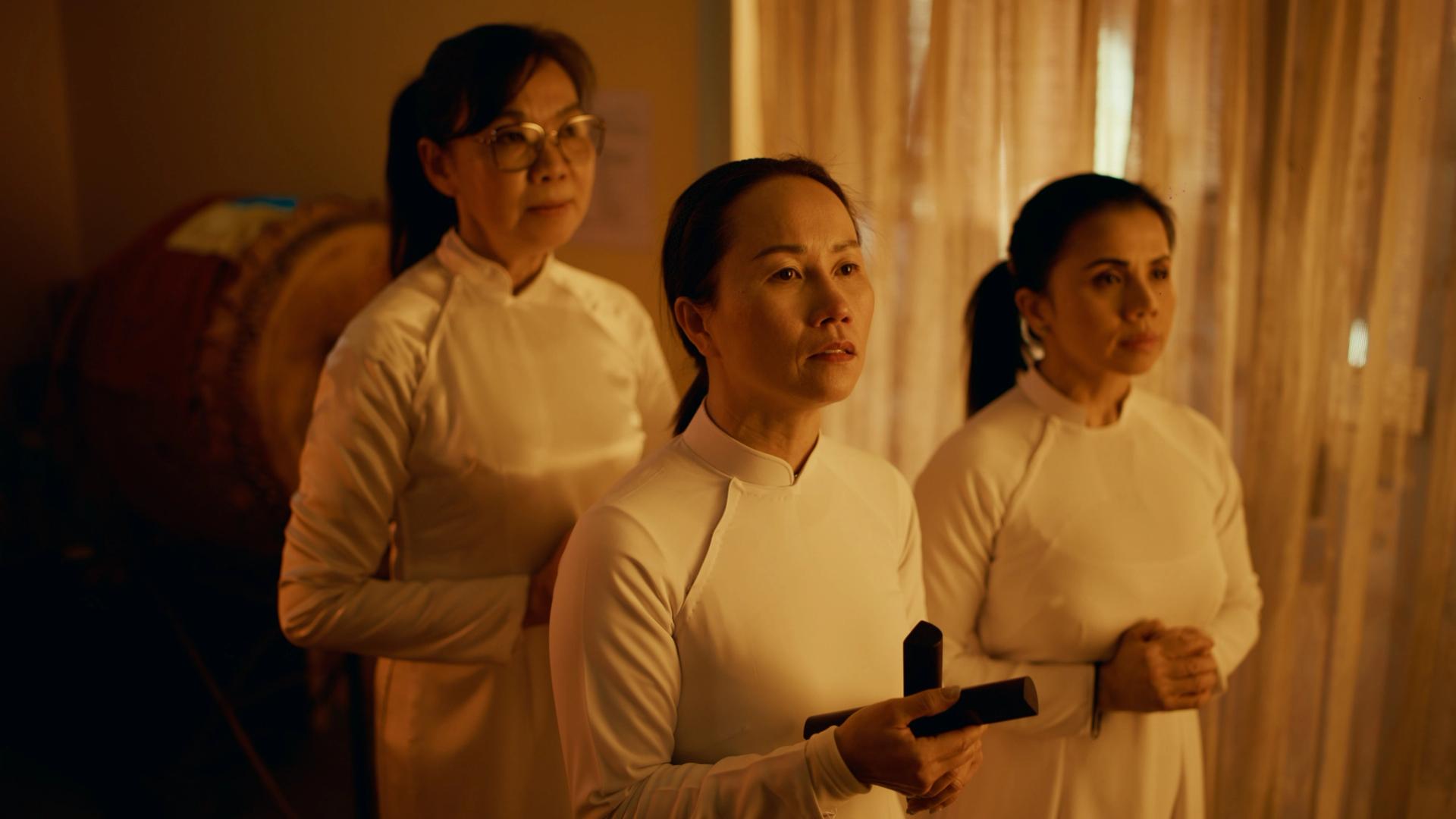
Dennis was born and raised in Cabramatta. His father came to Australia in 1980 as part of the early wave of refugee resettlement after the end of the war in Vietnam. His mother migrated later in 1993. Dennis, born in 1998, has always felt closely connected to the old country through familial ties, and regularly visits Vietnam. But it’s ‘the area’ that has always been home for him, a place he could take for granted. During his teens, Dennis would pass through ‘Cabra’ on the way back home to Canley Heights every day after school.
For Tùng, Cabramatta represents something different altogether. Although he was born in Vietnam in 2000, he lived in Armidale in the Northern Tablelands of New South Wales (NSW) for seven years of his childhood. His father, an agricultural scientist in Vietnam, secured a scholarship to undertake his doctoral research at the University of New England. During the family’s long sojourn in country NSW, their annual pilgrimage to Cabramatta provided them with spiritual sustenance in addition to much desired goods.
‘When I was growing up, there was nothing like Cabramatta… every year we’d go from Armidale, my dad would drive down to Sydney. We’d buy a trunk full — a boot full — of Vietnamese stuff to bring back because they didn’t have that in Armidale. I always looked forward to going to Cabramatta. I wanted to know more about the people, I wanted to know the youth living here.’
There is generative value in intragenerational dialogue. After all, even within a generation there are vastly different experiences. The distinct ways Dennis and Tùng viewed Cabramatta inspired them to seek other vantage points and create intergenerational dialogues. They were especially drawn to people who created for a living — artisans as well as artists, especially those who are not necessarily recognised by mainstream institutions. To them, these makers contribute to the visible street culture of Cabra and their work is inherent to local experiences. The two young artists wanted to know what lay beneath these creators’ practices and their intriguing aesthetic judgements. This is how Thập Cẩm Đặc Biệt’, which translates to ‘Special Mixed Combination’, was born. Their series of short films examines the people living in and working in 2166, which includes Cabramatta, Canley Vale and Canley Heights.
‘One thing that ties everyone is, people really step out. They put on a show. Everyone tries to look a certain way. Growing up, looking fresh has always been a thing out here.’
Cultural identities are often flattened in Australia, the contours of everyday experience invisible to outsiders. The complexity of multicultural life is impossible to fully grasp, let alone the complexities within groups in an uprooted suburban setting. In that regard, Cabramatta is almost a world unto itself. Maybe this is also due to Vietnamese people being pragmatists par excellence. We talk about ‘pivoting’ like it’s new, but it’s what migrants have always done. In the early days of refugee resettlement in the area, the new arrivals from Vietnam and other parts of south-east Asia undertook whatever work they thought met a need in the community.
‘Cabra’s like a time capsule but also it’s a hybrid, the slight Australian nature to it. The signage out here is English. Viet. Cambodian. Thai. Chinese. It’s catering to a lot. But also it feels like a time capsule as a lot of the refugees here came during the 1980s. It feels like a Sài Gòn that I don’t even know.’
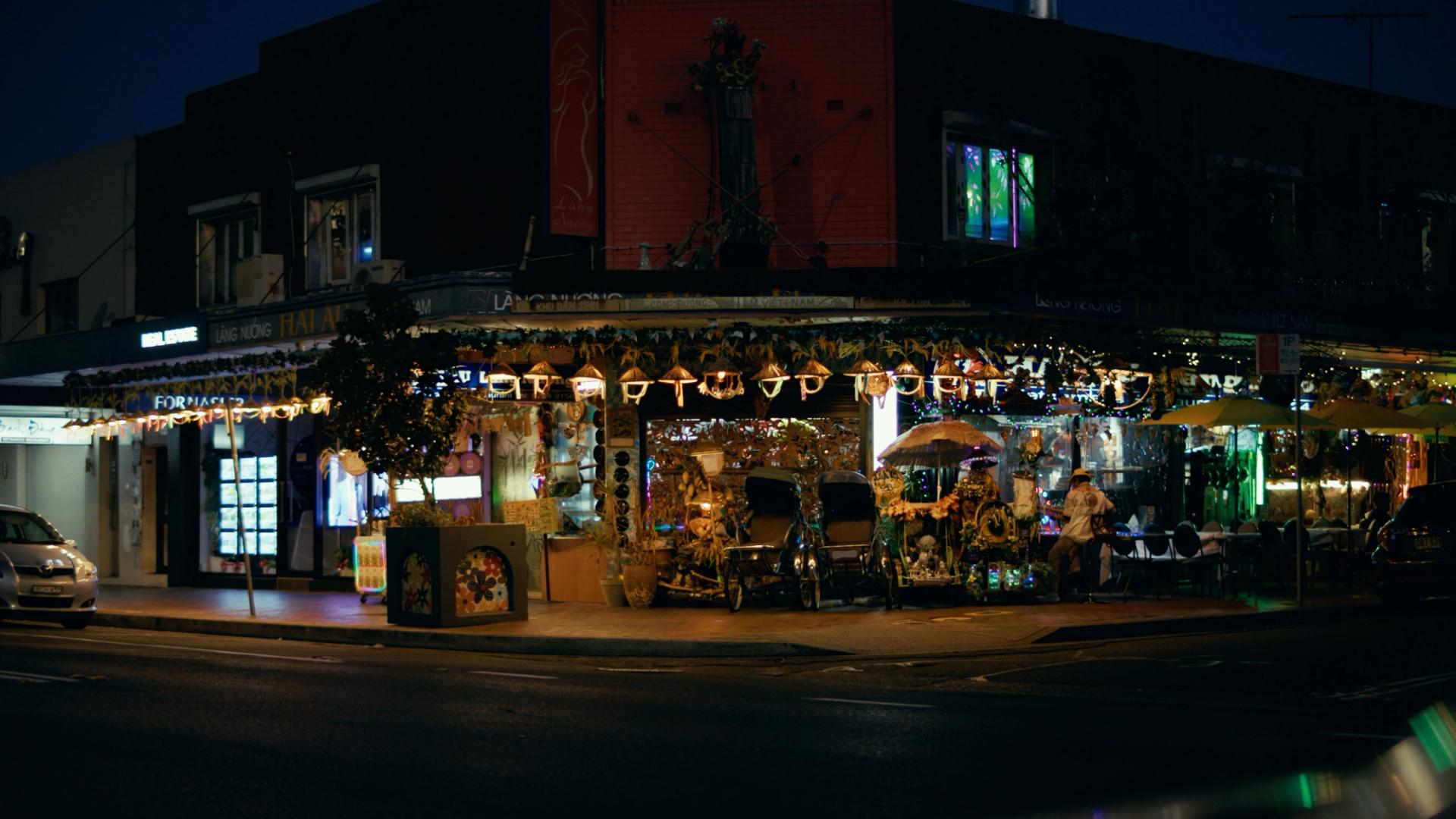
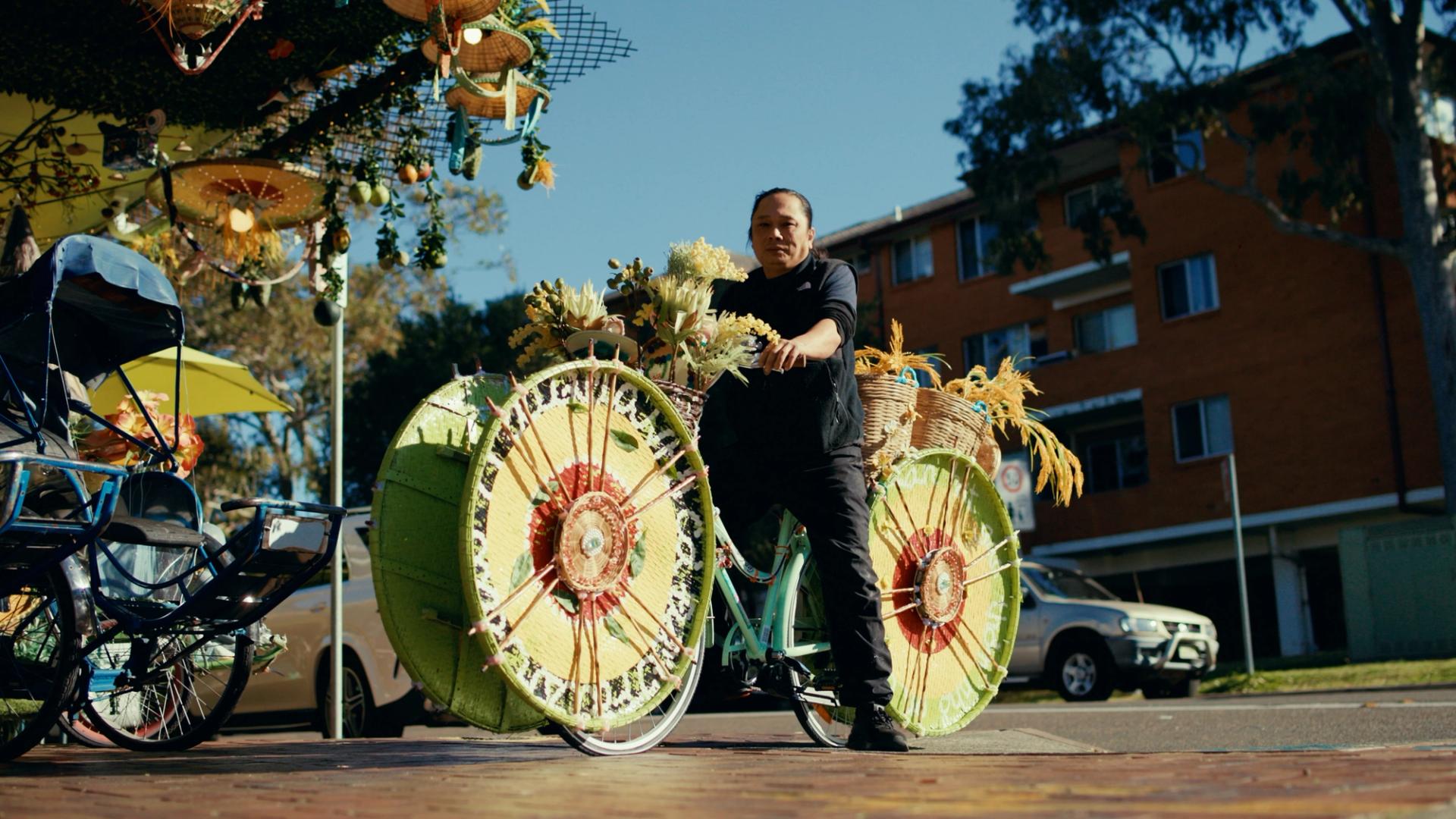
Ben Nguyễn arrived as a young refugee in 1988 and was in and out of trouble throughout the 1990s. He eventually chose to go into the family business, evolving Hải Âu Làng Nướng (‘Hải Âu’) into a long-standing and much-loved restaurant in Canley Vale. The venue is also a showcase for Ben’s maximalist artistic visions, inspired by his experiences and dreams. These days the restaurateur can often be found tinkering away in situ, installing his completed works in the crowded and cosy interior of Hải Âu.
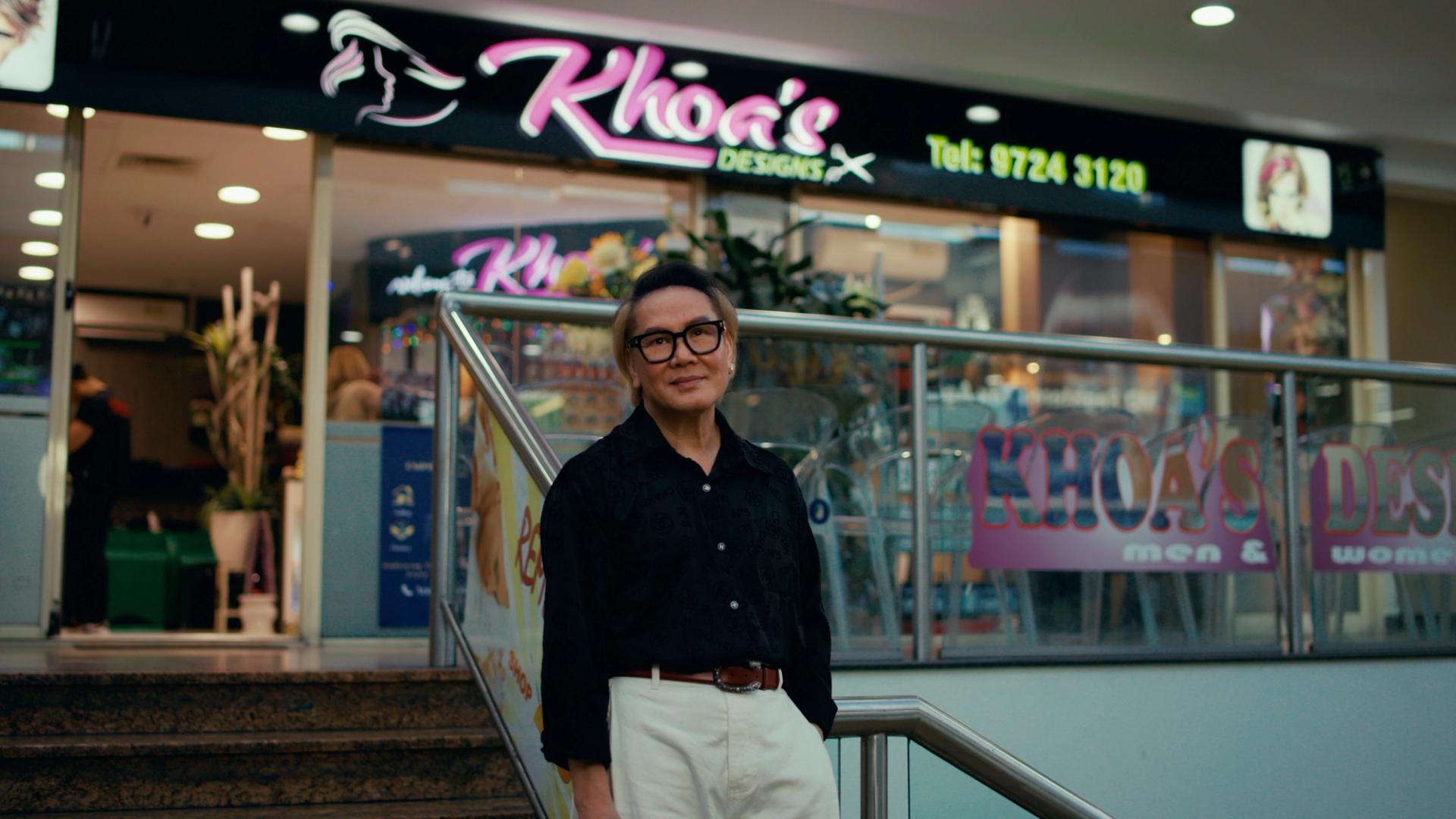
Migrants will often trade one set of skills for another, so when Khoa Đăng Phạm migrated from Hải Phòng in 1996, he left behind his work in fashion to become a hairdresser. Khoa’s Designs, a popular hair salon in the heart of Cabramatta, is a constant hive of activity. Over the years, the always immaculately dressed Khoa has trained scores of young hairdressers in the craft he’s honed over decades.
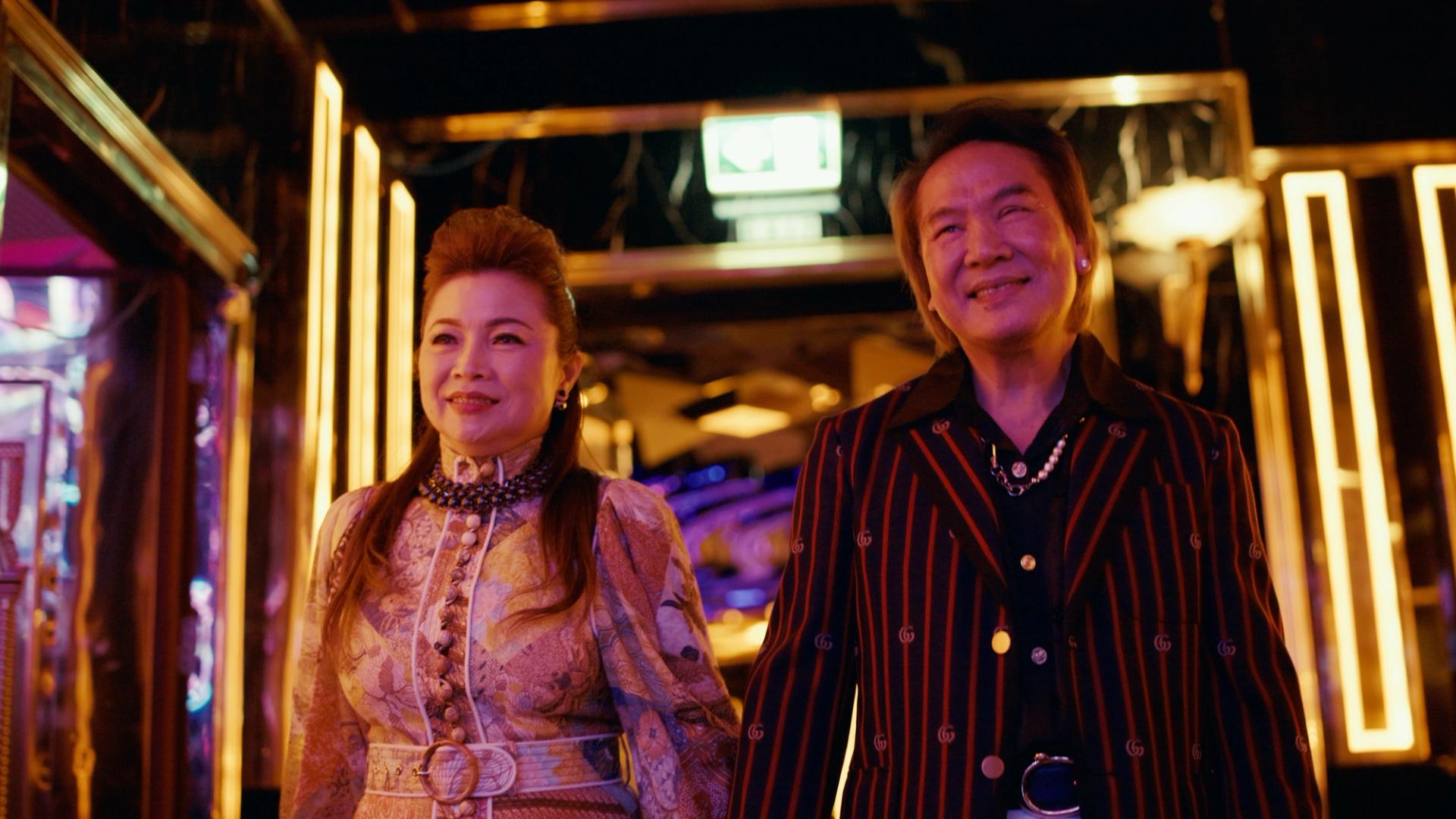
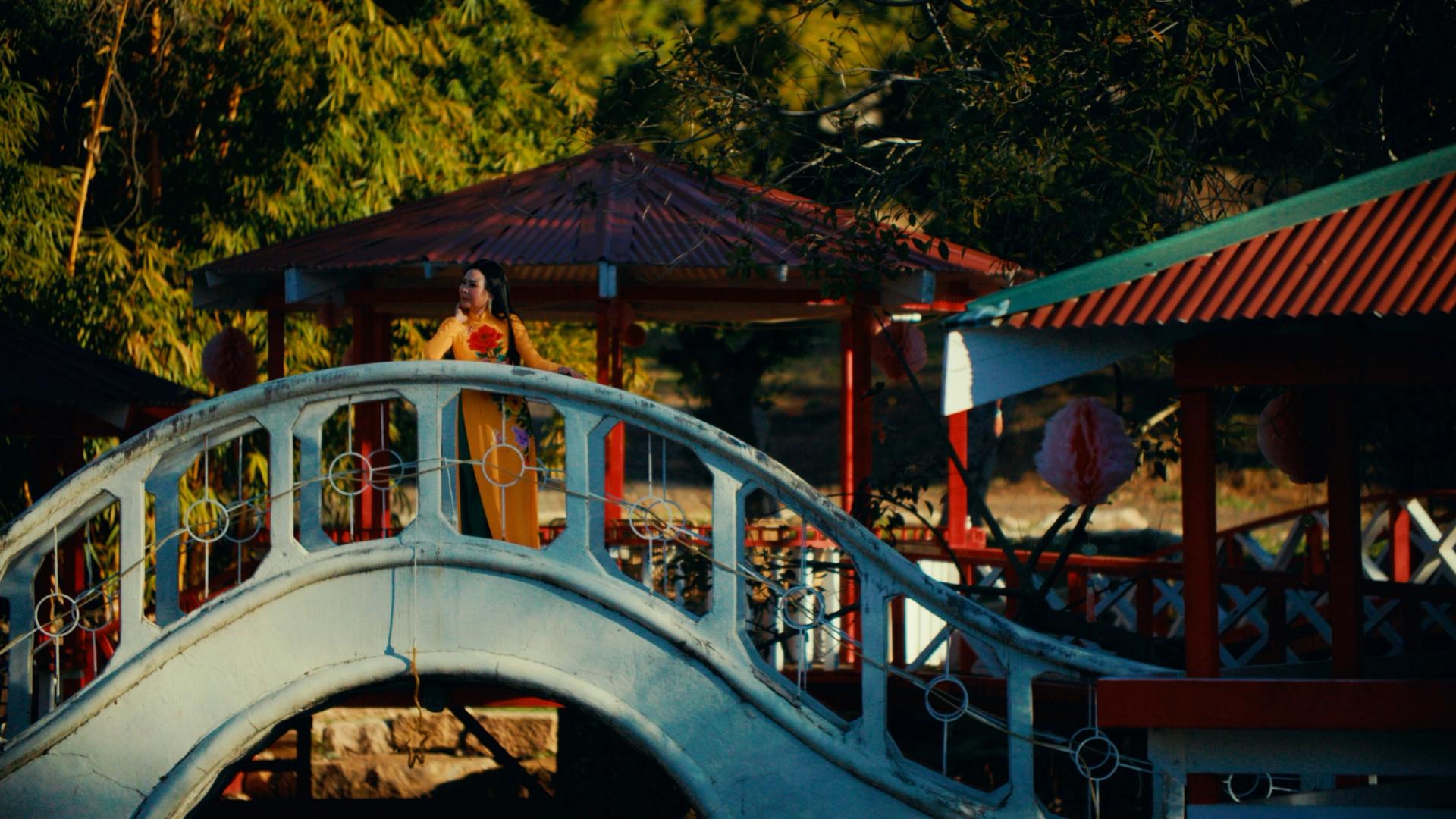
Looking to the market and figuring out what’s needed, is what MC and singer Cẩm Hằng Lương does every day, hustling for Việt Phố, one of the only Vietnamese nightclubs in town. Posters advertising its lively nights can be seen on shopfronts all over the area. Her regular commute involves going from her home in Cabramatta and down the Hume Highway to Yagoona where the club is located. When she left Trà Vinh for Australia in 1992, Cẩm Hằng never thought she’d have this kind of career. But that’s exactly what happened after she won Mekong Golden Voice in 2011.
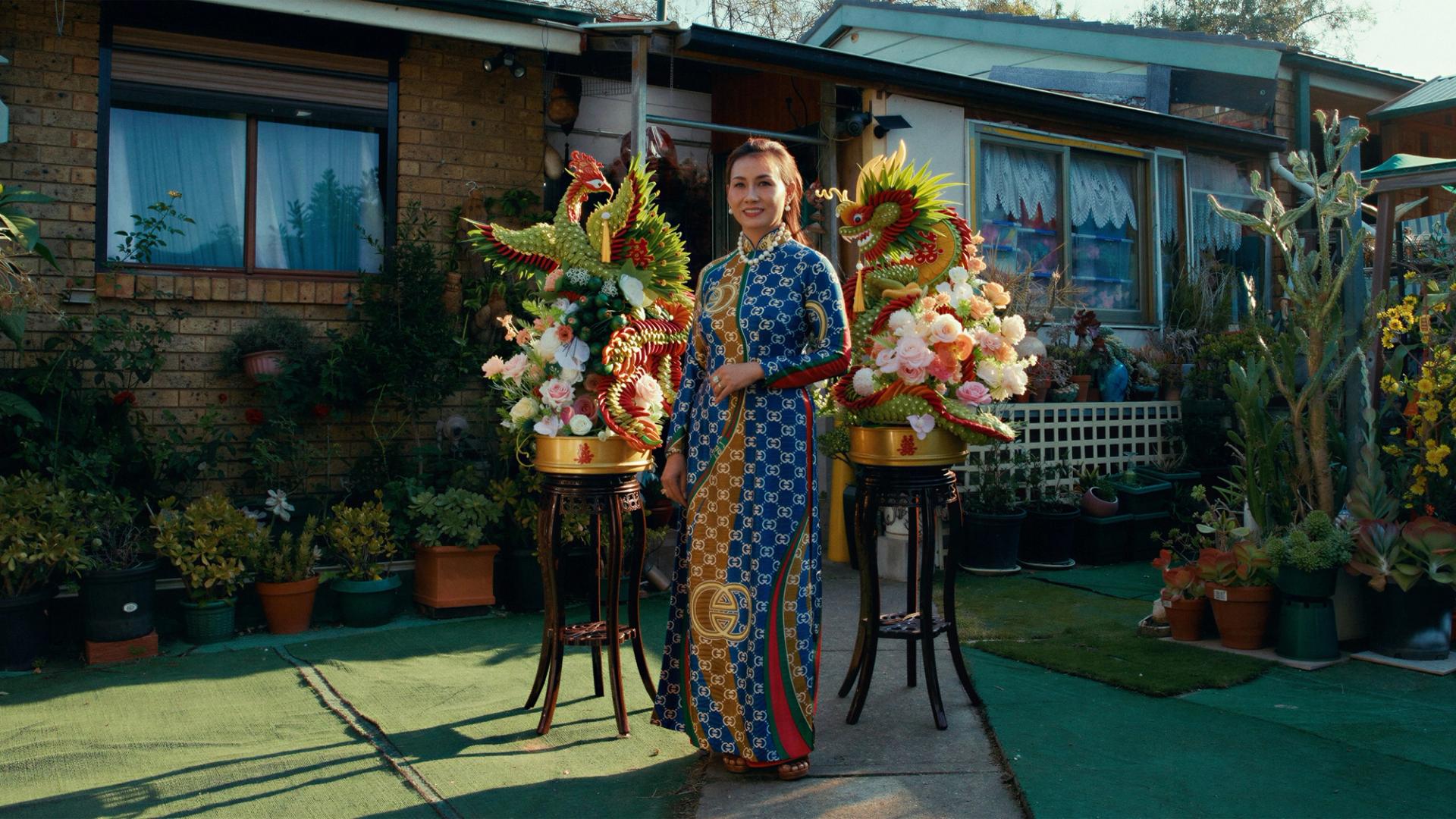
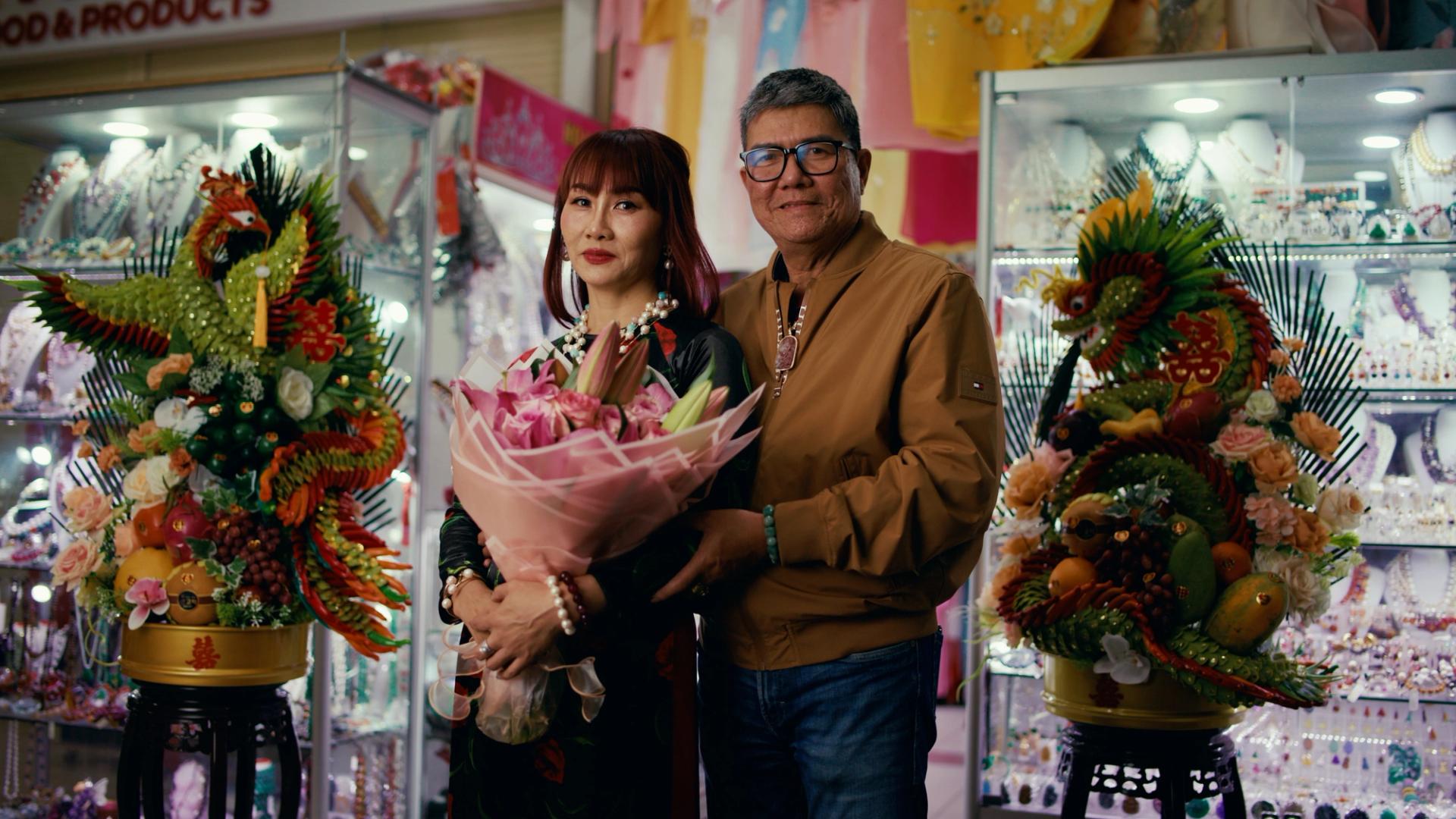
Hoàng Anh is another local innovator, with a growing creative repertoire. Her business is located at the entrance of BKK Shopping Centre, right by the Pai Lau Gate on Freedom Plaza. Hoàng Anh sells elegant áo dài, many with her own hand-beaded flourishes, alongside costume jewellery she creates. She also started creating magnificent made-to-order wedding platters known as Rồng Phụng (‘dragon-phoenix’), powerful and ancient symbols of strength and resilience. None of this is quite what Hoàng Anh imagined while studying international business in Đà Nẵng, before migrating to Australia in 2010.
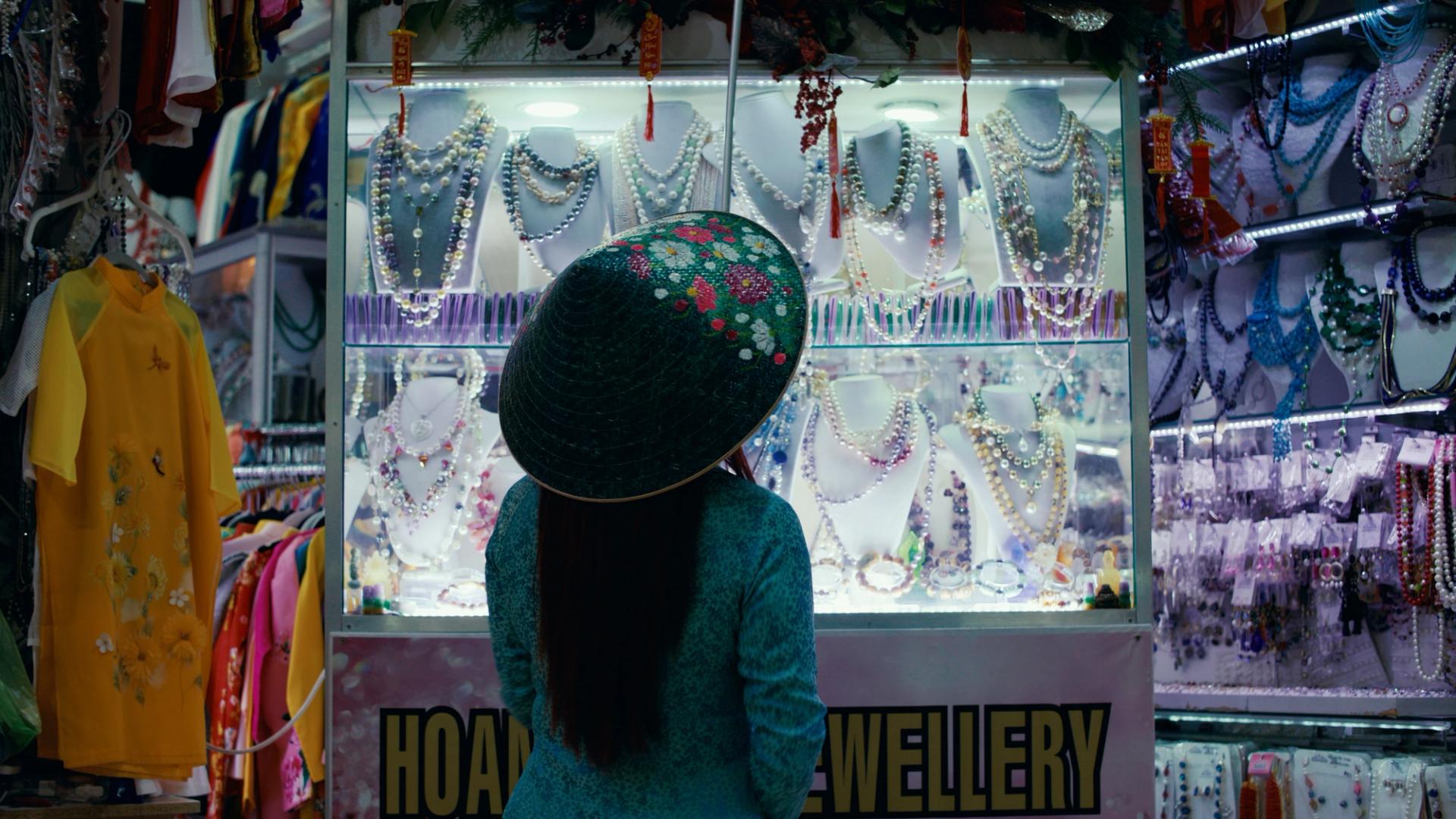
The artisans featured in the Thập Cẩm Đặc Biệt – Special Mixed Combination film series are not only united by their Vietnamese sensibilities, but also by a self-evident sense of spirituality. In 2166, the spiritual life of the Vietnamese is a cornerstone of daily life. Evidence of this can be found in the bàn thờ (altars) in every storefront and in people’s homes, quietly expressed and well-tended.
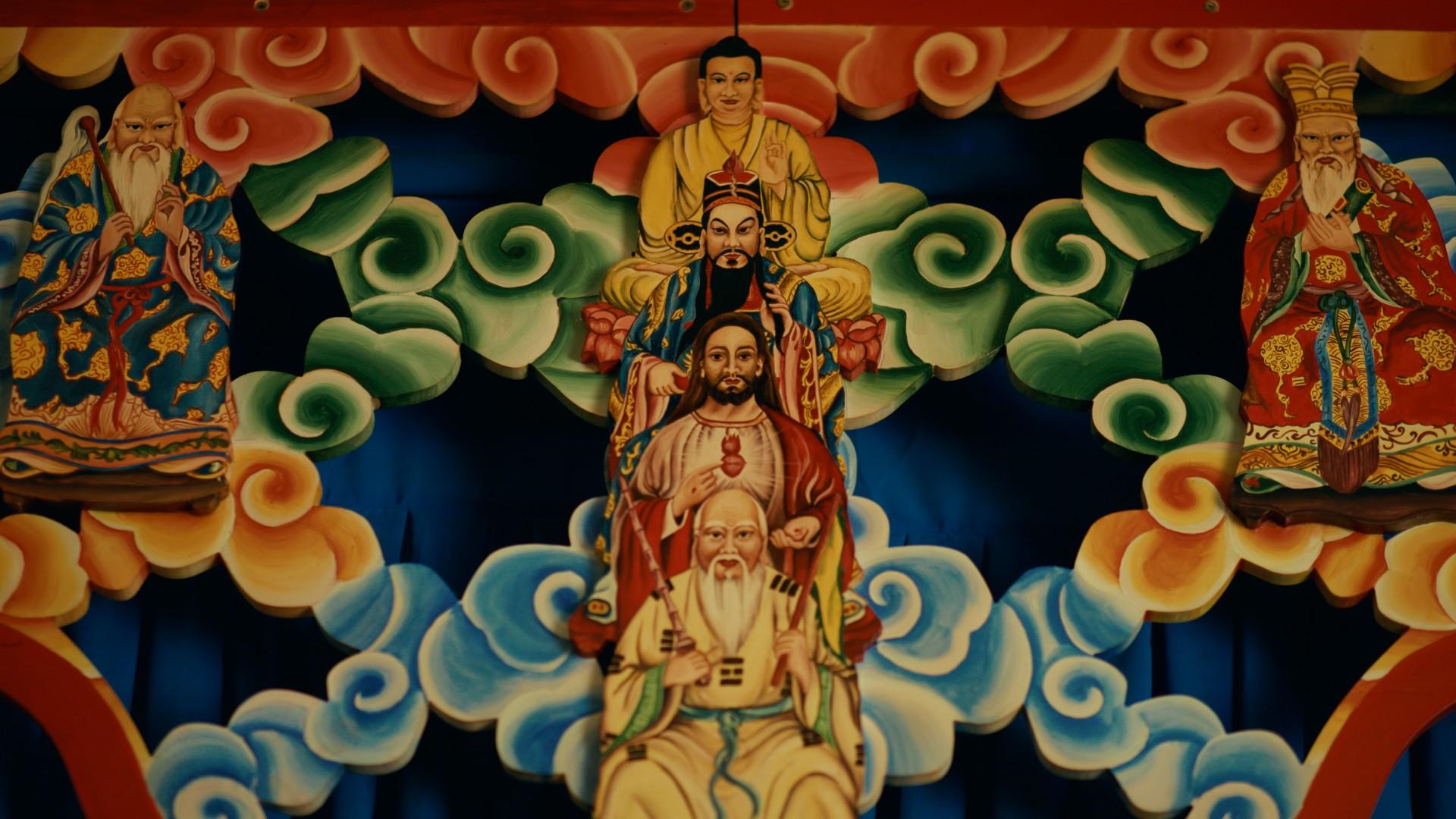
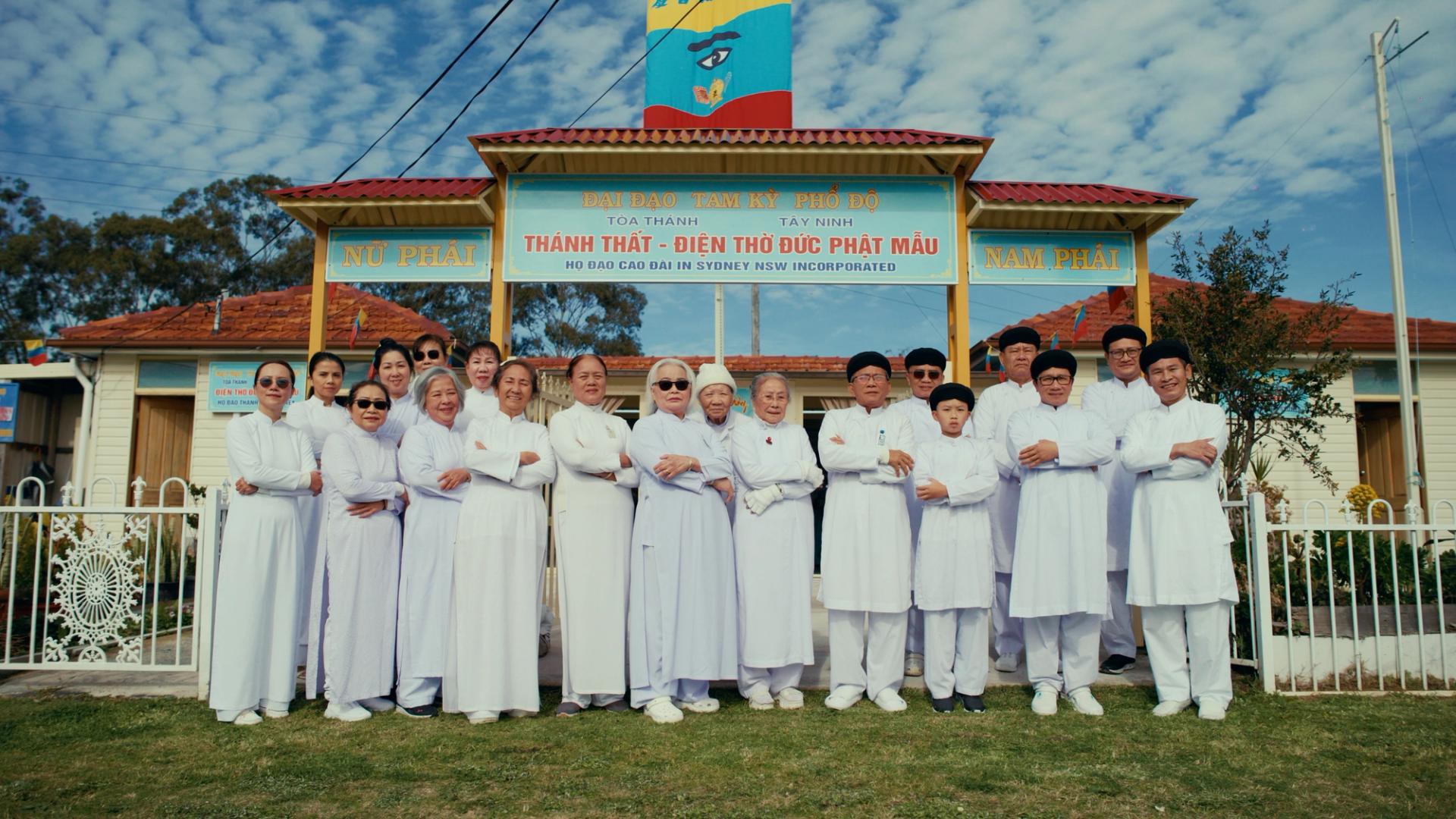
Surrounding the bustling commercial area of Cabramatta are many colourful places of worship — but not all spiritual practices are age-old. When you step into the Cao Đài suburban house-cum-temple in Canley Vale, you are connecting with a religion founded a century ago in 1926 and headquartered in Tây Ninh. The eclectic iconography reflects an essential aim of Cao Đài, which is to unite all religions. As a result, this uniquely Vietnamese religious experience feels more artisanal than other established religions, a small business rather than a multinational corporation.
The five short films that comprise Thập Cẩm Đặc Biệt – Special Mixed Combination offer fresh, revealing and intimate glimpses into the soul of a diasporic community, migrants from all over Vietnam who have built new lives in 2166. Through their stories, these artisans and artists show us what it means to adapt to changing circumstances, while staying grounded in tradition to find meaning in their work and lives.
About the Author
Sheila Ngọc Phạm is a writer, producer, curator and researcher. She writes for Australian and international publications, and was widely recognised for her essay, ‘Coming of age in Cabramatta’, (2021) in Sydney Review of Books. Sheila has produced radio and podcasts for ABC Radio National and SBS, including My Bilingual Family (2022), Tongue Tied and Fluent (2019), The Lost Cinema of Tan Hiep (2016) and Saigon’s Wartime Beat (2012). In 2023, for Monocle Radio’s The Menu, she provided coverage of Cabramatta for its long-running Food Neighbourhood series. Sheila’s curatorial work includes MÌNH (2023) for Fairfield City Museum and Gallery, and an exhibition of Đông Hồ paintings (2019) for the State Library of NSW. She is currently a Postdoctoral Research Fellow at the University of Technology Sydney focusing on refugee health.
Tales from the 2166 | Screenings
Join us for screenings of Tales from the 2166, a documentary series exploring Vietnamese-Australian life in Cabramatta and Canley Vale – the heart of postcode 2166.
Powerhouse Food
Powerhouse Food encompasses programs, partnerships and initiatives that support and amplify the food industry and community.