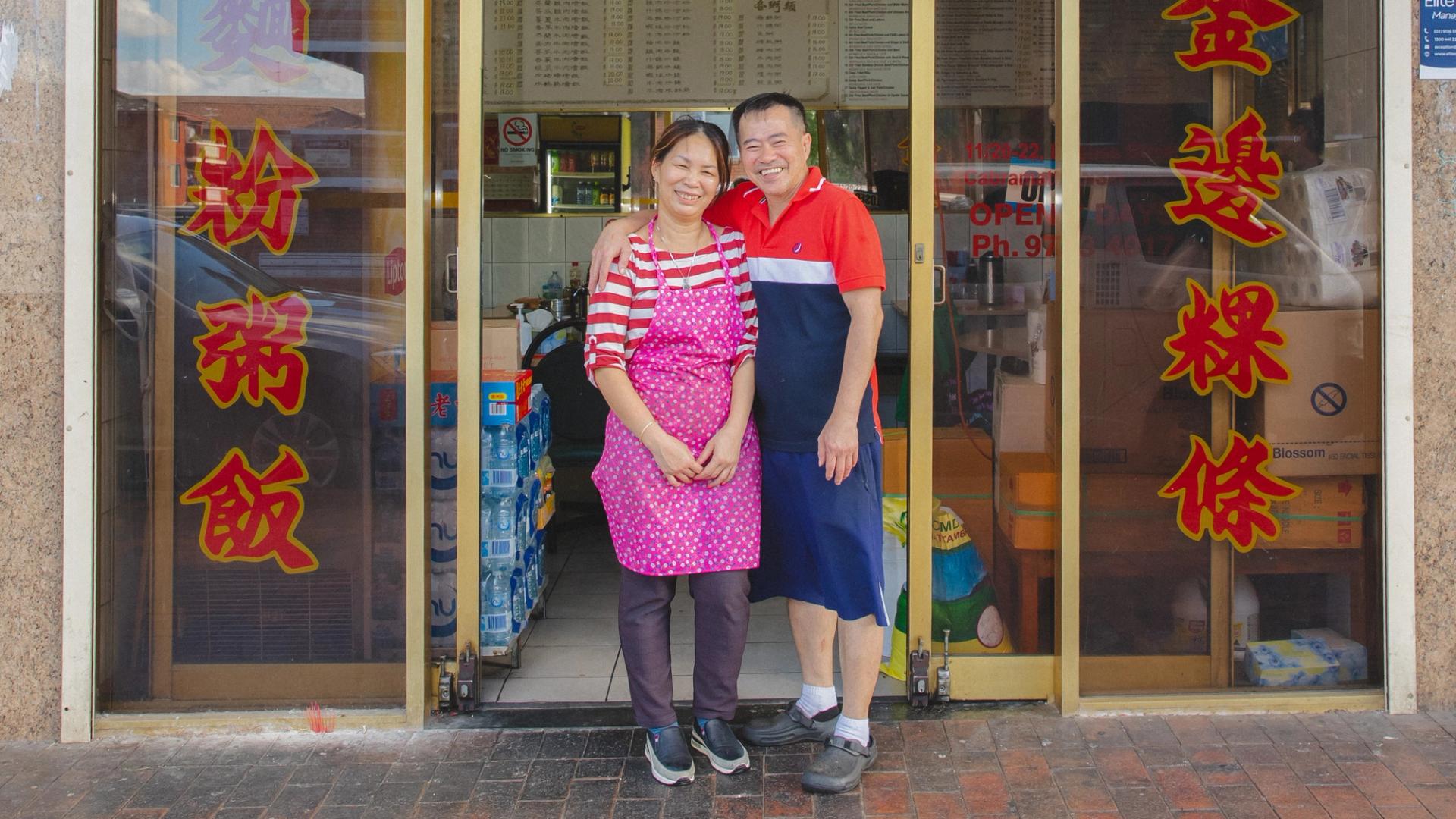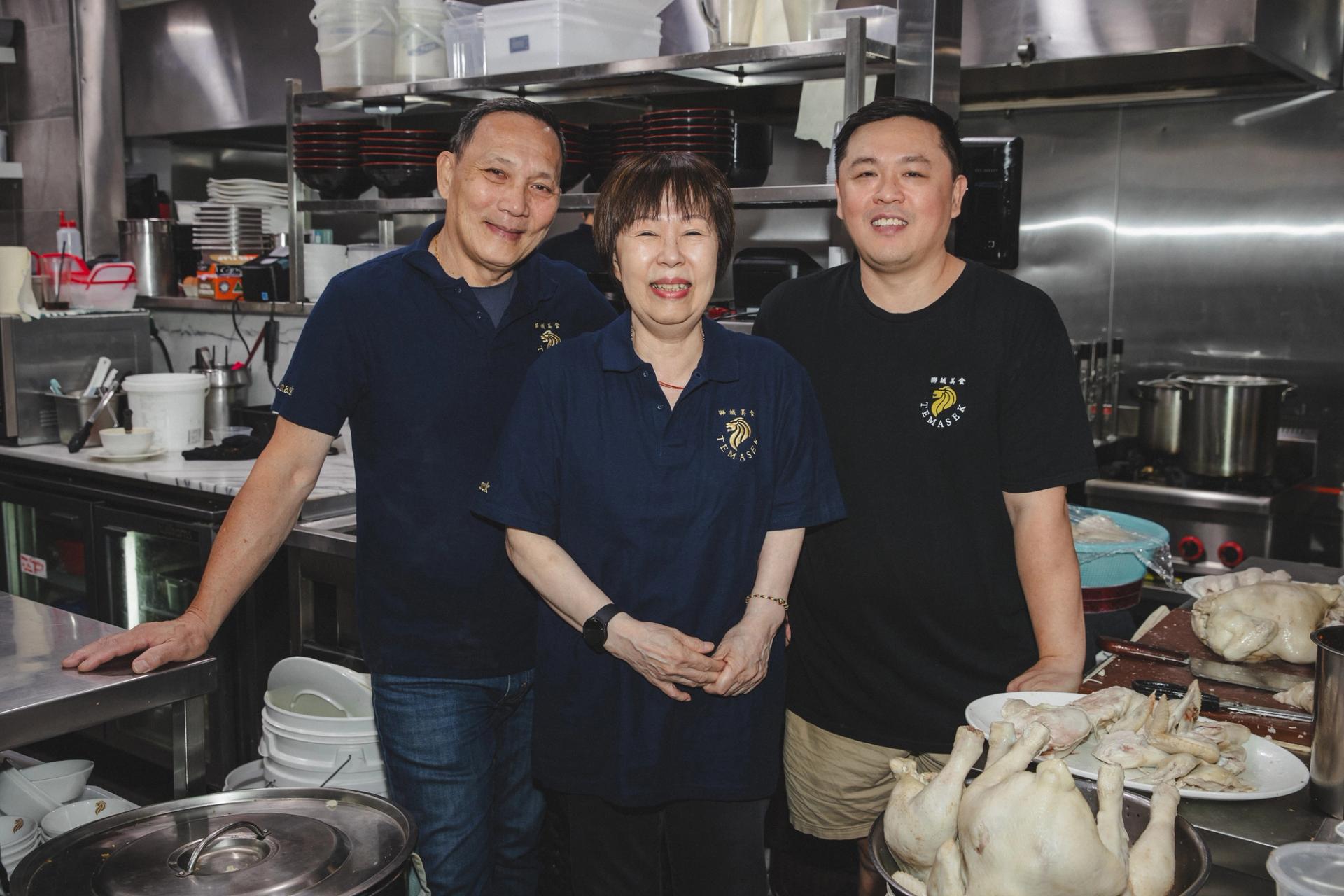
Battambang II

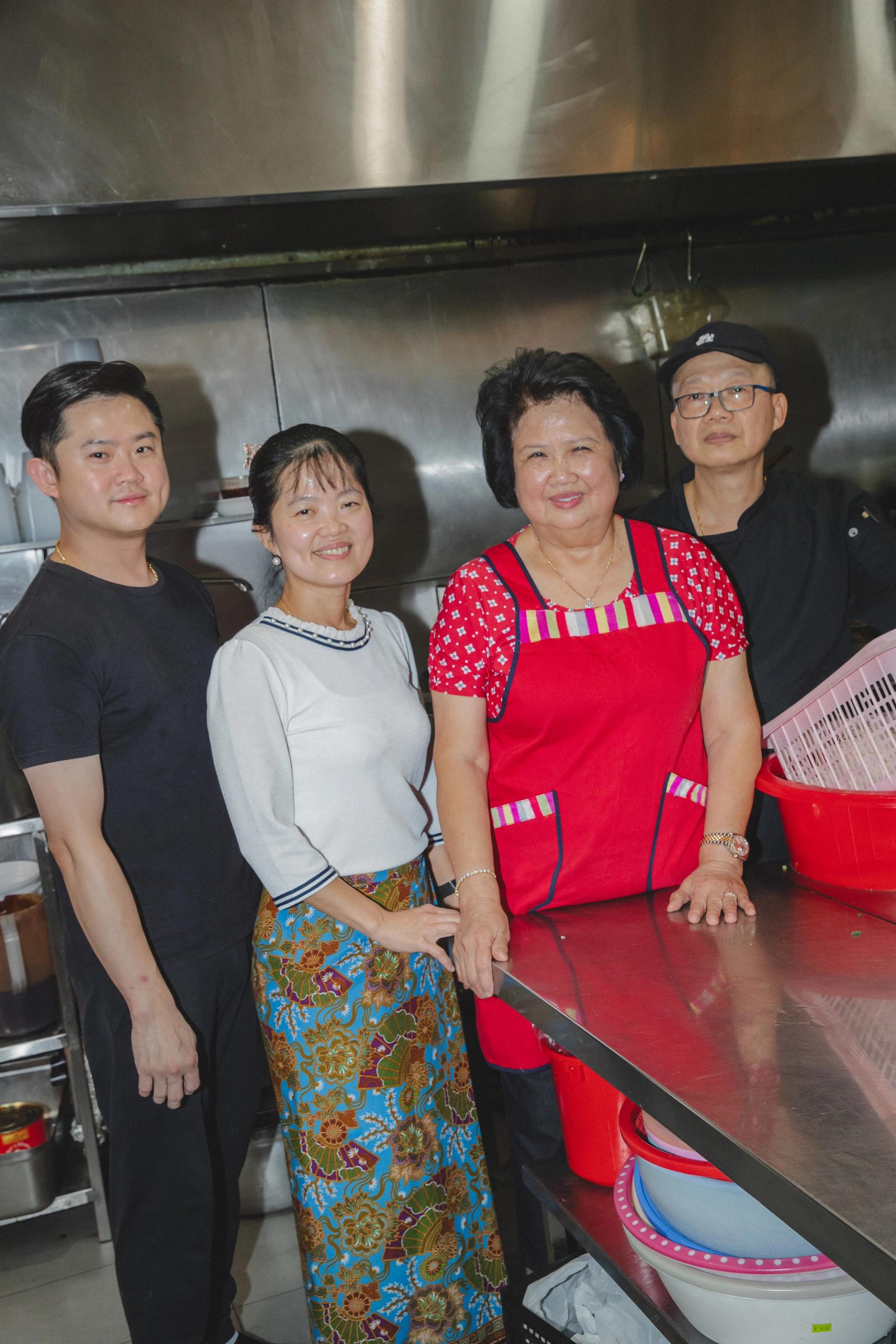
‘Aunty Soc, the owner, she’s so inspiring to me. ‘Aunty’ is hugely successful because she has managed to provide for her entire extended family. When I went into her kitchen and saw all the family members in there and her niece on the floor, Kim, who manages the restaurant, I thought to myself, “This is a really special business because of this solid family foundation.” There’s so must trust, love and care in the cooking and service, you can taste it and feel it.’
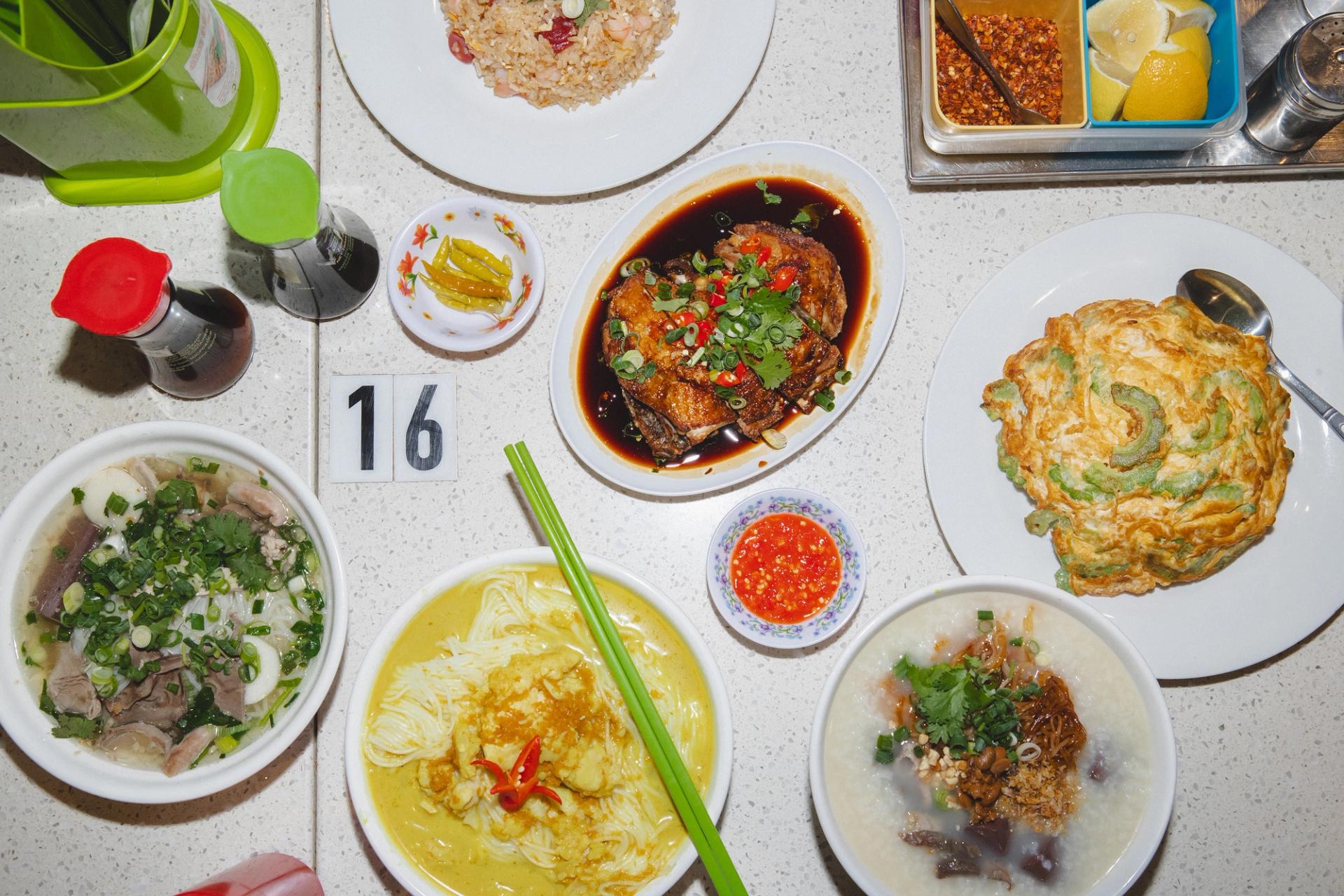
When Battambang opened in 1991, it was the first Sydney restaurant to offer traditional Cambodian food. The menu was charged with lemongrass, fermented rice noodles, banana blossom, fragrant curries and other lively flavours. Soc Kieng Hua opened the eatery with brother Khieng Hua Kouch, but went solo 5 years later with Battambang II, located on the other side of Cabramatta train station, just blocks away from the first Battambang.
‘My aunty wanted to bring Cambodian food to the community,’ says her niece Kim Huy, who is now restaurant manager at the second restaurant.
The original Battambang created a following for its region-evoking cuisine: from Phnom Penh noodles to the crispy chicken from the north-western Cambodian province the eatery is named after. And that legacy continues with Battambang II.
Before Hua built up her culinary confidence, some advice from Battambang’s early days became her guiding force. An older employee in the kitchen told her, ‘Cook for yourself. Make something that feels nice to you and the customer will like it, too.’
From the kitchen at the first Battambang restaurant, she’d peer out to see how customers reacted. Did they finish what they ordered? This feedback helped determine what worked and what required further finetuning in the kitchen.
‘She tried so hard to make the business grow,’ Huy says.
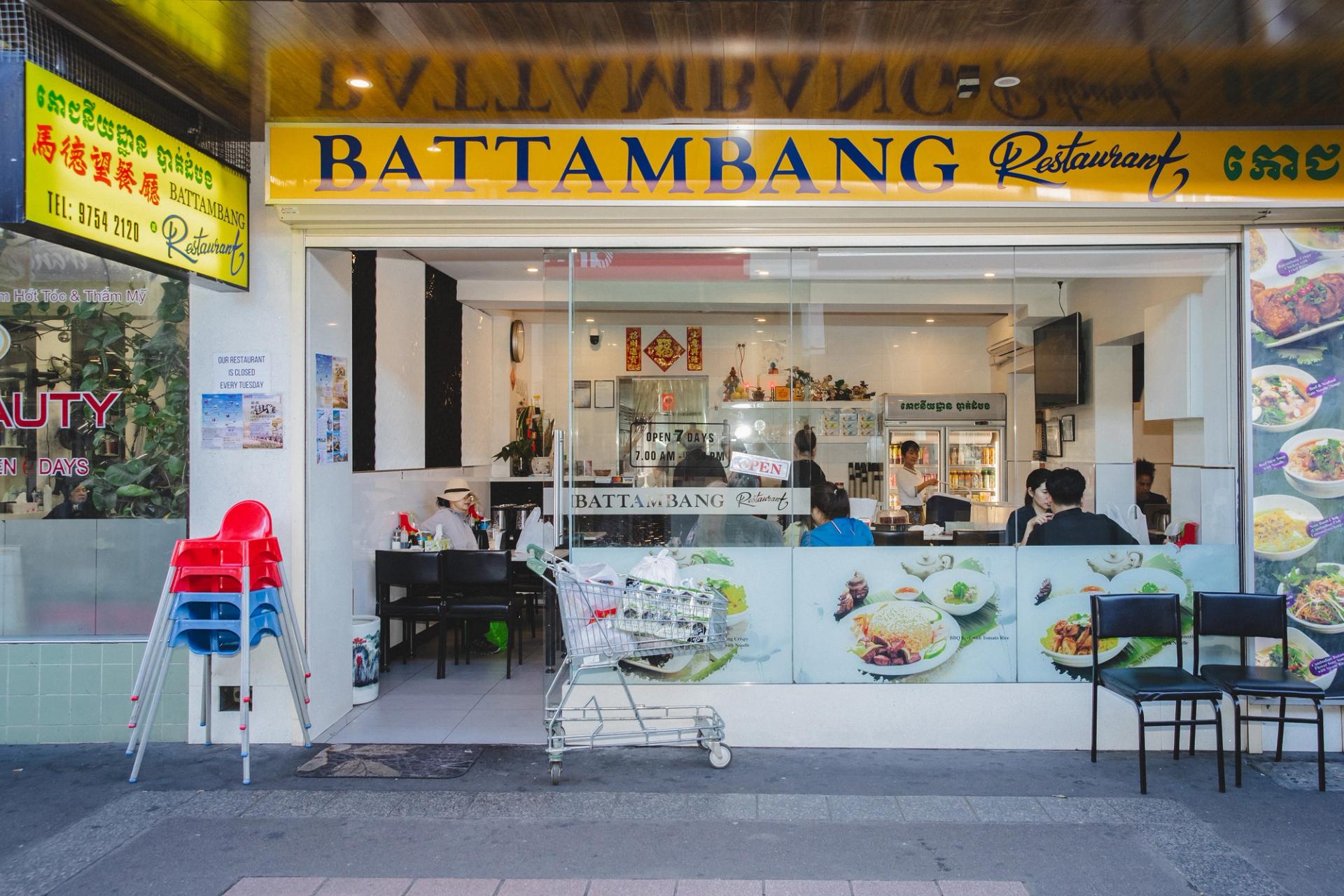
When her aunt launched Battambang II, it was a tiny site on Cabramatta’s main street. ‘She wanted a nice Cambodian restaurant that people could be proud of and bring all the family. But it was a small place,’ Huy says. So in 2015, they relocated to a bigger space, off John Street. It’s where Battambang II continues today, with its bright yellow signage, tables lined with condiment trays and imagery of Cambodian temples.
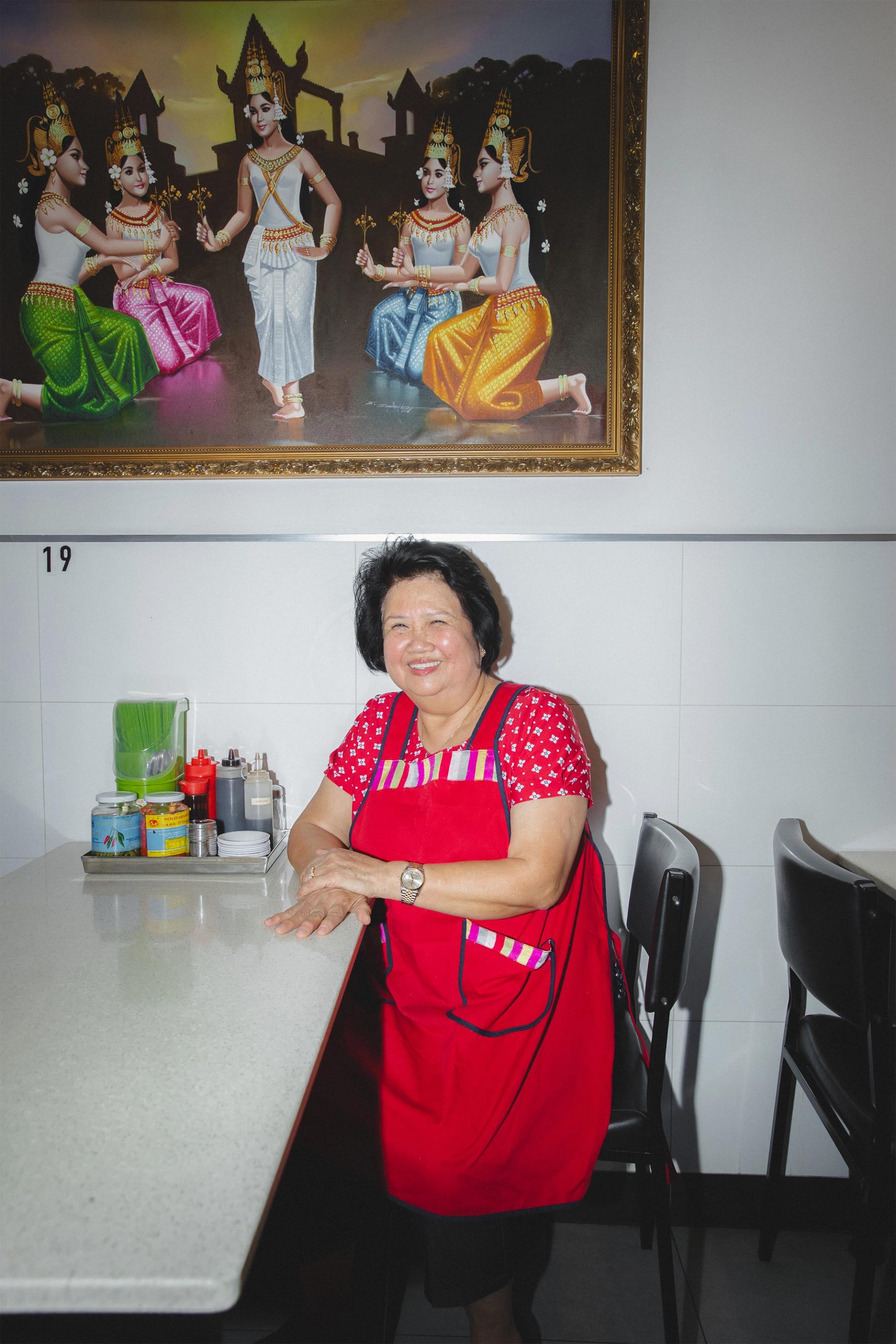
Battambang II is more than a place that feeds hungry people. It’s a vital link to Hua’s homeland, a place devastated by the Khmer Rouge’s genocide in 1970s. ‘After the war, she lived near the Vietnam border and then she caught a truck selling food, got to the end of the Thailand border,’ Huy explains. ‘After that, she had to walk to the Thailand refugee camp.’ It took one and a half days to arrive at Khao I Dang. She joined thousands fleeing Cambodia’s horrors. The camp huts, located near a Thai mountain, housed 140,000 refugees at one point. She spent 4 years there before arriving in Australia in 1986. Food offered a way to reconnect with her culture and community.
For anyone seeking solace in the vivid flavours of Cambodia, Battambang offers nom banh chok (Cambodian lemongrass soup). Many customers remark, ‘This reminds me of home’. And back in the 1990s, this turmeric-toned staple could only be ordered at Battambang’s restaurants. The broth directly transported migrants back to the streets where nom banh chok was originally served.
‘In Cambodia, they sell it at breakfast or between lunch and dinner. They put [it] on the shoulder, they carry and sell it … that’s how they were selling it at the countryside,’ Huy says. Even today, people still go door-to-door to offer nom banh chok.
The Phnom Penh rice noodle soup at Battambang II is also savoured for breakfast. Huy says in Cambodia it’s traditionally transported on a trolley and vendors loudly call out to alert customers they’re near their door.
‘If you go to Cambodia, you cannot find [this] after 9am. They’re already finished. They’ve been selling since 5.30 in the morning. Some places, 8am: no more noodle soup,’ she says.
The bitter melon omelette at Battambang II is more of a home-style dish. ‘Whatever customers want, we make it. So people are like, “Okay, I can’t eat oily food, salty, sweet, I have diabetes. Can you recommend food for me to eat?” Then we do what our customers like. So when they come here, they feel like [they’re] home,’ Huy says.
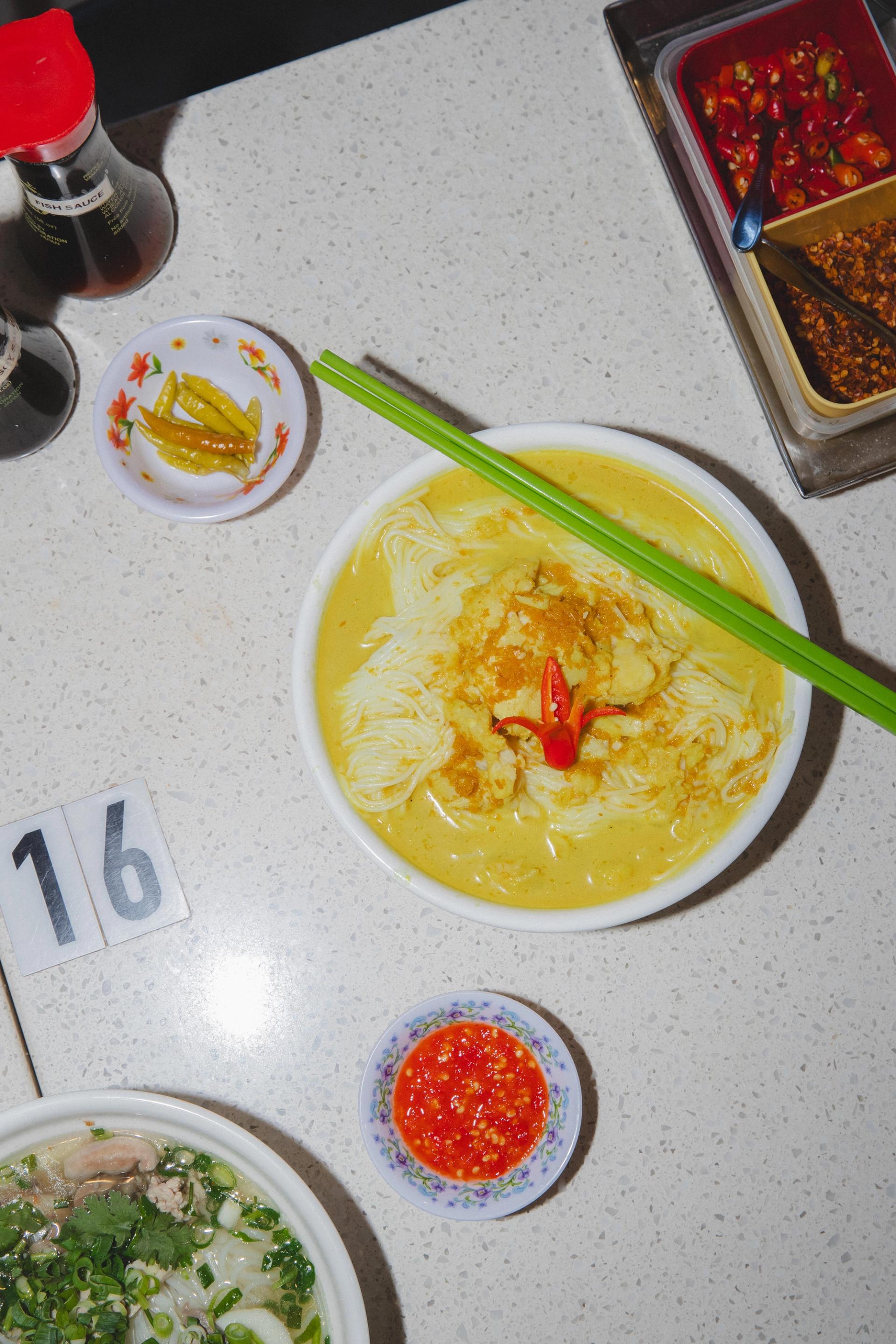
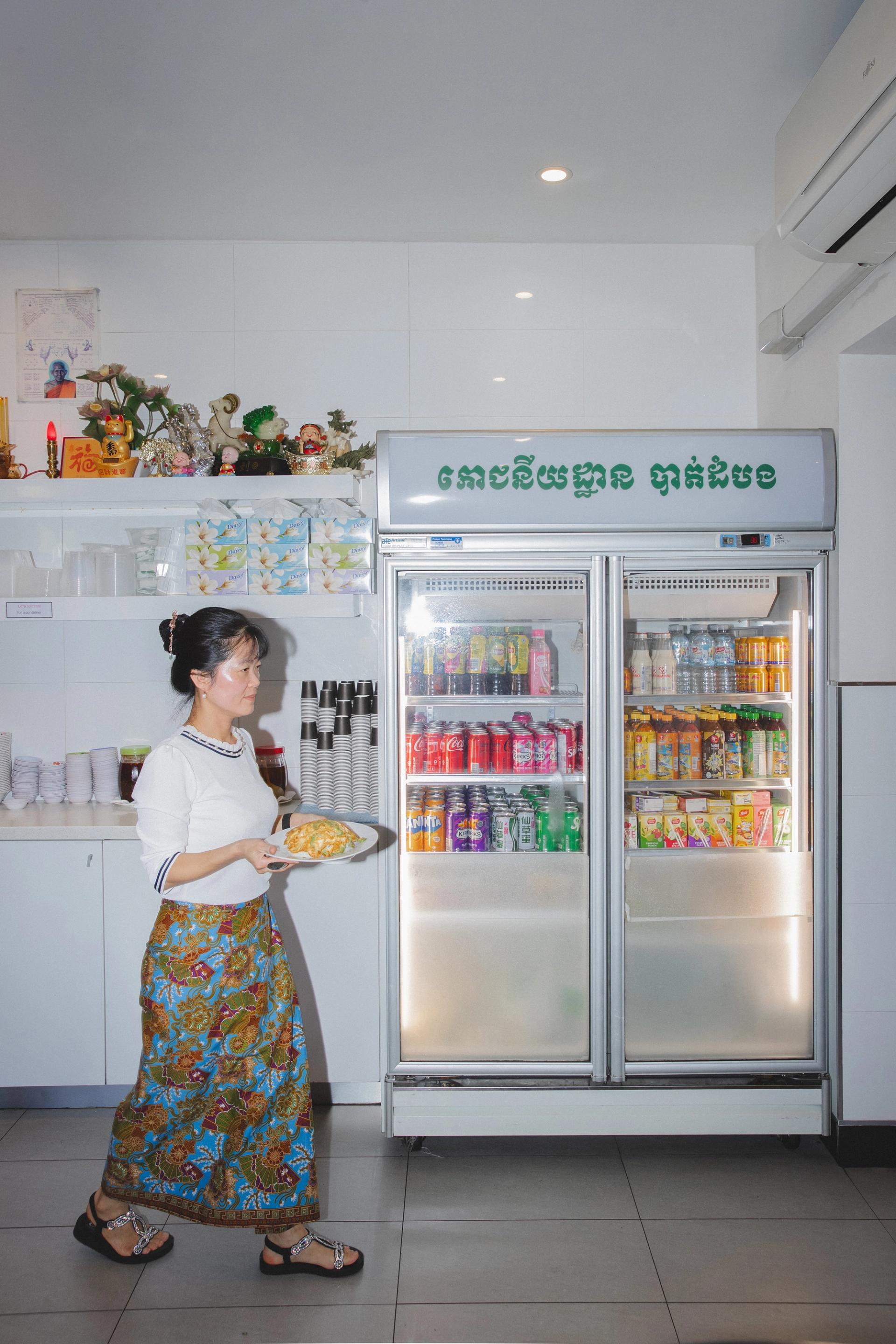
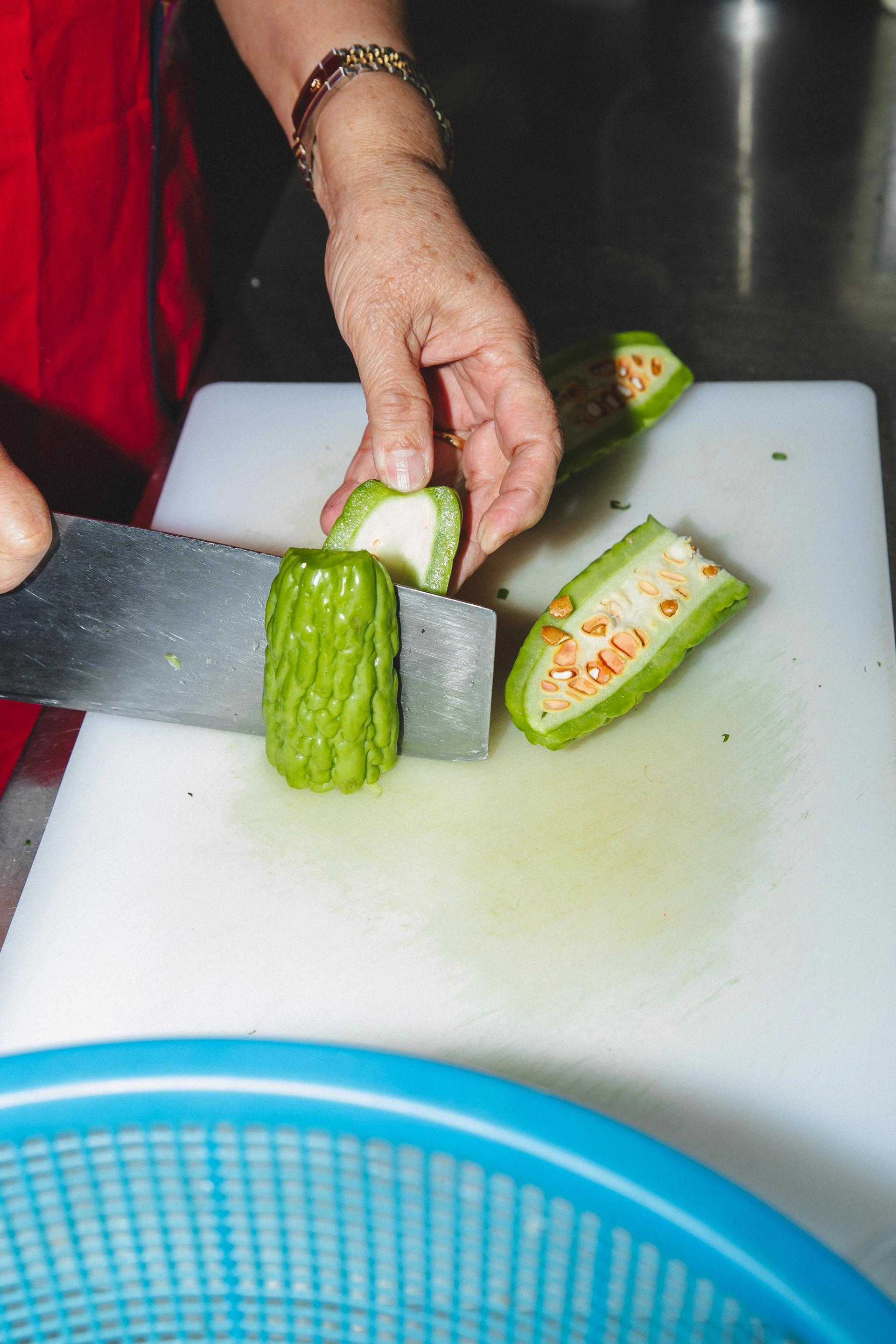
Her aunty remembers every person who enters the restaurant and believes she can immediately recall their order by seeing their face. Take Kevin La, for instance. Hua can instantly list his preferences: Cambodian mixed noodle soup, either the dry one seasoned with chilli or served with the crunch of fresh bean sprouts. ‘She knows it straight away,’ her niece says. ‘Like a computer.’
The restaurateur remembers when La first frequented Battambang II with his dad and can even point to her hip to indicate how he tall he was (or wasn’t!) at the time. Hua can even name his childhood order: Cambodian mixed noodle soup – the dry version. ‘He still likes it,’ says Huy.
‘My dad used to work for a fruit and veg shop in Cabramatta. He’d never be at home during the day and I wouldn’t have weekends with him either, because it would be a 7-day-a-week job. My time to hang out with him would be to help at the shop. And my ‘pay’ would be my dad taking me out for lunch, going to different Cambodian-Chinese restaurants. Battambang is a restaurant we visited often. Visiting these restaurants around Cabramatta was where I learned to order food in my home language. Coming with mum and dad, listening to how they ordered food and interacted with the restaurant owners in the Teochew Chinese dialect. That’s a big reason why these restaurants are important to me.’
La’s not the only one to demonstrate decades-long customer loyalty – one customer has spent over 30 years at Battambang’s tables. He only eats one dish (Phnom Penh rice noodles, served dry with an extra tangle of yellow noodles) and always sits by himself. Most diners, though, will bring the whole family to feast. Some have been to Battambang II so often the staff has seen them physically age over the years. ‘We can picture them since they [were] young,’ says Huy.
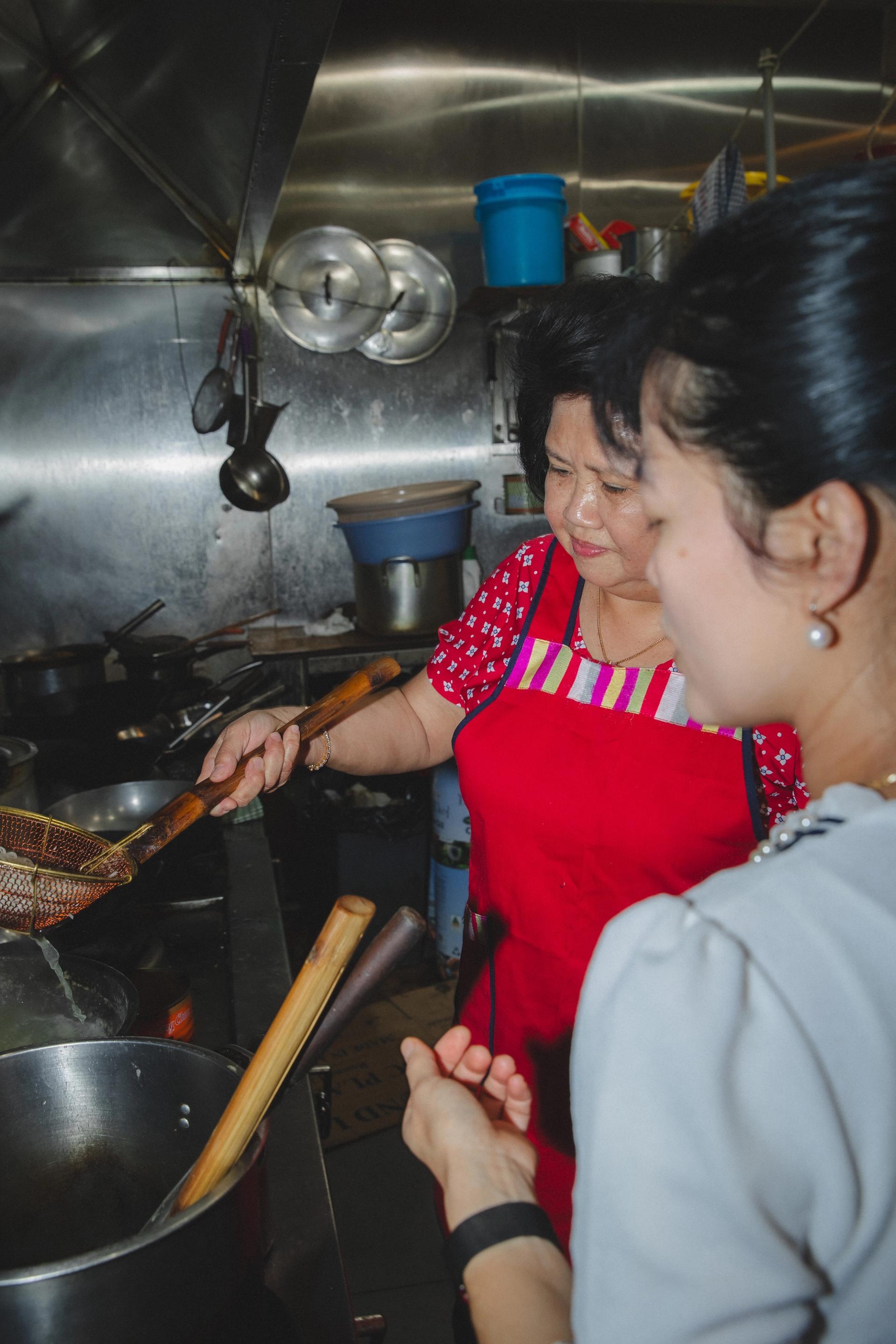
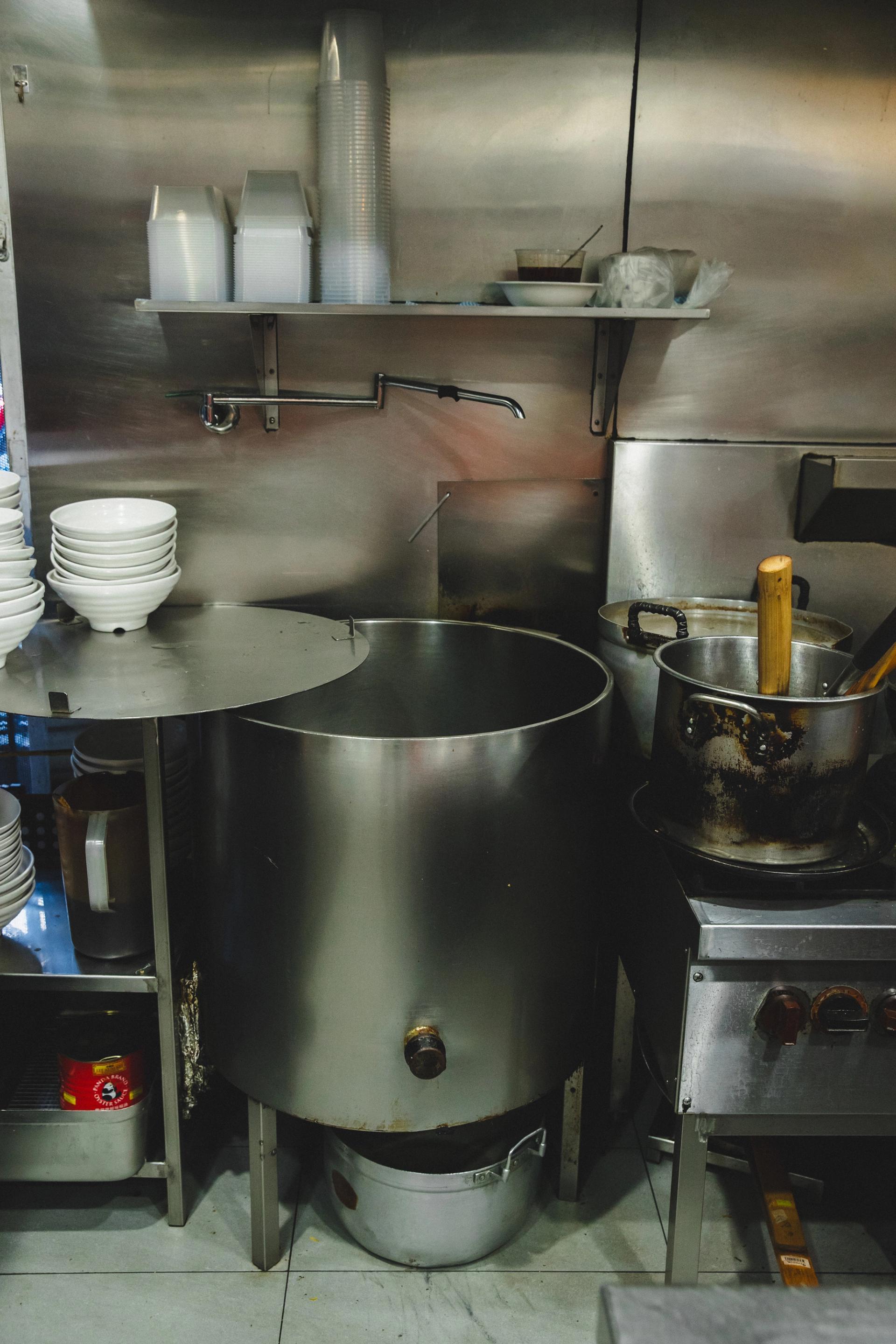
Longevity can be found in the kitchen, too. There’s the restaurant’s hard-working soup boiler, which is fundamental to the special pork bone soup.
‘We cook it in the early morning,’ Huy says. This 500-litre pot bubbles from 5am onwards, slow-cooking the bones until they’re soft and charge the stock with a rich flavour.
‘That one is the first pot that she had and brought along from the old shop,’ Huy explains. Her aunt’s boiler dates from 1996 and has been at the restaurant longer than most staff members. Exceptions include the employee who oversees the noodle soup – his tenure predated this pot’s reign. Ditto the family members who’ve been here for years. Huy herself has worked at Battambang II for nearly two decades.
It’s this enduring connection, this generation-building, that gives her aunt such satisfaction.
‘She’s very proud she has a place for all the family to work, to eat – a place where you can earn and enjoy [yourself],’ Huy says. ‘And our family’s very flexible.’
If someone has young kids, they’re free to clock off and pick up their children when they need to.
But one thing is clear: Aunty is the leader here.
She is the head of the Battambang family. What she says, everyone obeys,’ explains Huy. ‘All the family works for the queen to make the queen happy.
About Family Business
Family Business celebrates the Chinese, Southeast Asian and Korean communities of Western Sydney through the intergenerational food stories and culturally significant objects of long-established, family-run restaurants.
Selected by Powerhouse Culinary Ambassador and chef Kylie Kwong and food content creator Kevin La, 11 community-loved eateries open their doors, and their histories, to writer Lee Tran Lam and photographer Nikki To, offering an intimate window into one of Australia’s most richly diverse culinary scenes.
Powerhouse Food
Powerhouse Food encompasses programs, partnerships and initiatives that support and amplify the food industry and community.