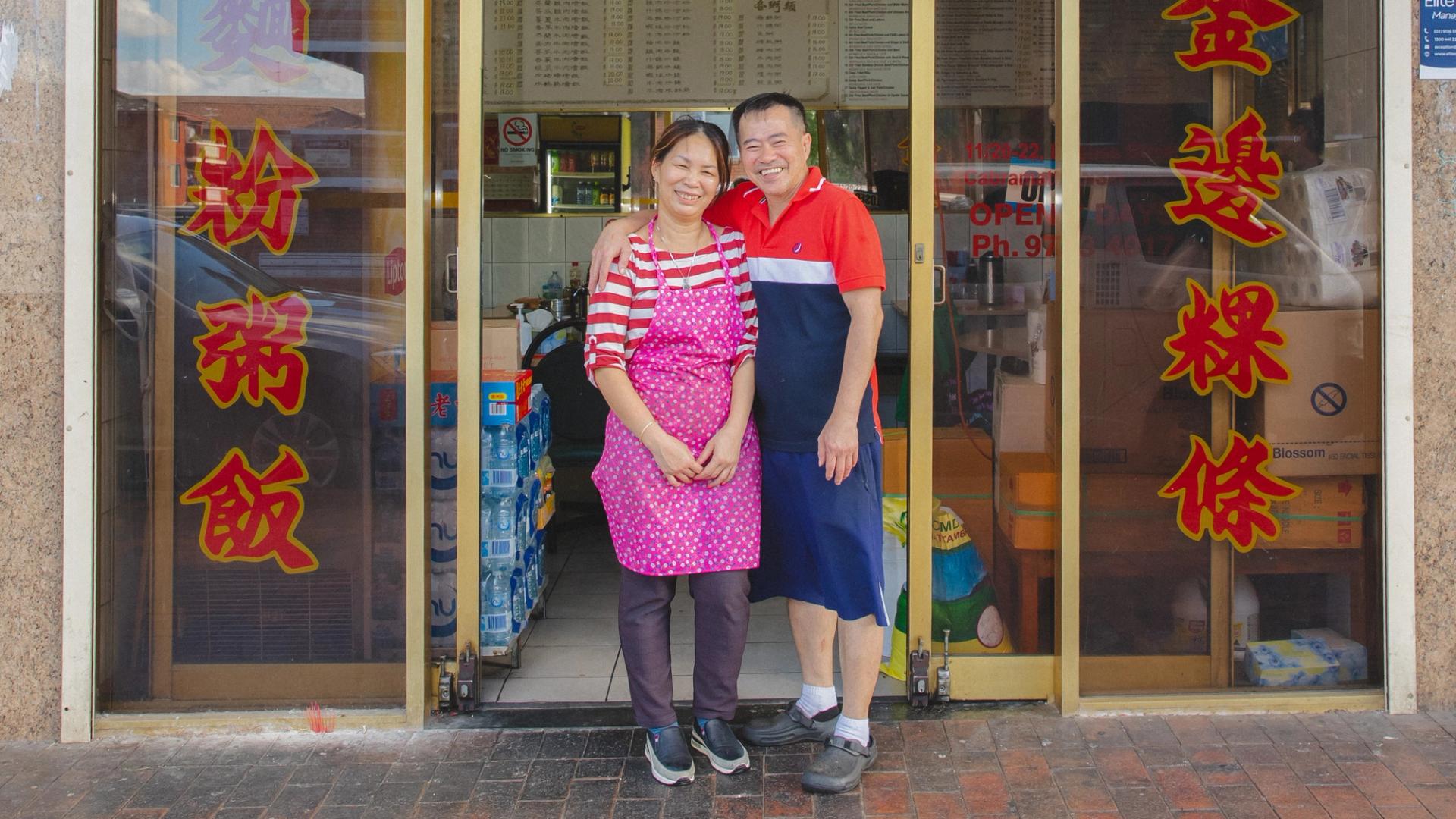
Temasek

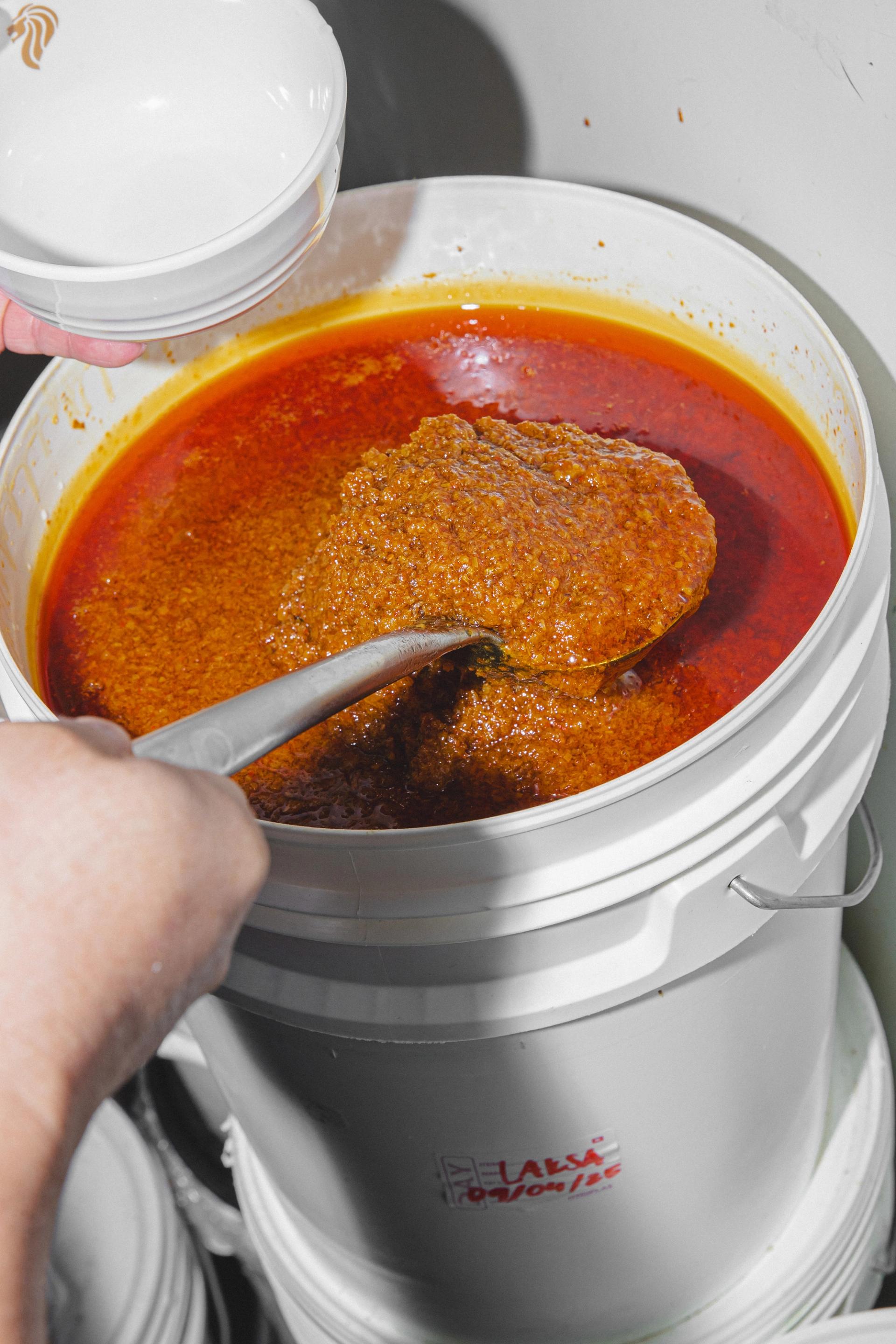
‘Temasek was one of the first places I visited when I started my role at Powerhouse Parramatta, which is just across the road. I remember meeting co-owner Jeremy Cho. He was there making the laksa pastes and was so generous: he gave me several containers to take home and this handwritten recipe describing the ratio of coconut milk to laksa paste. Temasek was in the original place for 32 years and recently moved. But they’ve still managed to maintain the quality of the food and the flavours. That’s a huge achievement because sometimes when you make these big moves, you risk losing the essence. But they’ve managed to stay true to the Temasek quality we all know. And I know his late mother, Susan Wong, the founder of Temasek, would be so proud. Her legacy lives on.’
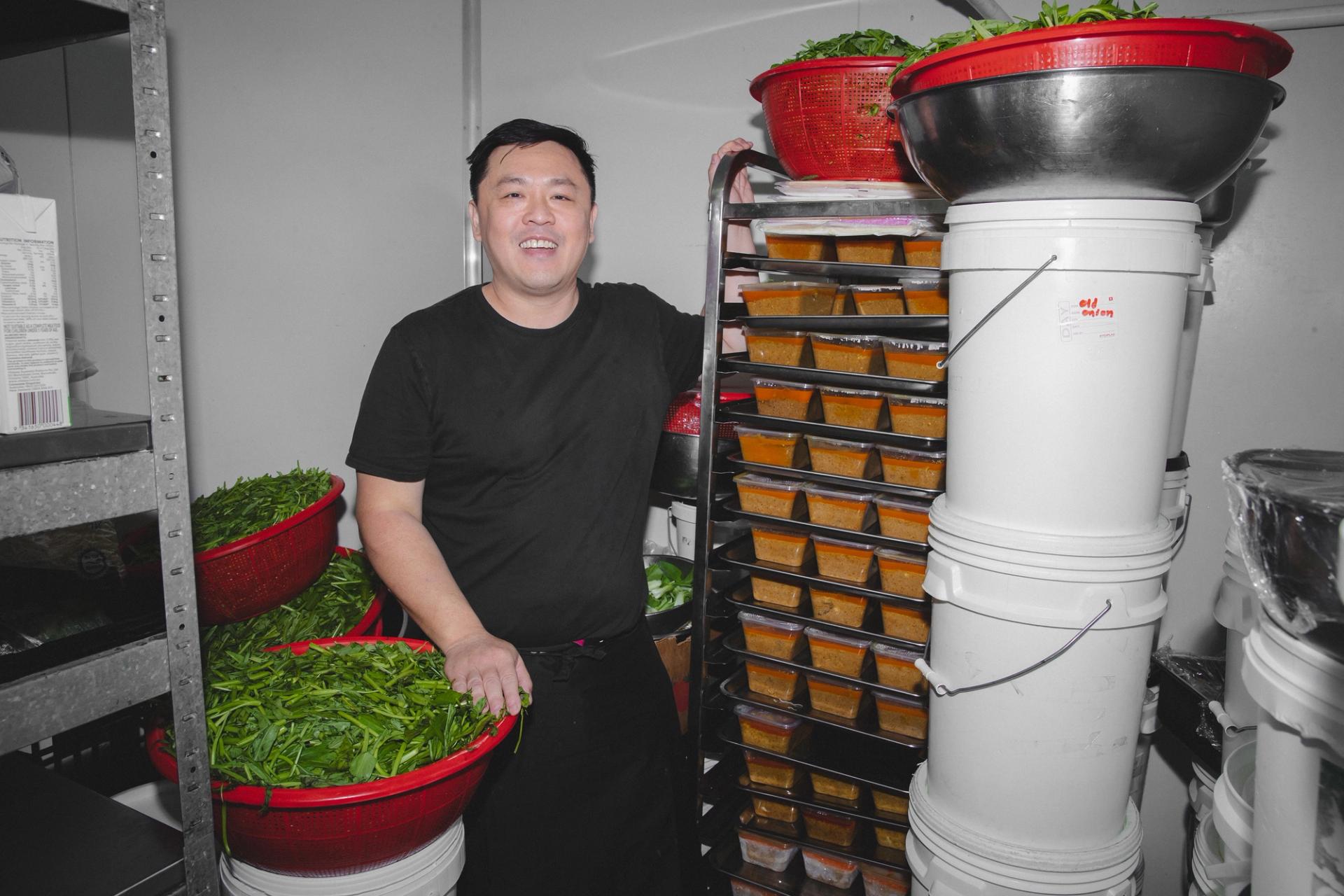
Since its 1992 opening in Sydney’s Parramatta, Temasek has become legendary for its bowls of laksa. These soothing serves of spiced coconut broth have magnetised restaurant critics, out-of-towners and local diners for decades. But when co-owner Jeremy Cho thinks about the turmeric glow of the laksa Singapura paste, he remembers only one thing from his first time making it. ‘Pain,’ he says.
His mother, who launched the restaurant more than 30 years ago, taught him Temasek’s restaurant staple. As she instructed him, he wondered how such a small woman could conquer this colossal batch of ingredients.
‘At the beginning, it’s very hard to stir,’ he says. And it’s a physical struggle you endure, relentlessly, for 3 hours. ‘It’s not a good memory,’ Cho says with a laugh. He recalls where it hurt most (‘the back’); the laksa’s perfuming of the kitchen was potent, too. Each stir unlocked the fragrant punch of chilli, lemongrass, dried shrimps and the signature yellow turmeric.
That laksa Singapura has undergone minor updates but has essentially stayed the same since Wong first opened Temasek’s doors 7 years after the family moved here from Singapore.
Cho grew up in Tiong Bahru (‘It’s well known for its hawker stalls’) and was caught off-guard when his mother mentioned they were moving to Australia. ‘I didn’t want to go,’ he says. They arrived in 1985, when the Harbour Bridge toll was just 20 cents: you tossed your coins into a basket as the car passed. ‘Sometimes you miss the throw. Then you have to throw more,’ Cho says.
He was 15 when his mum opened Temasek – a big switch from her previous banking job. The career-changing catalyst had been mahjong games with friends from Singapore and Malaysia.
‘Everyone was meant to cook one dish to share. She’d bring something there. They suggested, “Oh, it tastes quite good, what else can you cook? Why don’t you open a restaurant?”’
She did, enlisting help from her family, sister Gladys included. ‘Aunty was at the front. Mum was at the back,’ he says. One sister tended to tables, the other cooked.
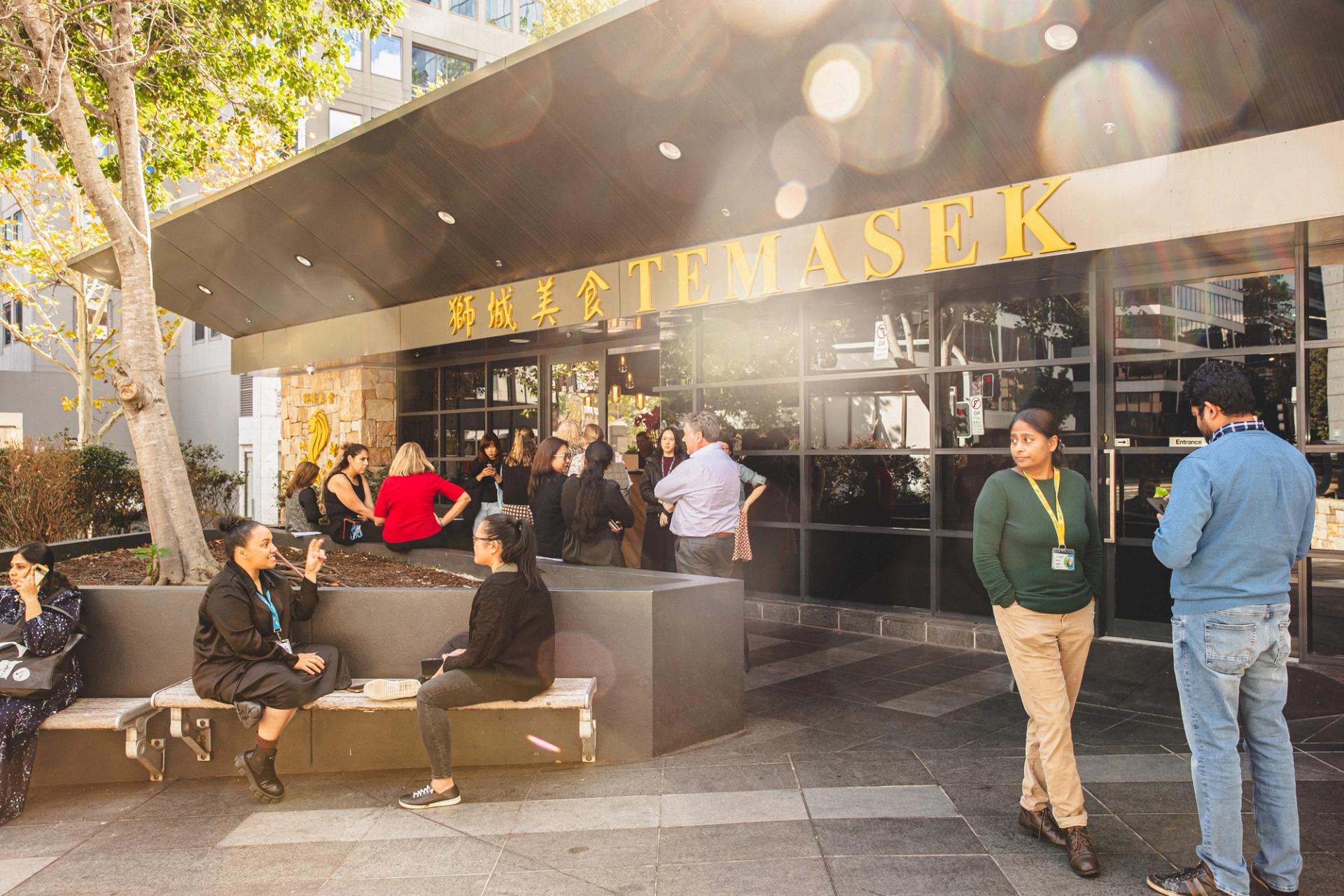
As a kid, Cho also helped out. ‘First, I worked for pocket money,’ he says. Dishwashing led to duties as a waiter. His mum promised to buy him a car if he committed to Saturday shifts.
He planned a career in banking – but like his mother, Temasek was his ultimate calling. Originally, he was meant to help for a few months after her chef Alex Lee left to open his restaurant.
‘All of a sudden, it’s been, like, how many years? 20 years?’ Cho says.
He had one unplanned break from Temasek, sparked by an unexpected fire at the restaurant. ‘I think someone left the deep-fryer on. My mum told me, “Oh, the restaurant burned down.” I thought she was joking,’ he says. ‘Then I came in: when you opened the door, you could straight away smell everything. The whole dining area was all black. Everything was black. We had to close for maybe 4 or 5 months.’
He wondered if he should look for another job but ended up staying.
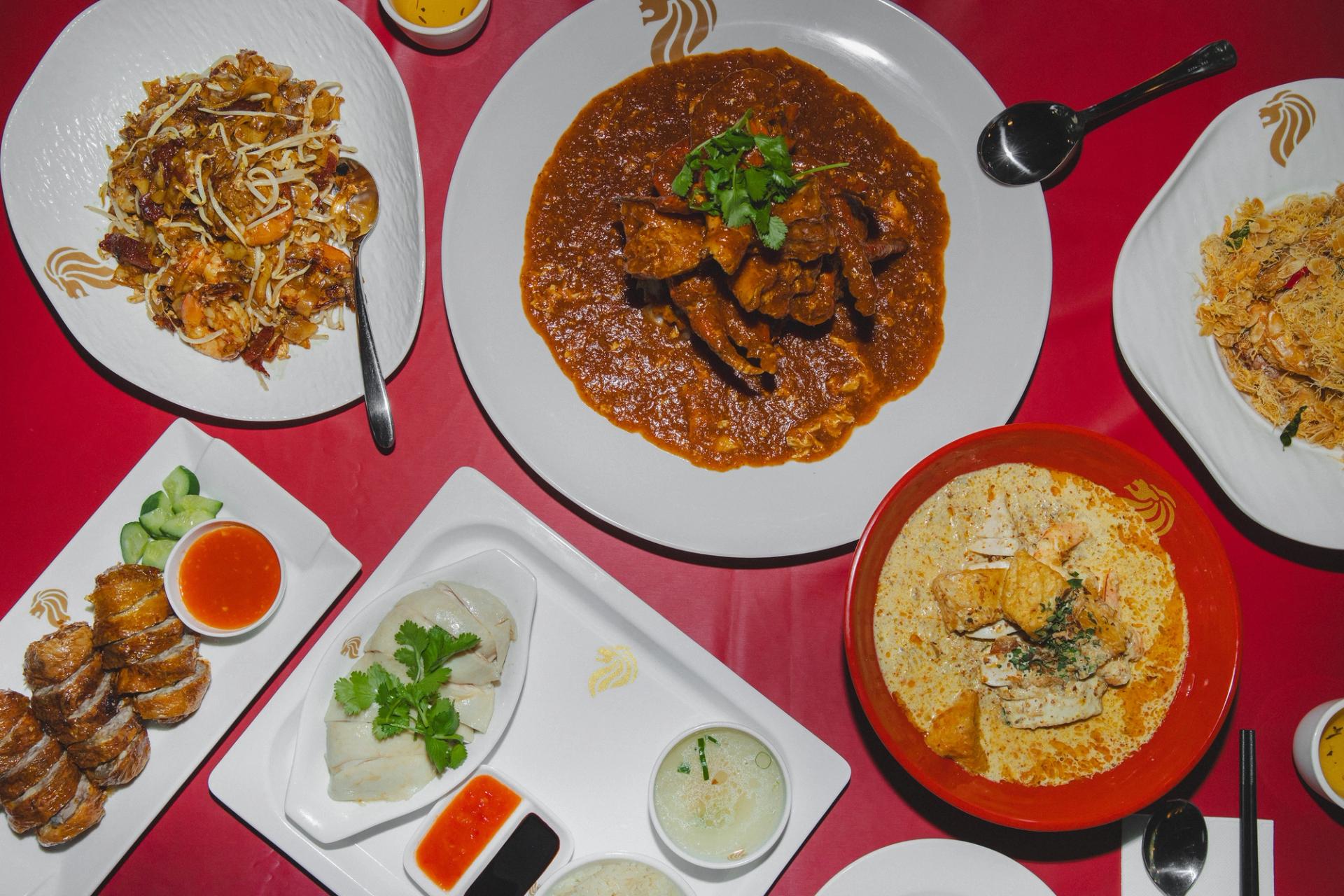
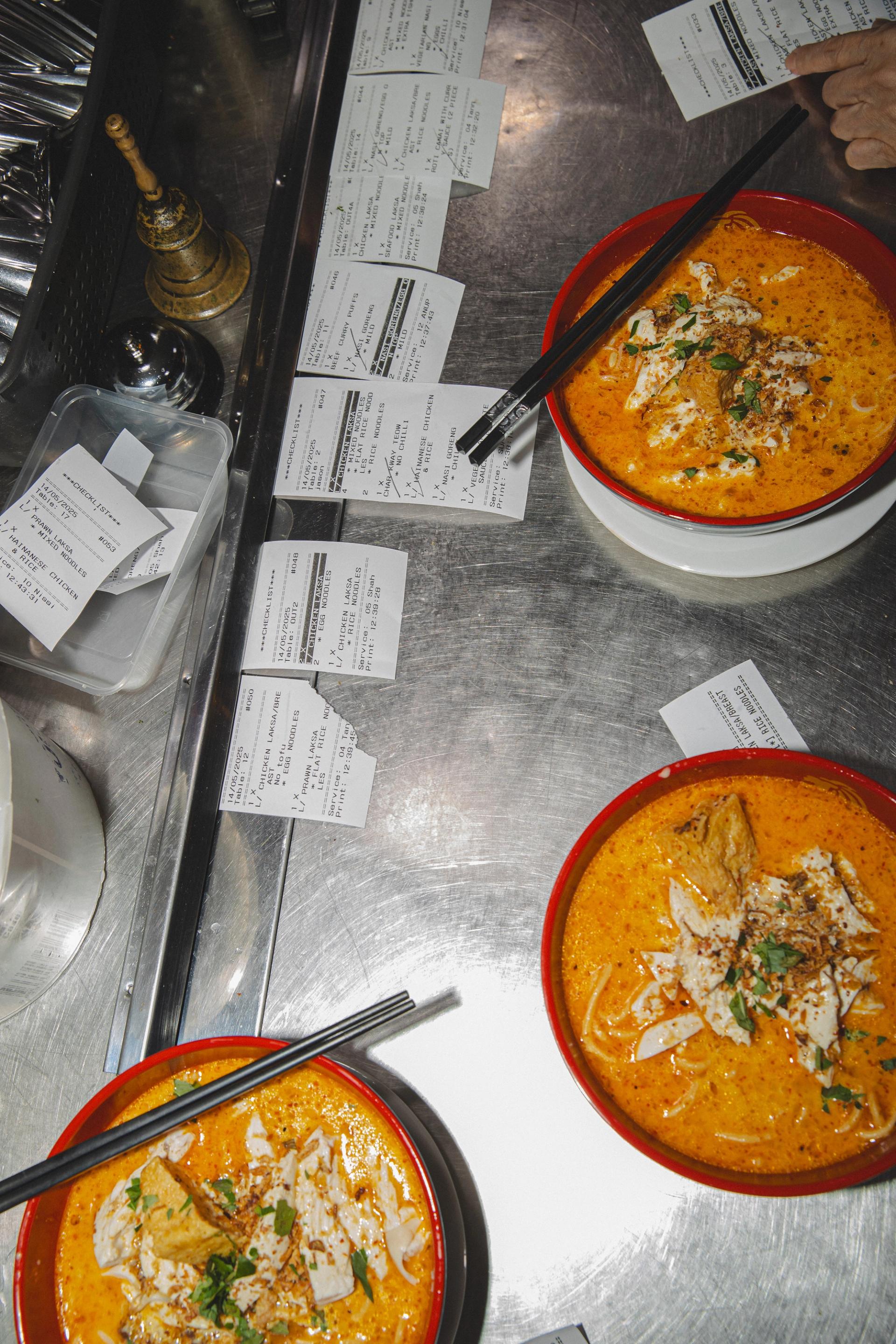
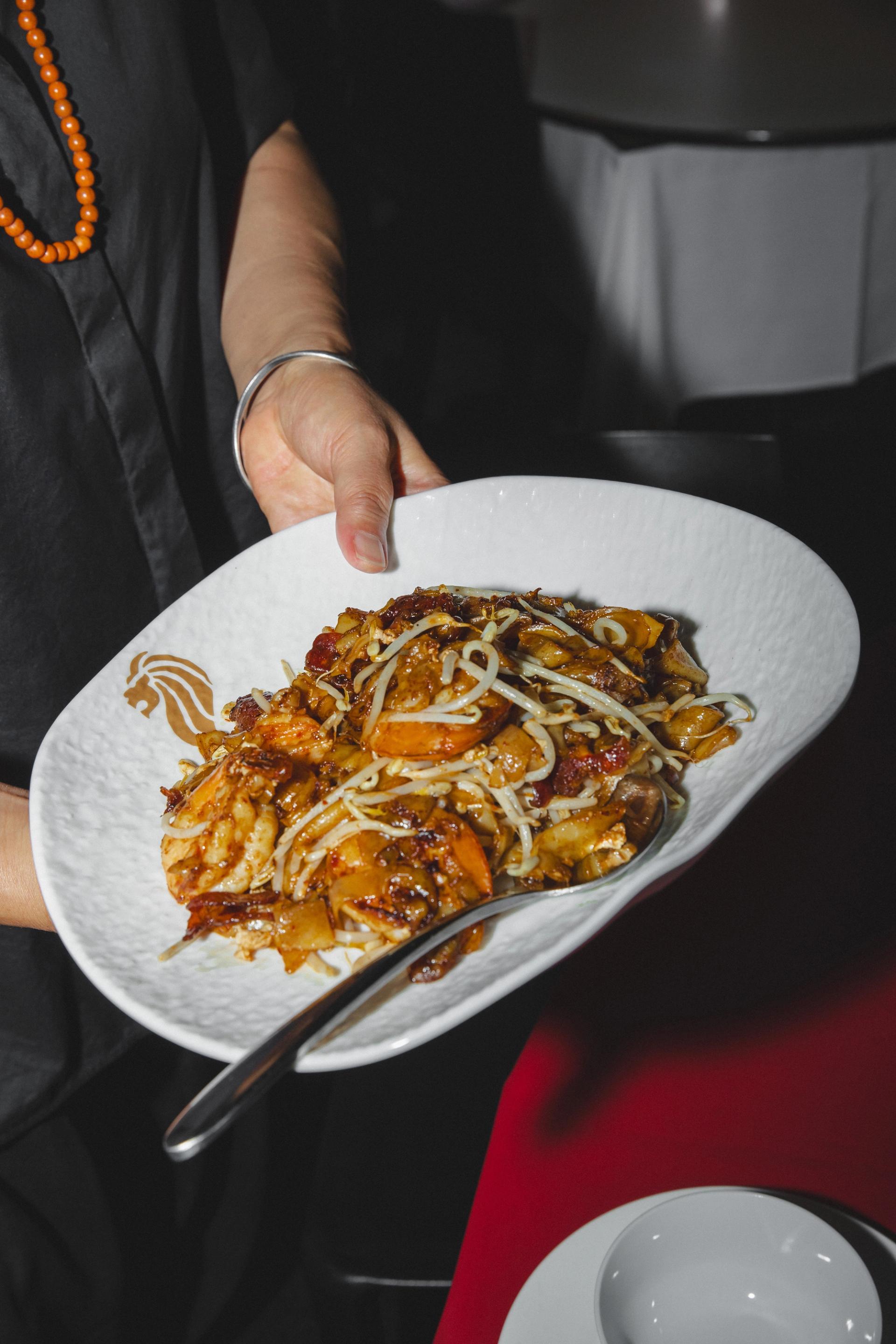
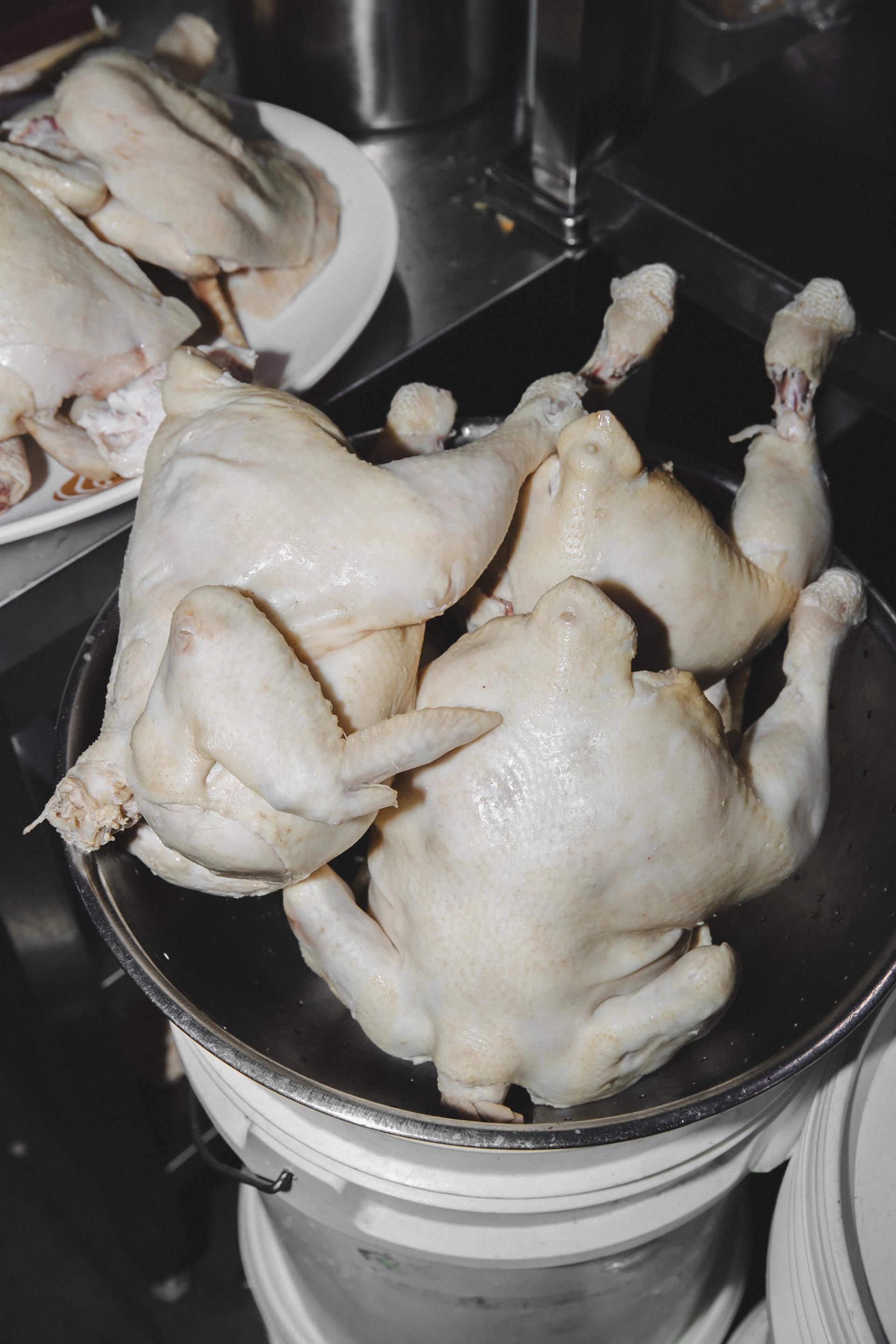
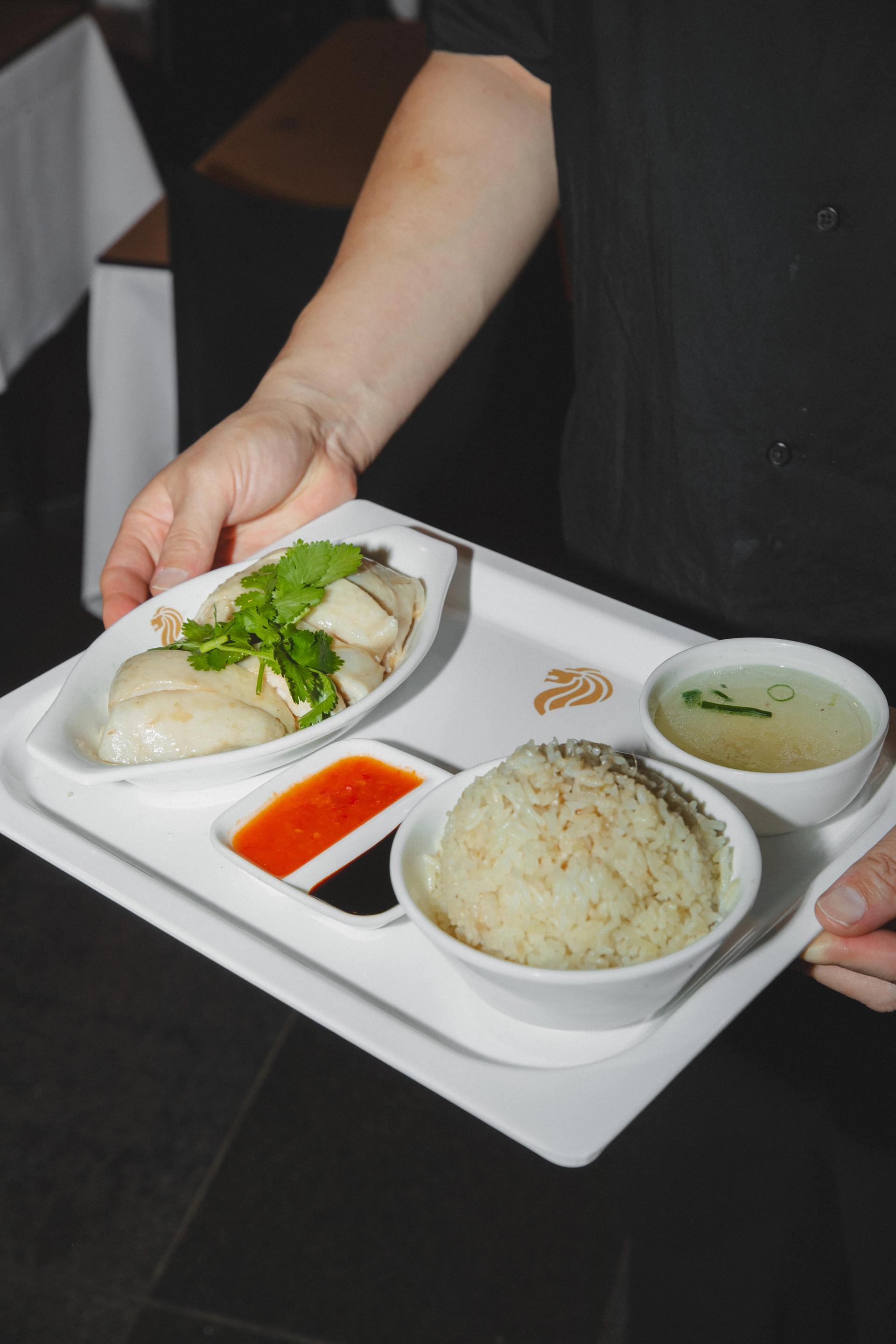
Locals have also stuck with Temasek. Critic Terry Durack listed its char kway teow as one of 11 unforgettable Sydney dishes from his 30 years of reviewing restaurants. Another much-ordered item is Hainanese chicken rice, which requires specialised staff. ‘[One woman will] debone the chicken: the process of taking off the bone and keeping everything intact, the shape of the chicken,’ Cho says. ‘That’s one part I haven’t learned. That’s why [I] need all these people here.’
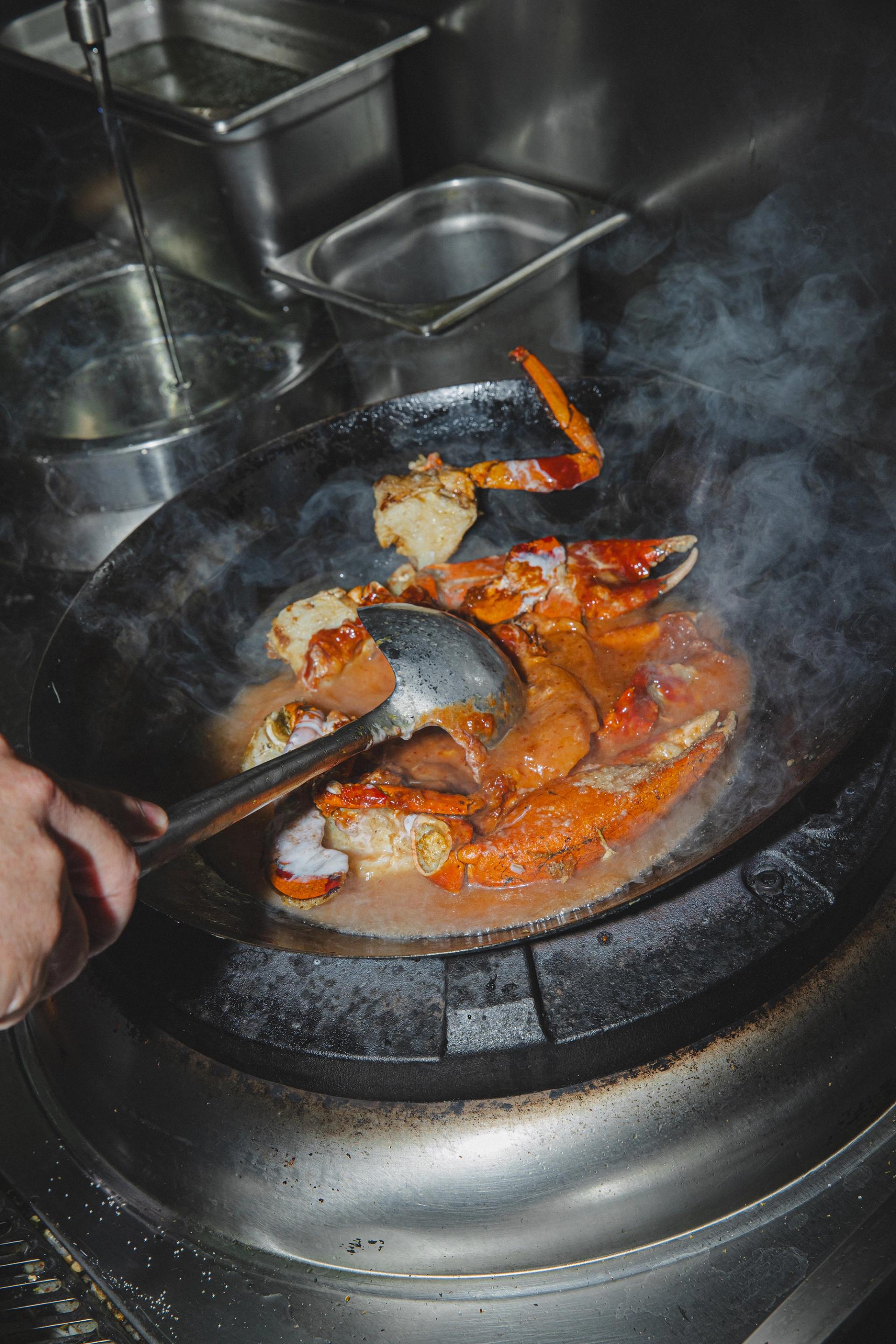
The chilli crab has basically stayed unchanged since Temasek’s opening, although it’s sometimes altered on request.
‘The funny thing is, a lot of customers, they order it, but they say, “mild chilli crab”. You’re already eating chilli. Why do you want to eat it mild? Because that actually changes my recipe. I end up putting just tomato paste and tomato sauce. They enjoy it. But I’m thinking it’s not the right way to do it. I’d rather give you the normal thing,’ he says. ‘If it’s too spicy, I can give you complimentary drinks or something, right?’
Still, 80 per cent of customers ask for it ‘mild’.
‘The special thing about Temasek is it’s an old-school community eating house. The family’s from Tiong Bahru in Singapore. I have family in Singapore and I actually first decided to start learning about food when sitting inside Tiong Bahru hawker centre on a Singapore trip in 2019. So that place is special to me as well. Obviously when Temasek opened 30+ years ago, there wasn’t much Malaysian or Singaporean representation across restaurants in Sydney at the time. So these guys are very important to that community and the people of Parramatta as a whole.’
Temasek was at its original Roxy Arcade location more than 30 years. It finally relocated in 2025, just a block away, during Lunar New Year. Cho brought over artwork that shows Buddha raising his arms, perhaps in an encouraging gesture.
‘My aunty says it seems like he’s supporting the restaurant.’
Then there’s the bell from Temasek’s first days: they’d ring it when orders came in. It’s too loud for the new site, but its sound once triggered strong anticipation. ‘It’s like an ice-cream truck or something’s coming.’
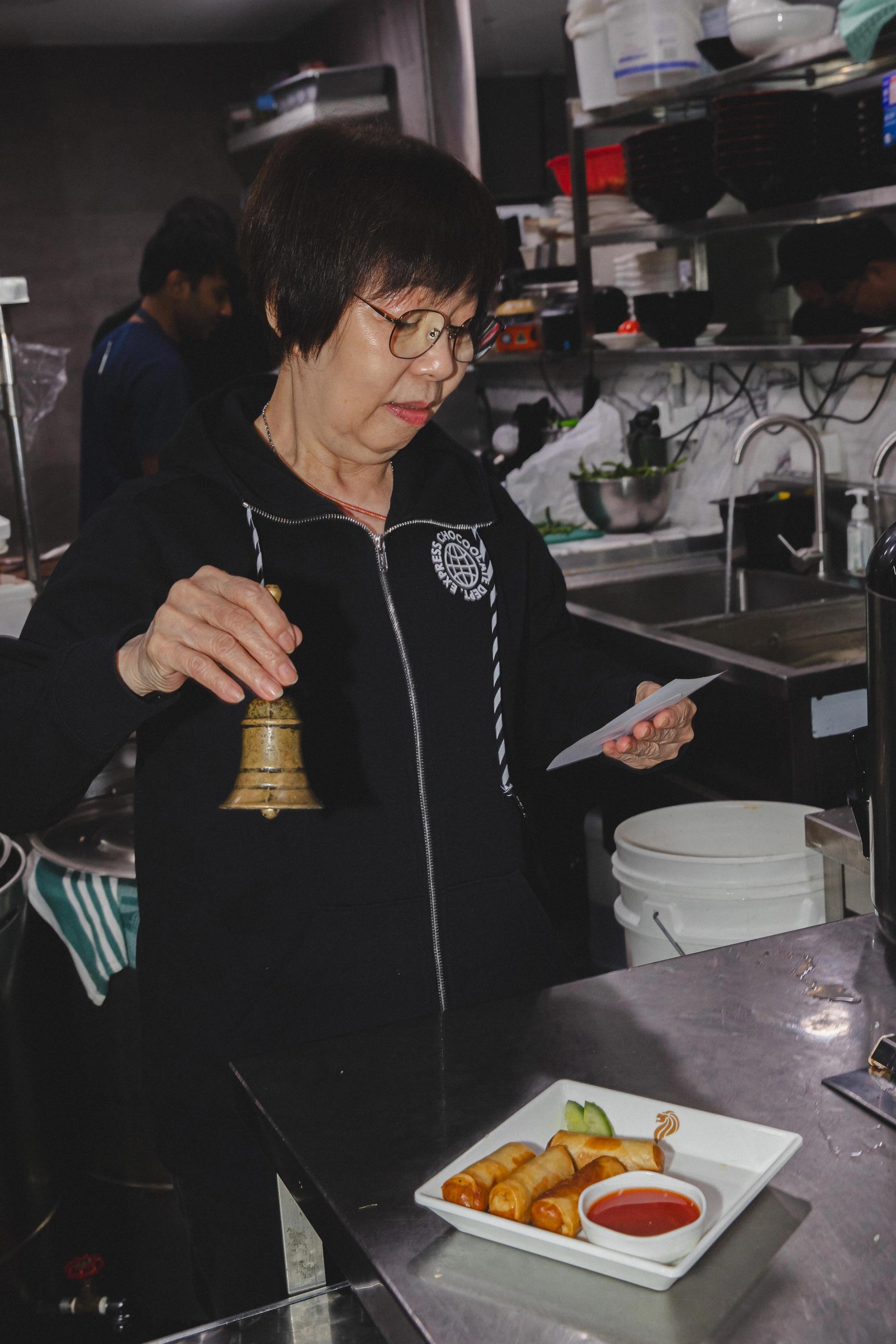
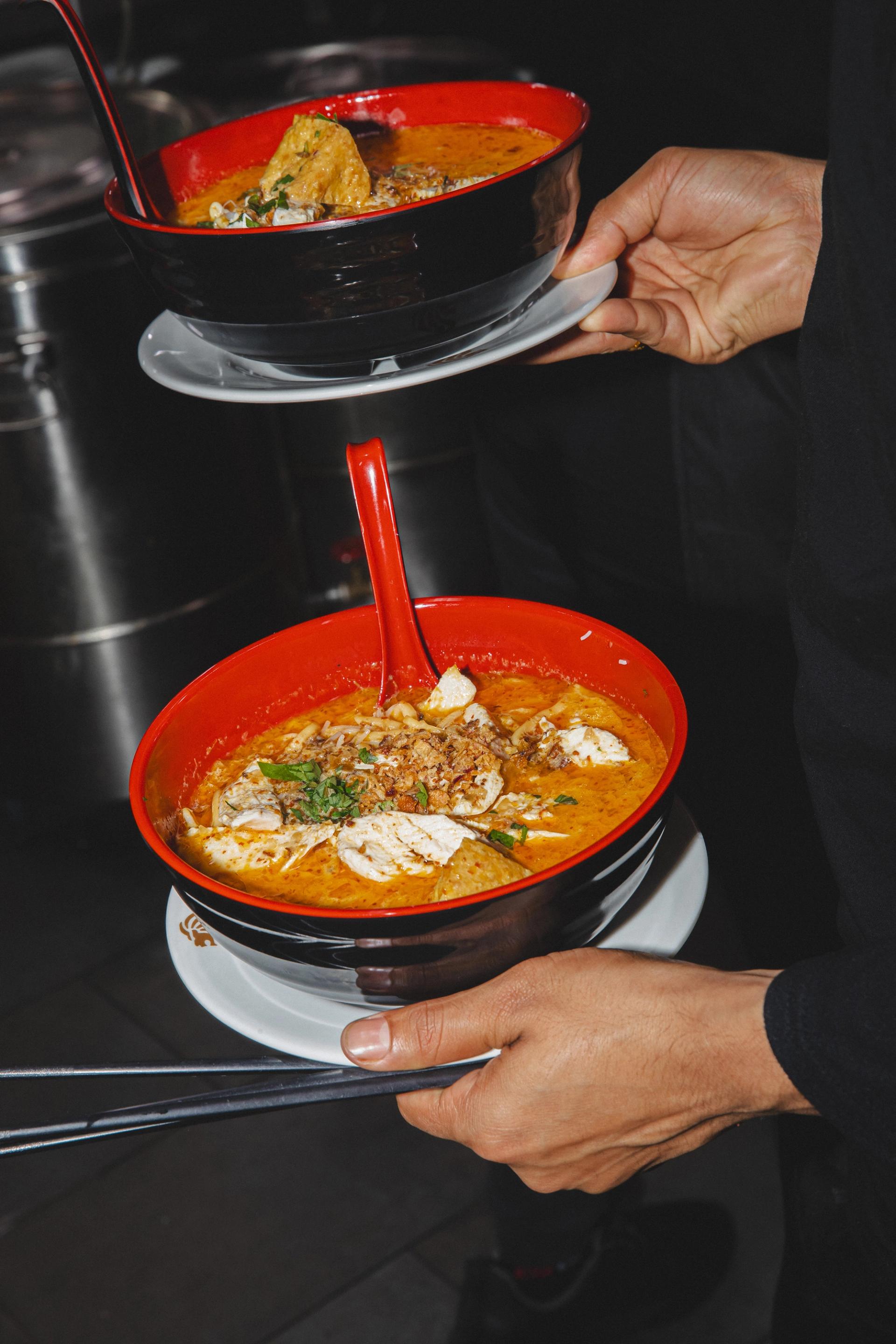
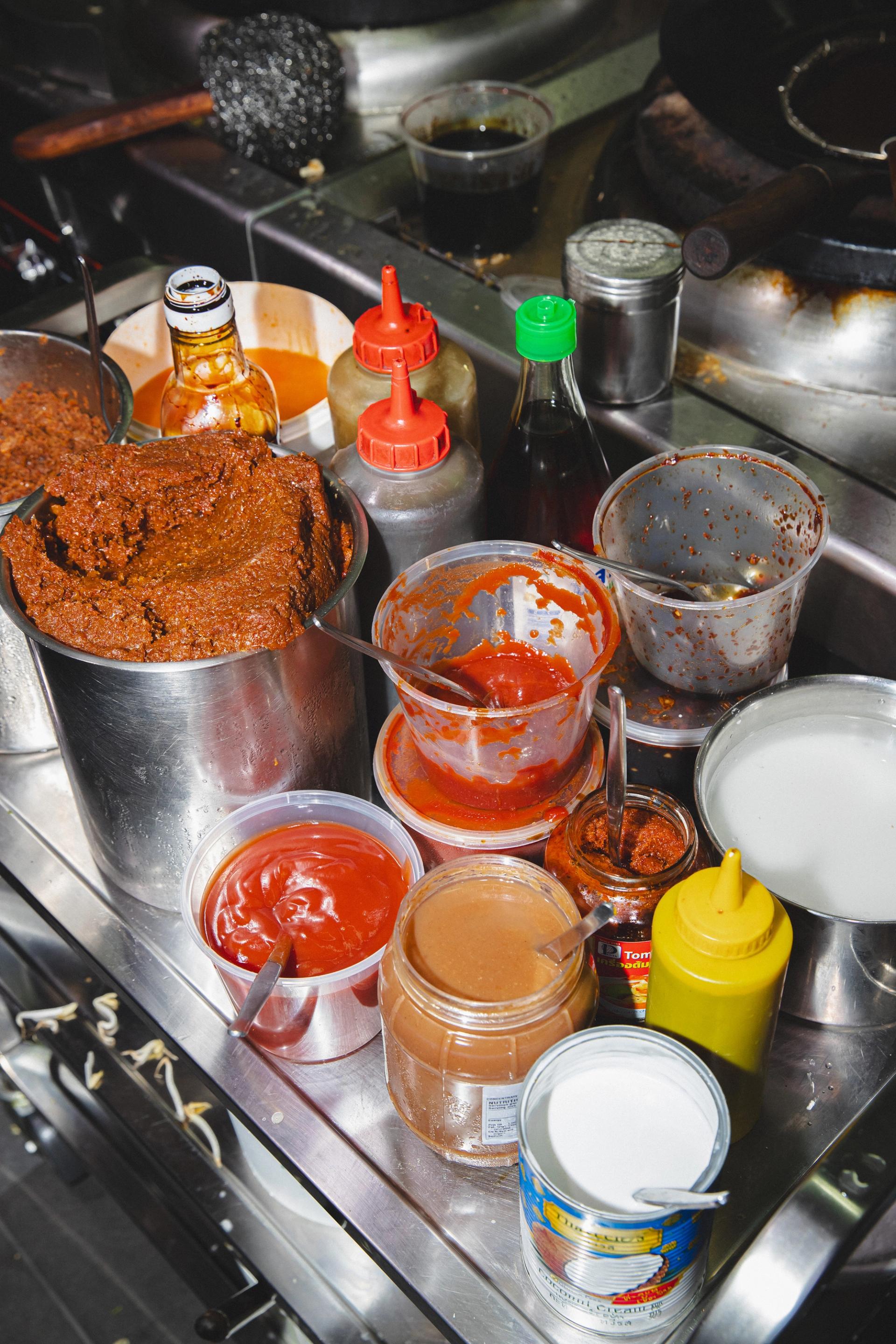
His mother would’ve rung that bell during her time at Temasek: she passed away more than a decade ago, age 65, and Cho stepped up at the restaurant afterwards.
‘She passed away too young. Her whole life, she worked. Even on off days, she’d still work. Then she got diagnosed with a bile duct cancer,’ he says. ‘The doctor said maybe at most, you have 3 months. She lasted another 3 years. But when she was doing chemo, she ate protein drinks and things very plain with no oil, no frying, no spice. But her whole life is flavour. So the 3 years she lived weren’t that good.’
Wong did occasionally sneak out to savour foods doctors had cautioned against eating. ‘She didn’t get to enjoy herself too much. That’s why sometimes I can be a little slack. I can be a bit more relaxed,’ he says
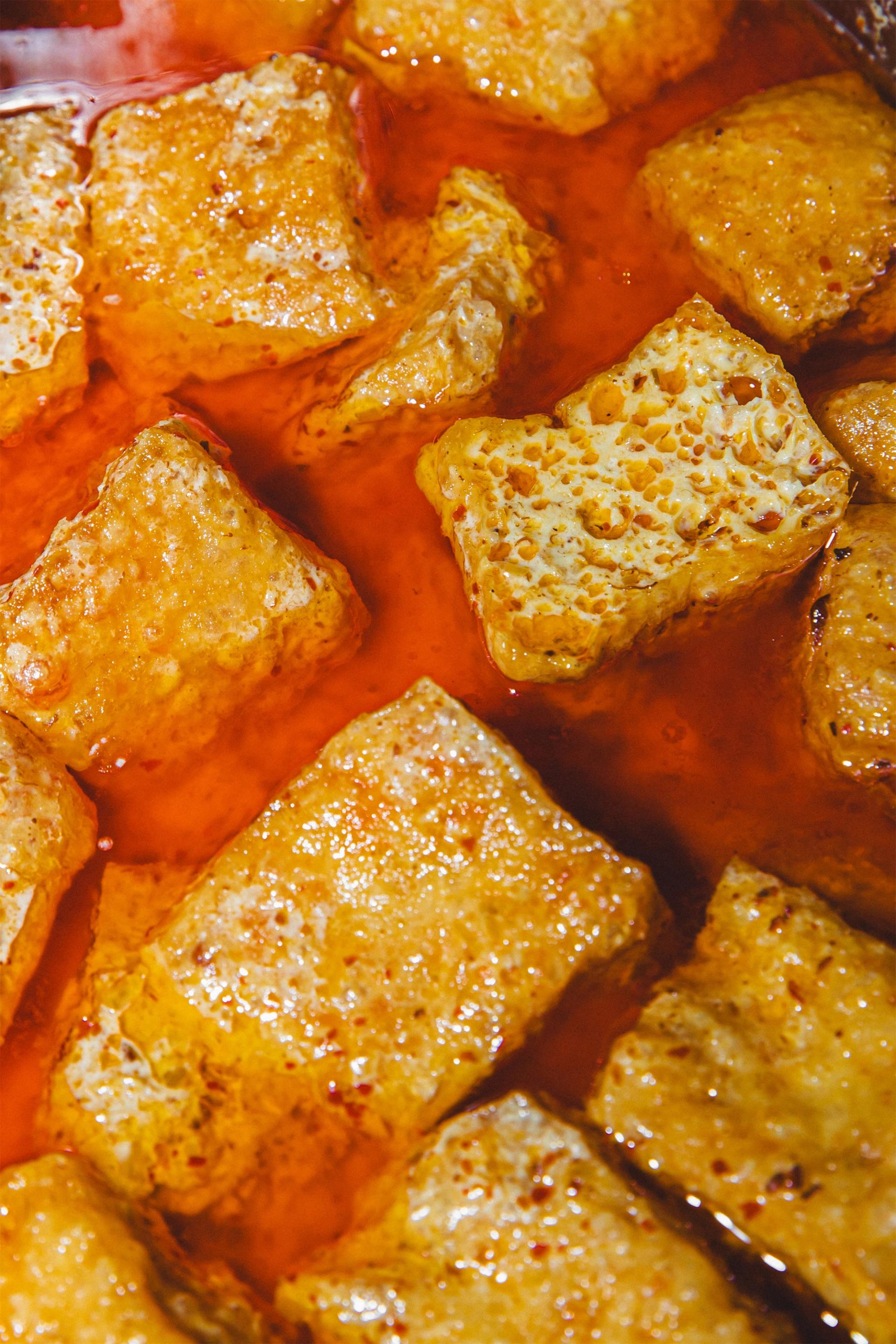
His mother’s friends, the mahjong players who originally encouraged her to open the restaurant, still dine here. ‘And their kids, their families,’ he says.
Then there are strangers who leave a mark, like the grandmother who travelled from the North Coast because she wanted Malaysian food for her 99th birthday.
After running things for more than a decade, does it finally feel like Temasek is his restaurant? ‘Even now, I wouldn’t say it’s mine. I would say it’s still hers,’ Cho says.
‘My mum said, “Look after my baby for me.” I try to keep what she started.’
About Family Business
Family Business celebrates the Chinese, Southeast Asian and Korean communities of Western Sydney through the intergenerational food stories and culturally significant objects of long-established, family-run restaurants.
Selected by Powerhouse Culinary Ambassador and chef Kylie Kwong and food content creator Kevin La, 11 community-loved eateries open their doors, and their histories, to writer Lee Tran Lam and photographer Nikki To, offering an intimate window into one of Australia’s most richly diverse culinary scenes.
Powerhouse Food
Powerhouse Food encompasses programs, partnerships and initiatives that support and amplify the food industry and community.