Research Scholar Reflections
Each year new lines of enquiry by participants in the Powerhouse Research Scholars program expand perspectives on the museum and the Powerhouse Collection (opens in new tab). Here, the 2025 Research Scholars share highlights of their investigations presented at the Research Symposium.
Associate Professor Fabri Blacklock & Treena Clark
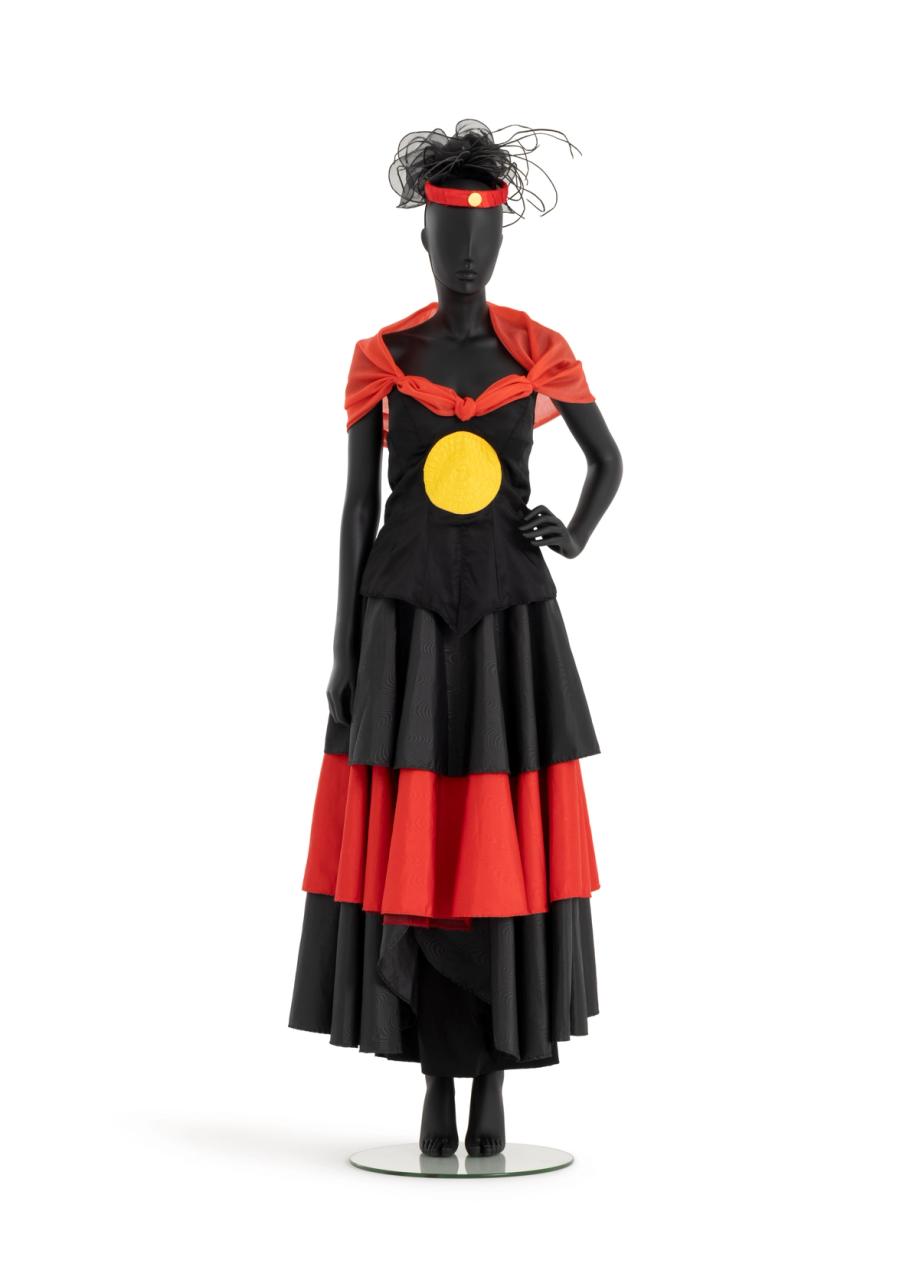
‘The invitation to present in Paris marked a historic turning point: the first time Indigenous designers and models presented their work on a major international stage.’
The Evolution of Indigenous Fashion in Australia
Imagine yourself in the shoes of those involved in the first exhibition of Indigenous Australian fashion overseas.
It is 1987 and Indigenous fashion design is still defining itself when you travel to Paris alongside other important designers. Backstage before the show, you dress Indigenous models in exquisite garments. One by one, they step out and glide before a Parisian audience. The excitement is unlike anything you have felt before. In that moment, you know you are part of something historic, pioneering Indigenous fashion design on an international stage.
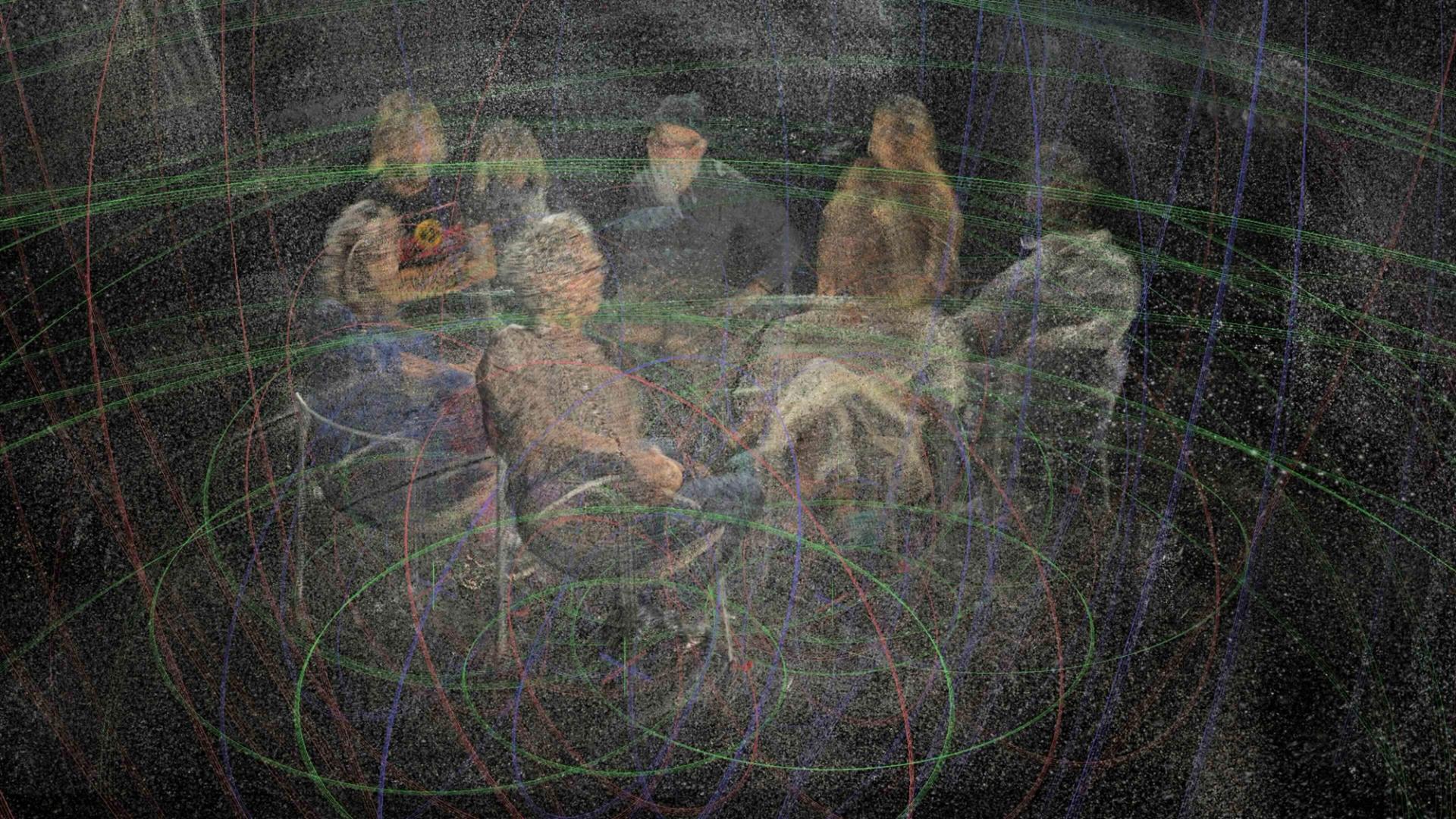
This is the moment we seek to understand and to reimagine through images and immersive virtual reality experiences.
Indigenous clothing and adornment have long functioned as forms of storytelling and cultural expression, communicating identity, belonging and deep connections to Country. Fashion, in this context, has the power to reclaim space and assert presence.
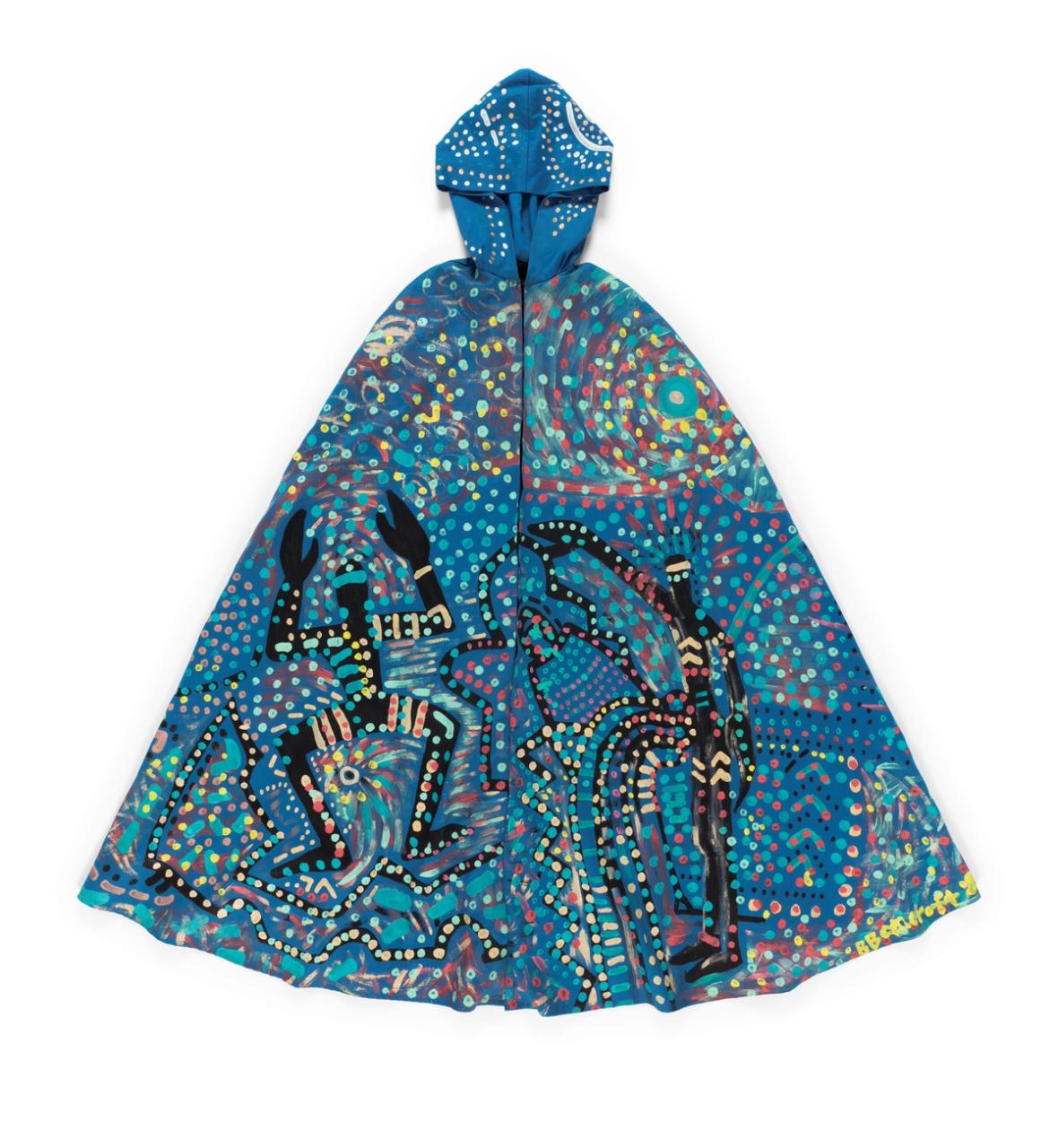
Our research project traces the evolution of Indigenous fashion and textile design in Australia — through investigations of the Powerhouse Collection of Indigenous textiles, dresses and adornments — and focuses on a pivotal moment: the 1987 Aboriginal fashion parade in Paris. At its centre is one of the most significant garments from this moment: the ‘Cycle of Life’ opera cape by Dr Bronwyn Bancroft. This piece reflects a powerful fusion of cultural symbolism, political expression and contemporary design that defined the era.
Importantly, the Paris showcase did not emerge in isolation. It grew out of grassroots initiatives at the Redfern Aboriginal Medical Service, where fashion parades were organised to build confidence, skills and opportunities for young Aboriginal women.
Our research brings together object study, archival photographs, historical video footage and conversations with Dr Bancroft herself. These insights allow us to understand better how her garments were made, worn and experienced. Bancroft’s voice remains central, ensuring that interpretation stays grounded in Indigenous perspectives.
This project aims to create an immersive storytelling experience that situates the garment within the social, political and community contexts from which it emerged. By placing Bancroft’s work alongside the stories of the fellow designers, the late Aunty Phemie Bostock and the late Mini Heath, the project highlights the collaborative networks, community initiatives and support systems that made this breakthrough possible.
Working alongside the First Nations team at Powerhouse has been an important part of our process. Their culturally informed approaches shape how these objects are accessed, interpreted and cared for.
In collaboration with UNSW 3DXLab, we are developing an immersive virtual reality experience. Visitors will be guided through a 3-dimensional environment where Bancroft’s garment can be encountered at full scale and as part of a living narrative. This approach builds on the long history of exhibitions dedicated to Bancroft’s work by extending that legacy into a new technological and interpretive space. The project is also conceived as a platform for future expansion.
Ultimately, this work seeks to honour the trailblazers of Indigenous fashion while creating a platform through which new generations can experience their legacy. The Paris parade was both a milestone in fashion history and a moment of cultural assertion, community empowerment and international recognition. Through immersive interpretation, this project not only asks what happened, but why it mattered and why it continues to matter today.
Professor James Goodman & Dr Julia Scott-Stevenson
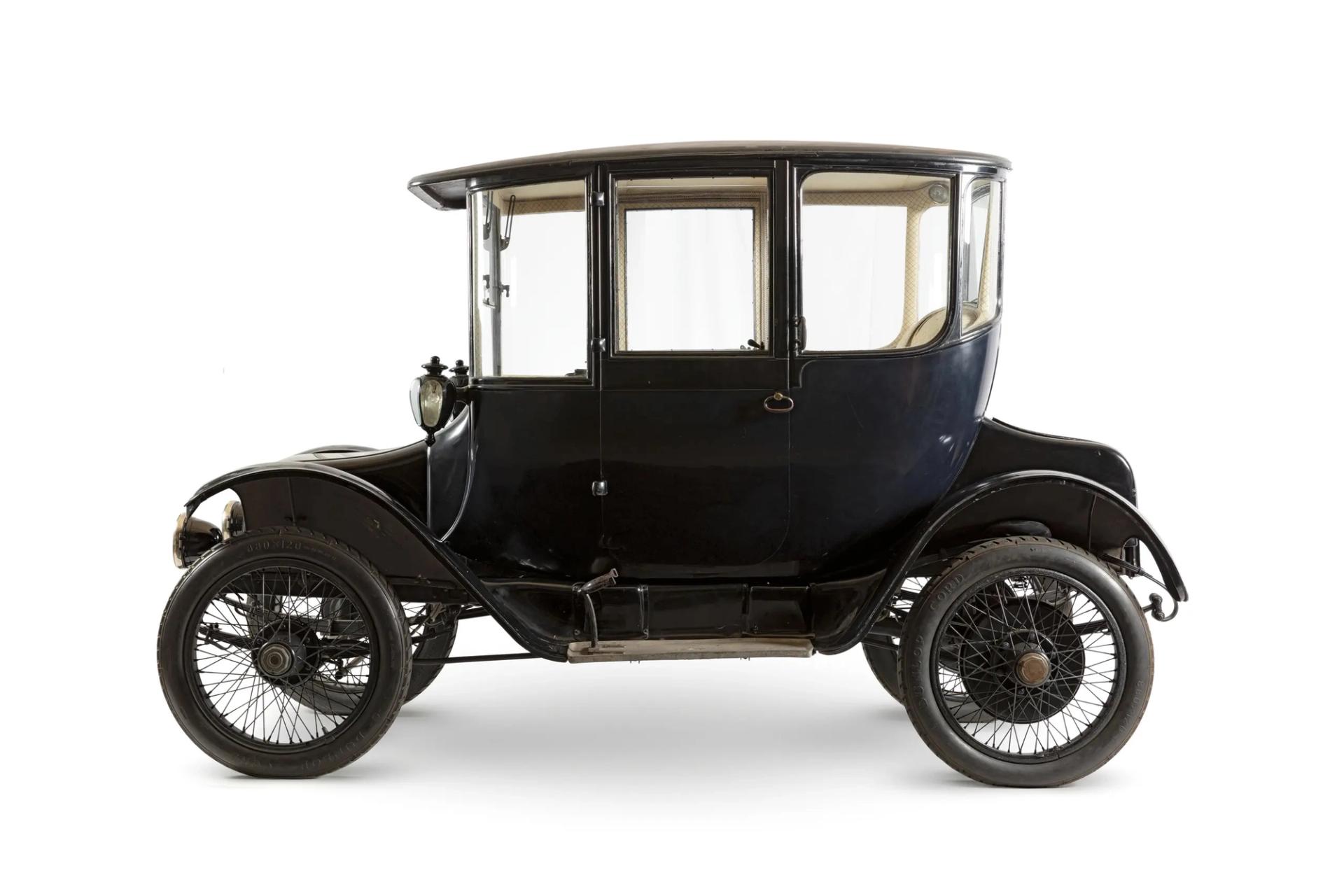
‘Imagining the Electric is a journey through the fits and starts of electricity in Australia. It crafts a story through the objects and infrastructures that show the paths not taken as well as the roads that lead to our electric present and gives space to imagine what’s next for electrified futures.’
Imagining the Electric
We were interested in local histories of electricity and electrical objects and wanted to consider the surprises in the Collection that spoke to the dead ends or the might-have-beens of Australia’s electricity history. The Detroit Electric car of 1917 was a clear starting point, both because of the current boom in electric vehicles and given the fact so few people know that electric cars were common post-World War I in Australia. In fact, the first electric car (1881) was made before the first petrol car (1886). In 1900, just 22% of the cars in the USA were petrol-powered.
On exploring the Collection, we found several more examples of objects that spoke to possible alternative pathways, or that ended up circling back for a second run. Electric trams for instance were mothballed in Sydney in 1961, after building an extensive network. Now of course we have the Sydney light rail, the new beginning starting in 1997 with the Pyrmont route. A solar radio from 1957 is a particularly evocative, domestic object — was it used at picnics? In backyards?
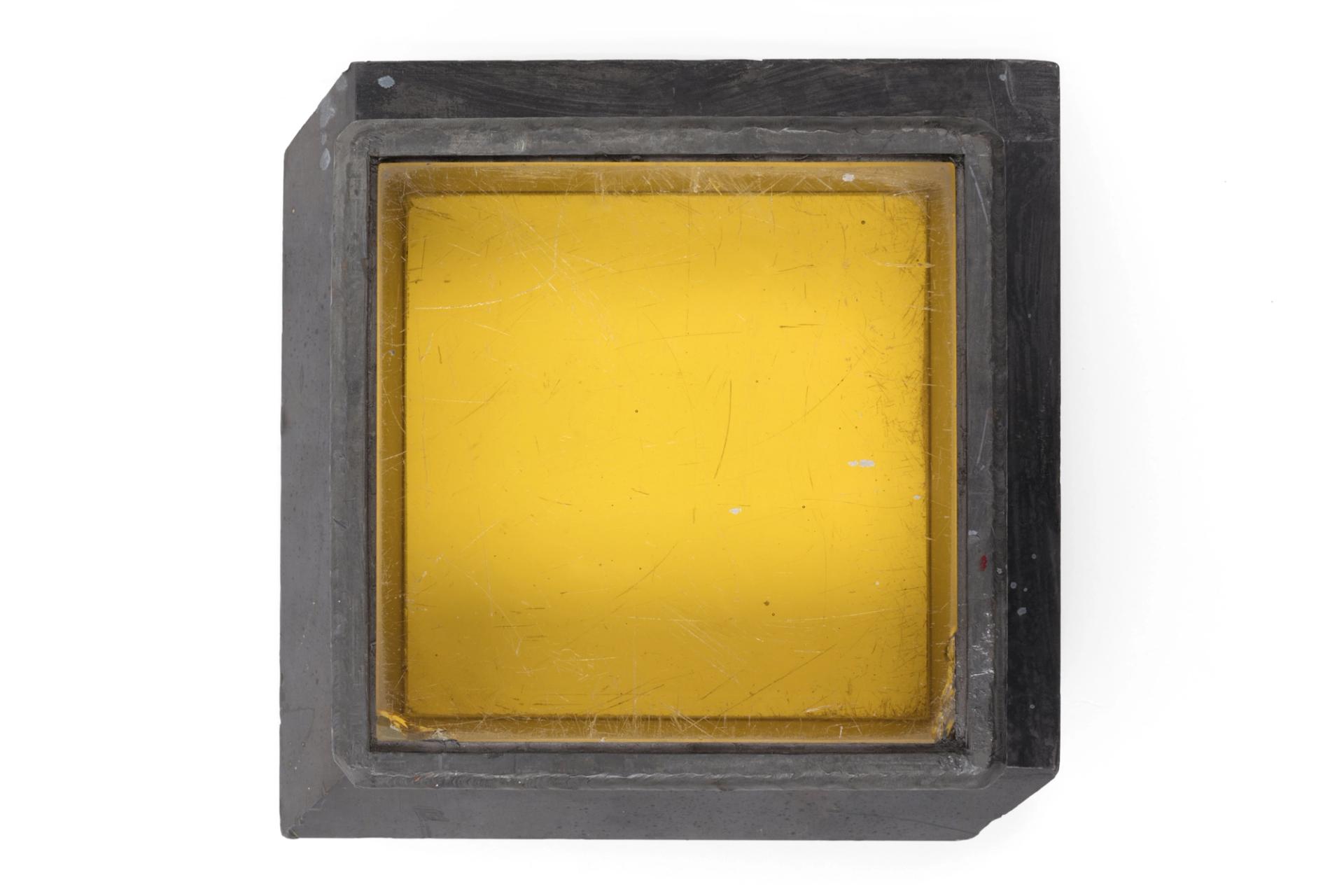
A radioactive material viewing window from the Australian Nuclear Science and Technology Organisation (ANSTO), yellowed with age and lead, encased in a box labelled ‘Do not touch!’, demonstrates the transfixing power of the nuclear debate. The opening of ANSTO at Lucas Heights was intended to open a pathway to nuclear power in Australia, and while that vision never eventuated, we see echoes of it in today’s AUKUS agreement on nuclear submarines and the recurring controversies over proposed nuclear power.
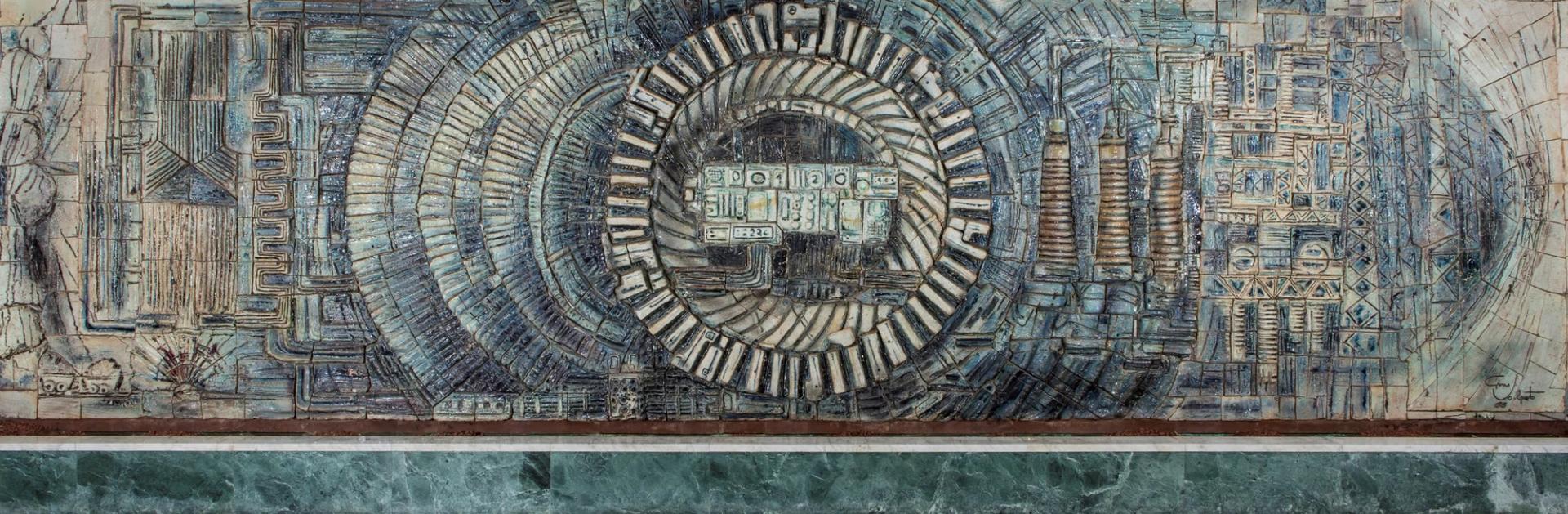
Finally, part way through our research journey, we discovered that Powerhouse had acquired a mural from the decommissioned Munmorah Power Station in the Hunter Valley. The mural, designed by Gino Volpato in 1966, features 792 handmade, glazed terracotta tiles, presenting in mosaic form an aspirational vision of the modern electrically powered world. This mural became a central point for our connecting threads through object, infrastructure, society and culture, as we connected both objects and layers to stories of electricity past and future.
The symbolic power of these objects arises from the dissonance with present day crisis — the ordinary object can gain immense generative power in the hindsight of crisis. The power station becomes the engine of climate collapse; the unremarkable tram is redolent of lost potential; a simple reactor window conveys the nuclear fantasy that still has its grip. In this project we asked how we can harness that generative power to inspire and motivate present day action. How can we use insights from a destructive and extractivist past to drive current directions? What are the less-travelled roads of electricity we should visit again?
Dr Xavier Ho
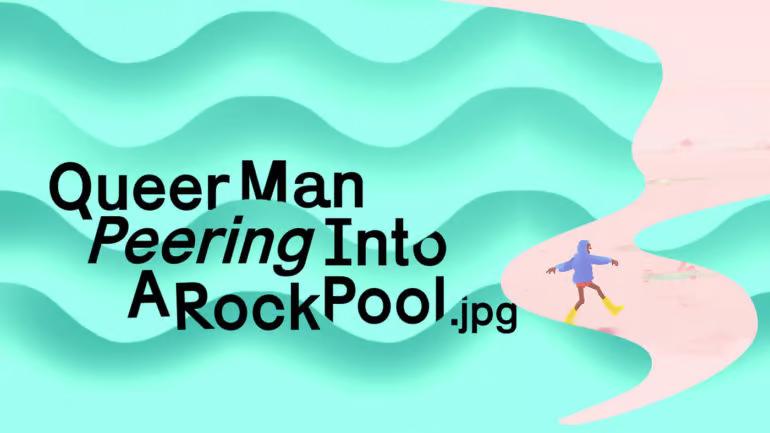
‘At the core of the Asia-Pacific Queer Game Archive project is the need for the creation of equitable access to historical and contemporary records of queer culture.’
Investigating LGBTQIA+ Representation: Developing the Australian Queer Game Archive
The aim of the Asia-Pacific Queer Game Archive project is to investigate and address the under-representation of LGBTQIA+ people in games and interactive media through the development of a cross-institutional queer game archive for the region. Although the research visit at Powerhouse concluded in 2025, the project will travel next to the National Film and Sound Archive (NFSA) in the second half of 2026 to develop further outcomes.
It has been long recognised that queer erasure, a pervasive form of sociopolitical oppression by accidental omission or intentional exclusion, has created a significant challenge for queer folks seeking social acceptance. With no records available of the earliest example of an Australian queer game, and no specific collections on Australian queer game history, videogames have been construed as a medium where queer and trans narratives did not exist or have only recently found greater representation. But games are artistic, historical and technological achievements of Australian cultural production. Despite their economic and cultural significance, general access challenges to game collections remain a major issue. According to the International Video Game Preservation Survey Report prepared by Chris Arneil at the National Film and Sound Archive, videogames are globally ‘under-described and difficult to discover’ in institutional collections.
My previous research conducted on videogame markets found that, globally, between 0.5% to 2% of games contain LGBTQIA+ content. However, Australian data is lacking. The Asia-Pacific Queer Game Archive project is dedicated to collecting, describing, and cross-linking queer content in videogames and tabletop games. It provides an extraordinary opportunity to retrace and reimagine the connection between queer culture and the creative industries in ways that have not been afforded to the industry partners and stakeholders of this project. This project provided a curatorial focus to drive discovery strategies of game preservation at Powerhouse.
During my research visit to Powerhouse in June–July 2025, I read extensively on literature ranging from museum studies to queer storytellers in research. Being immersed at Powerhouse gave me the opportunity to speak with staff across functions: registrars, conservationists, photographers, event programmers, curators, museum executives, research officers and front of house, many of whom worked with queer and trans communities in major curatorial and public programs. These conversations energised and oriented this project towards the need for a set of common considerations, or principles, for queering the museum Collection. Common not as in mundane, but in a sense that everyone could relate and have a conversation about what it means to collect and use queer objects consciously in museum contexts.
From August to October 2025, my research assistant, MacKenzie Keenan and I sourced more than 50 games for thematic analysis. I will develop these principles further with other institutions including the NFSA and make this collection accessible following the principles we have generated.
Dr Mia Francesca Jones
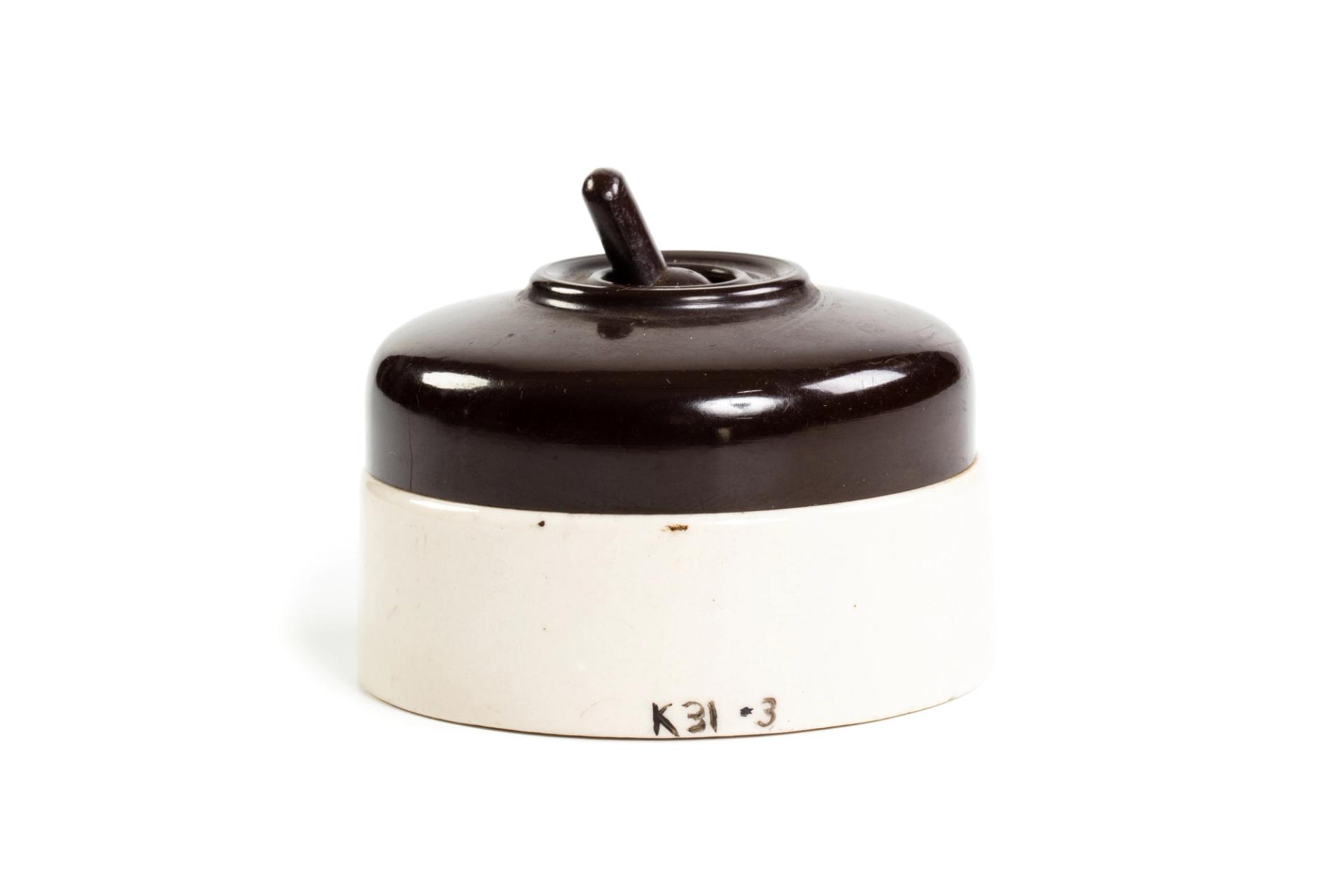
‘Light is possibly the pollutant we think of the least, but the one we contribute to the most. But unlike other pollutants, light doesn’t hang around in the atmosphere — if you remove its source, if you turn off the switch, the impacts are immediately reversed.’
Objects of Light: Impacts of Artificial Night Lighting
It’s just a light switch.
Of all the objects in the Powerhouse Collection, why this simple switch?
There are other light switches, but this is the one I was drawn to. You can see worn down paint across 2 tones: the brittle, plastic-like bakelite is dark brown, like the skin of an eel, with another light coming from somewhere else, reflecting off its shiny surface. The porcelain base is off-white with a few specks of brown, like the eggshell of an Eastern Rosella. And it is dome-shaped, like the dome of the Sydney Observatory, where in the staff quarters, I saw a cross-stitch that said, ‘DOME SWEET DOME’.
In an Observatory setting, the dome shape allows protected access to the sky, shielding sensitive telescopes from the elements during viewing times. In an old switch like this, the dome shape provides tactile feedback, a click of confirmation.
When did the moon become not enough?
Each of my objects is constructed from minerals, earth, and animal. Leather, porcelain, metal. I have tried throughout this research residency to pinpoint when light is no longer considered natural and becomes instead artificial. I find, like most things, that line is more blurry than I originally thought. We took fire from the friction of a stick to the drippings of animal fat and tallow, to filaments in glass made of sand, to circuits humming behind walls built of stone, to the cold, blue pulse of LEDs, and in 2026, we have satellites stitching brightness across the sky.
Everything changes shape eventually, and, like an egg, morphs into something else.
Sometimes the most simple objects can be the most compelling and can say so much. When I began this project, I wanted to explore how we became so dependent on artificial light, how it became so insidious to the point that 80% of the world’s population lives with light pollution. It causes insects that navigate by celestial light, like bogong moths and monarch butterflies, to become disoriented and exhausted. It confuses newly hatched sea turtles by disrupting their instinctive urge to crawl towards the horizon, sending them inland to their death instead. It increases the likelihood of certain cancers and cardiovascular disease in humans. Each year, millions of birds die after slamming into brightly lit buildings.
The light switch, for me, was a way to explore this materiality, to consider how I could render something as intangible as light in my prose. This switch invited reflection on my own relationship — and therefore complicity — with artificial light. The switch acts as a conduit between the body and the light that streams out.
We treat museum artefacts as fragile and valuable. We handle them with gloved hands, take notes only in pencil, and examine them under the supervision of trained curators, or else risk breakage. Because if they were to break, knowledge would be lost.
I wish to reframe darkness as fragile, and valuable. Darkness too holds knowledge, stories, cartographies, and messages.
While thinking of the switch in ovoid terms — and of domes, mothering, and light — I read that human babies develop their circadian rhythms in the womb, and songbirds, like the Eastern Rosella, learn vocals from inside the egg. It's the absence of light that makes bird eggs creamy like porcelain. For birds who keep their eggs in burrows, or deep in nests away from the sun, the UV-protecting pigment is not necessary, and so the shell stays pale.
An egg, like the switch, can seem small and insignificant. But it represents the beginning of something: in the 1930s, switches like this appeared in homes around the world during the great expansion of domestic electrification.
After my viewing of this object, the switch will go back into its box, and back into the Powerhouse Collection, away from the sun. Such absence of light will preserve objects like this switch for many more years to come. In my year of writing with objects of light and caring for babies in the dark, I have learned to think of darkness not as a void to fill, but a generative, restorative and active realm of its own, full of animal activity, botanical growth, intimate exchanges, cellular repair and physiological shifts.
Why the switch? While cycles, seasons, time and rhythms used to belong to the atmosphere, the switch is an example of what it looked like when we got the ability to control the light — and a reminder that we still have the power.
Ruth Höflich
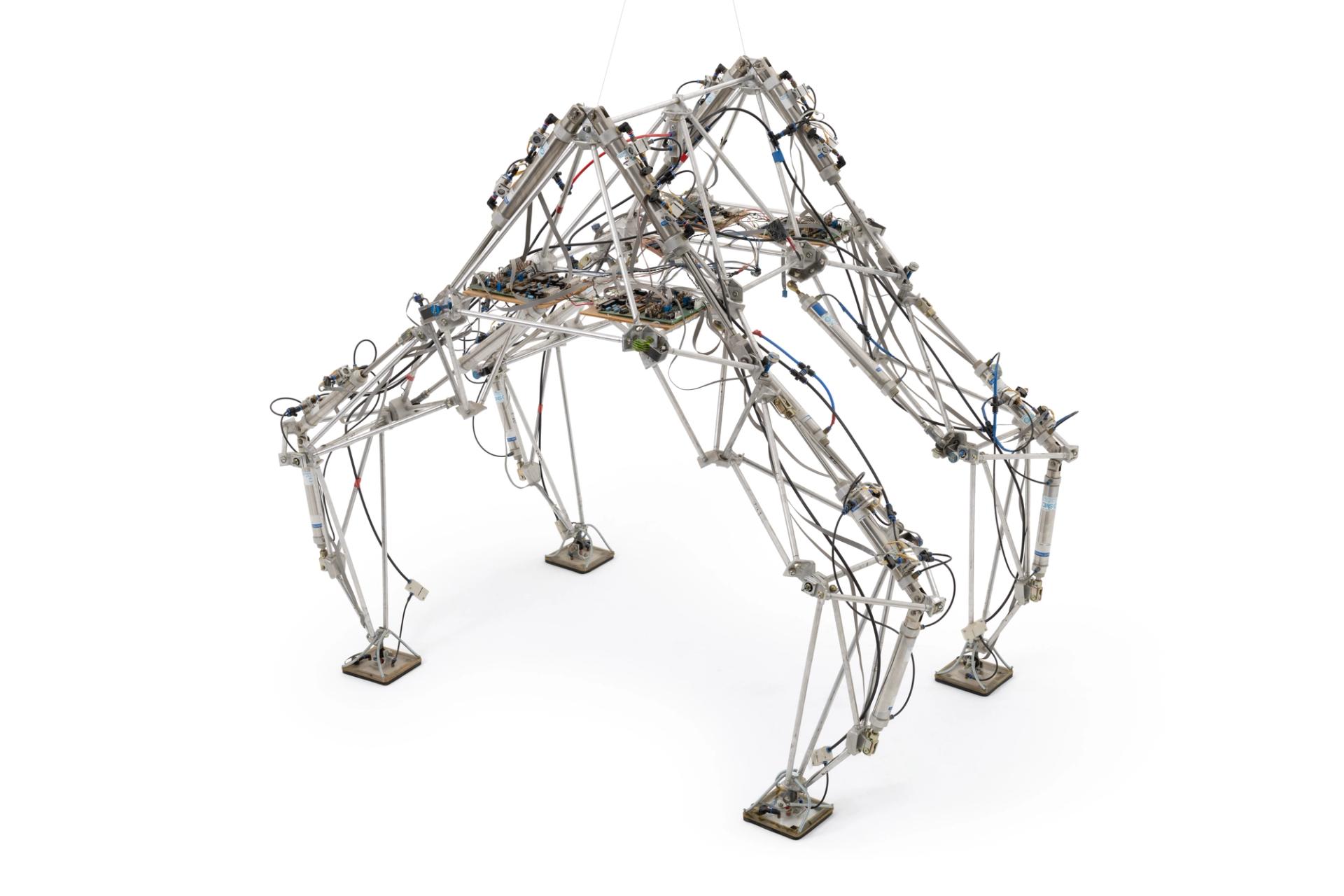
‘Looking through the file of Object No. 2011/72/1: 'Spider' prototype wall climbing robot, 1998–99, I was drawn to 2 colour photographs, depicting the prototype in situ at the robotics lab, University of Southern Queensland.’
Hard Backs and Soft Fronts
Looking through the file of Object No. 2011/72/1: ‘Spider' prototype wall climbing robot, 1998–99, I was drawn to 2 colour photographs, depicting the prototype in situ at the robotics lab, University of Southern Queensland.
In the first image, Spider looks less like an operational machine and more like a nervous system laid bare. A lattice of silver tubes replaces the insect’s curves with straight lines, creating an angular, skeletal construction. Four long legs splay from the central frame to the corners, each fitted with bundles of rods, hinges, and cables. The second image shows it head on. The 2 front limbs lean inward towards a narrow waist of cross bracing. Behind them, the other 2 legs fold back in a mirrored stance, so the overall silhouette resembles a tall, open structure from which cables droop like loose veins.
Spiders have no bones but an exoskeleton, meaning their support structure holds their interior bodies from the outside — strange sense of inversion that is amplified by the now distorted scale of the insect. This abstracted body needs an inflated size to make it operable. Flesh and tissue are, of course, entirely absent here — a good reminder that mimetic processes tend to select certain mechanical traits rather than the full idea of an organism. Spider is a progeny, an offspring of a complex technology in service of a goal or an idea. Out of sync, it’s a provocation that is precisely what makes it interesting as an image. (What further distortions occur through digitisation, where objects like this prototype are scanned, photographed, archived and circulated online? We copy not only the insect but also the copy of the machine that copied the animal.)
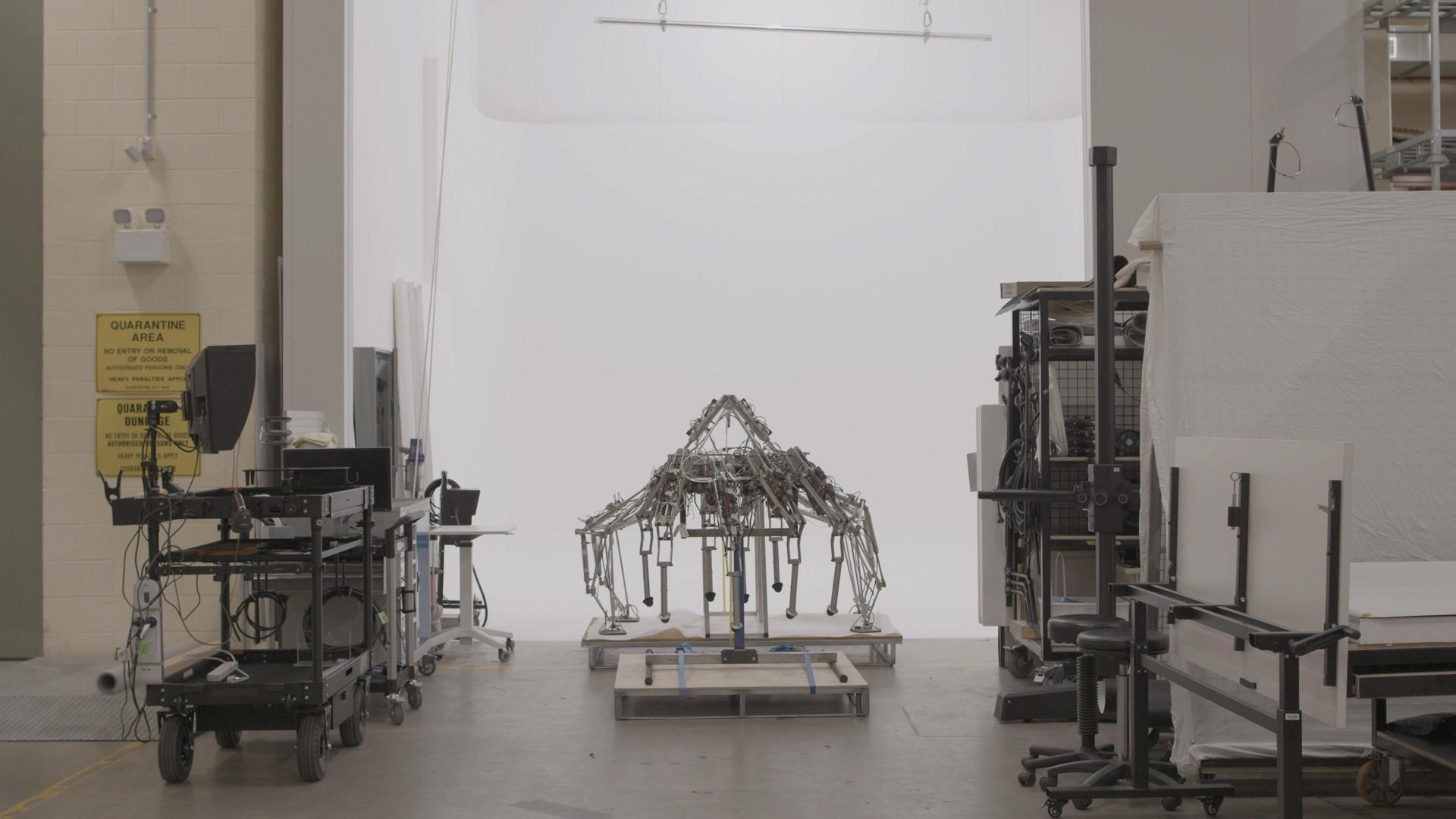
I imagine Spider operating as a 4-legged skeleton, awkwardly stepping over an obstacle or straddling a gap in the floor or ceiling. (When I later see the robot in the flesh, nearly 30 years after these pictures must have been taken, the pneumatic tubing looks even more raw, more umbilically exposed, and more like a remnant of the idea of a once-future.) Prototypes speak to this sense of hovering between forms. Many never quite arrive. It is not clear that they were meant to, nor that they ever lose relevance for the same reason. I like that the object is physical, imperfect and seemingly transparent. I like how it offers a sideways lens on a frozen question: how do we treat inaccessible, fragile terrain? Move through toxic, hazardous sites?
Spider is object and image.
Clint Harvey and Dzintra Menesis
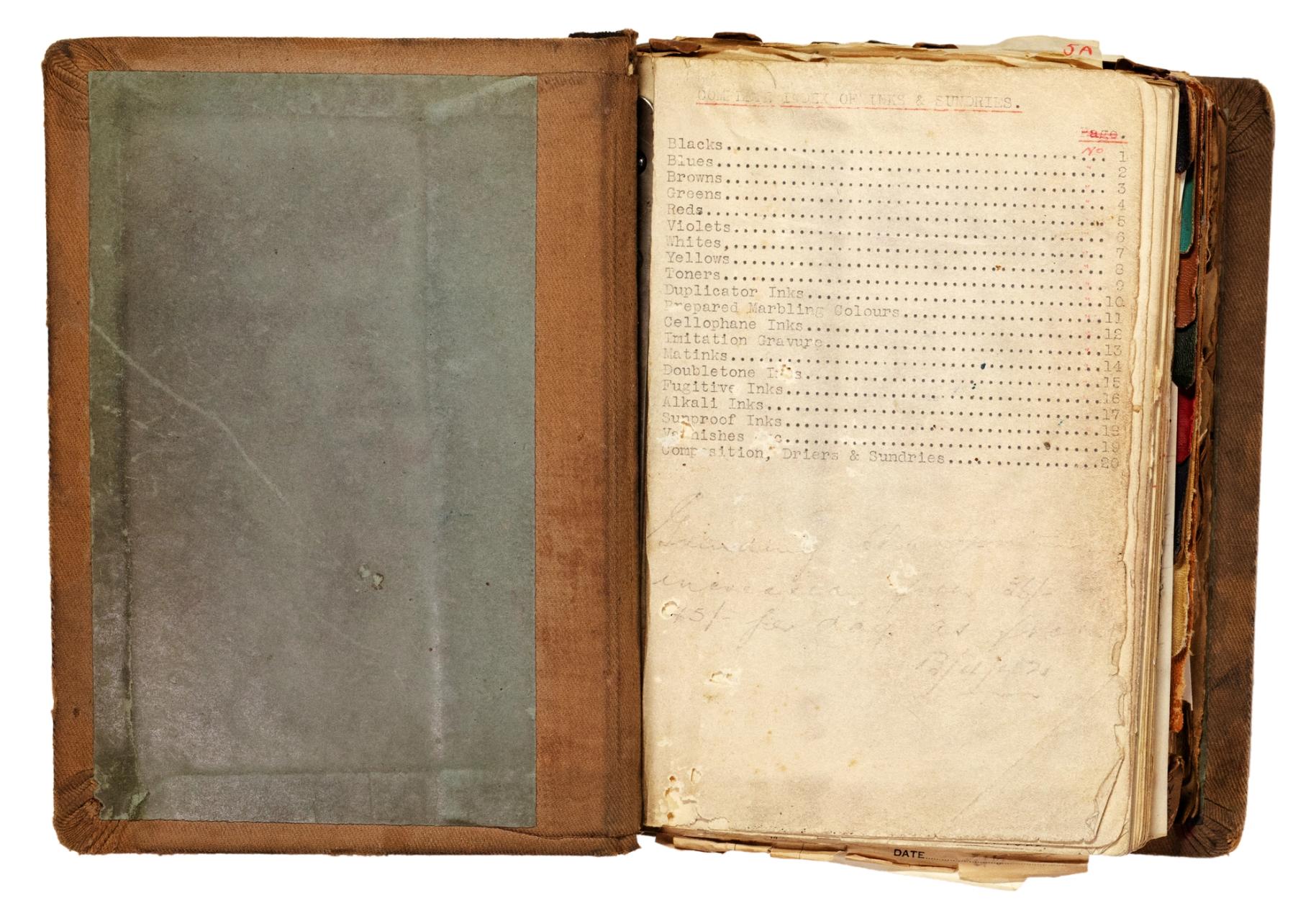
‘The decoded recipes revealed important insights into printing ink history. As press technology accelerated through the nineteenth and twentieth centuries, from hand press to powered cylinder to high-speed rotary, the chemistry of printing ink had to keep pace. Drying agents, synthetic pigments, and engineered additives entered the manufacturing process not because better materials were discovered, but because the machines got faster.’
Wimble’s Inks Reimagined
Frederick Thomas Wimble arrived in Melbourne from England in 1867, carrying his family's ink-making knowledge and a supply of dry pigments. Within a year he had built a printing-ink plant and produced what is understood to be the first coloured printing ink manufactured in the Southern Hemisphere. But making ink in Australia was not the same as making it in London. The heat, the humidity, the vast distance from European pigment supply chains: everything about the Australian environment demanded that inherited formulations be rethought. Wimble's company spent the next century doing exactly that, adapting recipes for a climate and an industry that were rapidly evolving.
At Powerhouse Castle Hill, we requested a selection of objects from the F T Wimble & Co archive. Among the catalogues, specimen books, and company records, 2 modest items caught our attention. They were working documents, the kind of thing that could easily be overlooked in a collection of more than 700 objects. But for a research project focused on the material history of printing ink, discovering them felt like finding gold.
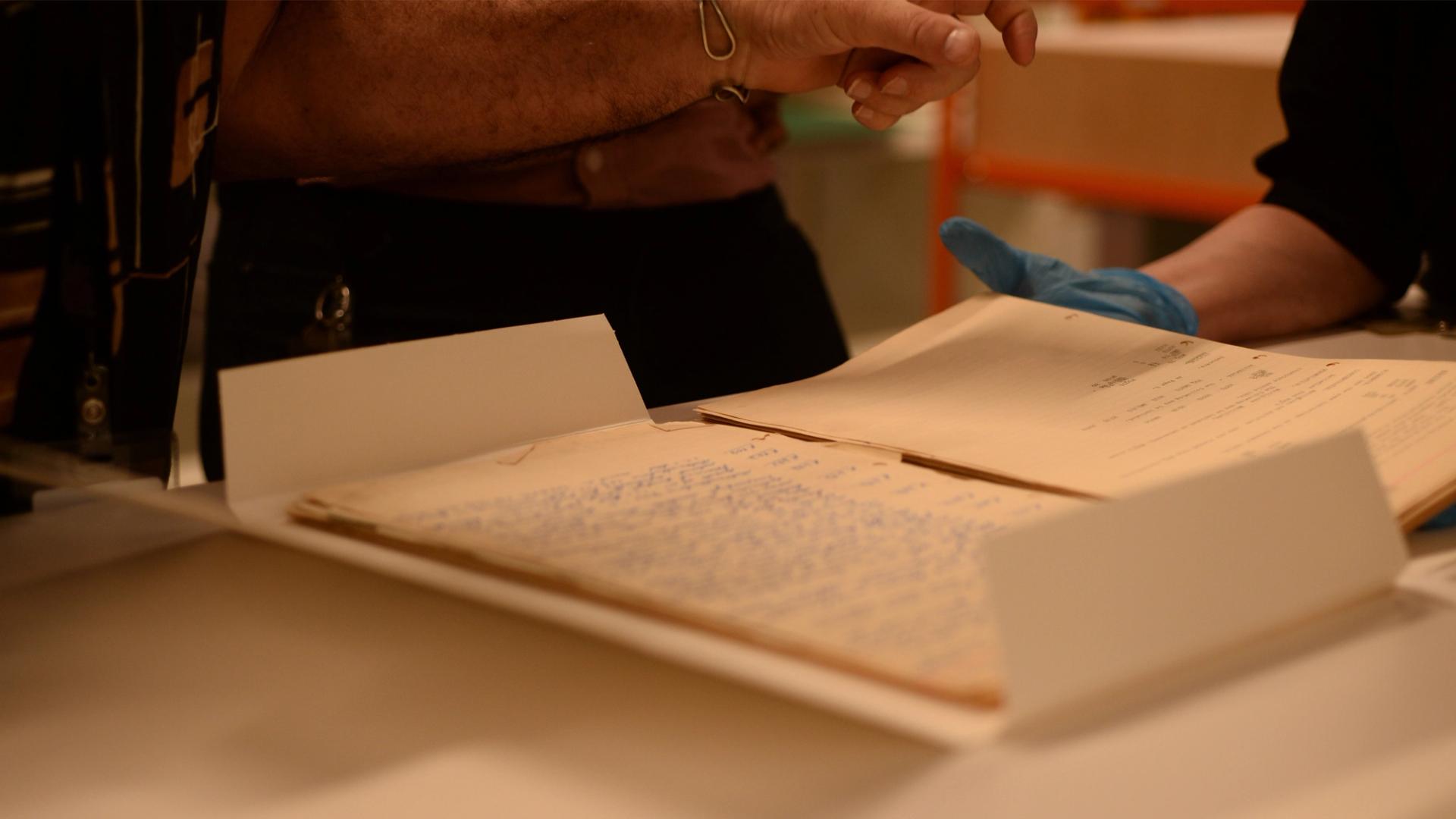
The first was Wimble's Recipe Book (95/223/1-13/1): recipes and instructions for making printing ink, including a complete index of inks and sundries. The book is typed rather than handwritten, its pages clearly produced for practical reference and daily use. Dating from 1936 to 1947, it contains formulations specifying ingredients, quantities and milling durations. Looking at its pages it is clear this was a utilitarian book, carrying decades of accumulated knowledge.
But there was a problem. Many of the ingredients within Wimble's Recipe Book were coded. Numerical identifiers replaced the names of pigments and materials throughout, so that anyone reading the recipes without the key would know the structure of a formulation, but not know specific ingredients. We were reading a document we could not yet understand. This was deliberate, as Wimble's ink recipes were proprietary intellectual property, with closely guarded trade secrets that gave a manufacturer its commercial edge.
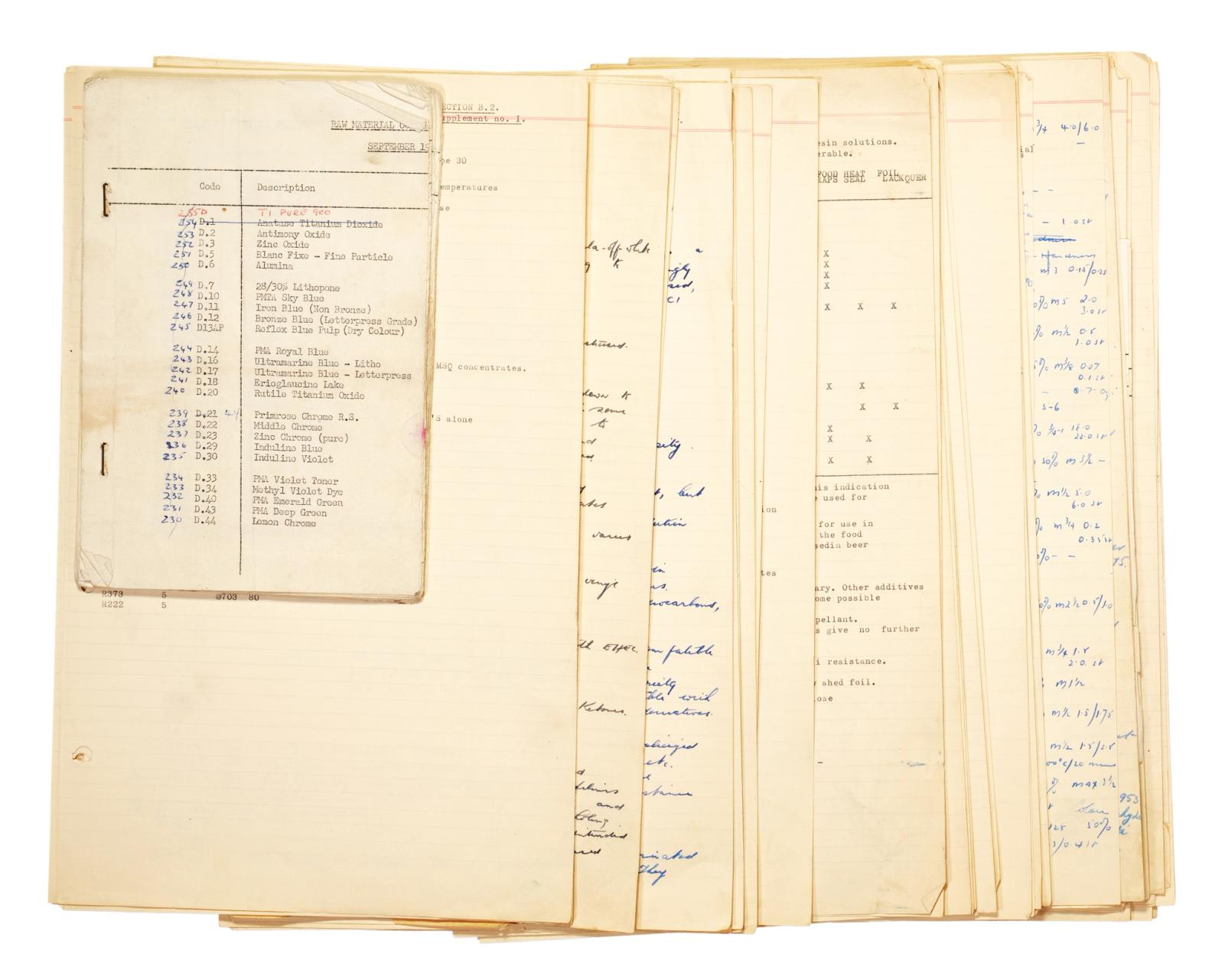
A second document, Notes on formulations and paper from F T Wimble (95/223/1-4), references the recipe book directly and decodes the formulas. It matches Wimble's numerical identifiers to their real-world materials, for example: ochre, burnt sienna, lamp black, naphthols, lakes, cobalt, manganese carbonate etc. That these 2 documents survived at all, let alone ended up in the same collection, is remarkable.
Wimble's formulations sit right at the hinge of that shift: the traditional backbone of linseed oil, rosin and mineral fillers coexisting alongside an expanding vocabulary of industrial chemistry. Natural and synthetic, old world knowledge adapted for Australian conditions, both systems living side by side in the same company's recipe book. Where does the colour in printing ink actually come from? That question drove our research from the start and these 2 unassuming volumes gave us the means to investigate further.
Lauren Booker
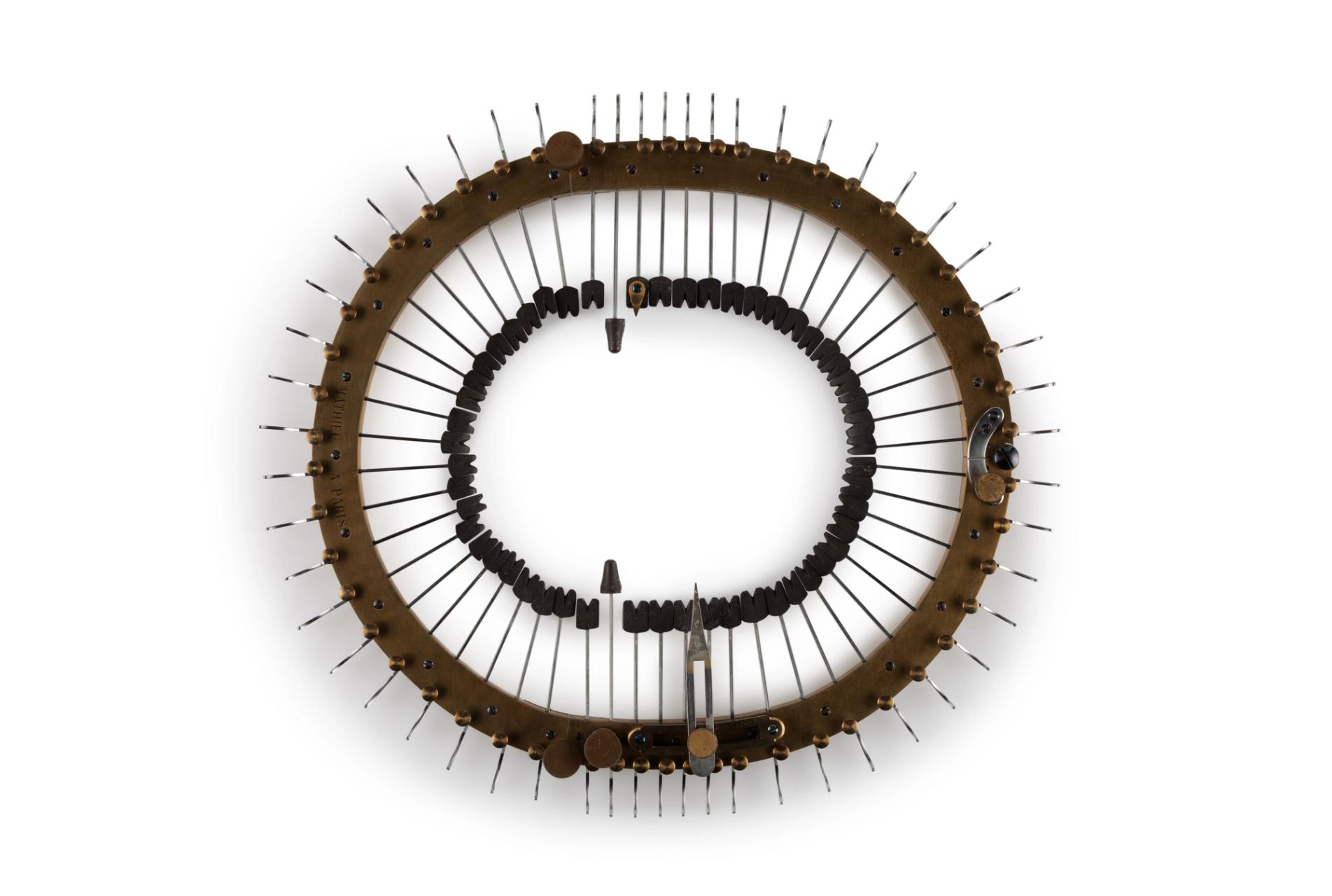
‘Object No. 86/615 — a 19th century craniometer, made by French medical instrument manufacturer Mathieu — speaks to histories of administrative violence faced by communities targeted by exploitative research.’
Dismantling the Tools and Ephemera of Pseudoscience
Rounded out everything is flat
we always seem to return to where we were
and then you break the ruler on my back
just because the shiny tool is in a shed
doesn't mean the counting stops
it persists, but then so do I
existing in a way that can't be measured
(Nathan Mudyi Sentance and Lauren Booker)
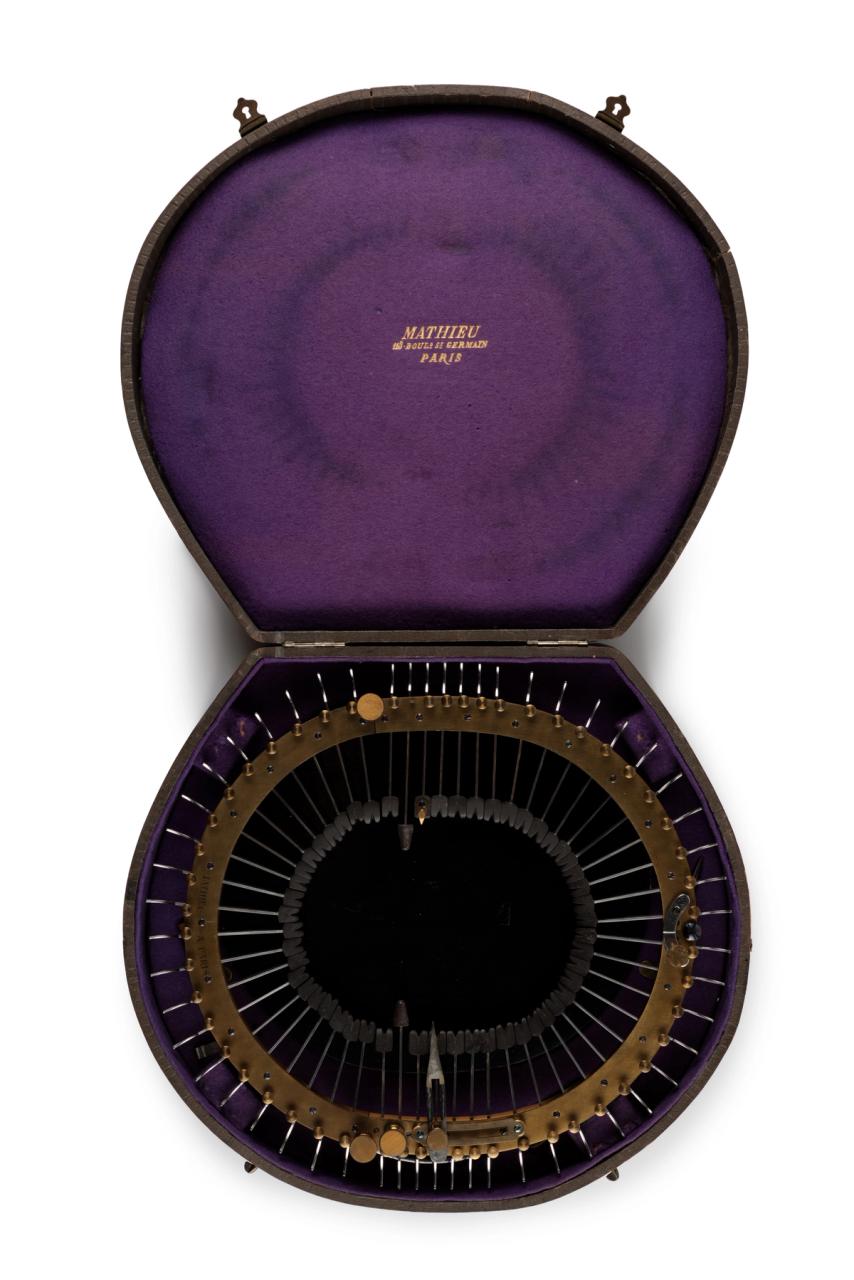
While Object 86/615 was acquired and brought to Australia for the 1988 Powerhouse exhibition Mind and Body: Well-Being and You, pseudoscientific use of craniometers has been reported in Australia throughout the 19th and 20th centuries (Long, 2024; Turnbull, 2024). The craniometer, used as a tool for ascertaining measurements of the head or skull, played a key role in the history of scientific racism.
Australia has a long history of engaging in both theoretical considerations of scientific racism and the implementation of eugenics policies that targeted Aboriginal and Torres Strait Islander people (Human Rights and Equal Opportunity Commission, 1997; Jones, Waghorne & Langton, 2024). Connecting Object 86/615 to the pseudoscientific research conducted within Australia is key to understanding its significance as a Powerhouse Collection object, regardless of the item’s provenance back to a Christie’s New York auction house in 1985.
One example of craniometric research conducted within Australia is the work of Aleš Hrdlička, a curator of physical anthropology (1904–41) at the United States National Museum, now the National Museum of Natural History in Washington DC. Hrdlička was a key proponent of scientific racism in the US (Wexler, 2024) and made a research trip to Australia in 1925 to conduct analysis of 1000 Aboriginal and Torres Strait Islander Ancestors held in anatomical collections in Sydney, Melbourne and Adelaide (Long, 2024). These craniometric measurements are held in Hrdlička’s papers at the National Anthropological Archives (Booker & Sentance, 2026). Additionally, Hrdlička wrote an instructional text on anthropometric measurement in which he specifically recommended the use of Mathieu craniometers, the manufacturer of Object 86/615, noting that ‘in a branch of research where so much depends on accurate measurements, the objects of first importance are the instruments’ (1920). While a top-of-the-line craniometer may provide an accurate circumference measurement of anything rounded in shape, this measurement data was manipulated into serving pseudoscientific and discriminatory classifications of humans as determined by their cranial dimensions.
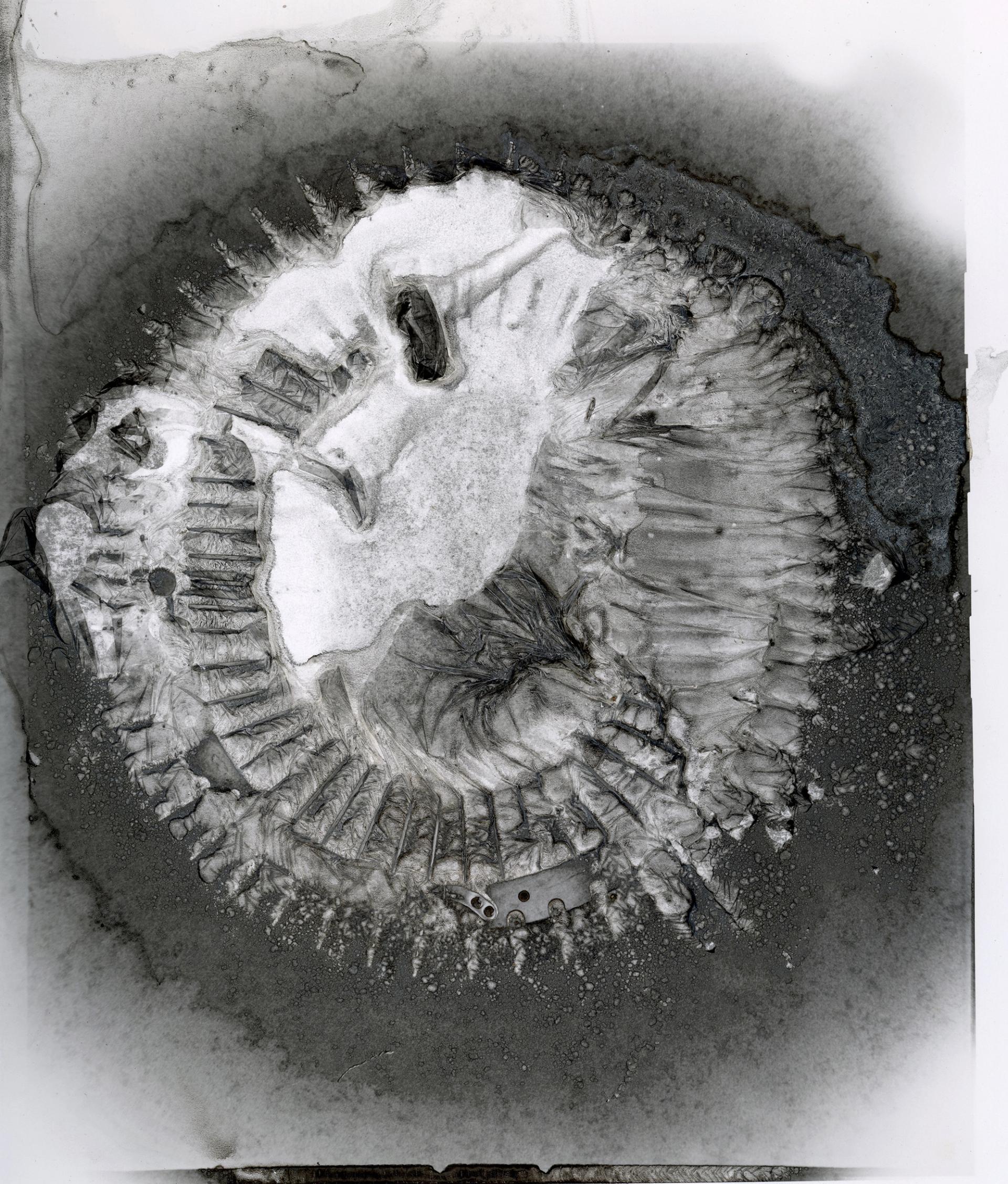
In researching the craniometer what spills forward consistently is data (Booker & Sentance, 2026). First Nations peoples globally are vastly over-represented in archived research data and archival manuscript collections as a result of extractive research and surveillance (Smith, 2021). Many of these datasets are dispersed globally with minimal accessibility for communities, making it difficult to know where personal information held in datasets and records are, what they contain and, importantly, how people can assert rights to control their personal information. Over the last decade a growing global movement led by First Nations researchers, scientists and activists for Indigenous Data Sovereignty has called for the recognition of First Nations peoples’ self-determination, control and ownership rights over their own data (Kukutai & Taylor, 2016). Object 86/615 tells of data and discrimination but also speaks to the resilience of communities who have faced research objectification and discriminatory classification.
Powerhouse Research Scholars
Each year the Powerhouse Research Scholars program develops new research through an annual open call to academics, creative practice-based researchers and independent researchers. Museum staff support scholars to produce innovative projects in dialogue with the Powerhouse Collection and Archives.
Community
New work across the applied arts and sciences is developed through support and investment by Powerhouse. We foster innovation through facilitating collaboration and connection between industry and community.
Research Scholars
Powerhouse offers annual programs to researchers interested in exploring the collection.