Week 7
Urban Climatology and Cool Materials
How might we design resilient communities and design change in our communities?
This week you will learn about urban climatology and cool materials from UNSW Associate Professor Negin Nazarian and Associate Professor Riccardo Paolini. You will also have the chance to engage in a workshop with Always Collective to connect to Country at your school and consider designing with Country as you gather ideas for Task 4. You will use this learning and your microclimate data to design possible solutions to cool your school. You can share this task at the 50°C Climate Summit on 11 April 2025.
‘We know that cities are warmer than their natural surroundings because of the materials we introduce, because of the vegetation we’re removing and the fact that they retain less water. That is considered urban heat. But we also know that we are living in a warmer world, which means that the temperatures are getting higher with longer heatwaves, that more frequent and also more intense.’
Urban Climatology – Dr Negin Nazarian
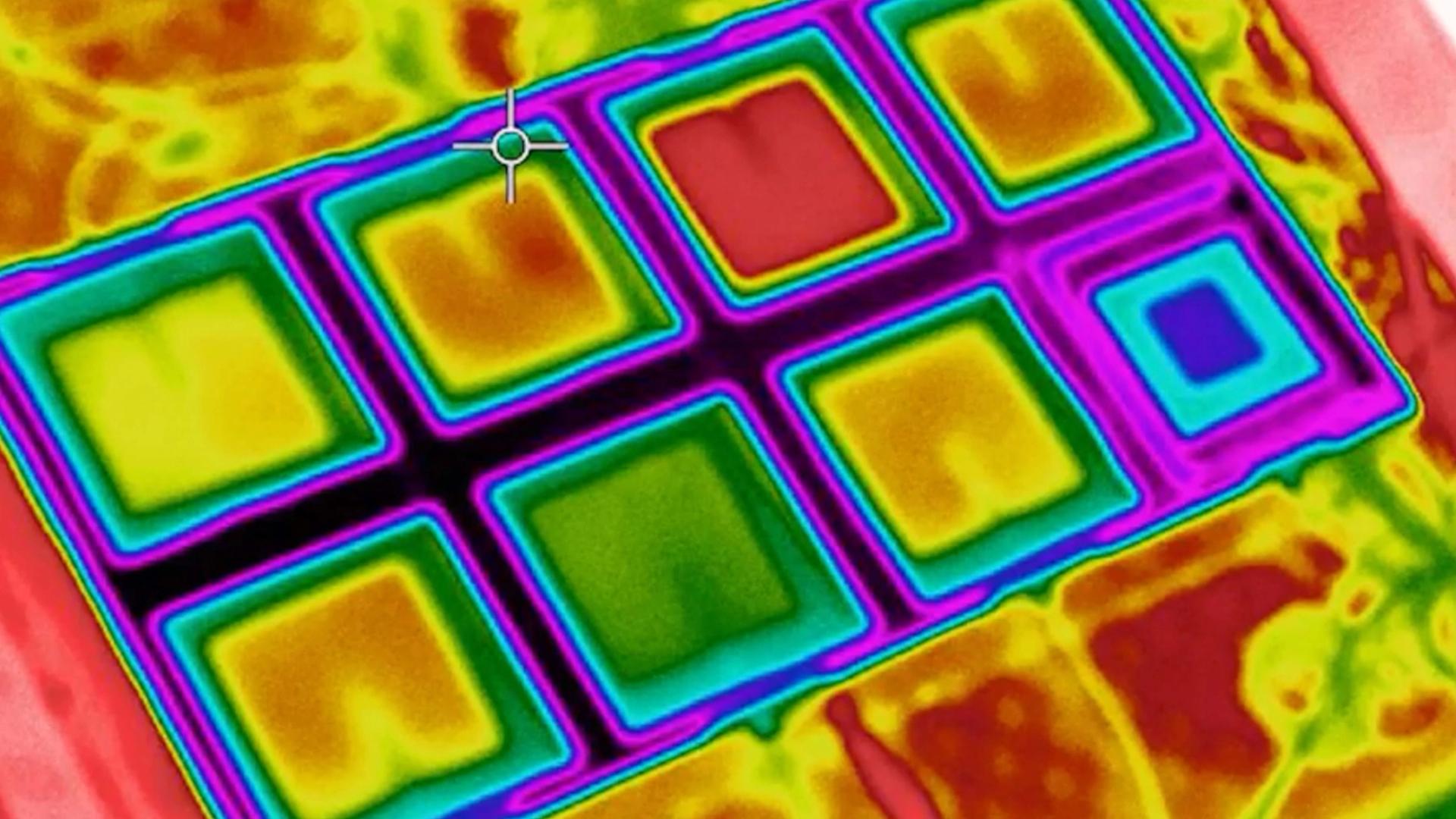
Cool Materials – Dr Riccardo Paolini
Workshop
Designing with Country Workshop
With Always Collective
Date TBA
Collaborating with First Nations cultural knowledge holders, students are invited to ground themselves on Country and consider how it has changed since colonisation. Drawing on these reflections and their own lived experiences, students will design a future for their school that combats climate change and celebrates Country and culture through built form, landscape, materiality and sustainable systems.
Resources
First Nations: Caring for Country and Designing with Country
Cooling the City
Download (opens in new tab)More learning
Terri Janke – Indigenous knowledge and Caring for Country
100 Climate Conversations
View (opens in new tab)Profiles
Industry Collaborators