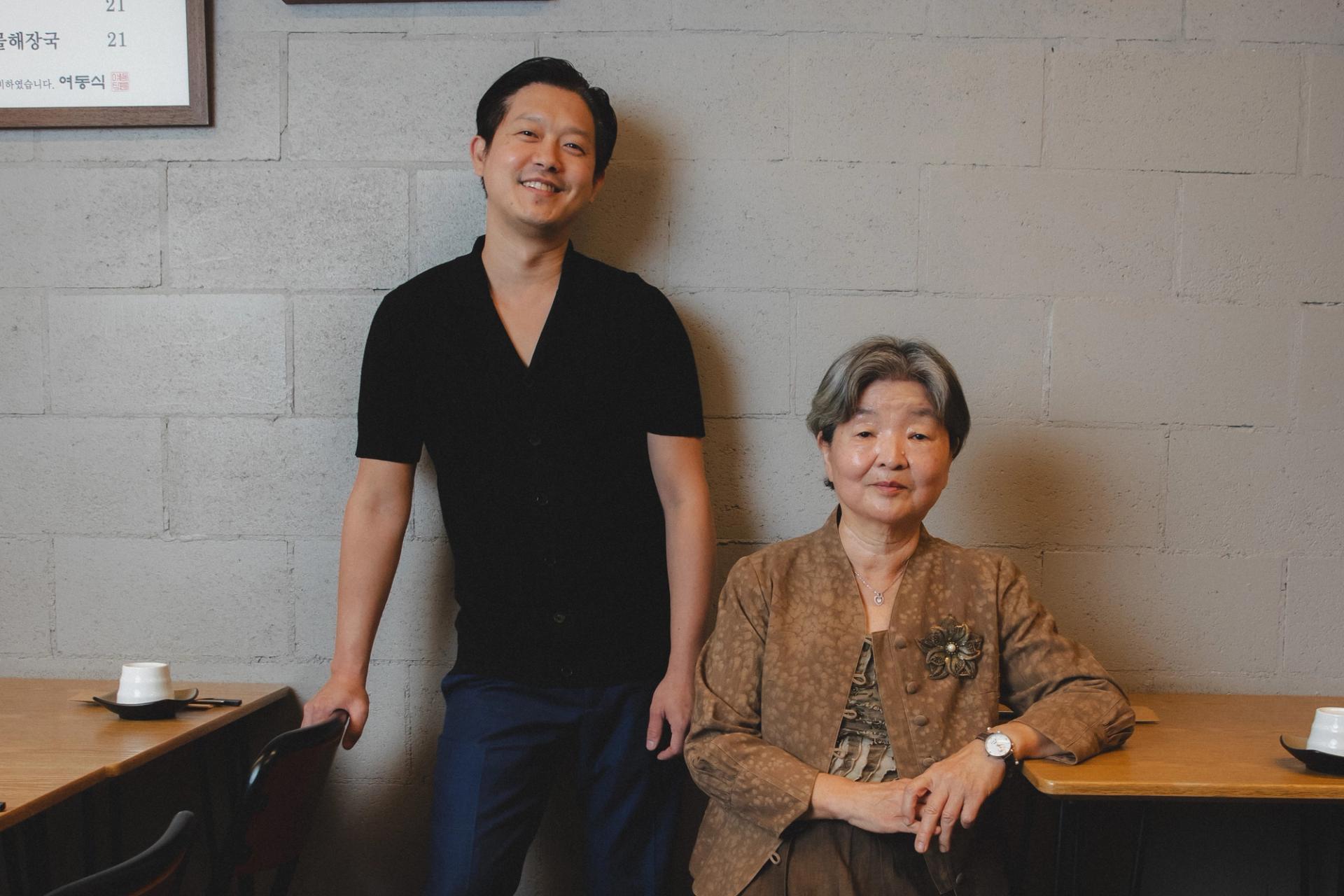
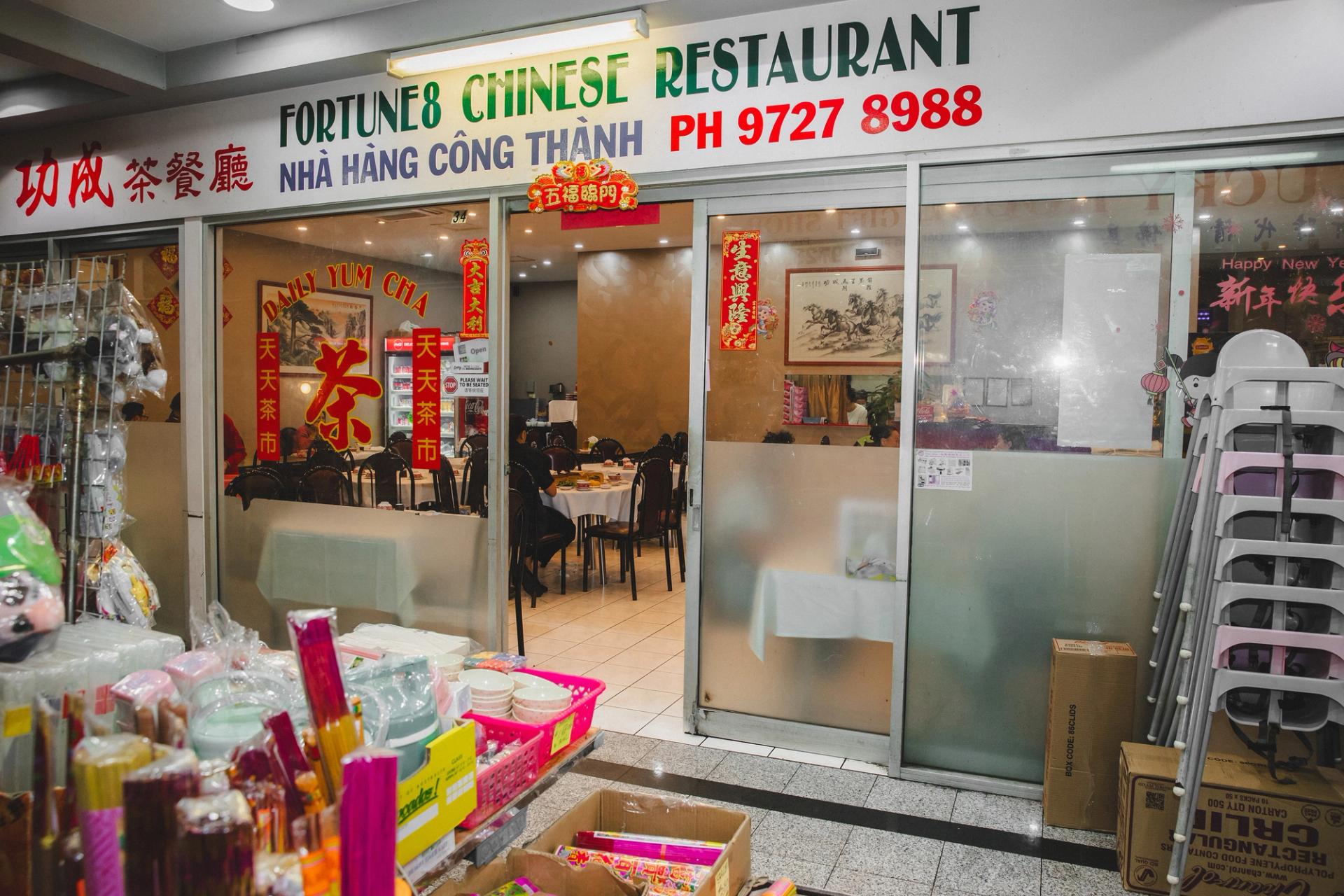
Fortune8 Chinese Restaurant

‘Everyone loves dim sum – or as we more often call it in Australia, yum cha. But what’s special about this place is how deeply integrated the whole family is to the business: siblings at the front, mum at the front, dad and more siblings at the back. It’s always been like that at Fortune8, and it’s now very special to meet the family behind one of Cabramatta’s oldest dim sum restaurants.’
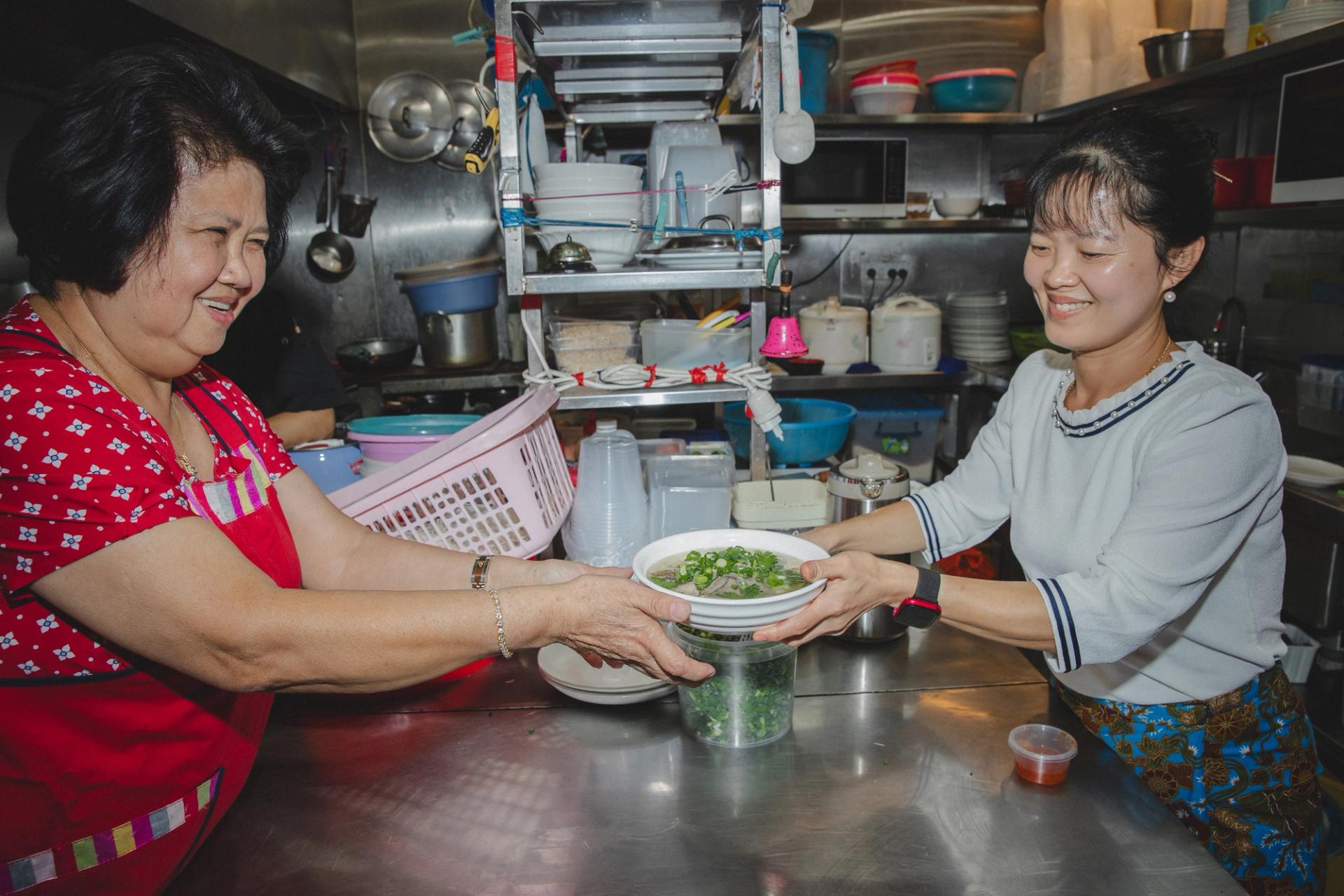
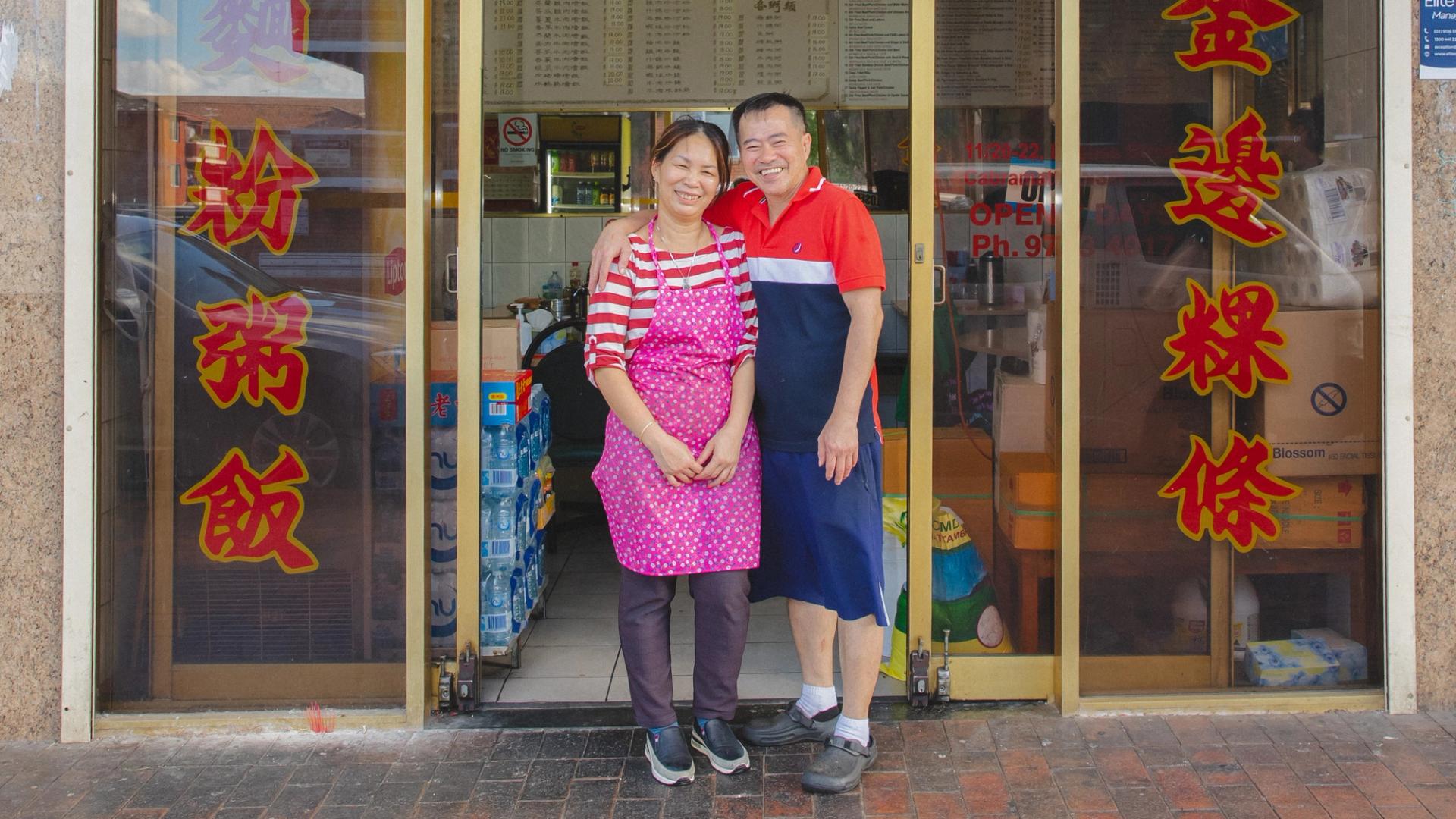
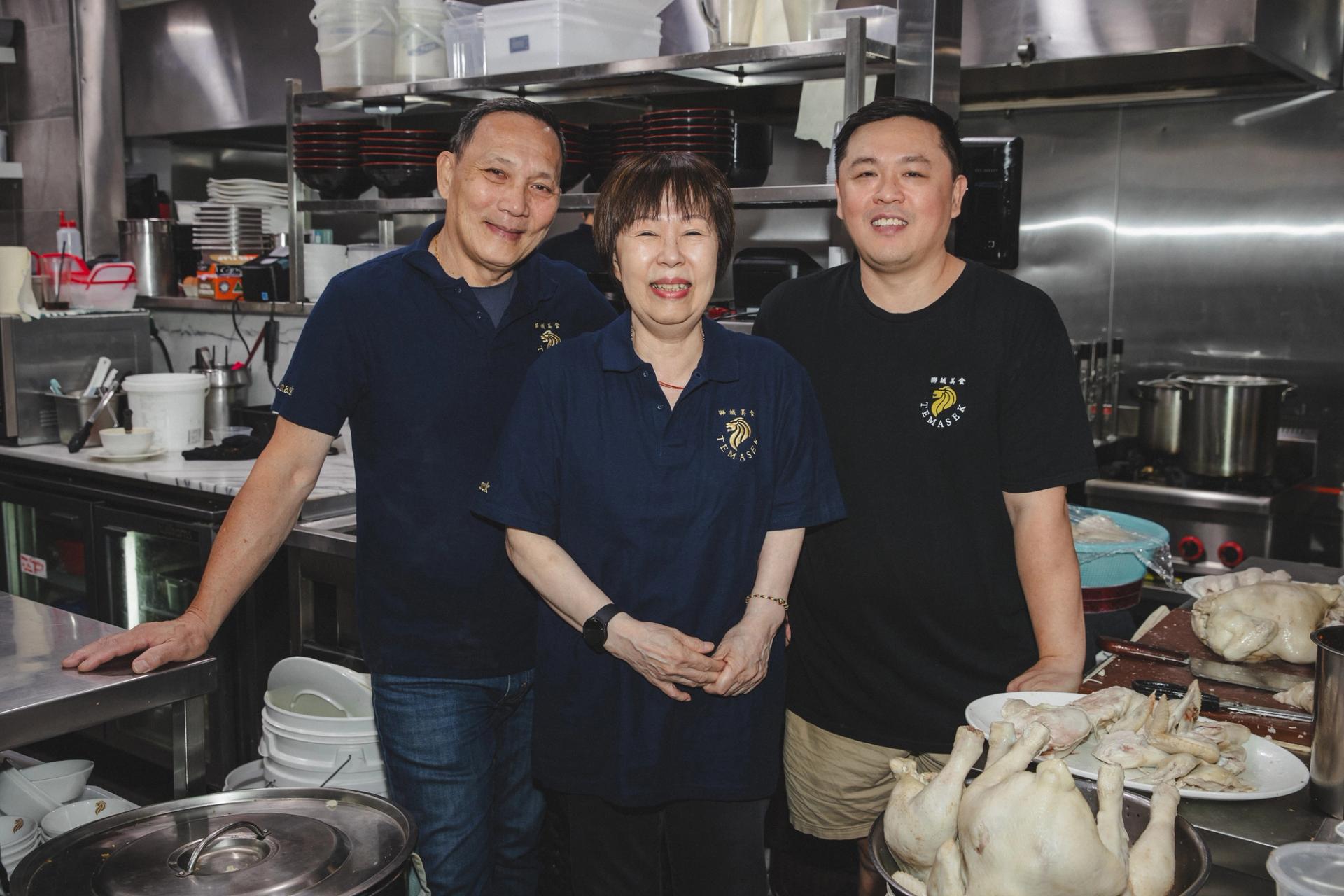
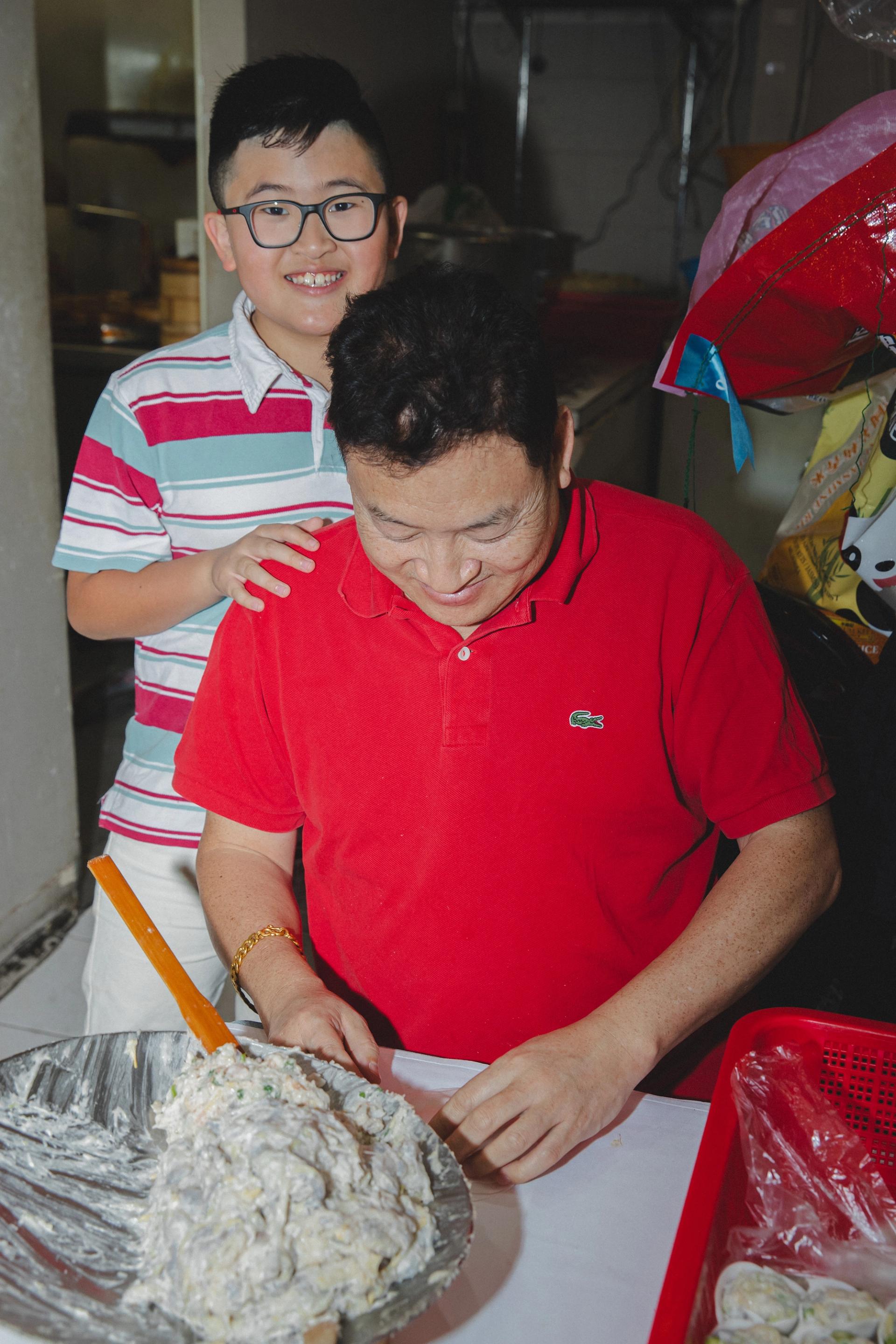
Fortune8 Chinese Restaurant in Cabramatta has been a truly family-run restaurant since its opening more than 20 years ago – even the youngest children pitch in. ‘I remember my Jonathan was only 3 years old when we started and he was helping me with washing teapots,’ says June Wu, who started the business with husband Ke Wen. Today, her 10-year-old son Jasper also contributes.
‘Jasper has a special ability: he is autistic … Jasper specialises in numbers. You can ask him long equations with the brackets and everything. He’ll solve them. He does love to do the bills,’ says his sister, Melanie Xayaloune. ‘But we did have a few customers that weren’t too fond of a child doing their bills … Now he just wipes dishes for us when he feels like it.’
Xayaloune was 10 when Fortune8 opened at its original Cabramatta location. ‘If we weren’t at school, we were at the restaurant helping mum and dad,’ she says. And if they weren’t at Fortune8, they tended to chores at home.
‘It was hard,’ Wu says. ‘When we first opened, we didn’t go home until 2 or 3 o’clock in the morning.’ Their days started early, too: at 8am.
‘Eventually we said, “No, this is too much.” We gave up dinner service,’ Wu says. ‘It got to a stage where it was so hard, my husband ended up having a heart attack at 40.’
Running Fortune8 has led to tough moments and lowpoints, but Ke Wen hasn’t wavered from his lifelong dedication to cooking.
‘My husband’s a chef. He always wanted to open a restaurant. I was working for the bank and had a pretty stable job. But I had to support him and follow his dreams.’
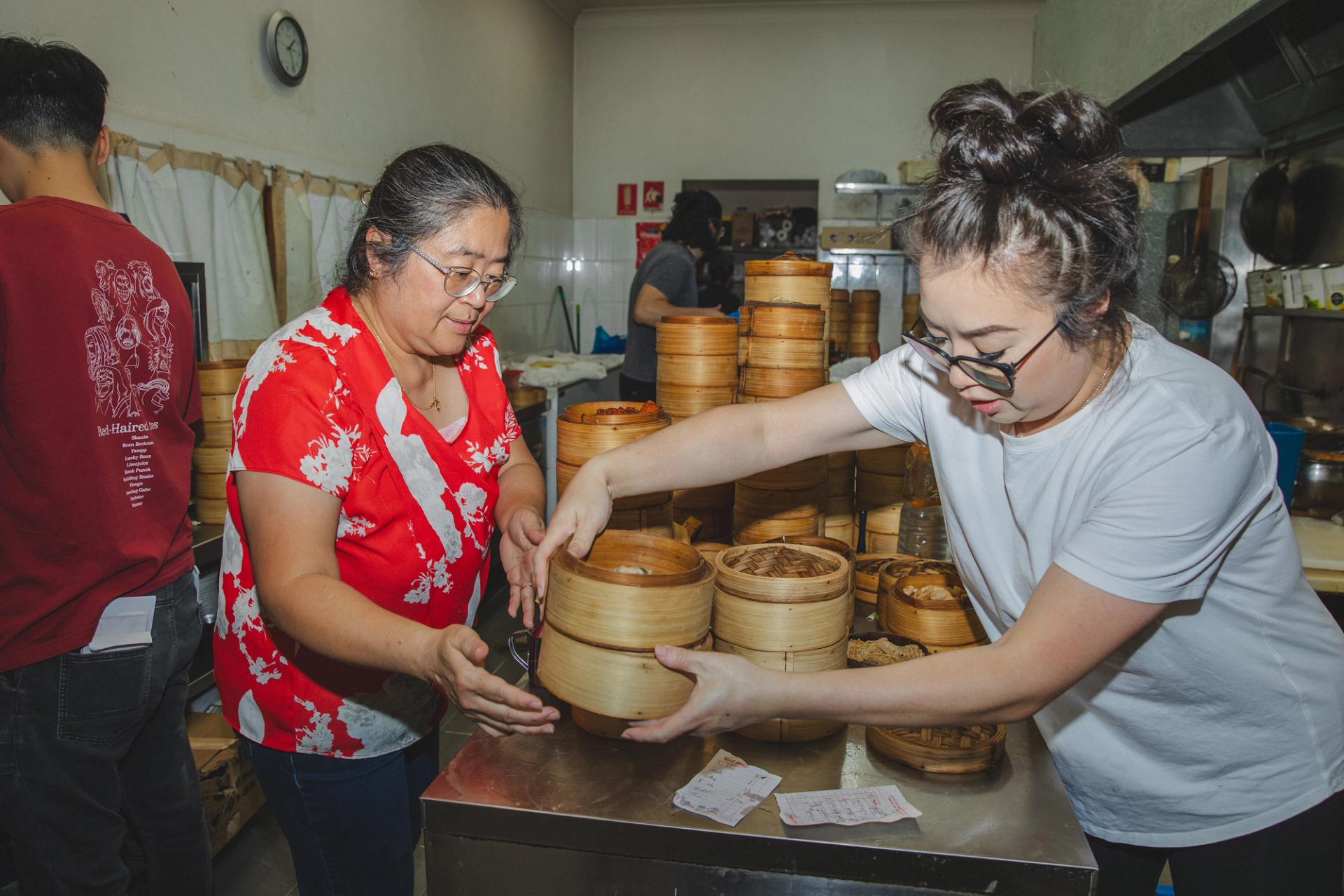
There was another pressing reason for opening the business: ‘Mum and dad already had 3 young kids. With dad’s wage from working for someone else, they were just making ends meet. He wanted to provide more for his family,’ says Xayaloune.
Before launching Fortune8, her parents had survived some intense life experiences. ‘My dad was an orphan at a young age,’ says Xayaloune. Her mother was born in Vietnam and nearly died fleeing the war-ravaged country by boat. ‘Our boat was almost sinking, it was flipping from one side to the other,’ Wu says. ‘We were rescued by the Malaysian military … because we’re Hokkien people, we spoke the same dialect as the Malaysian people. They said, “Oh, we’re family.” Thanks to them, we were saved,’ says Wu. She was only 7 when Australia accepted her as a refugee.
When her husband arrived here, he didn’t have many skills – but soon became passionate about cooking yum cha. Even after moving to its current location, Fortune8 has remained focused on dumplings and other yum cha staples.
This food also brought Wu and her husband together. At 17, she worked at a takeaway shop, spruiked yum cha on weekends and joined wait staff for receptions at night.
‘Dad was in the kitchen and mum would be selling the dim sum,’ says Xayaloune.
‘And that’s how we met,’ says Wu. Decades on and yum cha still drives what they do.
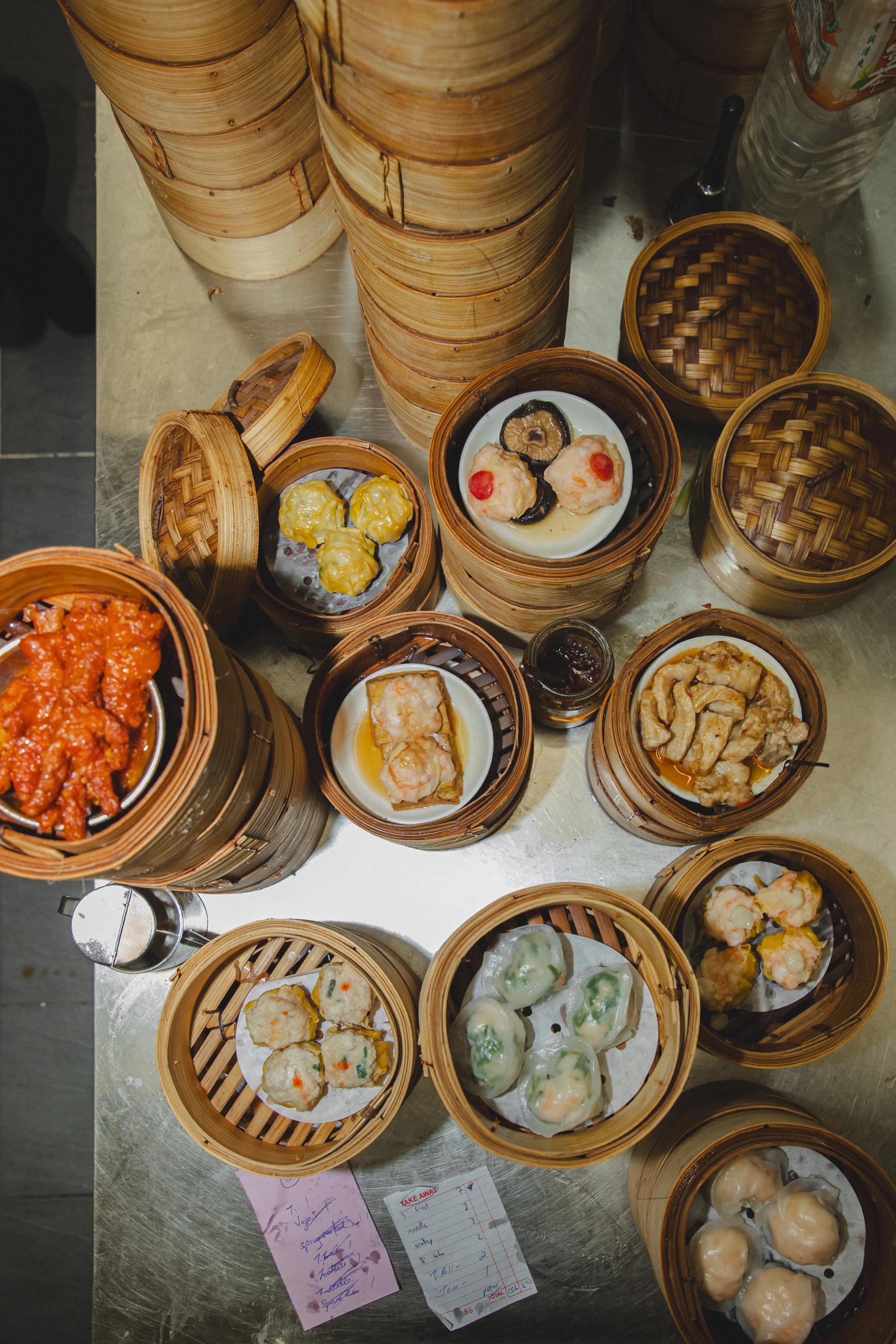
‘Everything on our menu, even down to our sauces, is made [in-house]. Nothing is imported from wholesalers.’
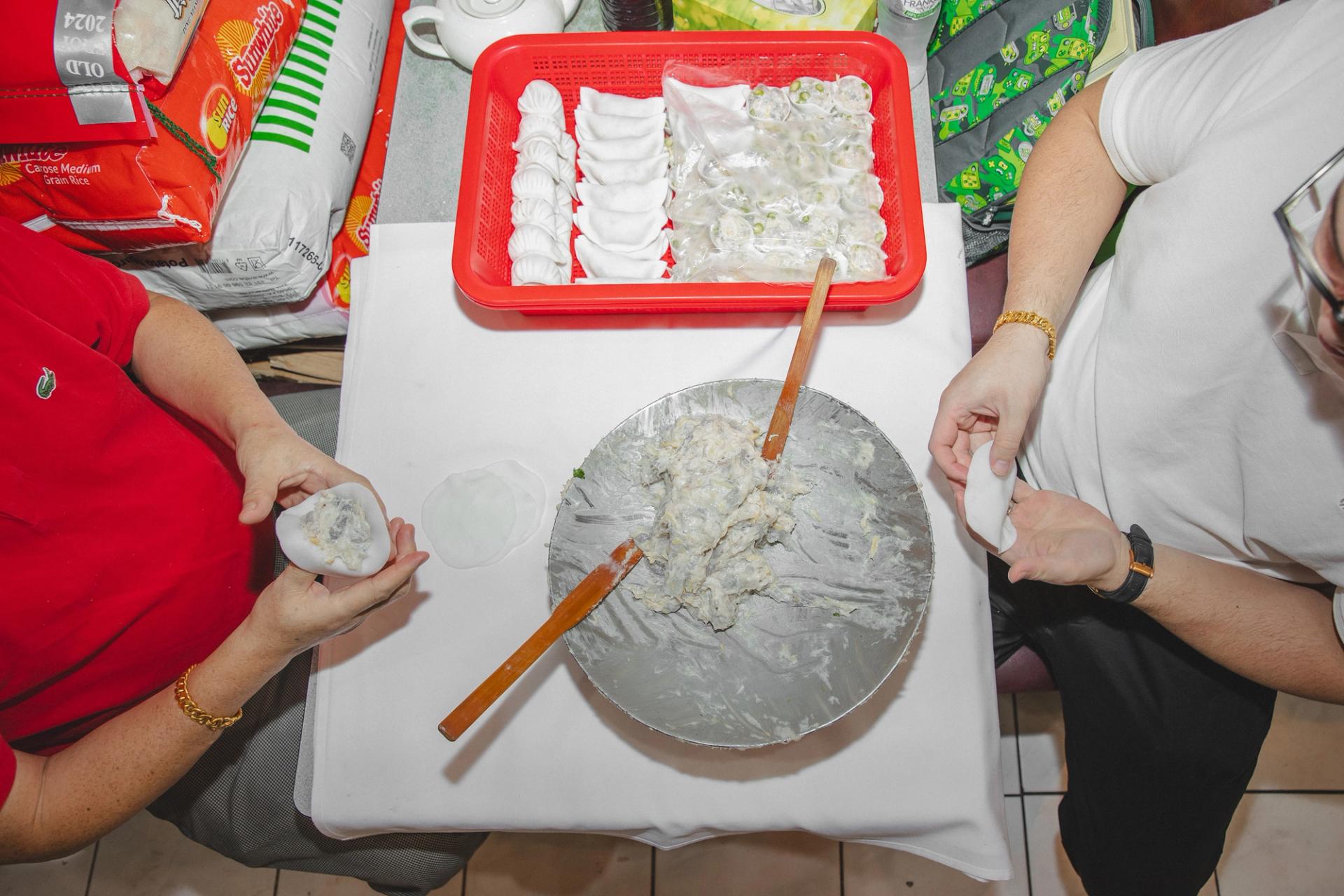
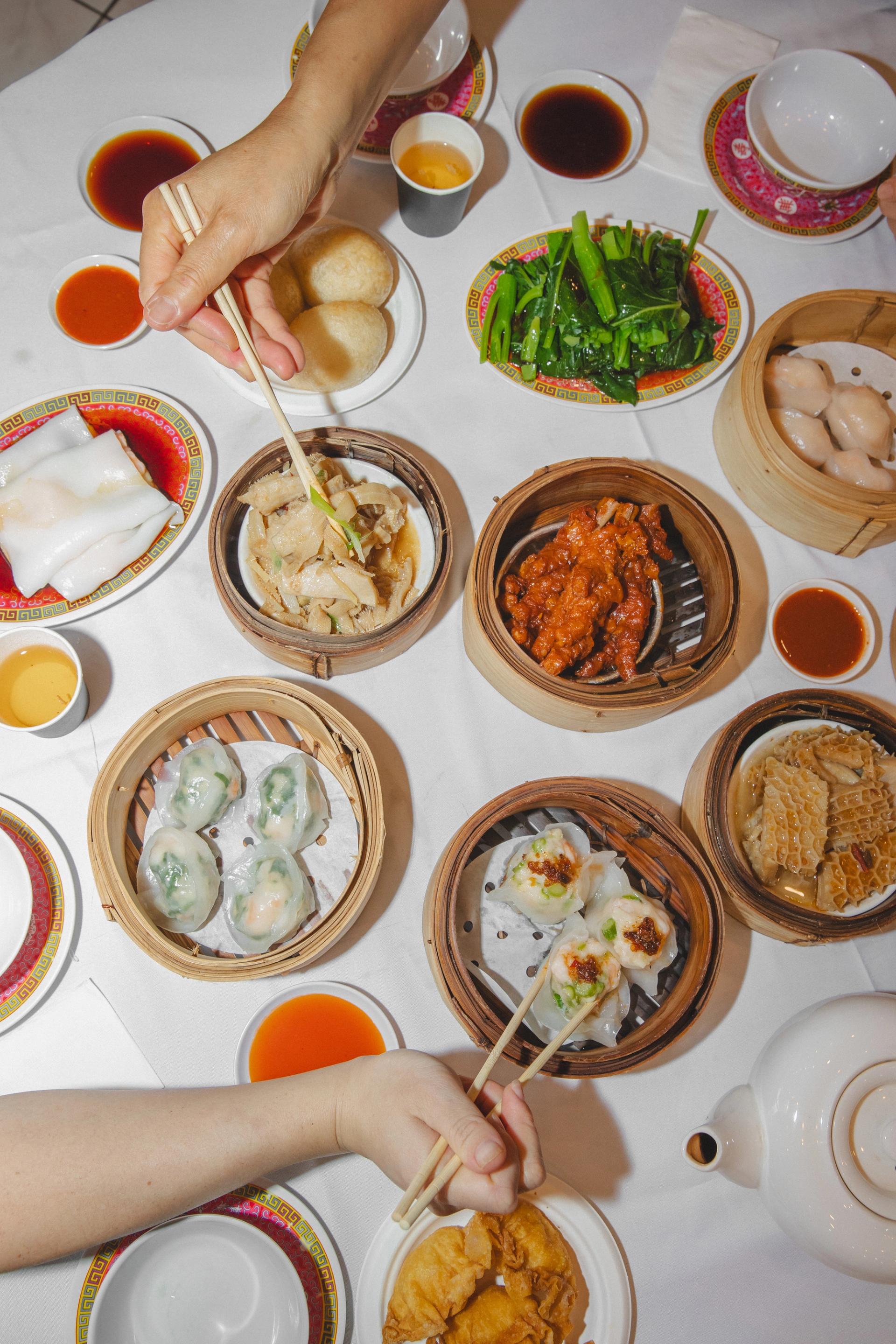
Some dishes are much more laborious than you’d imagine. ‘People think chicken feet is just: you boil, steam and that’s it. But you’ve got to clean it, chop all the nails off, parboil, deep-fry and it goes back into a boil stage. Marinate overnight. Then it finally gets steamed. It’s not as easy as it looks. And it’s one of the cheapest things on our menu,’ says Xayaloune.
She started full-time shifts at the restaurant the moment she graduated from high school. Working alongside family has been a whirlwind of chaos and affection: ‘We would have days where we’re just at each other’s throats all day … we would say the meanest things to each other,’ she says. ‘Then once it’s 4 o’clock, the doors are shut and we’re done for the day, it’s like, “Oh, let’s go out for dinner guys!”’
After working at Fortune8 for 14 years, she truly appreciates the step-by-step care that goes into recipes like the prawn rice noodles. ‘A lot of people think, “Oh, it’s just a long sheet of noodles filled with prawns,” but it’s actually not,’ she says. ‘It’s rice we soak overnight and grind through a machine, then put through [another] mixture. Then we can start the cooking process. When you’re a kid, that’s one of your favourite things to eat because it’s soft and flavourful. When I started working with mum and dad, I’m like, “Oh my God, that’s a process.”’
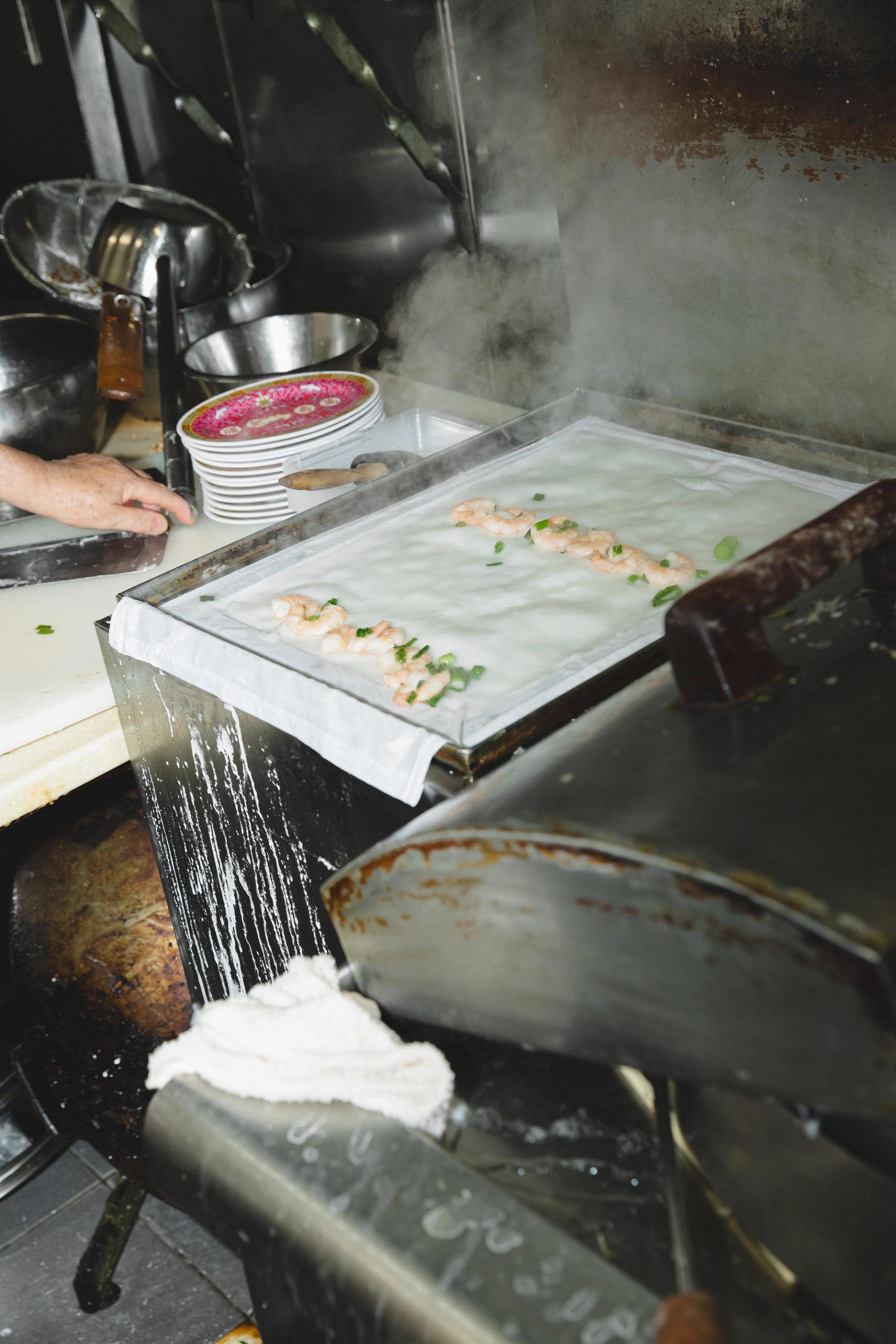
There’s also a relentlessness to running a yum cha restaurant: diners are in a rush because their parking is limited. Or they’ll have a voracious hunger, which can be impressive to witness:
‘We have this one regular … and I’ve never seen anyone eat so much. There’s so much love in the way he eats,’ says Xayaloune.
‘It makes you happy, seeing him enjoy it so much. He comes every week,’ says Wu. His order doesn’t waver much as he savours his food while watching a K-drama with his headphones on. Sometimes he even eats at Fortune8 twice a week.
‘I don’t know how he eats so much – like at least 8 dishes by himself. He always has 2 plates of prawn rice noodles. I only eat one plate and I’m stuffed. He’ll have all the tripe, the dim sims – it’s amazing,’ says Xayaloune.
‘Once in a while, he’ll try something new. He tried the salad once and the seafood roll,’ says Wu.
‘He always goes back to the same dishes,’ says Xayaloune. ‘Every time he comes in now, we’re like, “Yep, I know what you want. I’ll get it for you right away.”’
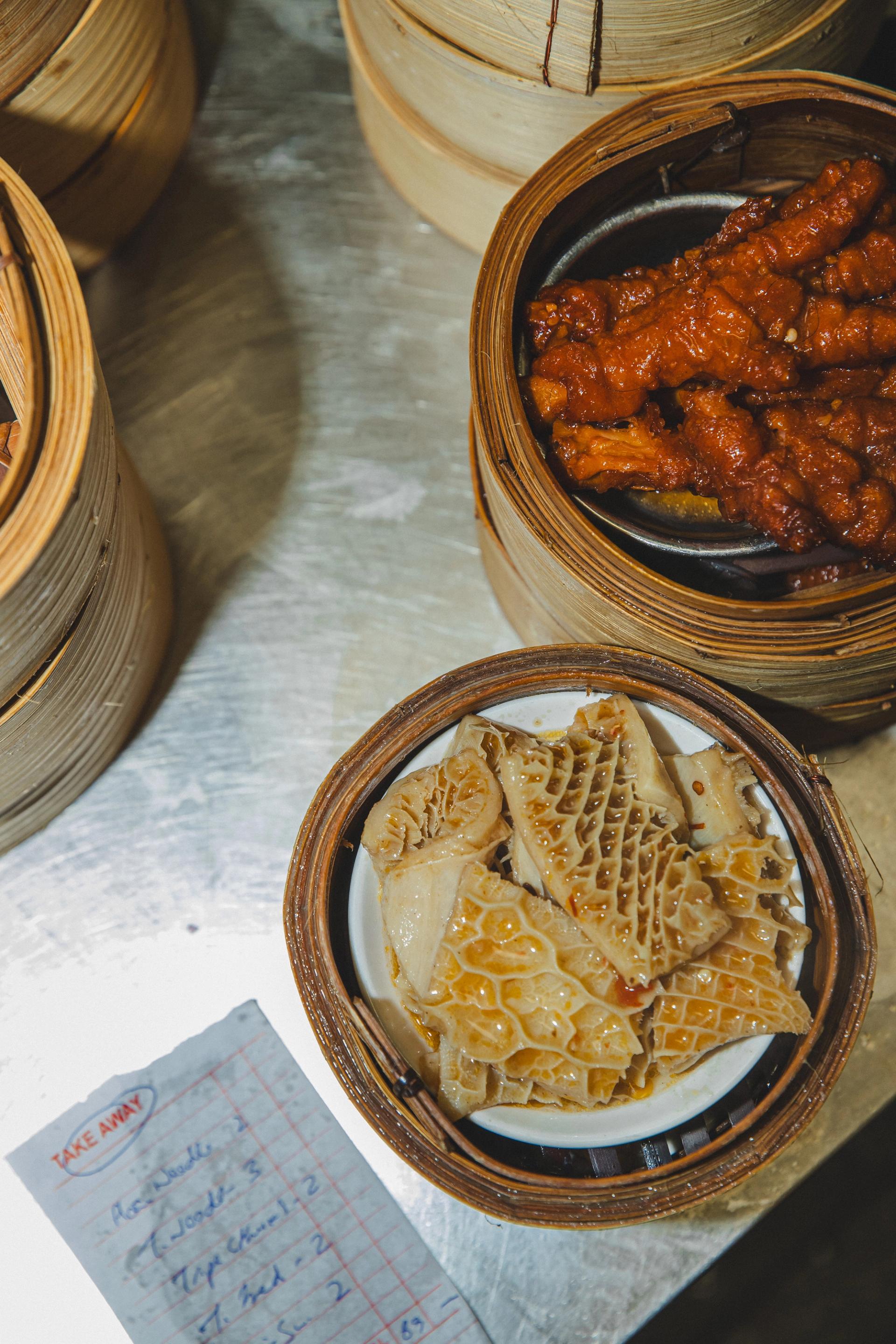
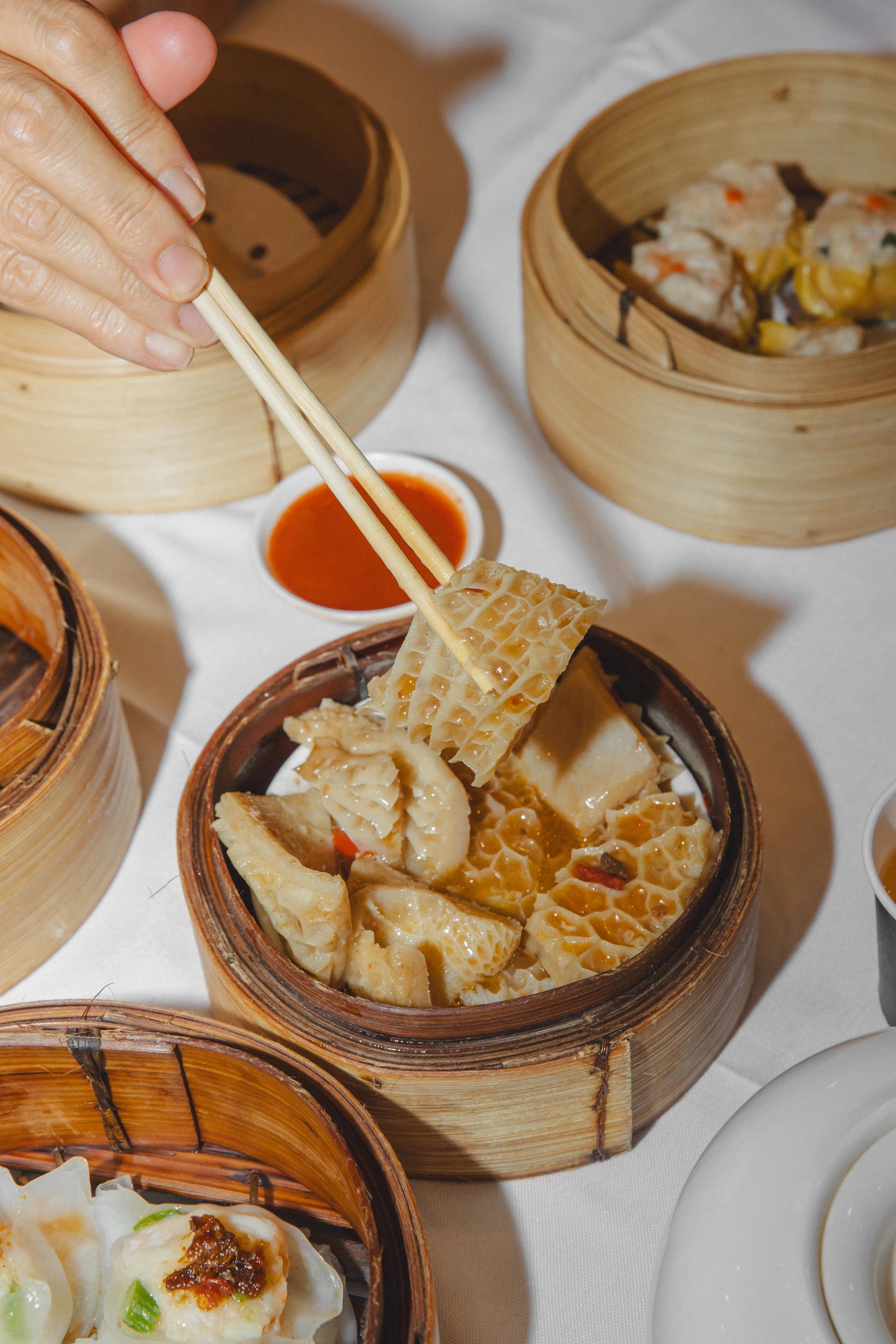
‘When I first walked in, I struck up a conversation with Melanie, daughter of the founder. Her father is the dim sum chef. She was speaking so proudly about her father’s menu – I love that menu. Melanie has said to her father over the years, ‘Dad, let’s change it up a little bit, make it more contemporary.’ And he’s dug his heels in and said, ‘I want it to stay the same, traditional.’ I admire his passion for his craft and there’s certainly a great variety. I can see why they have lots of repeat customers, with its old-school charm.’
The story of the restaurant goes beyond its menu and customers: there are special objects, too. Like ‘Dad’s scale that’s falling to pieces’, his daughter says.
Her brother Justin Wu notes it’s incredibly old-fashioned: ‘Chinese people use it to measure medicine and gold,’ he says.
It resembles a museum artefact, operates in a unit called ‘taels’, and still works for prepping dumplings. It’s in tune with Ke Wen’s dedication to traditions.
‘I was telling dad, “We’ve stuck with this type of menu: an A4 sheet laminated. Make it more modern” … He just downright said “No, we’ll stick with this.” Dad prefers things not to be changed,’ says Xayaloune. He believes they’re good as they are.
‘Even down to our sauces that we make, sometimes I’d be like, “Can we just tweak it a little bit?” And he’s just like, “No, why do we need to change anything?”’
About Family Business
Family Business celebrates the Chinese, Southeast Asian and Korean communities of Western Sydney through the intergenerational food stories and culturally significant objects of long-established, family-run restaurants.
Selected by Powerhouse Culinary Ambassador and chef Kylie Kwong and food content creator Kevin La, 11 community-loved eateries open their doors, and their histories, to writer Lee Tran Lam and photographer Nikki To, offering an intimate window into one of Australia’s most richly diverse culinary scenes.
Powerhouse Food
Powerhouse Food encompasses programs, partnerships and initiatives that support and amplify the food industry and community.