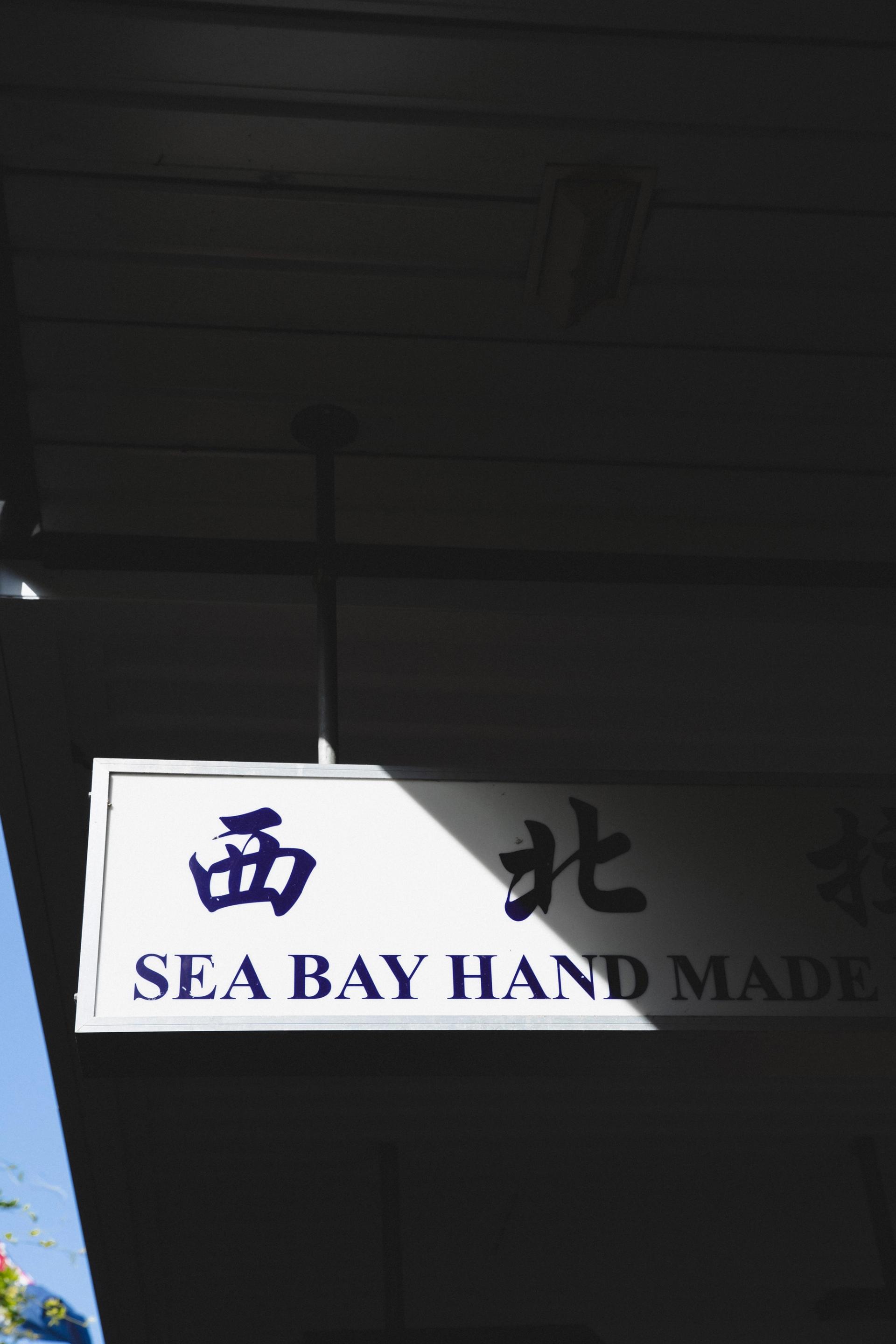
Sea Bay Hand-Made Noodle

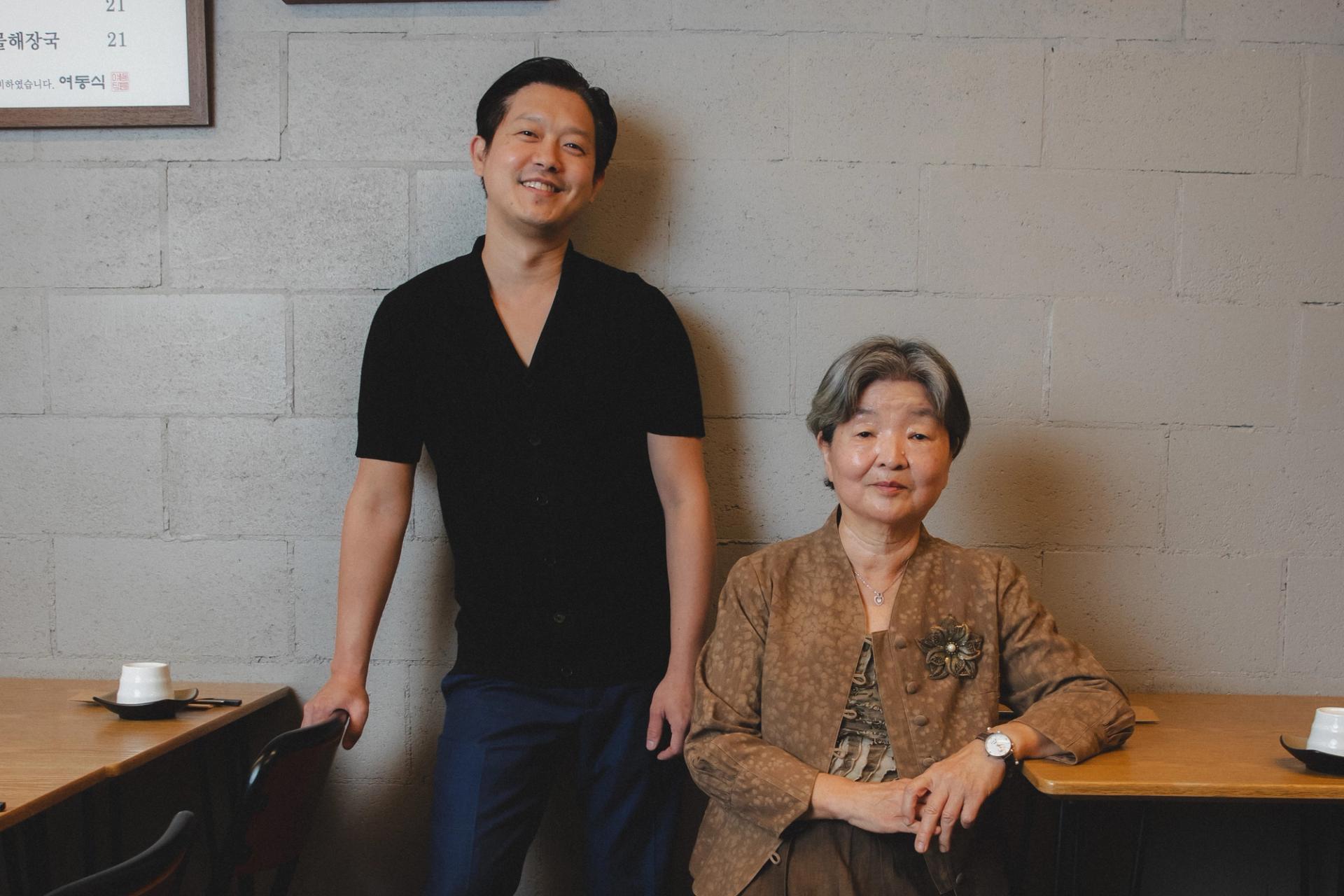
‘Eating at a place like this really opens people’s eyes to what noodles can be. My parents are Chinese Cambodian, and their descendants came from southern China – the noodles we’d eat wouldn’t be hand-pulled. [Here,] noodles are pulled fresh to order, cooked, then served with a simple oil-based or a meat-based sauce or soup – whatever you want. [Then there’s] the use of cumin, spices, peppers. The first time I ate it, I loved it. I’ve loved it ever since.’
Before Qing Guo’s hand-stretched noodles became a fixture at his Sea Bay restaurants in Sydney, he learned how to tame and shape dough in Xinjiang, northwest China.
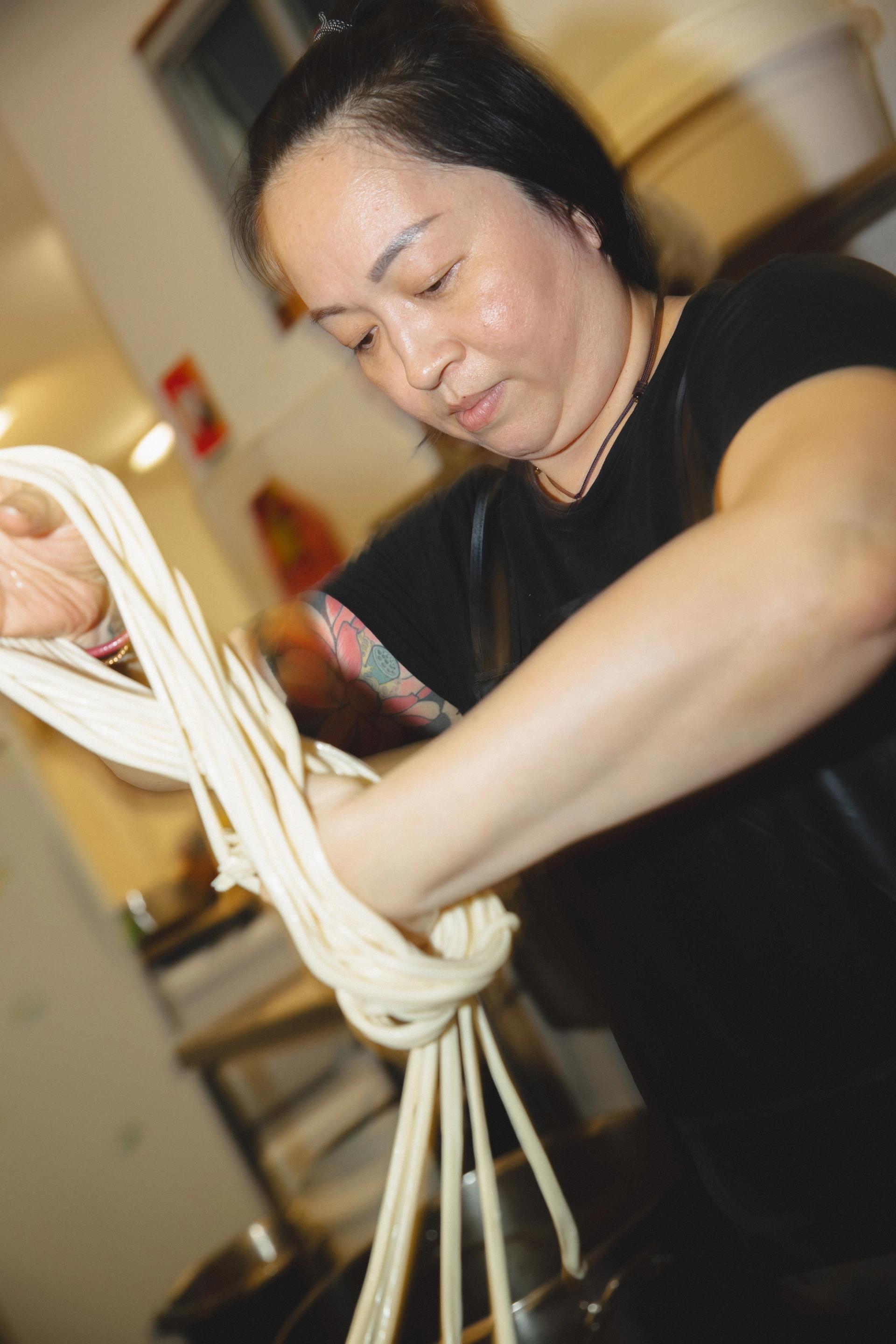
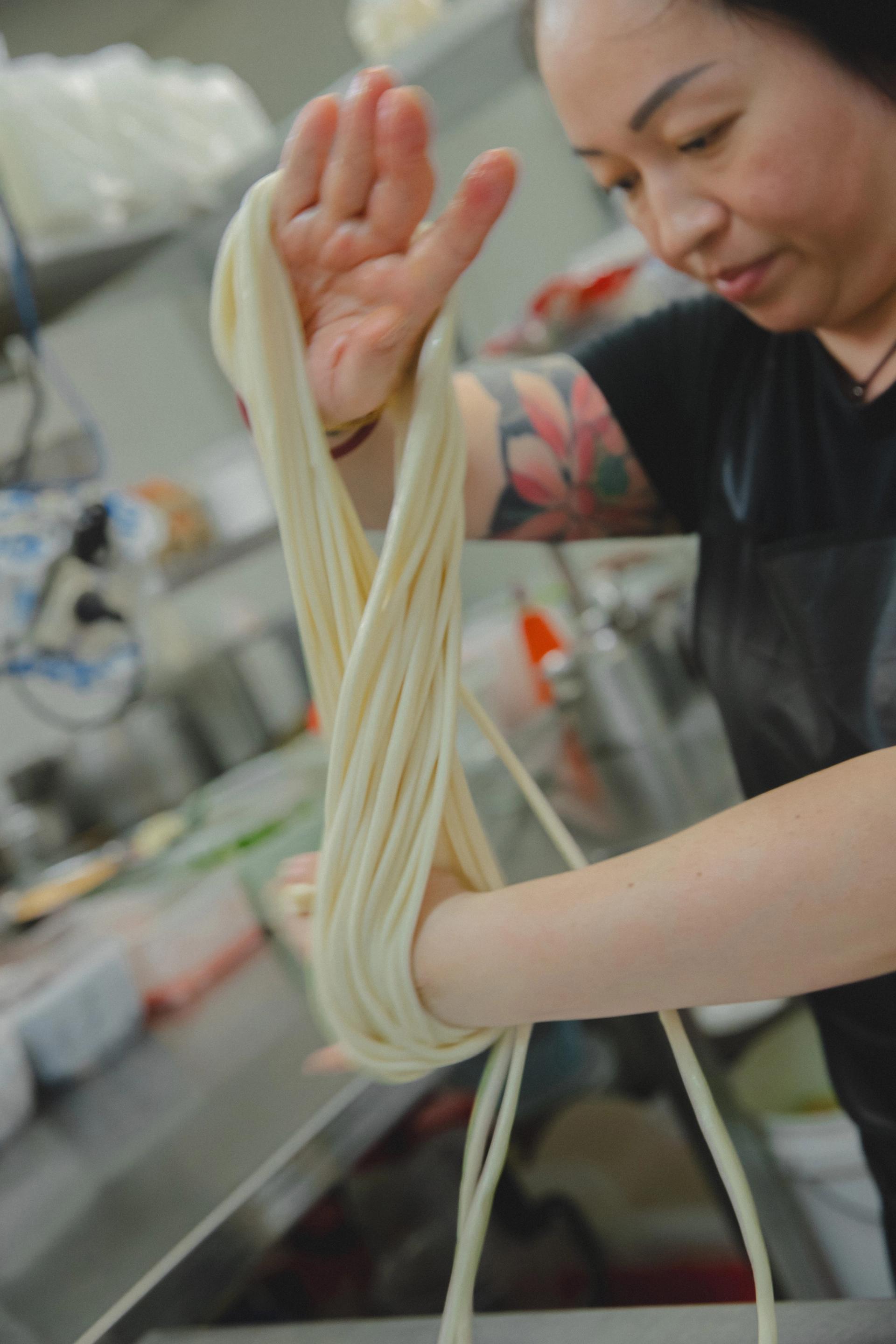
‘My family usually ate hand-pulled noodles, so I learnt this technique from my mother when I was a child,’ he says. ‘In the beginning, the noodles kept breaking in the middle, or they flew all over the place. After some practice, I learnt to make the dough even, with consistent thickness, and the noodles gradually became better and no longer broke.’
What began as a week-long lesson has evolved into a lifelong fascination with noodles.
When he left his birthplace for Australia in 1998, he was almost 30 and his hospitality career was about to begin. ‘In the first Sea Bay restaurant in Burwood, I mainly made stir-fried dishes. When it wasn’t busy, I would also make hand-pulled noodles,’ he says. ‘Other staff could pull 3 servings of noodles at once, but I could do 13 to 14 servings at once.’
His impressive tempo wasn’t quite matched by diner demand, though.
‘At that time, there weren’t many customers, and we only made a few hundred dollars in sales each day. I tried to control expenses by not hiring too many employees, and I did most of the work myself.’
Although certain dishes – like the dumplings, shallot lamb and beef soup noodles – were bestsellers, it was hard to translate the food of his region to Sydneysiders.
‘At that time, most people didn’t know what Xinjiang cuisine was. Most customers here are from southern China, such as Hong Kong, Guangdong and Fujian, so their tastes are more subtle. Since Xinjiang is located in the north, we had to adjust the flavour to make it less spicy, salty or greasy. We positioned the restaurant as middle-region-style, not specifically northern or southern cuisine (since northern people tend to prefer stronger flavours).’
Another challenge was bringing ingredients and spices from Xinjiang. Over the years, the chef would travel back to experience local flavours and his menu would bulge further with every trip. He remembers being impressed by chilli sauce chicken noodles, which diners had embraced in the region. ‘After trying it, we took pictures, searched for recipes online, and tried to replicate the same taste of Xinjiang noodles.’
‘I’ve been to Xinjiang and I was happy to tell Mr. Qing that I’d been to Ürümqi when I first met him. He has a gentle, quiet nature and incredible resilience. I hold him in great regard as a restaurateur. I crave his handmade noodles and the lamb pancake, heavily scented with cumin and [featuring] the most delicious, crispy, chewy-yet-brittle texture on the pastry. I’m Cantonese, so my palate leans toward ‘ginger and shallot’, ‘black bean and chilli’ – cumin in Chinese food is really unusual to me. But I love it and it absolutely works.’
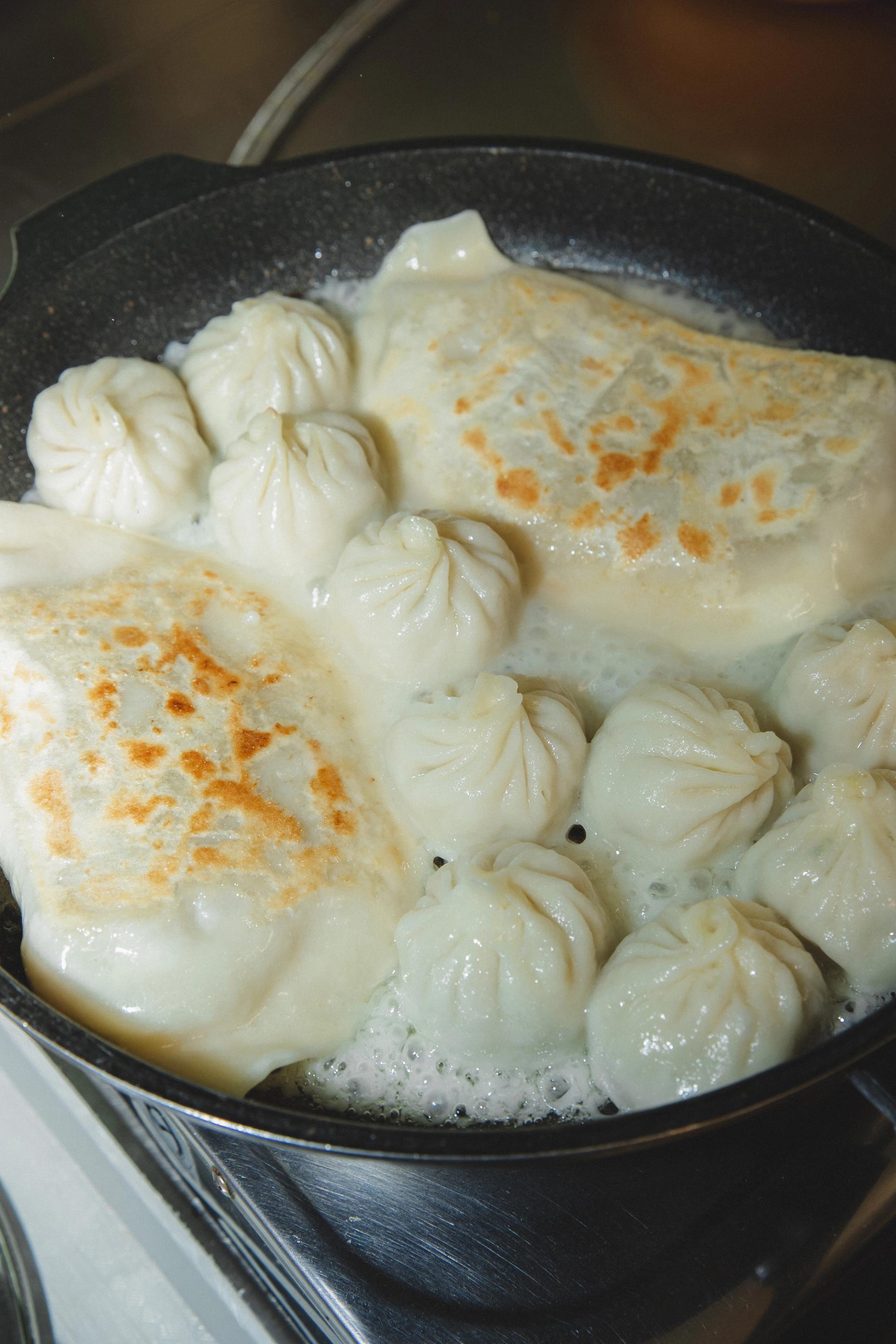
Also added to the menu? The comforting tangle of boiled noodles flavoured with tomato and egg. It was one of the dishes he learnt as a kid. ‘I started cooking when I was about 10,’ he says. ‘My mother was often ill and bedridden, so I began helping her with cooking from a young age.’ This bowl can instantly send him back to childhood. ‘Since we liked it when we were kids, customers would like it too, so now it’s on the menu.’
In 1998, diners seated at his first Burwood restaurant originally had around 40 options to consider; at his current location in Eastwood, in Sydney’s northwest, the chef can fire up 100 different dishes. He opened this Sea Bay in 2013, after selling previous locations in Burwood and Parramatta. ‘There are some restaurants called Sea Bay [across Sydney], but they’re not related to ours,’ he says.
In addition to changing addresses over the years, Guo has also adjusted to different appetites – sometimes on a guest-by-guest basis.
‘In Eastwood, since most customers are from the south, the flavours are made lighter. If the customers are from northern or northeastern China (such as Xinjiang and Hebei), I make the flavours a little stronger.’
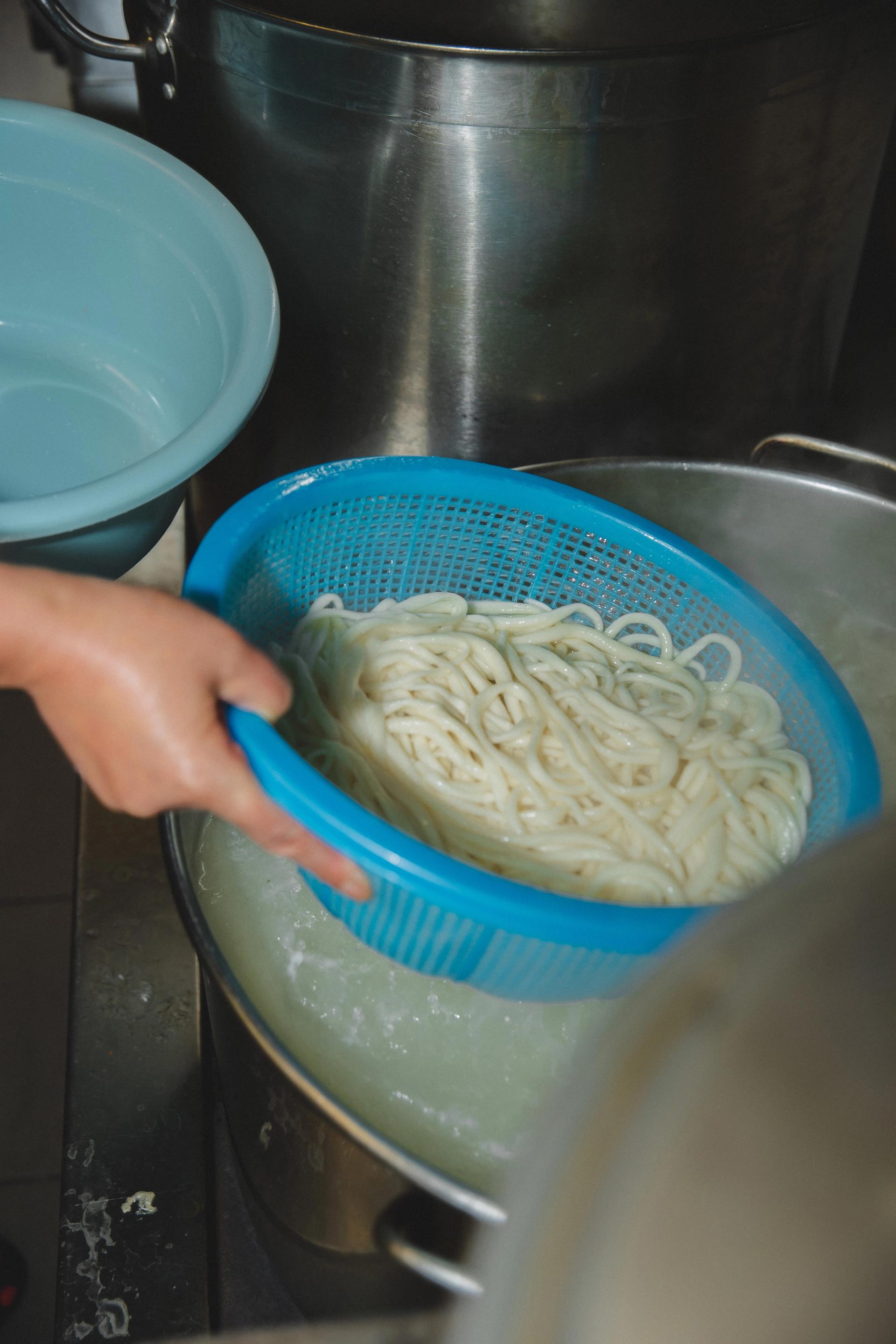
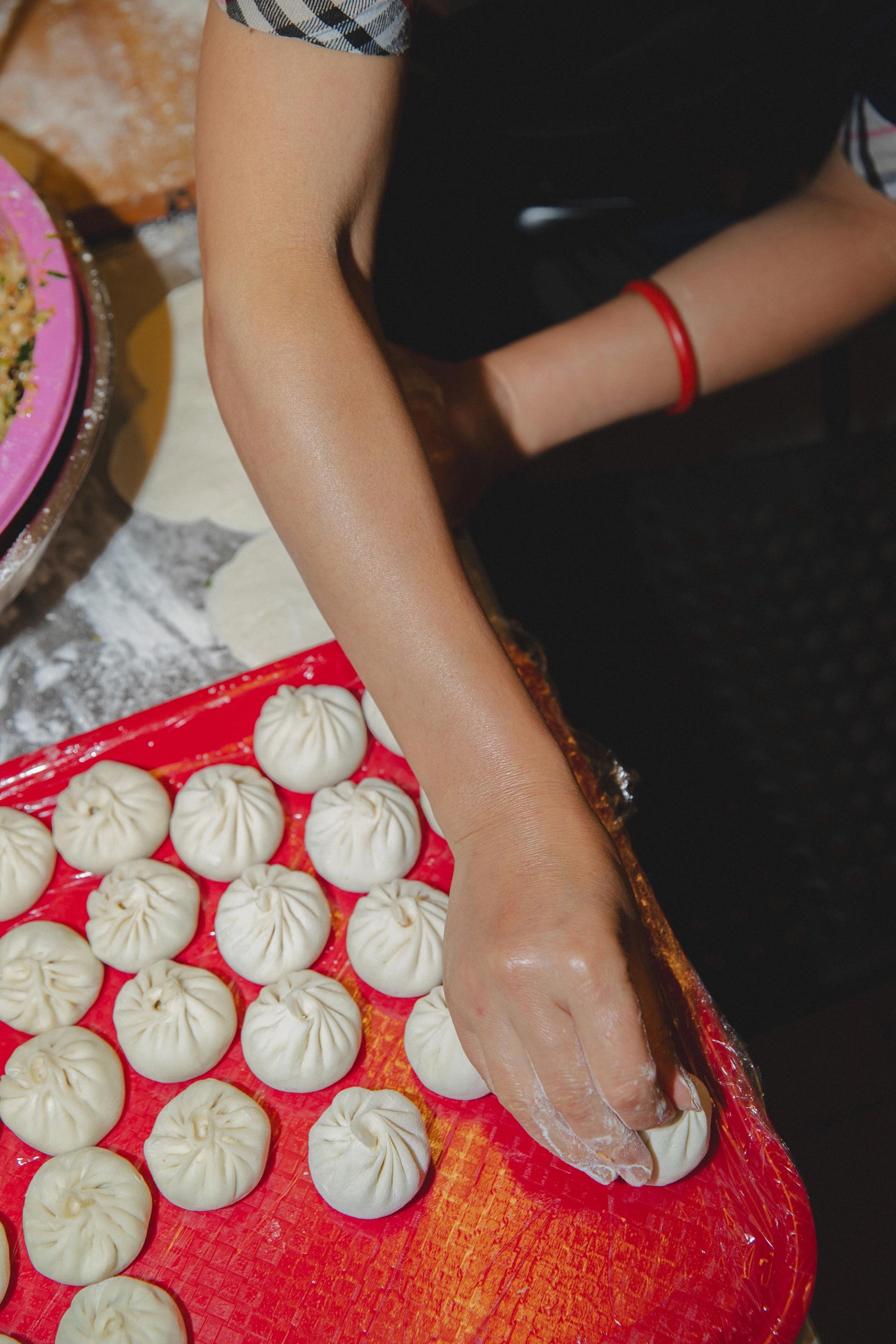
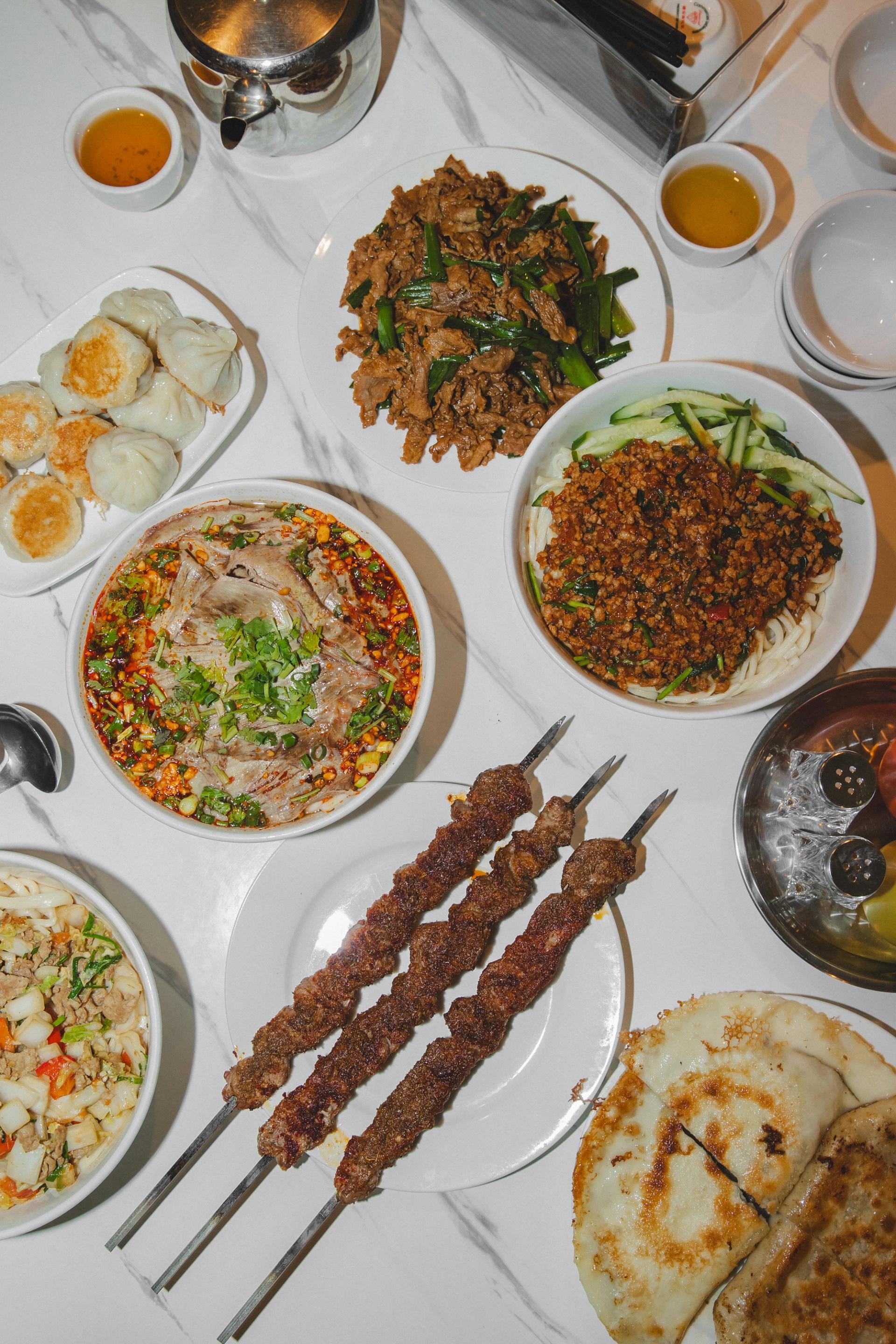
Although he tries to keep true to the food of his birthplace, diner expectations have forced him to adapt. The traditional chilli condiment and tomato sauce are gone from his Xinjiang fried noodles, because locals don’t like that flavour. Guo also had to dial down the oil and make the recipe lighter. ‘In Xinjiang, the noodles are usually spicy, sour and oily. The shape of the roasted lamb buns has changed, but the taste is still similar to that of Xinjiang. So is the flavour of lamb skewers.’
This smoky, cumin-spiced meat still evokes strong Xinjiang memories for him.
‘I’ve been making lamb skewers since I was a child,’ the chef says. His family farmed sheep and on special occasions, served the meat at barbecues. ‘We didn’t eat lamb often, so every time we had lamb skewers, it tasted especially good.’
The best sheep parts were reserved for this dish, the remainder would be wok-tossed in a stir-fry, while the meaty bones would be steamed for hand-pulled lamb. ‘We usually hosted 15 to 20 guests and we could finish the entire sheep in one sitting.’
Guo grew up in the Ili Kazakh Autonomous Prefecture, which is bordered by mountains and is known for its grasslands and alpine waterways. It contrasts greatly to his current home. ‘Xinjiang has 4 distinct seasons, while in Sydney, you hardly see snow, and there’s no real ‘winter’ feel in my eyes. I really miss that feeling of snow – pure and thick, and the special sound when stepping on it.’
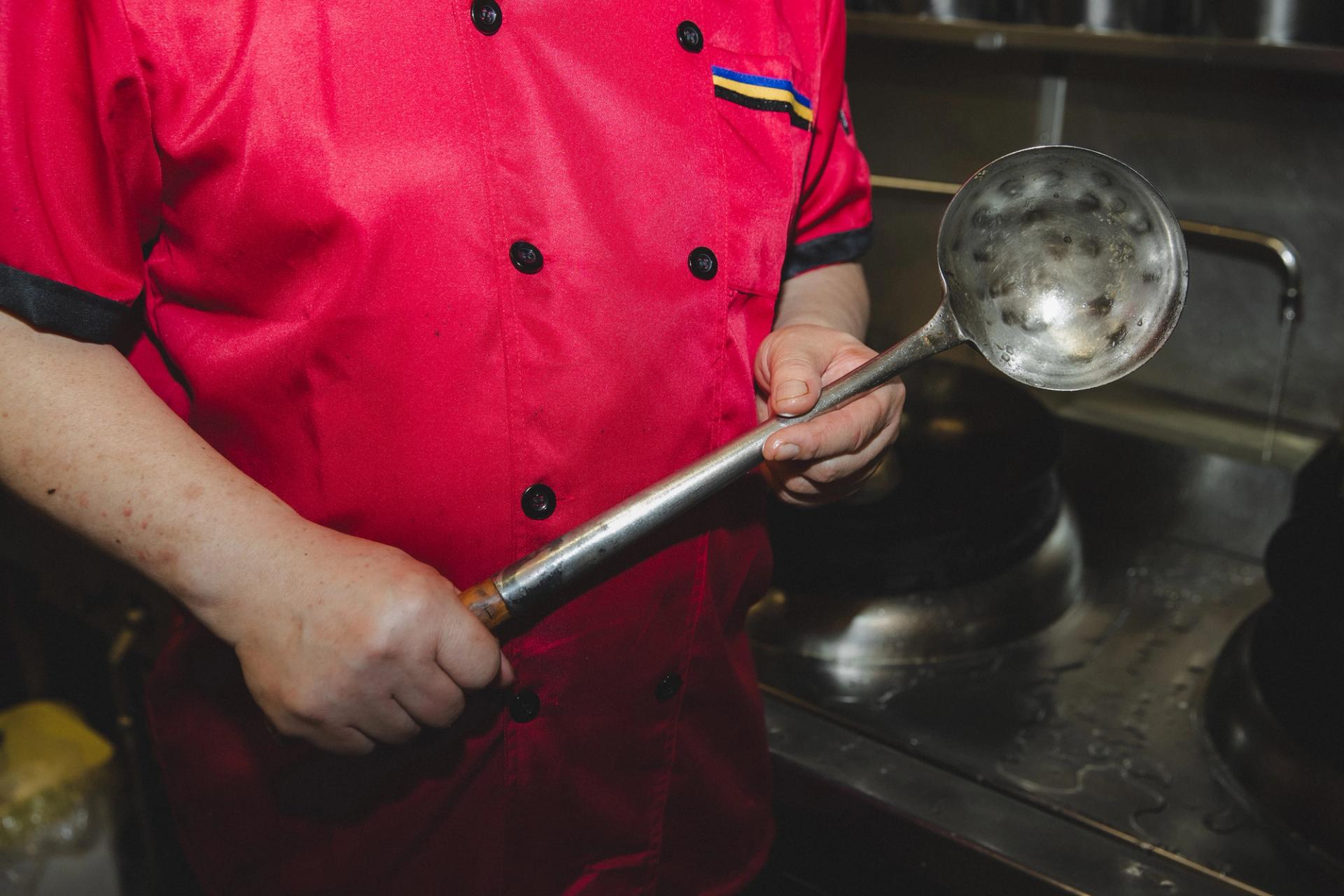
Inside his kitchen in Eastwood, you’ll feel the history of his culinary career: perhaps you’ll notice 3 wok spoons from his days cooking in Western Sydney’s Parramatta. ‘They’re 15 years old and from my second restaurant,’ he says.
After running eateries for nearly 3 decades, he’s still happy in the kitchen. ‘Cooking is like looking into a mirror. If you smile at the mirror, the mirror will smile back at you. If you cook with love, the dishes will taste great. If you cook with a bad mood, the dishes will taste bad,’ he says.
Of course, occasional arguments will break out.
With one employee pulling the noodles and another making the dough, there can be tension when the results aren’t perfect. ‘They’ll question each other whether it’s the noodle-making process or the dough,’ he says. But with many variables at play (flour origin, harvest date and so on), it’s not always clear where things went wrong. ‘I’ve spent my whole life studying noodles, yet haven’t mastered it completely,’ he says with a laugh.
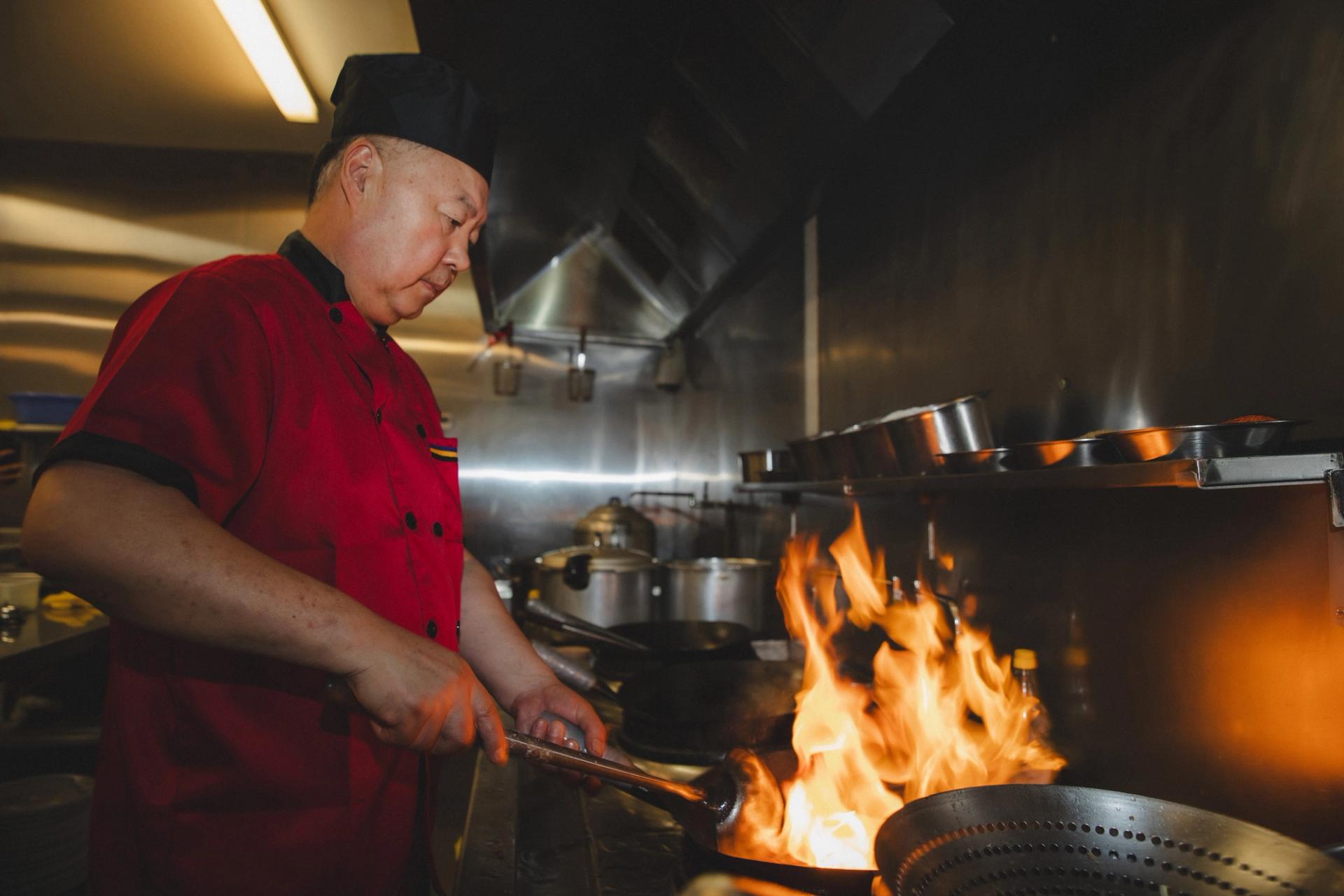
Guo’s not the only one: China has a 4000-year-old history of shaping grains into bowl-filling strands. Hand-stretching this staple also links him to his family. ‘When I cooked with mother, I felt like I was learning, but didn’t fully realise how it would shape my future,’ he says. The way he rolls his roast lamb pancakes at Sea Bay, for instance, and fills the dough with spiced mince – that’s all connected to her.
‘I never imagined I would one day own a restaurant in Australia, using my childhood experiences to create dishes that would bring joy to my customers.’
About Family Business
Family Business celebrates the Chinese, Southeast Asian and Korean communities of Western Sydney through the intergenerational food stories and culturally significant objects of long-established, family-run restaurants.
Selected by Powerhouse Culinary Ambassador and chef Kylie Kwong and food content creator Kevin La, 11 community-loved eateries open their doors, and their histories, to writer Lee Tran Lam and photographer Nikki To, offering an intimate window into one of Australia’s most richly diverse culinary scenes.
Powerhouse Food
Powerhouse Food encompasses programs, partnerships and initiatives that support and amplify the food industry and community.