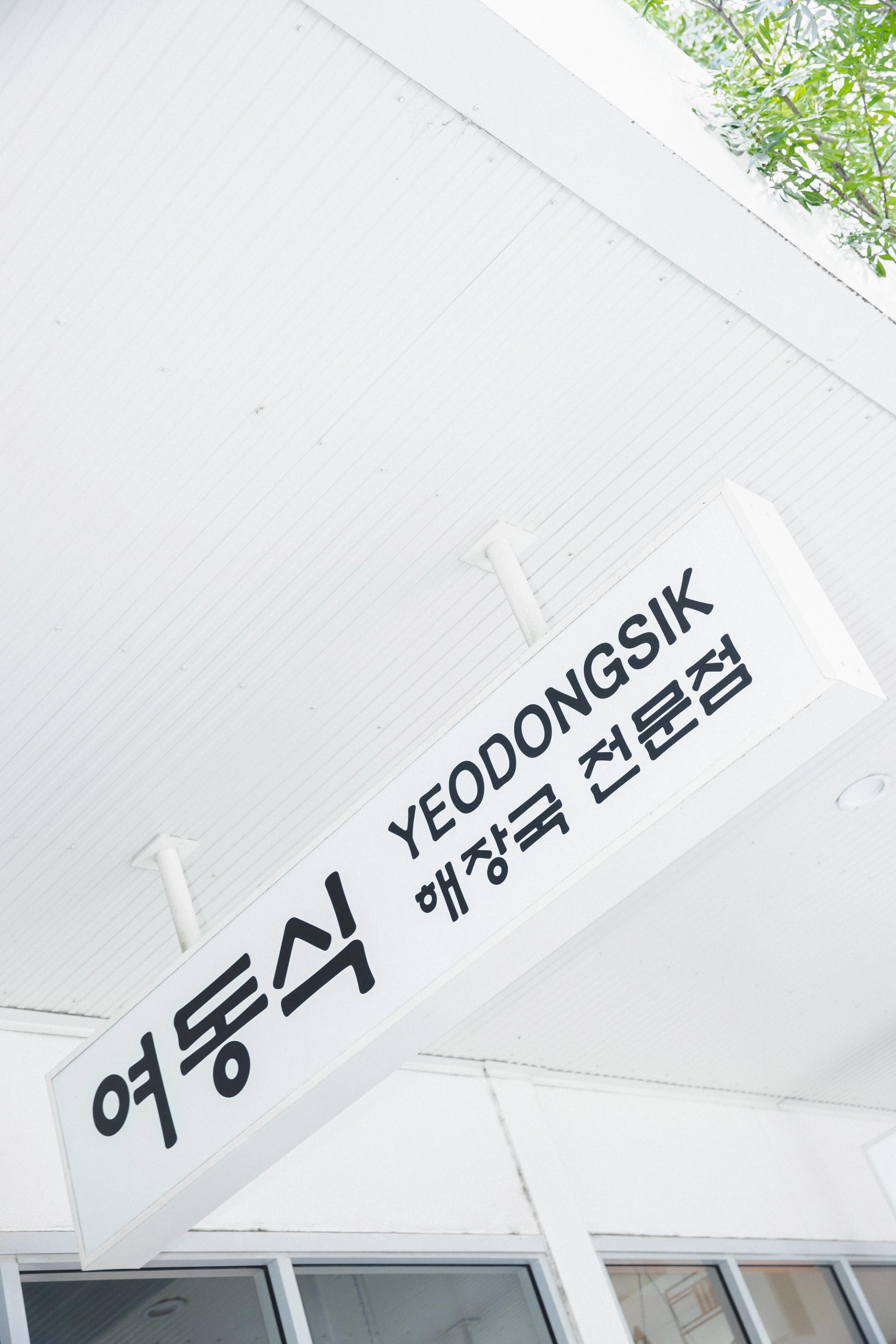
Yeodongsik

‘I was absolutely struck by the sense of respect and care, the moment I walked into Yeodongsik for the first time. It took me back to my original Billy Kwong, which was also small and very detailed. I met Justin, he’s such a thoughtful person. Then I found out how he learned to make his mother-in-law’s recipes and just fell in love with the business even more. When I left, I felt deeply nourished on every level. ’
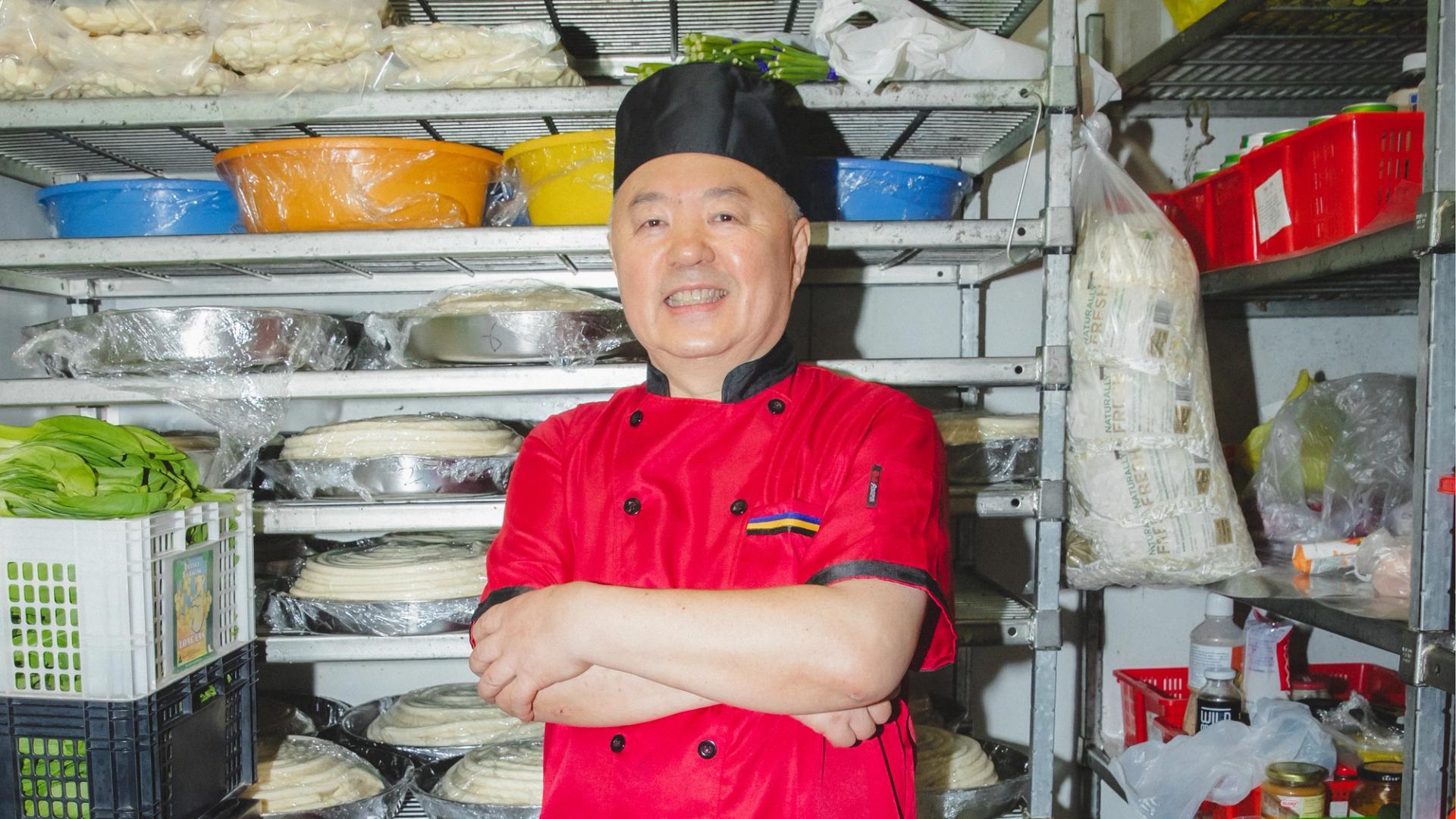
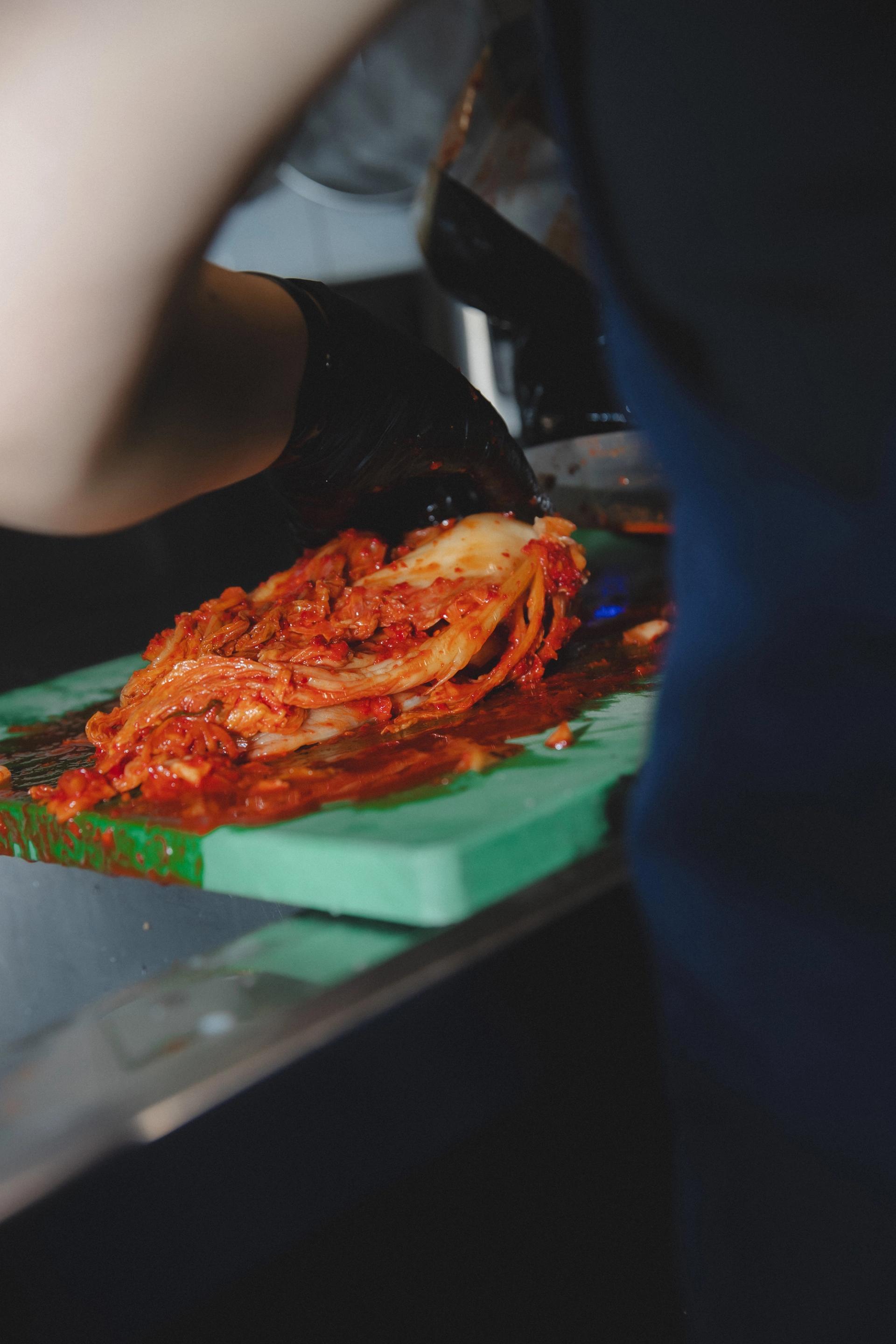
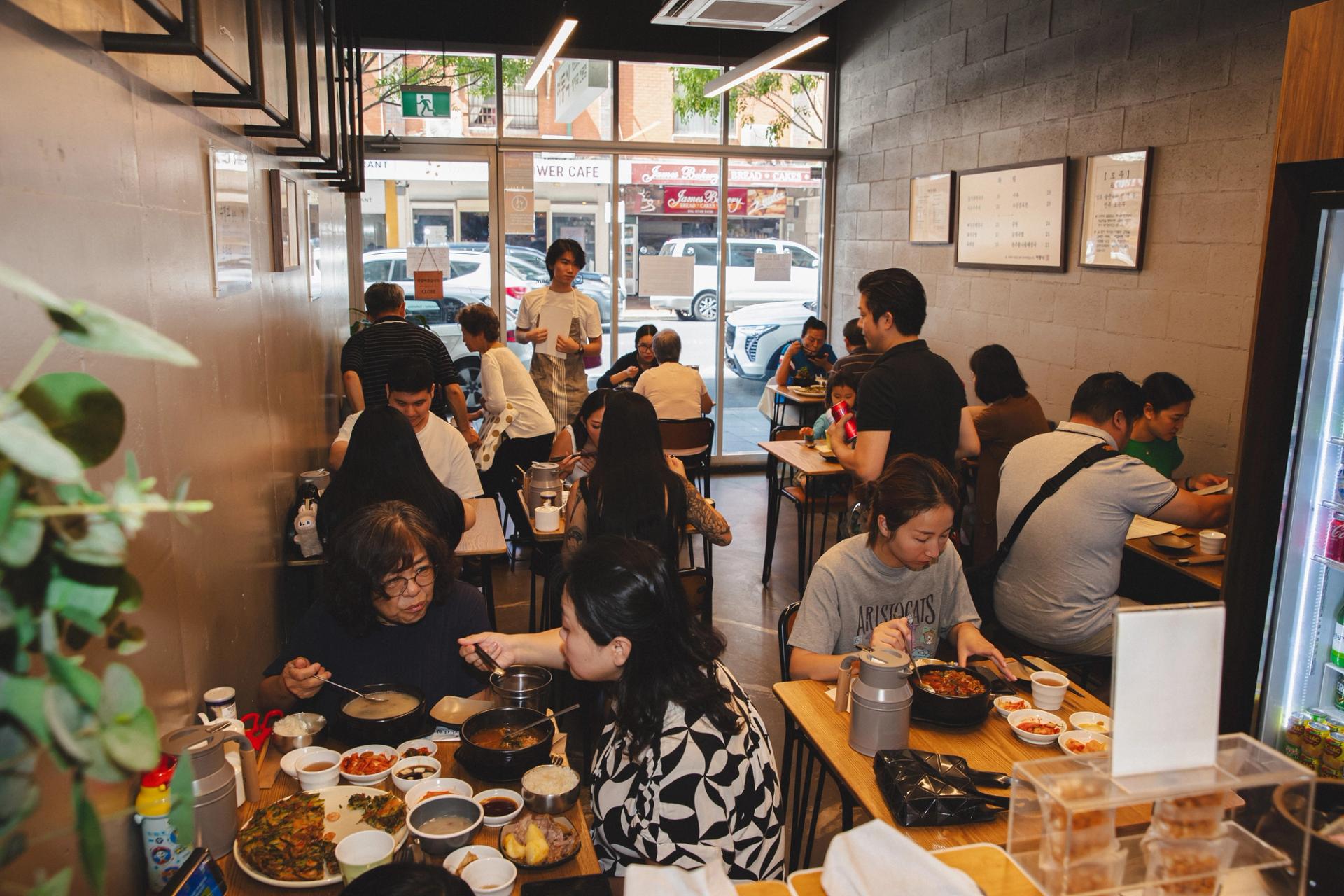
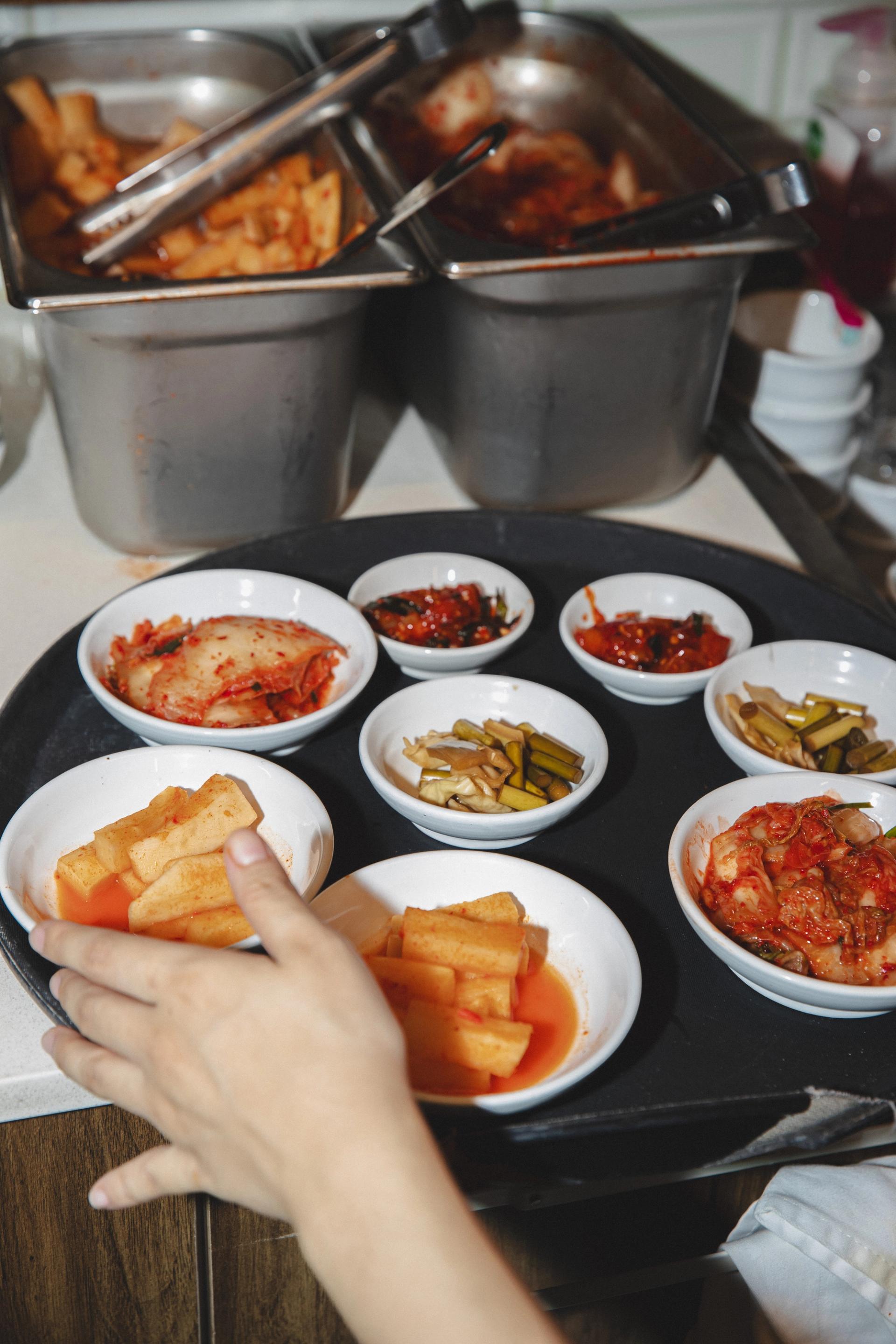
Yeodongsik has a big reputation for its Korean hangover soups – and the crowds that patiently queue for them are also large. But Justin Shin’s original restaurant in Western Sydney’s Lidcombe (recently relocated to Eastwood) was rather compact: there was room for just 25 seats and the menu was even smaller: just 11 items long. Staff entering from the back encountered a hallway lined with ingredient-filled pots; maybe they’d wriggle past a vat of cooling pork-soup base, beansprouts or salted cabbage. When they get to Yeodongsik’s dining room, they’d step by the kimchi refrigerator, designed to preserve pickled cabbage leaves for up to 3 years. ‘Every Korean home has one,’ Shin says of the appliance.
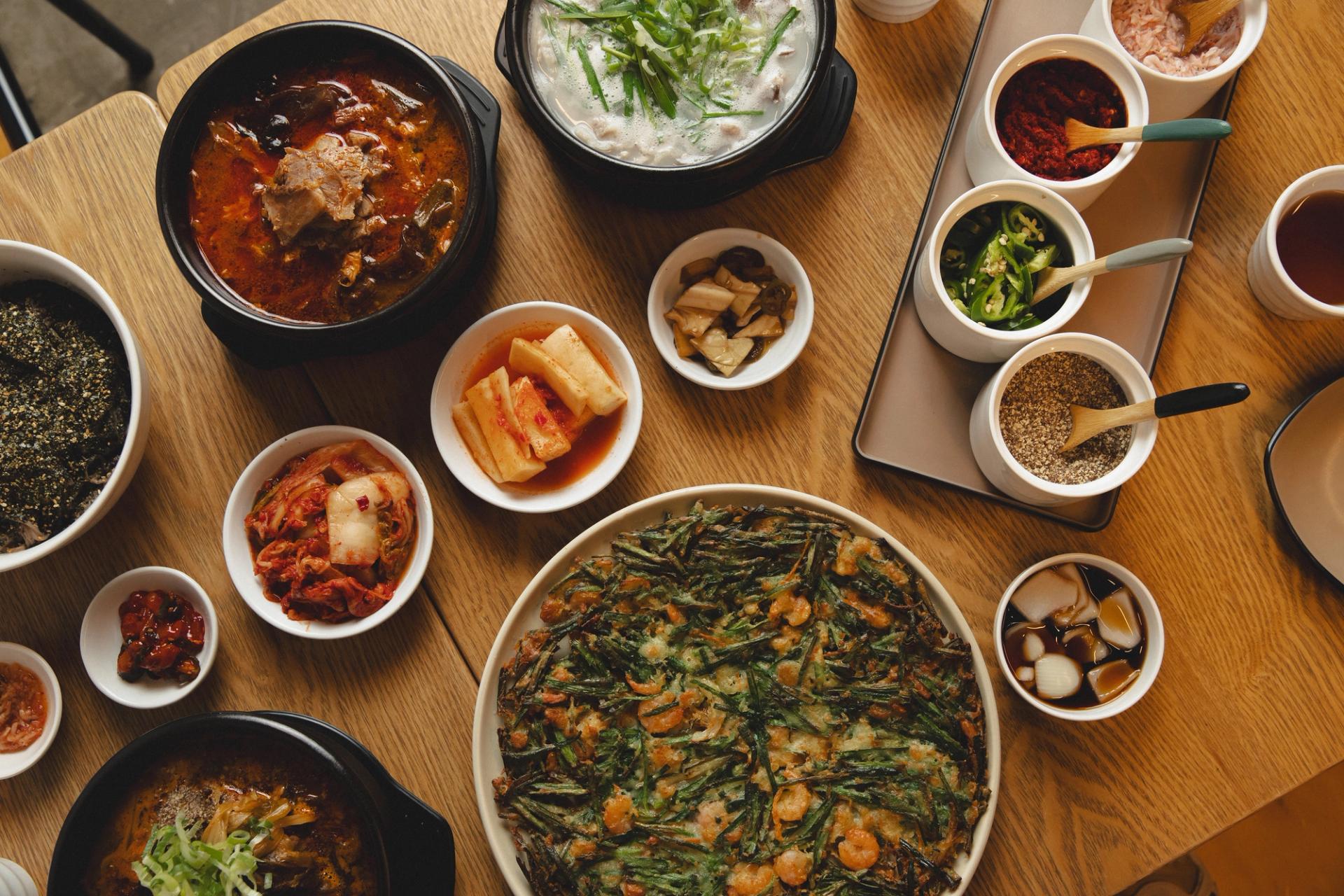
Traditionally, kimchi was aged and buried in Korean clay pots called onggi; now these specialist fridges allow families to conveniently ferment a staple that’s nourished Korean appetites for 3000 years. At Yeodongsik, plates of this chilli-spiced cabbage will end up on your table with a vivid row of other complementary banchan (side dishes).
Running a restaurant can be tough and when Shin arrived in Sydney as a 13-year-old from Seoul, such gruelling work wasn’t what compelled him here. In fact, Australia had the opposite appeal. ‘Mum told me that you don’t have to study like in Korea,’ he says and laughs.
Once his student days were done, he was meant to return to his birthplace. Instead, he stayed. Shin spent 18 years working in a 5-star Sydney hotel – and his career might’ve continued on that track, had the pandemic not severely shaken up the travel industry.
‘When it happened, COVID, there was only one guest in the hotel, but we still had to go to work,’ he says. ‘I couldn’t see a future [where] it was going to come back as normal. I thought, I better change my job. That’s why I started selling soup.’
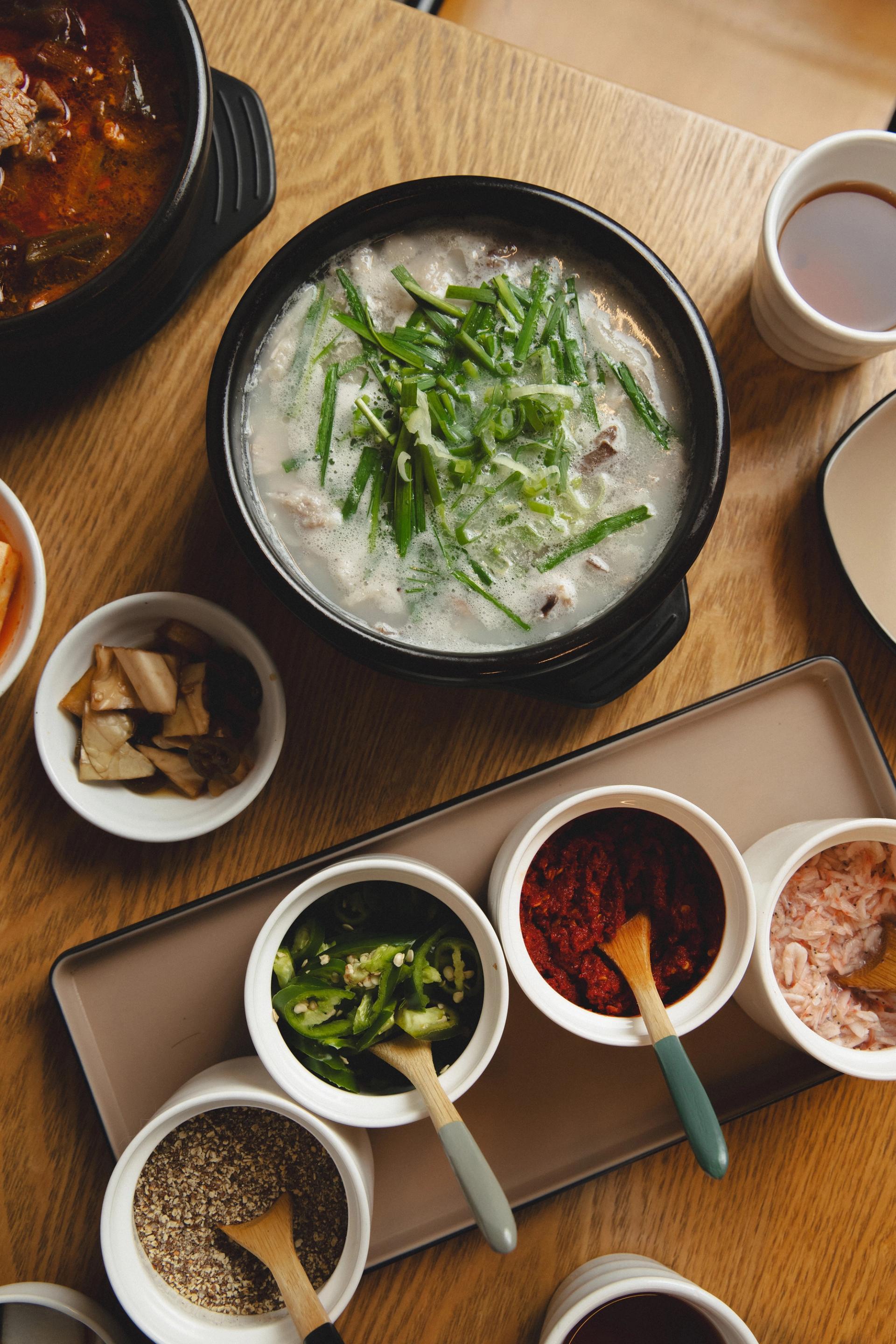
He used Instagram to market and attract orders for his haejang-guk. Translated, this name means Korean hangover soup, but no boozy pregaming is required to enjoy this staple.
‘People think haejang-guk is [just] a hangover soup. But like a meat pie, we can eat [it] any time. I think this is the first Korean fast food: it’s already cooked.’
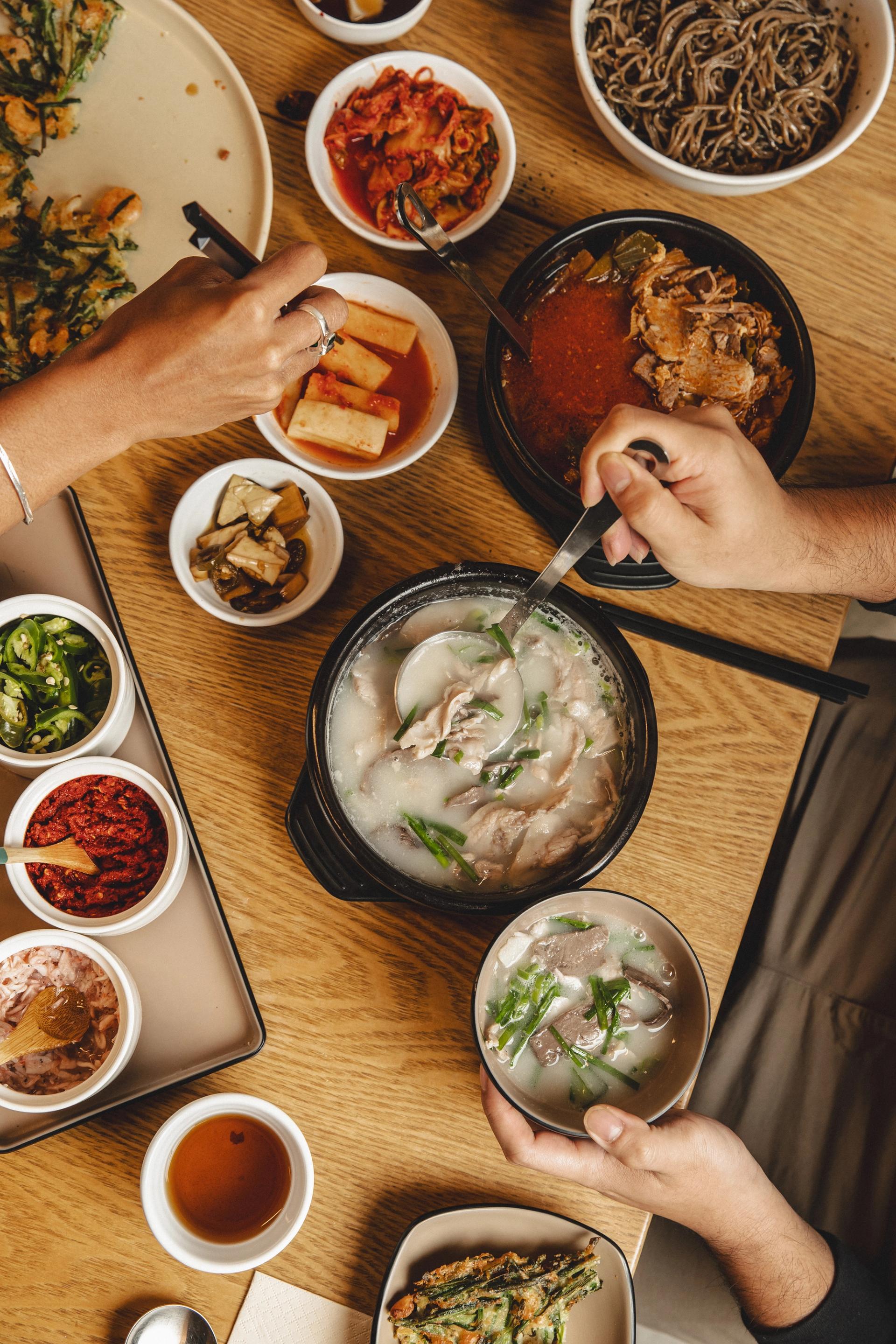
A speedy reheat makes it widely accessible and convenient. ‘Everyone can eat the soup in a short time because in Korean culture we have [this notion called] ppalli ppalli: quickly, quickly. People prefer [to] eat as fast as we can’, says Kristene Park, Shin’s wife.
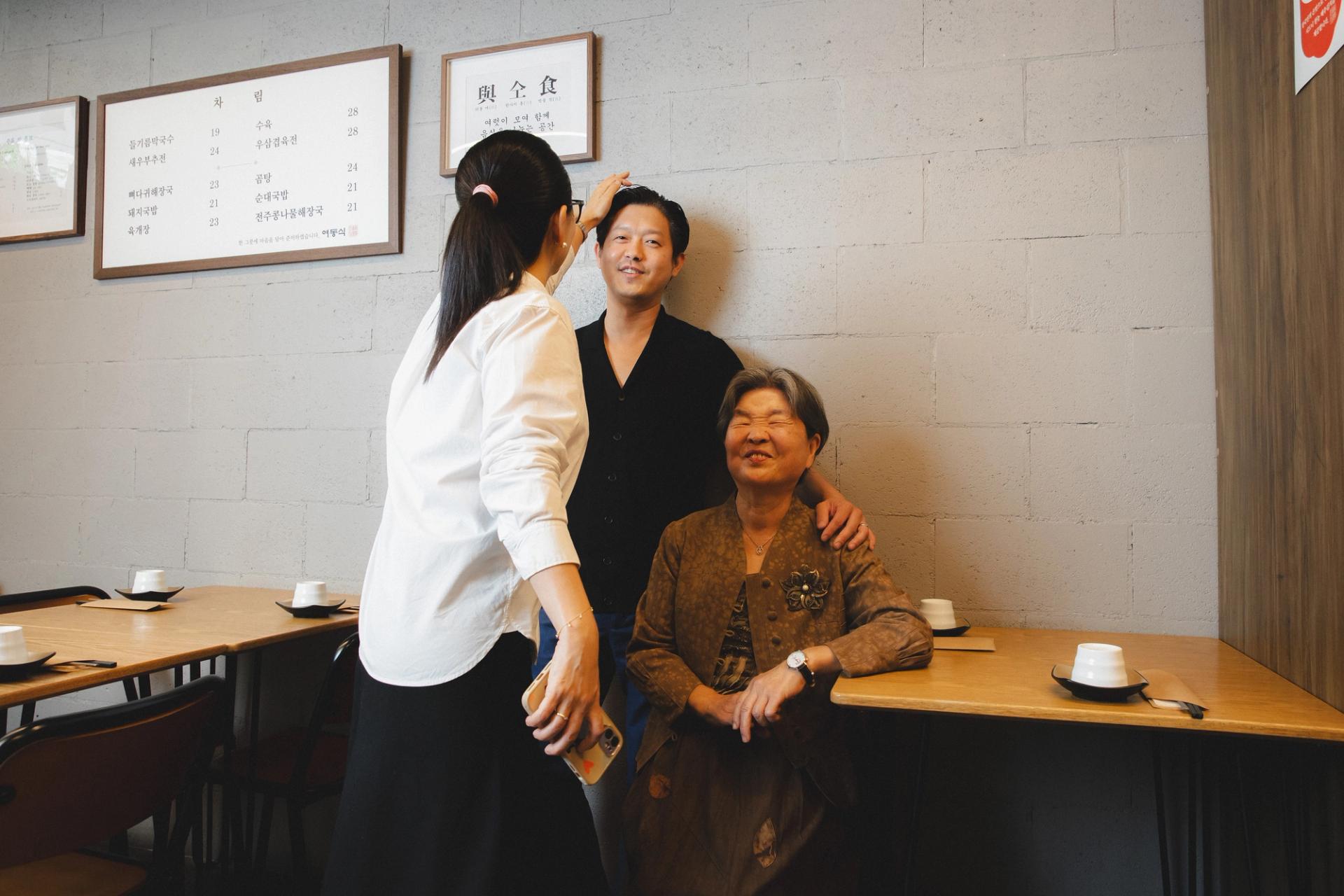
Kristene’s mother, Won Moon, was living with the couple during one of the COVID lockdowns – and proved key to Shin mastering haejang-guk.
‘She’s really good at hangover soup,’ Park says. Her mum trained at a family member’s restaurant and her culinary skills even funded the overseas education of her 4 daughters (that’s how Park ended up in Sydney).
When Shin initially attempted haejang-guk, his abilities weren’t quite there. His daughter recognised it, too. ‘This is grandma-made, this is dad-made,’ she said, when tasting their different versions. ‘But a couple of months later, he gave her soup and she said, “Oh, it’s grandma’s soup.” And we laughed,’ Park recalls. ‘It was really impressive that his skill had reached [his mother-in-law’s level].’
When Shin began his Instagram-powered business in June 2021, his schedule was intense: morning cooking sessions backed with deliveries at night.
‘Sometimes I slept only one, 1–2 hours. Then I had to pack and send. Once I had to go to Canberra, because I missed the delivery guy,’ he says. That alone was a 6-hour driving mission. ‘And it was pouring rain,’ he says. Shin could barely see through the windscreen because the downpour was so relentless. ‘And I didn’t sleep before at all. I was so tired,’ he says. Afterwards, he still had to pick up Sydney orders and deliver them all.
Sometimes he was so exhausted, he forgot to turn the stove off: soup bones charred and turned black but ‘Lucky, there was no fire,’ Shin says.
Sometimes he slipped too much salt in soups. ‘Then he called, “Mum, mum, there’s an emergency. Can you come over here?”’ Park recalls.
These big-time errors haven’t happened since Yeodongsik transformed from an online business to a physical restaurant in 2023. Shin laughs and says he has disaster-preventing measures in place. ‘That’s why I put the camera in the kitchen.’
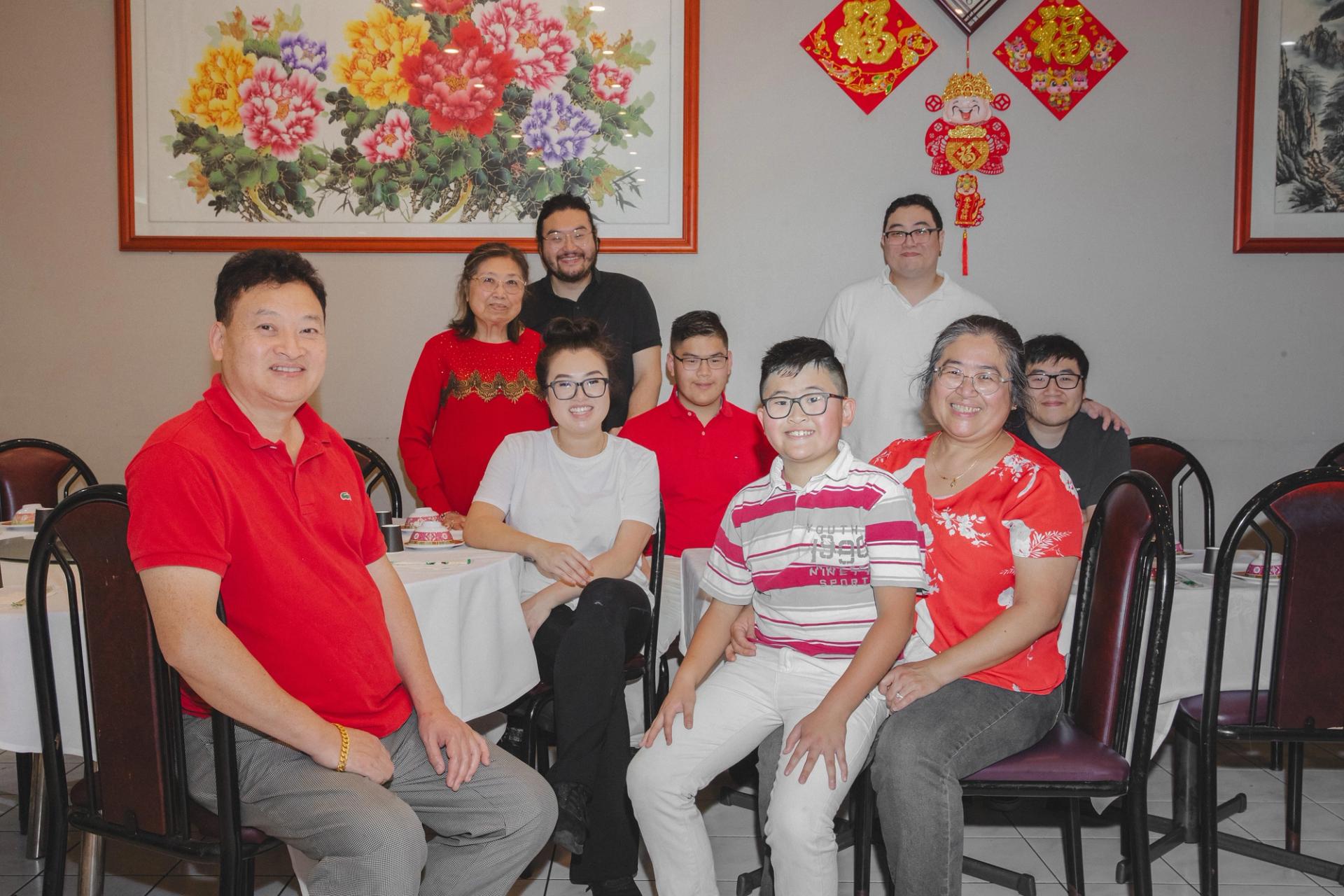
Yeodongsik: people gather in one place and eat food together
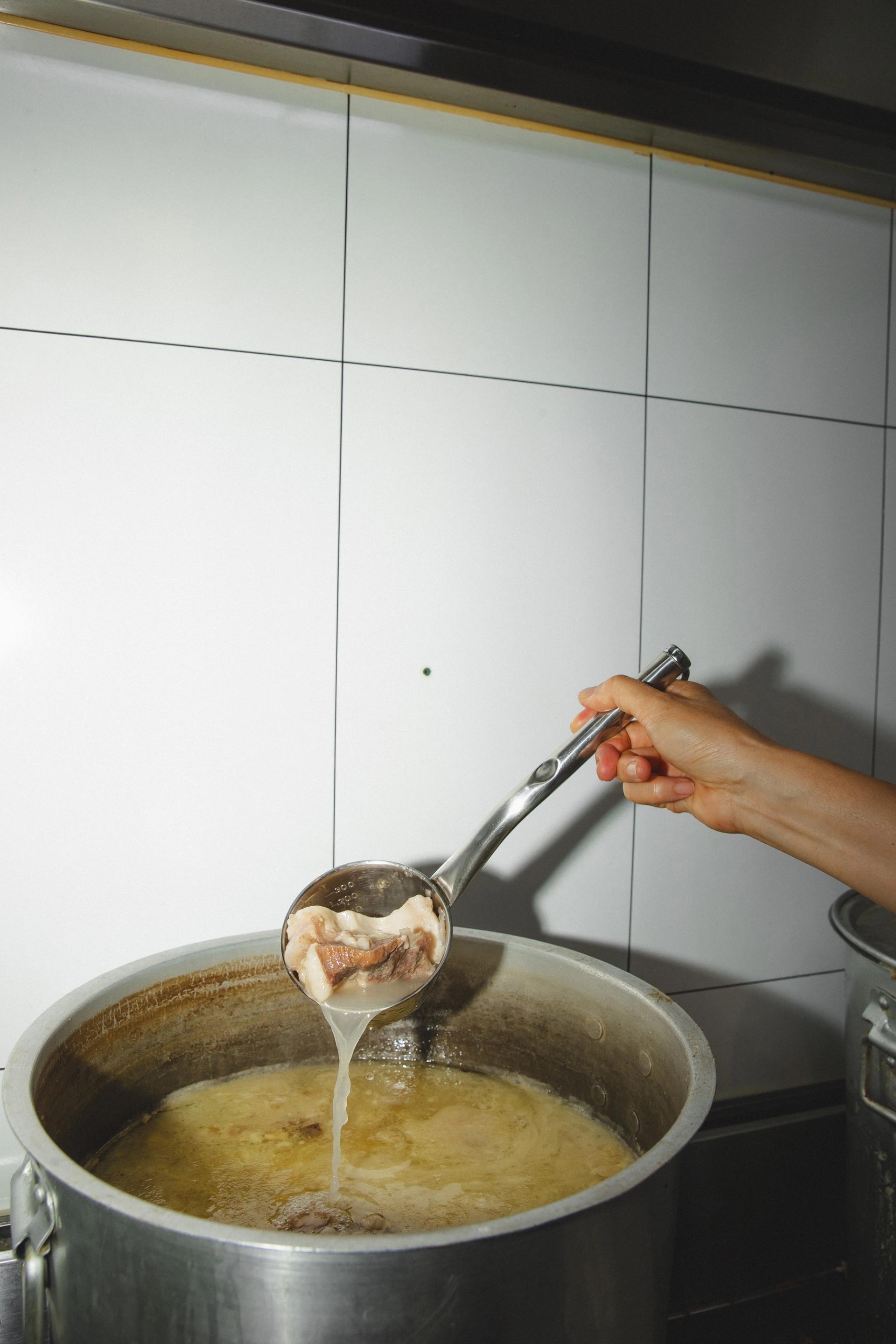
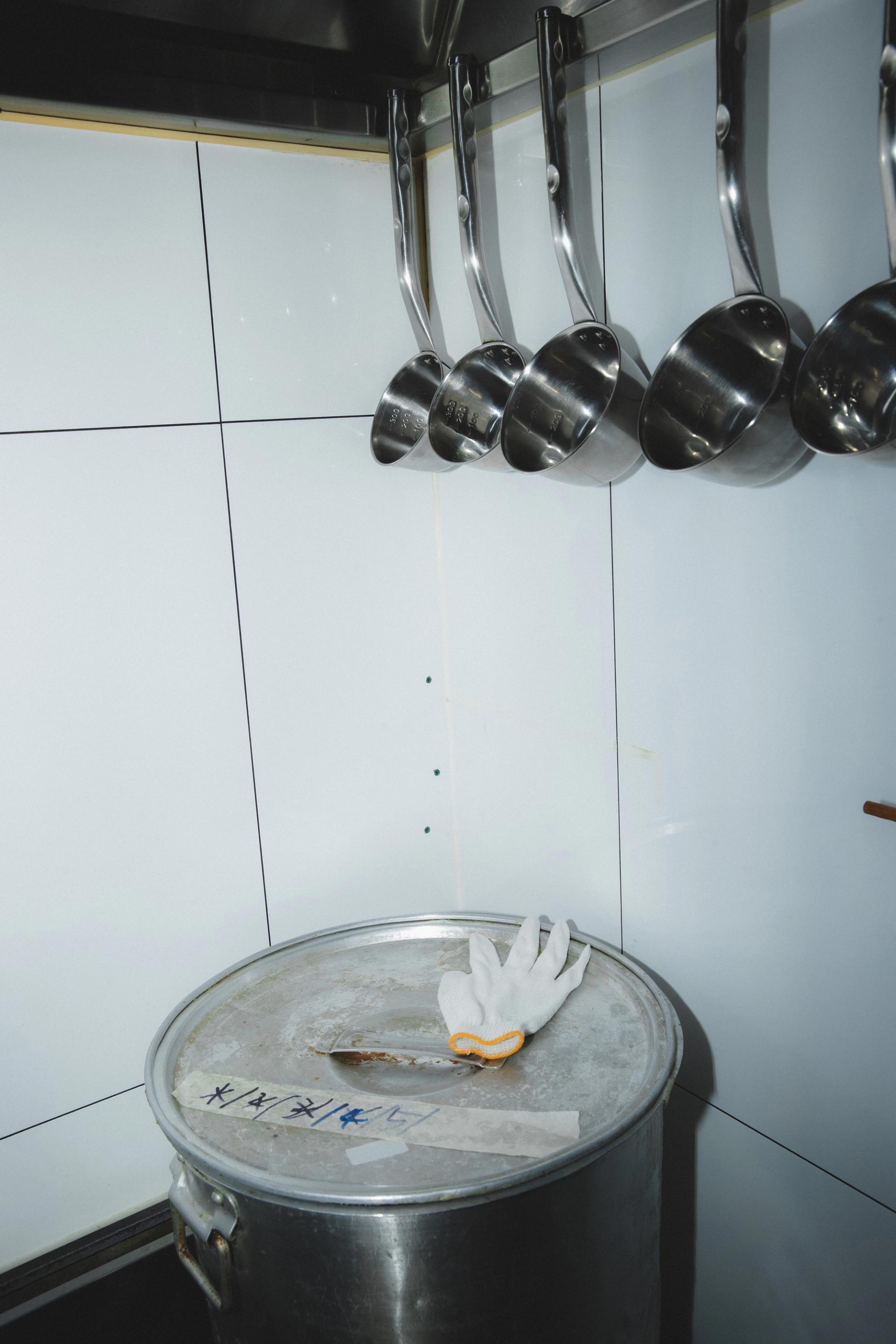
Nearby, hallway-stacked pots are filled with soup bases and ingredients. His stock alone can take 15 hours minimum to make. The ppyeodagwi-haejangguk (pork bone soup with cabbage) requires thorough washing and boiling of bones. Before cabbage is added, the leaves undergo a week-long preparation process. Sure, there’s an easier method. ‘But my mum perceived that this is the right way,’ Park says.
‘I was in Busan, South Korea. There’s a type of soup: dwaeji-gukbap (pork soup with rice). It’s very hearty. You add a bit of fermented shrimp sauce, pepper seasoning. I’d never seen anything like that before. Months later, I came to Yeodongsik and they had it on the menu. And it tasted very like, if not better, than the one I had in Busan.’
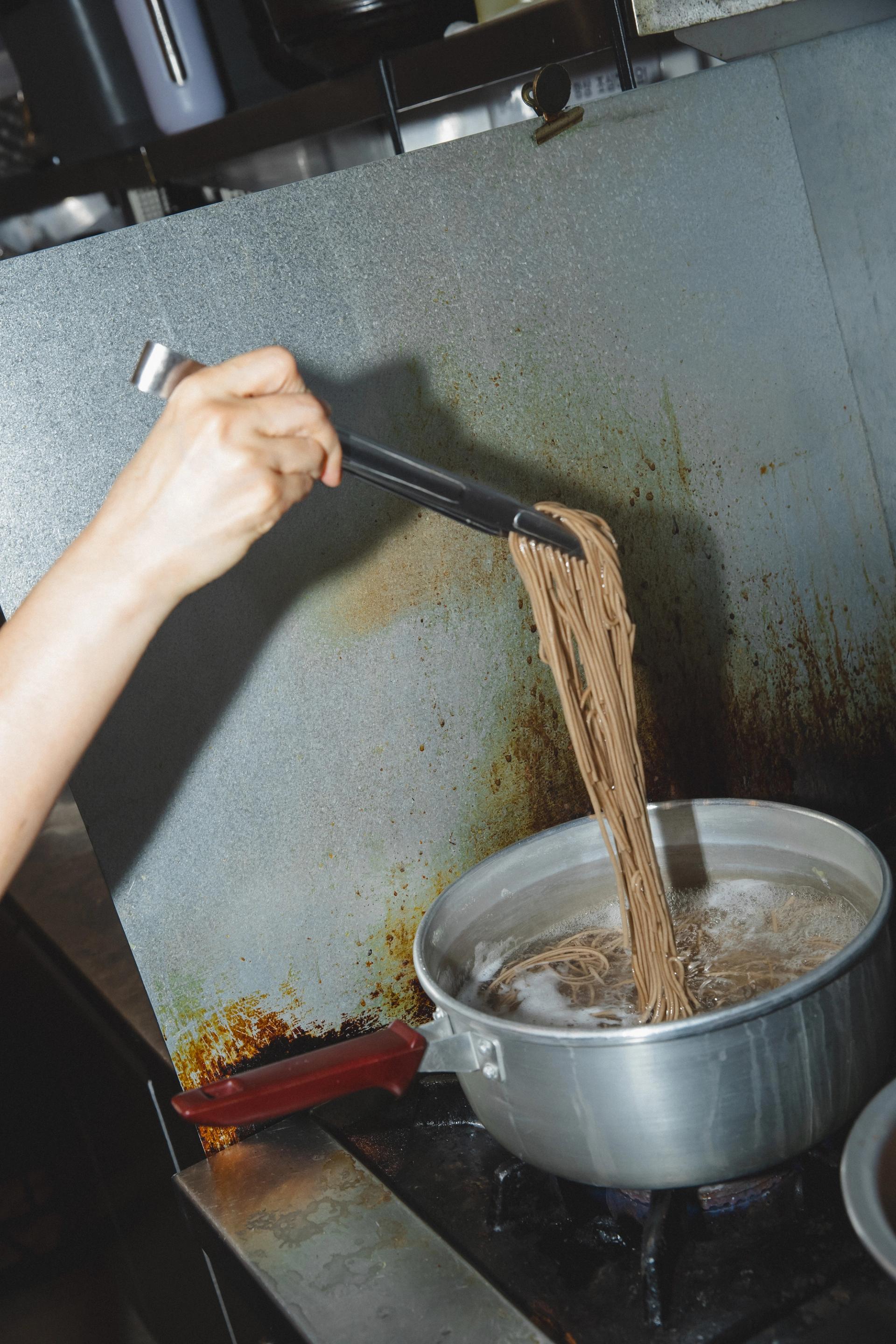
Yeodongsik’s popular buckwheat noodles, slick with perilla oil and crunchy with sesame and seaweed dust, is a more recent addition to Korean recipe books. It entered Shin’s menu as a summer-friendly delivery special. ‘When we opened the restaurant, it was just, uh, going crazy,’ he says. ‘We couldn’t keep it up, the sauce and everything.’
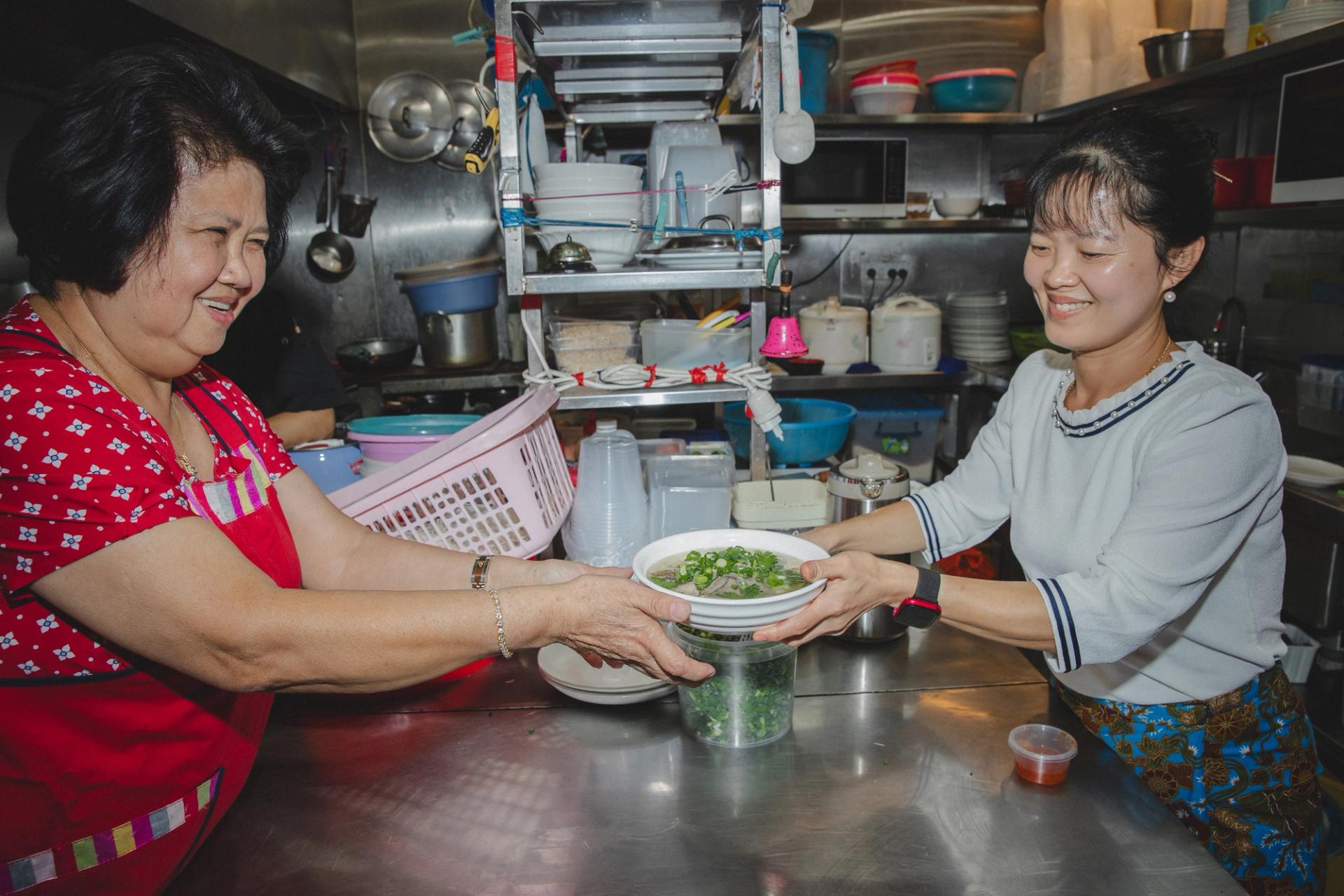
Even though the restaurant is only a few years old, it’s held together with meaningful connections. Two kitchen staffers are churchmates who’ve assisted Shin since his first Instagram order. A red-handled pot recalls a Korean trend of serving noodles on this particular pot’s lid. ‘Even my daughter, she’s seen lots of Korean dramas. She asked me to buy this because she wanted to try noodles with the lid. She thinks it’s a very Korean-style way to eat food.’
Yeodongsik’s meaning is exemplified by Shin’s generous way with diners: offering barley tea as they wait in line, or presenting them with prawn sauce, fresh-chopped chilli and perilla powder as he patiently explains how to customise their soup. The recent Australian Good Food Guide shortlisted him for its Service Excellence Award, alongside staff from hatted restaurants like Soul Dining and The White Horse. ‘I was very shocked that I got nominated,’ he says, especially as he sells ‘only $20 soup’ and his competitors were mainly from fine-dining establishments.
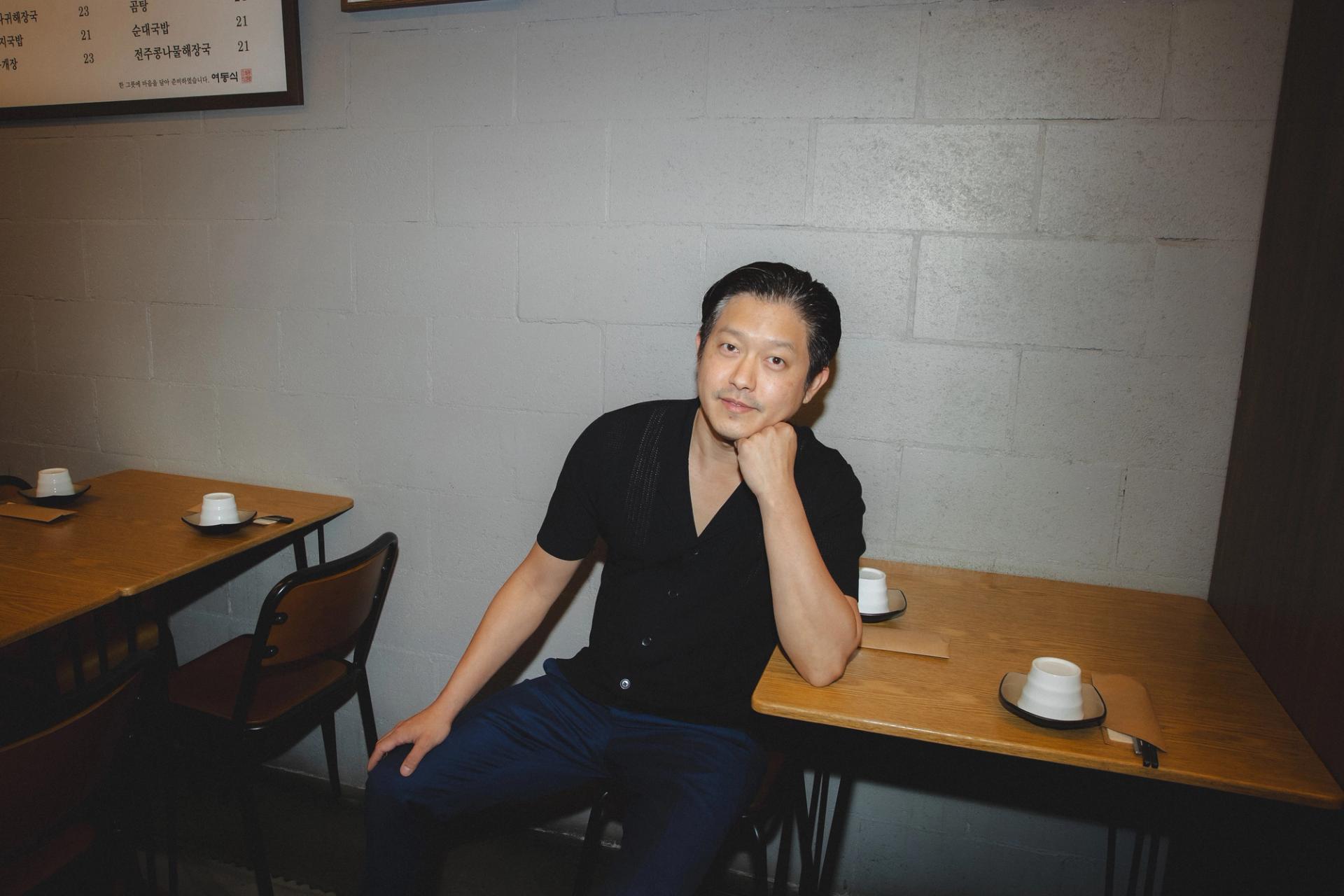
When I ask his mother-in-law for her reaction to this industry recognition, she talks expansively in Korean for nearly 5 minutes straight, clearly emotional and proud of his achievement. She recalls being both happy and sad for Shin when he revealed his oil-stained uniform for the kitchen job he took after his 5-star hotel job was done. ‘My son-in-law used to serve people with very high standards,’ she thought. But his acceptance of his career change inspired her and she backed him without reservation. Seeing how the public and restaurant critics have embraced Yeodongsik, she’s undeniably moved.
‘She’s very thankful to everyone [who gave] him this opportunity,’ Park explains. His mother-in-law wants people to continue encouraging him. Given the warm response to Yeodongsik, diners are undoubtedly happy to keep doing just that.
[When we visited Yeodongsik for these interviews it was located in Lidcombe and has since moved to Eastwood.]
About Family Business
Family Business celebrates the Chinese, Southeast Asian and Korean communities of Western Sydney through the intergenerational food stories and culturally significant objects of long-established, family-run restaurants.
Selected by Powerhouse Culinary Ambassador and chef Kylie Kwong and food content creator Kevin La, 11 community-loved eateries open their doors, and their histories, to writer Lee Tran Lam and photographer Nikki To, offering an intimate window into one of Australia’s most richly diverse culinary scenes.
Powerhouse Food
Powerhouse Food encompasses programs, partnerships and initiatives that support and amplify the food industry and community.