A Friend by the Front Door

A reductive eloquence.
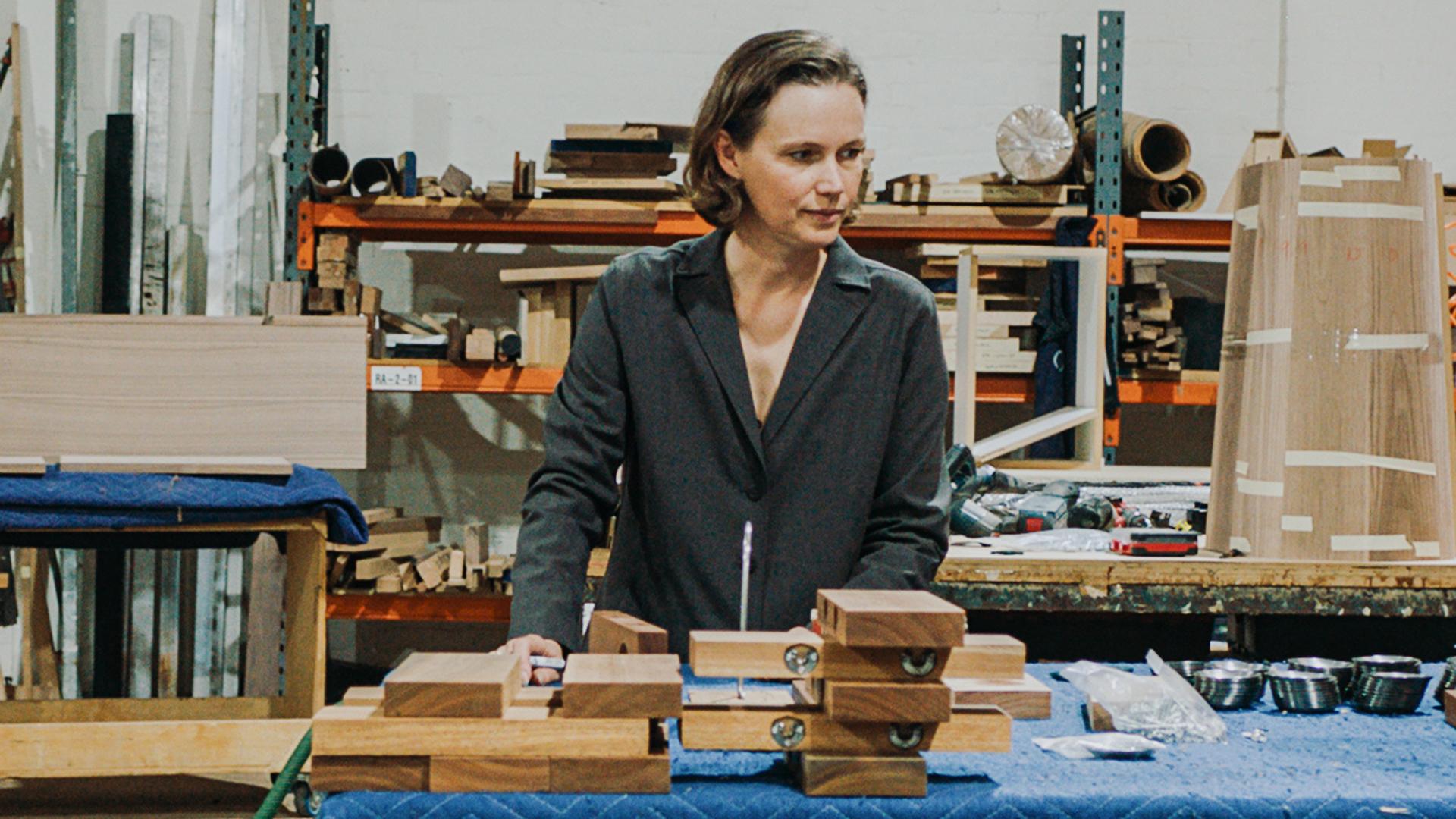
Olivia Bossy came to object design the way a lot of people find a second career: sideways, and slightly by accident. A graphic designer by training, after working in London for a decade, she returned to Sydney in 2017 and found herself with an apartment to furnish. So, she started designing pieces for her home, evolving an aesthetic – marked by an increasingly reductive eloquence – as she filled the space. It wasn’t until 2022, with her first proper collection, that she began thinking of design as something more than a private pleasure.
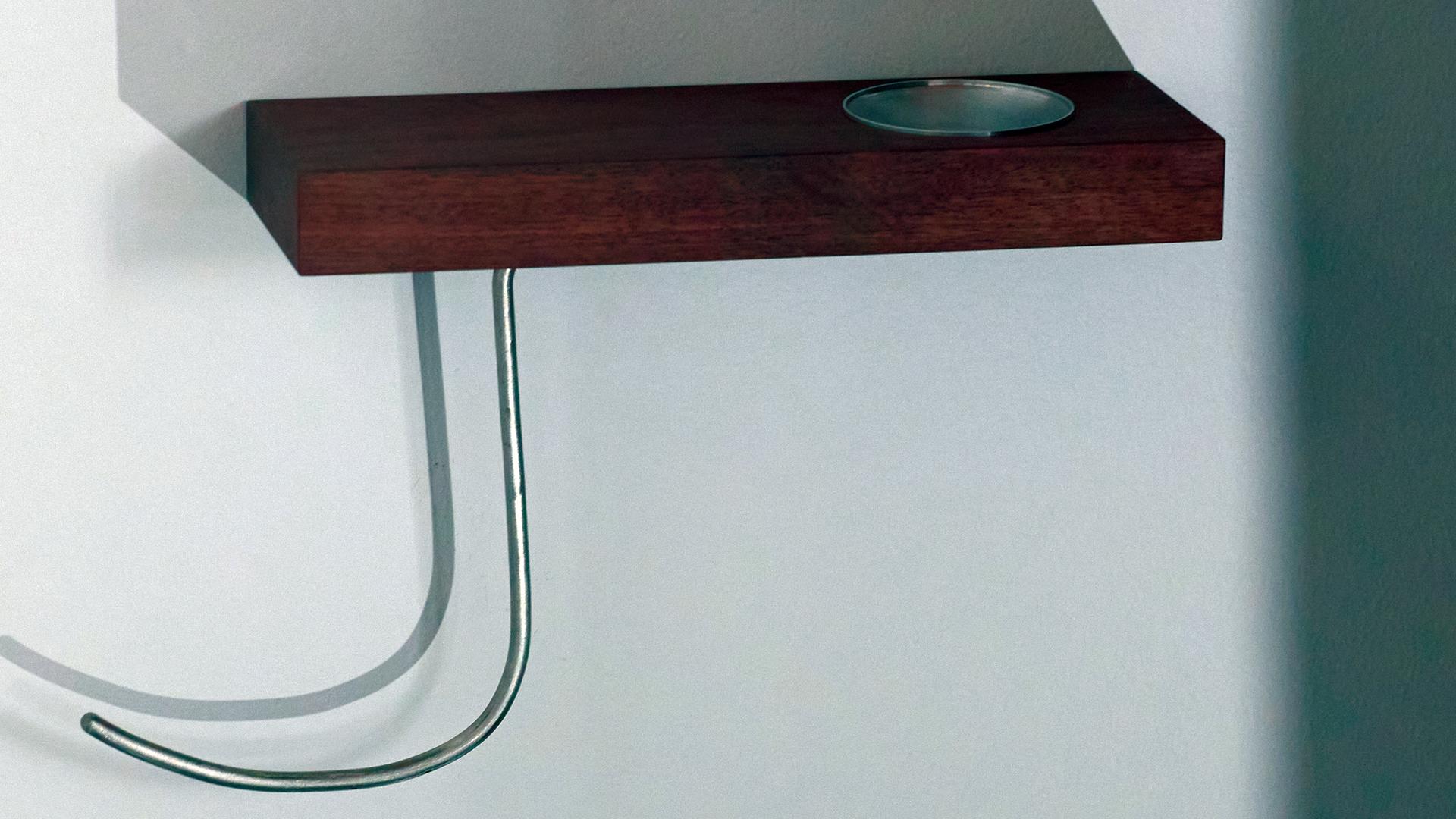
Front Door Friend III
Olivia Bossy’s ‘Front Door Friend III’ is available through Powerhouse Store
Olivia Bossy x Powerhouse Made™
Olivia Bossy is a Swiss-Australian artist and designer based in Sydney, working across furniture, lighting and interiors
Her piece for Powerhouse Made, a small wall-mounted catch-all she calls ‘Front Door Friend III’, grew out of a common domestic irritation: the entryway object nobody quite likes. Bossy’s parents have kept a lighthouse-shaped key-and-pocket-junk holder by their front door for years, and while she understood its appeal, she didn’t want cutesy greeting her guests. What she wanted was the same function – a place to offload whatever’s in your pockets when you walk in – rendered as something closer to a small sculpture that might evolve according to what it holds (or hangs).
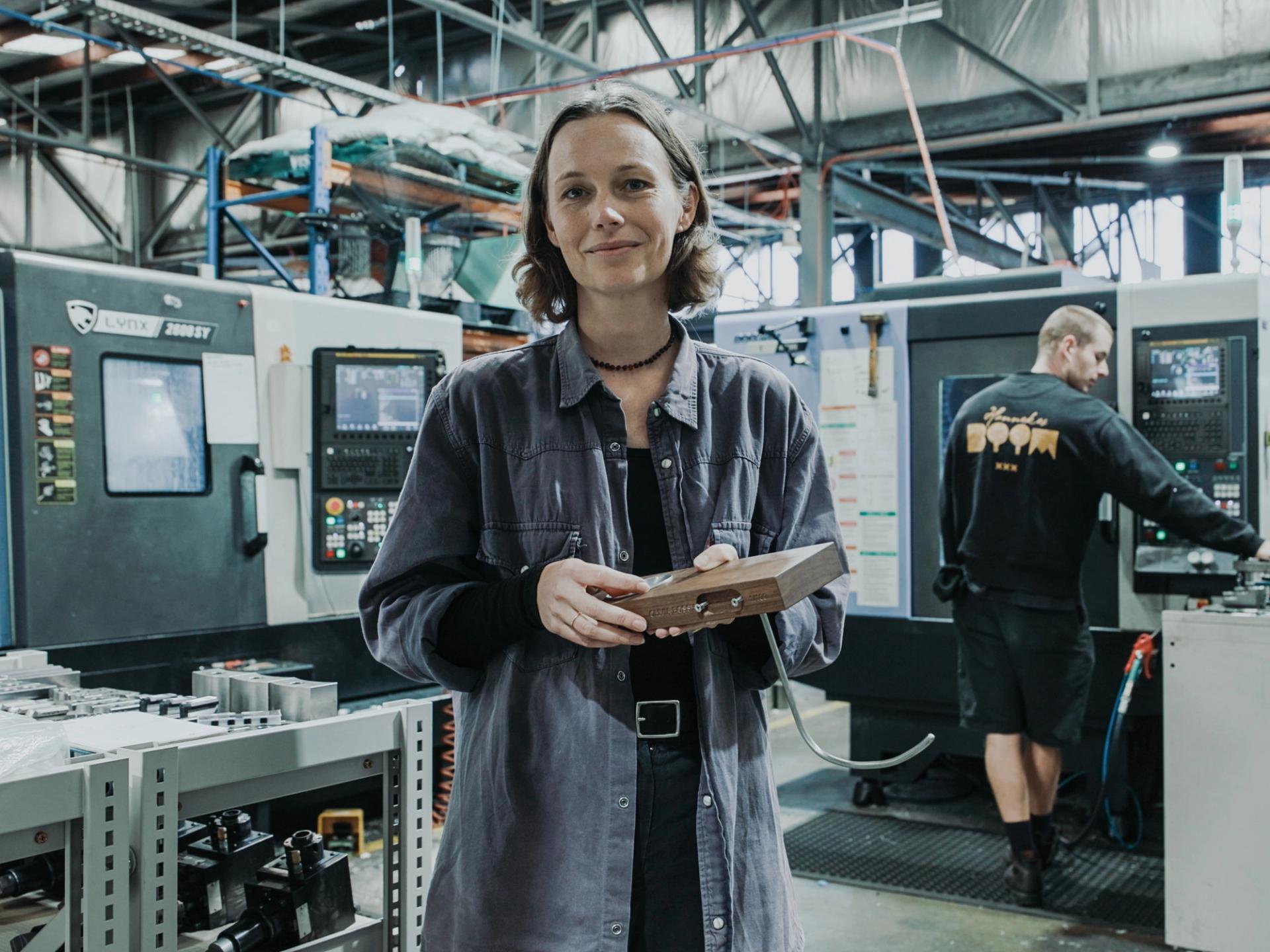
‘It’s an object that shouldn’t necessarily be defined – is it a sculpture, a useful instrument or just a conversation starter?’ she ponders.
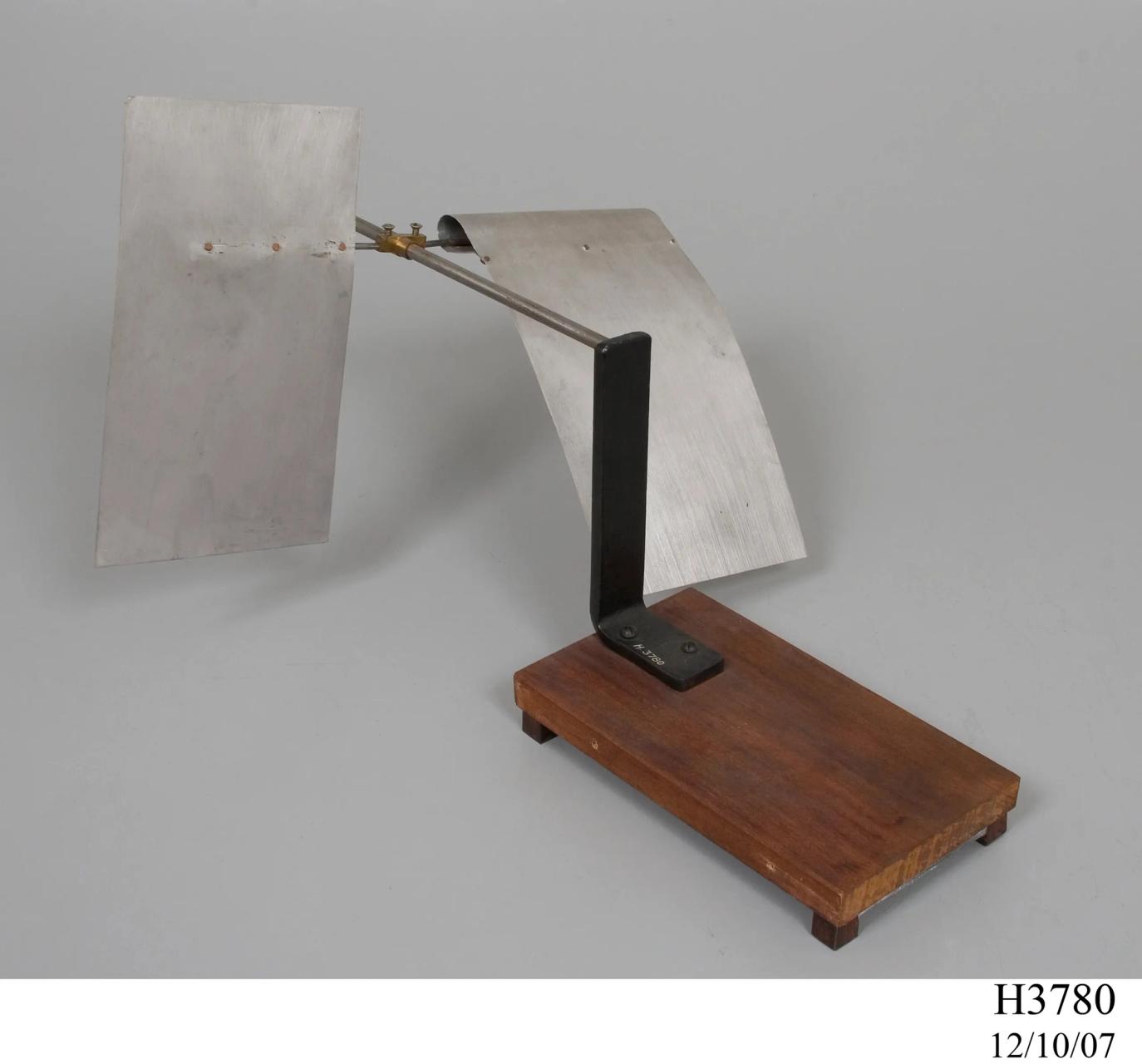
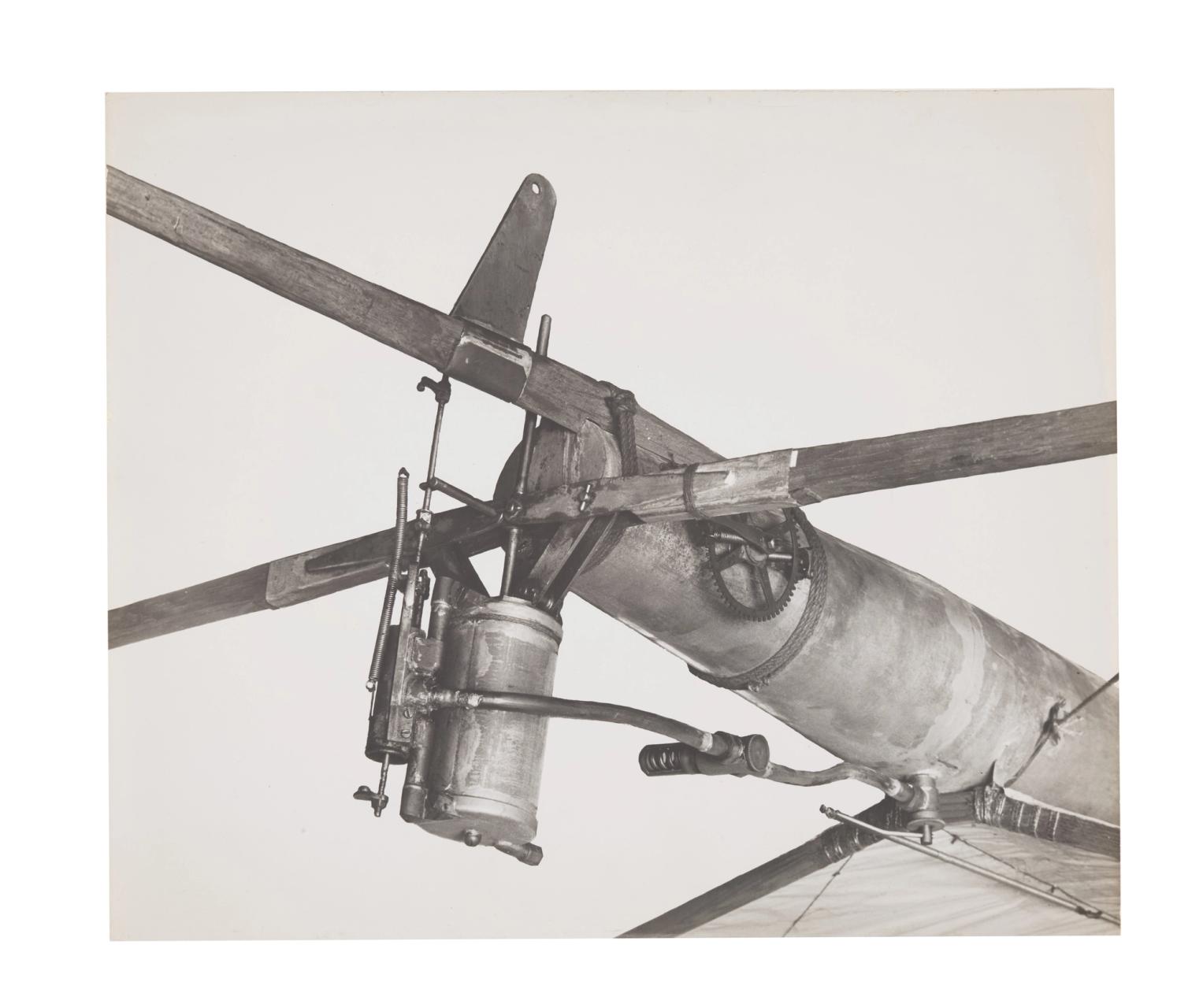
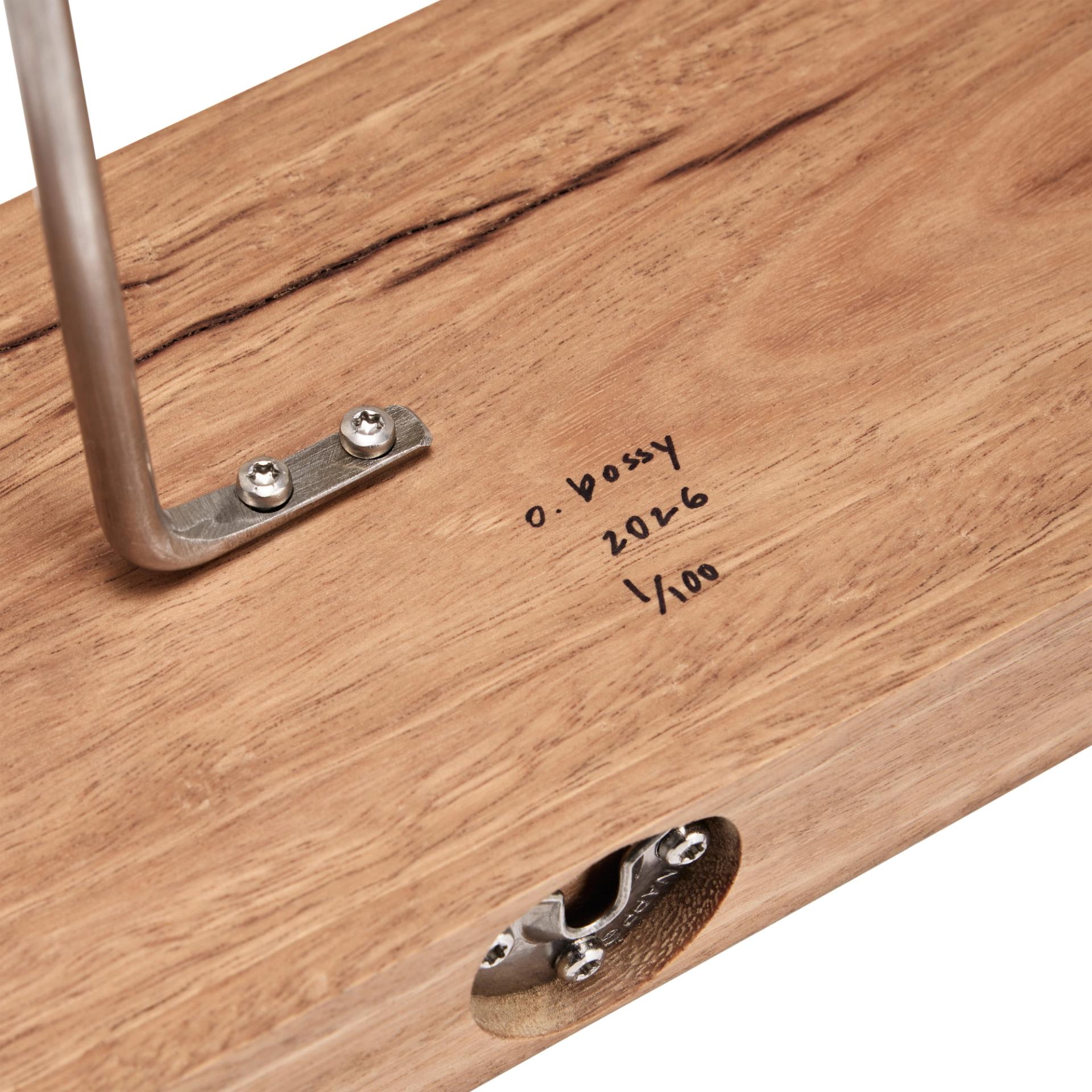
The direct influence on the final object was the work of Lawrence Hargrave – the famed late 19th century inventor of flying craft, whose maquettes are held in the Powerhouse Collection (opens in new tab). It’s a subtle citation rather than an obvious one: the slightly asymmetric curve of the hook, the placement of screws on the base, nuances that are traceable to the visual logic of Hargrave’s model-making rather than to any single artefact.
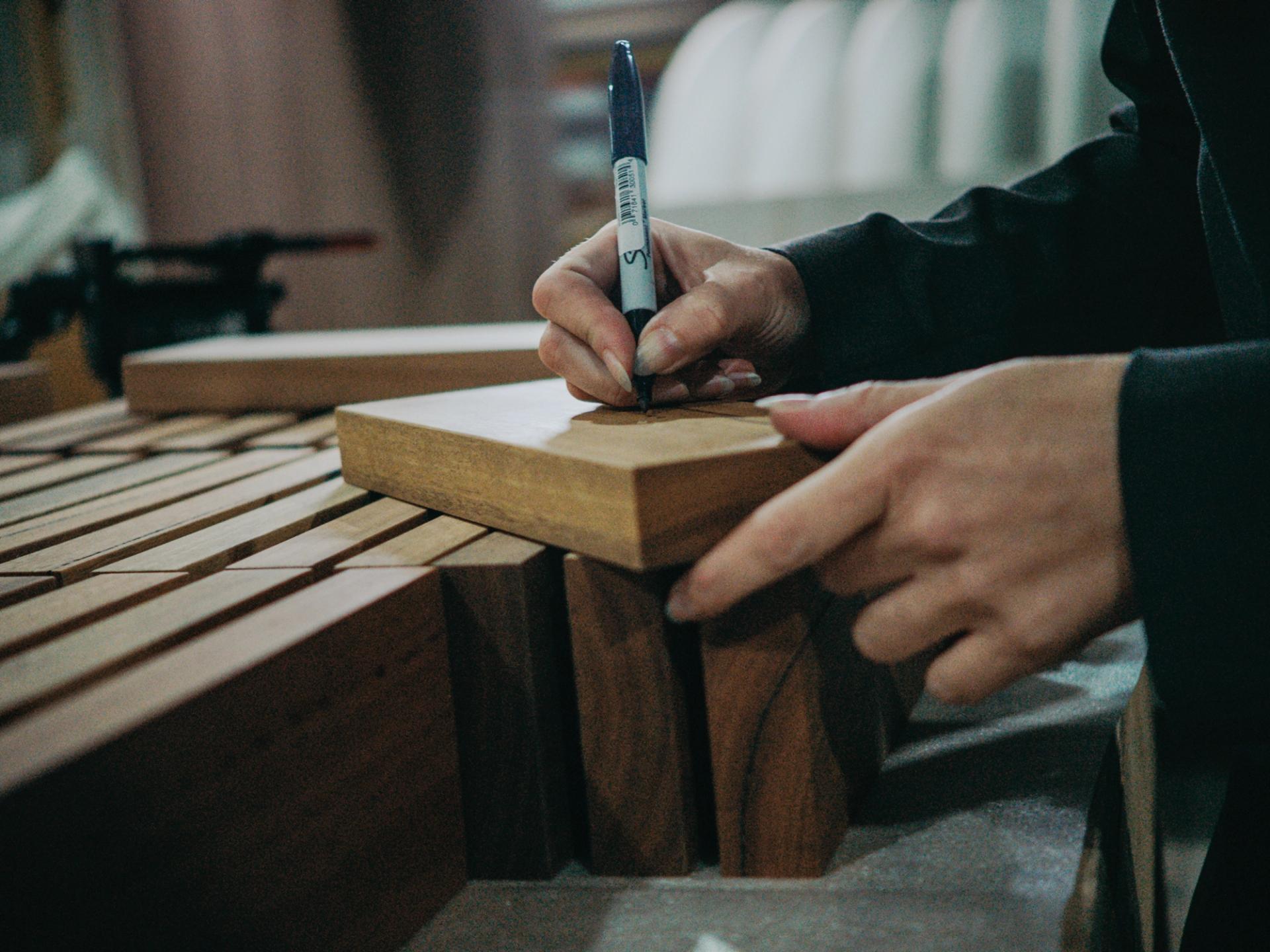
Each piece is based around a small chunk of spotted gum, sourced so that the grain varies noticeably from one to the next. While the Powerhouse Made product runs are significantly larger than her usual one-off or limited-edition logic, she wanted to ensure the pieces didn’t begin to feel mass-produced.
![Black and white photographic portrait of 2 men (left Lawrence Hargrave, right unknown] seated in garden in suits seated in a garden at Woollahra Point, New South Wales, Australia. The right bottom corner of the print is damaged and torn.](https://cdn.sanity.io/images/wkgts1b4/production/286212687d6e9902863a504e634cec83cb7d898d-3075x3004.jpg?w=1920&h=1280&q=75&fit=fillmax&crop=entropy&auto=format)
‘I love the fact that with spotted gum you can do an edition of a hundred,’ she says, ‘but each one will be its own thing and have its own personality.’
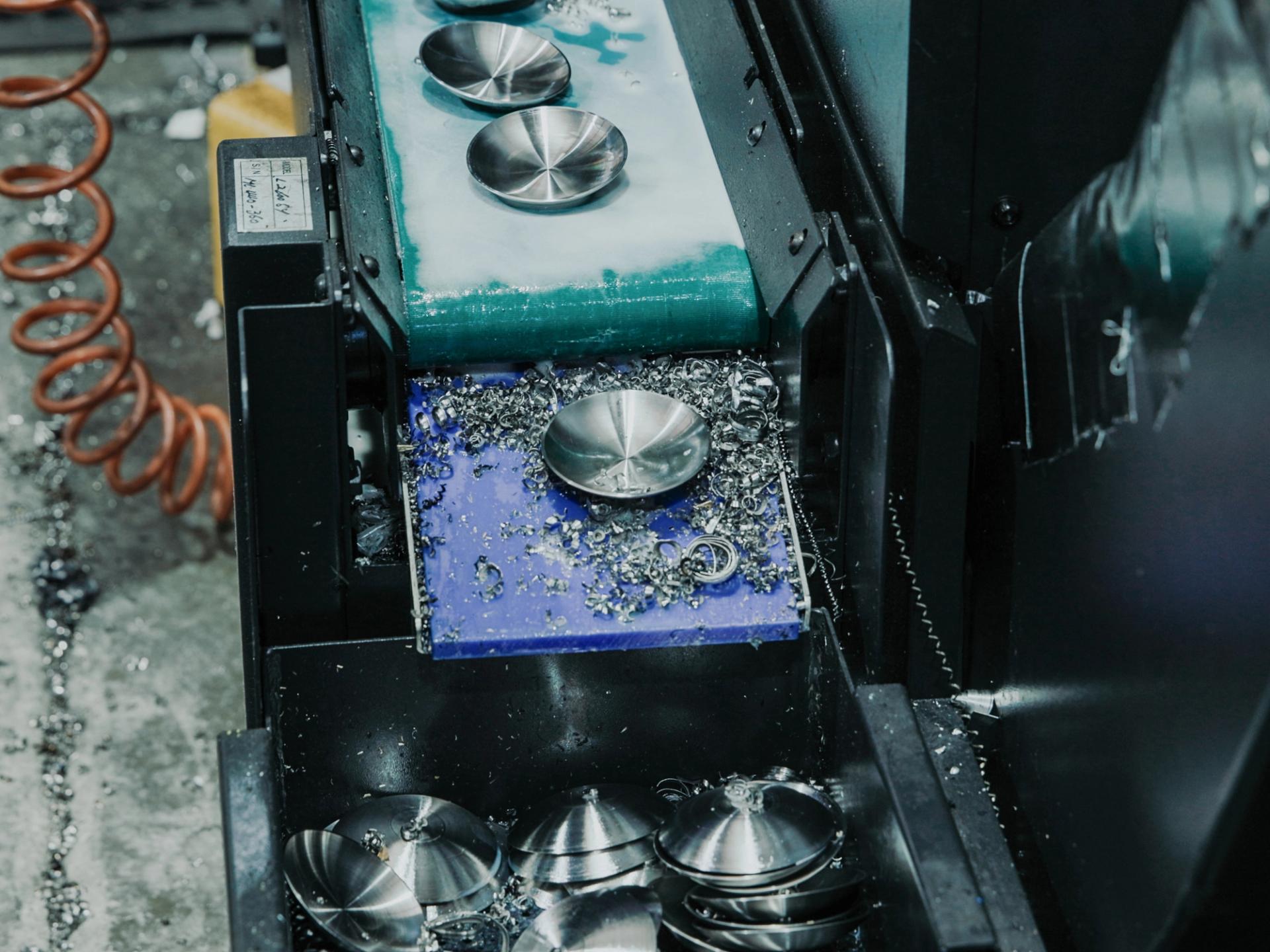
The dish and hook, originally planned in aluminium, ended up in stainless steel, chosen for its strength and longevity.
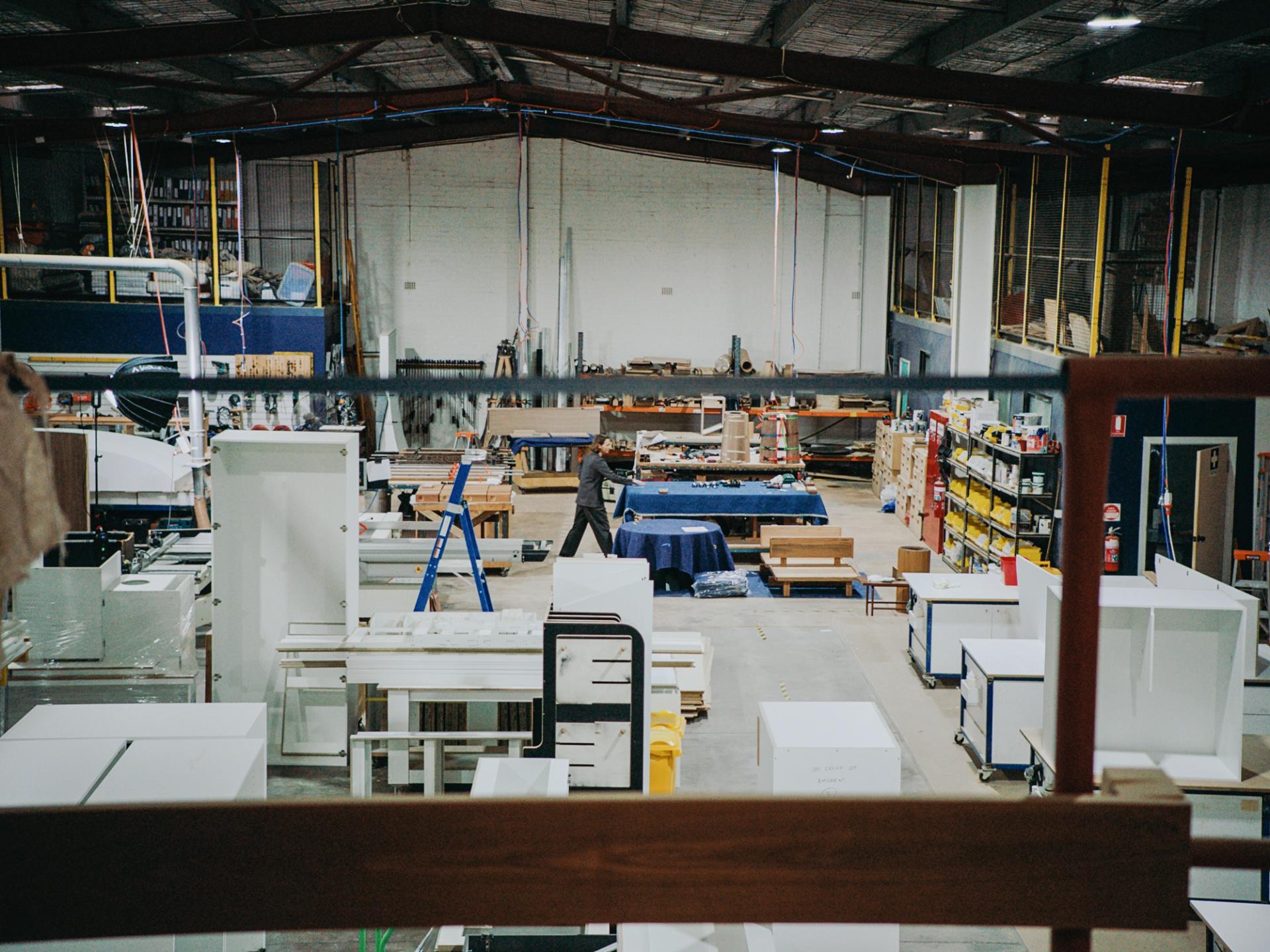
Each piece is fabricated by Cranbrook Workshop in Botany (NSW) and finished entirely by hand – brushed by whoever happens to be on the bench that day, which means the finish is deliberately inconsistent, evidence of more than one set of hands having passed over it. The timber gets nothing more than an Osmo oil, enough to protect it and lift the grain slightly, without changing its character.
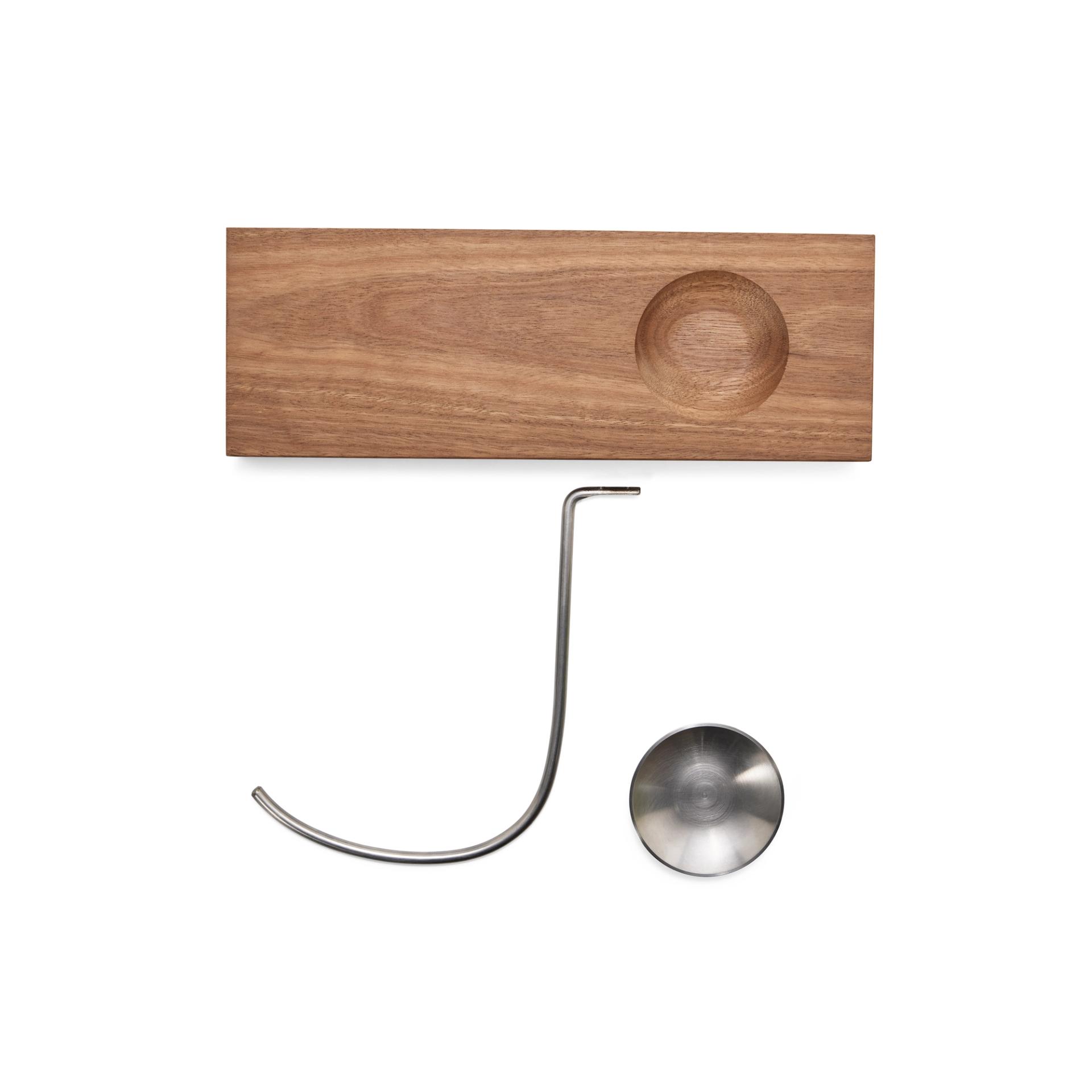
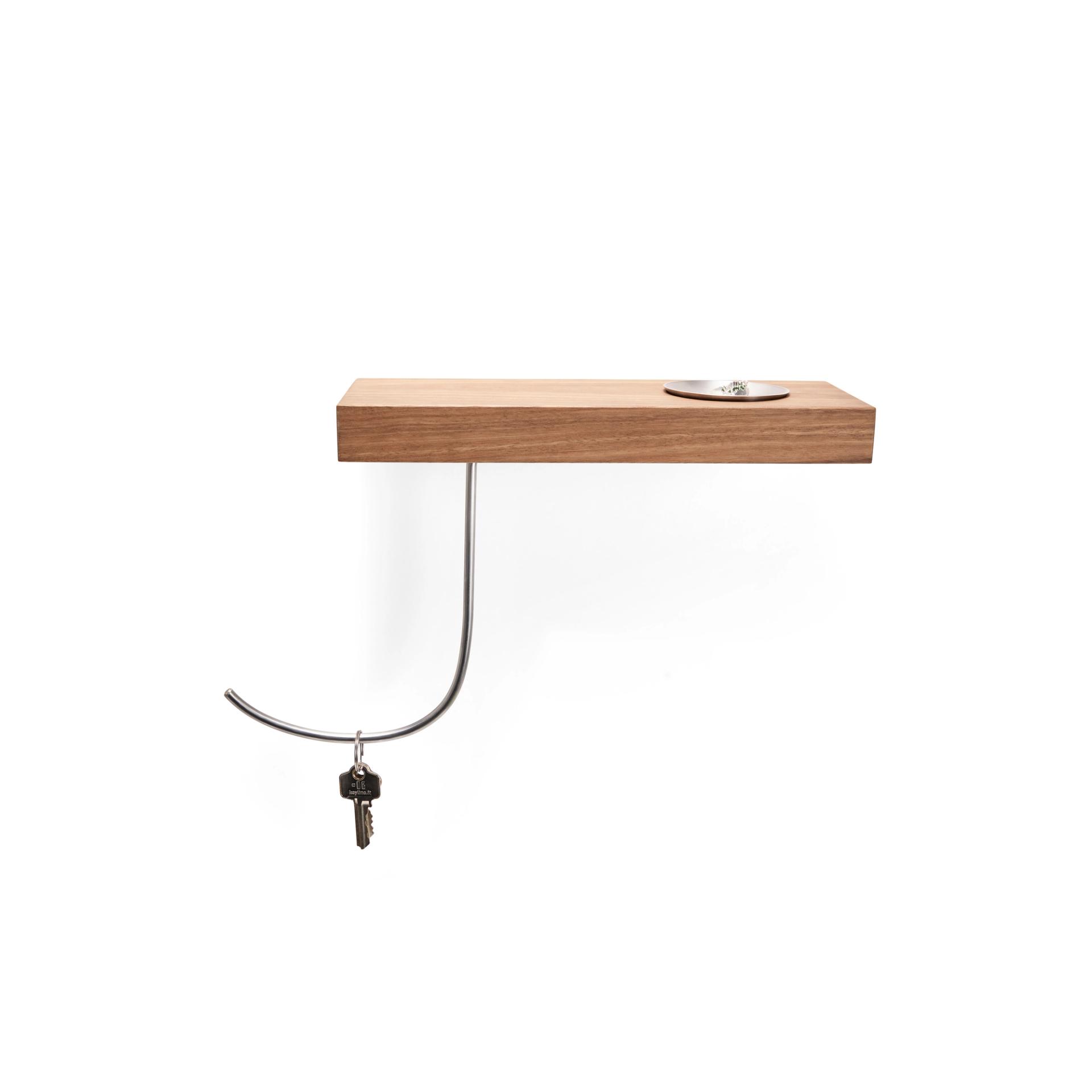
Bossy insists she ‘doesn’t want to dictate how people use it’. Keys, lolly wrappers, salt and spoons if that’s what it comes to – she’d rather see it in a loud, busy household, endlessly filled and emptied, than mounted as a static object nobody touches. Asked what she’d hope it says about her if found 200 years from now, she doesn’t reach for anything grand: just that someone cared enough to make it well and wasn’t willing to compromise on aesthetics.
‘I know that an object like this isn’t going to change the way you think, but I think if it creates a feeling, whatever that is, then that’s achieved something.’
Powerhouse Store
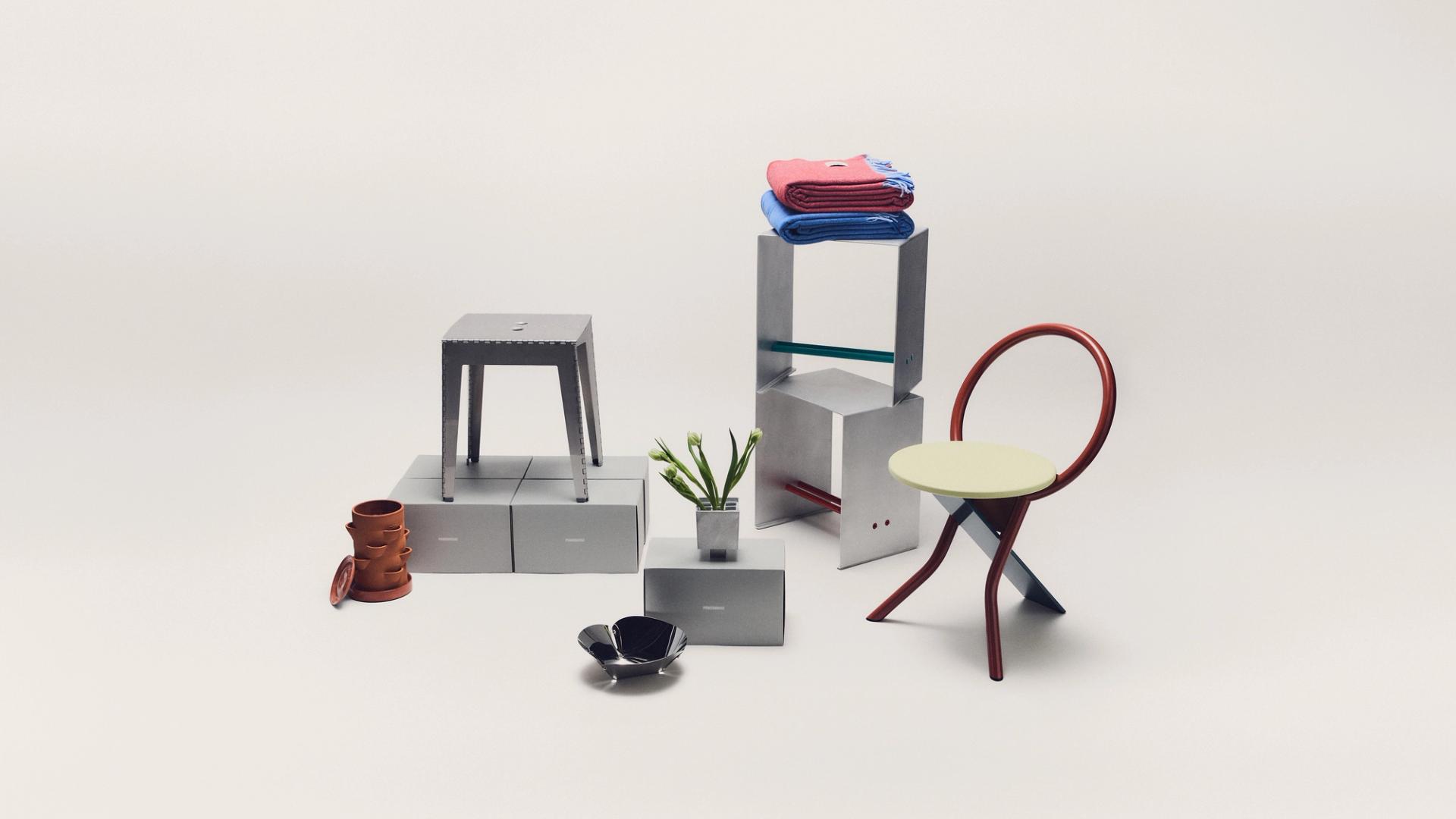
Powerhouse Made objects are available through Powerhouse Store, the museum’s retail platform. Every purchase supports Australian designers and makers and champions their creative practice.