From Archive to Artefact (Heart of Glass)

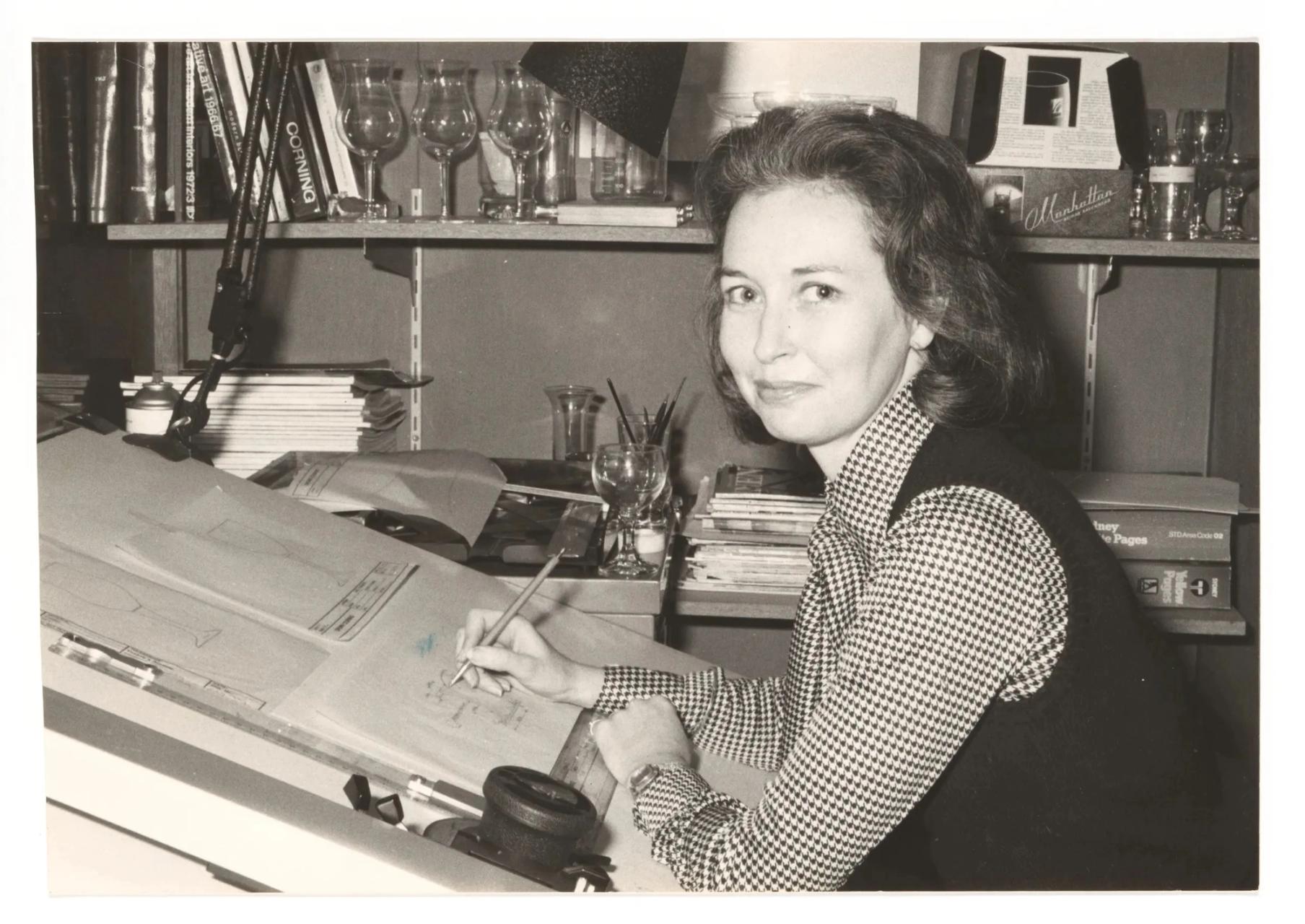
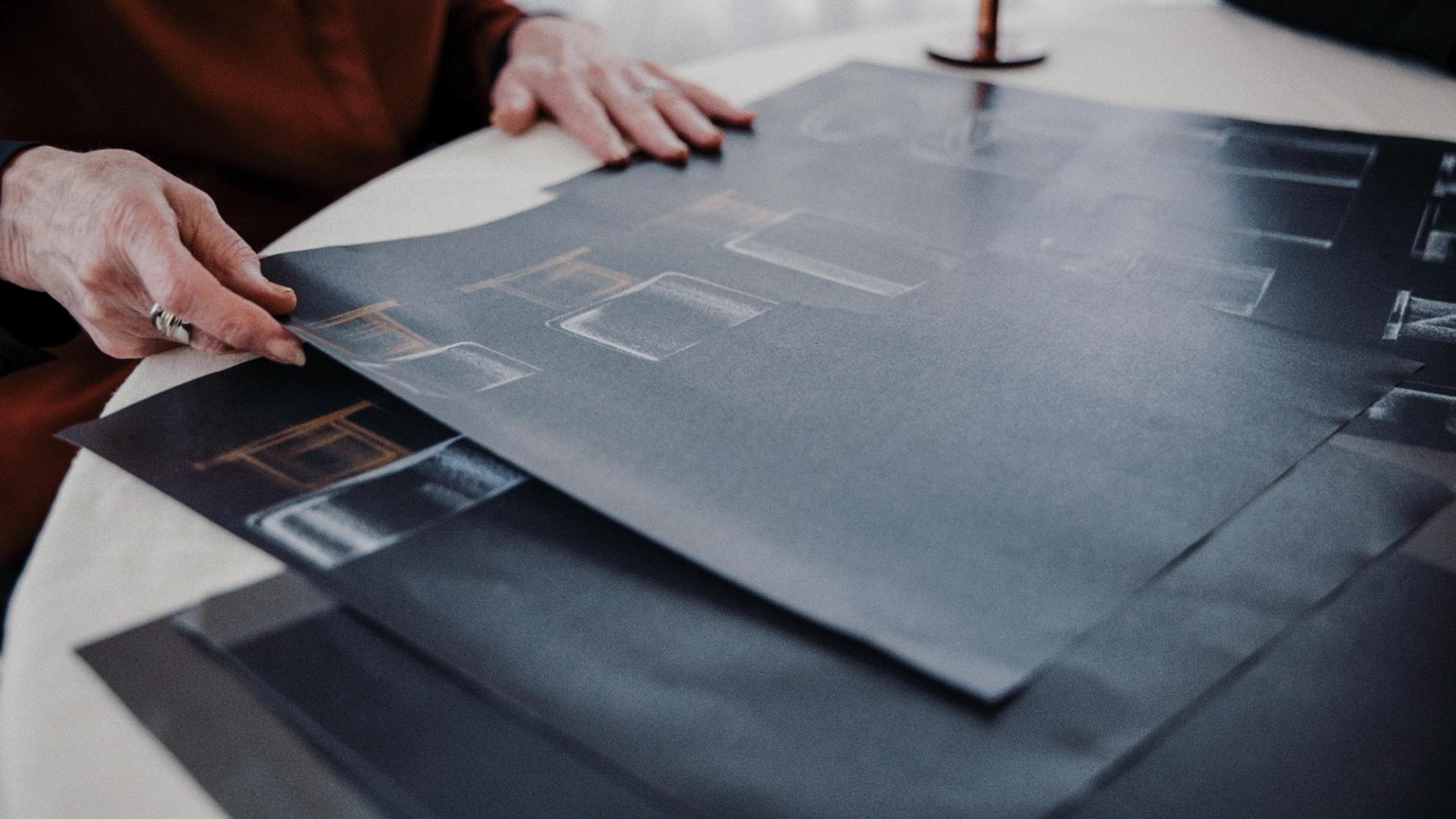
In 1976, Denise Larcombe sketched an innovative vessel she knew she couldn’t make. The young Australian industrial designer was working at Crown Corning Limited, designing drinkware for machine production at extraordinary speed – 40 to 60 glasses a minute. But this particular design was different. Its sculptural form, with an amber-coloured stem, belonged to the realm of fantasy.
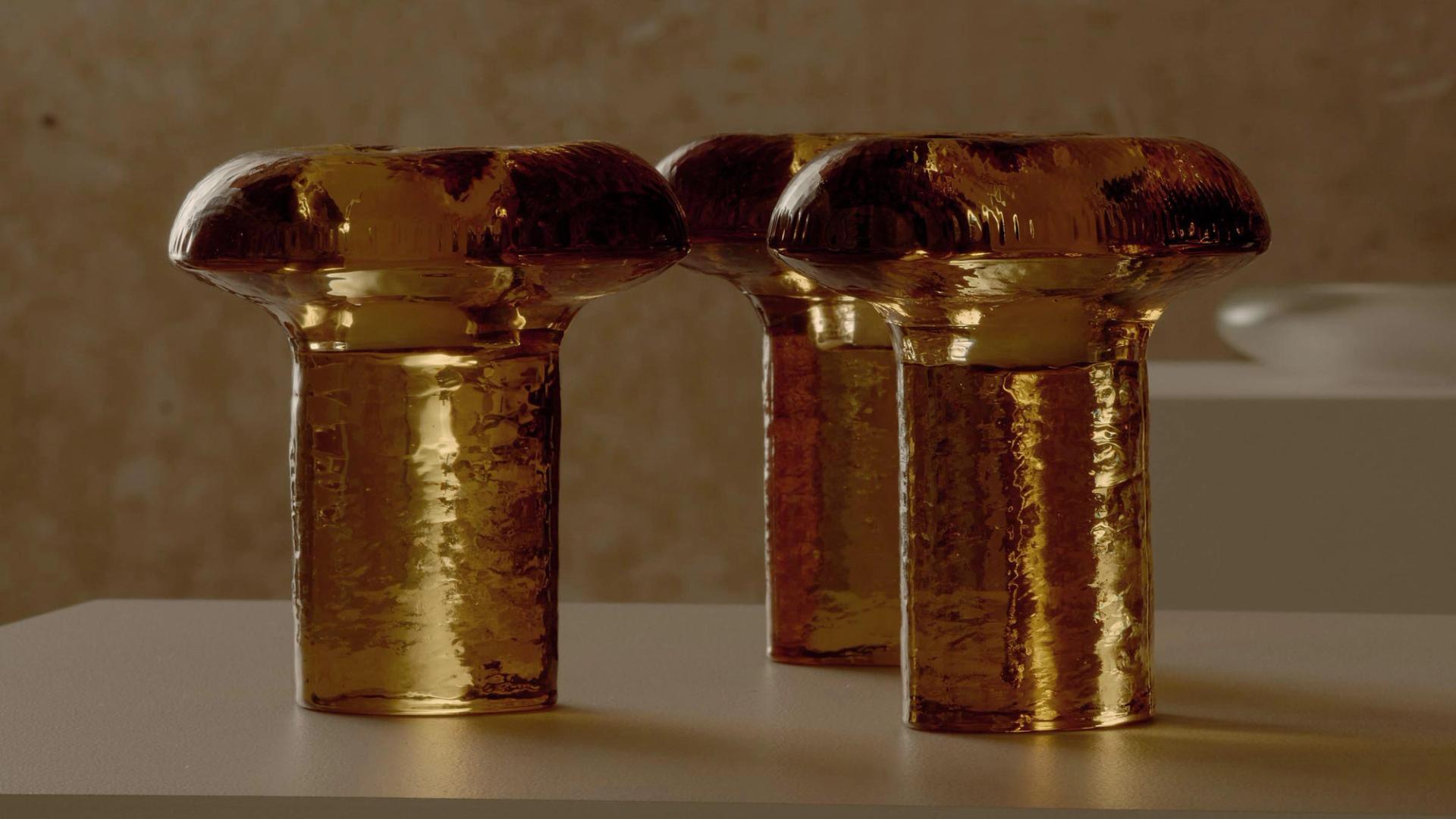
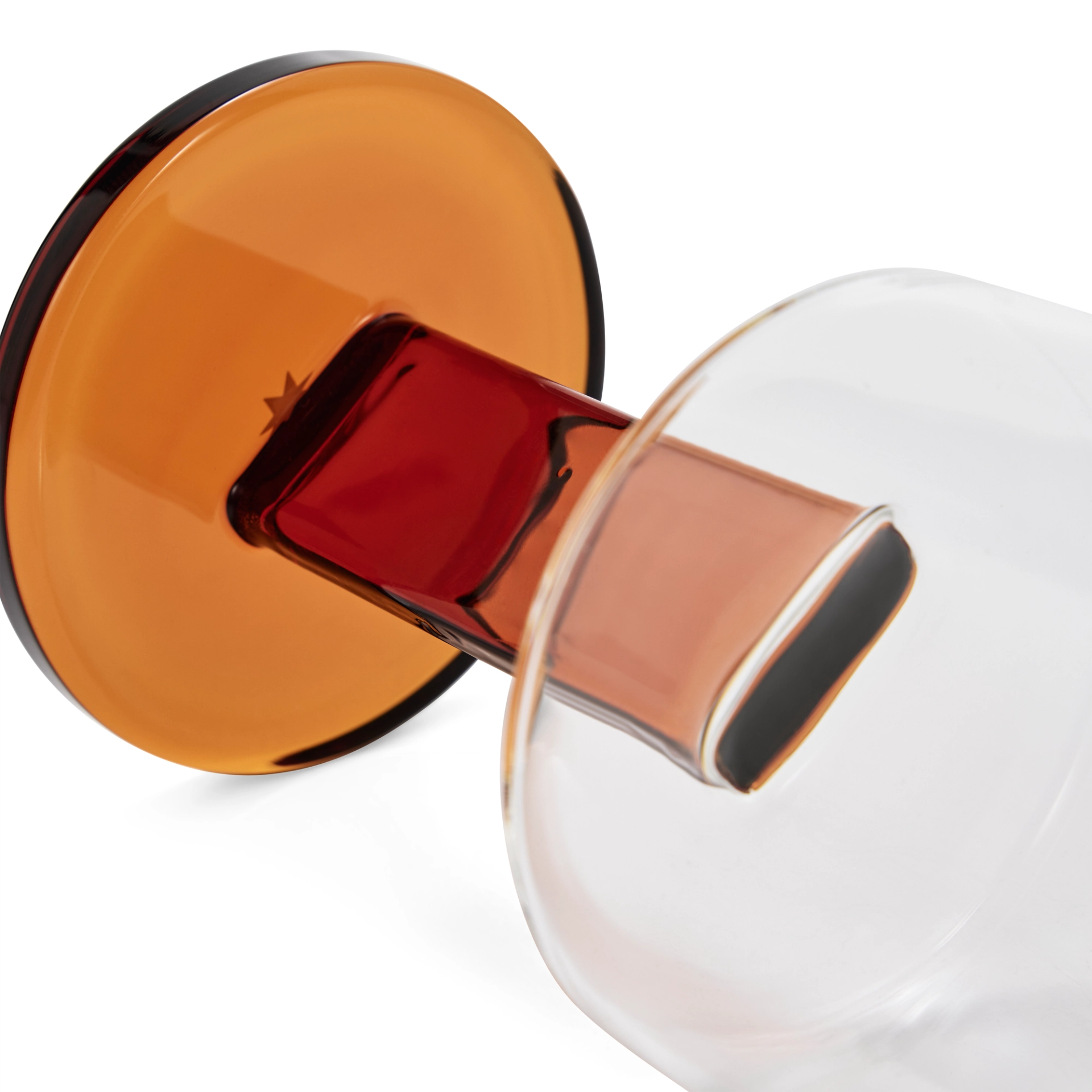
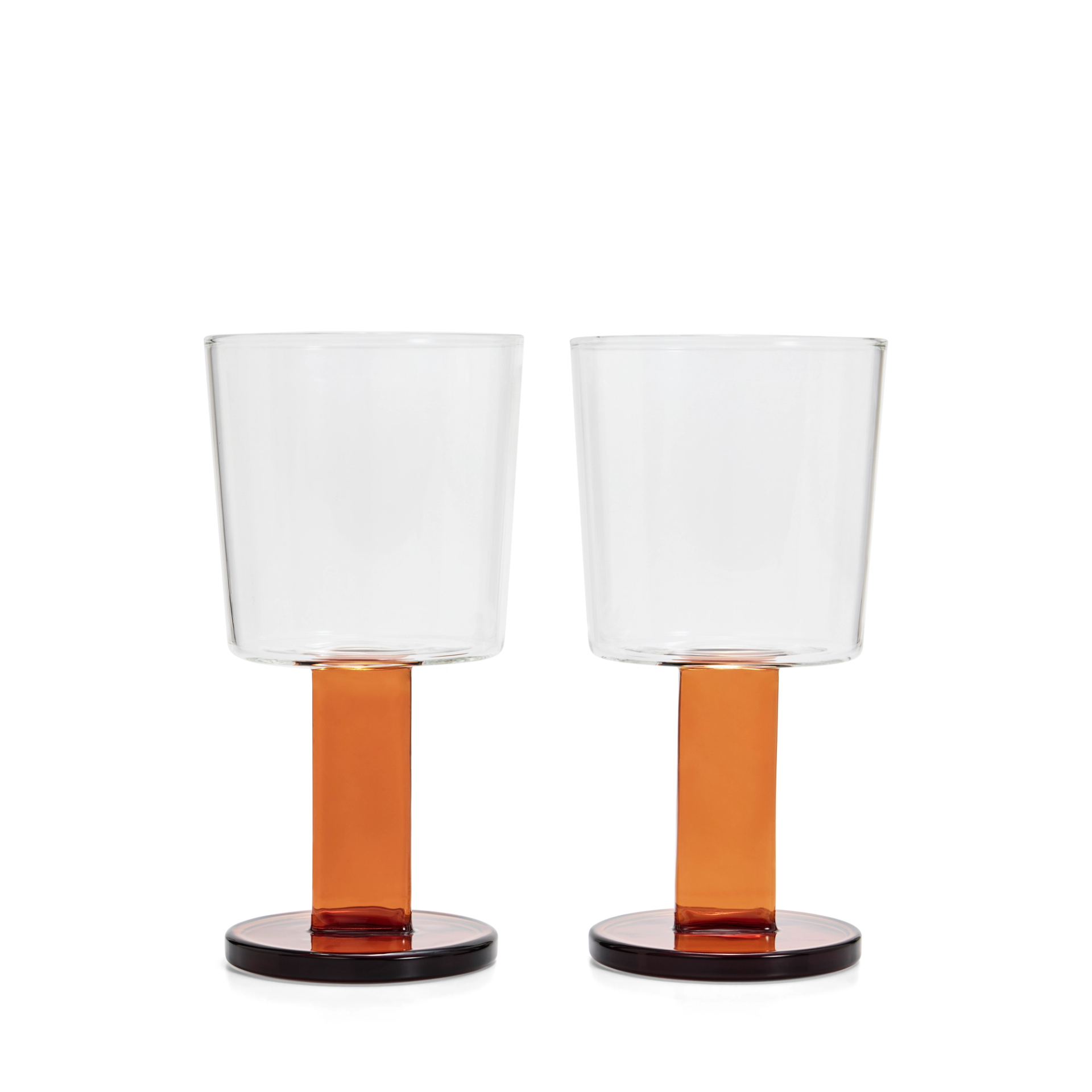
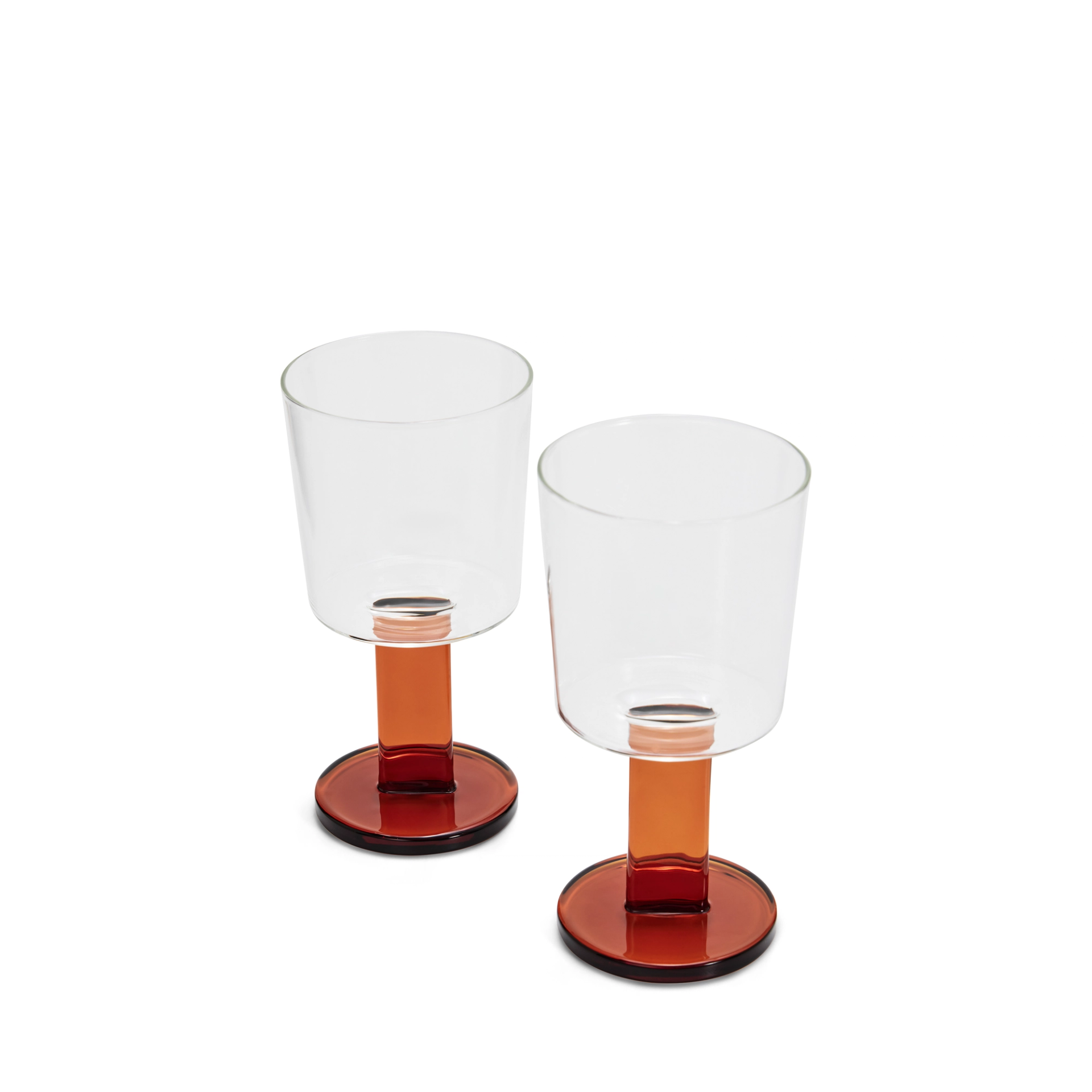
Almost 50 years later, Larcombe found herself holding a version of that glass, Le Verre, produced by Maison Balzac as part of the Powerhouse Made portfolio of household wares.
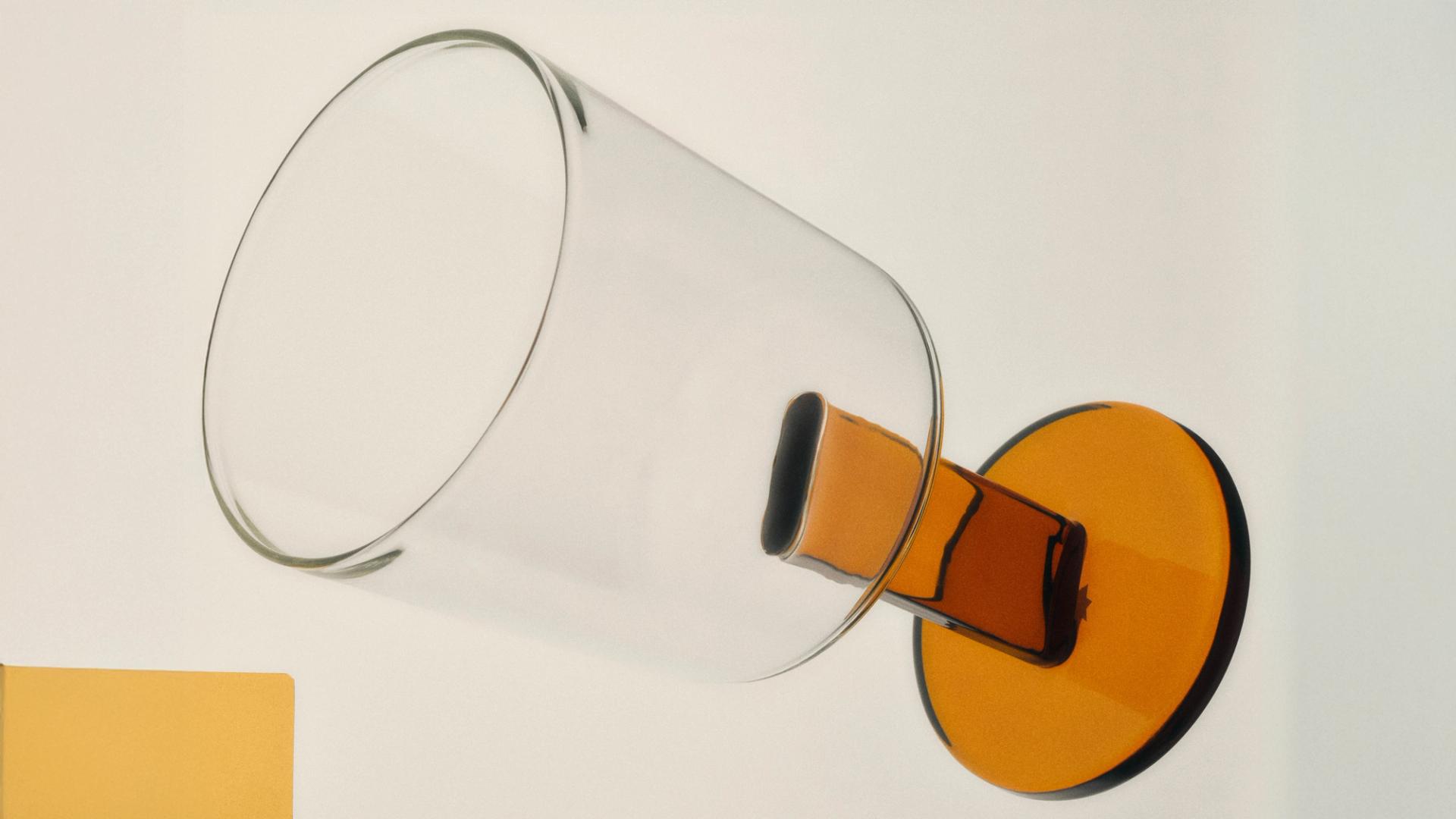
Le Verre Wine Glasses
Denise Larcombe’s ‘Le Verre Wine Glasses’ is available through Powerhouse Store
Maison Balzac x Denise Larcombe x Powerhouse Made™
Denise Larcombe, one of the first female industrial designers in the country and Pioch Balzac brought a glass from 1976 back into production
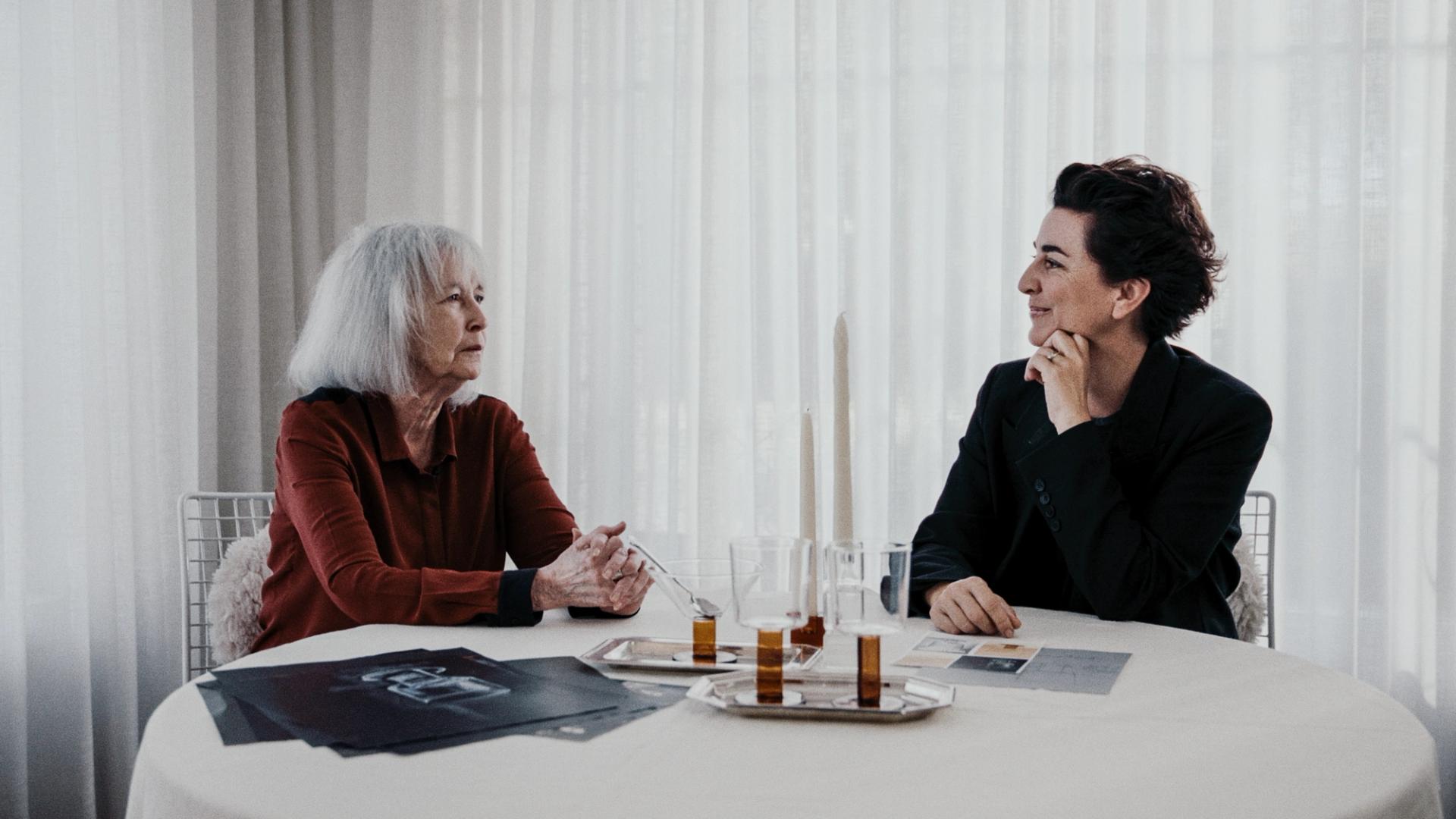
‘I imagine Denise in 1976 dreaming of that tricky design,’ says Elise Pioch Balzac. ‘Then me in 2025 selecting the design, adjusting it slightly and producing it to beautiful effect.’
The timing had added resonance: Pioch Balzac was born in 1976. ‘I thought, Wow, what a happy 50th to me,’ she says with a laugh.
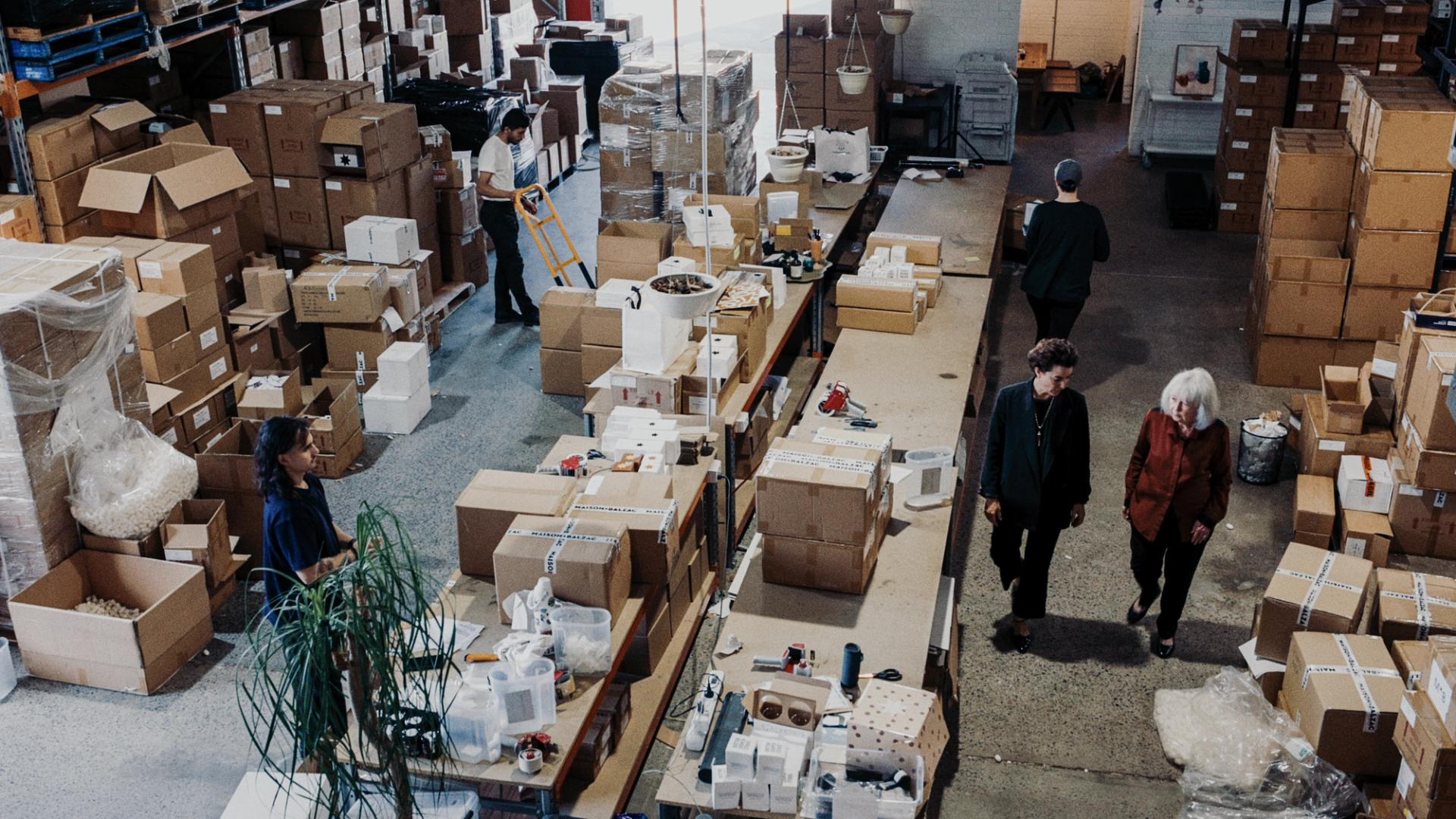
The unlikely collaboration began in the Powerhouse Collection (opens in new tab), which holds a substantial number of Larcombe’s drawings and sketches. It’s here Pioch Balzac began her search for historical pieces with what she describes as a strong Australian attitude: stylish but robust.
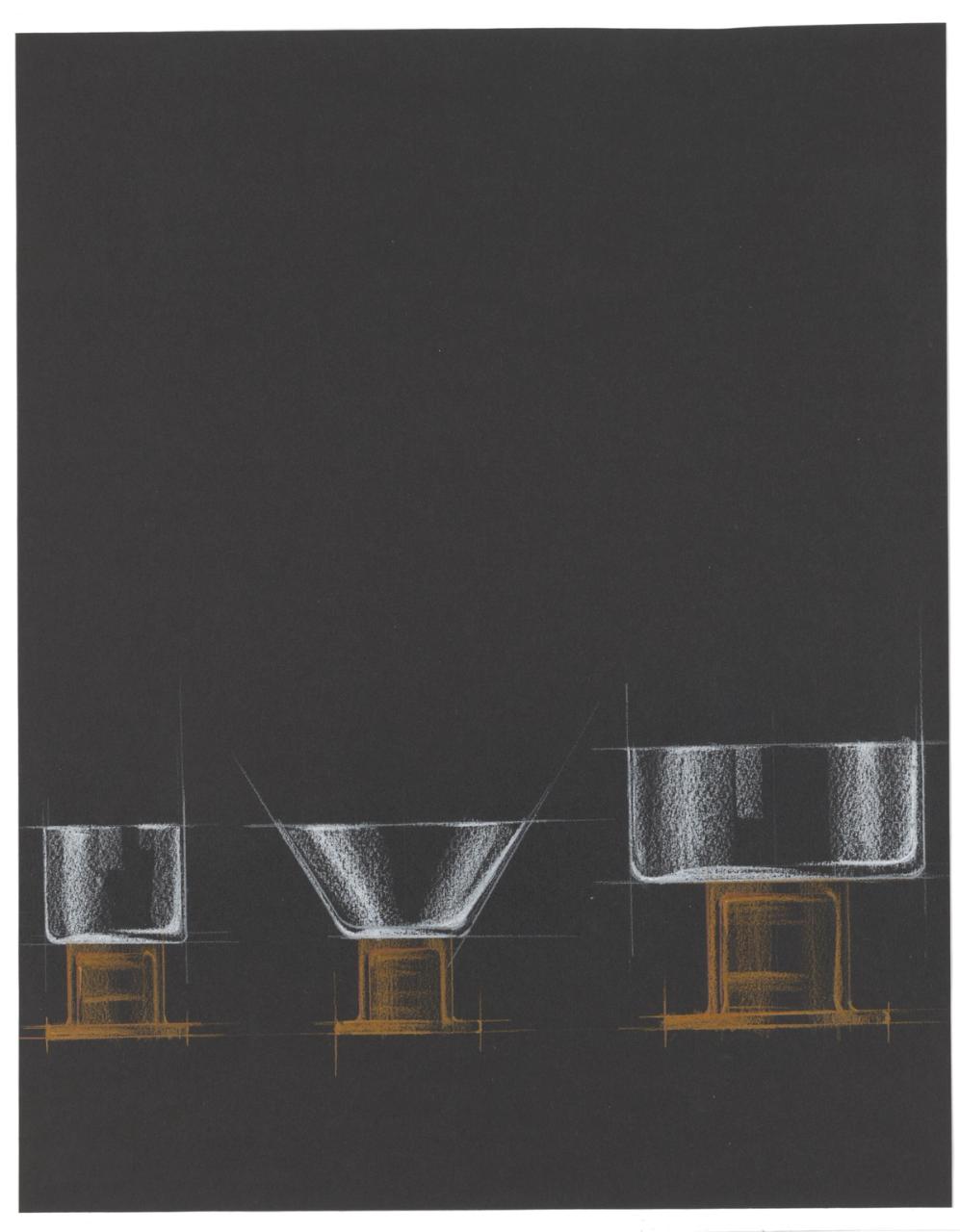
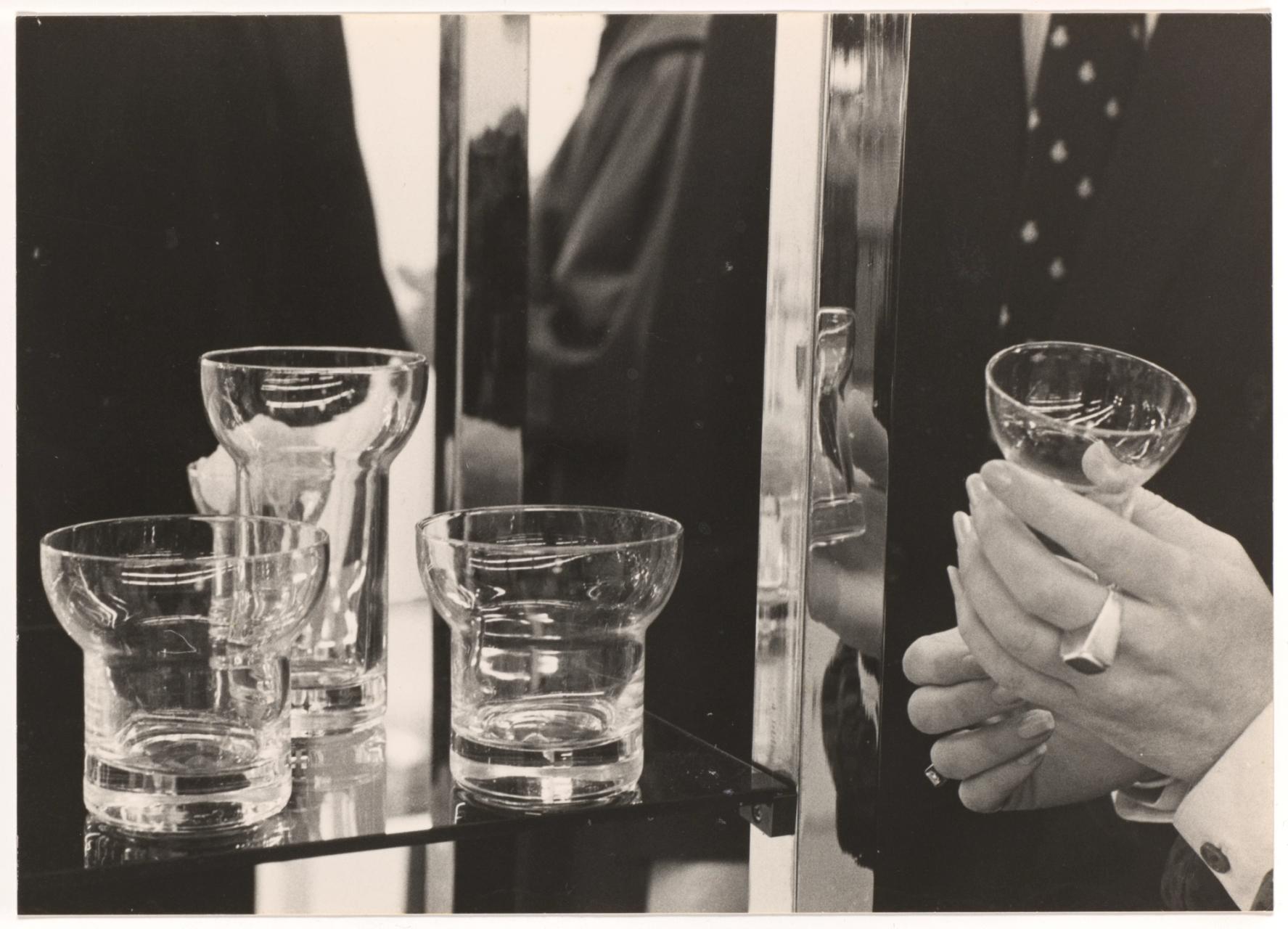
‘I was like a kid in a candy store,’ she says. ‘Not only did I discover the work of this woman whose thinking was at the cutting edge of modernity, but precisely because of that fact some of her greatest innovations were not able to be realised at the time.’
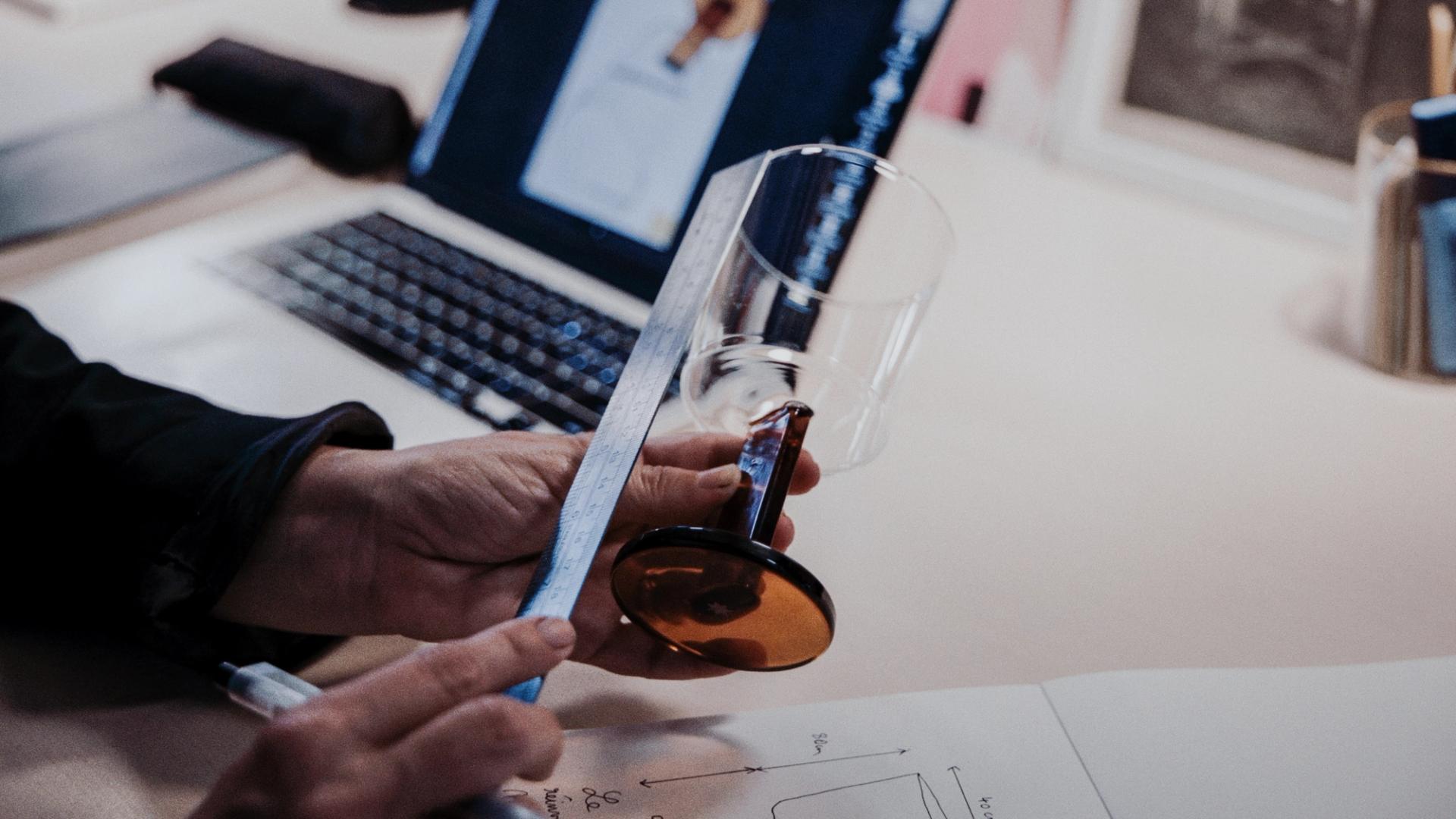
Technology has since caught up with Larcombe’s imagination. The new glass remains remarkably faithful to her drawing, although the bowl and stem have been subtly adjusted. Larcombe was particularly concerned with how it felt in the hand. When the first sample arrived at her home, she immediately picked it up.
‘That was important to me,’ says Larcombe, ‘that when you held it, it felt right.’
It’s a fitting detail for a designer whose career helped establish a distinctive Australian language of industrial glass. Her fascination began after encountering hand-blown glass while working for lighting designer W Allen Smith. A lecture by Charles Furey, then designing for Crown, crystallised her ambition.
‘I knew very quickly that this was the medium I wanted to express myself in.’
But Larcombe was never interested in becoming a studio glass artist. Her fascination was with the machine itself – and with pushing it beyond its apparent limits.
‘I guess I could have gone down the hand-blowing road, but I was always fascinated by machinery. I was keen to push the technology, to get every extra bit out of the machine that I can.’
At Crown, the technical team repeatedly modified the machinery, finding ways of producing forms it had not been designed to make. ‘And that’s why the brand was so successful, because we could do things by machine that others couldn’t.’
Maison Balzac’s version closes that technological loop. Pioch Balzac made a small adjustment to the original design, which Larcombe readily accepted. She also wanted the finished piece to retain the evidence of its making.
‘It’s not perfect and that’s what I love – that you have the hand of the person who made it,’ says Pioch Balzac.
For Larcombe, the collaboration is a reminder that design is rarely solitary. ‘You don’t achieve on your own,’ she says. ‘You achieve with other people’s knowledge and support.’
Half a century after Larcombe drew a glass she could not make, Maison Balzac has given it physical form. The object is both archive and artefact: a piece of Australian industrial design whose moment, it turns out, was simply waiting for the technology to catch up.
Powerhouse Store
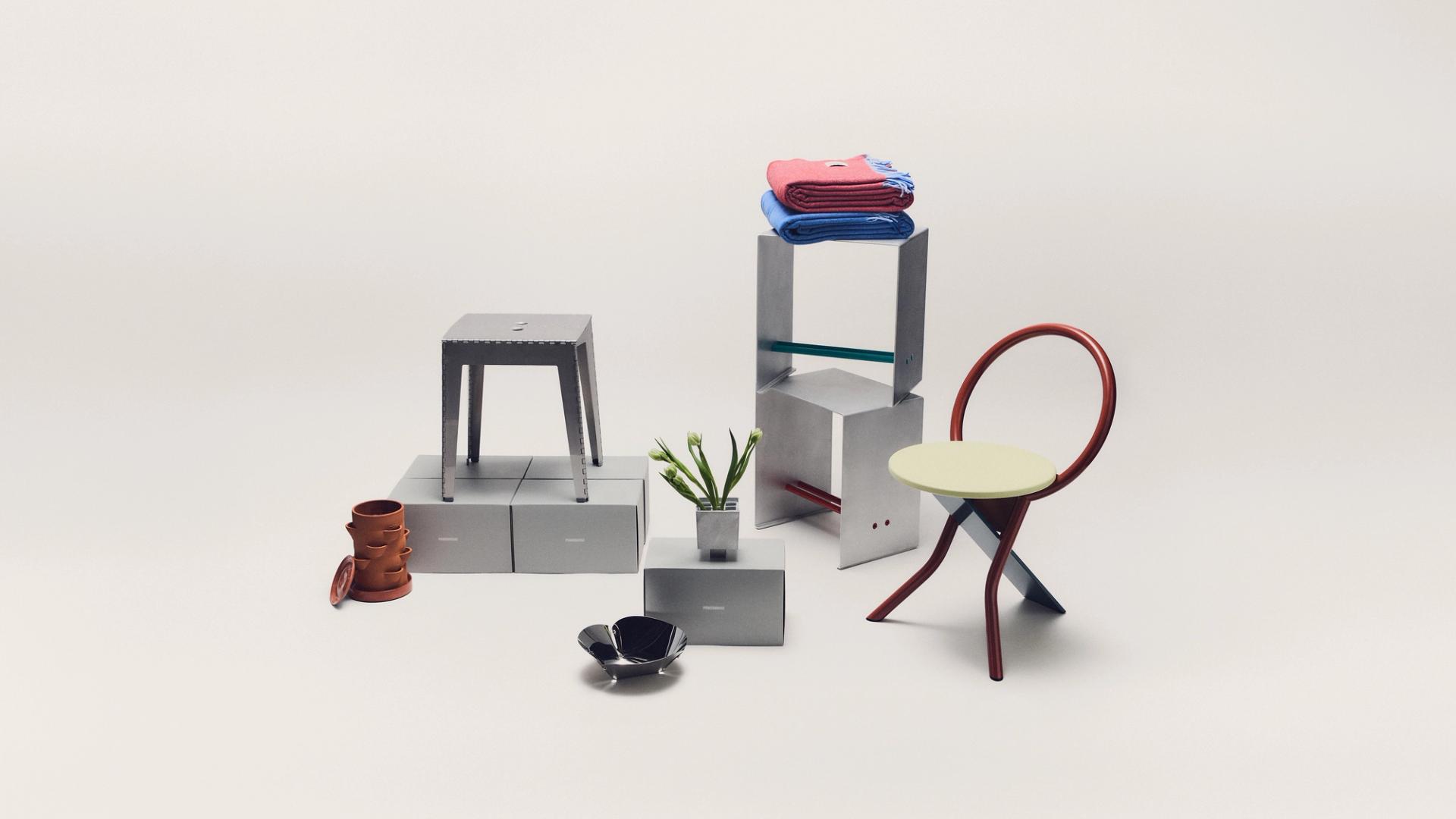
Powerhouse Made objects are available through Powerhouse Store, the museum’s retail platform. Every purchase supports Australian designers and makers and champions their creative practice.