Ways of Thinking and Making (Enarmoured and Unforgettable)

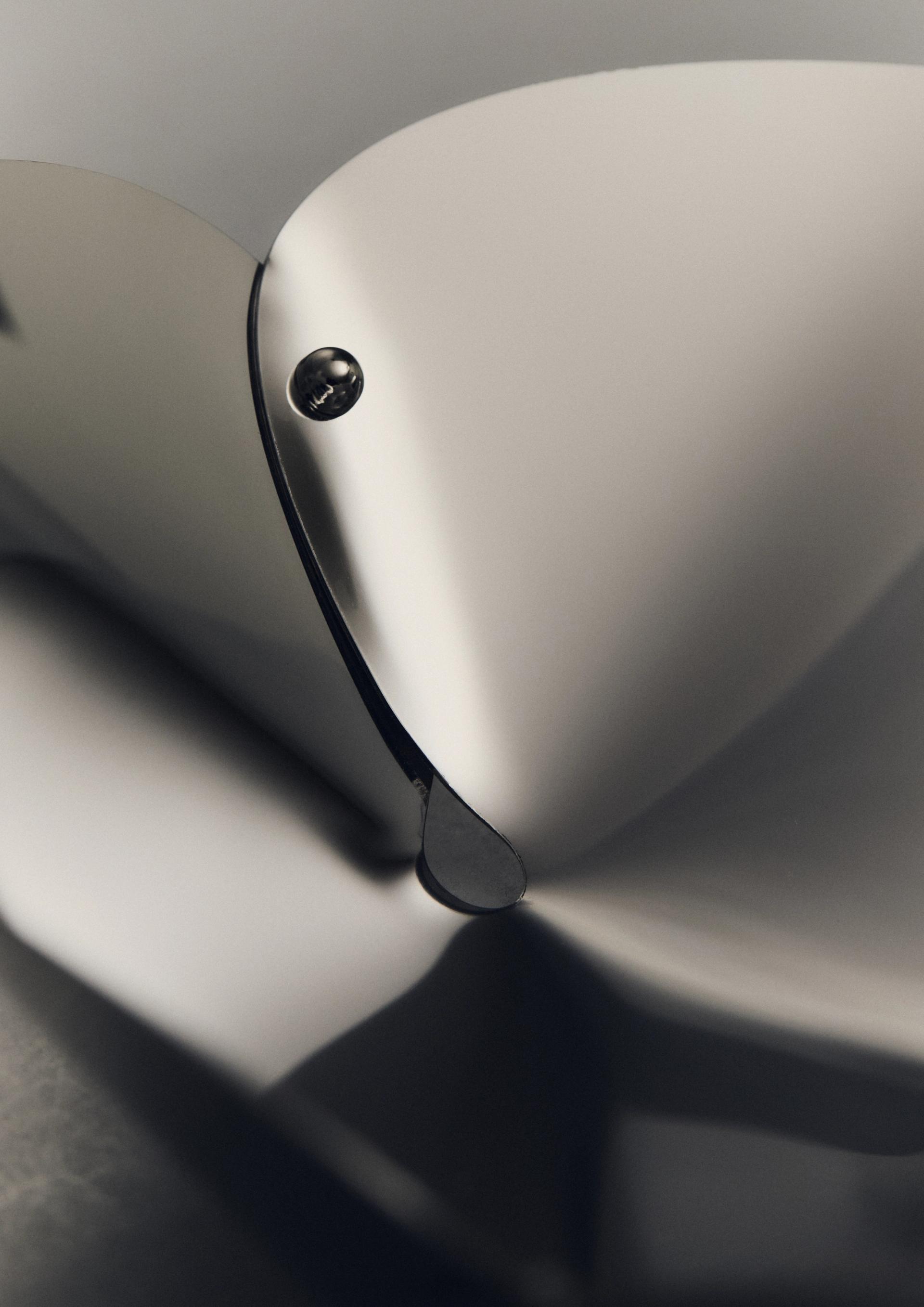
At first glance, Ella Saddington’s ‘Forget Me Not Bowl’ looks like a small piece of industrial engineering. Made from stainless steel and assembled with rivets, its folded overlapping form recalls armour, machinery and the structural logic of bridge-building.
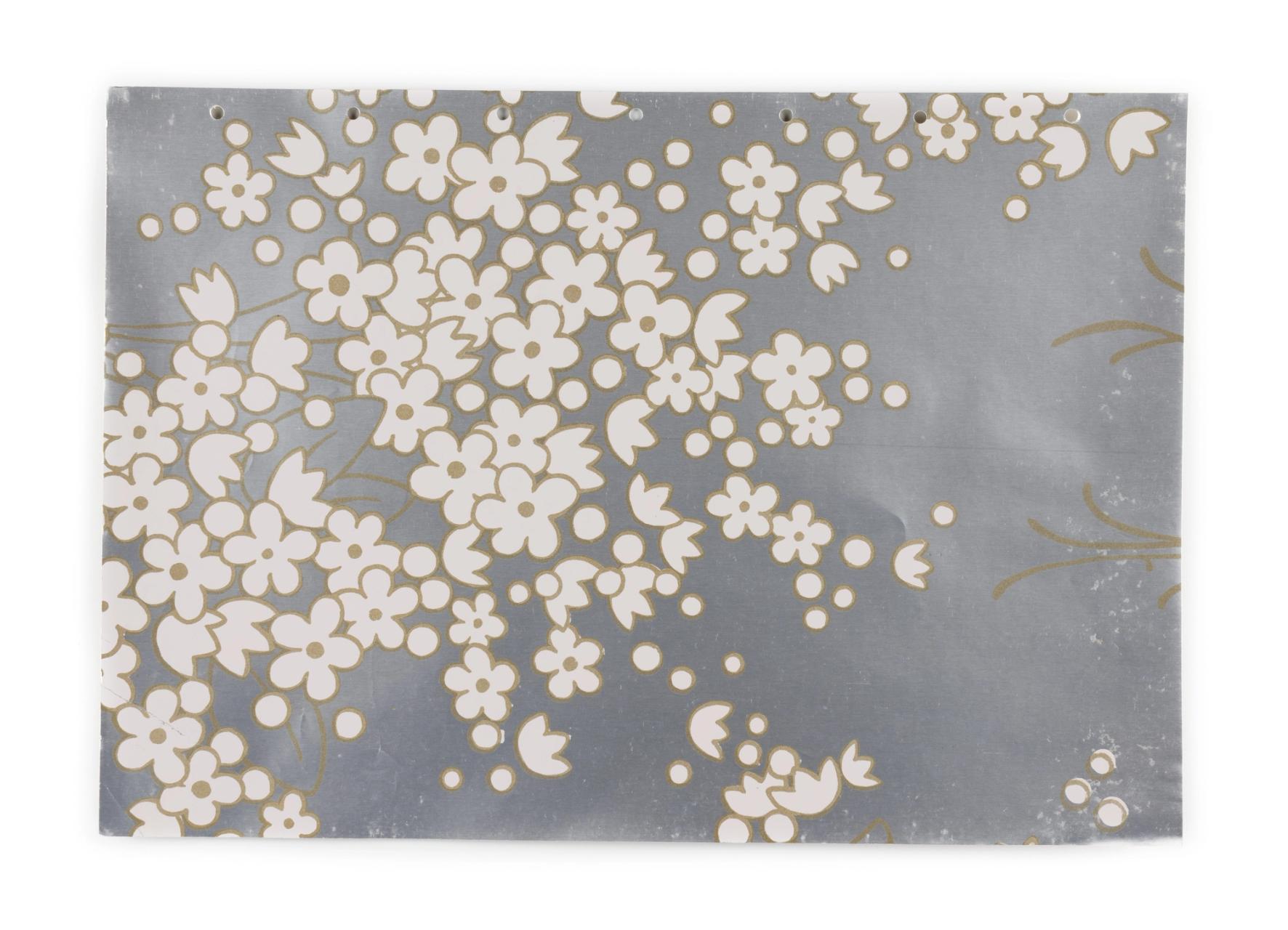
But the starting point was considerably more domestic: a paper patty pan.
Preparing her Powerhouse Made commission, Saddington – who designs under the studio name Cordon Salon – spent time looking through the Powerhouse Collection (opens in new tab), searching less for forms to replicate than for objects that could suggest ways of thinking and making. The museum’s significant paper patty pans – produced predominantly from the 1920s–50s –triggered memories of growing up on a farm in Queensland where country-kitchen baking was part of everyday life.
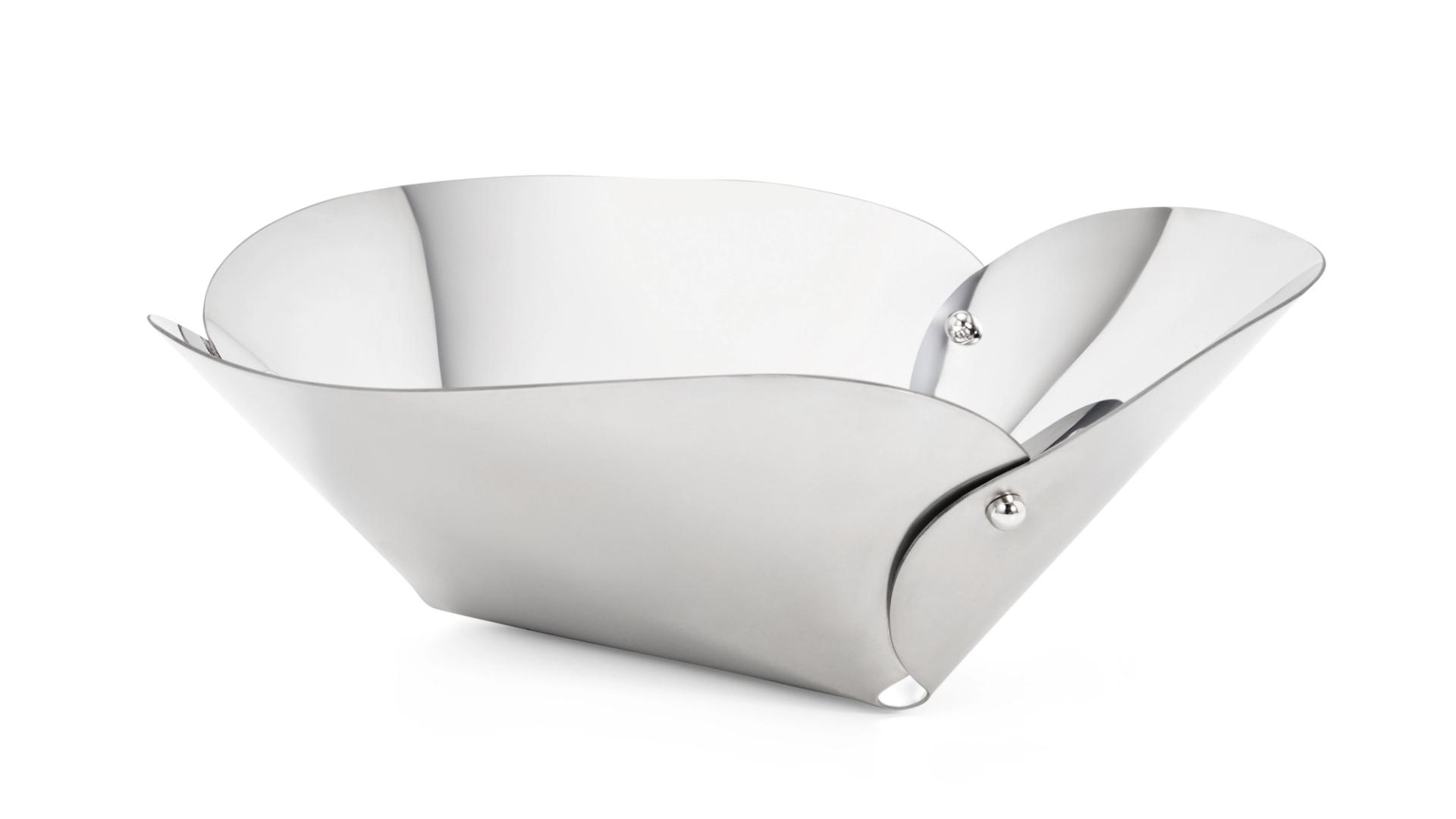
Forget Me Not Bowl
Ella Saddington’s ‘Forget Me Not Bowl’ is available through Powerhouse Store
Ella Saddington x Powerhouse Made™
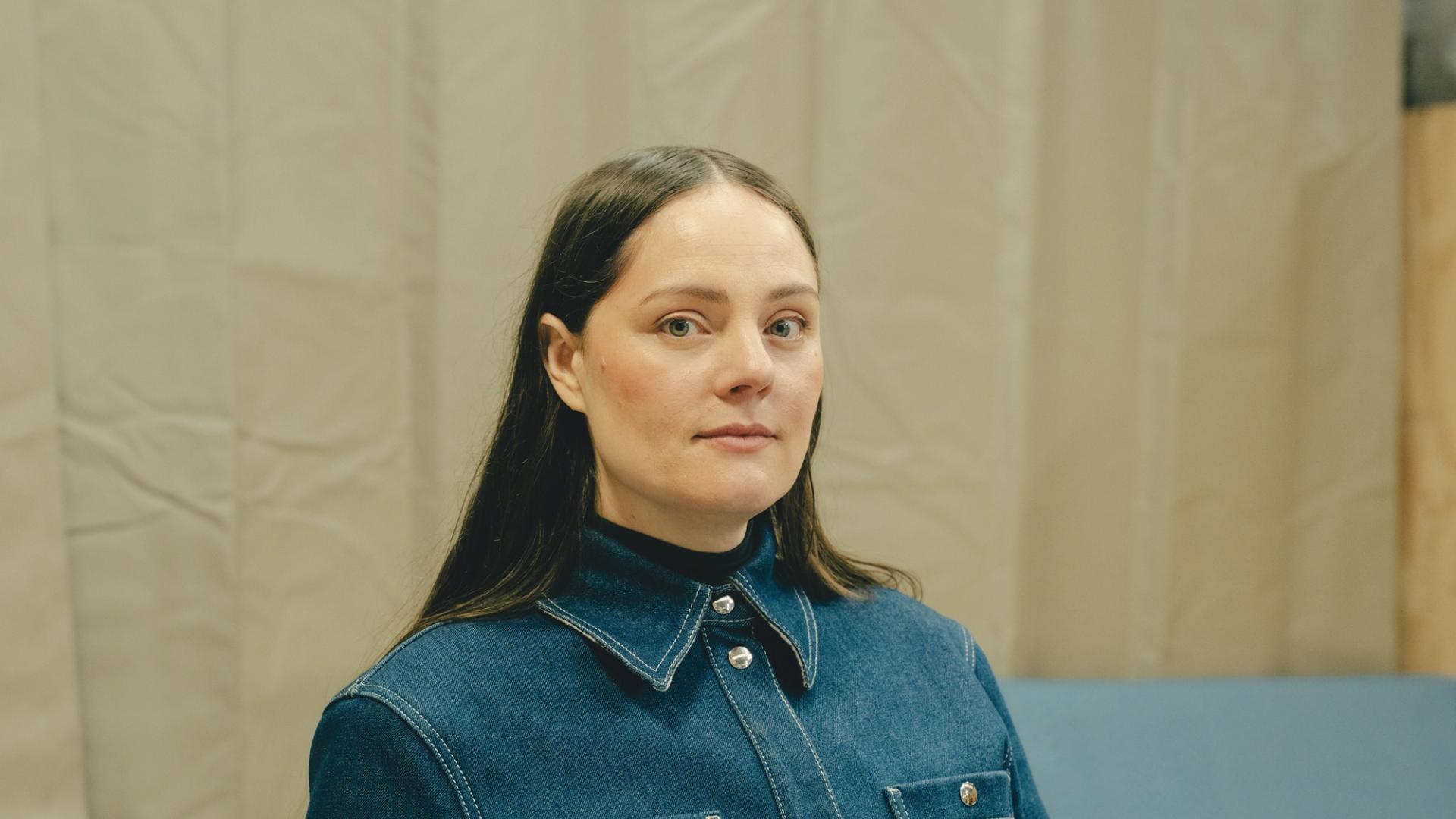
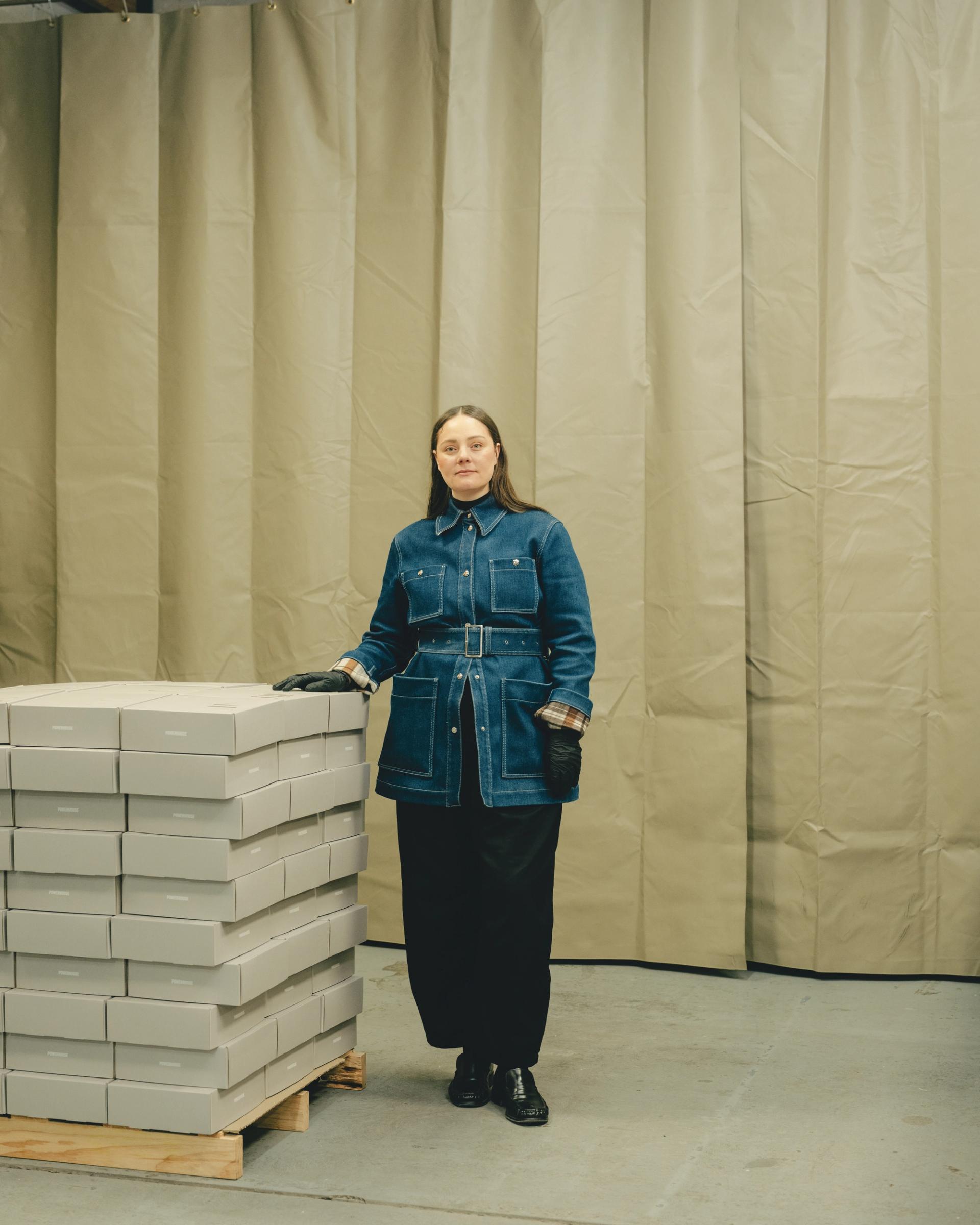
Ella Saddington is an experimental designer, researcher and artist based in Naarm/Melbourne, working under Cordon Salon
‘I had an immediate sense of nostalgia,’ Saddington says. ‘But what I also liked about them as design objects is that they’re resolutely mass-produced using very cheap and readily available material.’
Her first prototypes were not devised using sophisticated software; rather they were conjured up from baking paper – rooting the process even more deeply in the domestic.
‘As I started cutting the paper, I came back to my comfort zone,’ she says. ‘I love the sound of scissors and I love cutting things. It just felt like a little craft project.’
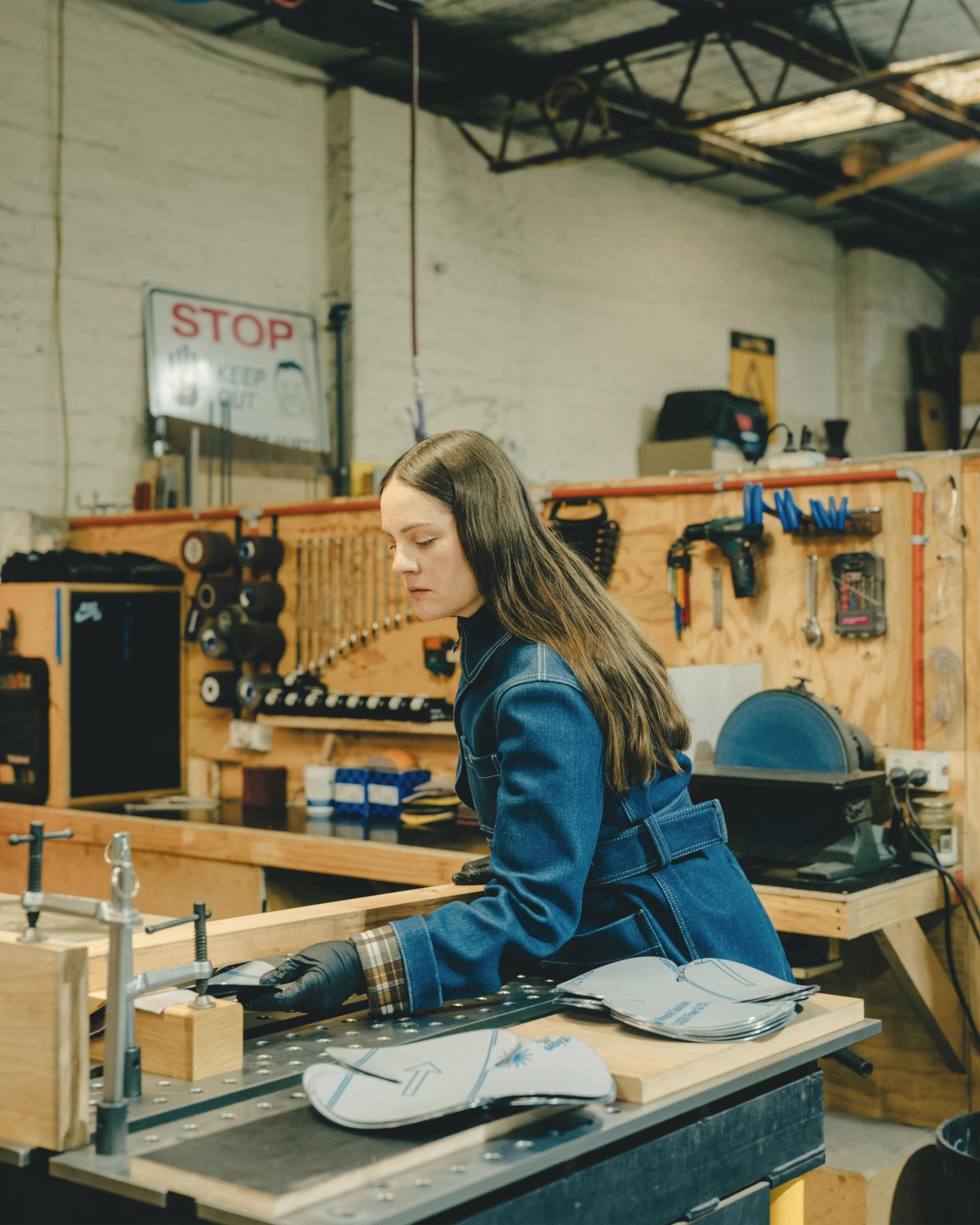
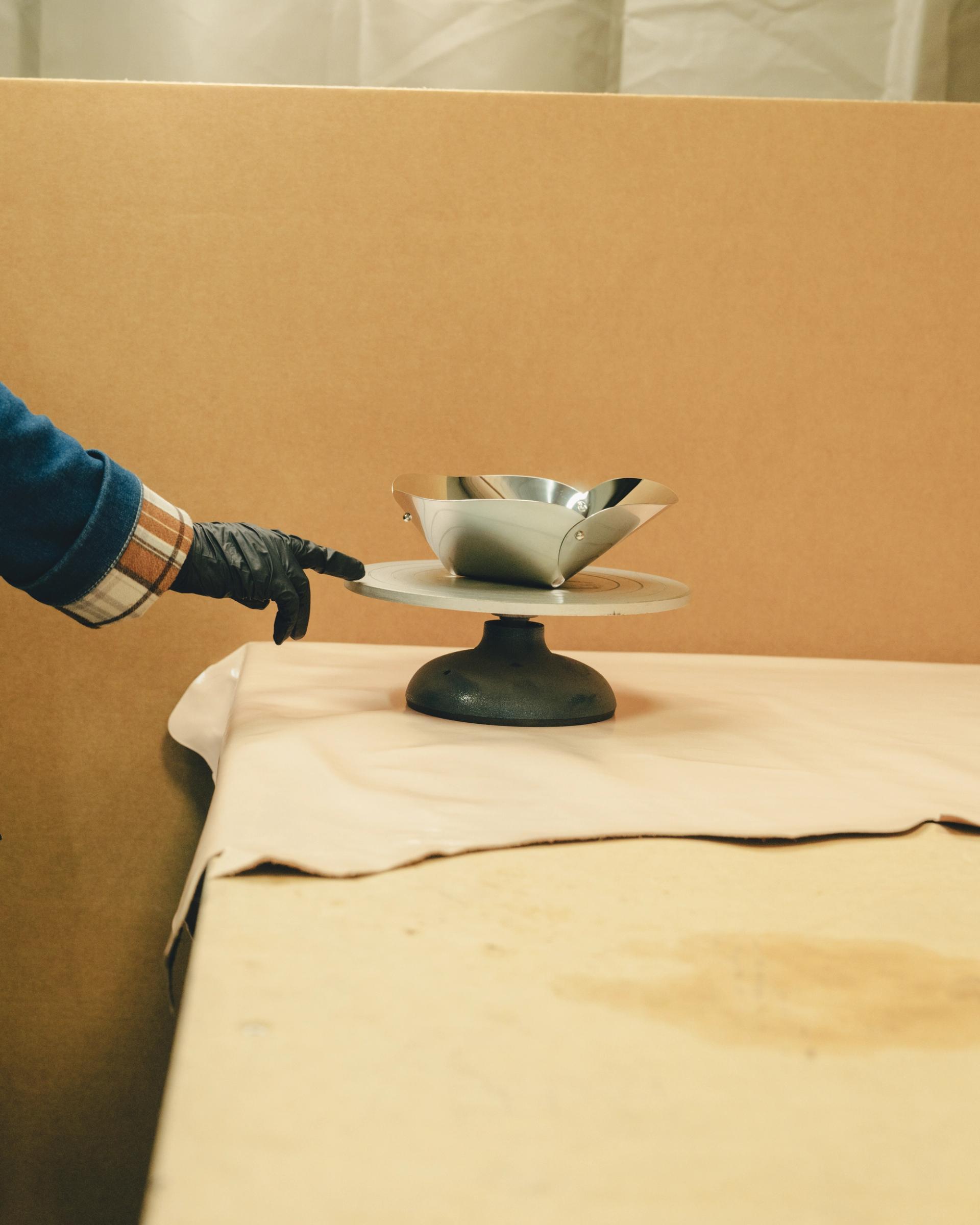
The resulting bowl is made from a flat sheet of stainless steel that is laser-cut into a pattern resembling a doily. The edges are ‘linished’ by hand (that is, smoothed using an abrasive belt to create a fine textured grain) then a hand-cranked roller is employed to curve the metal, after which custom-made jigs and presses are used to form the bowl.
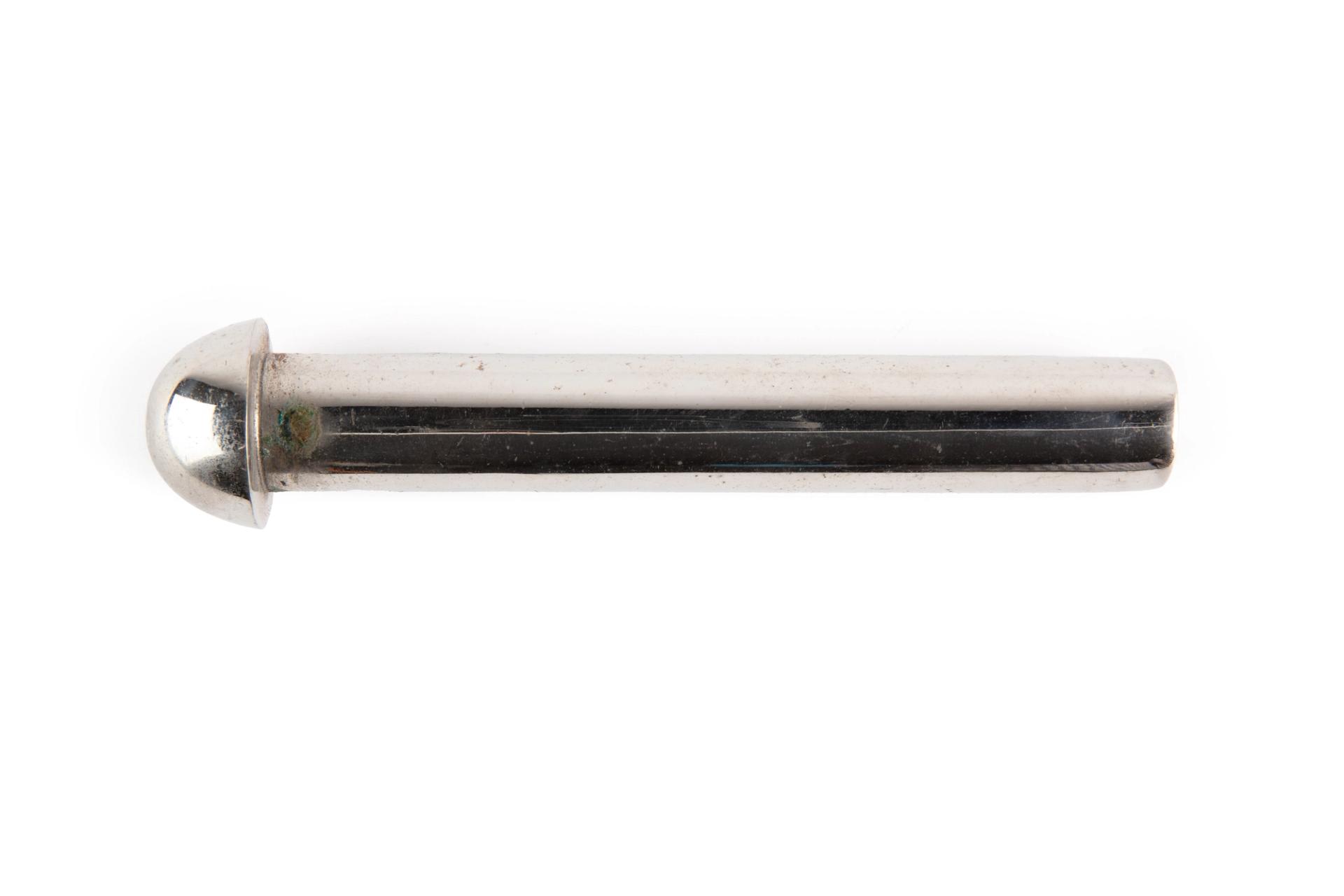
Finally, the 3 overlapping sections are held in place and joined with double-headed dome rivets.
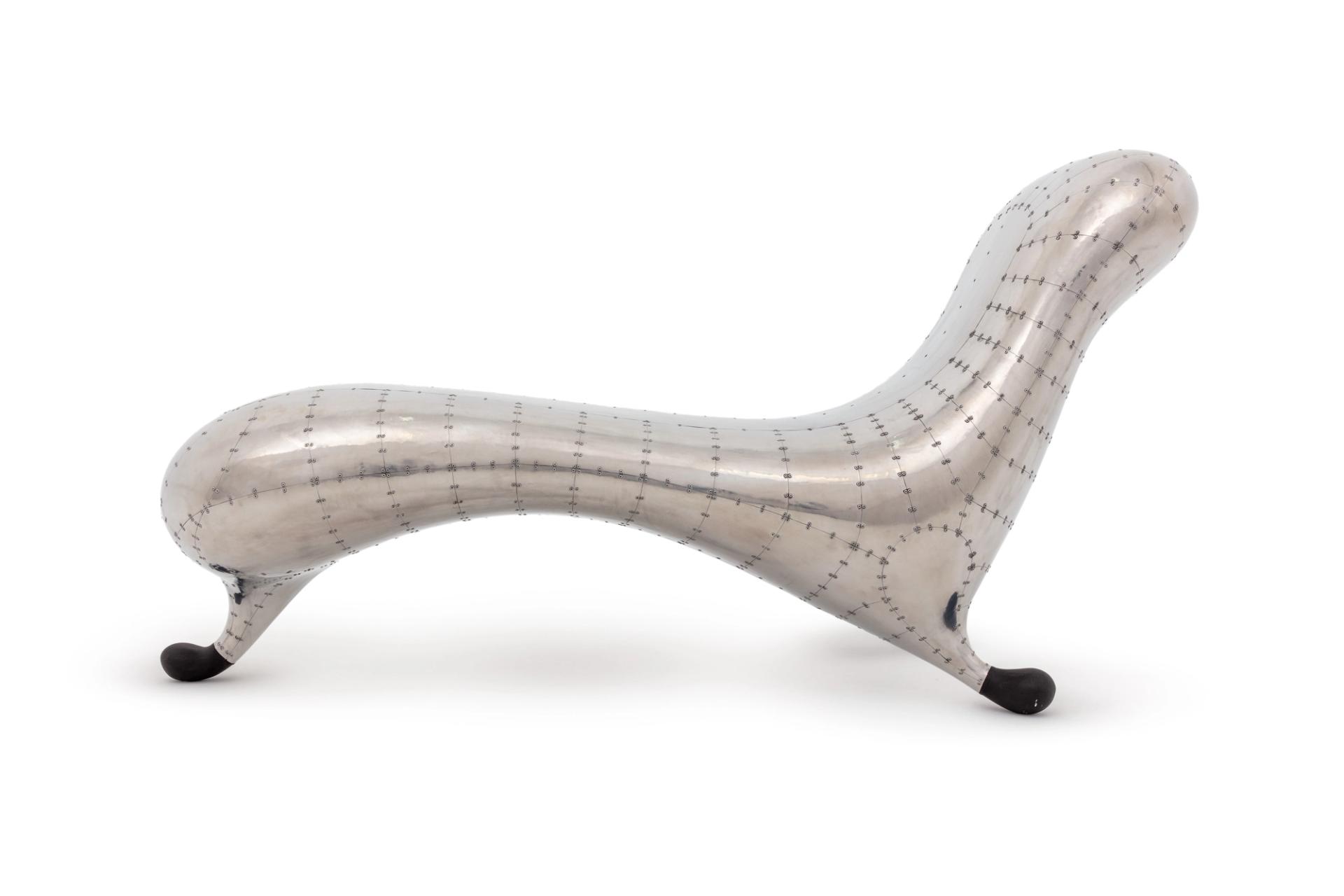
That riveted construction came from another encounter with the Powerhouse Collection: armour. Saddington was fascinated by the way technologies developed for armour-making subsequently migrated into bridge-building, shipbuilding, steam engines and aeronautics. A presentation rivet from the Sydney Harbour Bridge became another early reference.
‘I was like, Oh, well, obviously I’m going to be using rivets in some capacity,’ she laughs.
Yet ‘Forget Me Not’ is not an exercise in historical reproduction. Saddington deliberately translates older techniques through contemporary tools. Traditional armour-making involved heating and forging metal; for the bowl, she has instead used cold-forming techniques.
‘I’ve been thinking a lot about embodied energy and so cold-forming appealed,’ she says. ‘There’s so much embodied energy in the manufacture of steel in the first place.’
The approach also meant that the 100 bowls could be made in Saddington’s own workshop, using equipment she already had. The pneumatic press, hand roller, laser cutter and jigs become part of the object’s story just as much as the stainless steel itself.
The result is deliberately difficult to classify. It’s a bowl, although its perforated base means it cannot hold liquid. Its mirror-polished interior multiplies whatever is placed inside: one apple becomes several. Its brushed exterior will gradually lose its initial sheen as a patina forms from being handled.
For the designer, that future wear is part of the work. She imagines the ‘Forget Me Not Bowl’ becoming an everyday object – holding keys, jewellery, eggs or fruit – before eventually finding its way into another generation’s home.
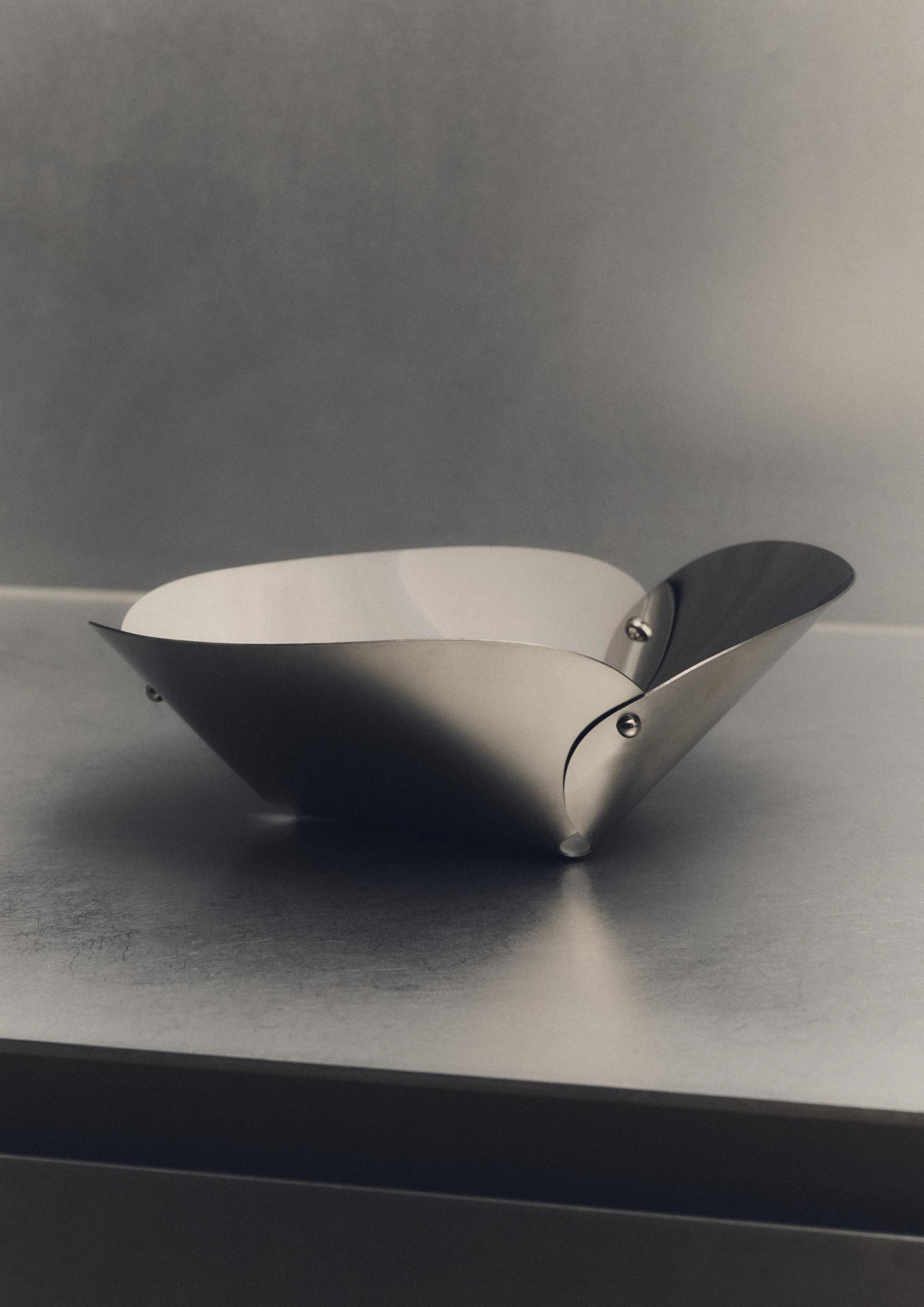
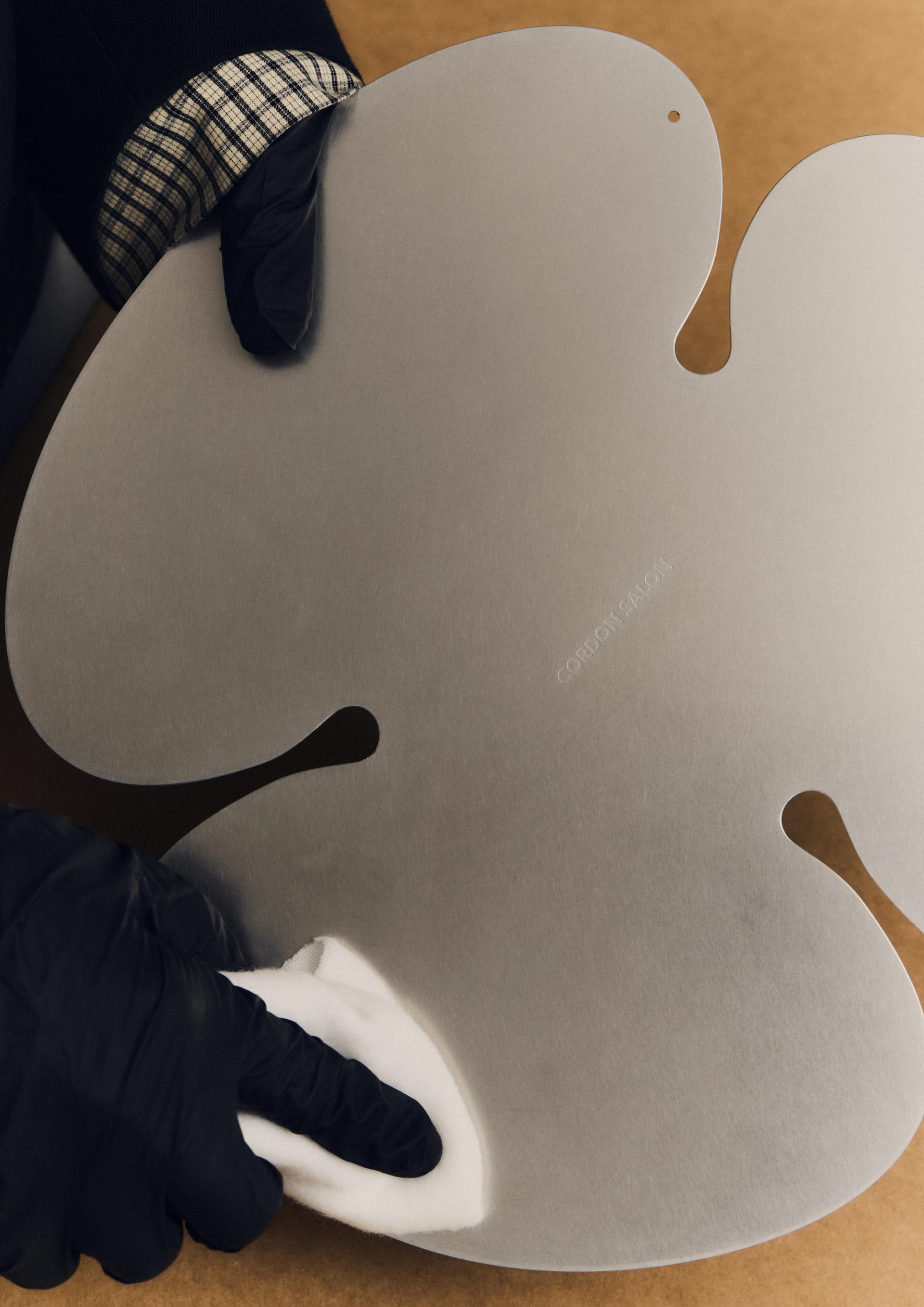
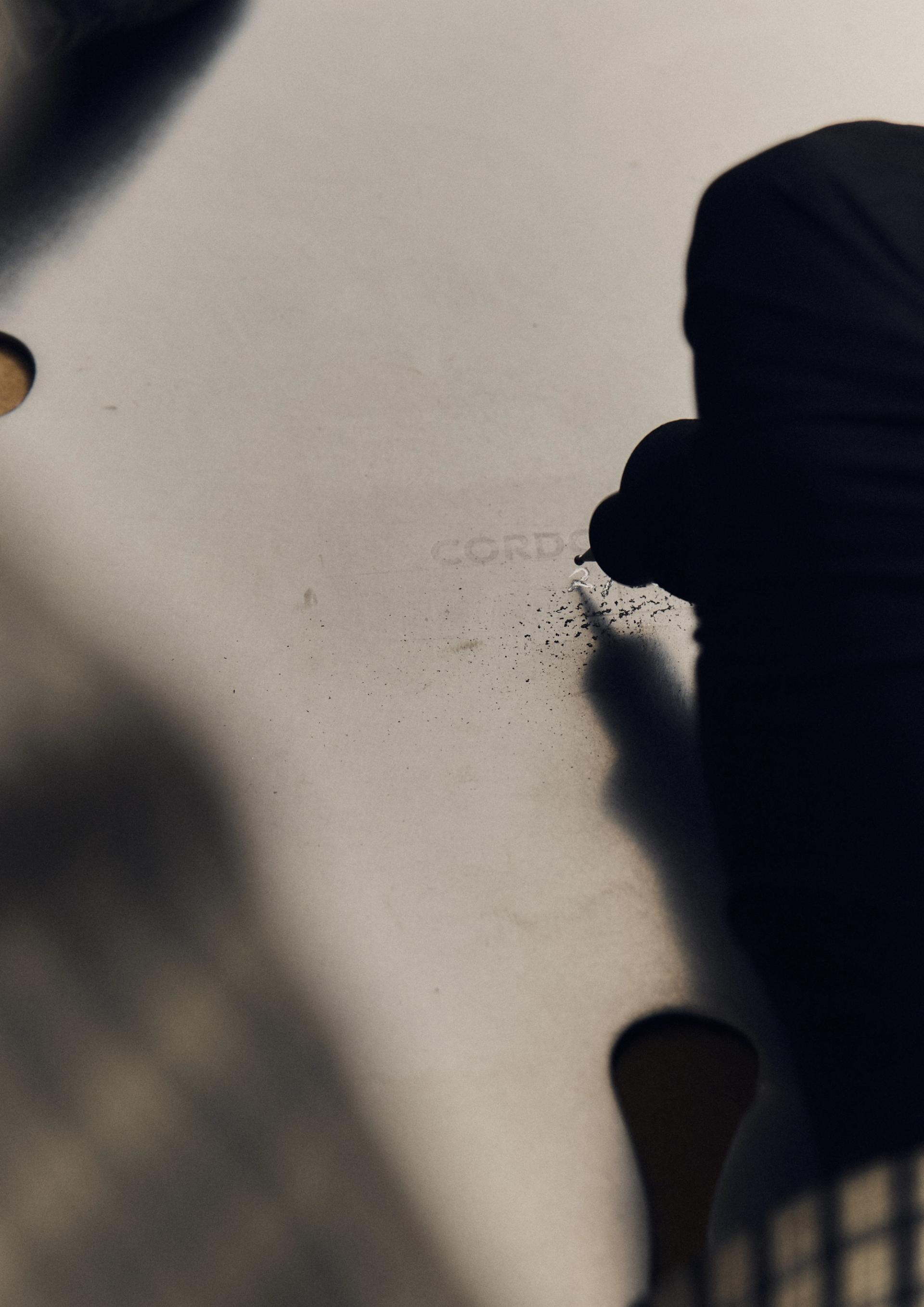
‘I’d like to see it look very well worn, full of scratches,’ she says. ‘At the moment it’s very reflective and it’ll be interesting because eventually it will dull down.’
The name, too, brings together the old and the new. It refers to the flower, but also to Saddington’s interest in historical ways of making. While researching, she discovered the German folktale of a knight who falls into a stream while picking forget-me-nots for his lover, his armour dragging him under as he throws the flowers towards her.
In that sense, the ‘Forget Me Not Bowl’ does what the Powerhouse Collection itself does: connects seemingly disparate objects across time, material and use. A paper baking cup becomes a lesson in forming; armour becomes a study in joining; a bridge rivet becomes a detail in a domestic vessel. And an archive becomes a workshop.
Powerhouse Store
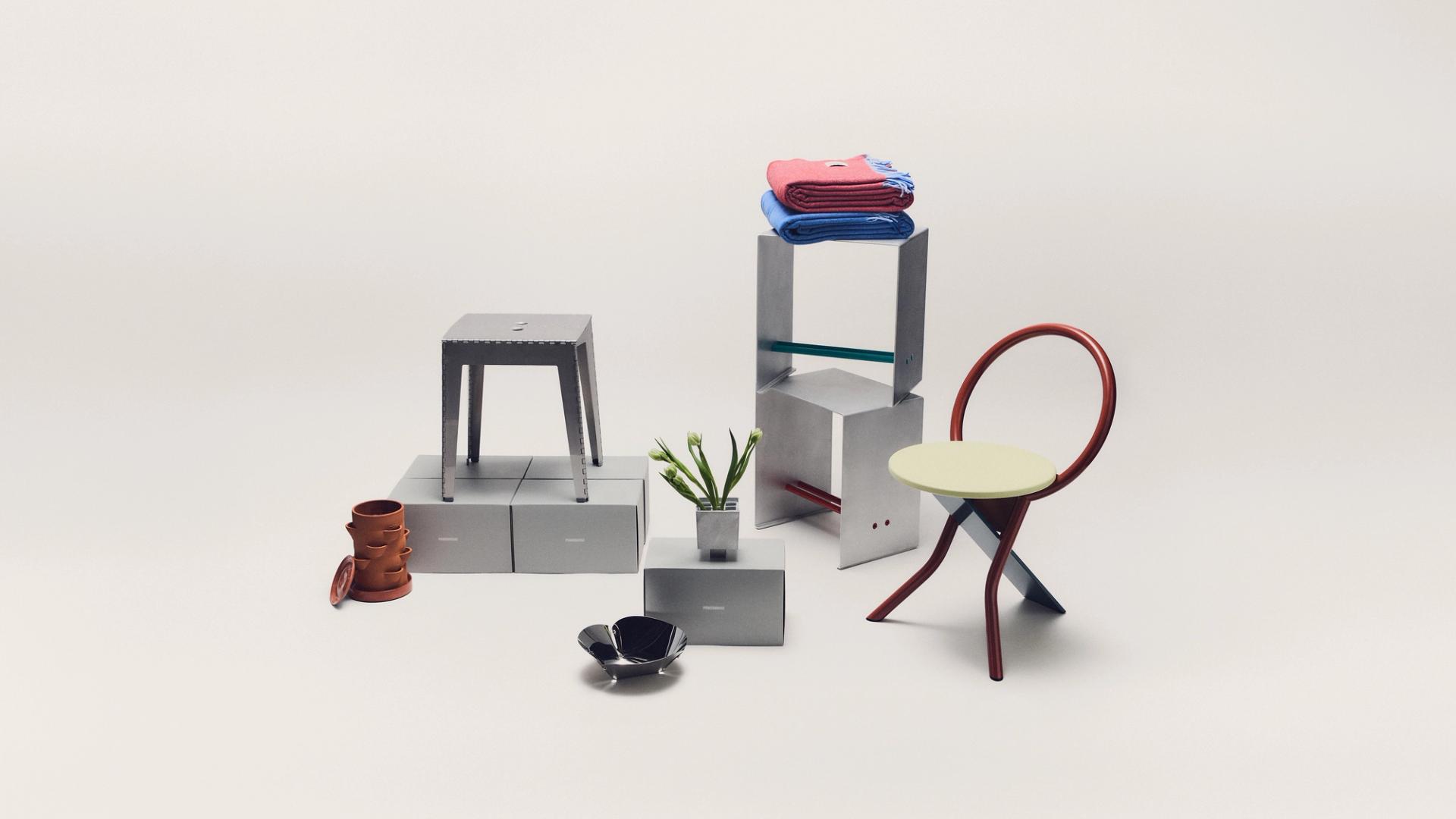
Powerhouse Made objects are available through Powerhouse Store, the museum’s retail platform. Every purchase supports Australian designers and makers and champions their creative practice.