Colour as Counterpoint (Going with the FLO)

What does a place need to feel like when you are a 15-year-old, away from home and living, eating and learning alongside 64 other teenagers? It’s a question that has preoccupied Melbourne-based interior designer Fiona Lynch for the past 3 years.
The answer, it turns out, is the Lang Walker Family Academy: a multi-level residential educational facility developed at Powerhouse Parramatta, where Lynch’s studio – Fiona Lynch Office (FLO) – has designed almost every aspect of the interior.
‘It was an amazing opportunity to design for a demographic we don’t often get to create for – at least not in such numbers,’ says Lynch. (The Academy is expected to host some 10,000 secondary students from across regional New South Wales and Western Sydney to stay at the museum each year.)
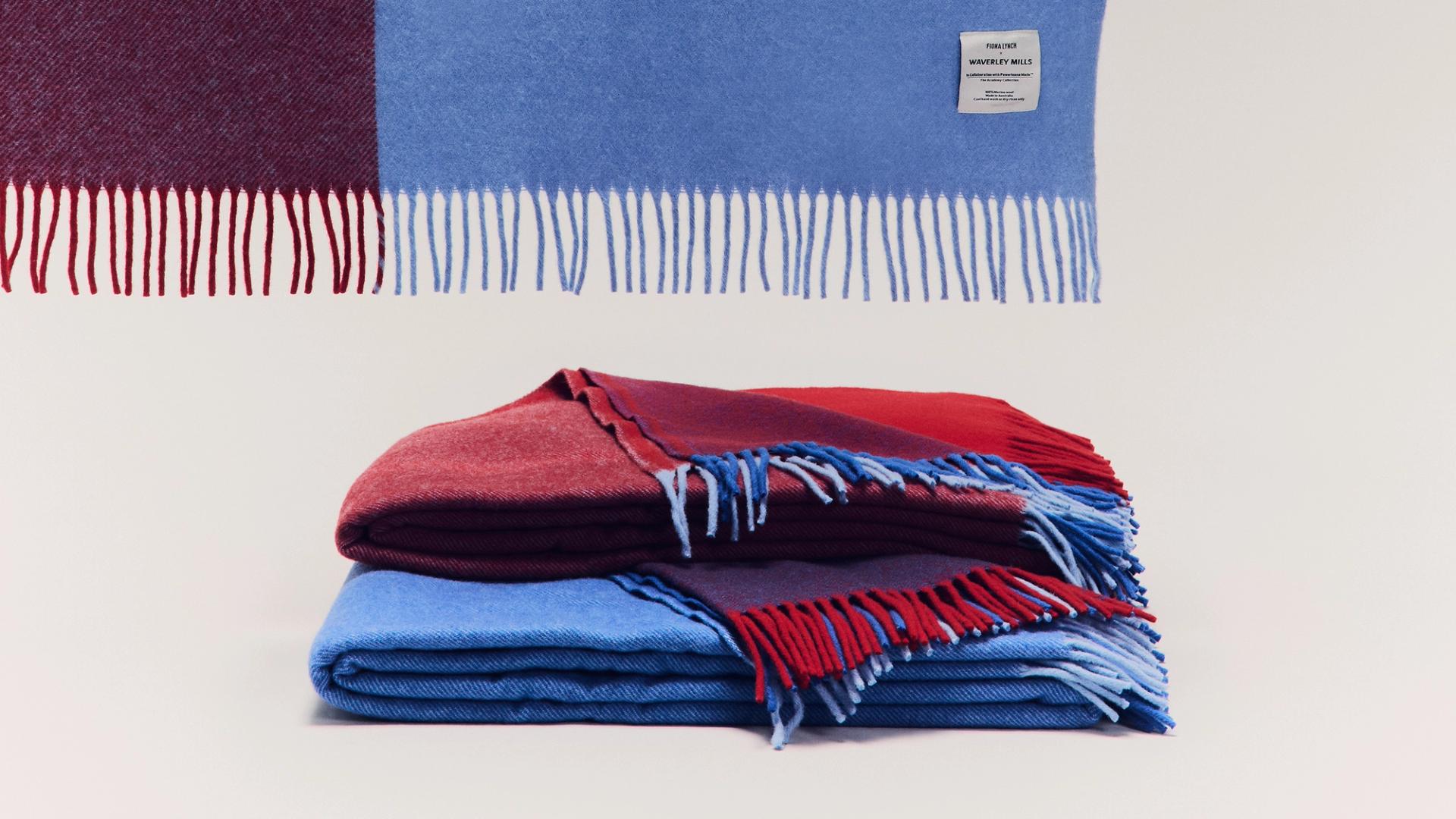
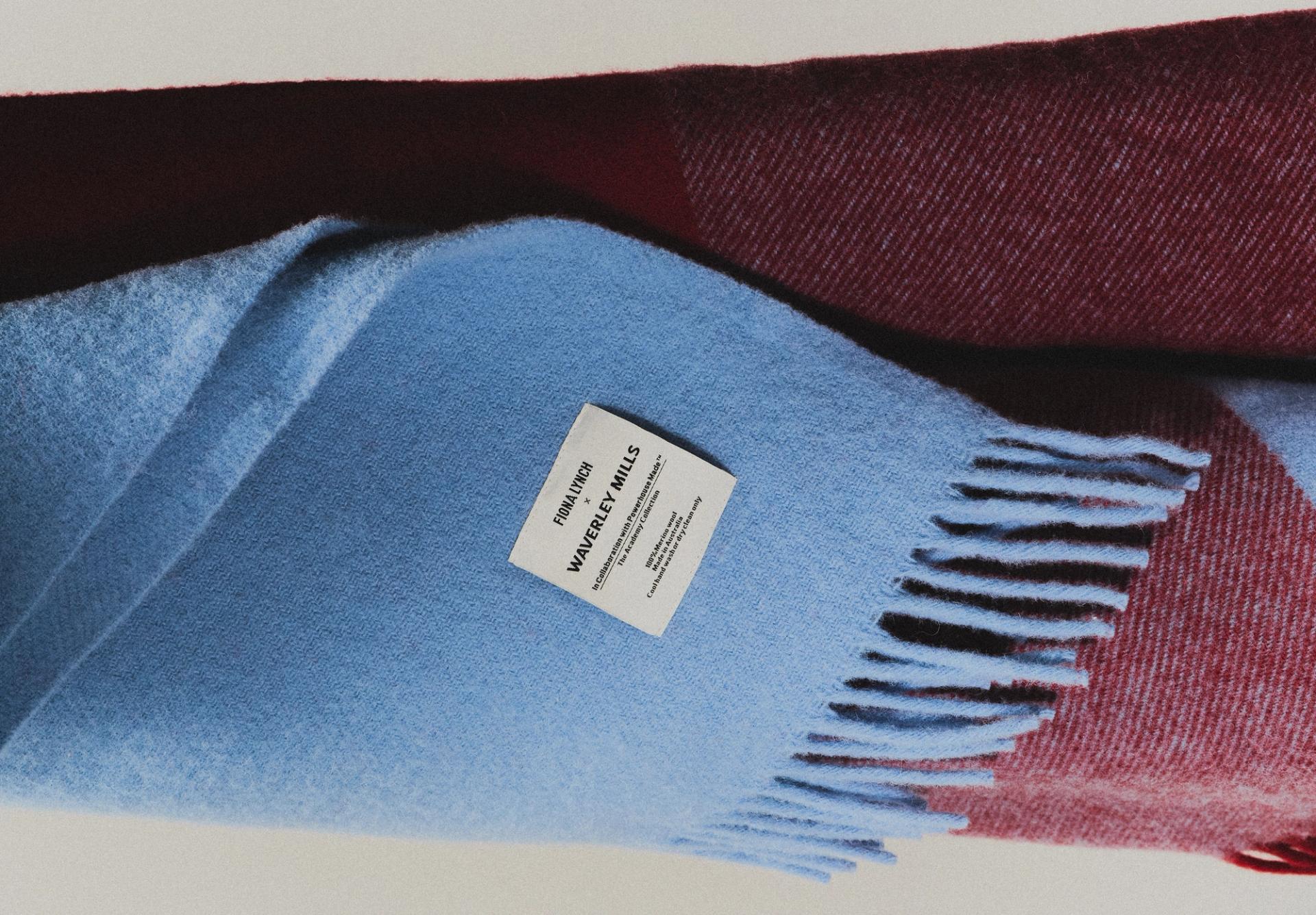
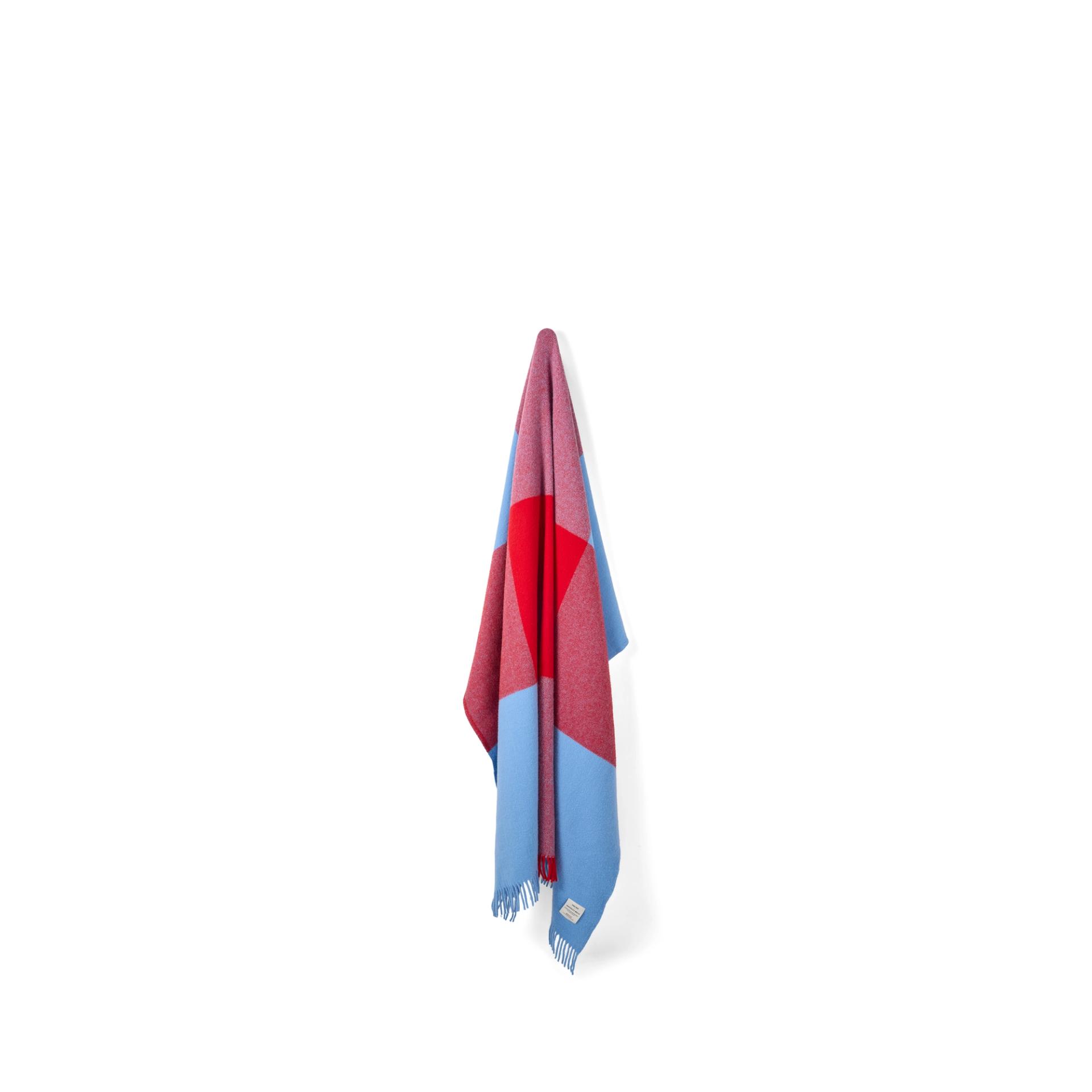
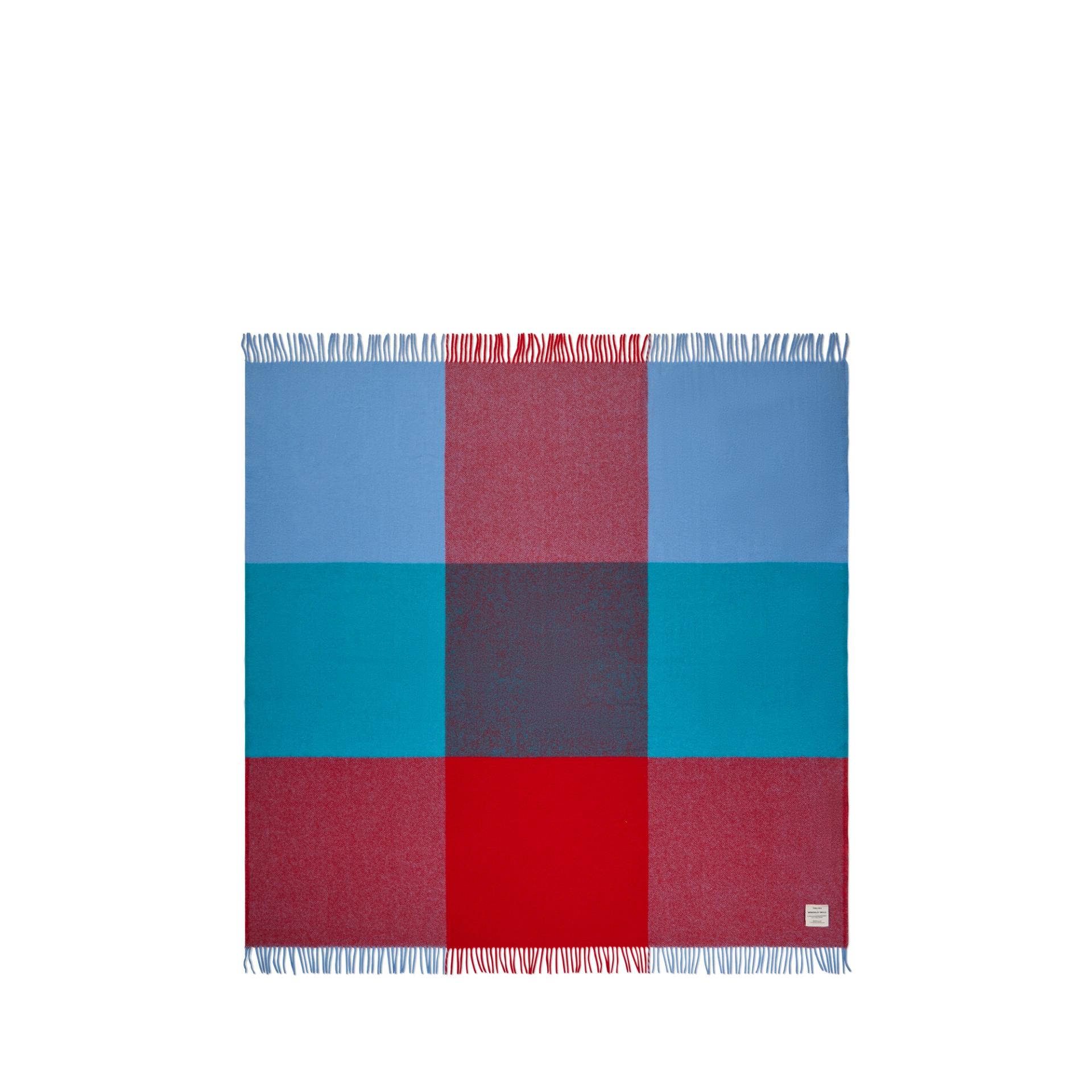
Academy Collection Picnic Rug - Edith
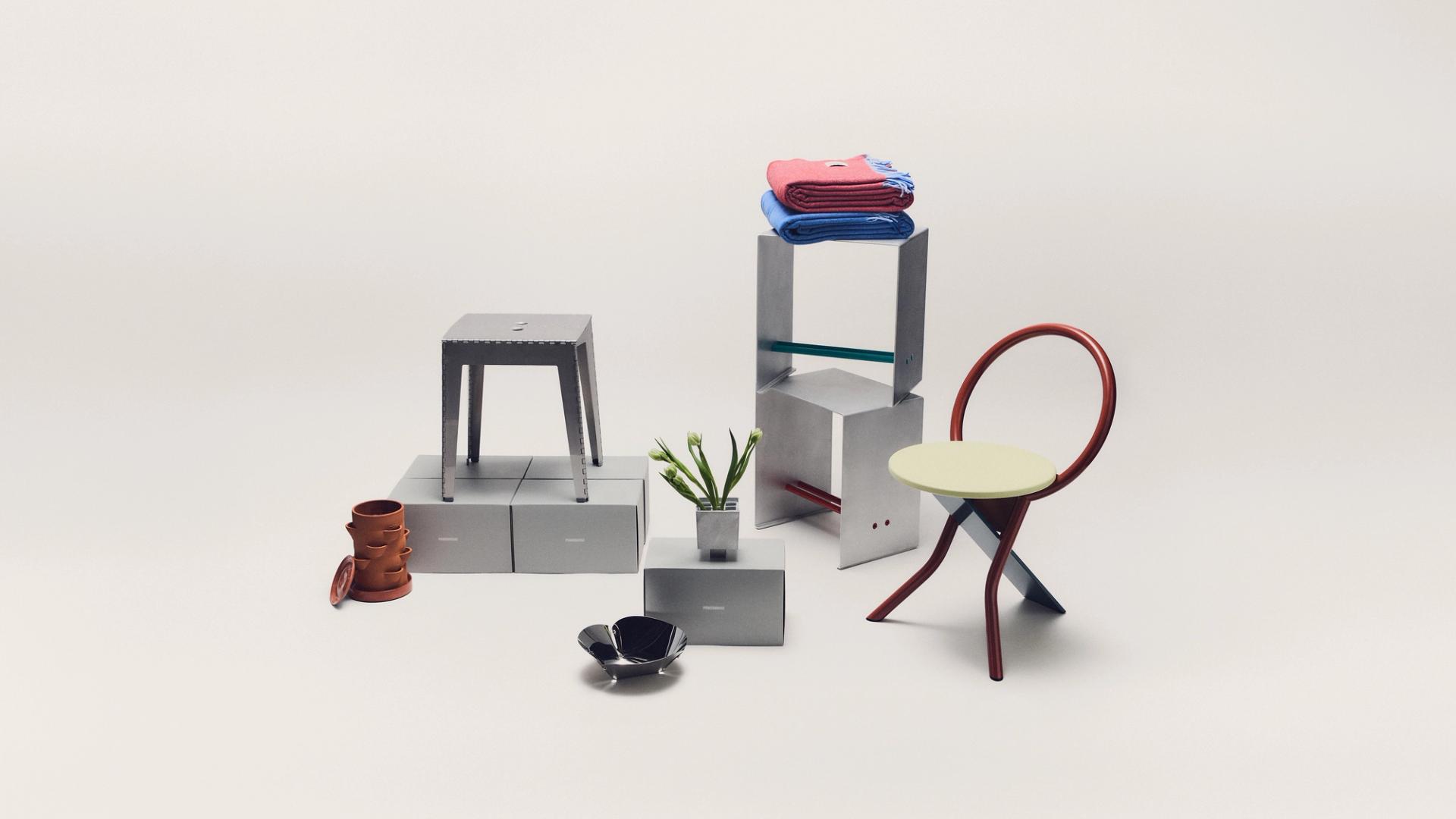
Fiona Lynch x Waverley Mills’ ‘Academy Collection Picnic Rug - Edith’ is available through Powerhouse Store
Fiona Lynch x Waverley Mills x Powerhouse Made™
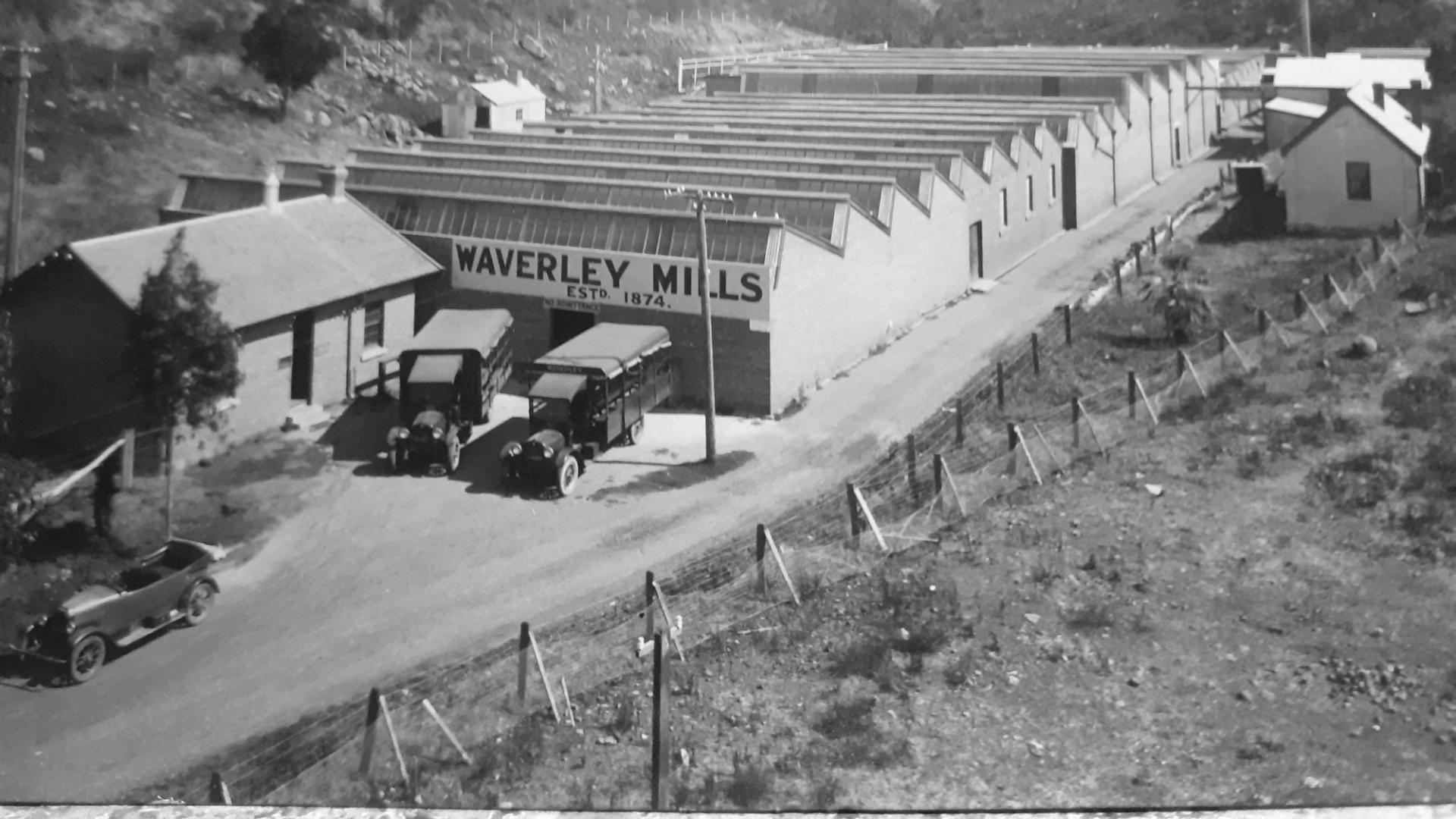
Waverley Mills partnered with interior designer Fiona Lynch, one of more than fifty Australian designers commissioned to shape the new museum, to create a range of woollen throws and a picnic rug for the Academy
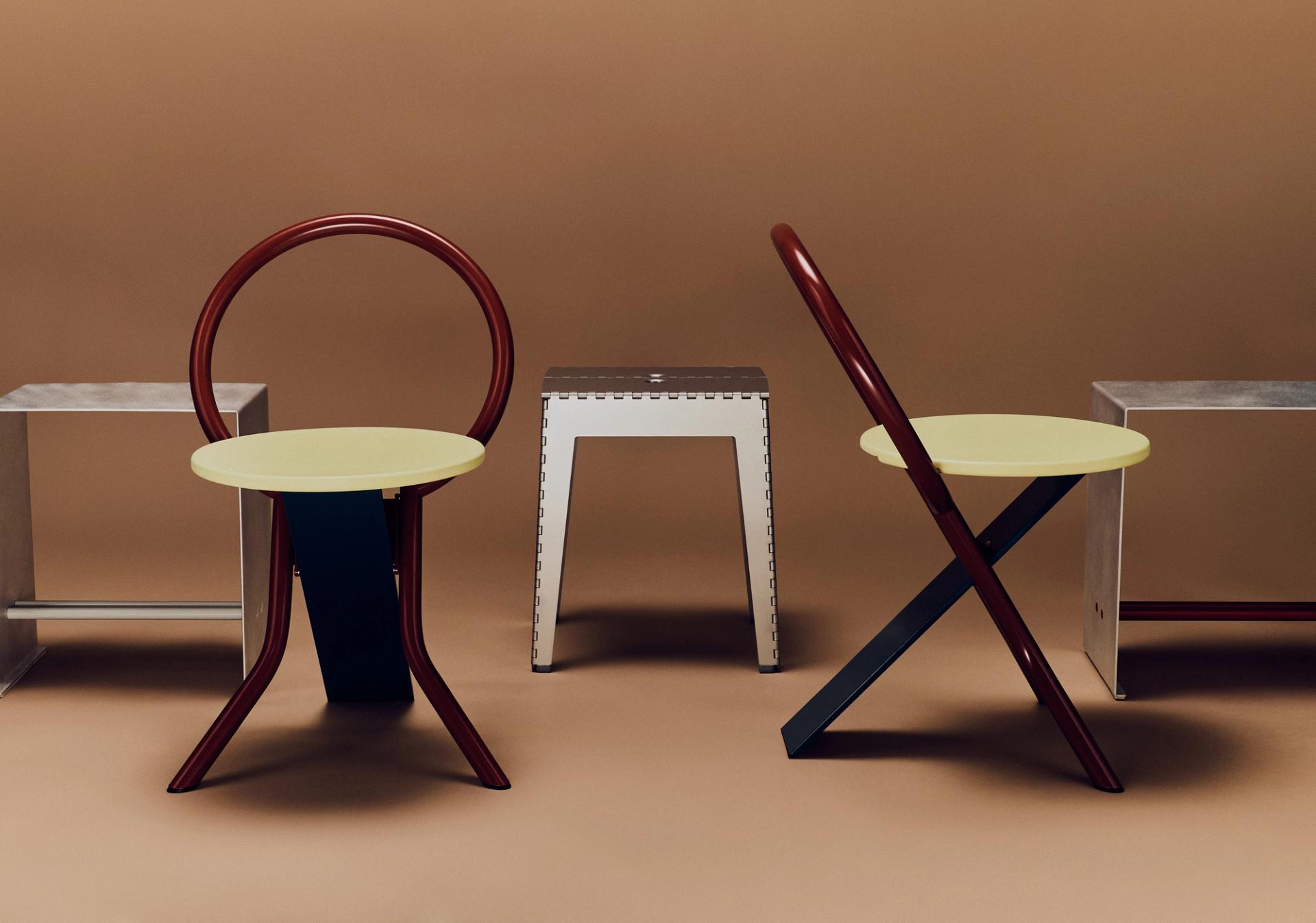
‘We responded to this very special brief by focusing on a limited material palette of metal, wood and wool in such a way that being within the spaces becomes a living exercise in design principles.’
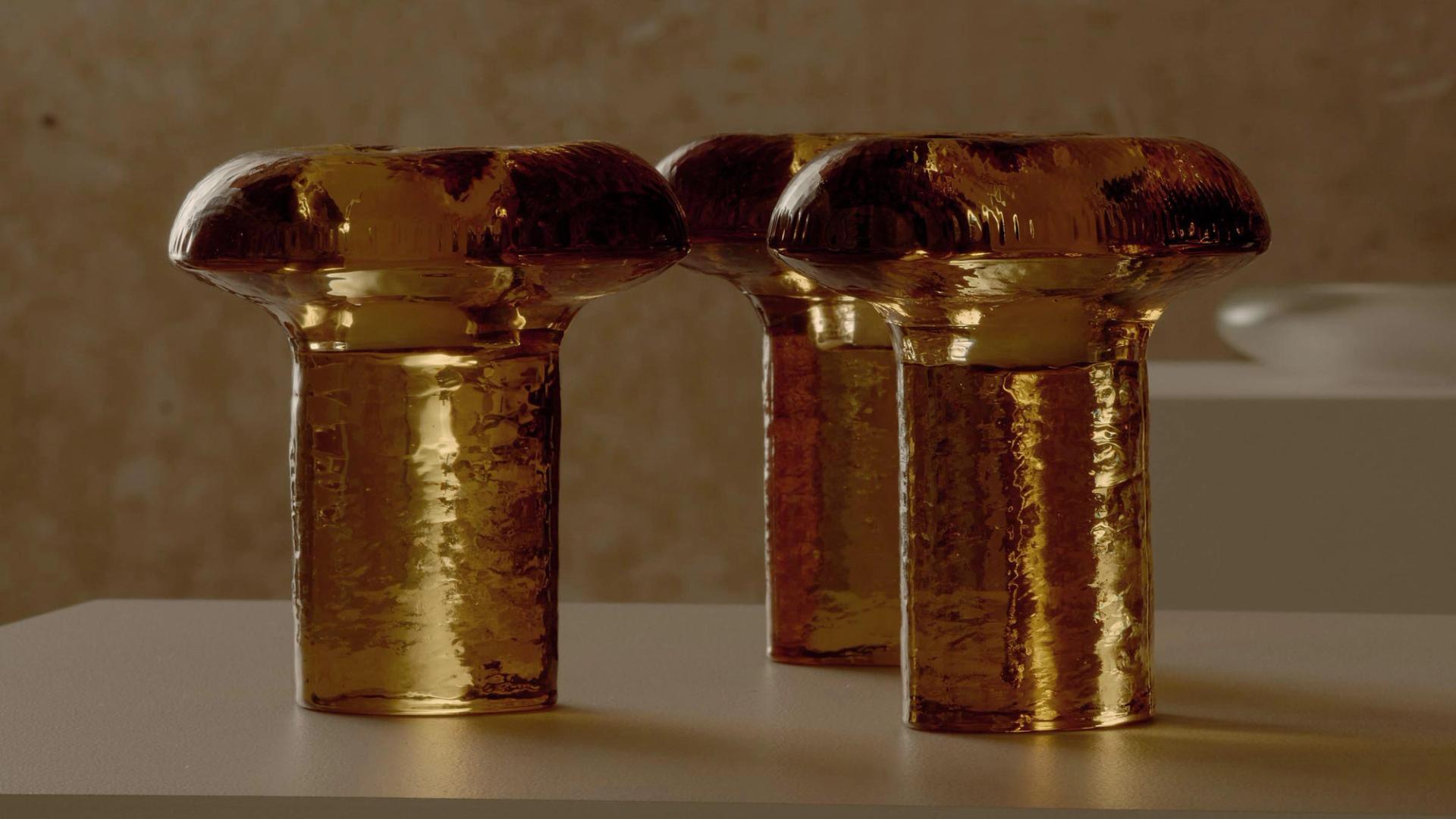
Aluminium, for instance, is worked in a multitude of techniques and finishes (perforated in places, brushed elsewhere, sometimes bonded in a cellulose-type structure) to showcase industrial potential; timber construction is left exposed – or ‘expressed’ as Lynch puts it – at points throughout.
‘We wanted to hero the materials throughout the project in various forms of refinement,’ notes Lynch. ‘From raw and unprocessed to machined and polished.’
As for wool – an iconic Australian fibre and a more than $2 billion export industry – it’s used in various thicknesses to create curtains, picnic blankets and delicate throws deployed throughout the spaces. Fabricated by Australia’s oldest working wool mill – Waverley Mills, established in 1874 in Tasmania – each one is made from local sheep shorn nearby; the yarn carded and spun onsite. This complete vertical integration of the production process results in unique pieces that run from the robust and refined (the curtains and blankets) to ultra-fine for the throws which come in at 22 microns.
The tonal blue and red colourways are directly inspired by the Powerhouse Collection (opens in new tab) – in particular, the archive of Eclarté, the Melbourne weaving workshop founded by Mollie Grove and Catherine Hardress in 1939.
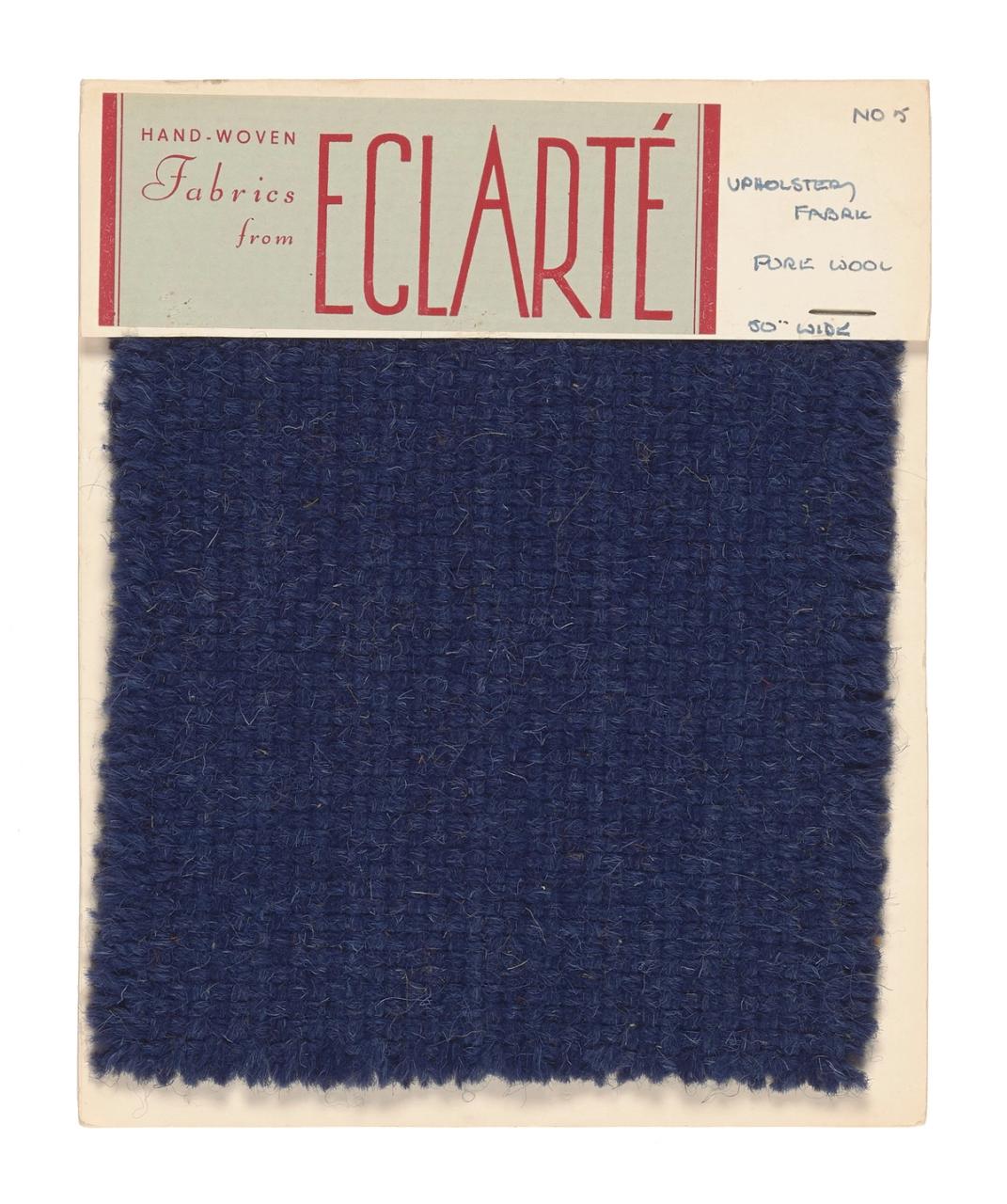
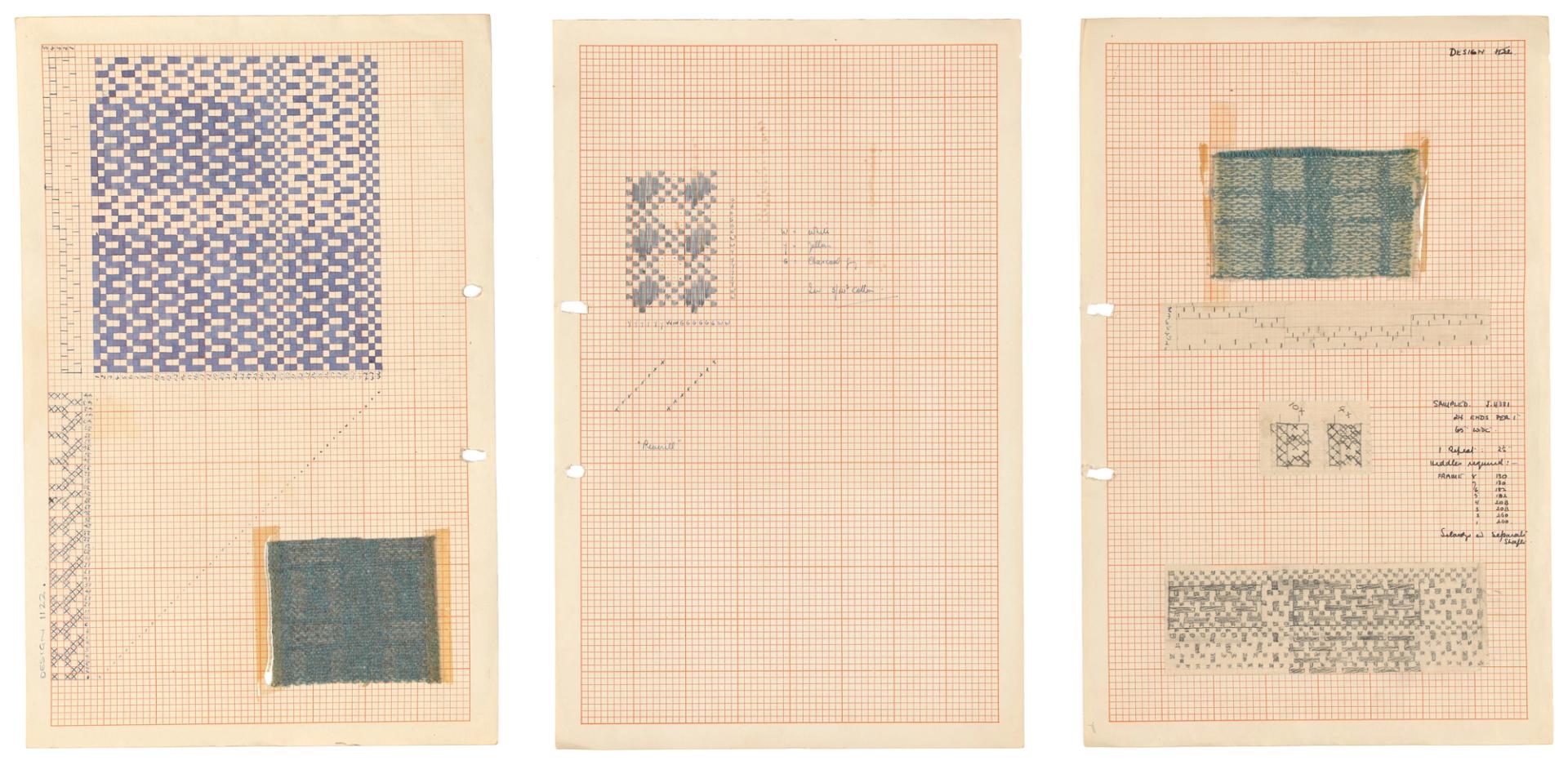
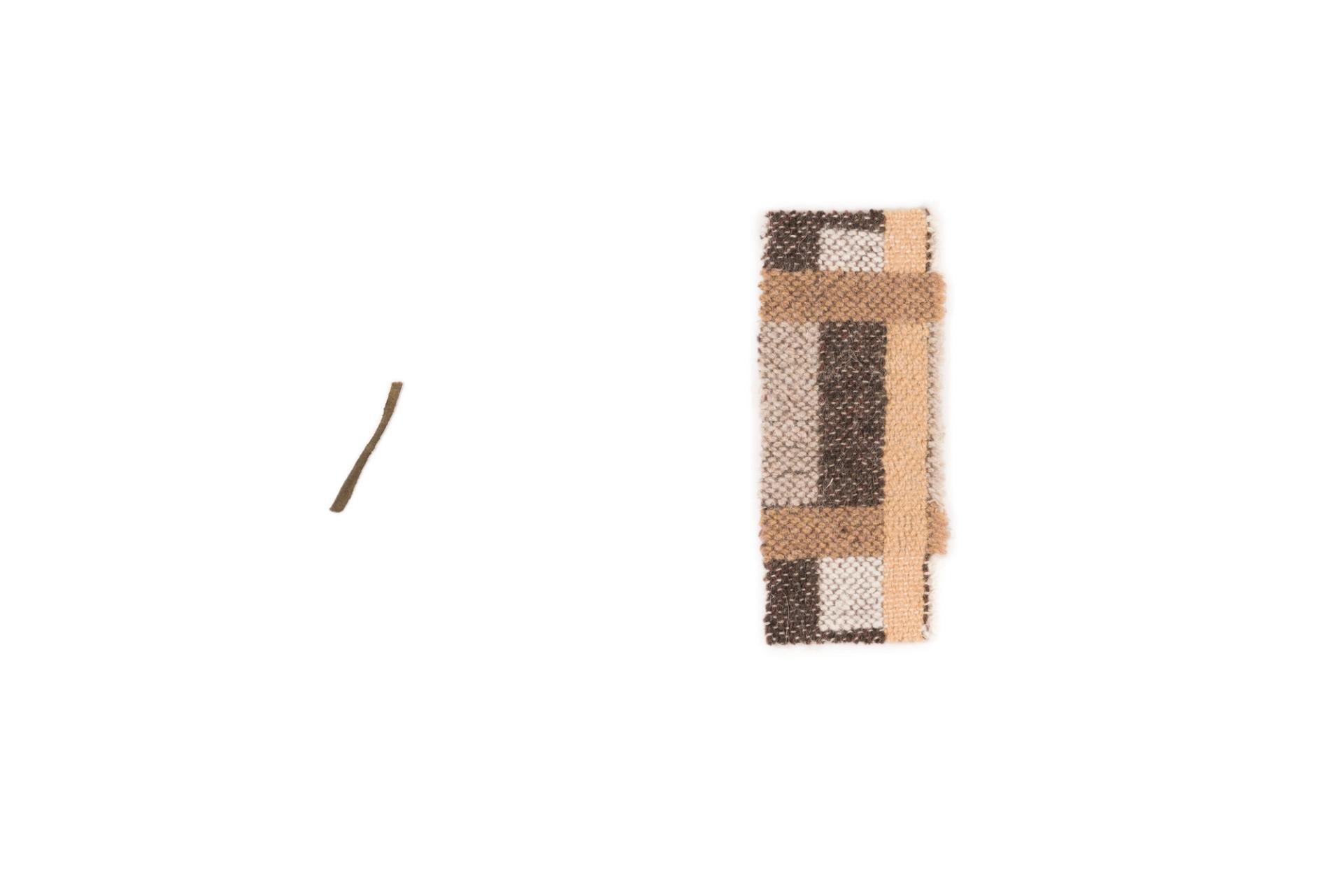
For Lynch, who studied fine art before segueing into interior design, the Eclarté textiles are akin, she says, to colour field painting.
‘There is something so joyous about their handling of planes of colour, whether in earthy or more heavenly hues,’ she says.
Grove and Hardress were renowned for their woven hangings and dress fabrics, producing work for actors, royalty and other high-end clients. From 1958, Eclarté concentrated on furnishing fabrics, before closing in 1962 after financial difficulties. Samples of the work, including swatches and sketches, survive in the Powerhouse Collection. It were these evocative sketches that inspired Lynch’s bespoke colour palette.
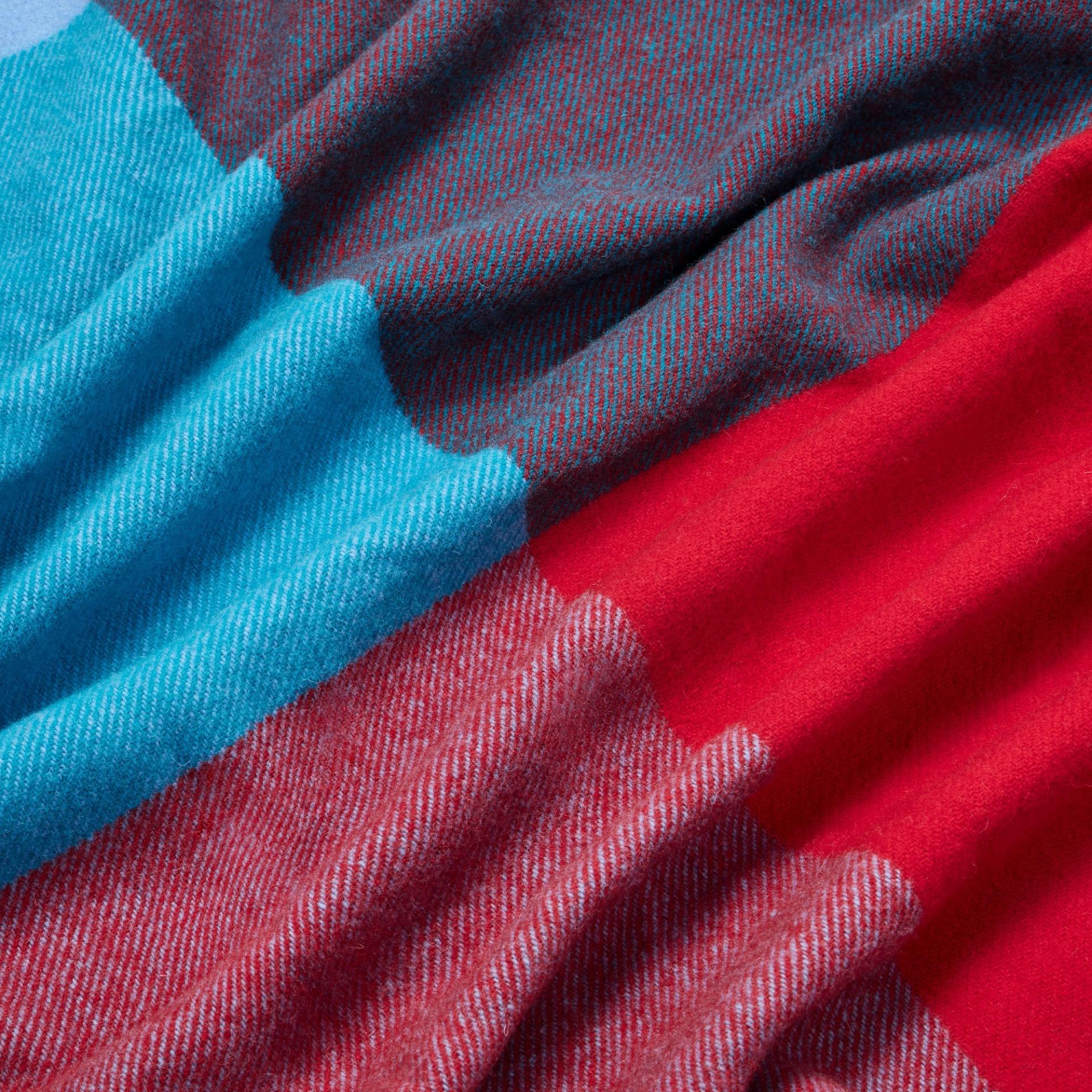
Eclarté’s textiles were made in a different Australia, for a different kind of client, yet their confidence with colour provides a useful counterpoint to the institutional neutrality that can so easily creep into educational environments.
The connection captures the essence of the Powerhouse Made program and of Powerhouse itself: the museum is not simply a repository of historical objects, but a source of ideas that can be reactivated by contemporary designers and industry.
Powerhouse Store
Powerhouse Made objects are available through Powerhouse Store, the museum’s retail platform. Every purchase supports Australian designers and makers and champions their creative practice.