A Heavy Kind of Calm
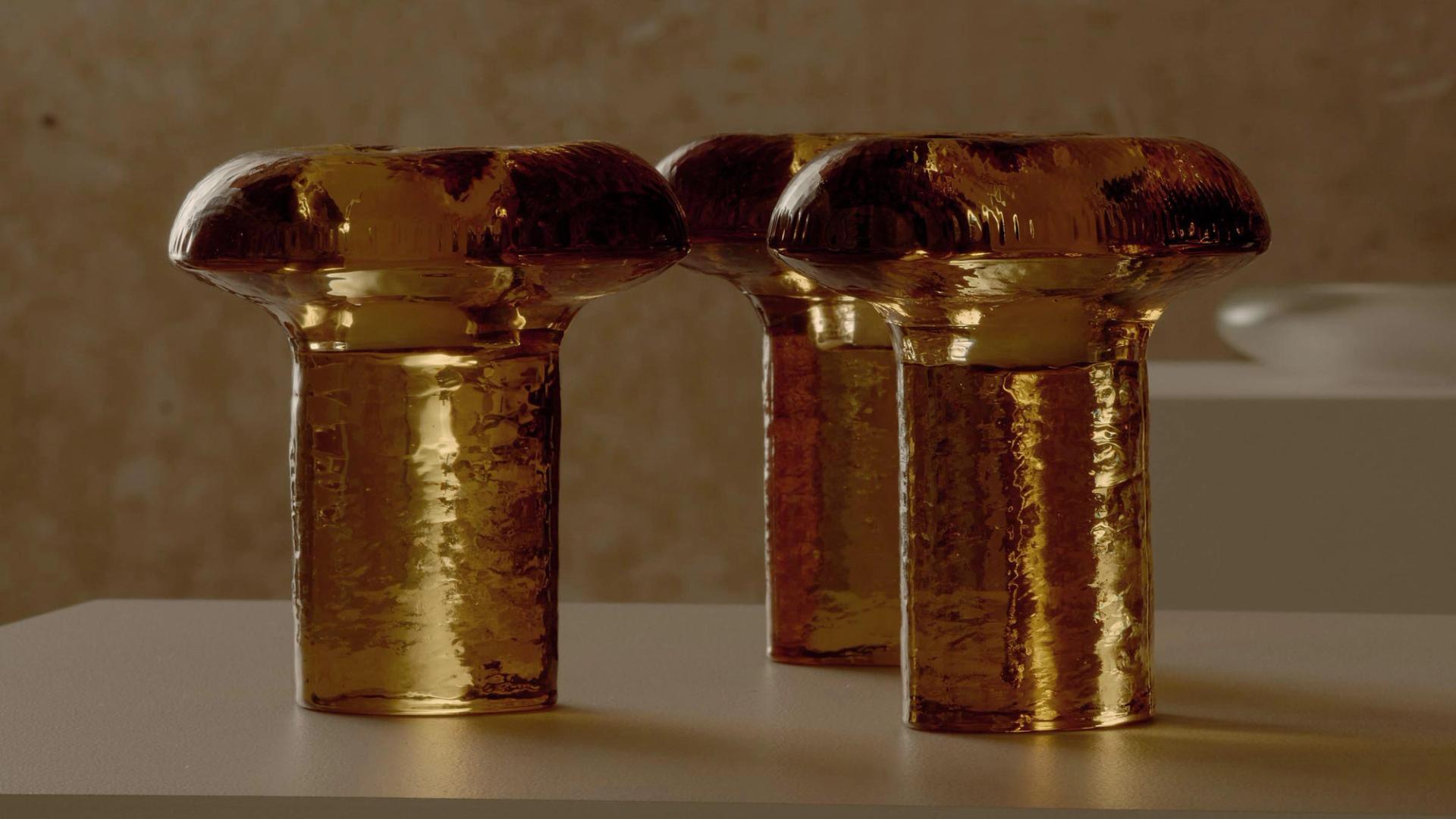
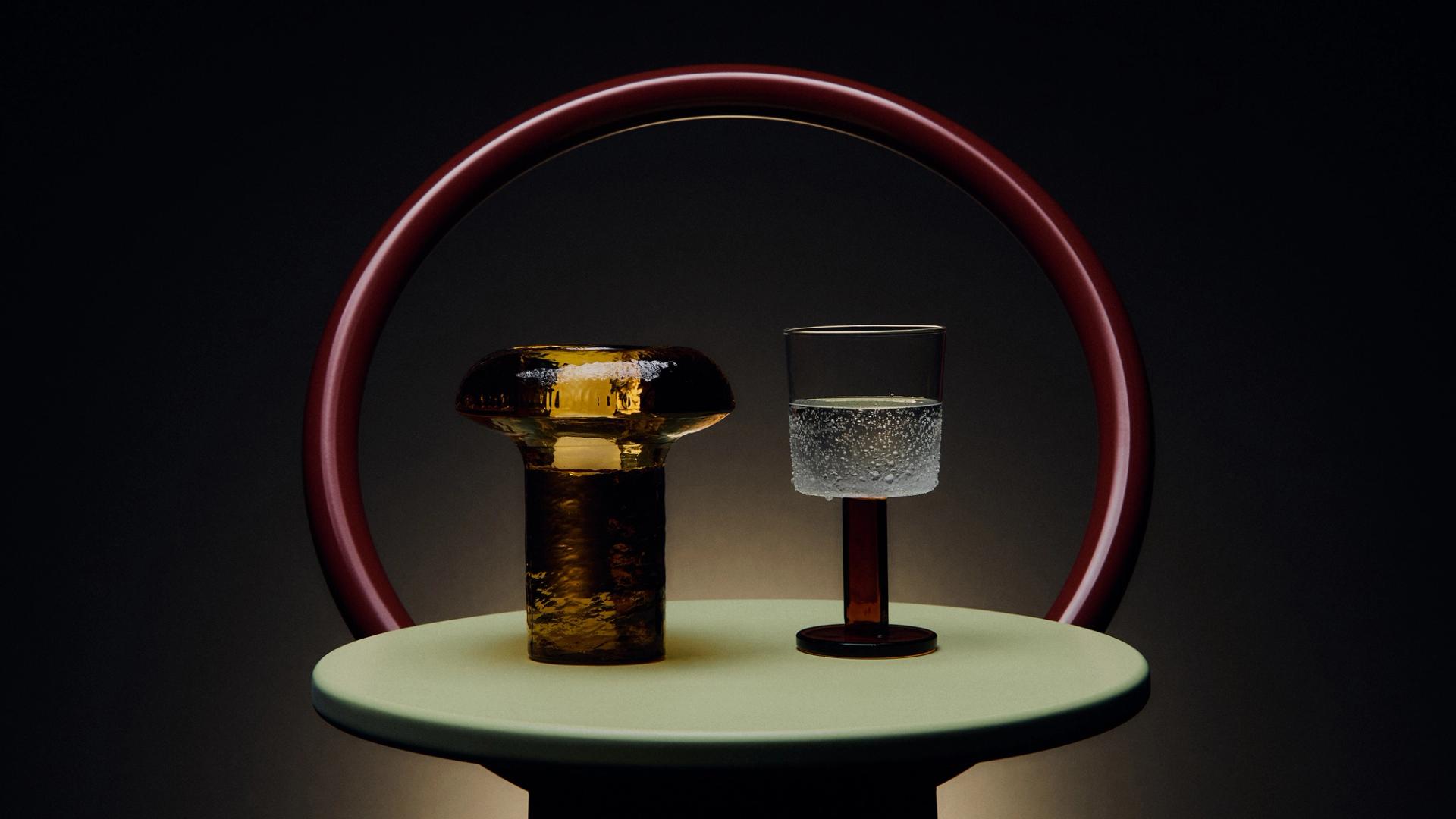
‘My desire was to bring a kind of calm to the home,’ says industrial designer Tom Fereday, reflecting on the origins of his ‘Mazer Tea Lamp’. A solid cast-glass object that is both totem and vessel, there is no cable, no switch, nothing to plug you into the grid. Instead, the user places a flame inside and the glass does the rest, gathering and softening light rather than simply containing it.
The brief, as Fereday describes it, was unusually precise for a museum commission: make something collectible without making it exclusive. ‘Powerhouse wanted an object that held its design integrity at an accessible pricepoint not typical of the collectible design sector – attainable without loss of quality,’ as Fereday puts it. This framing shaped almost every decision that followed.
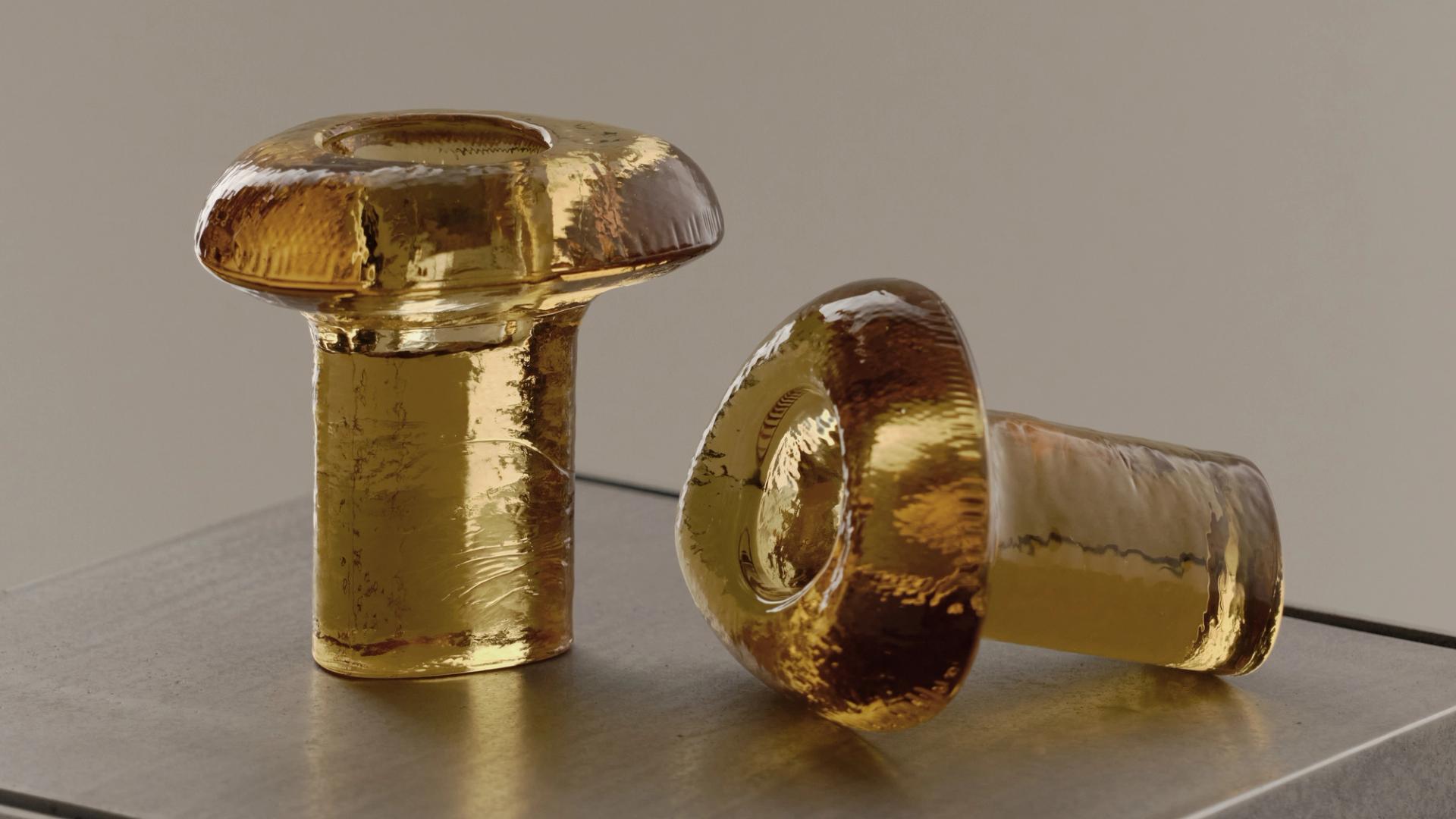
Mazer Tea Lamp
Tom Fereday’s 'Mazer Tea Lamp' is available through Powerhouse Store
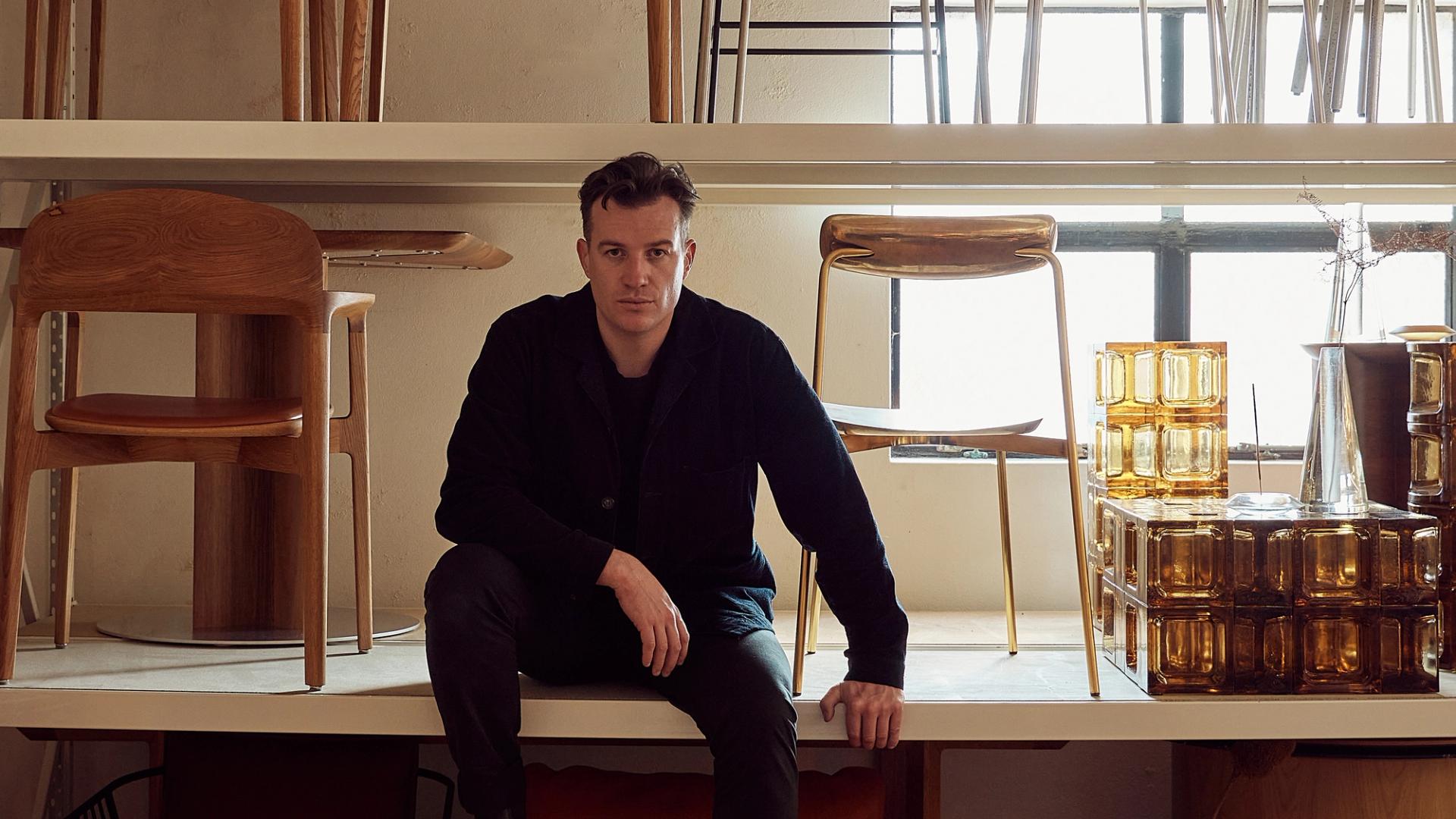
Tom Fereday x Powerhouse Made™
Tom Fereday is a designer based in Sydney, working across furniture, product design and lighting
Fereday’s practice runs on a generative friction between venerable materials and innovative method; he works with natural stone (with a particular penchant for fine travertine), timber and glass but in ways that push them beyond tradition. ‘Mazer’ is a case study in tension pushed to its limit.
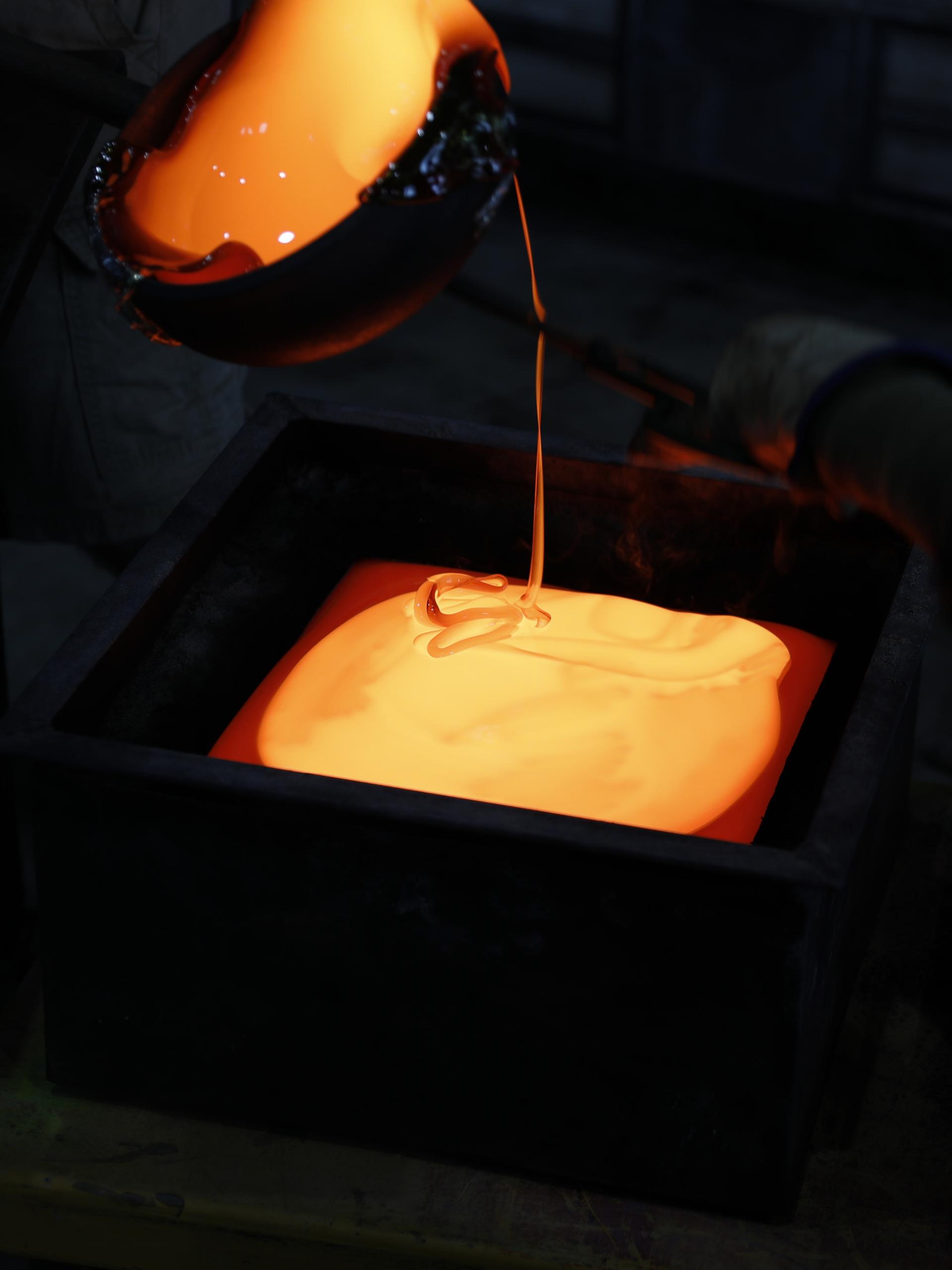
Early glass pieces – incense-burners in the same family – were produced in Australia, but the tea lamp’s more complex, organic form intricately cast from a 5-part steel mould, combined with the quantities required meant local production was not possible.
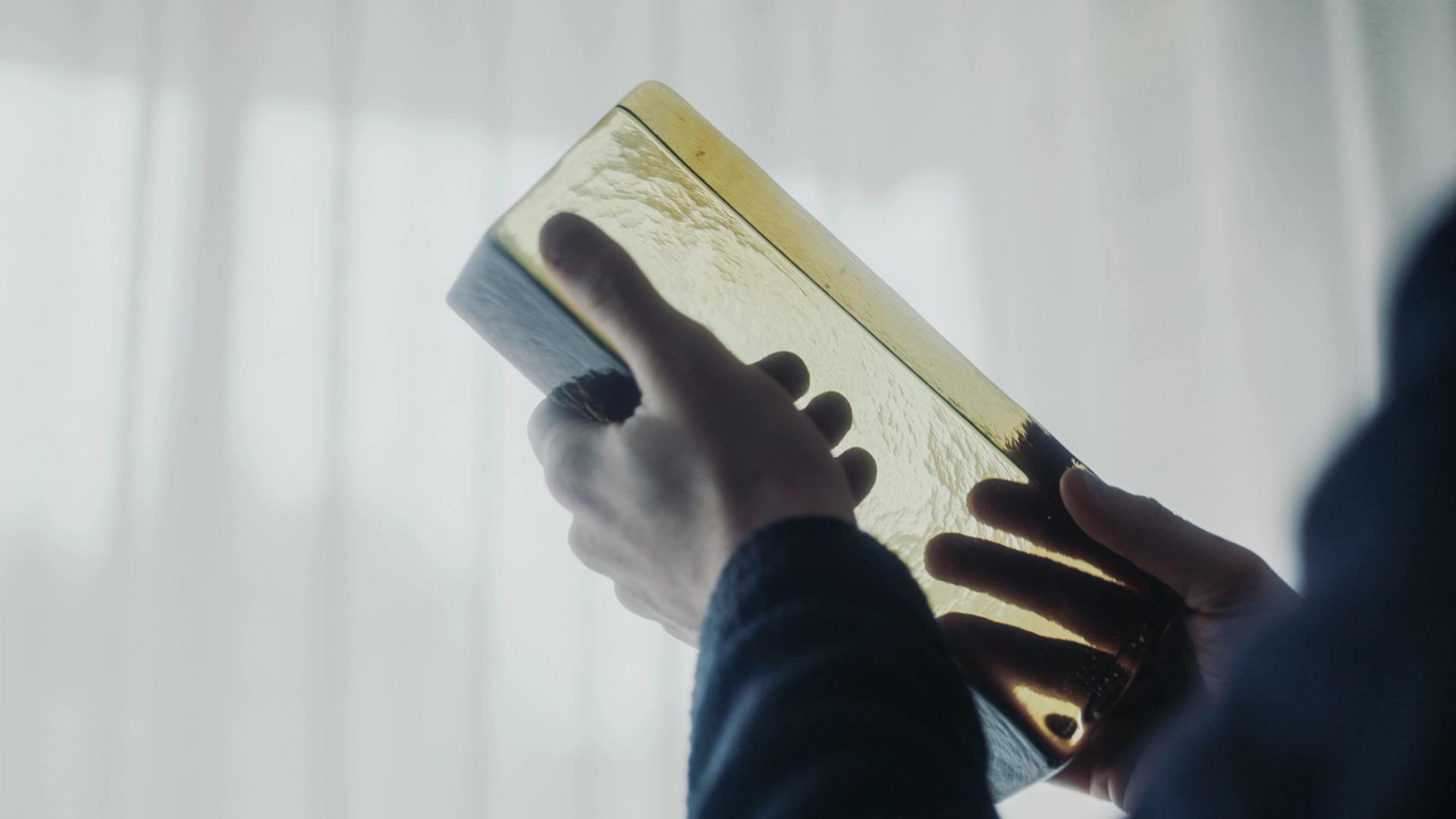
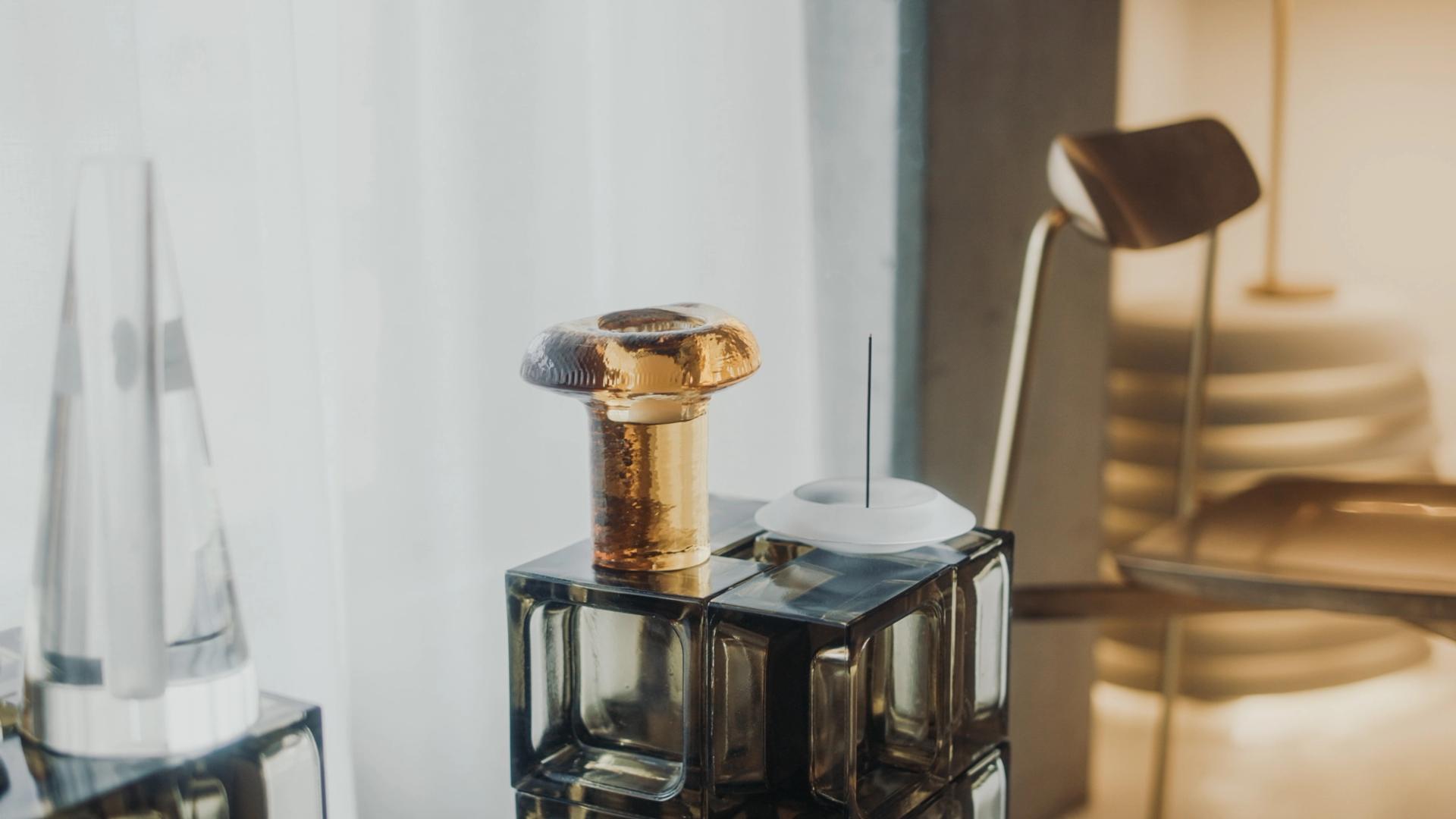
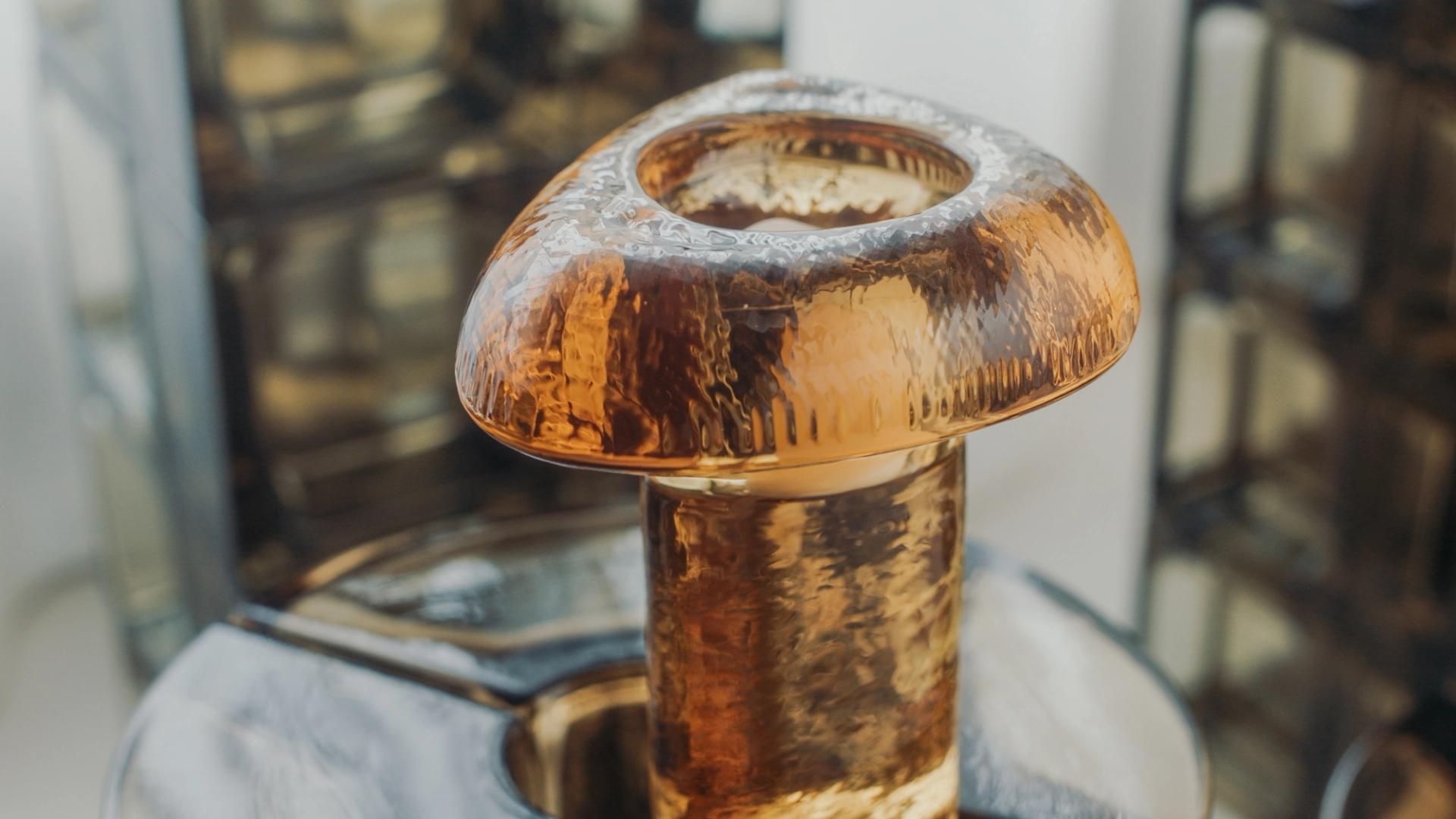
The glass, roughly two kilograms of it per piece, were cast in China by a renowned glassworks solely specialising in hand-casting at scale. ‘I’d canvassed options in the Czech Republic and in Italy – both traditional glassmaking cultures – but ultimately, working closer to home in the Asia-Pacific felt appropriate,’ the designers says.
There’s another throughline here, too. Powerhouse commissioned some of Fereday’s first cast-glass work as part of the Hybrid: Objects for Future Homes project for Sydney Design Week 2020. That rigorously minimalist Sana collection of vases, vessels and candle holders were conceived as focal points for meditation; the strictness of their silhouettes intended to free the mind to wander. (Conceived and produced during the COVID pandemic, they were also about enhancing personal space.)
The ‘Mazer Tea Lamp’, in development since 2025, is clearly an extrapolation of those earlier experiments; but the highly refined modernist lines are now loosened up, calmed down. More sensuous than cerebral, they speak of a craving for analogue pleasures in an AI ascendant context.
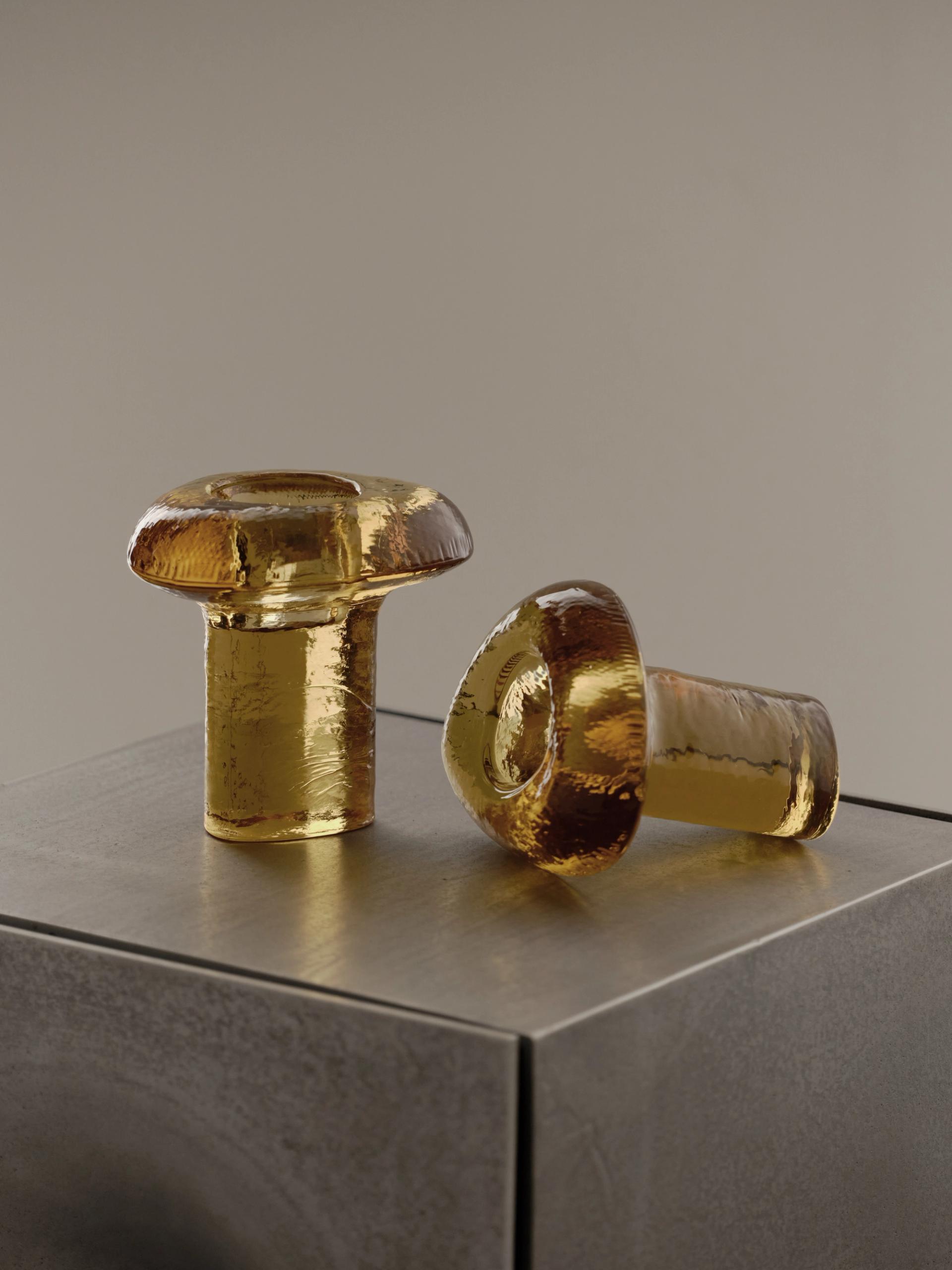
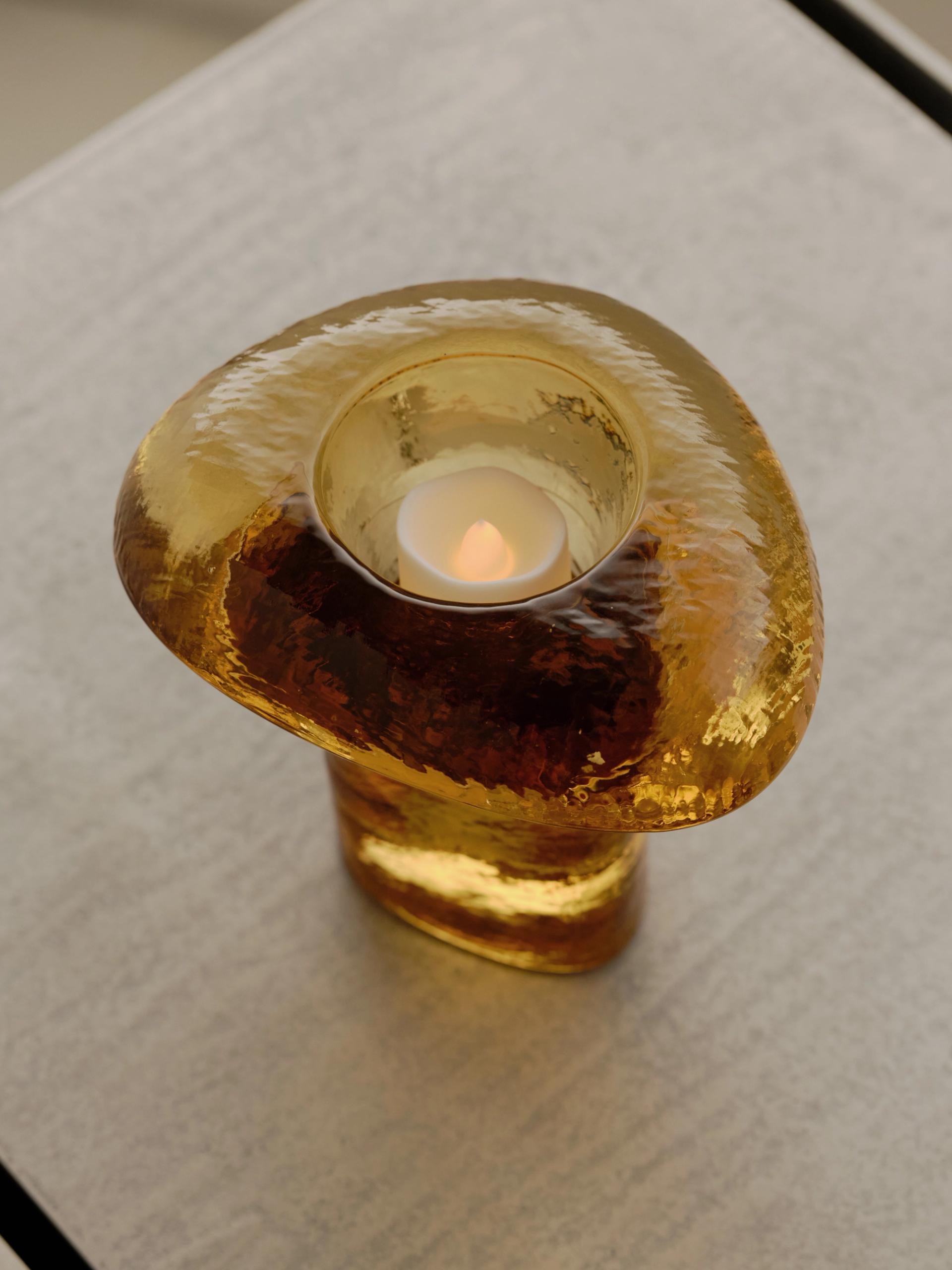
Fereday designed the mushroom-shaped object to be gripped at the stem and lifted – the light travelling with it from a dinner table to a windowsill or to the floor beside a bed. The amber hue guarantees an evocative allure, suggestive of deep geological time rather than the oft-vaunted ‘timelessness’ of much design.
Asked how he’d explain it to a child, Fereday says: ‘just a soft light, no sharp edges, something to be used and enjoyed over time.’ Qualities to bring out the child in us all.
Powerhouse Store
Powerhouse Made objects are available through Powerhouse Store, the museum’s retail platform. Every purchase supports Australian designers and makers and champions their creative practice.