Deep Time
On Time
Set against Sydney Observatory’s timeless backdrop, On Time is a Powerhouse series exploring the philosophy of time. Across four conversations journalist Rachael Hocking engages with leading thinkers to examine how time governs our world by measuring moments, defining cycles and shaping our deepest sense of self.
‘[Time] shapes how we tell stories and how we govern countries and how we create policies and how we treat each other. My thesis while I was at Columbia [University] explored how Indigenous storytellers challenged settler colonial concepts of time, and they did that by holding past, present, and future in a relational sense rather than in a linear sense.’
Deep Time
Time is a vast, interconnected story etched into landscapes, encoded in songlines, and carried through oral traditions. In this conversation on Deep Time, Rachael Hocking yarns with her friend, storyteller Bronte Gosper. Together they weave and untangle the many threads which tie them to Country, community, time and place. The lines between past, present and future blur as we remember lessons from their ancestors who have walked this earth for millennia.
Featuring Speakers
‘The everywhen was initially an idea from a white anthropologist [William Edward Hanley Stanner] trying to understand Indigenous concepts of time. He was basically trying to conceptualise this enfolded-ness of past, present and future across a million different Indigenous groups that all had very different ways of thinking about it.’
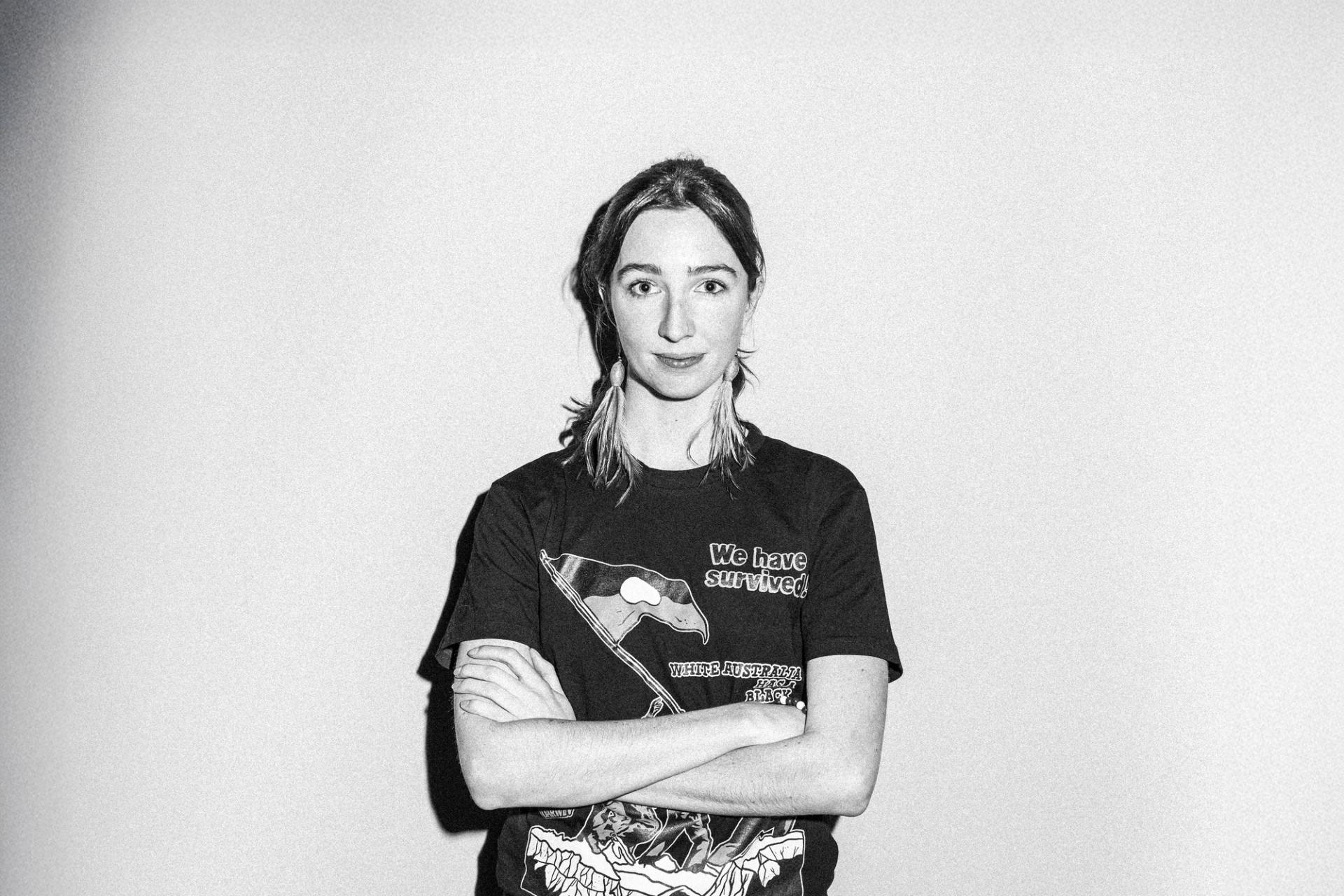
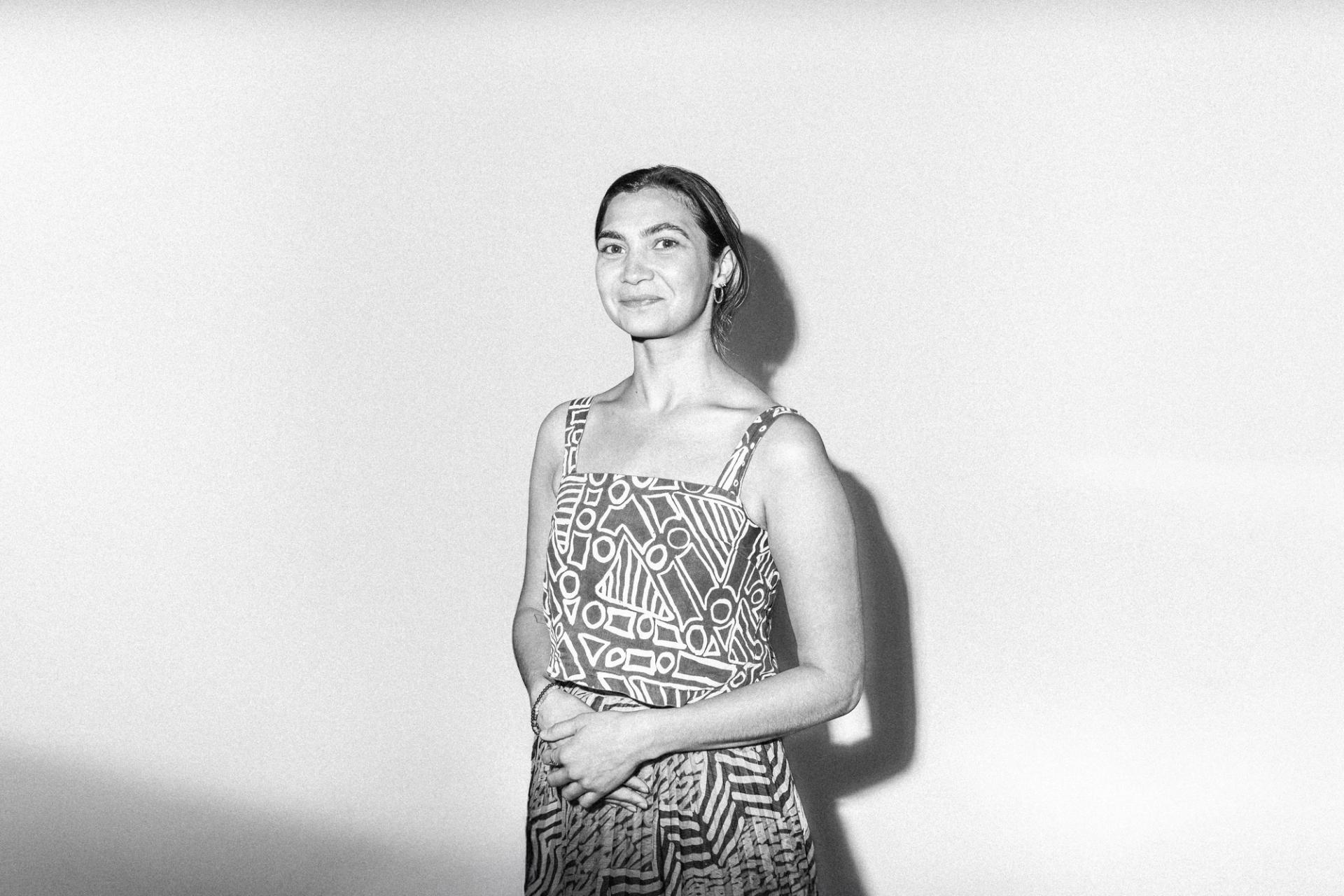
Photography Commission
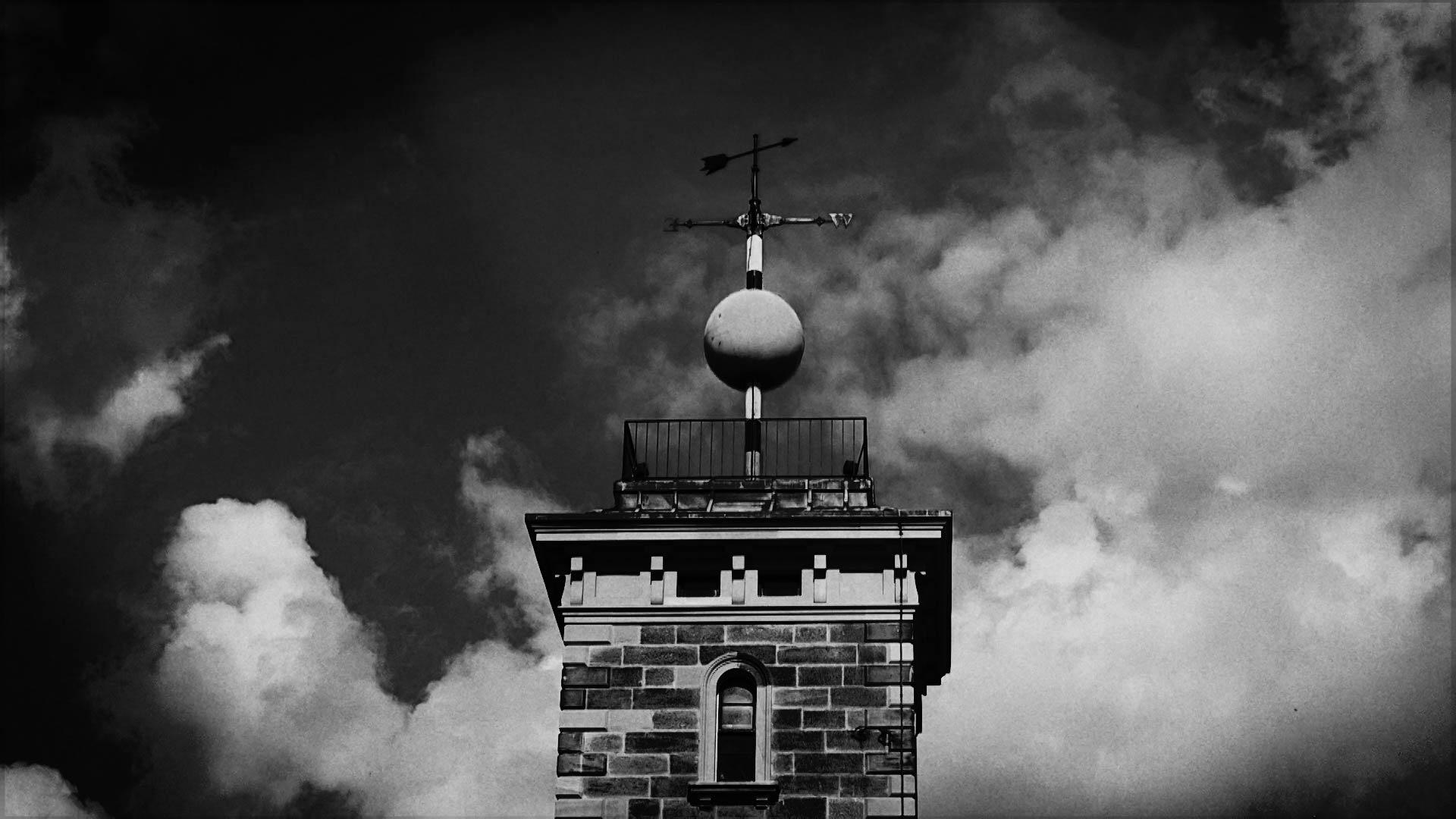
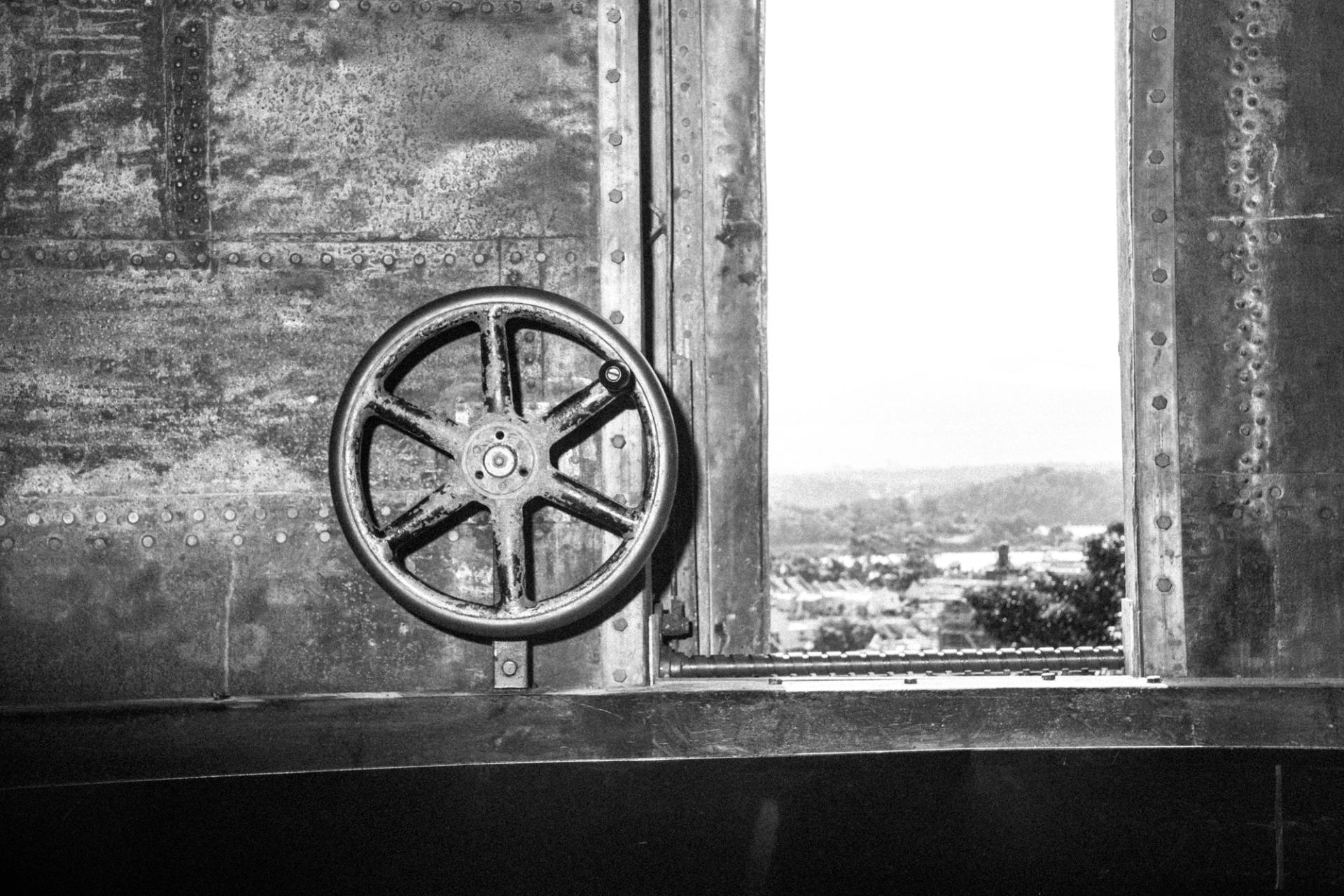
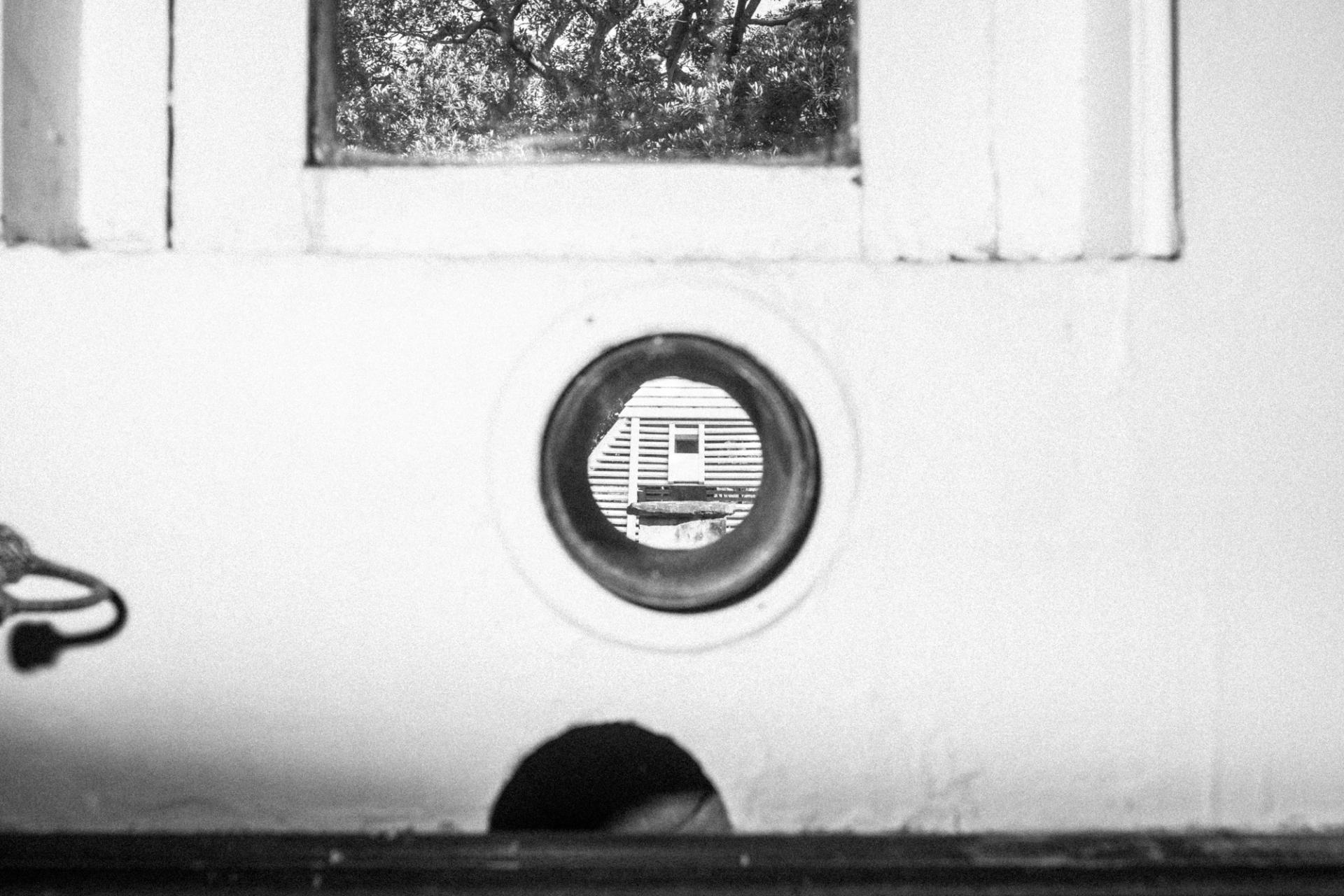
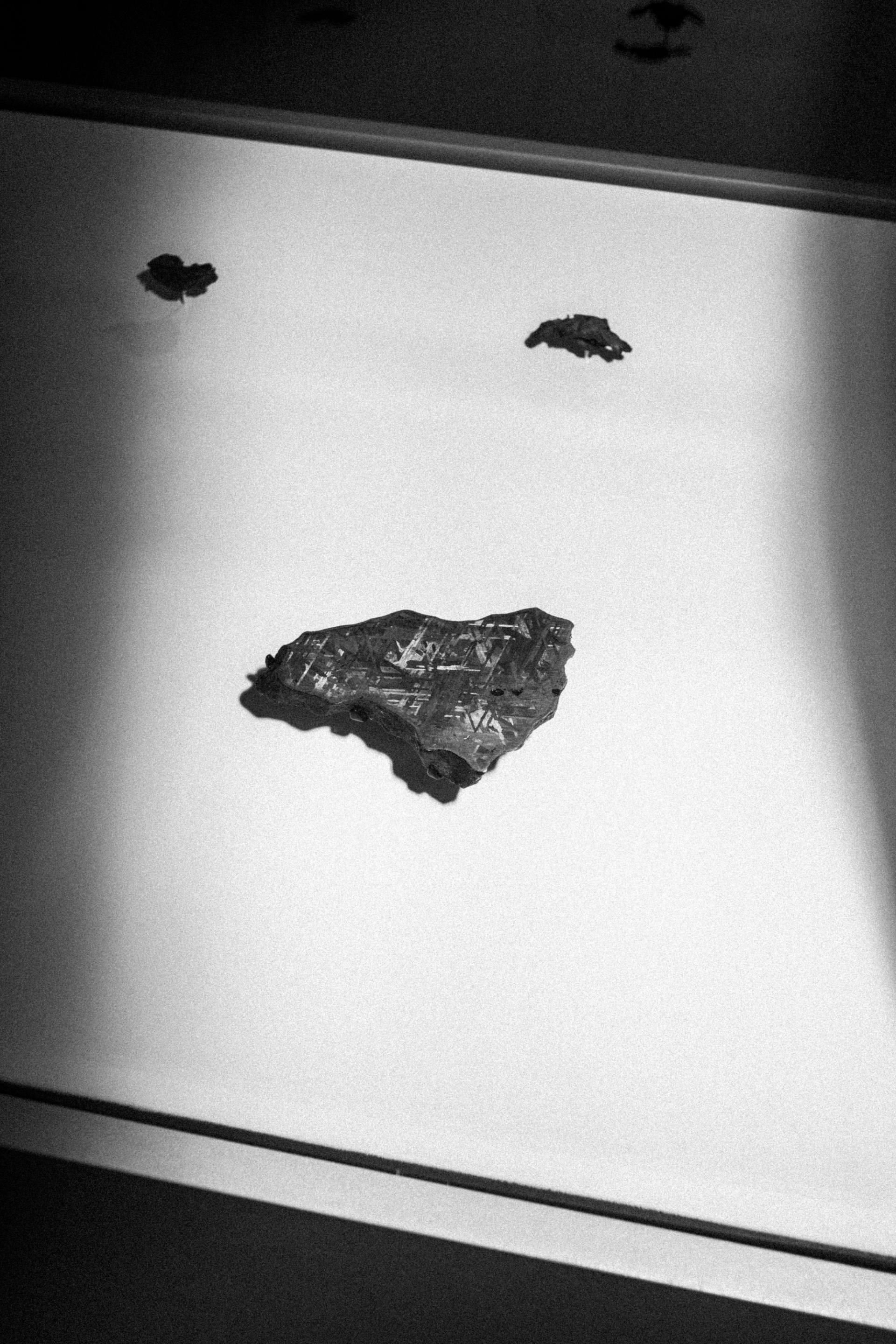
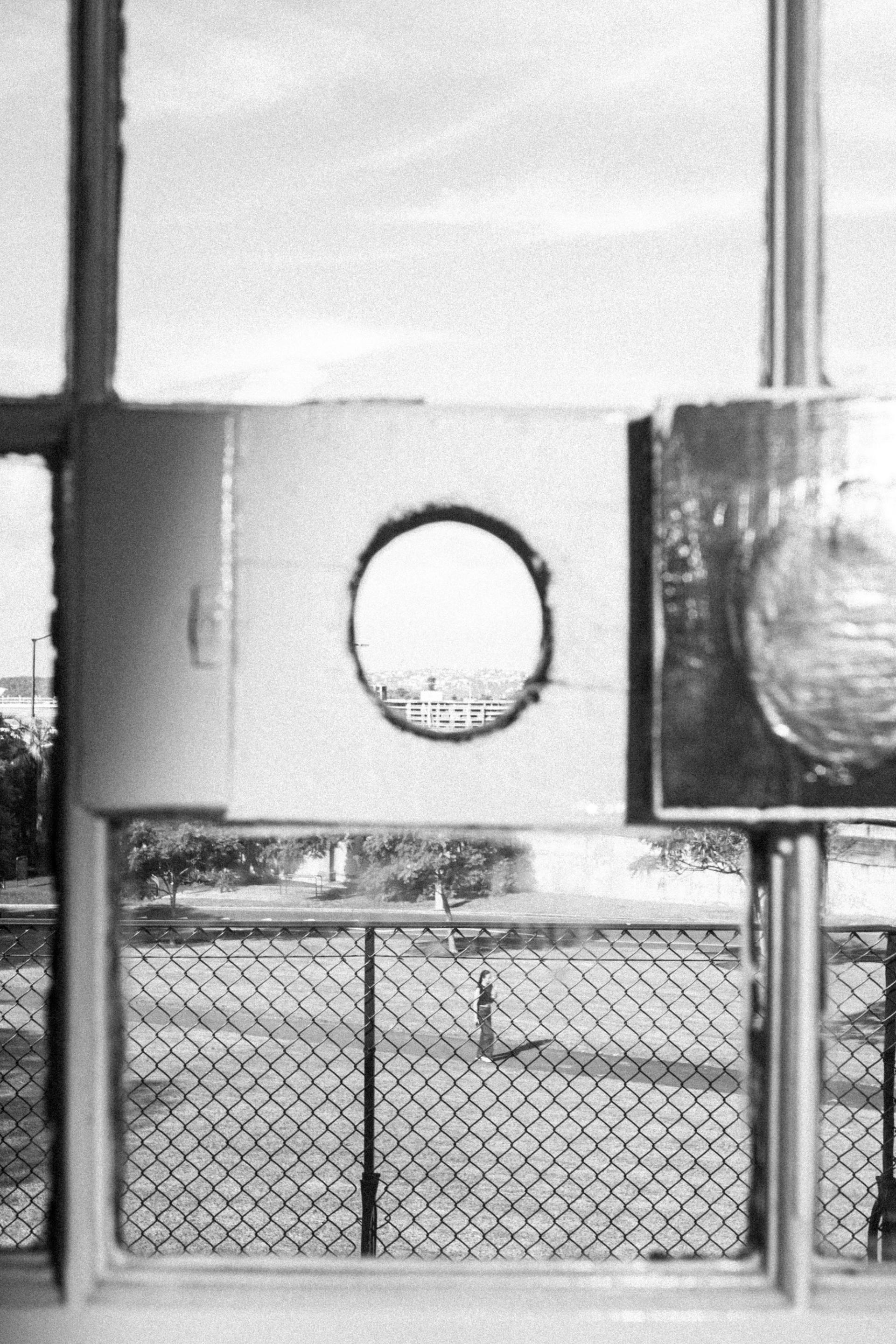
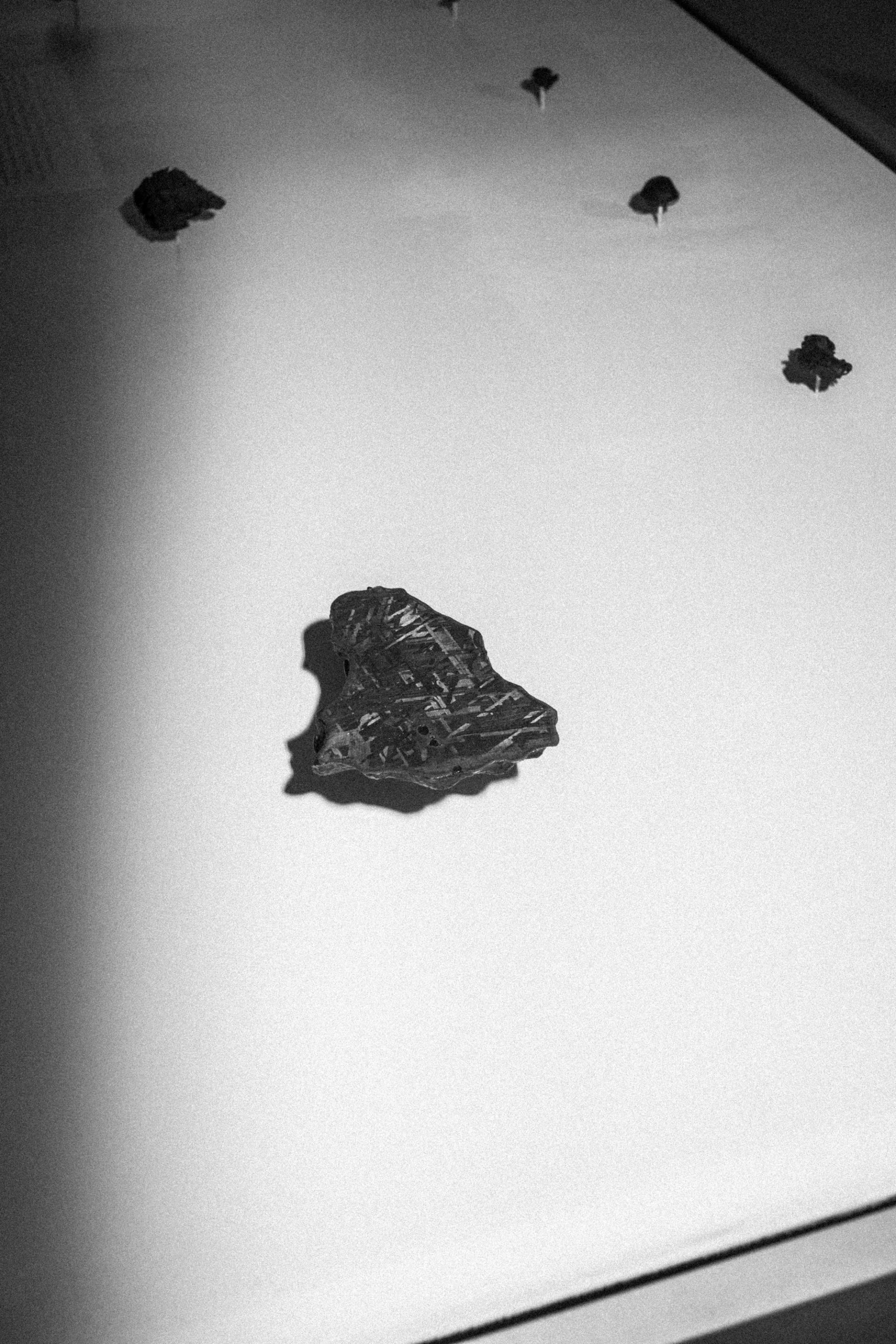
Photographer Kai Wasikowski was commissioned by Powerhouse to produce a series of portraits of the On Time program speakers and a photographic study of Sydney Observatory, situating these contemporary voices within a site shaped by science, timekeeping and colonial history.
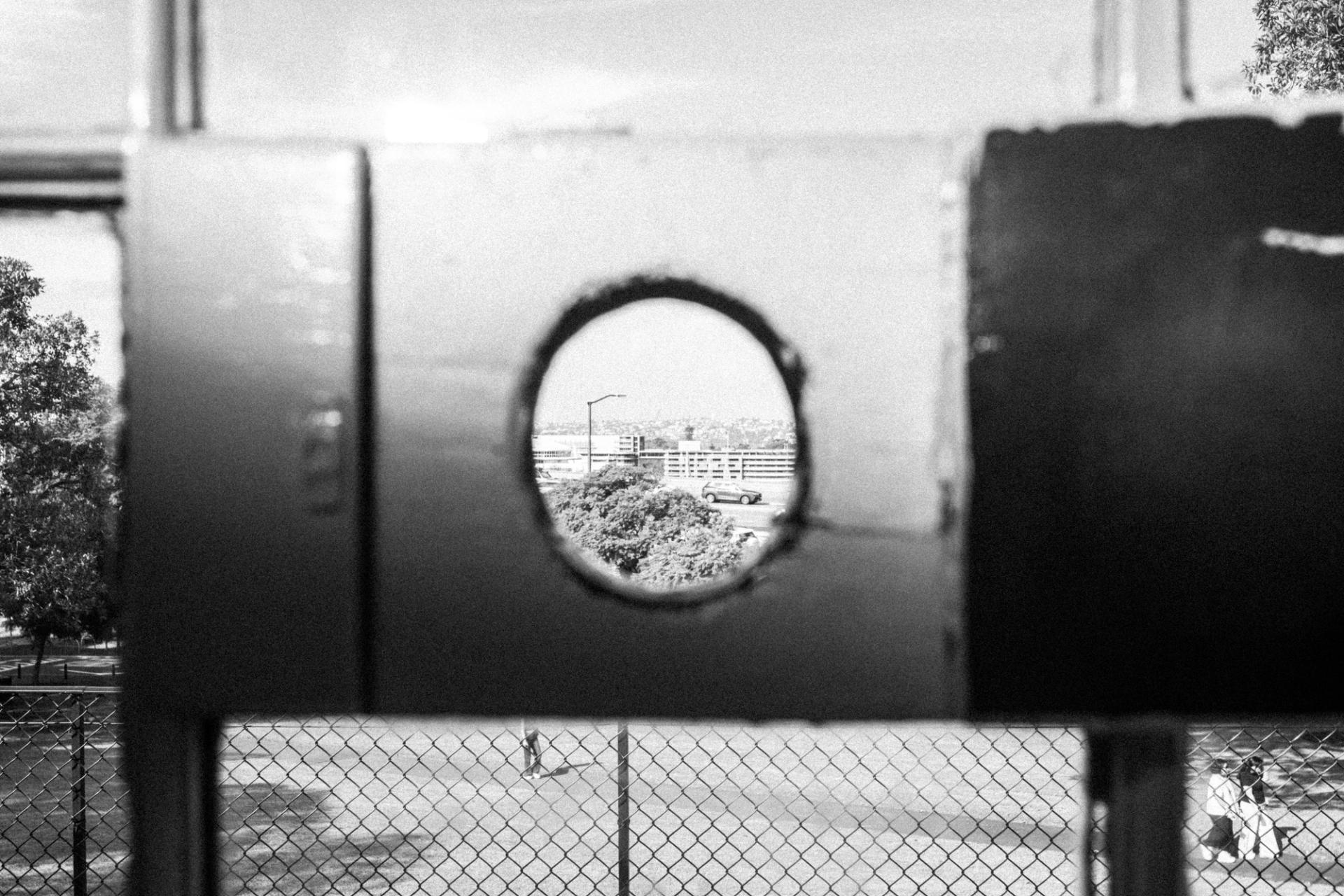

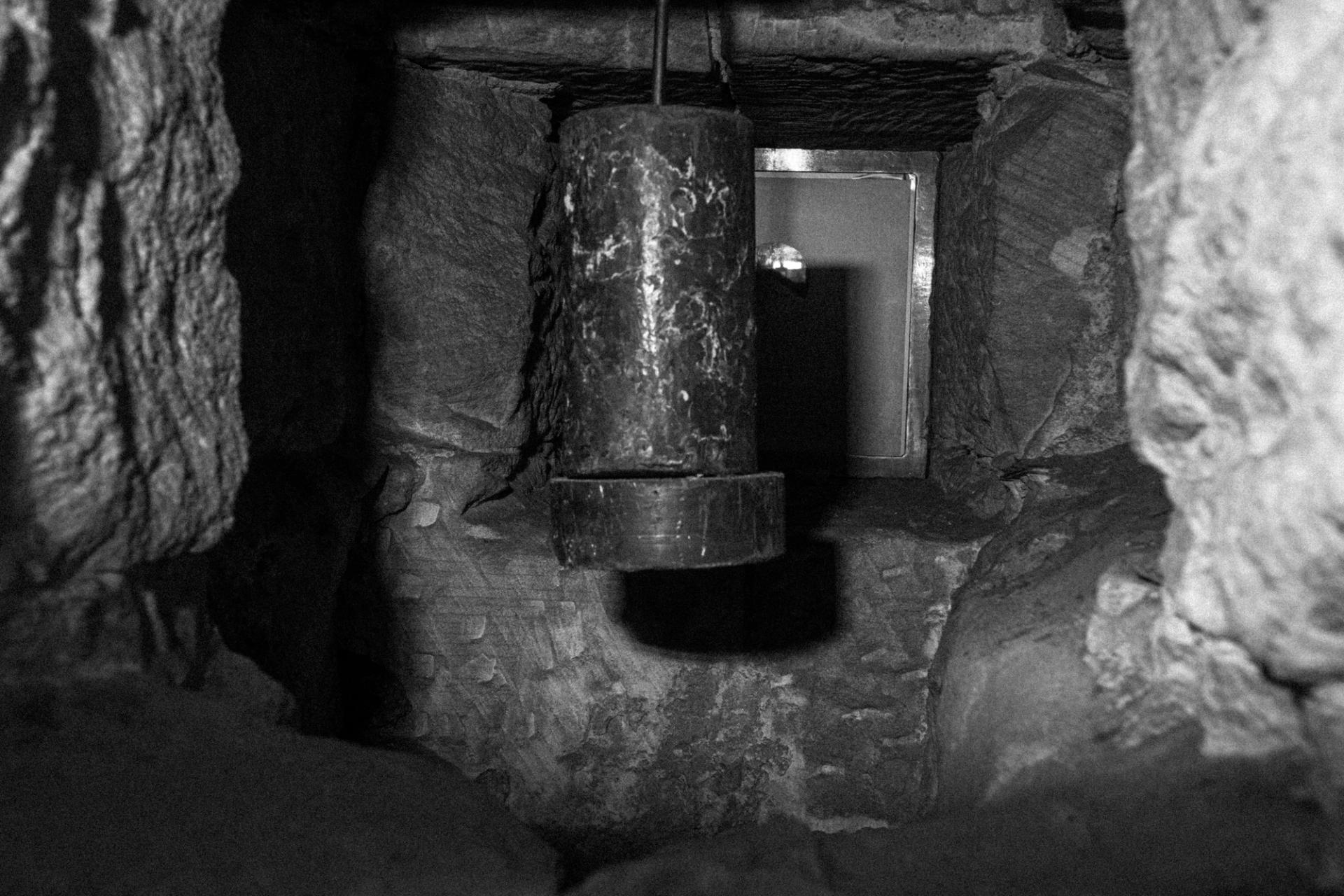

About Photographer
Kai Wasikowski is an artist working across photography, video and sculpture, based on Gadigal Land / Sydney, Australia. His practice is informed by a familial connection to landscape photography and environmental conservation and critically examines how colonial ways of seeing shape ideas of land, resources, possession and belonging.