Gather Up Your World in One Long Breath: An Extract

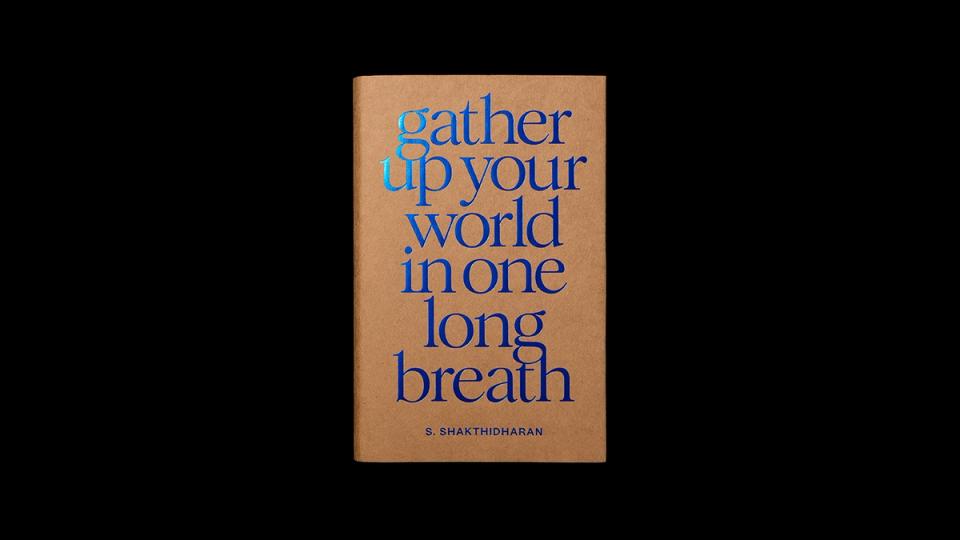
S. Shakthidharan’s memoir Gather Up Your World in One Long Breath is a story of fallibility, forgiveness and grace. It’s a paean to fatherhood and family, and the love and conflicts that make us. It was commissioned and published by Powerhouse and won the Multicultural Award in the 2026 NSW Literary Awards. There will be an accompanying program featuring artworks, performances and readings when Powerhouse Parramatta opens in 2026. This extract brings together two separate sections from the chapter ‘A Dream Remembered’.
A Dream Remembered
You began life as proof of an argument.
For tens of thousands of years, the whole lot of us – great clans, entire dynasties – congregated at the northern tip of our teardrop island, speaking and living a Tamil life, while below us was the majority of a Singhalese nation. We were Jaffna farmers: our livelihoods were ruled by monsoon and harvest, our society by caste and gossip. There was the home, the temple, the jungle in between and the oceans beyond. And it was enough.
But when the British came, they brought something new: English. My great-great-grandmother was just curious enough to send my great-grandfather to an English-language school. After all, according to the gossip, it would get you trousered employment in the city. The gossipmongers were, of course, wrong: English got you far more than that. In one generation, my great-grandfather went from treading the wellspring each morning to purposefully sneezing during the daily Lord’s Prayer at boarding school; travelling from there to the halls of Oxford, coming up with such calculations they gave him prizes only the British had previously won; before returning to the homeland to become the only Tamil member of the cabinet of the first post-independence government of Ceylon. We moved out of Jaffna, for the first time ever. We weren’t cocooned in the north anymore. We were amongst it all – in Colombo, in the big city, in the south.
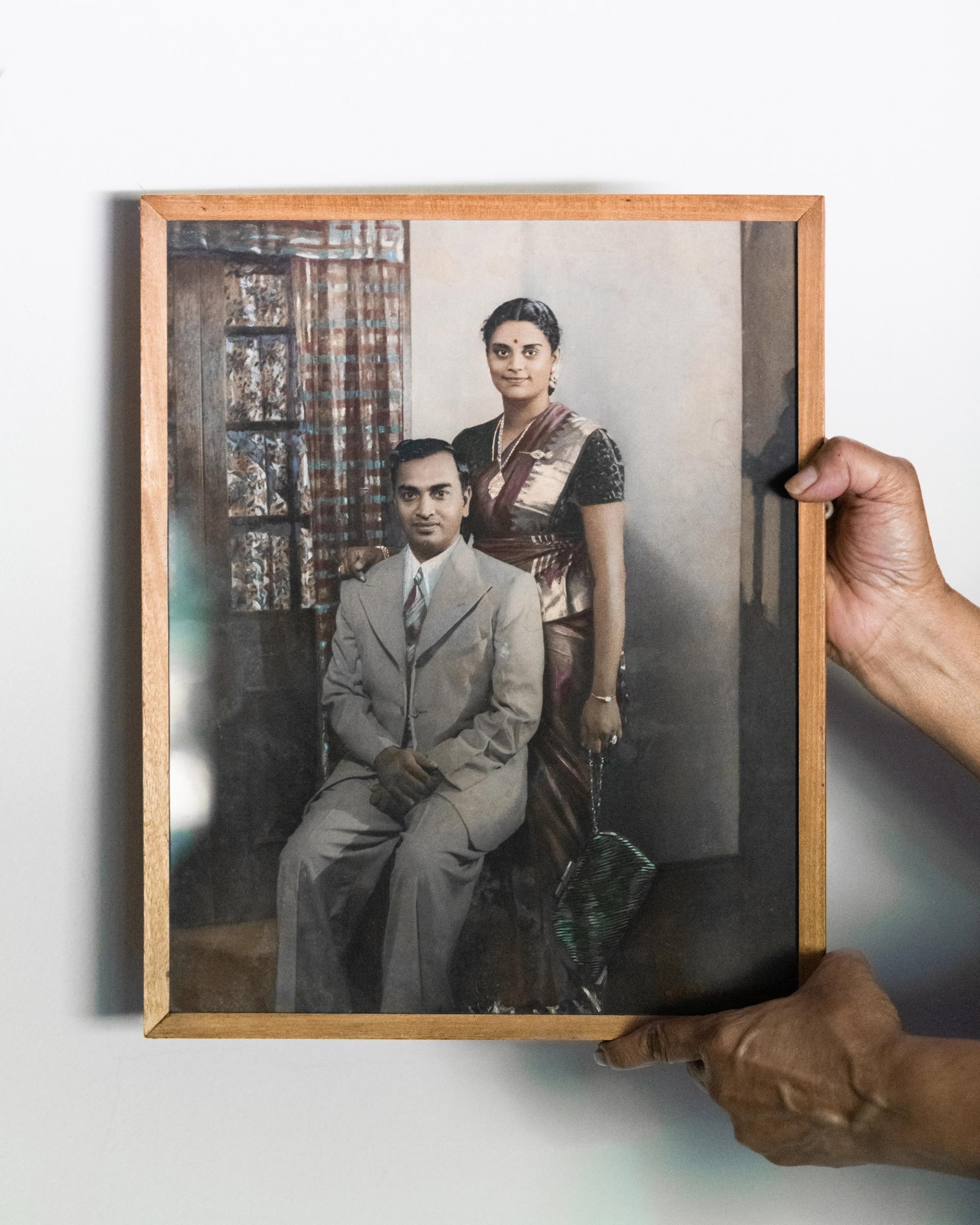
Around 1940, my great-grandparents began assembling you carefully. In the family dining room, they installed putuwas to sit upon and feast; on the back verandah, kavichchis to recline upon and daydream. In your hallways, camphor chests stored Indian silks alongside colonial suits; in your bedrooms, book cupboards contained the Ramayana alongside Agatha Christie. In the formal dining room, pettagams contained the ancestral brassware brought out exclusively for Thai Pongal.
Your limbs were sinewy, hybrid manifestations: Singhalese, Dutch, Portuguese bastardisations of ebony and teak, and all the more beautiful for it. But your soul was Tamil. Images of our deities hovered at every entrance, blessing or cursing all who travelled through. In the pooja room, my ancestors shared with the gods their prayers, and their secrets filled your heart. You were a sanctuary for them and a gathering place for everyone else.
My great-grandfather sat on your front porch and held court with the whole nation. In you, the fates of families and the country were sealed. Your neighbours on one side were Muslim. On the final night of Ramadan, they would bring over a cauldron of biryani and a huge pot of vattilappam, and my great-grandmother and the servants would present a small feast in their honour. Everyone gathered: not just Arif and Salwa, but also the Kandasamys, Goonetillekes, Van Landenbergs, the fruit sellers and the servants and the beggars, too. Immediately upon being born, you were proof: that everyone and everything on this island could one day be equal. That we had come here, to the south, and yet we still belonged. As long as you stood, we were safe. My great-grandfather called you Shantham: peace. You were a dream made real.
For forty years, you burst at the seams. Gaggles of young cousins played cricket in your yard and got up to untold mischief on the streets; in you, parents made lakhs upon lakhs and elders spoiled the grandchildren relentlessly; servants and nannies cooked and washed, and carried babies who weren’t their own.
My grandmother took over as your caretaker. She and her husband, born into comfort, went forth and built an empire. He grew one of the country’s biggest accounting firms. She managed the meals, births, deaths and marriages of the clan; she counselled and scolded people over their problems. She sewed saris that journalists wrote about; that Indira Gandhi enquired about while on a diplomatic visit.
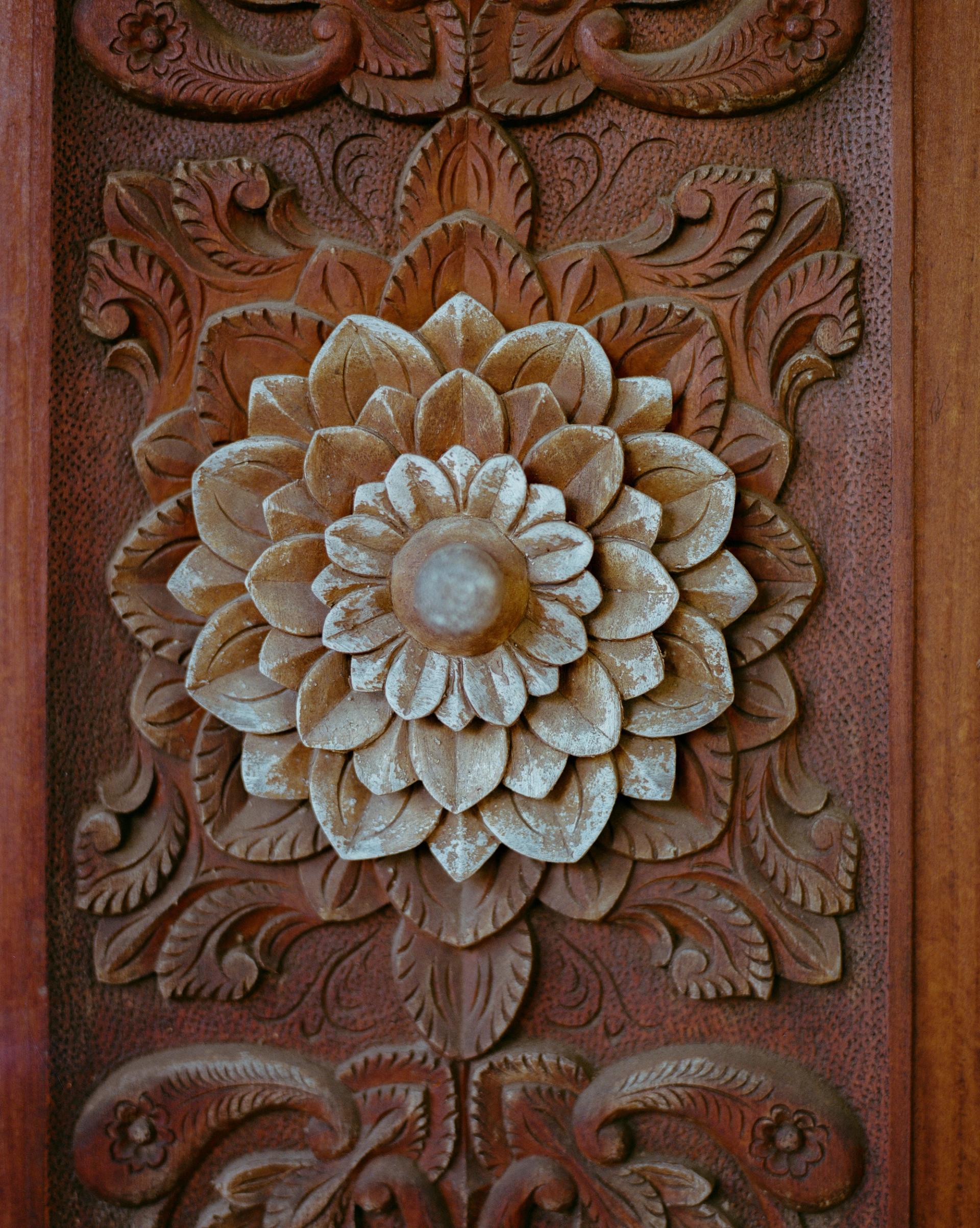
As her empire grew, my grandmother felt she had to reinvent you. She invited the best craftsmen from the temples of the north to build new muscles into your old skin – ornate front doors, grand working tables and cabinets, tall bedposts and bookcases, all fit for a queen.
Did you know that people were watching? That resentment burned in the hearts of those outside your walls?
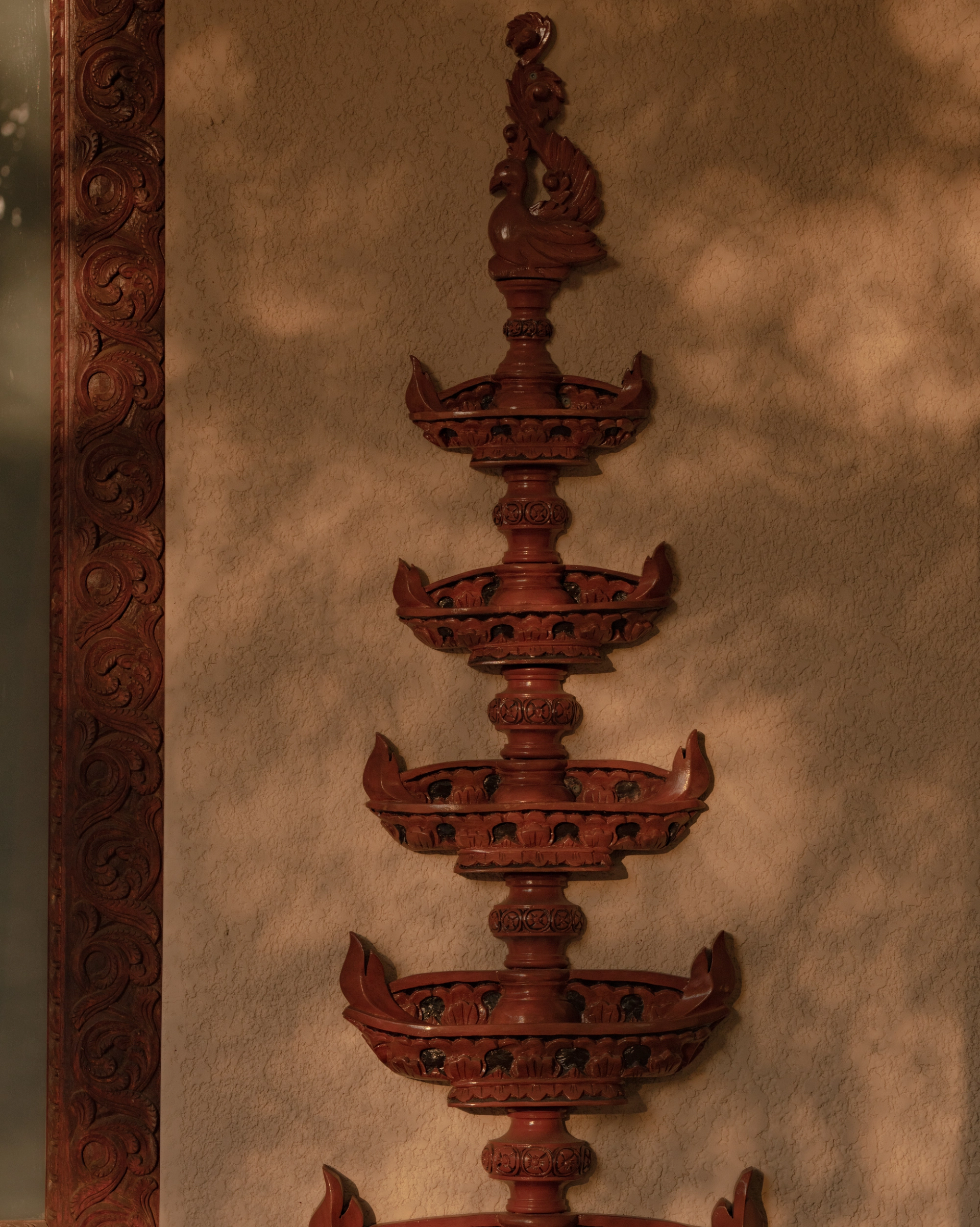
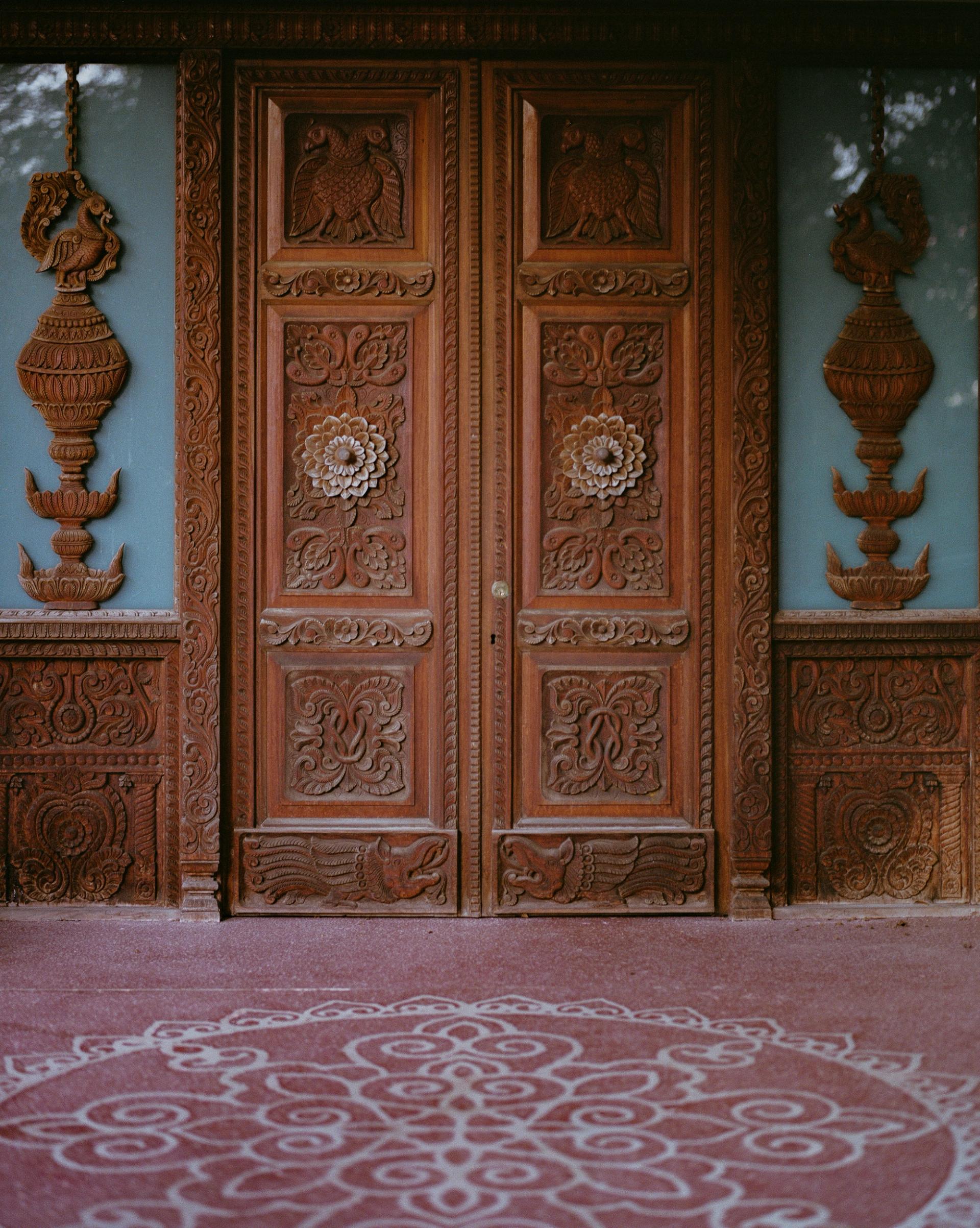
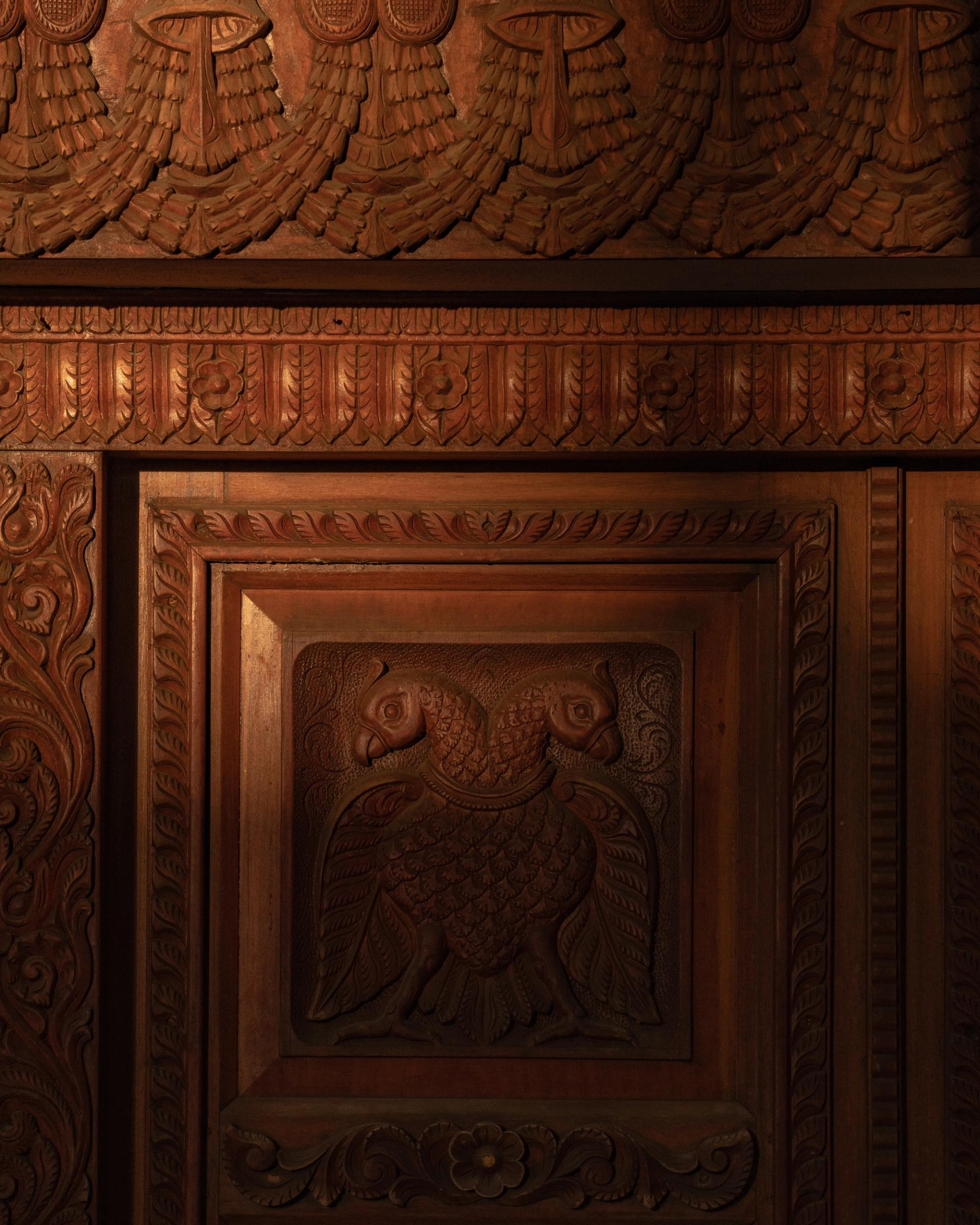
When I tell some sanitised version of your story at a party, people probably think you evaporated into the Sri Lankan sky and fell back down as a Sydney shower. But moving across the oceans was pain.
First, some of us retreat to India, hoping the situation in Sri Lanka will get better. It does not get better. My uncle gets a job offer in London, so there his family goes. One set of cousins goes to New York, another to Auckland. My father gets a job in Singapore, so there we follow. Those few who have the temerity to stay in Sri Lanka will never forgive us. For this is a great breaking-up: and we can never be put back together.
A number of years pass in which none of us belongs anywhere. Thankfully a kind of gravity is at work below, it pushes and pulls us in ways we don’t quite understand, until the core of us converges in the most unlikely of destinations: Australia, at the end of the world. My uncle gets a job in Sydney, as does my father. My grandmother and grandfather also come to the bottom of the earth, although my grandfather dies soon after. You arrive in Sydney, dismembered but unscathed: a small mercy. The ingredients are ready.
My grandmother and my uncle put down a deposit on a house for my uncle in Homebush, and some of you becomes part of that place. After the divorce, my mother and I join him and his family. There is no room left for my grandmother. She sets up in a tiny first-floor apartment within earshot of Flemington station, waiting. Her universe is modest, but that empire is still burning inside her. The land across the road from my uncle’s comes up for sale. She pounces. She uses my mother’s proceeds from the divorce to buy a new patch of earth. This is going to be the place. The new dream. The new Shantham.
About the Author
S. Shakthidharan is a Western Sydney storyteller with Sri Lankan heritage and Tamil ancestry. He’s a writer, director and producer of theatre and film, and a composer of original music. His memoir Gather Up Your World in One Long Breath was published by Powerhouse in 2025 and has been shortlisted for various awards. His debut play, Counting and Cracking, was voted ‘the best Australian play of the 21st century’ in an ArtsHub poll, was called ‘one of the great Australian plays’ by The Guardian, and was a New York Times Critic’s Pick. The script won the Victorian Prize for Literature in the 2020 Victorian Premier’s Literary Awards and the Nick Enright Prize for Playwriting in the 2020 NSW Premier’s Literary Awards. His latest play, The Wrong Gods, premiered in 2025. In 2026 Shakthi won the internationally prestigious Windham-Campbell Prize.
About Gather Up Your World in One Long Breath
A fearless, tender memoir from the prize-winning writer of Counting and Cracking.
Shakthi lives with his family in the house his great-grandparents built in Colombo, Sri Lanka, before the civil war. Carried across the seas to Australia, on the strength of his grandmother’s will, this house breathes the joy and grief that has passed through generations. And it’s here Shakthi writes about the people he loves, all of whom come together to form a portrait of Shakthi himself.
Gather Up Your World in One Long Breath is a story of fallibility, forgiveness and grace. It’s a paean to fatherhood and family, and the love and conflicts that make us.
‘Raw, unflinching, poetic and profound – an artist’s journey and a son’s’
‘A rich exploration of the mystery of finding Australia ... I loved it’
‘An intimate, tender voyage into history, hunger and home’
‘A beautiful and powerful exploration of the intensity and immutability of being a part of a family’
‘A redemptive story [that] shows us the power of travelling towards each other’
‘[A] tender, brave and unusual portrait of one family, and literally one house, that moved across two lands’
‘A luminous and unflinching memoir of exile, love and the weight of inheritance’
2026 NSW Literary Awards
Winner, Multicultural NSW Award
Shortlisted Douglas Stewart Prize for Nonfiction
2026 Australian Book Designers Association (ABDA) Award
Winner, Best Designed Nonfiction Cover
Australian Book Industry Awards (ABIA) 2026
ABIA Shortlist: Biography Book of the Year
ABIA Shortlist: Social Impact Book of the year