Albee’s Kitchen

‘Albee’s was my first step into discovering Malaysian-Chinese food. It’s a perfect introduction for anyone, really. The menu here is huge with so much variety! Over time, I did connect with Albee and she’s an incredible person, she has so much passion for what she does. Because my grandparents and great-grandparents came from southern China, I really feel a strong connection with other southern Chinese diaspora communities of the world – the Malaysian-Chinese being one of them. I’ve always found Malaysian-Chinese food to be similar to the food I ate at home growing up, but cooked with different technique and ingredients. Eating at Albee’s is particularly fun for me because I catch myself learning more about the influences our ancestors gained when settling into different countries. That, and her char hor fun is unforgettable.’
‘I see an incredibly passionate artist in Albee. She’s a great food scientist and technician: the way she talks about her curry pastes and how she loves hard-to-find vegetables. She insists on growing all of these, so she can continue cooking with those ingredients in her restaurant. They truly make a difference to the dishes. That’s why she’s so successful, because you can taste the details. And every time I go in there, I can taste and sense the care and the obsession in the details.’
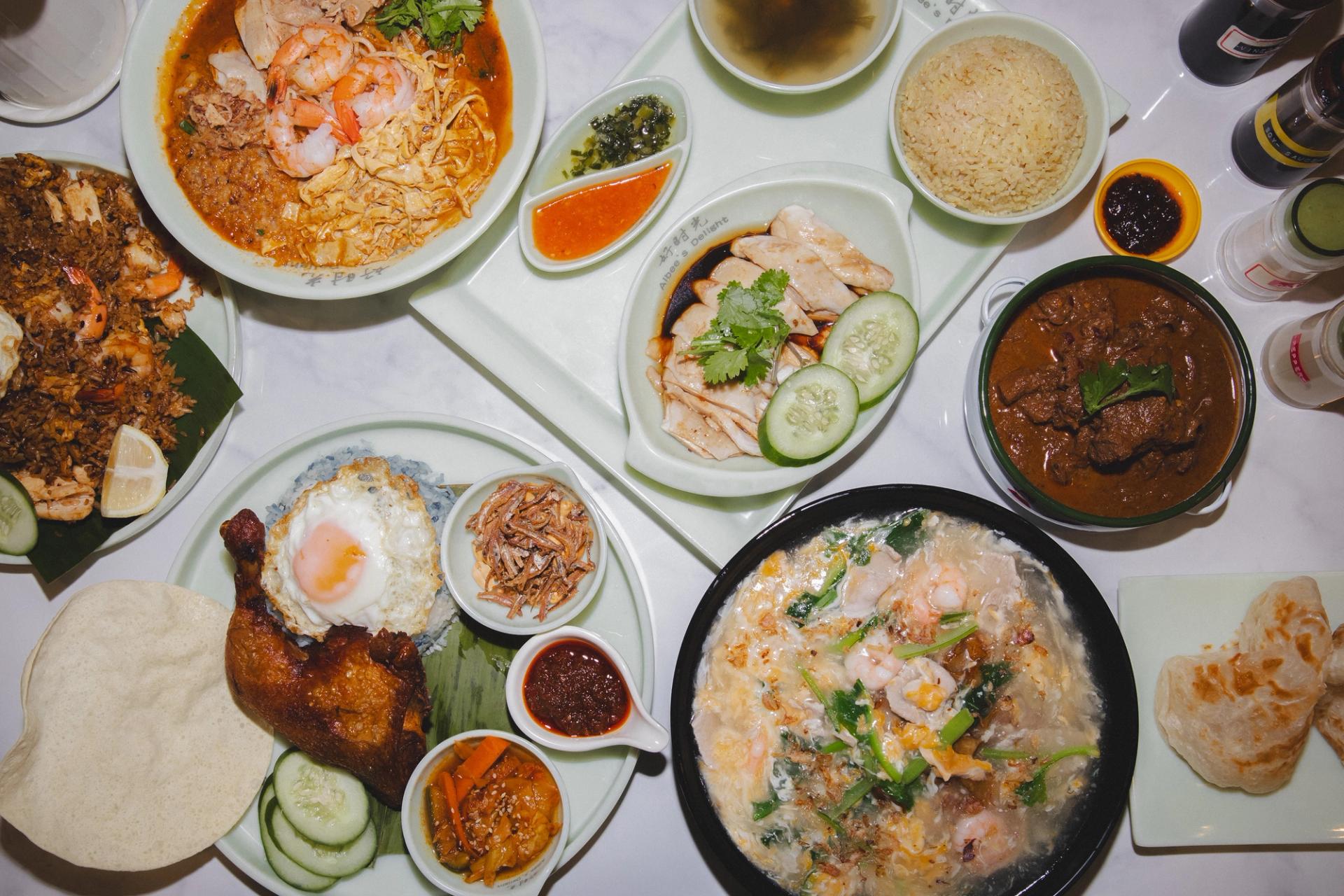
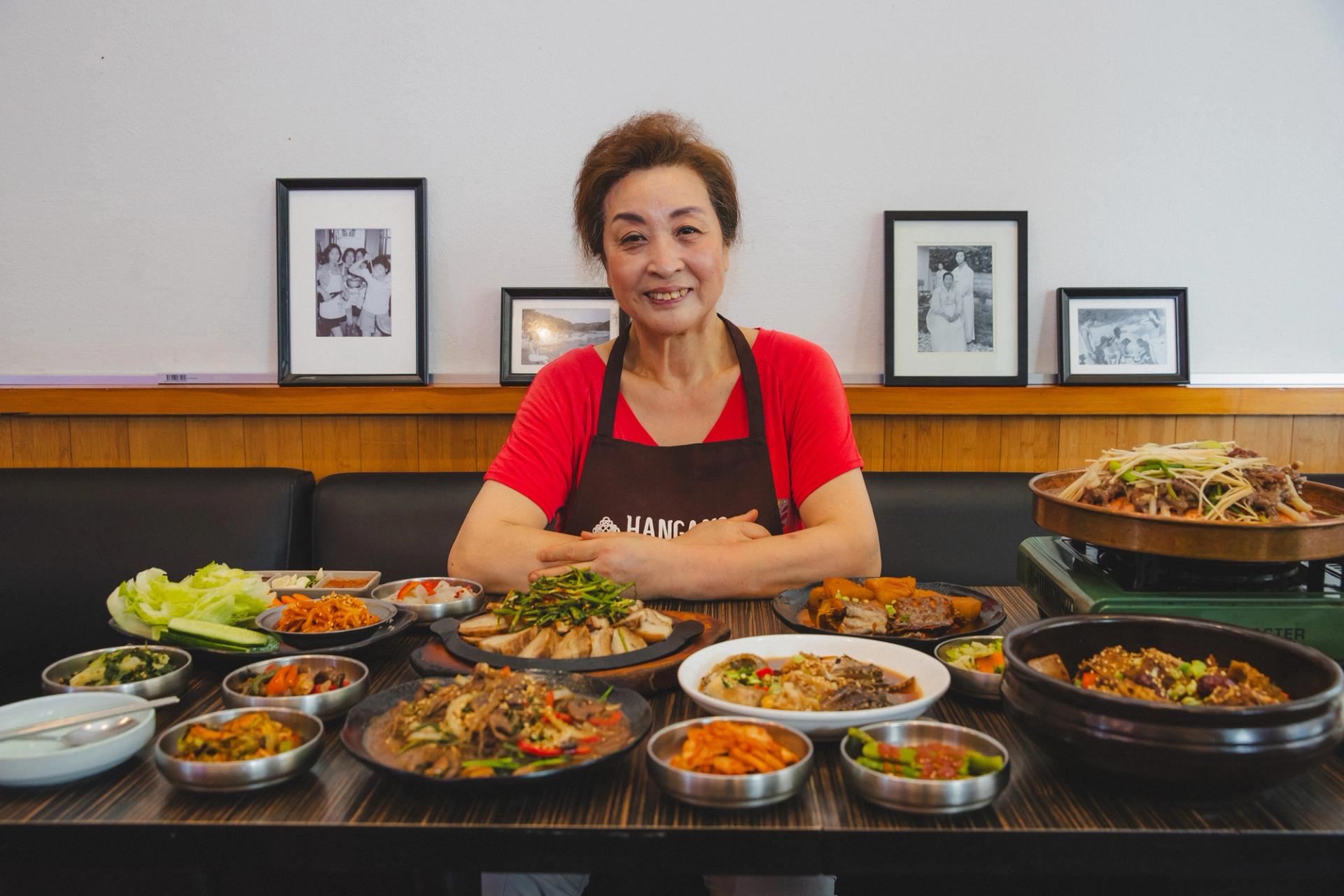
When Albee Thu opened Albee’s Kitchen in 2008, she located the restaurant in Campsie for 2 reasons: convenience and secrecy. It meant she could work near home, which was footsteps away in the same south-western Sydney suburb. It also allowed her to keep recipes completely confidential, even if it required staying in the kitchen until the latest of hours. ‘Because I wanted to keep my recipes [unknown], I’d have to wait [for] 10pm until everyone went home,’ she says. Then the chef would prep her curry paste, rendang and kueh desserts without any employees knowing the exact ingredients or methods involved – these are secrets she’s laboriously perfected over the years.
When Albee’s Kitchen first appeared on Campsie’s main drag, the storefront window was crammed with photos of its Malaysian-Chinese dishes. Its 282 street number like the rest of its signage, was red and white. Over the years, the restaurant has shifted up and down Beamish Street: it currently sits at its third address, with a sleek teal frontage and upstairs dining room.
Thu might have arrived in Sydney in 2000 as a business and marketing student, but her true desire was something different: she wanted to offer diners a taste of her birthplace.
‘I was born and raised in Malaysia, where food is more than just a meal.’
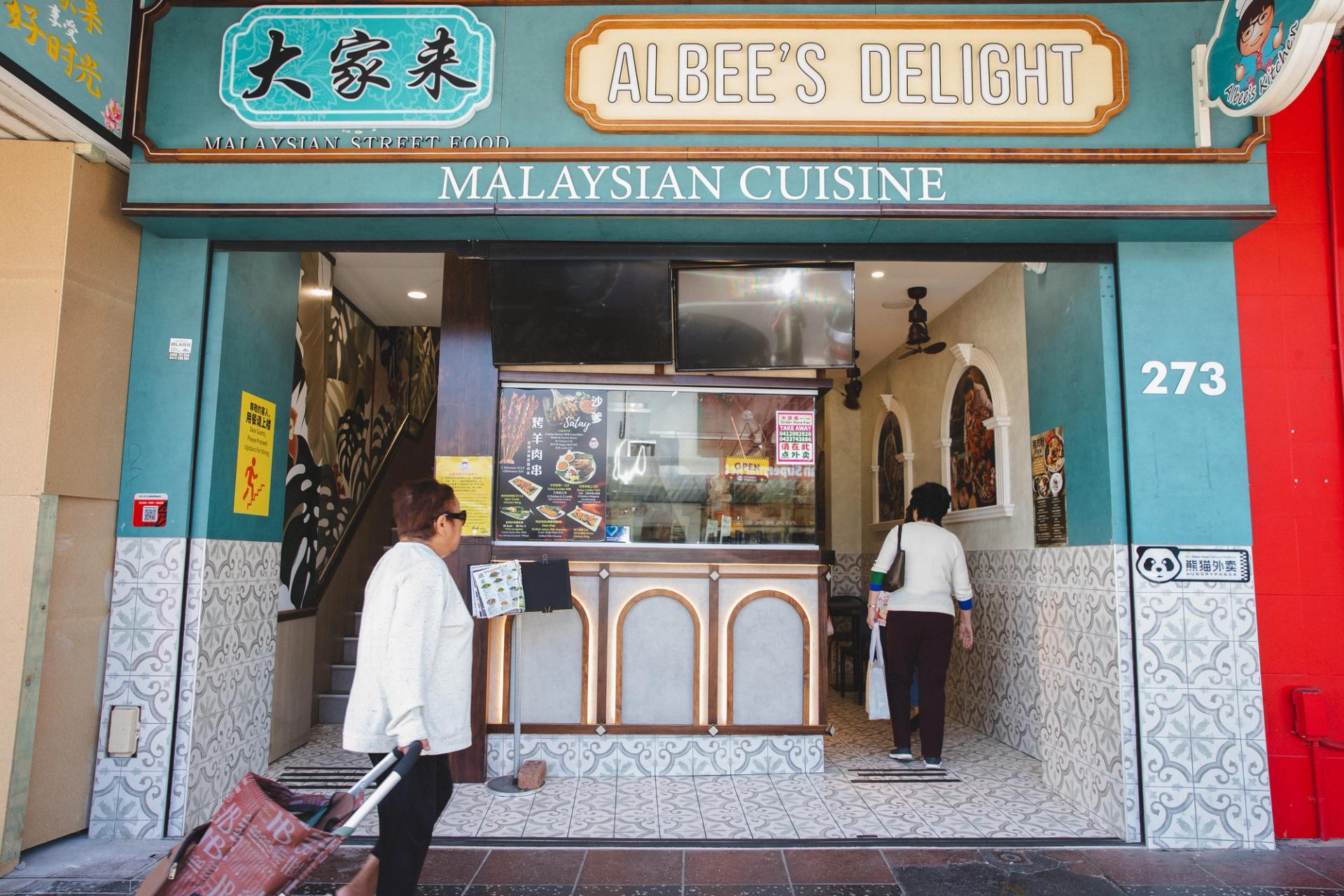
Her culinary career began in her hometown of Kuching, Sarawak, on the country’s eastern side: she worked at a kopitiam (Malaysian cafe) belonging to her father. She’d always wanted to be ‘a lady boss of a kopitiam’, explains her friend Sacha Tan, who began as a regular at Albee’s Kitchen and has since become a manager at the restaurant.
To genuinely convey the taste of Malaysia, Thu often returned to her homeland. ‘I learned from old ladies in our kampung – our village,’ she says.
‘Albee likes to make friends with all foodies,’ Tan explains. The chef would research which restaurants served the best dishes, then she’d befriend the staff, who were often senior and experienced.
‘This is why elderly people like her very much,’ says Tan.
‘All my recipes are from very old people,’ Thu adds.
This is how the chef mastered various dishes – like the ultimate way to prepare satay or layer kueh. She was tutored by different restaurants in Malaysia and their operators didn’t see her as a competitor to be feared. ‘They know I live in Australia; I’m not going to take their business. So they’re happy to teach me,’ she says.
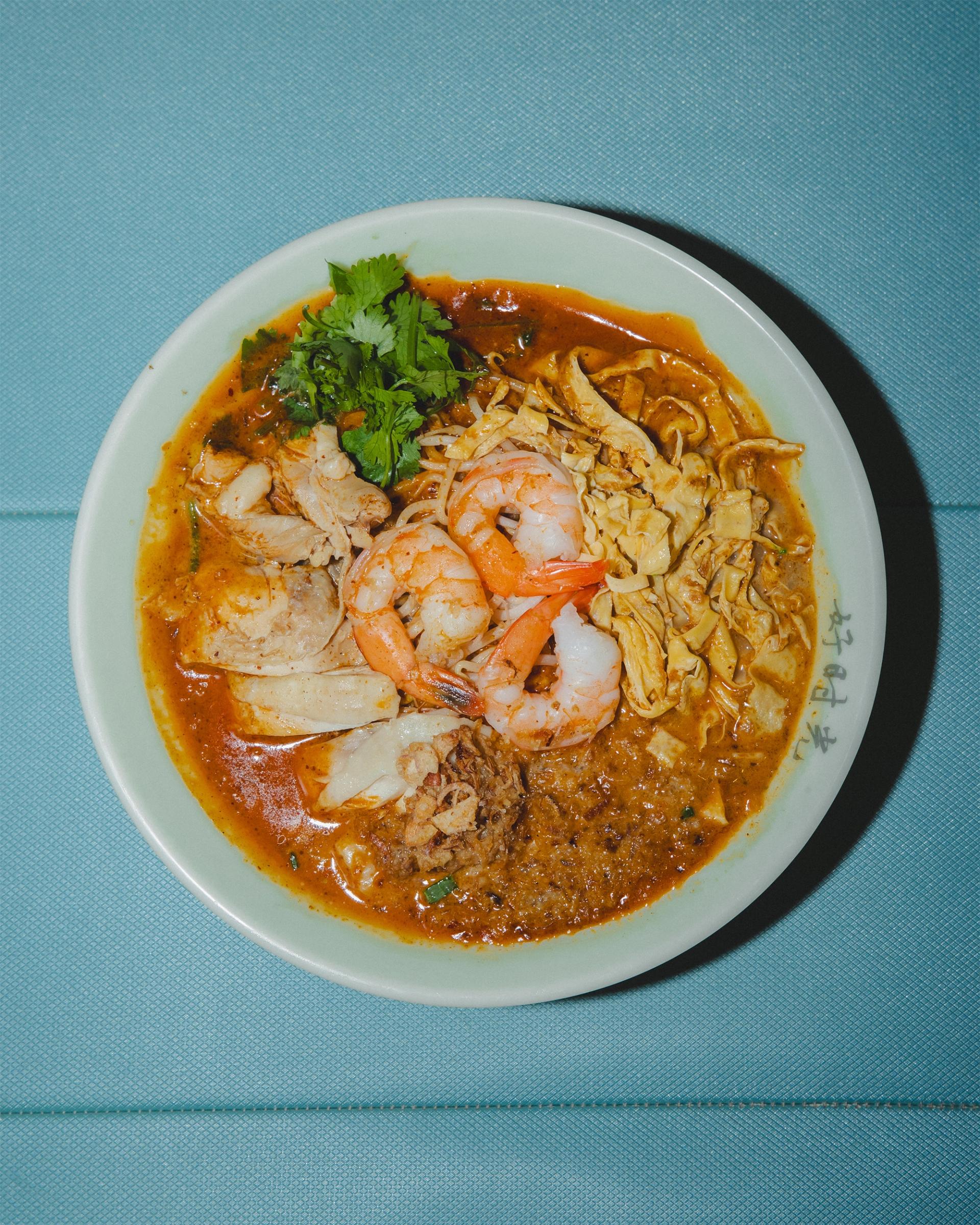
Albee has more than 350 dishes on her restaurant’s menu, including 3 types of laksa. For the Penang version, she consumed the noodle soup every day for almost a fortnight in Malaysia to fine-tune how she could best make this laksa style.
Thu also learnt many dishes from her grandfather’s neighbour, who’d invite the family over for Malaysian New Year’s celebrations. The beef rendang at Albee’s Kitchen – which is stewed for hours, and is fragrant with lemongrass, coconut and cumin – can be traced back to these lessons. The chef was schooled in curry-making by this older cook, who also taught her nasi lemak. Thu personalises these recipes, though: by cooking rice with butterfly pea flowers at Albee’s Kitchen, the grains in the nasi lemak naturally turn blue.
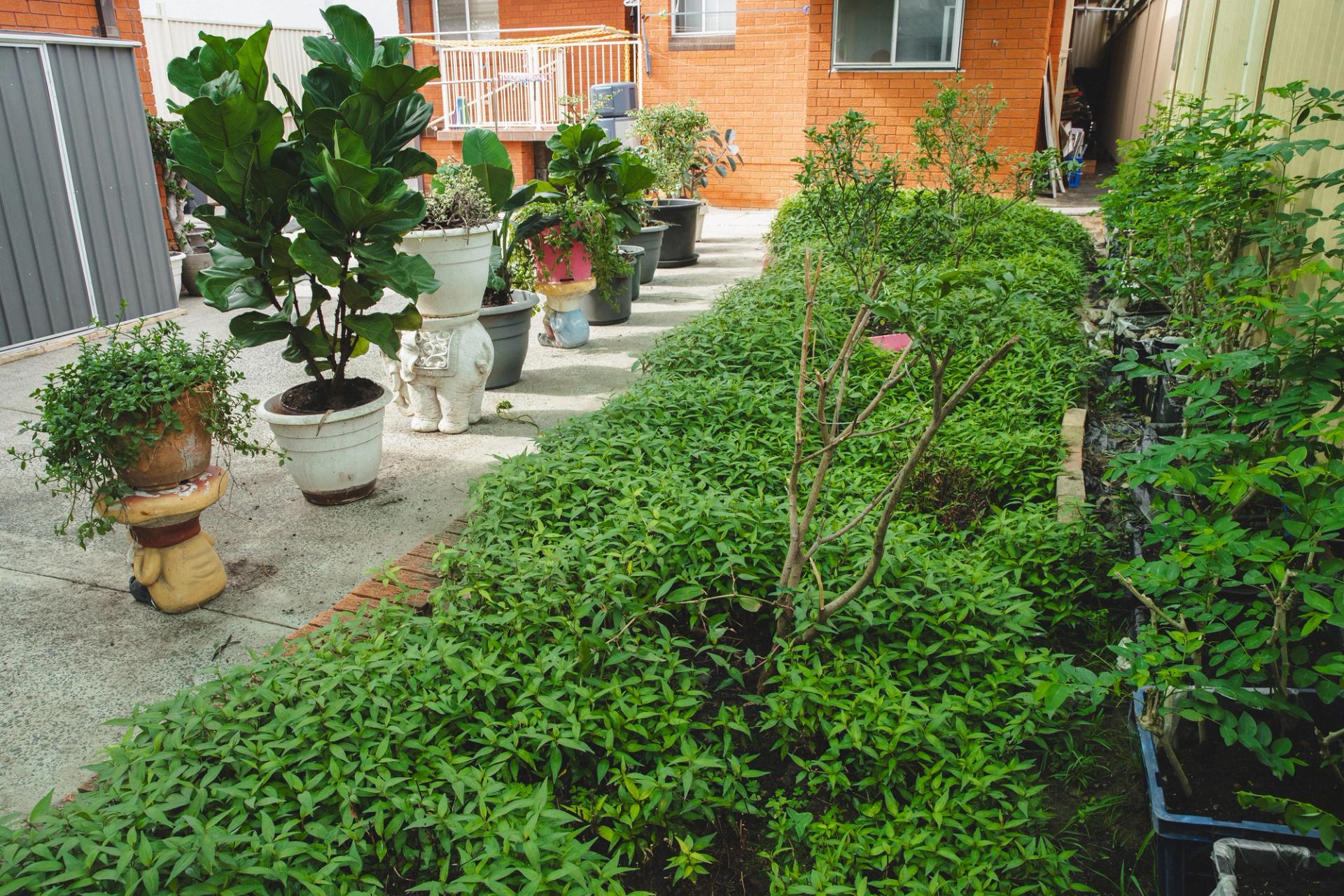
The chef’s relationship with ingredients goes much deeper than ticking items off a shopping list. In the neighbouring suburb of Belmore, Thu grows fresh ingredients for her restaurant. Vietnamese mint is picked for her assam laksa and curry leaves end up flavouring her curry puffs. Ginger, turmeric and galangal also thrive on the grounds. Then there’s money chai, which isn’t something you’ll find in a botanical textbook.
‘We named the plant money chai, because the shape is just like … Malaysian coins. And then chai means vegie,’ says Tan. ‘I don’t know the English name.’ She explains it’s hard to find in markets and the leaves aren’t fresh when you do. They add a one-of-a-kind taste to homemade noodle soup Thu makes from her hometown.
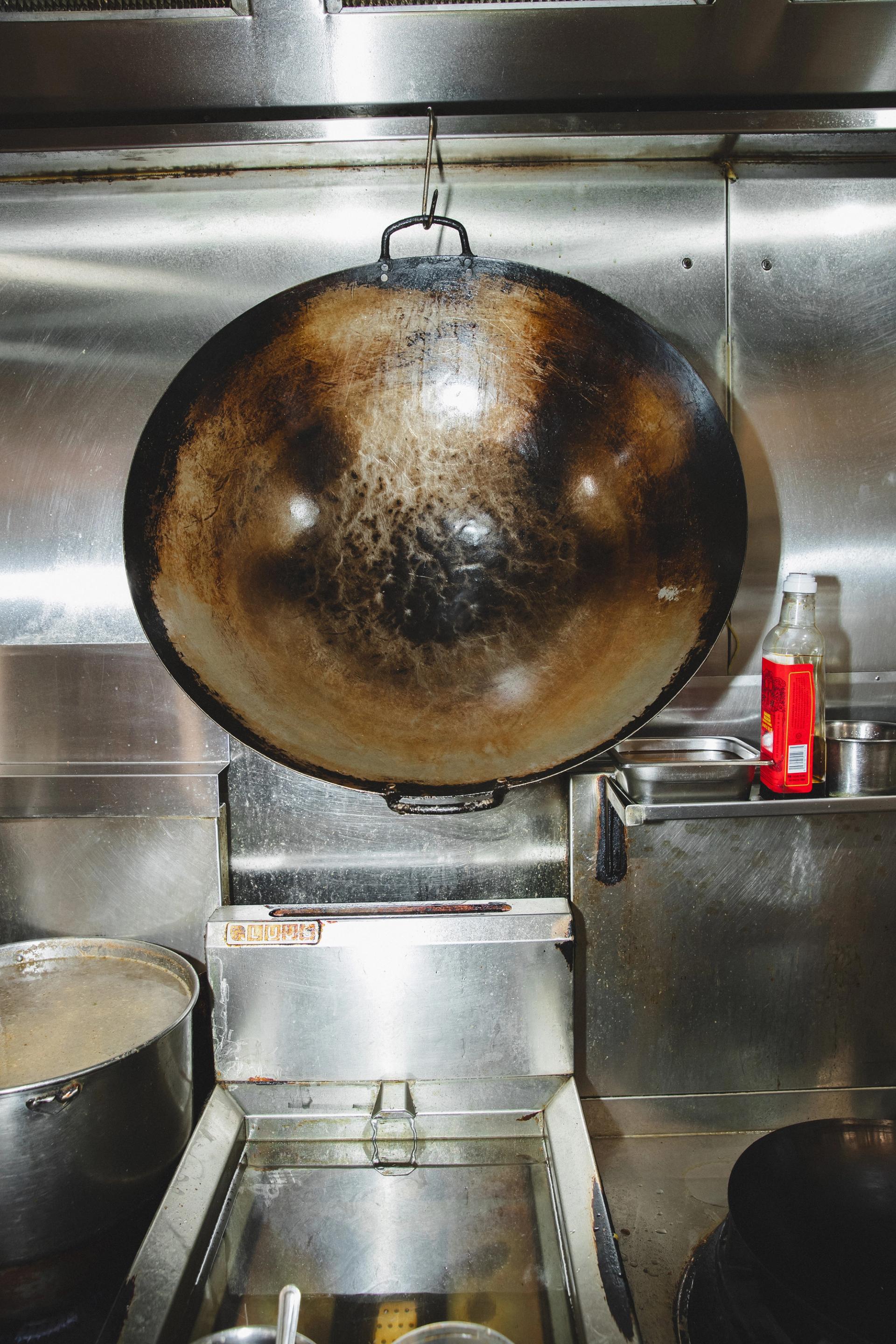
There’s a wok in Thu’s kitchen that’s as old as her friendship with Tan: this much-used pan has followed her through the restaurant’s address changes on Beamish Street.
The chef regularly oils the wok to keep it from rusting and it’s still holding strong after 17 years: it’s the same age as Albee’s Kitchen.
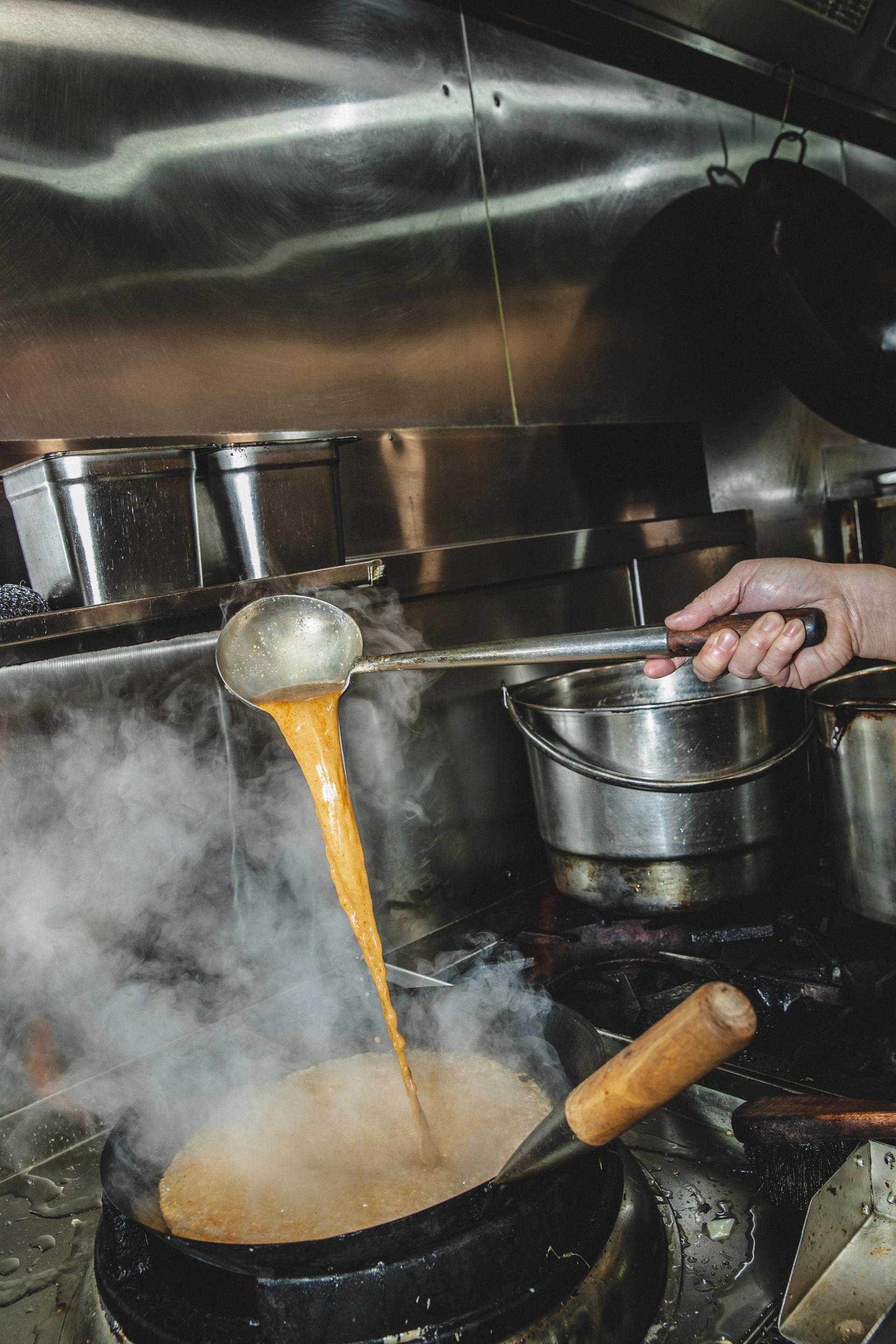
Thu prepares sambal for nasi goreng in this pan as well as various pastes for her chefs to stir-fry. She’ll instruct them to, say, use 2 scoops of laksa paste and mix them with chicken stock for a spicy noodle broth – but she limits what she shares. Thu’s very protective of her recipes and her signature Hainanese chicken rice, for instance, reflects this.
‘That’s my favourite dish,’ the chef says. It’s something she learnt from experience. ‘Nobody will teach you Hainanese chicken in Malaysia.’
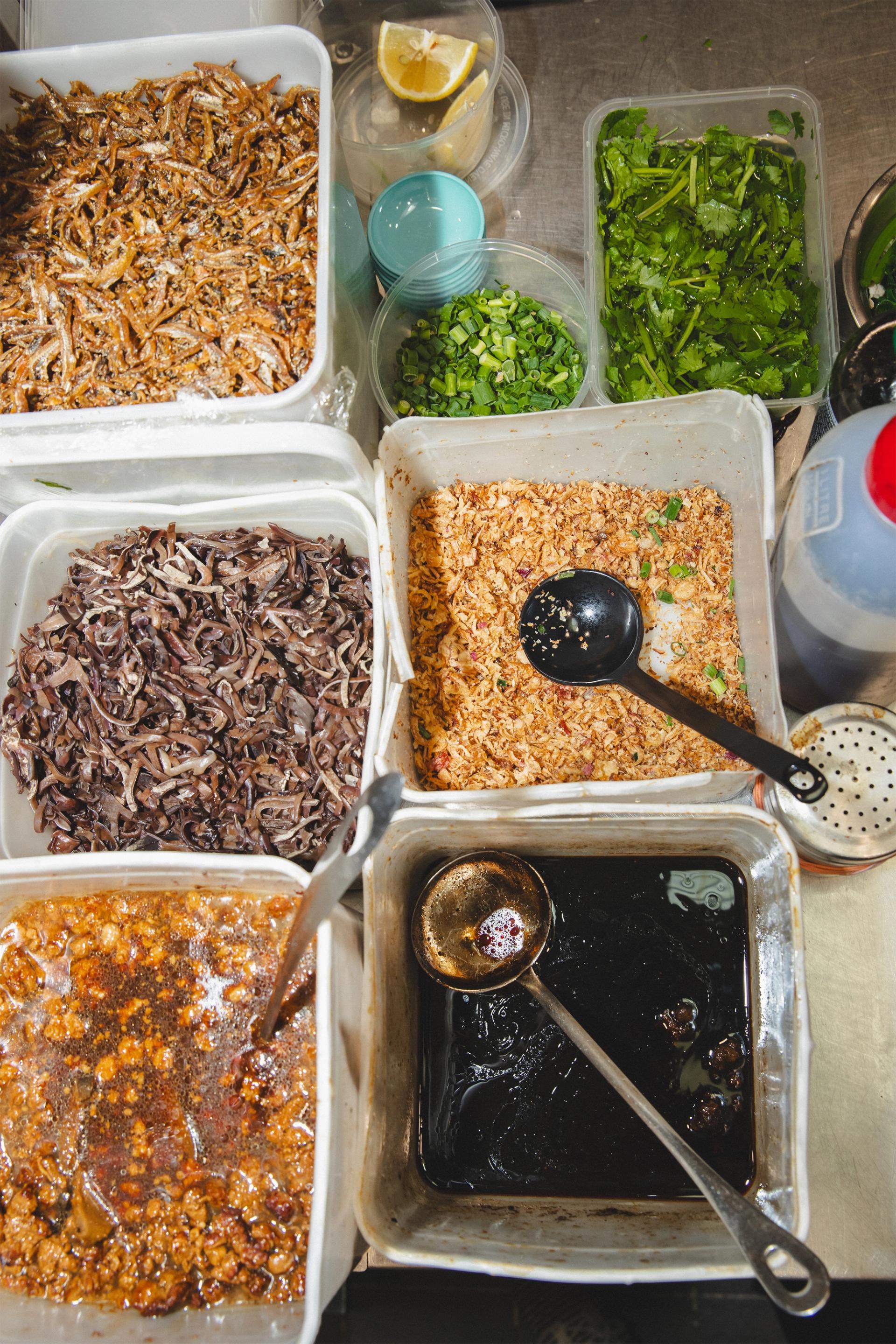
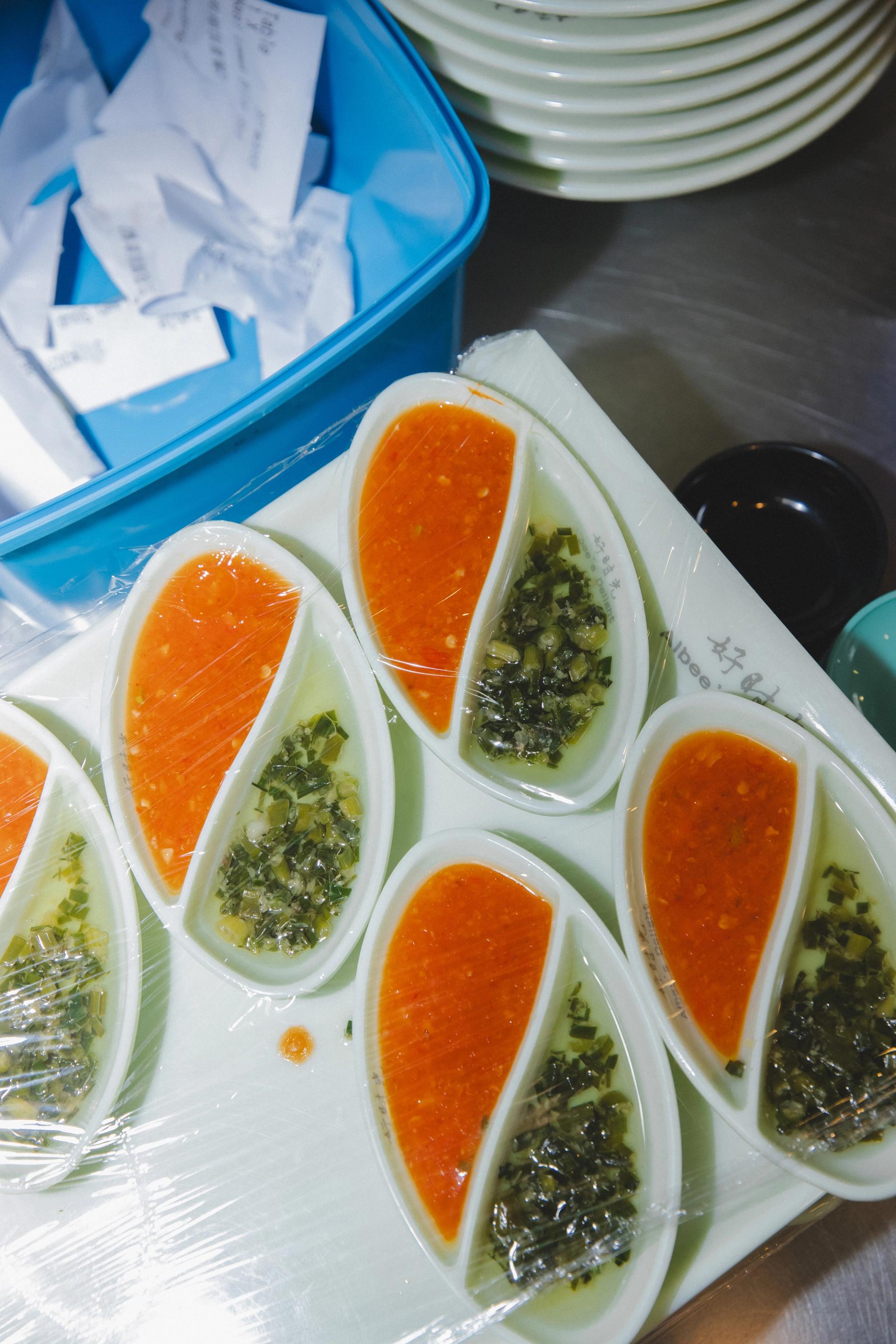
Thu has divided the recipe into different components, which she’s assigned to specific employees – so no kitchen worker can assemble this entirely on their own. A chef who was worked with Thu for 16 years cooks the chicken, while another looks after the shallot sauce. A different staff member contributes the ginger part, while another is responsible for the chopping. Each person is taught just one skill – and the Hainanese chicken rice that lands on people’s tables is the distinct combination of ‘different people’s hands’, Tan explains.
Thu also tries to make the dish as consistent as possible, even if circumstances make that difficult. ‘I have to maintain the taste of the sauce,’ Thu says. This can be hard, for instance, when it’s winter and there’s no chilli to be found.
Beyond its location changes, Albee’s Kitchen has transformed in many ways over the years. Its diners have grown up with it – and their children, too. ‘Now [they come] with their kids. Like me,’ says Tan. Her relationship with Thu is nearly 2 decades long. ‘I met her before I got my kid.’
The menu also keeps growing. Tan remembers the ‘very beautiful’ printed version they had early on for diners to browse. The plan was to update these folders as the list of available dishes expanded. ‘We don’t need to do that because you change the menu almost every month,’ she tells Thu.
The relocated Albee’s Kitchen runs over 2 levels, with Thu’s private kitchen downstairs – away from the view of others. It means she no longer has to stay well past 10pm to execute and fine-tune recipes. And even today, no one else sees what she does. So, what does the chef still keep secret at Albee’s Kitchen? ‘Every dish,’ she says.
About Family Business
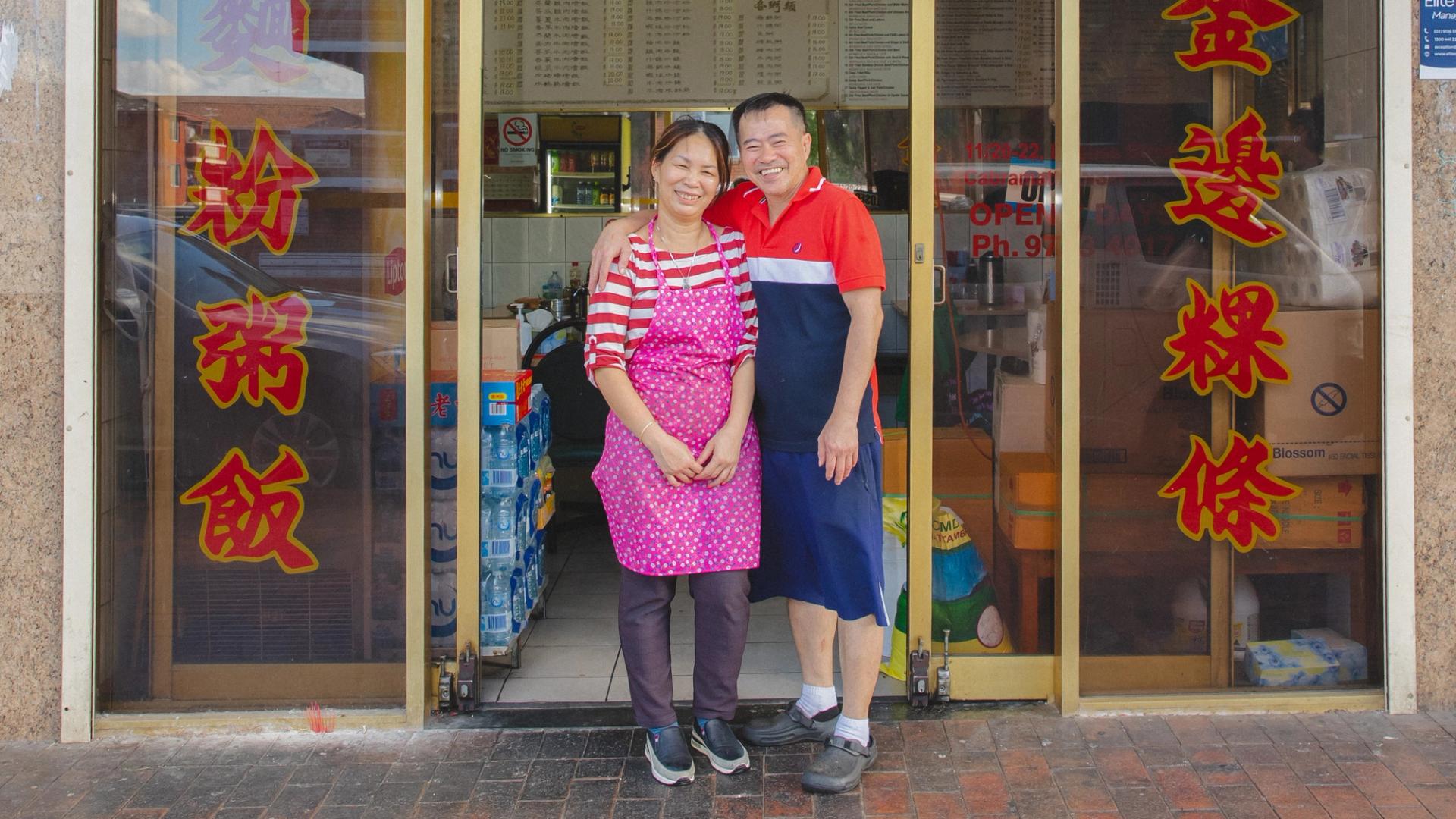
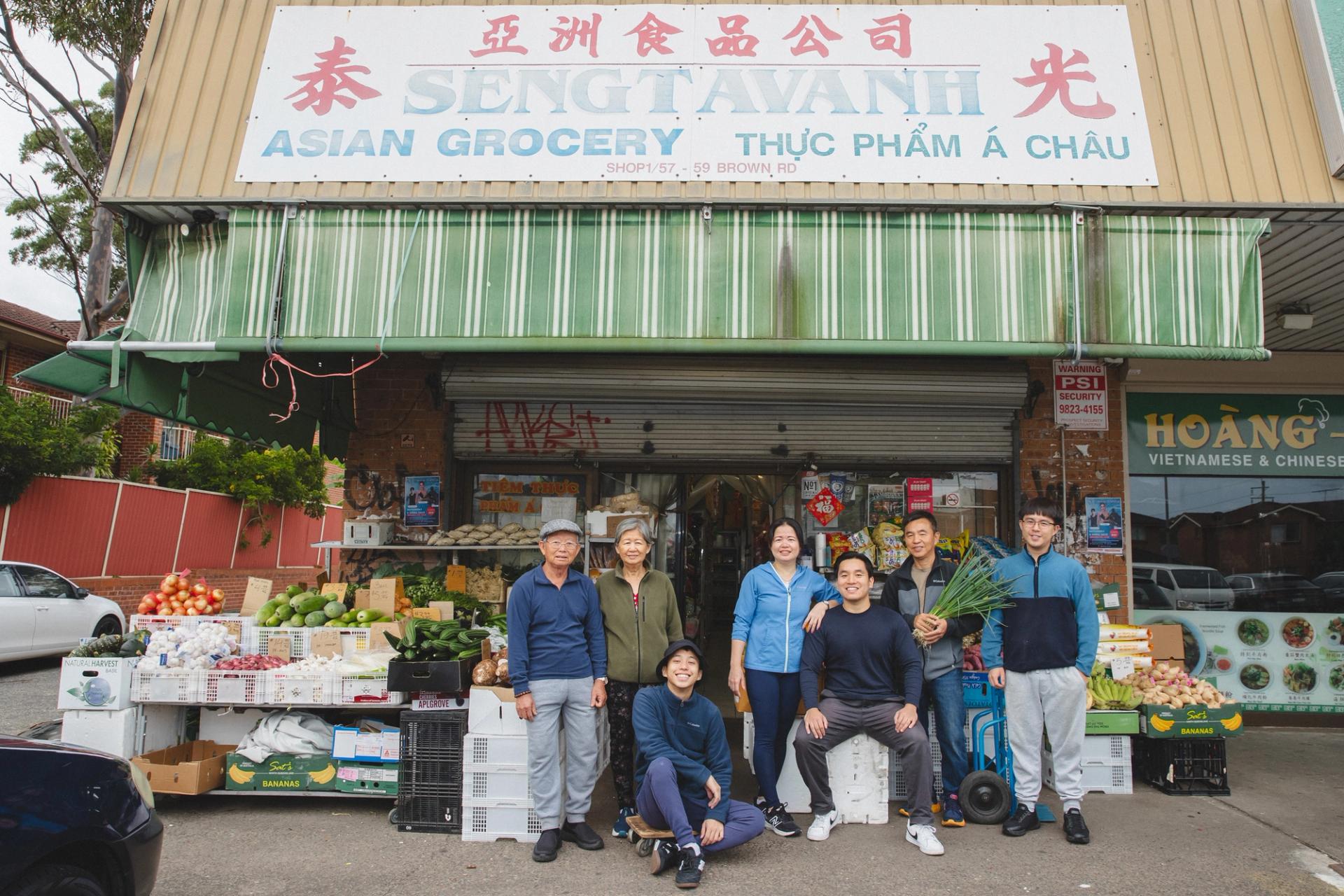
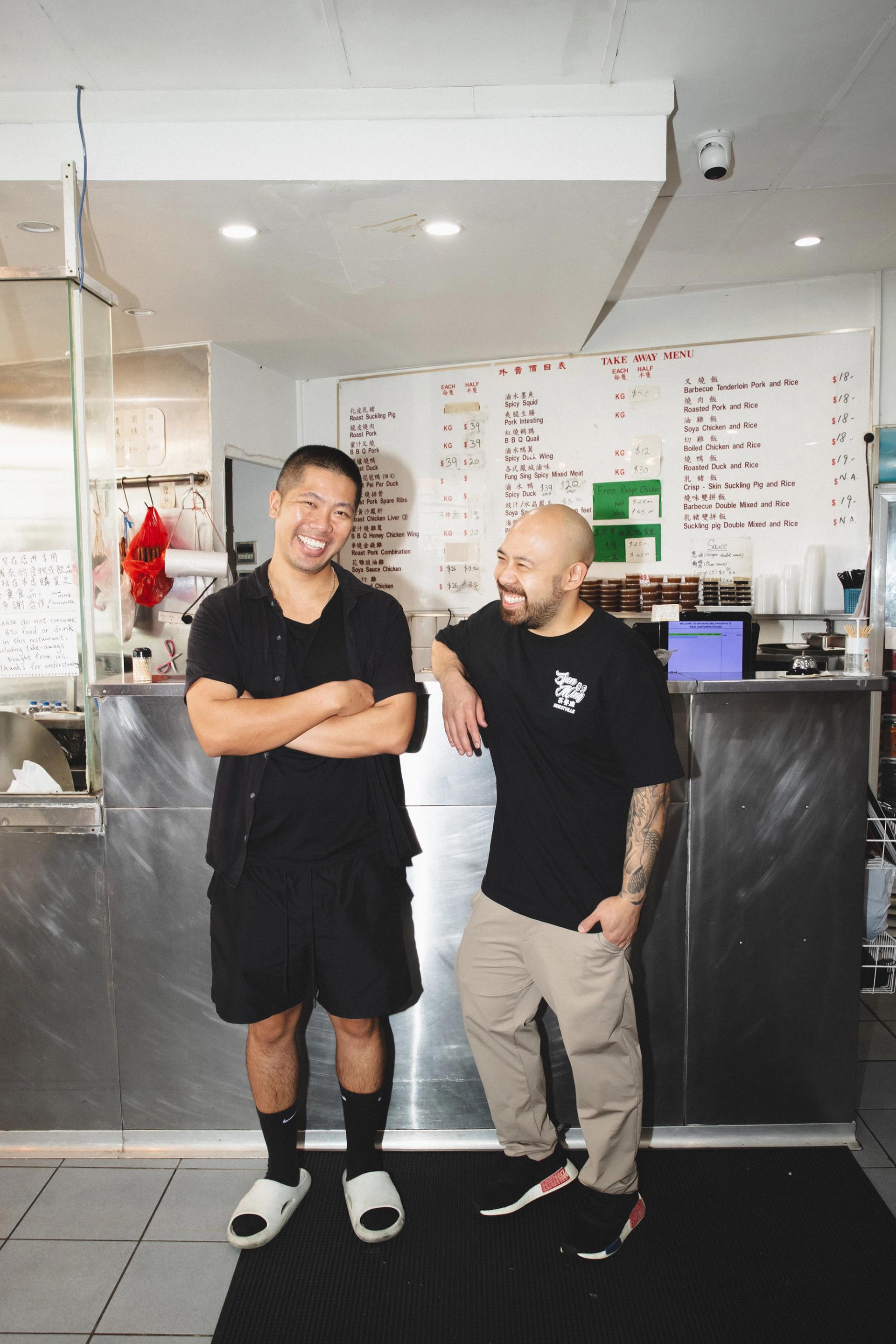
Family Business celebrates the Chinese, Southeast Asian and Korean communities of Western Sydney through the intergenerational food stories and culturally significant objects of long-established, family-run restaurants.
Selected by Powerhouse Culinary Ambassador and chef Kylie Kwong and food content creator Kevin La, 11 community-loved eateries open their doors, and their histories, to writer Lee Tran Lam and photographer Nikki To, offering an intimate window into one of Australia’s most richly diverse culinary scenes.
Powerhouse Food
Powerhouse Food encompasses programs, partnerships and initiatives that support and amplify the food industry and community.