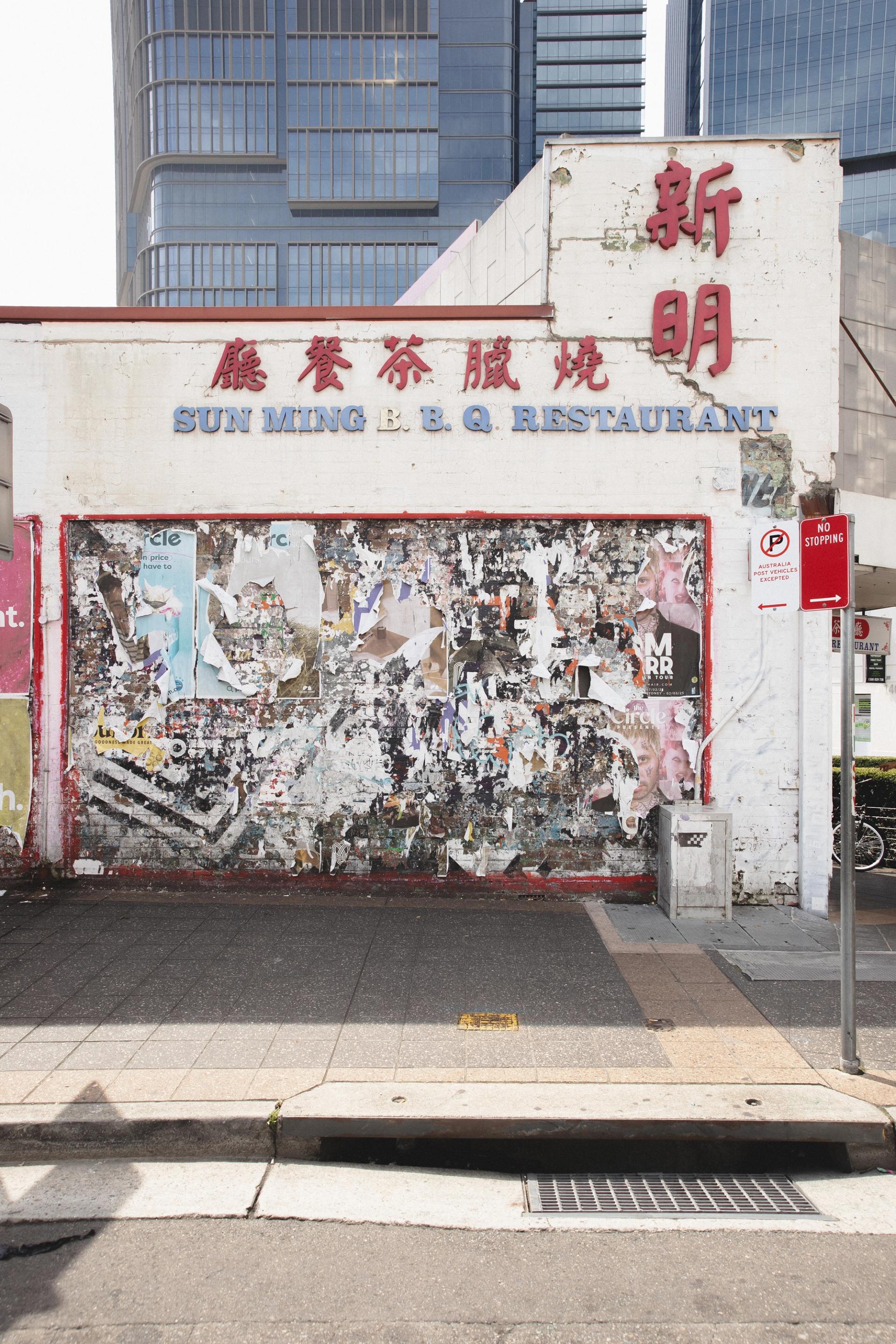
Sun Ming B.B.Q. Restaurant

‘The first day I walked into Sun Ming B.B.Q. Restaurant, I felt like I was walking into one of my family gatherings. I ordered congee and felt like I was at mum’s: every Saturday she’d make congee and we’d sprinkle shallot rounds on top, and I’d always put soy sauce, white pepper and sesame oil. It’s a very accessible, welcoming, everyday place, which of course is reflected in David and Raymond Chan, the owners. When I heard how David’s father was one of the original founders, my dining experience became even more meaningful.’
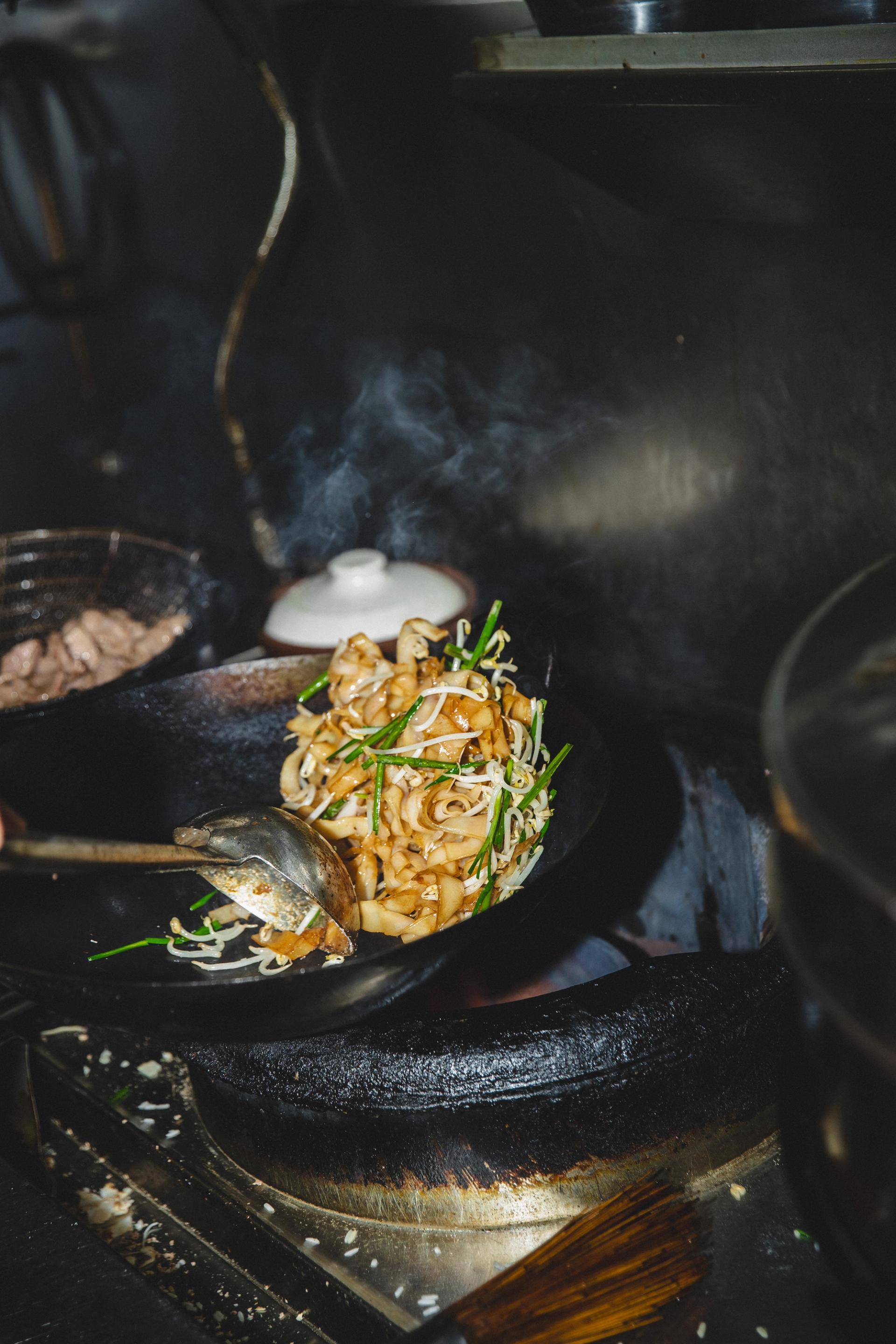
‘Sun Ming B.B.Q. Restaurant was my introduction to a proper Hong Kong-style restaurant. Parramatta is better for barbecue: I’m talking char siu and rice. Whereas visiting Sun Ming in Hurstville, the stir-fried rice noodles with beef is one of my favourite dishes. You walk in and everyone’s speaking Cantonese and it’s loud. You’re eating with the community. That’s what I love about that place.’
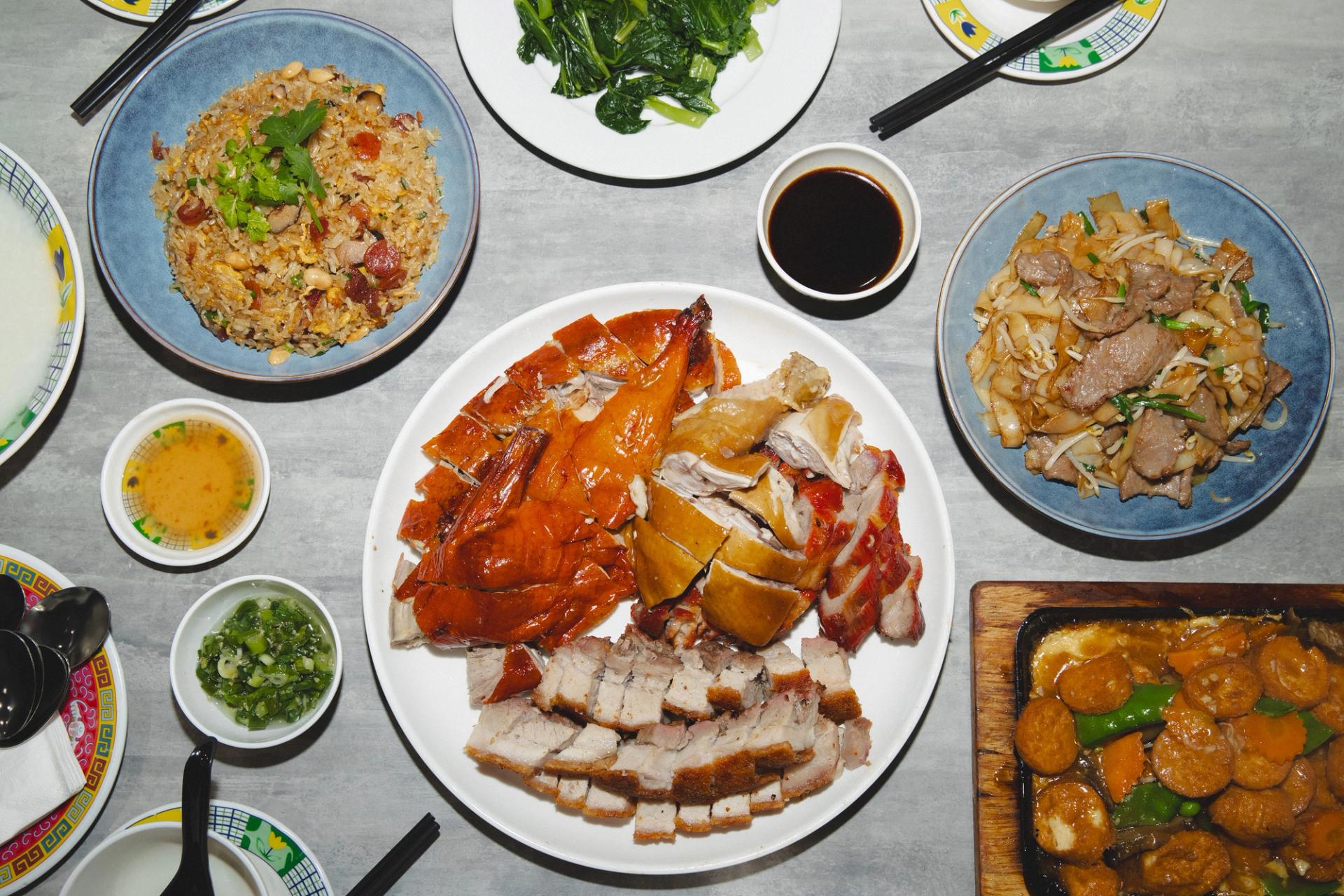
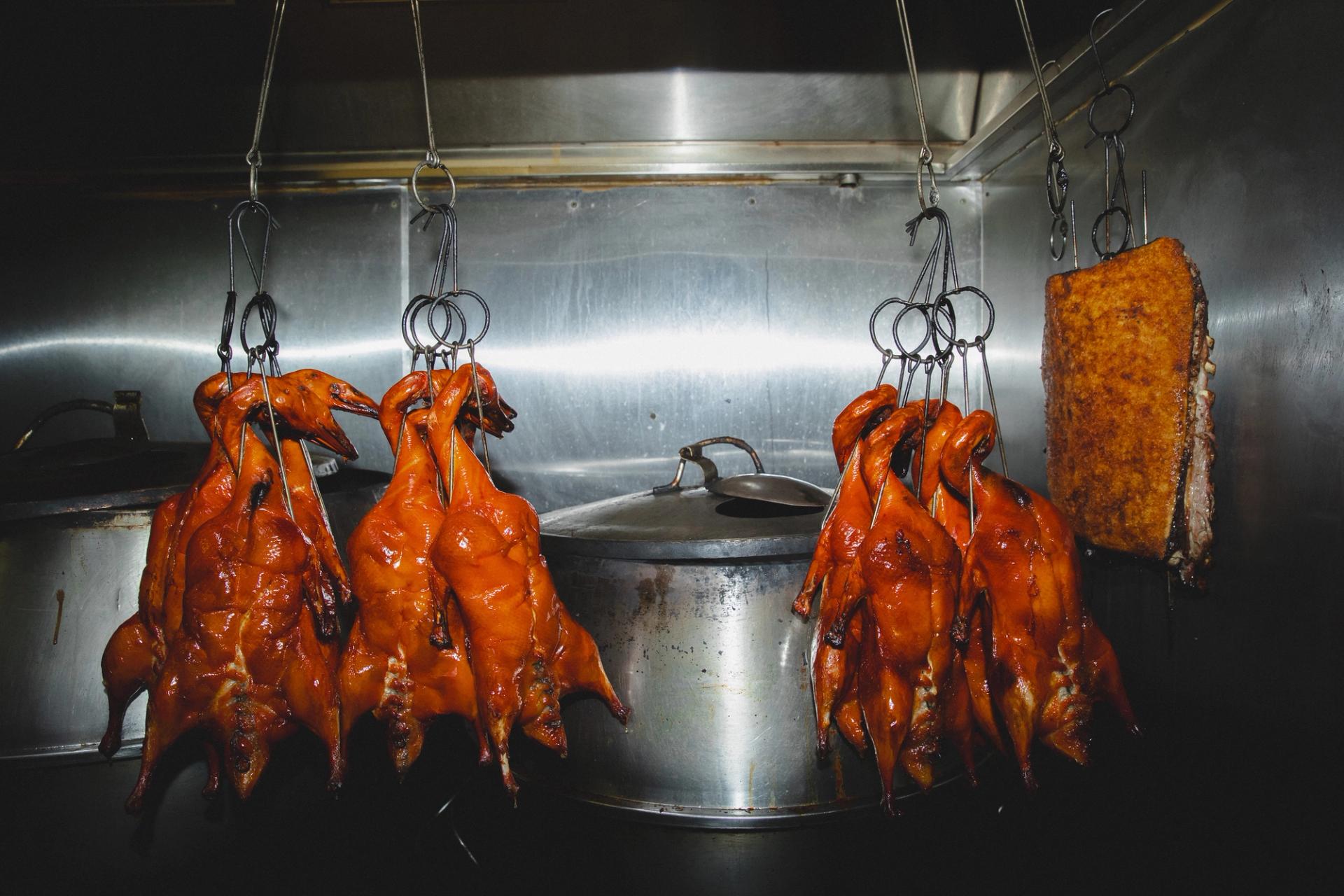
The woks have been busy at Parramatta’s Sun Ming B.B.Q. Restaurant for more than 30 years. This Western Sydney institution first opened in 1993, followed by its sister restaurant – Sun Ming Hurstville – in the city’s south 2 years later. The restaurant’s popular stir-fries, sizzling plates and noodles are currently tended to by second-generation owners Raymond and David Chan, who are cousins. The inspiration for their family businesses actually started decades earlier with a street stall in Hong Kong.
‘Before my grandmother passed, she told me the story,’ says David Chan. ‘My grandmother had a cart on the Hong Kong wharf.’ His father, Tak-Ming Chan, began helping her with orders from age 10.
‘They’d do sticky fried rice: they had a wok and stir-fried it right there, piping hot,’ David Chan says.
Their customers were ferry passengers in search of a quick meal, and their orders were likely served in newspaper.
‘He did that until the age of 15, then started working at a proper restaurant,’ David says.
Tak-Ming arrived in Australia at age 20 and after the neon bustle and endless nightlife of Hong Kong, Sydney was a culture shock. At 7pm, there were no streetlights. He was surrounded by darkness.
‘He’d look into the sky and you could see all the stars back then,’ his son recalls. ‘That was the first time he’d seen so many stars.’
‘I was talking to Uncle Sun: “Why did you guys decide to do this?” And he goes, “Because your dad wanted to share the taste of Hong Kong food.”’
Tak-Ming opened Sun Ming B.B.Q. Restaurant and Sun Ming Hurstville with his friend, Chi Sun-cheng. Raymond and David both grew up affectionately calling him Uncle Sun, even though he wasn’t a blood relative.
‘I was talking to Uncle Sun: “Why did you guys decide to do this?” And he goes, “Because your dad wanted to share the taste of Hong Kong food.” It’s why they brought the flavours of cha chaan tengs, Hong Kong’s Western-inspired cafes, to Sun Ming B.B.Q. Restaurant. David believes they were among the first to offer barbecued meats in Parramatta.
Sun Ming B.B.Q. Restaurant relocated to its current larger surrounds further down Church Street in 1996. But the original site left an impression on David, particularly its pastries. ‘Uncle Sun was a baker in Hong Kong. He knew how to do pineapple buns and egg tarts – regular Hong Kong food. As a kid, I used to run over there and get cream-filled buns out of the cabinets.’
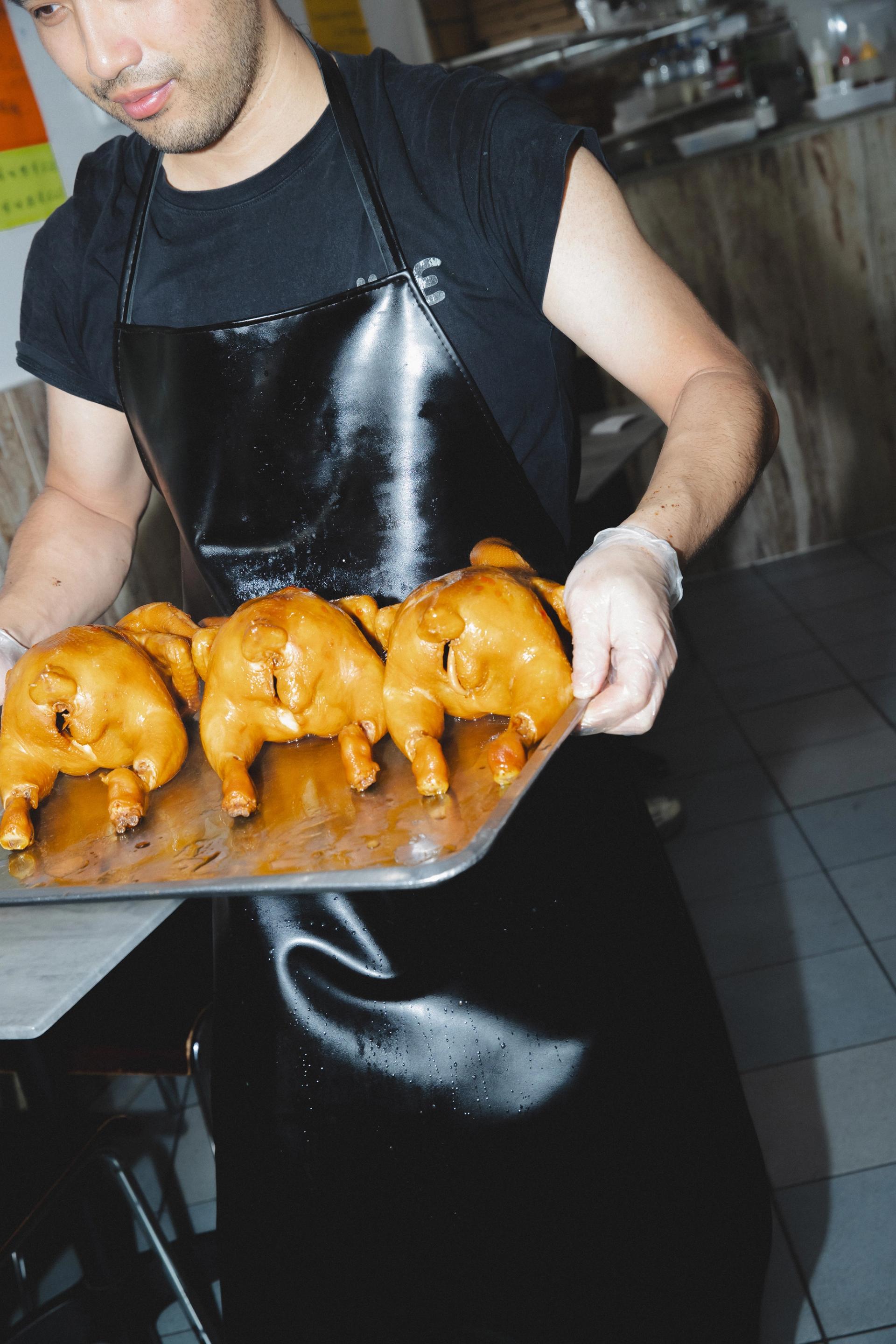
Today’s menu still captures the taste of Hong Kong the restaurant’s original owners hungered for. There’s the comfort-food appeal of the baked pork chop rice, for instance. ‘I think of it as Asian pizza. How Italian people feel about pizza is how Chinese people feel about baked pork chop rice. It’s tomatoey. Instead of dough, it’s rice,’ says David.
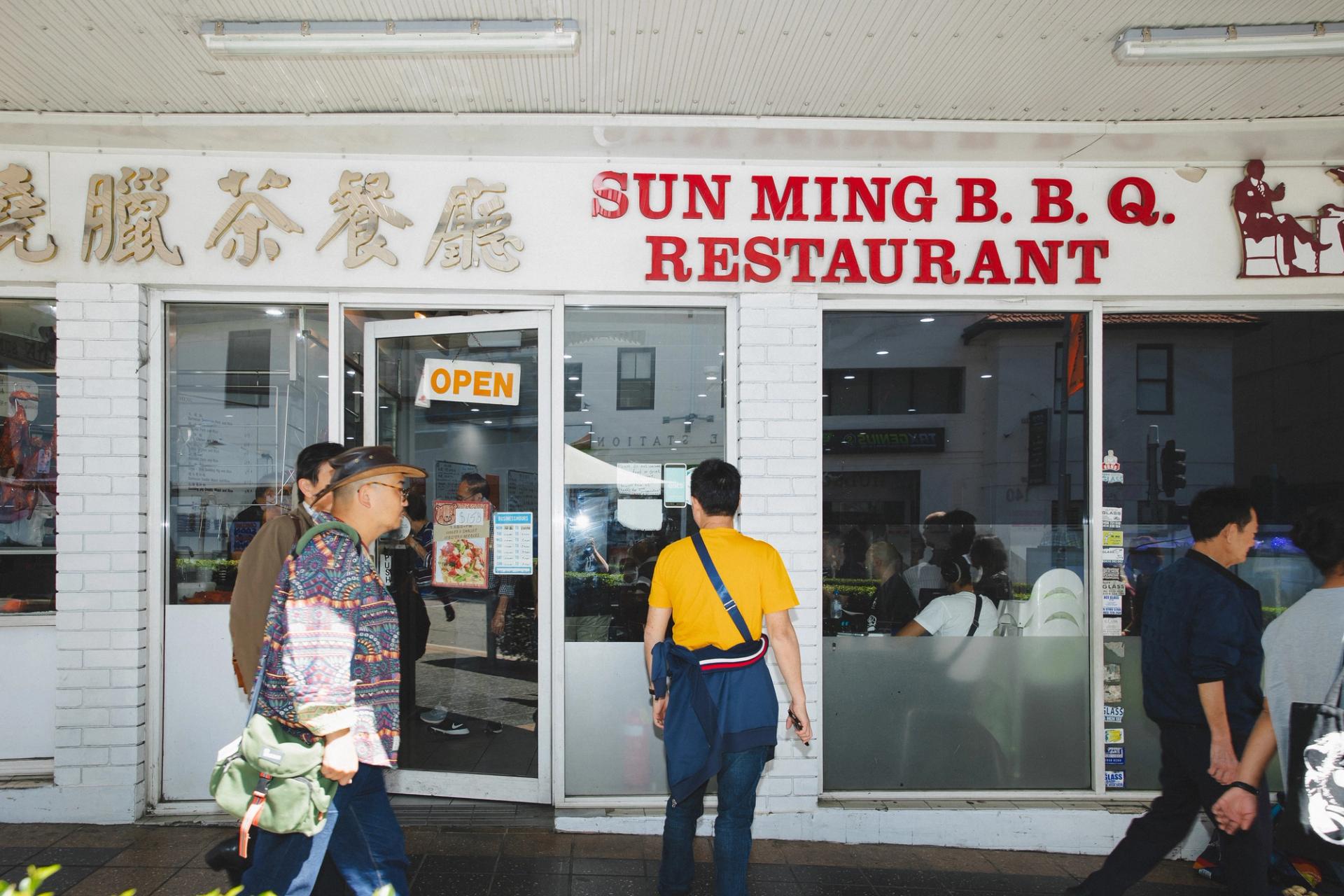
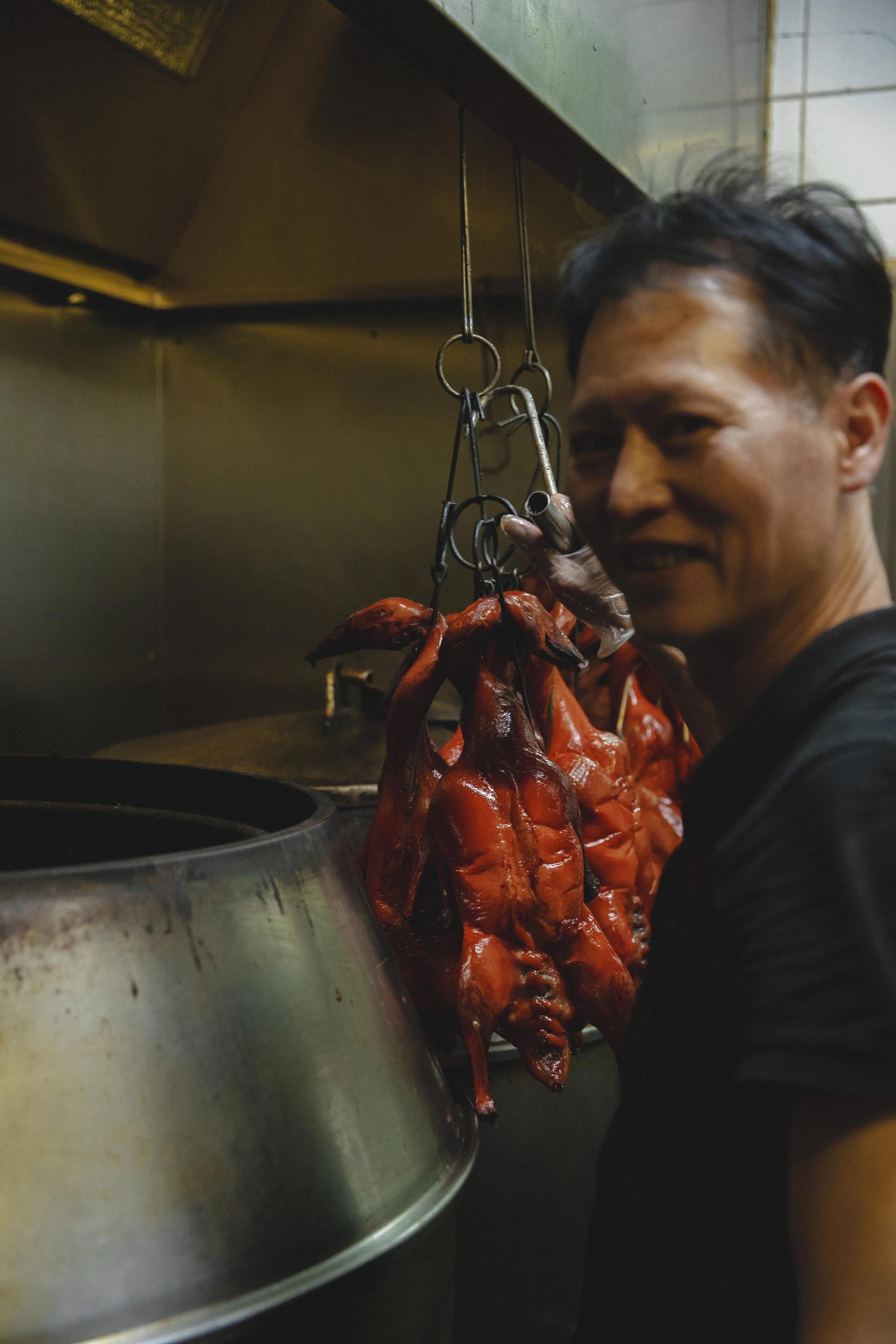
Barbecued meats, which take a day of prep before roasting begins, are still overseen by the same barbecue master from the restaurant’s start.
‘He’s the only one we’ve had,’ says Raymond.
‘My grandma recommended the guy come work here. The barbecue grandmaster taught me,’ says David.
‘He taught me as well,’ adds Raymond.
‘He’s the guy that taught everyone,’ says David. ‘He came to my wedding.’
He was at the funeral for Tak-Ming and their grandmother, too.
Family connections ripple throughout the 2 restaurants, as well as the various businesses their fathers have run over the years. As a kid, Raymond wiped plates, folded napkins and covered the till at venues owned by his dad, Tak-Man Chan. His cousin also clocked in for his parents.
‘I was washing dishes at 10,’ David says. ‘I’ve worked in every side of the business, from serving customers to answering phones.’ He admits he was ‘very terrible’ when he first attempted the wok but other staff were probably too afraid to tell him so, because he was the owner’s son.
‘Dad was like, “Get out of the way, it’s too busy. Step aside. I’ll do it!” But you learn when it’s not busy, that down period where he’s like, “All right, I’m going to sleep. You cook. Bye.”’
Eventually David became proficient enough to operate Sun Ming Hurstville as its owner, while Raymond took over Sun Ming B.B.Q. Restaurant. Feeling like a boss took a while for Raymond: it happened after some people left in the pandemic era. ‘When I had the old staff, they all knew me as a boy. When we got new staff, that’s when the dynamic changed. I had to teach everybody. Everybody was like, “We have to listen to what he says, he knows more than everybody else.”’
Time takes its toll at these restaurants: cleavers get chipped and chopping boards are destroyed keeping up with customer orders. ‘I used to have the last wok my dad ever held,’ says David. But it rusted through. ‘I couldn’t save it.’
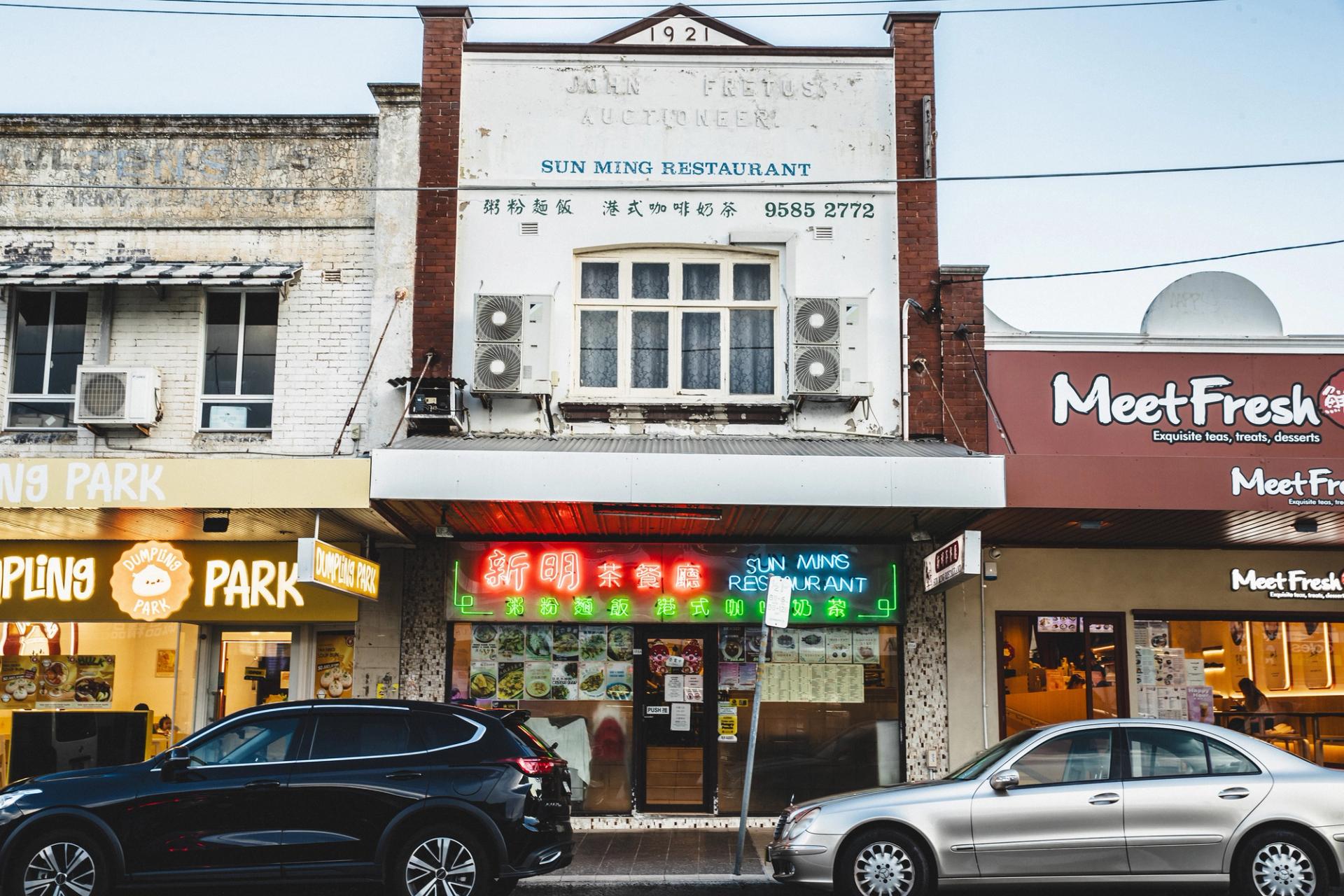
The colourful signage that’s illuminated Sun Ming Hurstville’s entrance for decades still shines strongly, though. ‘The neons haven’t even busted. I’m surprised,’ he says. ‘We turn them on every night.’
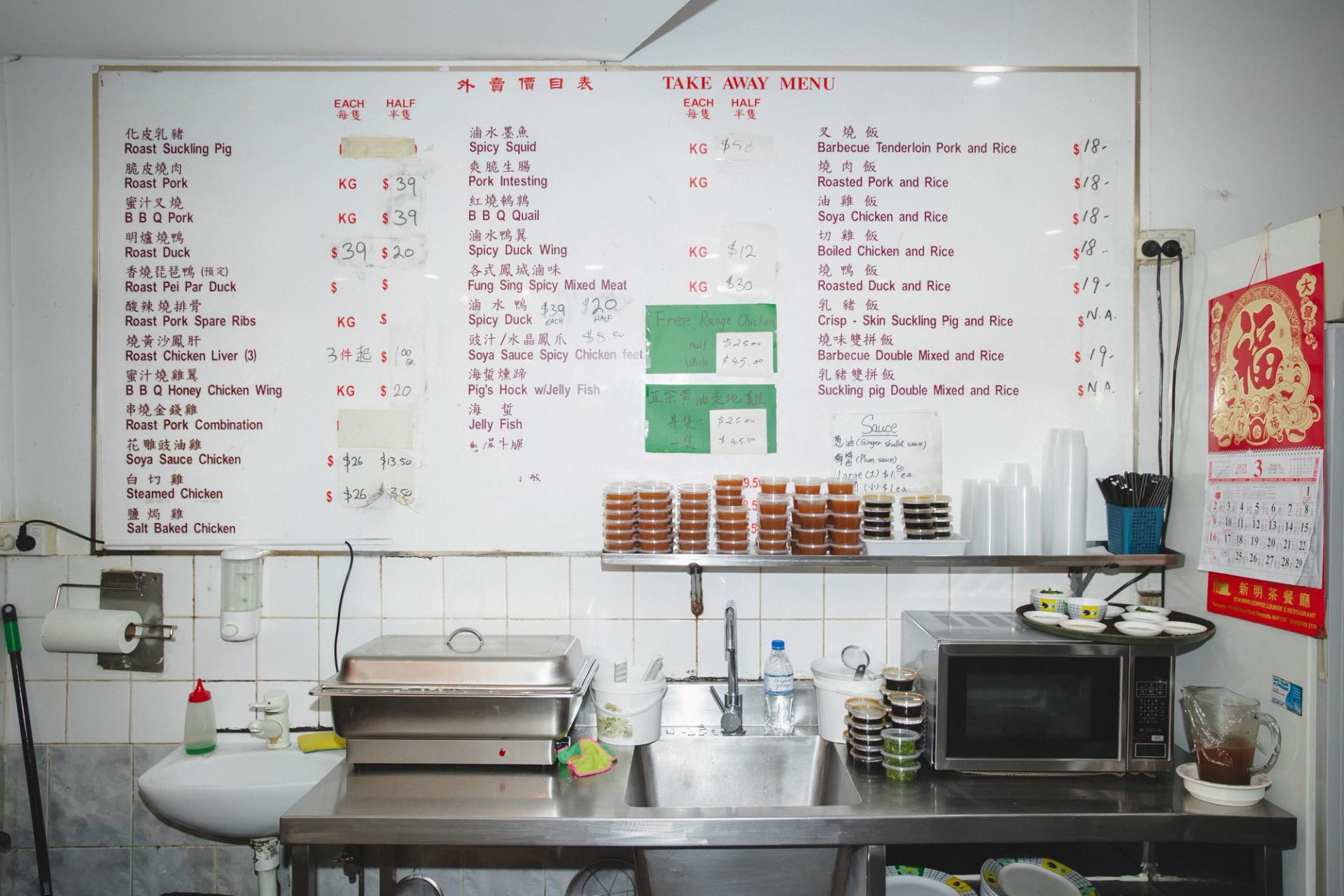
And the menu on Sun Ming B.B.Q. Restaurant’s wall has endured, too: it lists roasted suckling pig, spicy duck, soy sauce chicken and much more. Prices have changed, but the staples remain. ‘That sign has been there for many years. That’s been there since I was a kid,’ says David.
‘It’s iconic now,’ adds Raymond.
What also persists: their joy in maintaining the culture they grew up with. Raymond is proud they’ve finally learnt the language of their parents. ‘We were the kids that were the worst at Chinese,’ he says. ’Everyone else was good. They had good careers, good futures. Then we learned Chinese. We learned how to cook, we learned everything. That alone is a great achievement,’ Raymond says.
‘I think the biggest milestone was being able to tell the story of the restaurant.’
Raymond finds it especially ’rewarding’ to maintain Sun Ming B.B.Q. Restaurant, knowing his uncle first opened it. ‘We are probably the last line, to be honest,’ he says. His cousin agrees. ’We might be the last generation to keep going on.’
But there’s something special in keeping these restaurants open, regardless of what happens next. There’s a vital sense you’re caretaking something your family began – despite the struggles and roadblocks.
‘It’s very hard work at the very beginning,’ David says.
‘If you know what you’re doing, it becomes easier,’ says Raymond. When you’ve done it for so long, you know how to direct the chaotic energy and momentum of the restaurant.
‘There’s no better feeling than when it’s flowing. The kitchen’s just going at a nice pace,’ says David.
‘You’ve got to conduct it like an orchestra,’ his cousin adds.
‘There’s no better feeling,’ says David.
About Family Business
Family Business celebrates the Chinese, Southeast Asian and Korean communities of Western Sydney through the intergenerational food stories and culturally significant objects of long-established, family-run restaurants.
Selected by Powerhouse Culinary Ambassador and chef Kylie Kwong and food content creator Kevin La, 11 community-loved eateries open their doors, and their histories, to writer Lee Tran Lam and photographer Nikki To, offering an intimate window into one of Australia’s most richly diverse culinary scenes.
Powerhouse Food
Powerhouse Food encompasses programs, partnerships and initiatives that support and amplify the food industry and community.