Kevin La and Sengtavanh Asian Grocery

‘That’s why I tell this story. Because food can connect anyone and make anyone comfortable. I found that time and time again.’
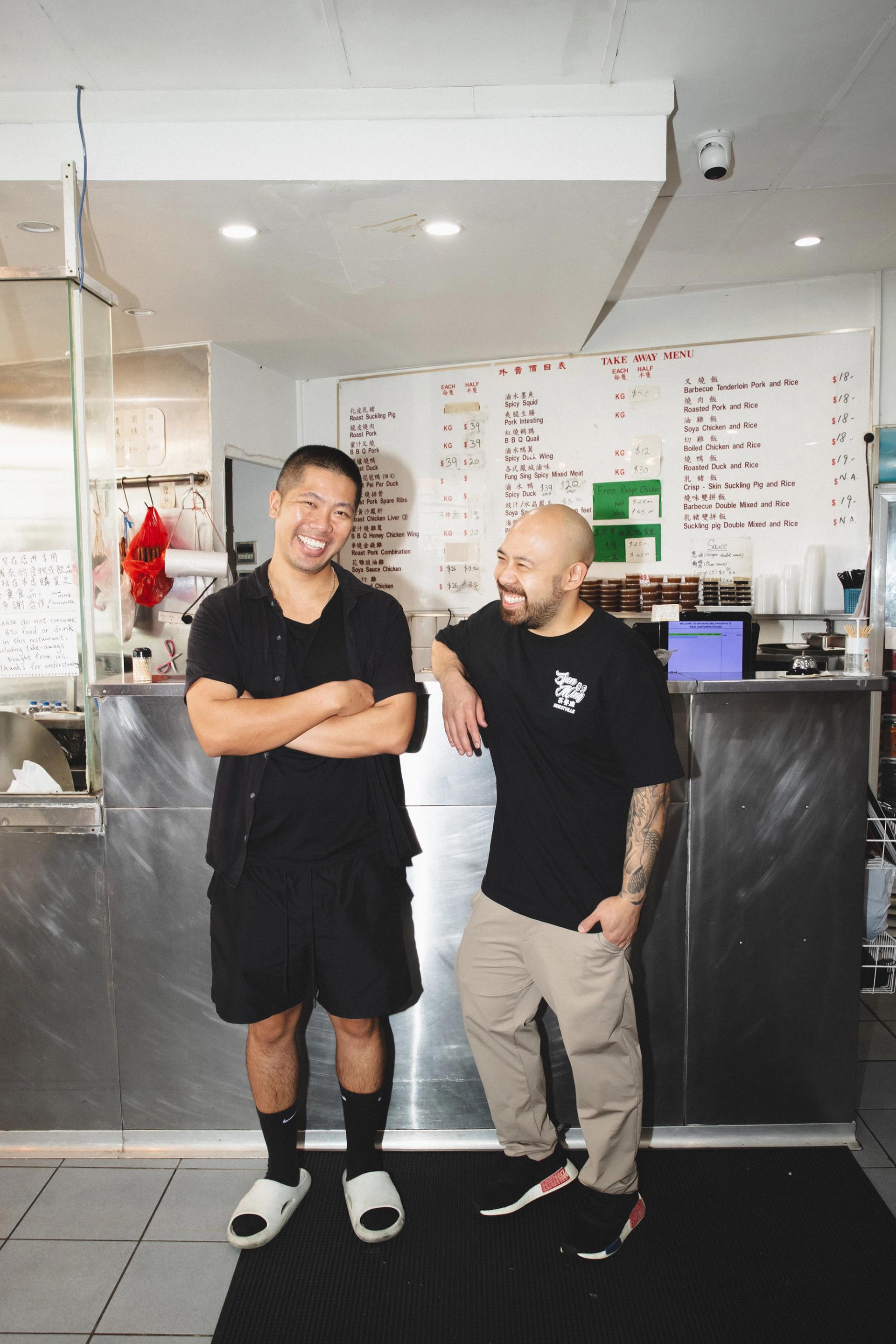
If you follow Kevin La’s @sydneyfoodboy (opens in new tab) social media accounts, you’ve seen him eat across the city’s postcodes: he’s savoured pho next to a Mount Pritchard car wash, tried Turkish sweets in Auburn and ordered Teochew-Cambodian dishes from a Cabramatta restaurant he’s been loyal to since childhood.
Even when the camera’s off, food ties into his day job as an optometrist. Sometimes he treats Iraqi migrants who are new to the country: they’re isolated, vulnerable and adjusting to a new language.
‘It must be so scary for them,’ La says. He thinks of his parents, who arrived here as Cambodian migrants facing similar struggles.
That’s why he asks patients about the foods they enjoy. They immediately smile upon hearing the question. The ice is broken. ‘That’s why I tell this story. Because food can connect anyone and make anyone comfortable. I found that time and time again,’ he says. It’s also introduced him to great food across Sydney.
‘I just say, “Where’s a place you can eat that reminds you of home?” And that’s a conversation starter,’ he says.
Through Iraqi patients, he’s learnt about their love of breads (from flat khubz to boat-shaped samoon) as well as kebabs, stuffed pig’s intestines and different types of flavoured rice.
La often works in Fairfield, a Western Sydney suburb known for its Iraqi community, and remembers asking locals for advice on where to eat. It’s something he often does overseas. ‘So I decided to pull that trick out in Sydney.’ He did so near a barber shop and got passionate responses.
‘They’re arguing about where’s the best place for Iraqi kebabs. Then someone argued harder. I'm like, you know what? This place sounds good. I went there for lunch and it was amazing,’ La says. ‘Why can’t we have these conversations in Sydney?’
Talking about food – and the city’s specialties – has long captivated La, who grew up in Cabramatta in Western Sydney.
‘My memories of Cabramatta were visiting my dad at work, at Win Minh Fruit Market, one of the oldest standing fruit and veg shops in Cabramatta. It’s still there today.’
His earliest memories of dining out involved his dad’s workplace. They bonded at local Cabramatta restaurants near the fruit shop, heading to different spots each time – slurping up Phnom Penh noodles, savouring stir-fries with rice. ‘All these places still exist today, which I love,’ he says. ‘It’s been amazing watching the places grow. The uncles that run the place grow old as well. They all have white hairs now. That’s why I feel really strongly about my hometown in Cabramatta.’
But it was his time overseas, in 2019, that spurred him to start his @sydneyfoodboy social media accounts, which document restaurants across the city.
‘I was in Nepal for a volunteer trip to do eyecare. I had just finished university a year before and I was in my first year working as an optometrist,’ he says. Then a serious injury meant he had to abandon his mountain trek to work alongside fellow optometrists helping villagers. ‘I got flown down by helicopter. I was in the hospital for a day or 2 in Kathmandu, he says.
La found comfort in momos: Nepalese dumplings on offer at the hospital.
Separated from his group, he travelled alone back to his transfer city, Singapore, much earlier than expected.
‘It was one of my first solo trips,’ he says. ‘Obviously you gravitate towards food in a place like Singapore. Every day I’d go into a new hawker food market and I’d try so much food that I’d get indigestion. When I’d come home [to my relatives in Singapore] my uncles and aunties would tell me off and give me herbal medicine. Every day. It was the same thing,’ he says. La kept eating his way across multiple hawker stalls and learning about the market’s memorable dishes and vendors.
All these culinary discoveries inspired him to try something similar in Sydney: he could spotlight food that made the city special, particularly multicultural places near his home in the southwestern suburbs. ‘You can get an amazing dish from somewhere in the world you haven’t visited before and really explore that, then spread that to the world to showcase why Sydney is a really amazing place to eat,’ he says.
Cabramatta is an area he’s focused on a lot via his @sydneyfoodboy coverage. And while the suburb is known for Sydney’s oldest pho joint, the city’s first Cambodian-Chinese restaurant and other Asian migrant institutions, it’s also undergone big changes, too – with trendy Western-style cafes and ramen joints moving in.
‘I mean, it’s cool. I think that’s a product of the new gen coming up,’ La says. ‘[It’s] a little bit tough to see older places closing down: uncles and aunties that [have] run places for like 20, 30, 40-odd years now coming into retirement age – they can’t run these places forever. What happens to these restaurants? A lot of the new generation doesn’t want the hard work that comes with running a small restaurant, right? So I think the new diversity is pretty cool, but I also think it’s important to appreciate what we have now, because it might not be here forever.’
It’s why he was compelled to collaborate with Powerhouse on this Family Business project, which showcases 10 culturally significant, family-run Asian restaurants across Sydney. ‘These places have been with the community for a long time. You don’t know how long they’re going to be here. This project was about locking in that memory for people: telling their story before it’s too late,’ he says.
‘Even though they opened their restaurants to allow their family to survive, to feed their families and to give their own children a better life, they’ve given all the children in the community – and all the people as well – a lifetime memory of good food from their culture.’
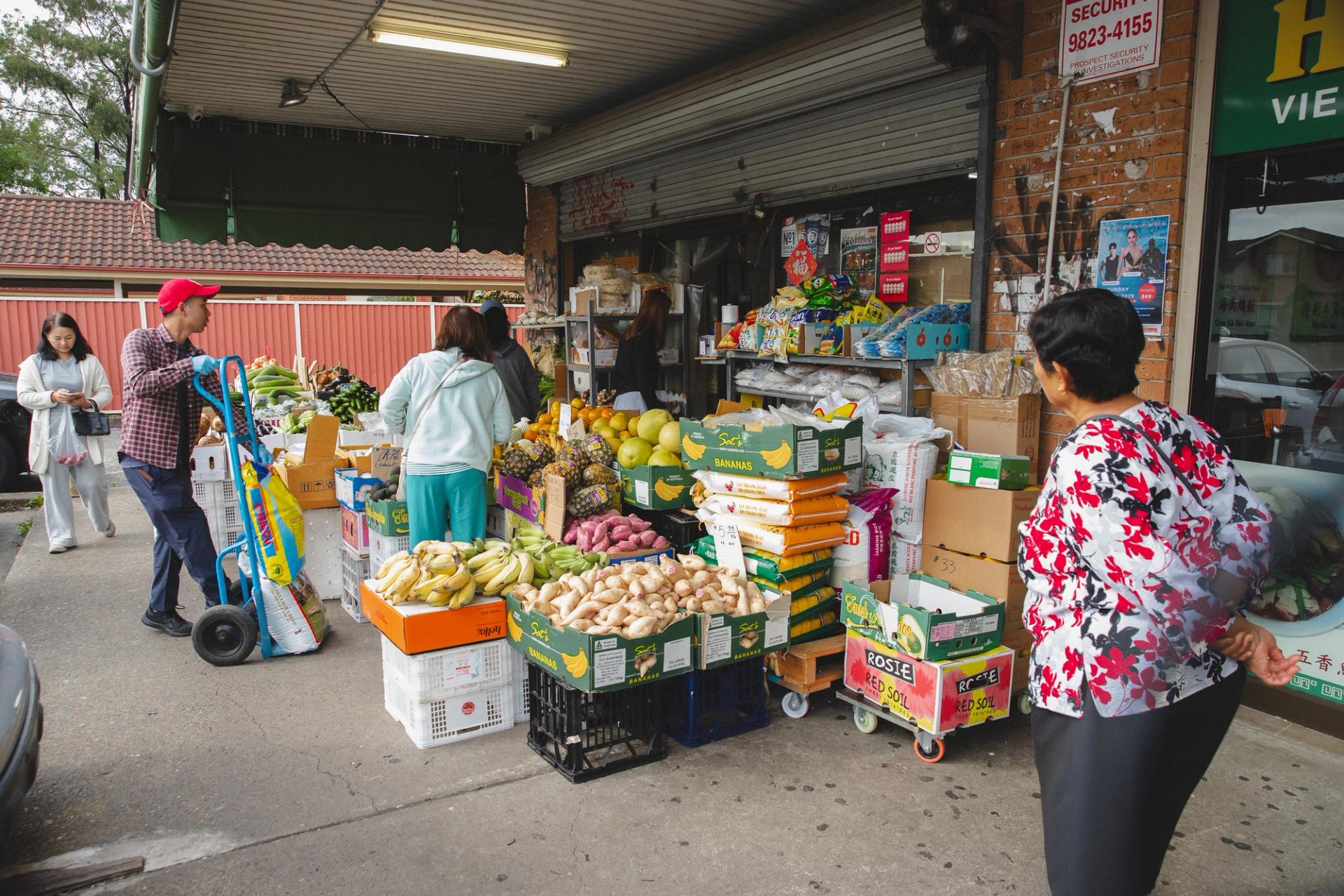
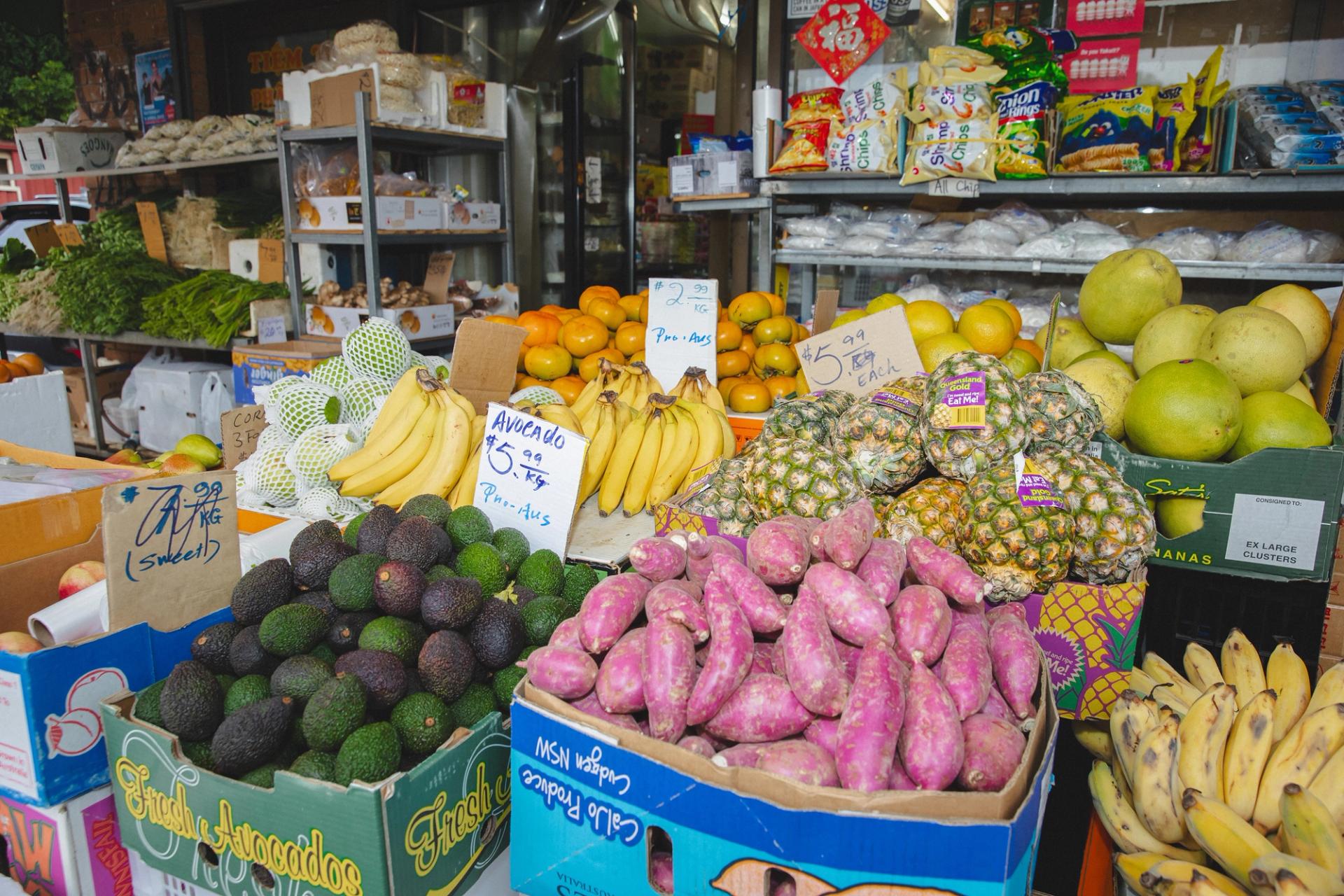
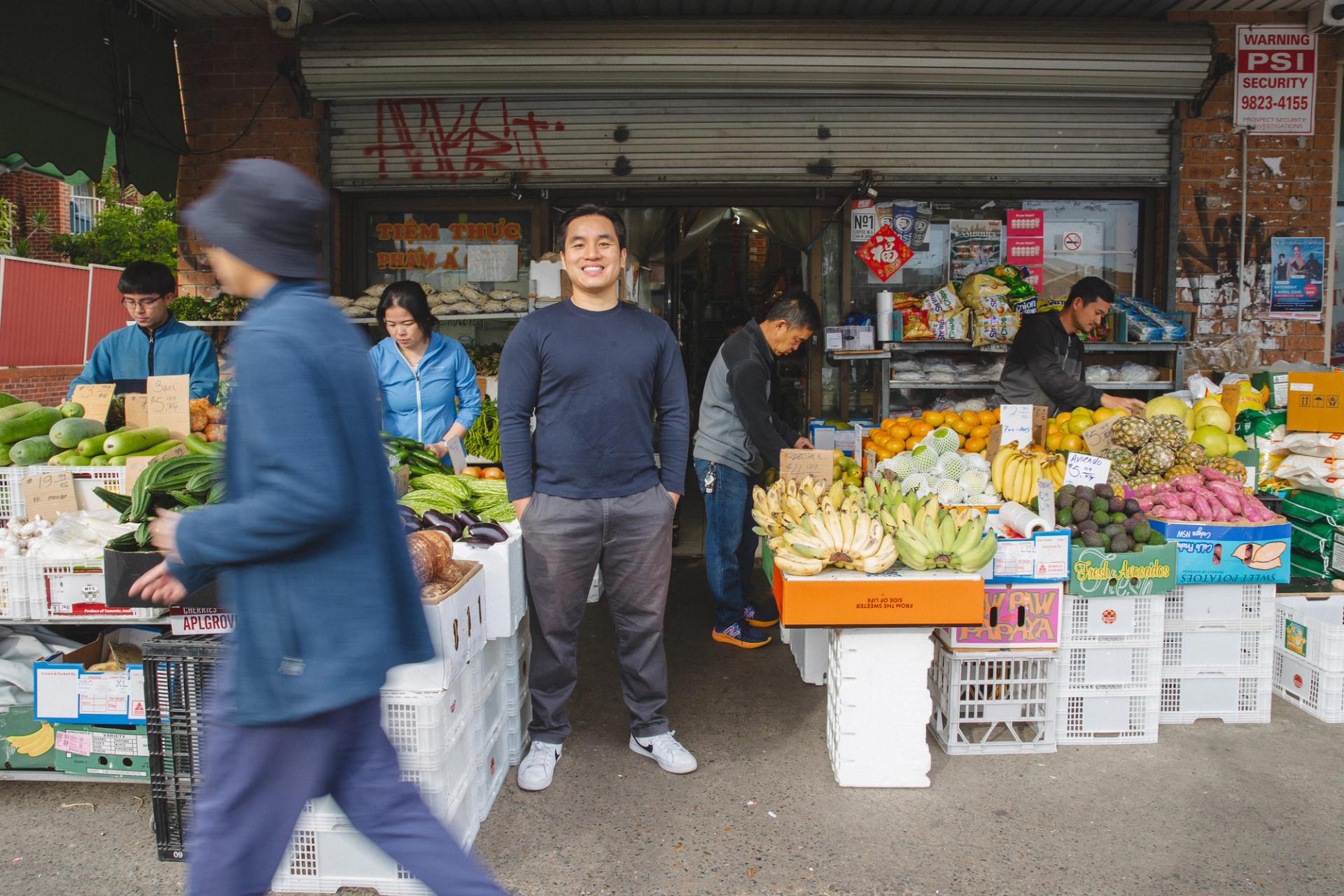
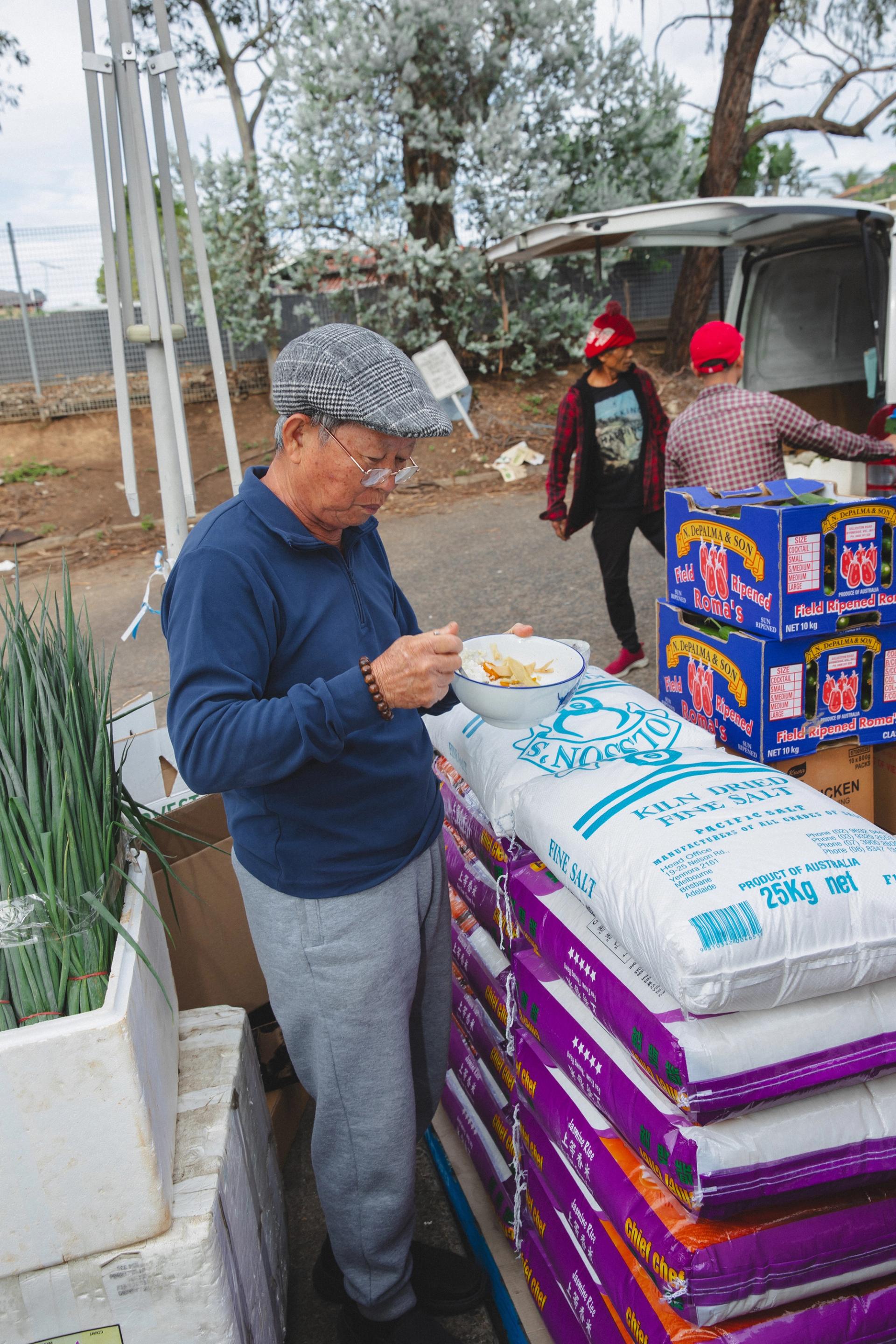
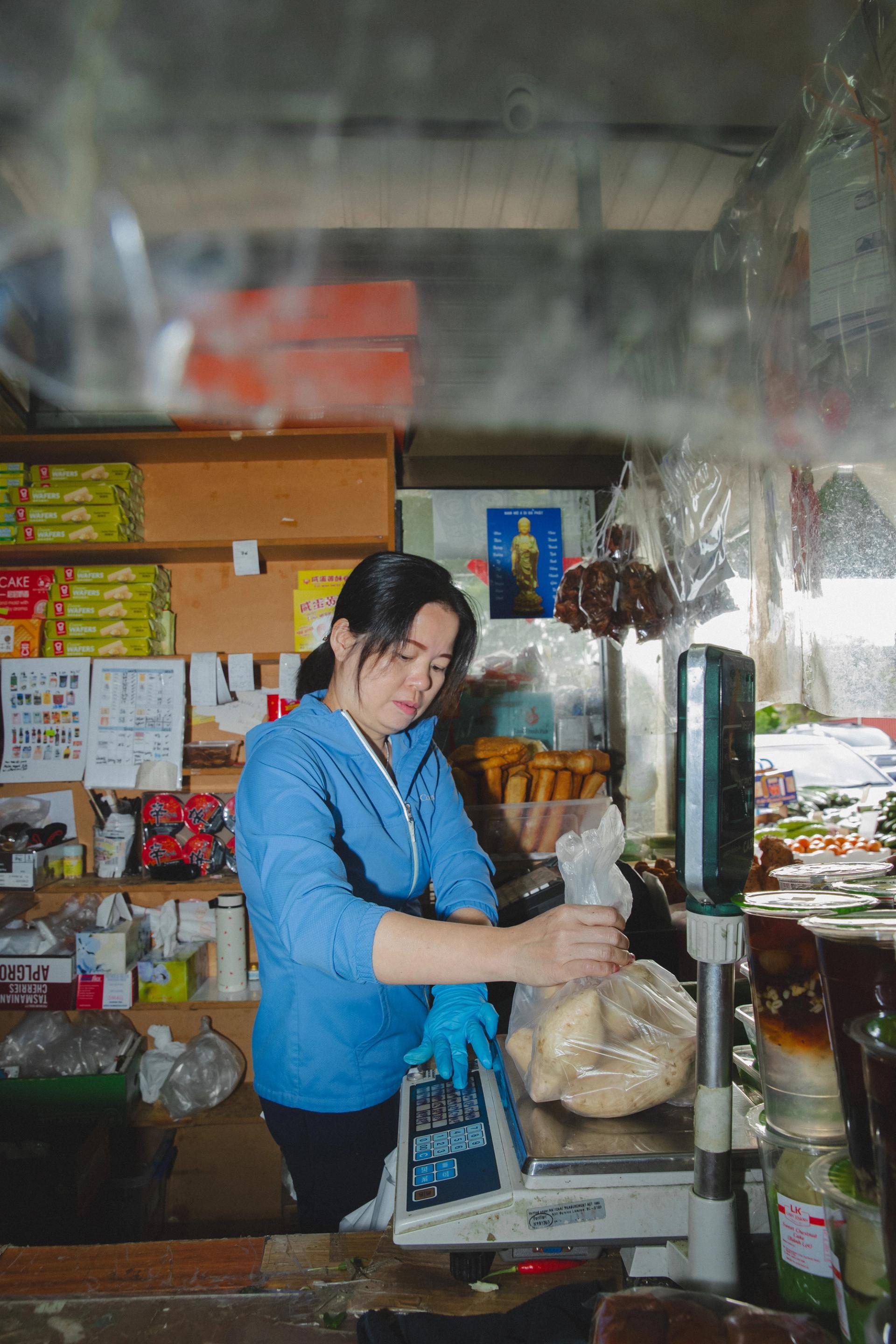
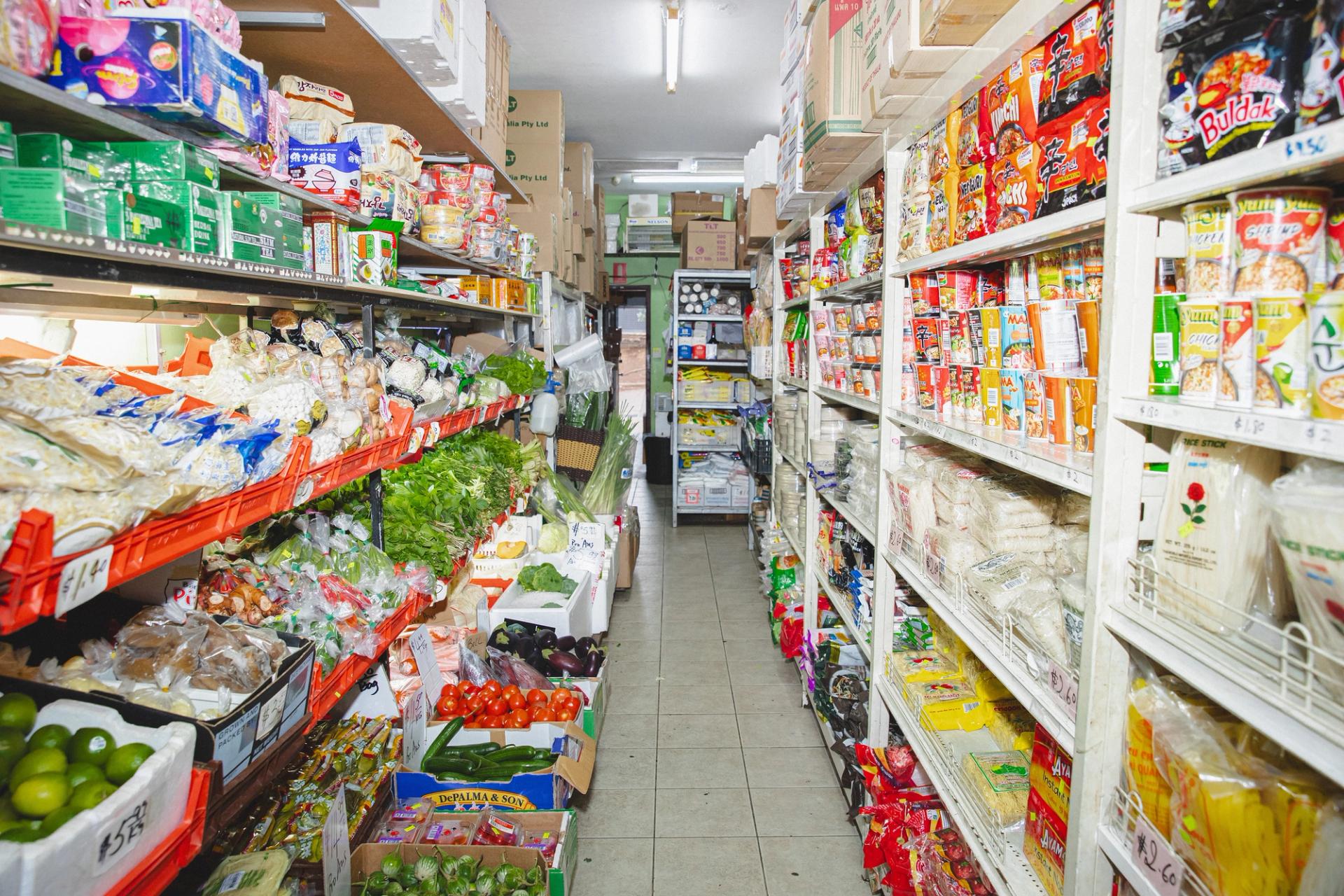
It’s something he can relate to. His dad sold fruit in Cabramatta until a decade ago. Now he runs Sengtavanh Asian Grocery in nearby Bonnyrigg with other family members. The shop caters to the local Cambodian and Lao community, boasting an amazing diversity of fruit and vegetables out front. ‘Dad sells 4 to 5 different types of mangoes. Papaya is big in Lao cooking – papaya salad – so he’d organise papaya to be available,’ he says. Then there are the chrysanthemum leaves, an ingredient La savours. ‘That was the first soup I ever learned to make: chrysanthemum leaves, fish balls, chicken stock. That’s it. My favourite soup growing up.’
His brothers Patrick and Jeffrey also help at the shop and La admits he’s a little jealous they get to spend so much time with the family.
La has vivid childhood memories of accompanying his father to work: he recalls the time his dad pulled his van over nowhere near the centre of Cabramatta, where he usually worked.
‘Then a vegetable truck from the farm pulled up. My dad started chatting [with the farmer] like they were old friends. And he started transferring vegetables into my dad’s van. I’m like, “What’s happening?” He goes, “Oh, yeah. He’s just giving me the best vegetables, before he does his normal delivery to other fruit and veg and shops in Cabramatta.”’ That was how well regarded his father was. ‘And those relationships have maintained to this day,’ La says.
These longstanding community connections really matter. And it’s not a coincidence his parents’ business shares many qualities with the family-run restaurants featured in this project: dedication, sacrifice, respect, cultural impact. ‘I think the most important thing is how proud I am to have grown up in a family-business type of family,’ he says.
About Family Business
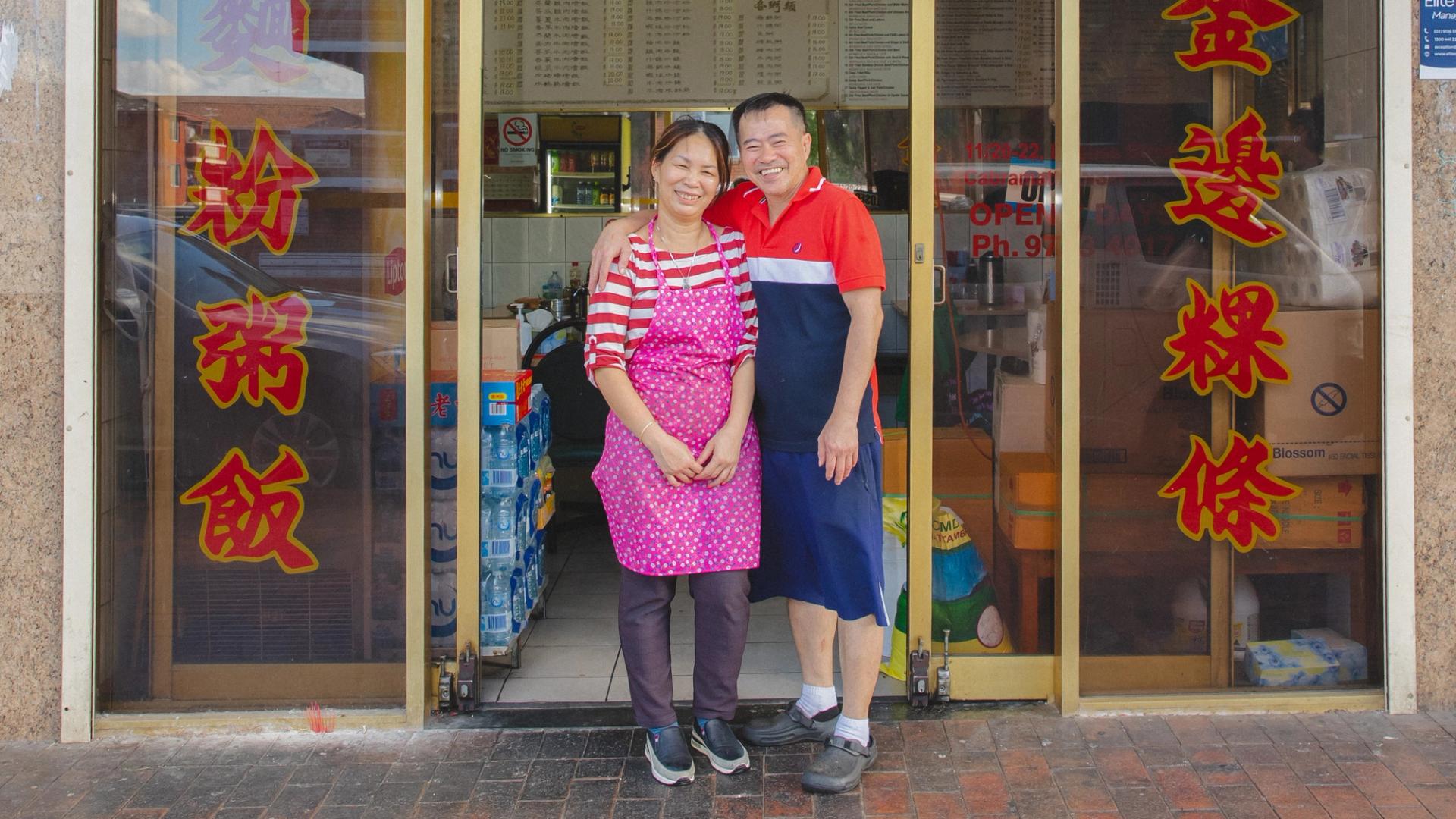
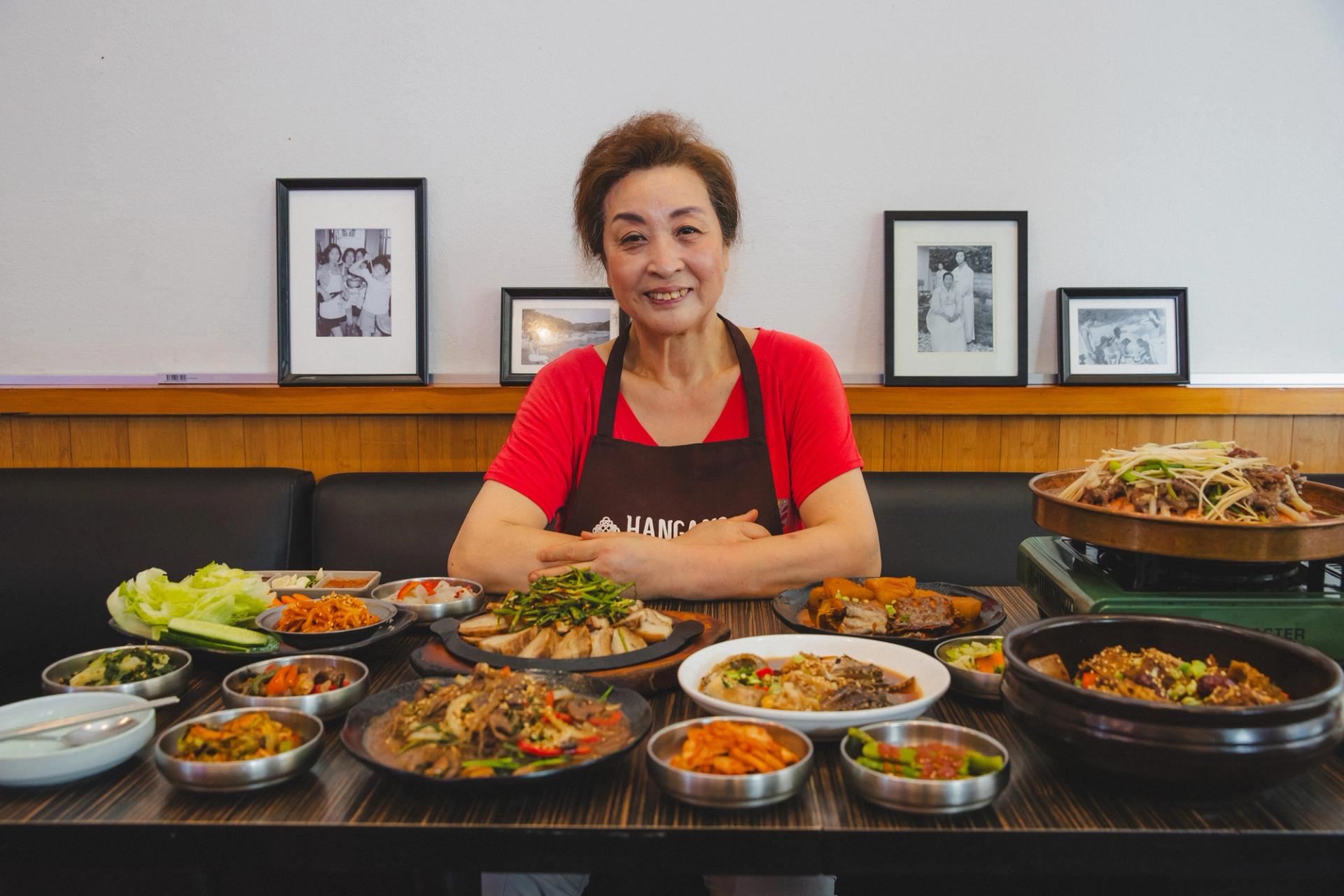
Family Business celebrates the Chinese, Southeast Asian and Korean communities of Western Sydney through the intergenerational food stories and culturally significant objects of long-established, family-run restaurants.
Selected by Powerhouse Culinary Ambassador and chef Kylie Kwong and food content creator Kevin La, 11 community-loved eateries open their doors, and their histories, to writer Lee Tran Lam and photographer Nikki To, offering an intimate window into one of Australia’s most richly diverse culinary scenes.
Powerhouse Food
Powerhouse Food encompasses programs, partnerships and initiatives that support and amplify the food industry and community.