Hangang by Mama Park

‘I first visited Hangang by Mama Park back when the family ran a Korean barbecue restaurant on the other corner. My wife and I have a deep love of Korean food and it’s this spot that we keep coming back to time and again. When you think about food, there's food that’s simply there to eat, and then there’s food with meaning, food with moments. Hangang was one of the first places we started learning more about traditional tastes and how vast and diverse Korean cuisine really can be. We have had great moments, great memories here and for that reason Mama Park’s cooking will forever be a big reason why I love Korean food so much.’
‘When I met Mama Park, I saw so many things in her. Her daughter Jina is also amazing. I meet a lot of people, but Mama Park made a big impression. I was explaining this to Jina. ‘I love your mum so much. I can’t stop thinking about our instant connection.’ She said, ‘Mum said the same thing. Kylie’s got so much jeong.’ It’s a Korean concept, similar to when we say, ‘I feel like I’ve known you for many lifetimes.’ I said, ‘Your mother is the embodiment of jeong.’ That reaffirmed to me why her cooking is so deeply nourishing, because it comes from a very, very big heart.’
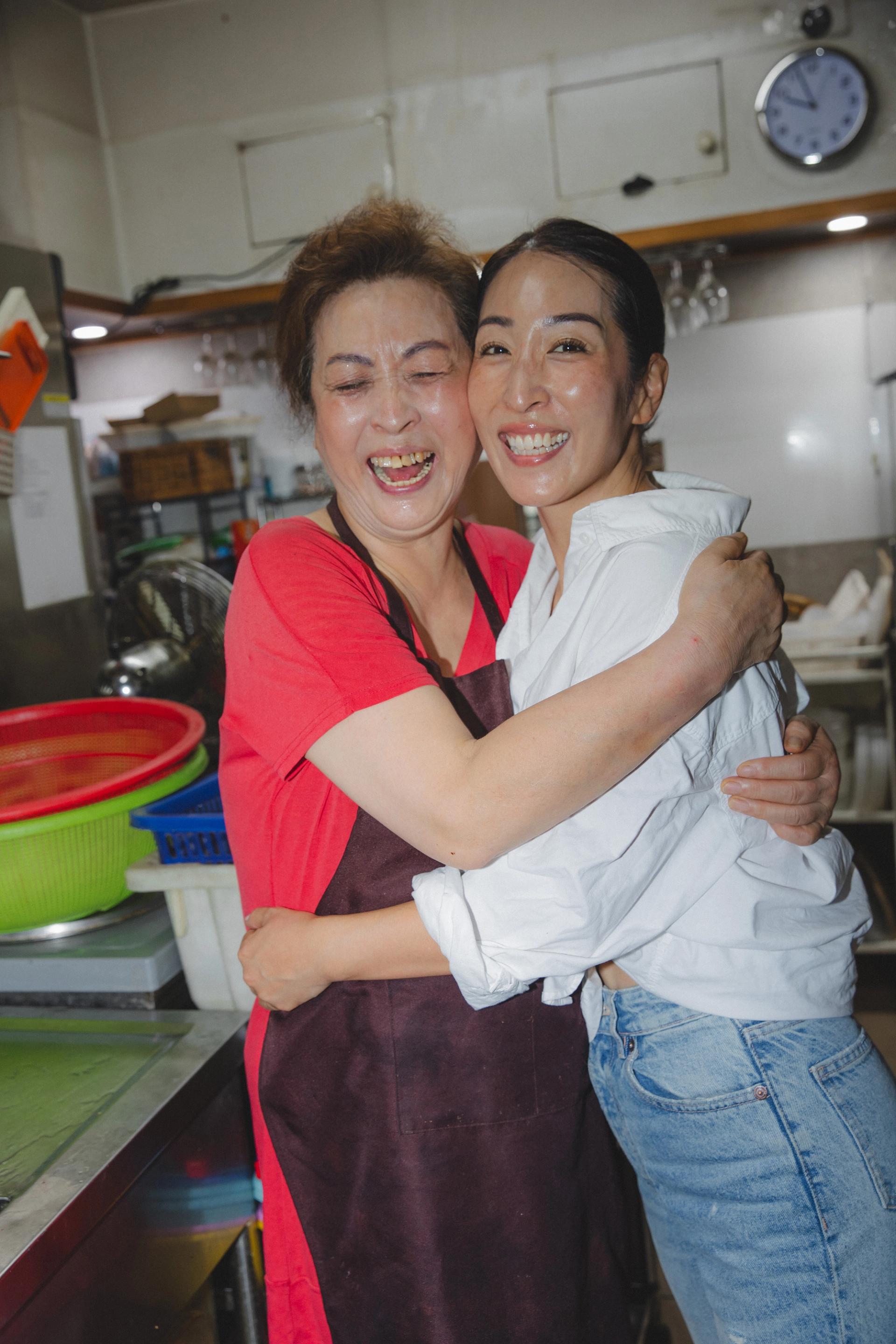
Bok Hee ‘Mama’ Park (who is also known as Jimin or Regina Park) knows how to feed large crowds. Before opening her first Sydney restaurant, she would cook for attendees at her church. ‘400, 500 people. Every week,’ she says.
‘She’s used to always feeding people,’ her daughter Jina says.
So that could mean 400 bowls of Korean seaweed soup for the after-service lunch, or kimchi fermented from 12 heads of cabbage.
‘Every week, mum would do something different,’ Jina says. ‘I used to be really proud because other women would take turns, but I was always like, ‘my mum’s is the best.’’
Friends agreed: her mum’s cooking was best. Mama would take care of buffet days, too.
‘Because other ladies, they couldn’t do the amount of food my mum could do. Or the variety of it.’
Catering for church was great training for what happened later in life: Mama decided to open her first restaurant, Hangang Korean BBQ, when she was nearly 60. Initially, she continued her women’s fashion business while overseeing the Strathfield eatery in Sydney’s inner west. Staff were hired to run the kitchen. ‘She wanted to respect the chefs,’ Jina says. ‘She thought they might know better.’
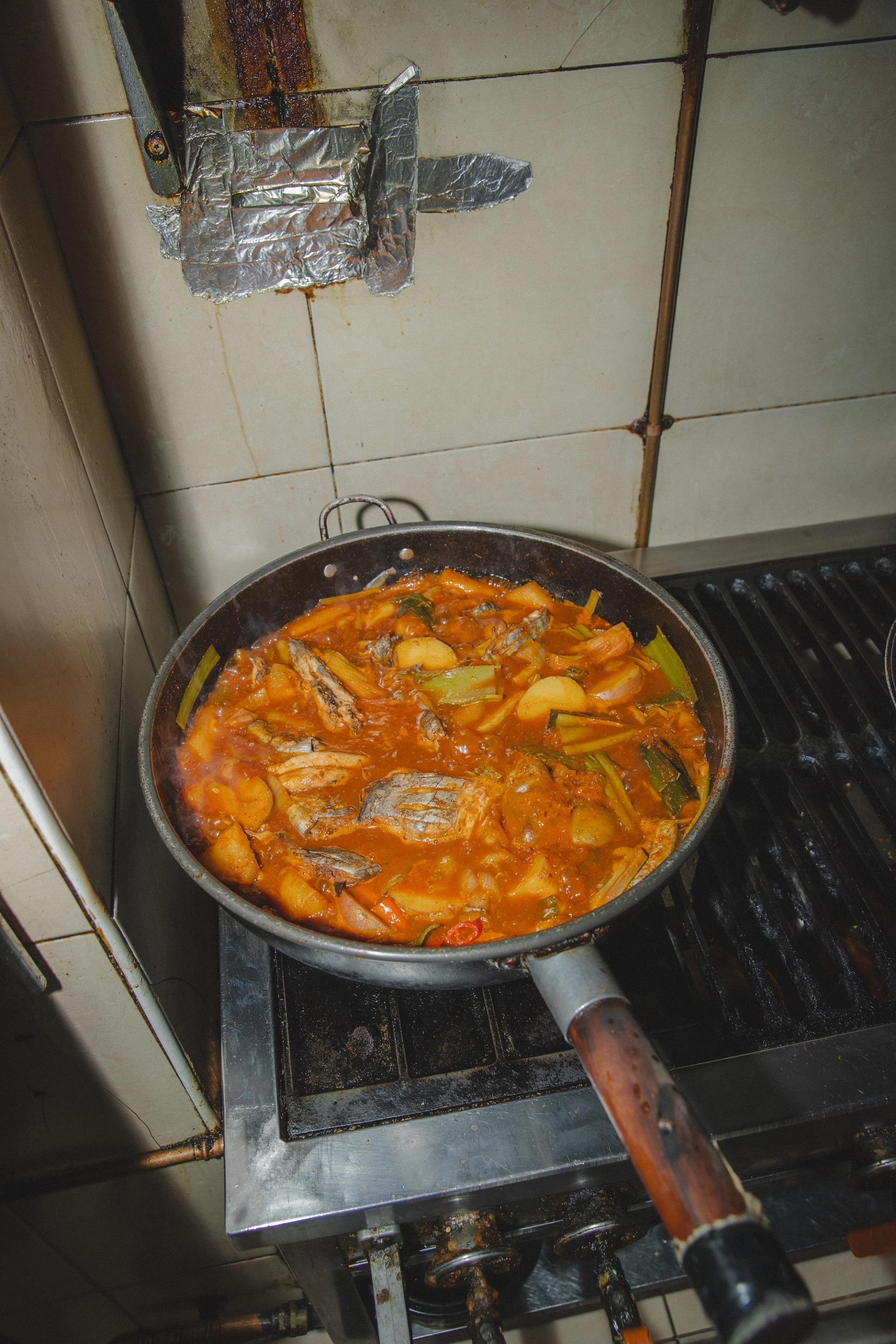
But Mama had meaningful cooking experience, too. There was demand for her food beyond church services. Korean families requested her catering for birthdays and other events. ‘They said it really took them back to old-school Korea,’ Jina says.
Her family was the original test crowd for her menus. To celebrate Jina’s first birthday, Mama cooked for 3 continuous days. ‘A lot of people came,’ Mama says. ‘I made a lot: beef rib, kimchi, 3 kinds of pancake.’
‘The real essence of Korean [food] is more than kimchi.’
There are different root vegetables to prepare, plus the universe of side dishes known as banchan.
‘That’s what she practiced a lot, because that’s what my grandma was known for,’ Jina says.
Mama was born in Seoul, the youngest of a large family. ‘She never cooked in Korea. She lived quite a privileged life,’ Jina says.
Mama’s own mother cooked everything, from ordinary family meals to ritual food for death anniversaries.
But when Mama arrived in Sydney in 1983, she hungered for the flavours of home.
‘She missed grandma, missed her family. She started trying to cook.’ She’d strip cabbage to make kimchi and marinade beef for bulgogi – calling her Korean family for advice and finetuning dishes repeatedly. That’s when her culinary education began.
‘She practiced during the day for what she’d provide at night. Until she knew it was right,’ her daughter says.
It’s this cooking instinct that compelled her to start a restaurant in her 50s, even though she’d spent more than 20 years in women’s fashion.
‘I wanted to open a restaurant, always,’ she says.
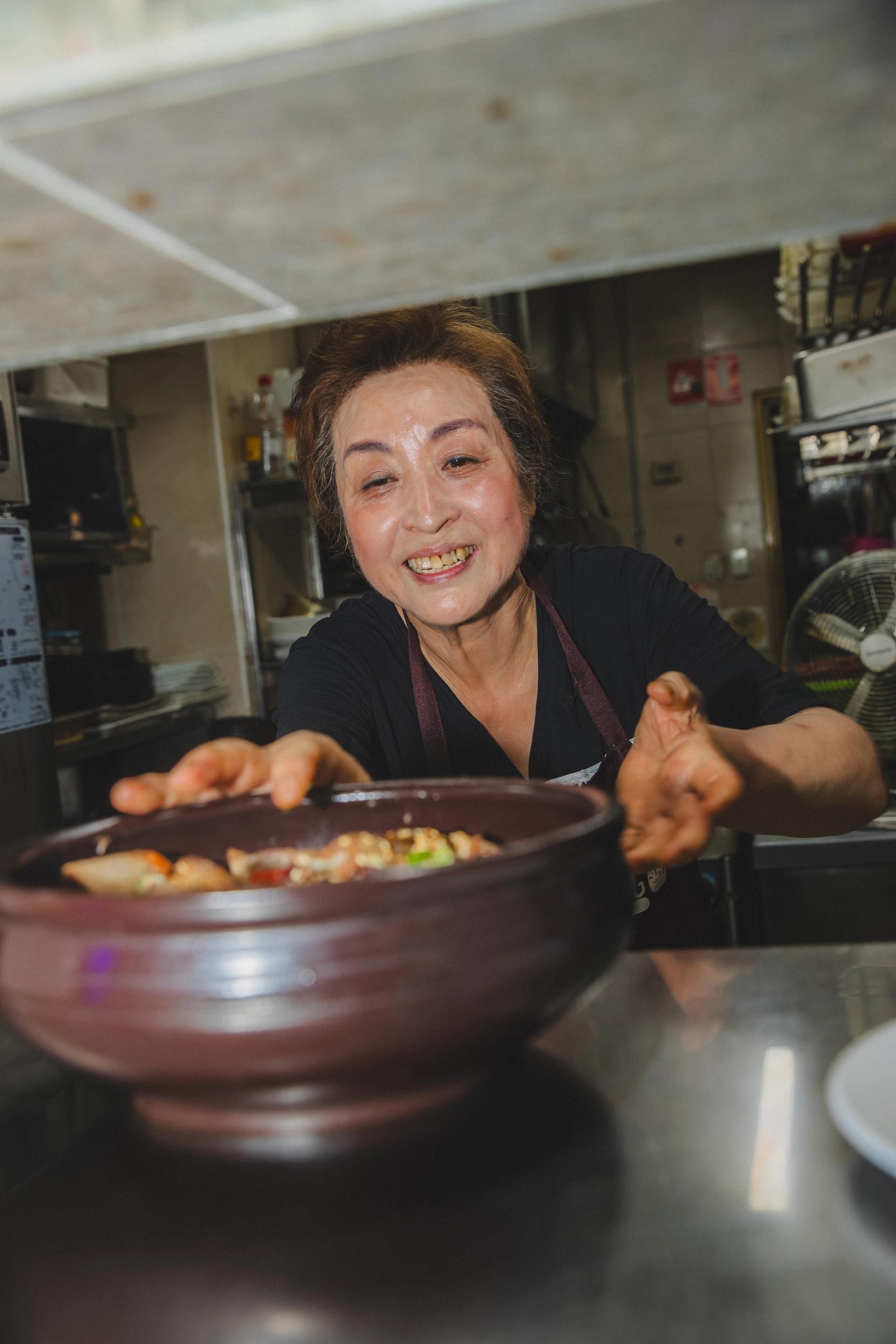
Initially, she installed a chef to run Hangang Korean BBQ, which opened in 2013, and continued her fashion business, which involved trips to Asia. She’d check in on him, but found herself disappointed by the chef’s food.
‘Business was slow,’ she remembers. So she switched chefs, but still things weren’t quite right. She spent more time in the kitchen, tending to dishes. And the restaurant became more popular as she did.
In late 2020, when they relocated the restaurant to Strathfield, they decided to call it Hangang by Mama Park. ‘Mum’s the only one in the kitchen now, and I wanted people to understand the difference,’ Jina says of the name change. It also signalled how vital family is to this business. Her father Song Hee is essentially her mum’s sous-chef now, even though he’d worked in the shoe business for 40 years. You might see him waiting tables, too – or spot Jina or her sisters.
‘We’re not the trendiest restaurant; you’re literally just coming to eat at my mum’s house,’ Jina says. ‘She’s the only one cooking and you’re basically getting her soul with the food.’
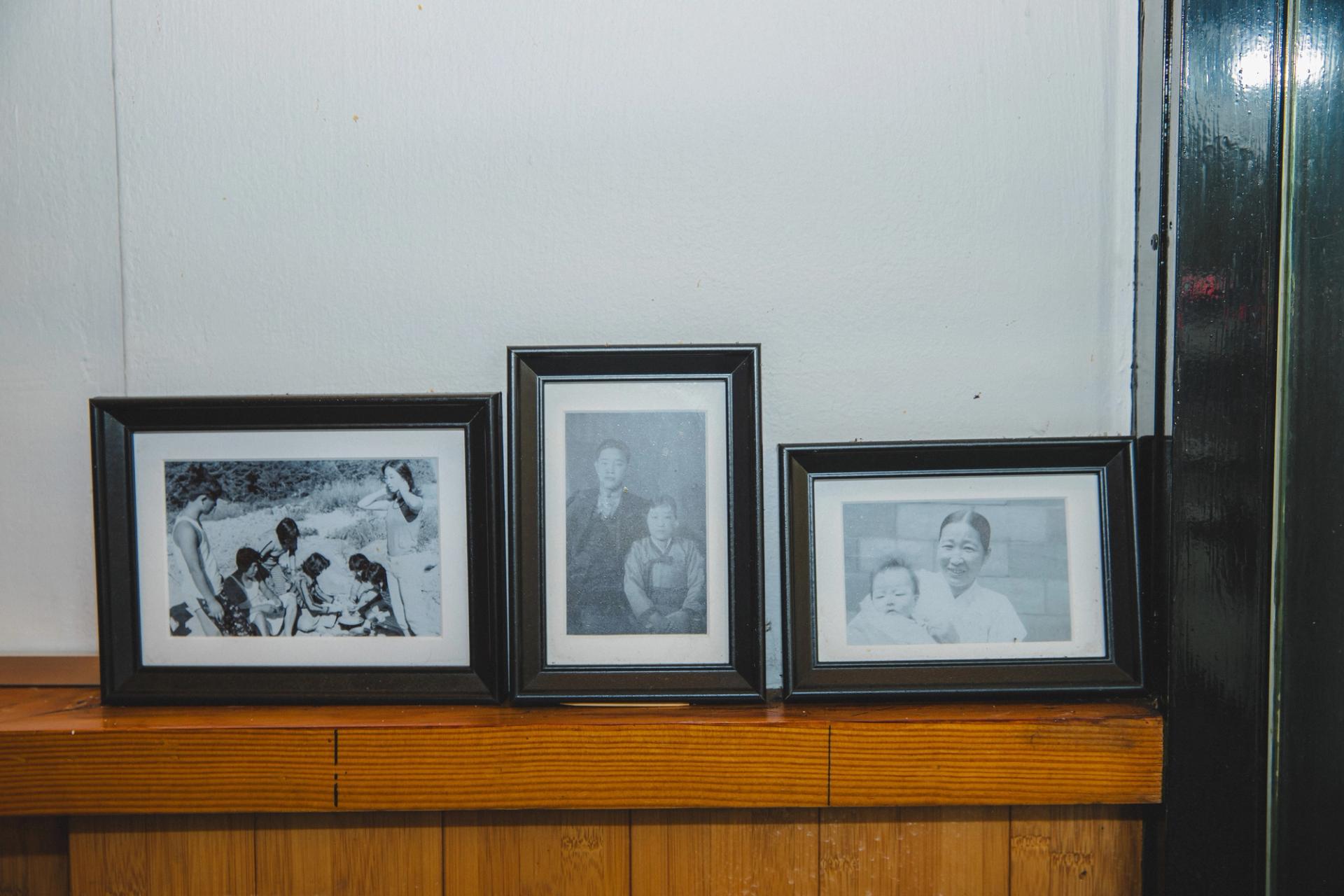
It’s why black-and-white photos of Mama decorate the restaurant: in one picture, she’s only 3 months old, another shows her on a school excursion, while another snapshot depicts Mama with her parents.
‘My mum’s had a whole life before this,’ Jina says. ‘That’s why I wanted to put these photos around, to humanise the place.’
You can also feel Mama’s presence through the food. She let the previous chefs go because they weren’t capturing the true flavours of Korean cuisine.
‘Doing it right takes that extra ten, 20 steps – it’s effort not everyone’s willing to put in.’
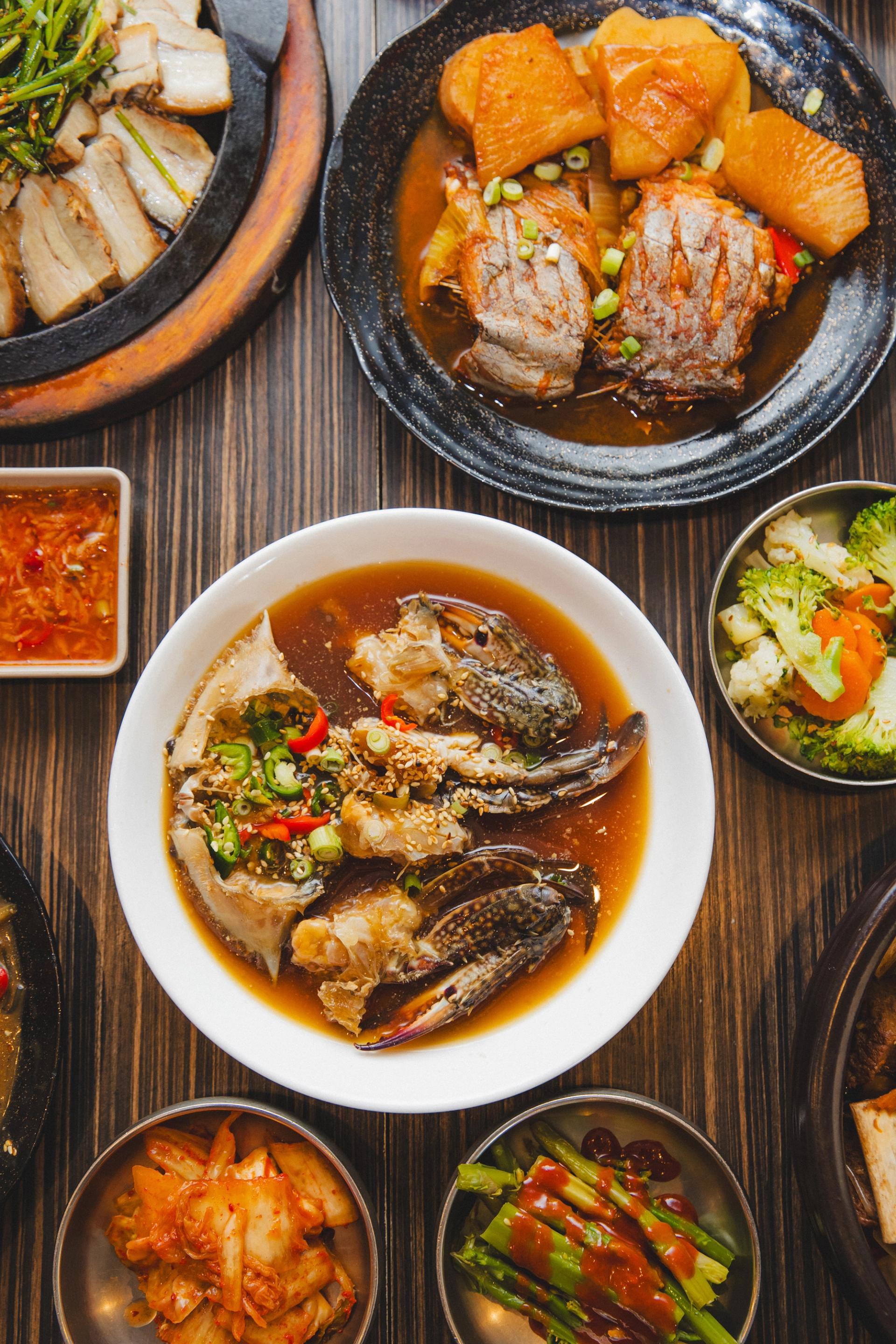
You can taste that dedication in Mama’s signature marinated crab dish. She sources female blue swimmer crabs, even though they’re more expensive. To make the sauce, she reaches for more than 20 ingredients, including flourishes of ginger, garlic, onion and spring onions. There are drizzles of 3 kinds of soy sauce and some boozy glugs of soju. Pepper and hot chilli level up the spice. Sweet notes from apple and pear. There’s also the oceanic taste of dashima (seaweed). Everything is boiled, cooled, strained and then left for 3 days before it flavours the crabs.
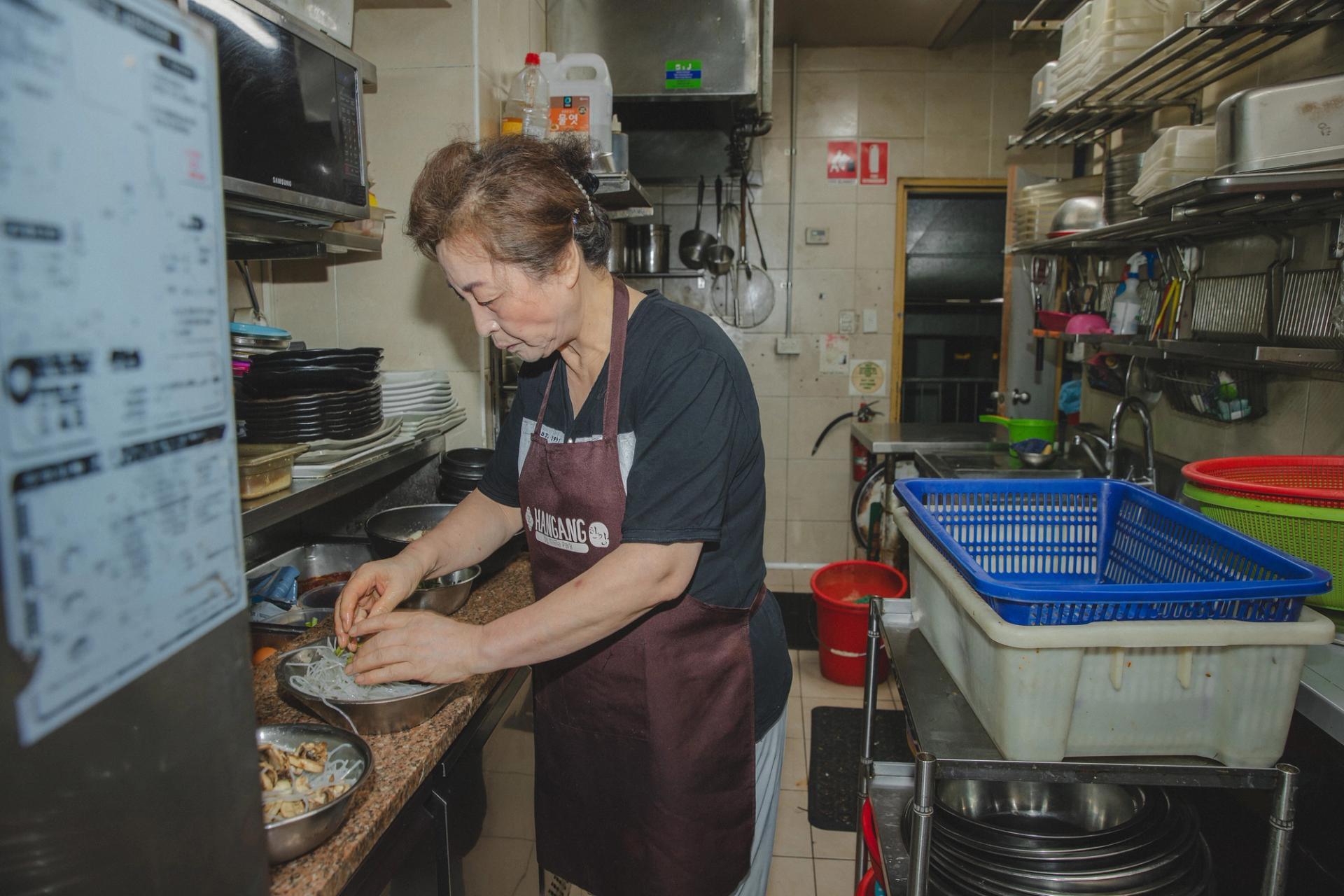
Banchan also takes a lot of time, including overnight prep. ‘Every morning I make it,’ she says.
The restaurant offers 8 types of banchan, assembled from a rainbow of ingredients. Diners might savour chestnut jelly, bok choy marinated in fermented soybean paste, braised burdock, spicy cucumbers, steamed cabbage or mushrooms mixed with capsicum.
‘Today, I made this lettuce salad,’ she says. ‘Every restaurant, they make seaweed and bean sprout [banchan]. 95% of Korean restaurants make it, it’s very easy. So I make a different one.’
‘We get a lot of older-generation Koreans. That’s why they come here, for the banchan they grew up with.’
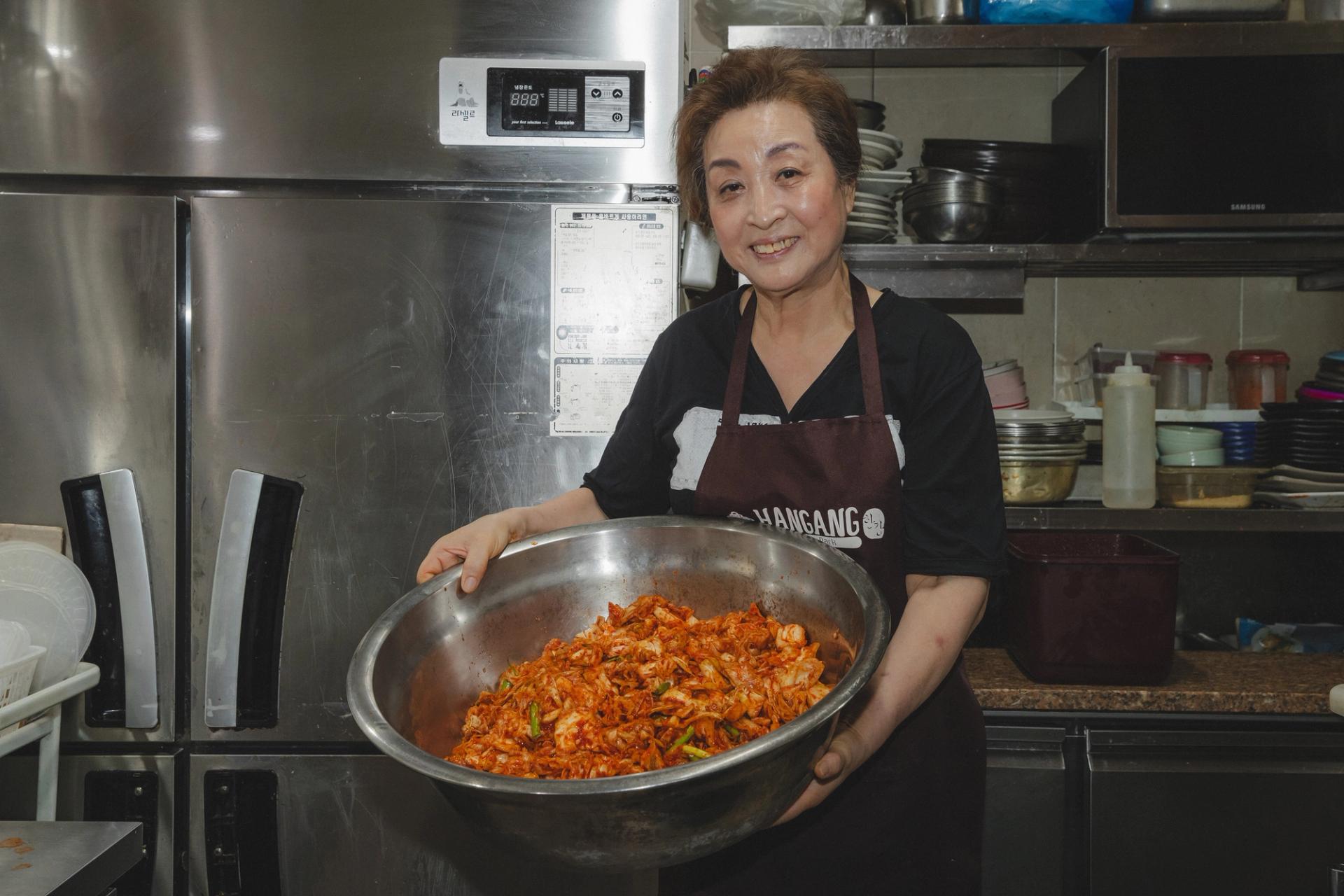
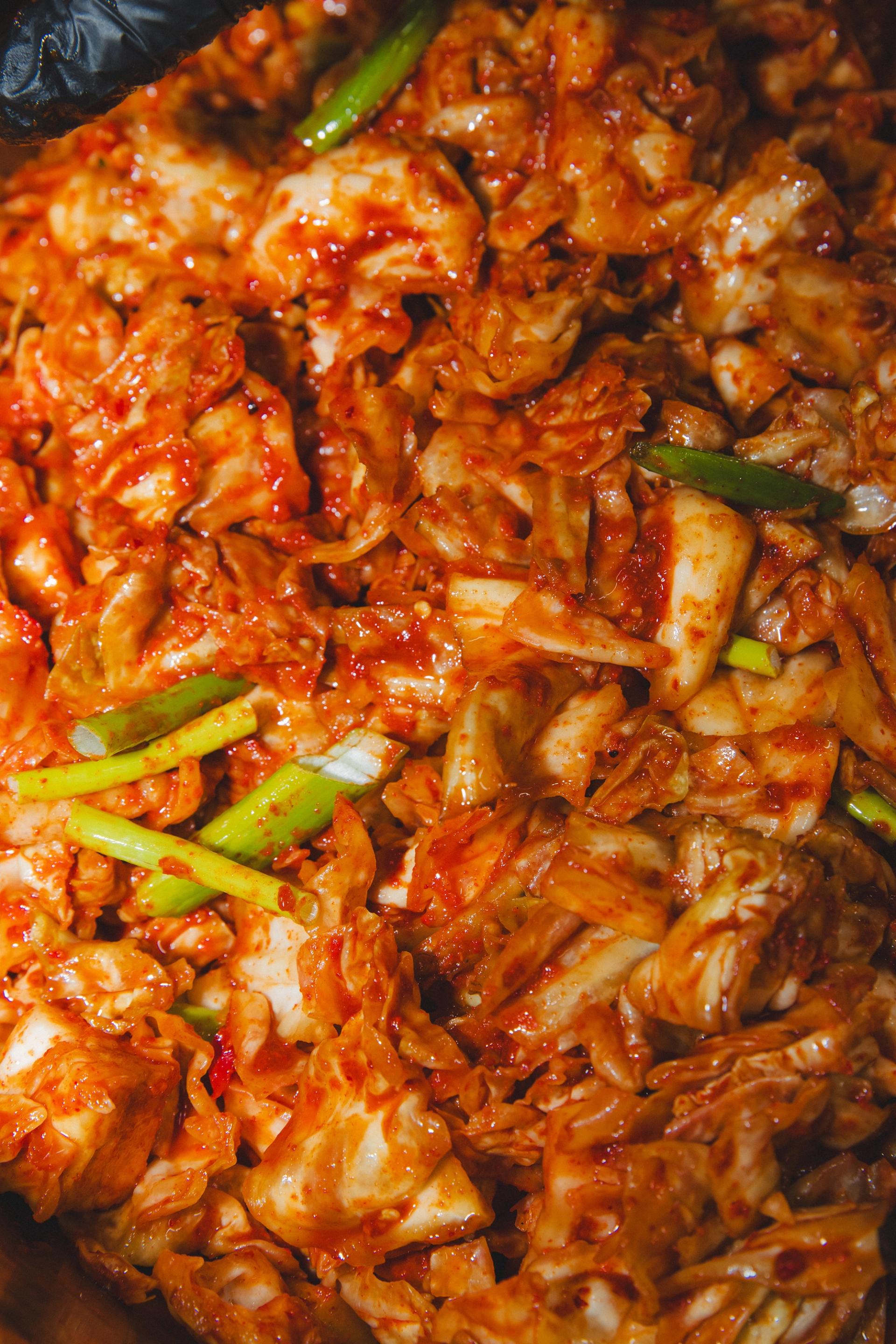
Mama’s Korean kimchi bowl gets a workout at the restaurant, too. It’s stainless steel, 44 years old and looks exactly like the one her mother uses. It’s so big and versatile, she can shred and salt 20 cabbages in it. The spiced condiment can also become the foundation of other dishes, like soupy kimchi jjigae.
Jina believes it’s rare for restaurants to make their own kimchi, but her mother still does, the old-school way.
‘Lots of people have said to us, “You can get pre-cut carrot. You can get the cabbage pre-washed,”’ says Jina. ‘I’m like, “No, mama, she doesn’t have any machines.”’
Her mum still believes in staying true to tradition.
‘Everything is by her hand,’ Jina says.
About Family Business
Family Business celebrates the Chinese, Southeast Asian and Korean communities of Western Sydney through the intergenerational food stories and culturally significant objects of long-established, family-run restaurants.
Selected by Powerhouse Culinary Ambassador and chef Kylie Kwong and food content creator Kevin La, 11 community-loved eateries open their doors, and their histories, to writer Lee Tran Lam and photographer Nikki To, offering an intimate window into one of Australia’s most richly diverse culinary scenes.
Powerhouse Food
Powerhouse Food encompasses programs, partnerships and initiatives that support and amplify the food industry and community.