
Sky Guide October 2025
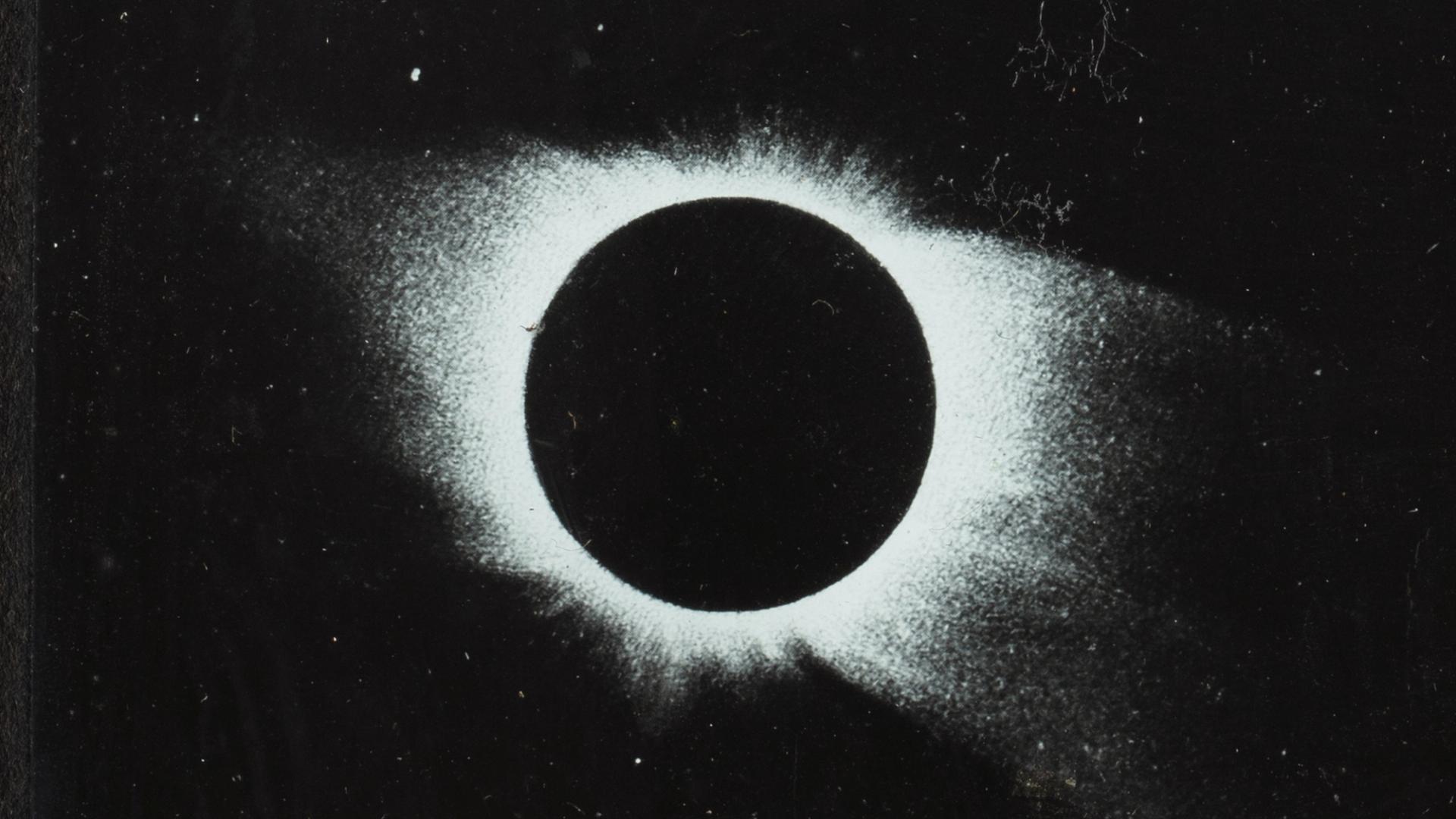
‘Please remember that Daylight Saving Time starts at 2 am on Sunday 5 October in New South Wales, Australian Capital Territory, Victoria, Tasmania, South Australia and Norfolk Island. Put your clocks forward one hour. If you rely on a smartphone the adjustment is automatic. ’
Moon Phases
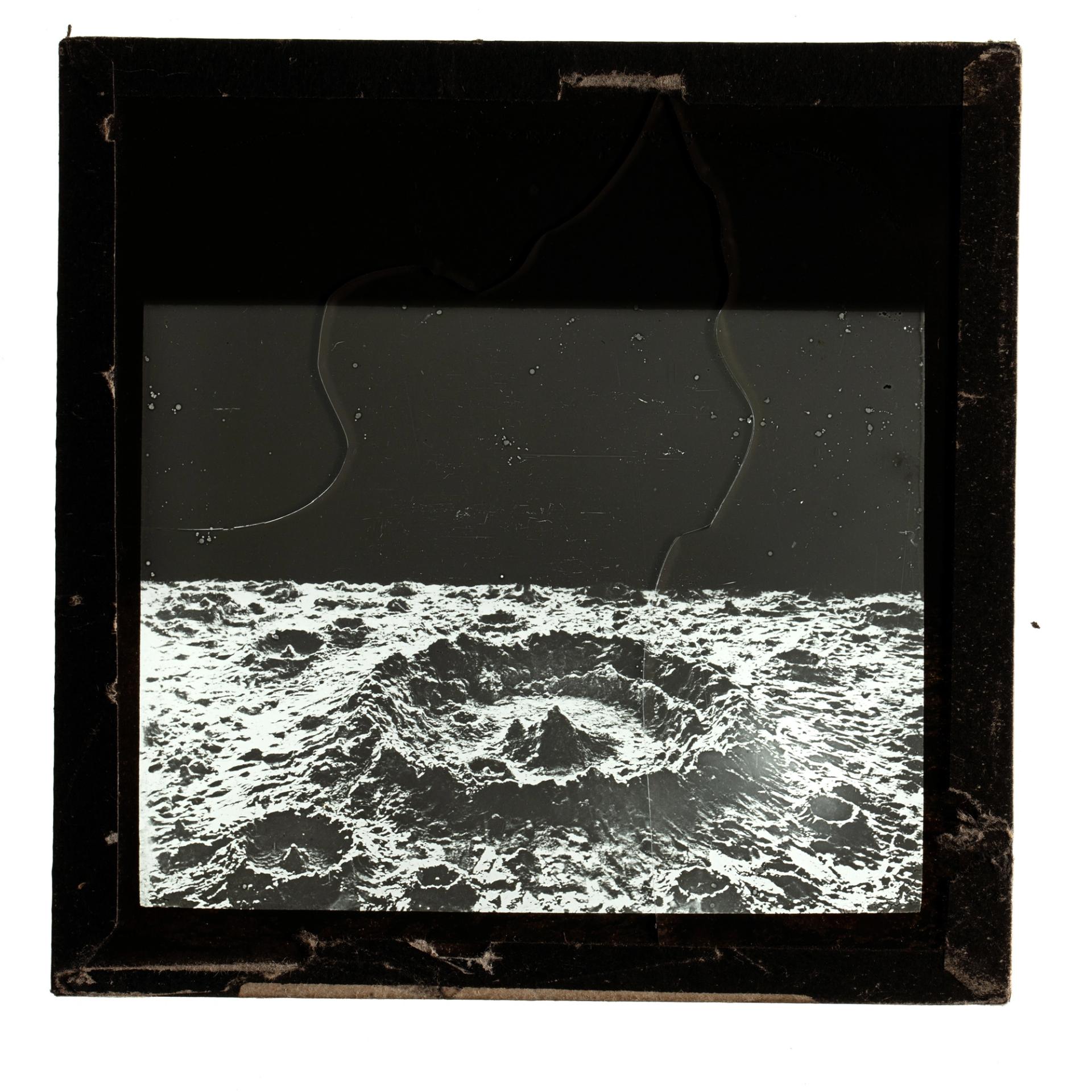
Summertime begins (Australia) – Sunday 5 October 2:00 am
Full Moon – Tuesday 7 October 2:47 pm
Last quarter – Tuesday 14 October 5:13 am
New Moon – Tuesday 21 October 11:25 pm
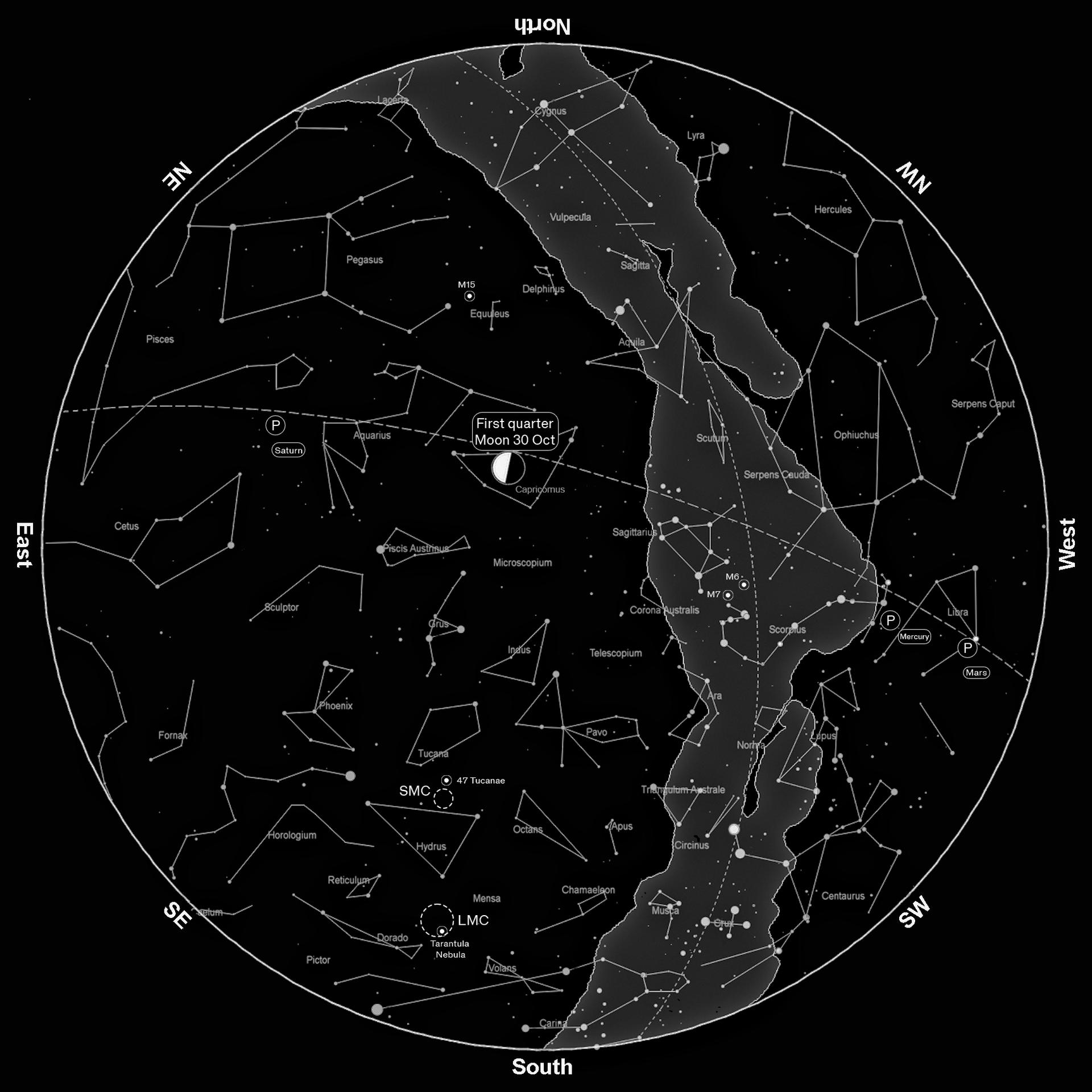
First quarter – Thursday 30 October 3:21 am
Planets
EVENING
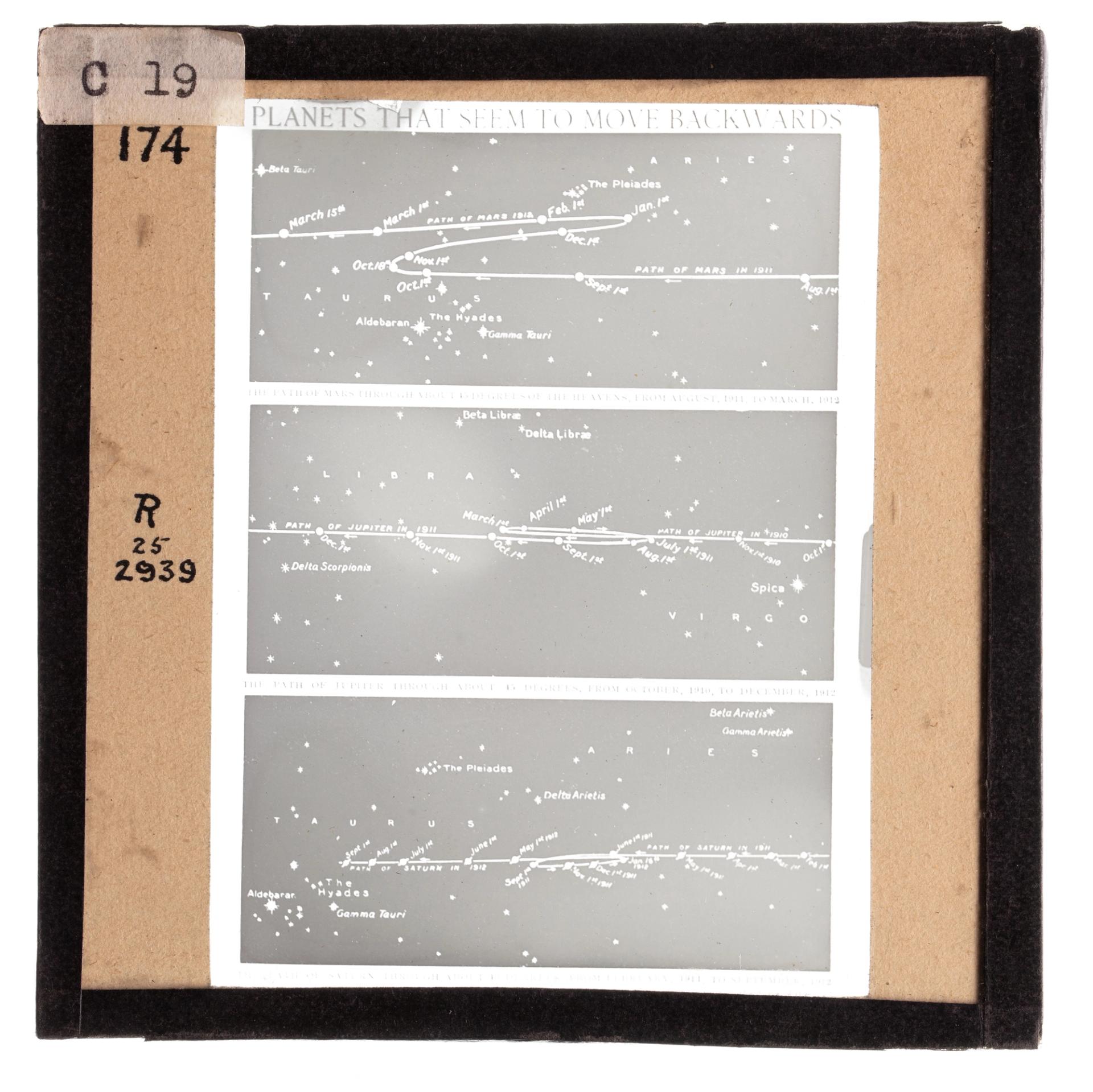
Mercury, Mars and Saturn grace the evening sky.
Mercury is low in the west, moving from Virgo to join Mars in Libra just before the middle of the month and then Scorpius at its end. On 19 and 20 October, Mercury passes close to Mars at a separation of four moon-widths. On 23 October, a thin crescent Moon is below and to the left or south of Mercury, while the next evening it is directly above the planet.
Mars is low in the west, moving from Virgo into Libra in the first week of the month. On 14 and 15 October, Mars passes the double star Zubenelgenubi at a separation of just over one moon-width.
Saturn is in the north-east in Aquarius. On 5 October, the gibbous Moon is above and to the left or north of Saturn, while the next evening it is below and still to the left or north of the planet.
MORNING
Venus is low in the east, starting the month in Leo but moving to Virgo at the start of the second week of the month. On 20 October, a very thin crescent Moon may be visible above and to the right or south of Venus.
Jupiter is in the north-east in Gemini. On 14 October, the last-quarter Moon is just above the twin stars Pollux and Castor, below and to the left or north of Jupiter.
Saturn is in the west but disappears below the horizon just after the middle of the month.
Constellations
Constellations are groups of stars that represent mythological figures, fanciful beasts or old scientific instruments. Some have been used for millennia as a tool to share significant cultural stories and to track the passage of the weeks and months. Today they also help astronomers mark out portions of the sky and locate astronomical objects. Those listed below have been selected for their visibility in the evening up to two hours after sunset as seen from the southern hemisphere.
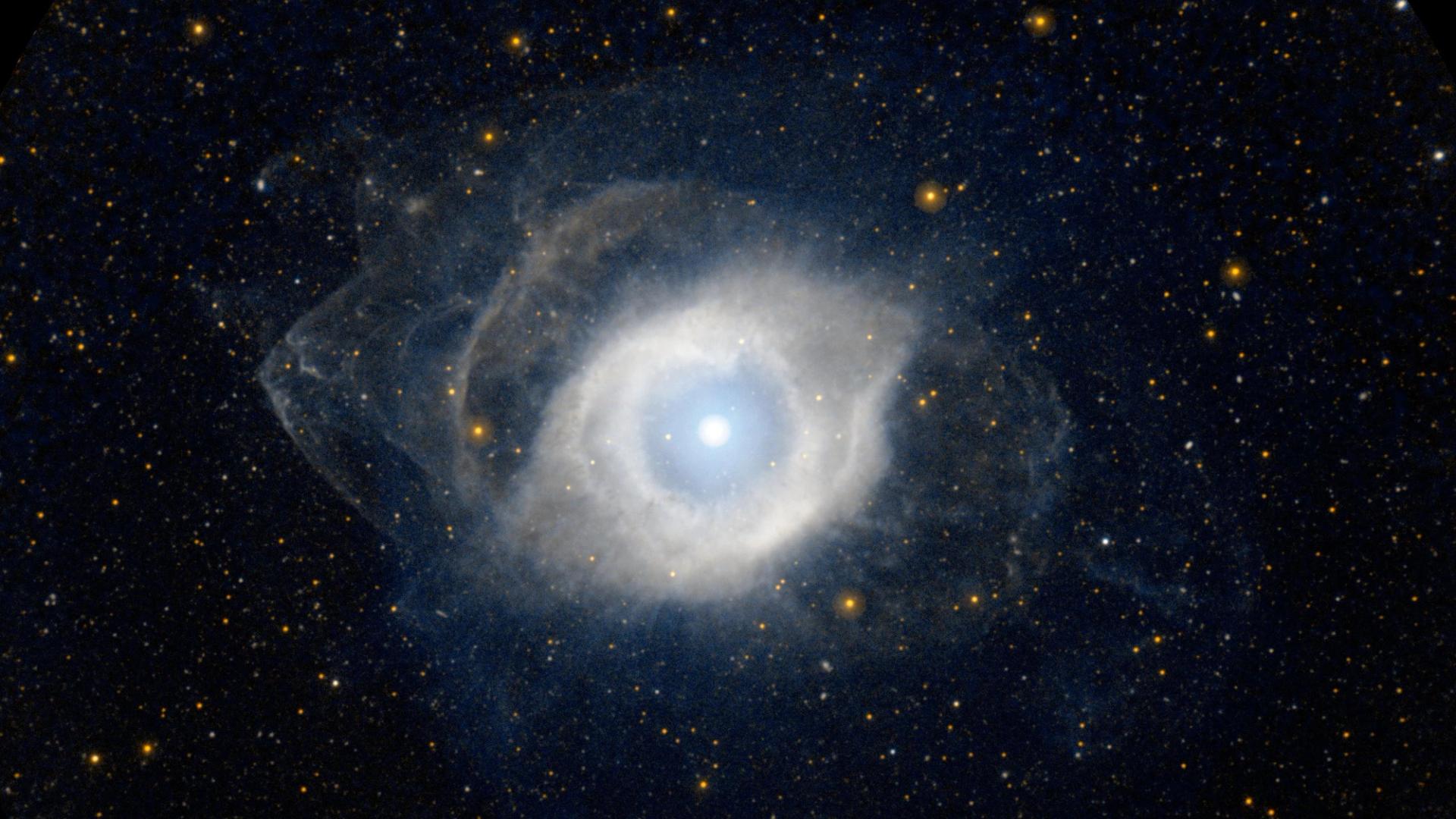
Aquarius is one of the original 48 constellations as mapped by Ptolemy and sits between Capricornus and Pisces. Aquarius is best known for the Eta-Aquarids meteor shower that peaks in early May. Like the other constellations, Aquarius is steeped in mythology, seen as Ganymede, a shepherd boy in Greek myths and as a man pouring water from a jug by the Babylonians. It has two globular clusters and two planetary nebulae that can be seen with a moderate telescope but only from a dark location, NGC 7009 the Saturn Nebula, and NGC 7293 the Helix Nebula, both of which are dead stars. The Helix is the largest planetary nebula in the sky at about 650 light years.
Capricornus the Sea Goat is one of the original 48 as mapped by Ptolemy and is often associated with the Greek god of nature, Pan. He transformed his lower half into a fish to swim to safety during an attack on Jupiter by Typhon. Halfway through the transformation he played a loud note on his conch shell which distracted Typhon long enough for Jupiter to strike him down with thunderbolts. As a reward, Jupiter placed him in the sky as he was: half-goat, half-fish. It is a faint constellation and looks more like a partially collapsed triangle. It contains no easily seen deep sky objects other than the globular cluster M30, about 27,000 light years away. It is the smallest and second-faintest constellation of the zodiac.
Ophiuchus the serpent bearer is an ancient constellation and one of the original 48 as mapped by Ptolemy. It is said to represent the mythical healer Aesculapius. It sits close to the galactic centre in Sagittarius and is now the thirteenth zodiac sign with the Sun, passing through it from 30 November to 17 December.
Pegasus the winged horse is easy to find low in the north by looking for four bright stars that outline the ‘Great Square of Pegasus’. The Square is large: more than 15 degrees wide and 13 degrees high. In the past all four stars were part of the constellation, though delta Pegasi is now known as Alpha Andromedae.
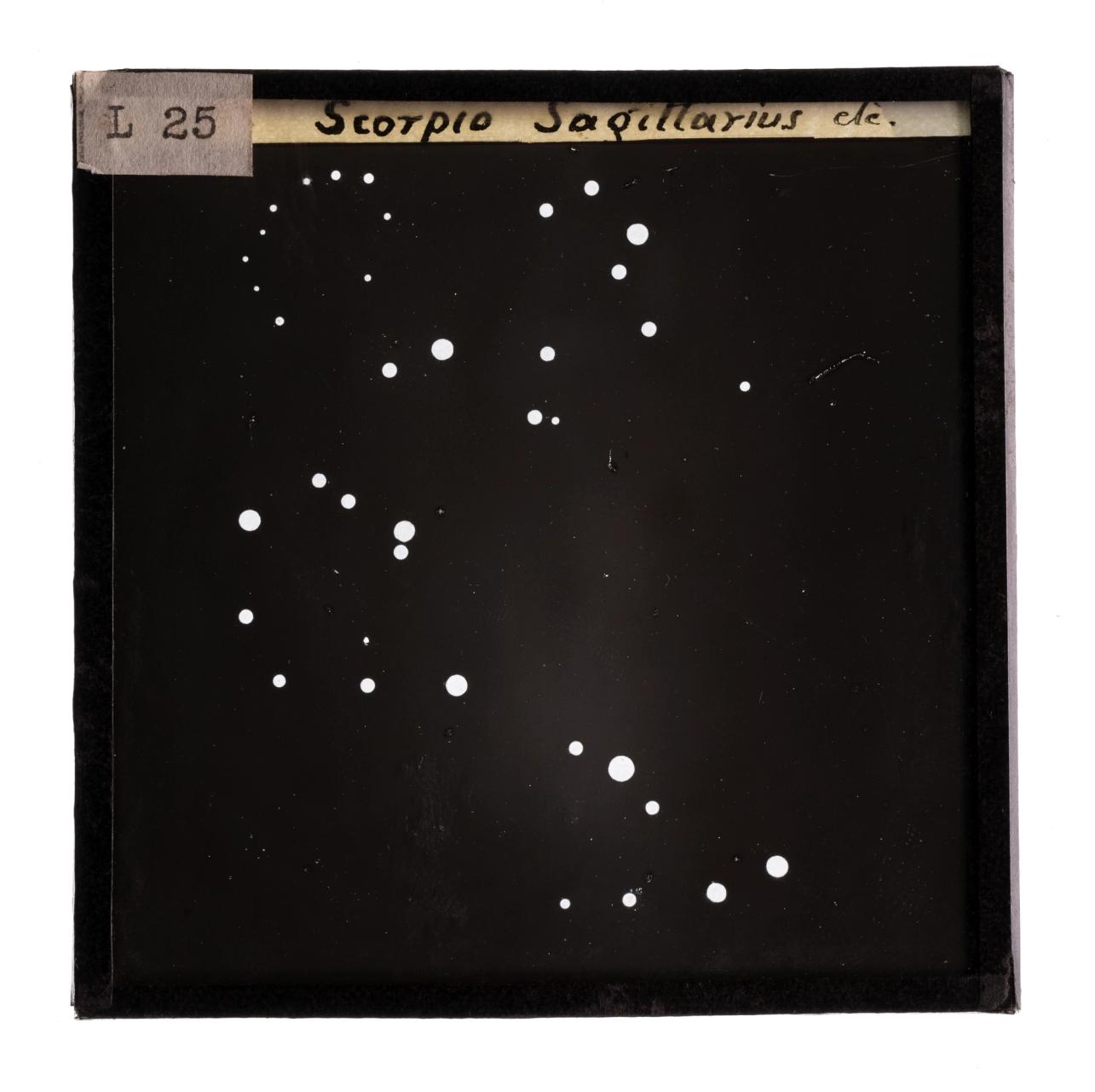
Sagittarius the archer is located just behind the sting of Scorpius. In Greek mythology the archer is a centaur pointing his arrow towards the heart of Scorpius, though from the Southern Hemisphere this constellation looks more like a teapot. Sagittarius is home as we see it to the centre of our galaxy, the Milky Way, with a monstrous black hole about four million times the mass of the Sun and 26,000 light years away. Called ‘Sagittarius A *’ (pronounced as Sagittarius-A-Star), images taken in 2017 and released in May 2022 from NASA’s Event Horizon Telescope (EHT) show matter swirling around it at close to the speed of light. The event horizon is about the same distance from the singularity as Mercury is from our Sun.
Deep sky
The Large and Small Magellanic Clouds (LMC/SMC) are the satellite galaxies of our own Milky Way. The Large Magellanic Cloud (LMC) is in the constellation of Dorado and is approximately 163,000 light years away. It consists of around 30 billion stars and hosts one of the largest nebulae detected, the Tarantula nebula. The Small Magellanic Cloud (SMC) is in Tucana and is approximately 200,000 light years away. It has around 3 billion stars. The LMC will merge with our galaxy in around 2.4 billion years.
M6 the Butterfly Cluster and M7 Ptolemy’s Cluster are two open star clusters found near the sting of the Scorpion. M6 is about 1600 light years away and M7 about 980 light years.
M15 is the first globular cluster that was found to contain a planetary nebula in the constellation of Pegasus. A rare intermediate black hole also resides at the centre of M15 and is thought to be 4,000 times the mass of our Sun. M15 lies about 33,600 light years from us in the constellation of Pegasus and is best seen through binoculars or a telescope.
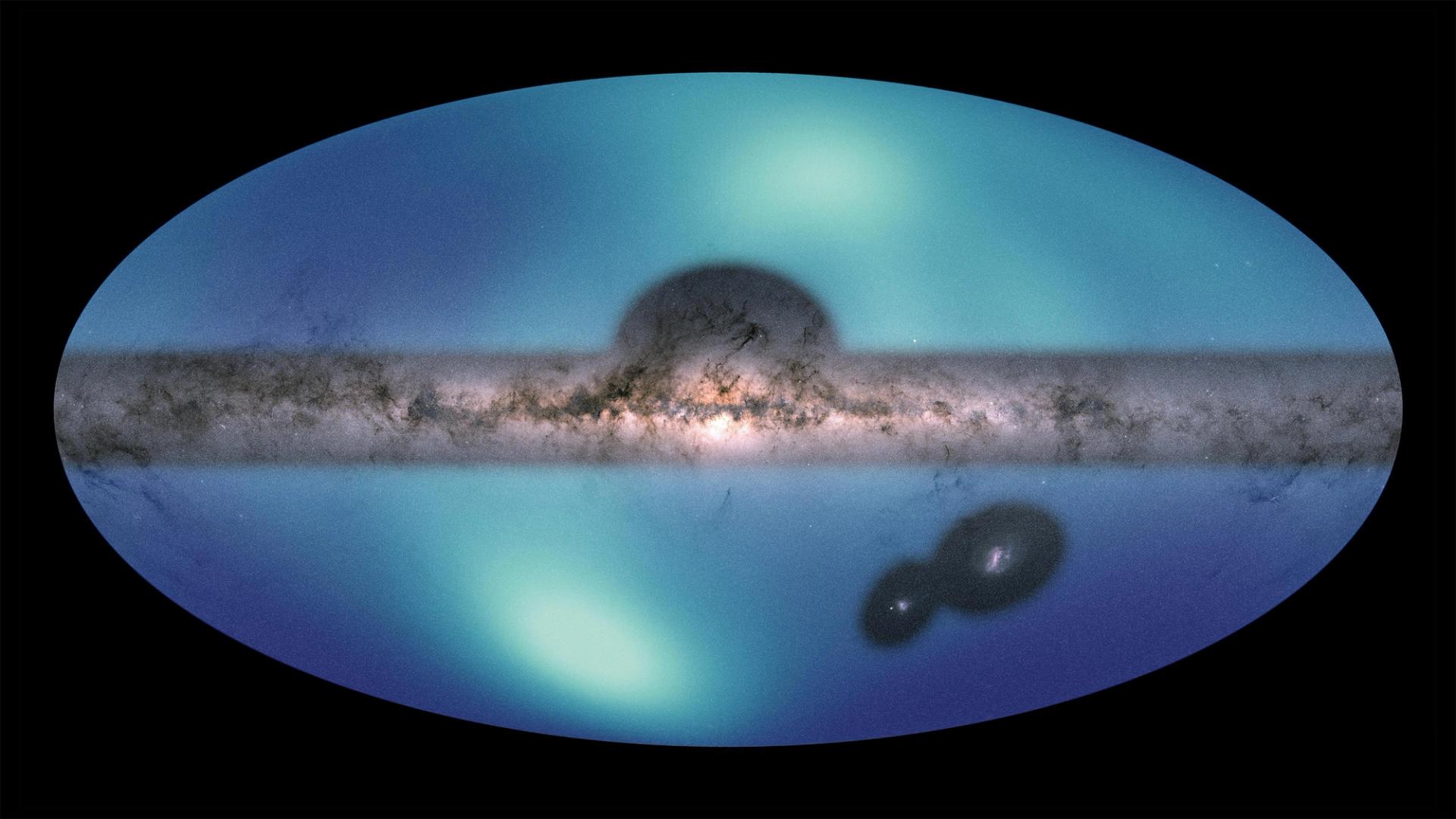
47 Tucanae (NGC 104) is a globular cluster second only to Omega Centauri. It sits beside but is unrelated to the SMC in the constellation Tucana. It can be easily seen away from city lights with the unaided eye due to its very dense star core. 47 Tucanae is approximately 15,000 light years from us.
The Tarantula Nebula (NGC 2070) is a large hydrogen gas cloud approximately 1,000 light years in diameter and part of the LMC at about 160,000 light years. The name ‘Tarantula’ comes from the spider-like appearance of the nebula in telescopes and photographs. At the centre of the nebula is the open cluster R136, which contains approximately 500,000 stars, including some of the hottest and most massive supergiant stars known. In 1987 the first naked eye supernova (SN1987A) since the invention of the telescope occurred in this part of the sky.
Special Events
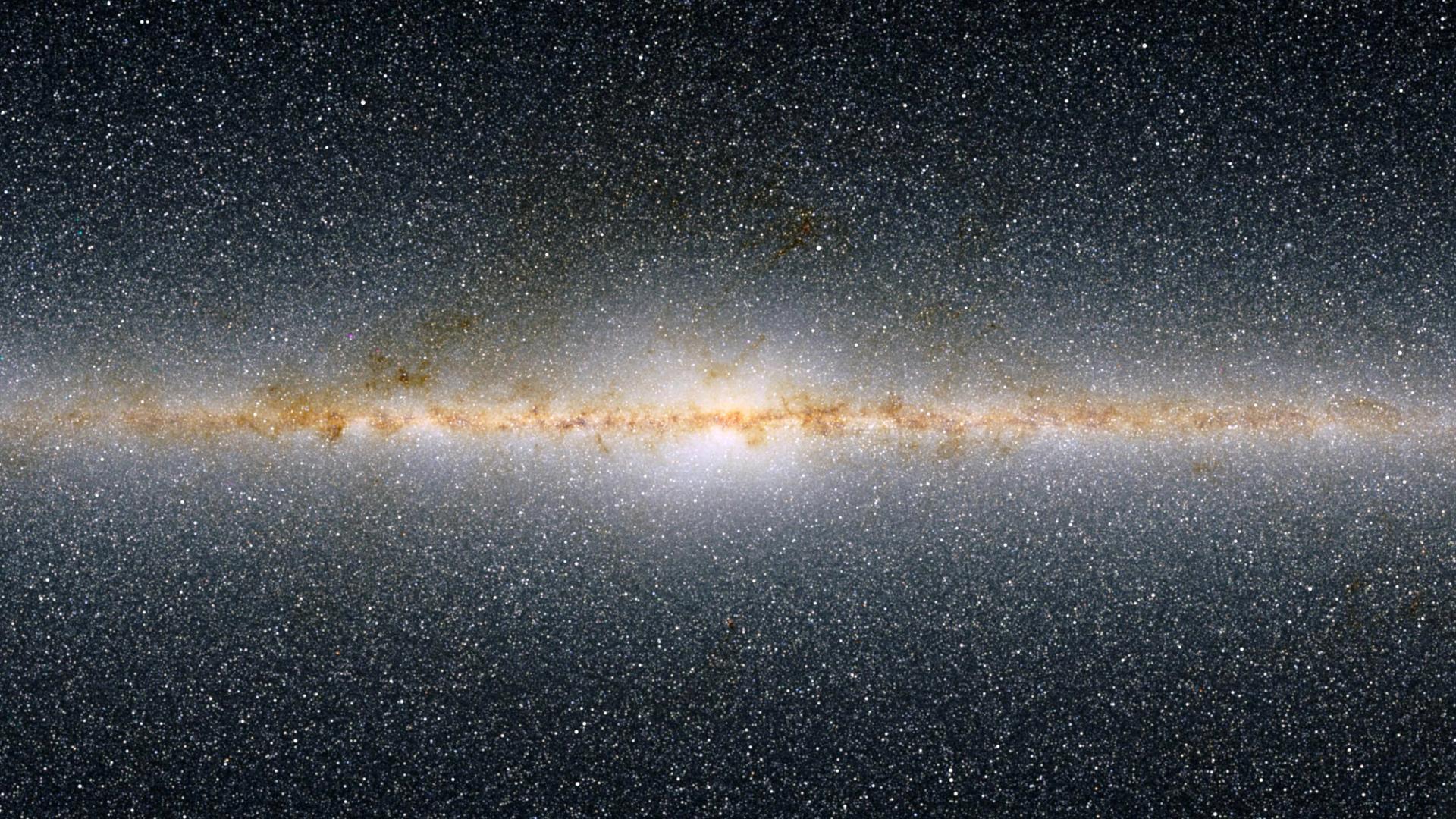
The constellation Sagittarius is high overhead this month. Sagittarius represents a centaur, a half-horse, half-human creature and an archer, equipped with a bow and arrow in ancient representations. Modern imaginations seem to be less than those of the past and it is hard to see Sagittarius’s stars as showing a centaur: to most it looks like a teapot.
On this month’s sky map, Sagittarius is split between the north and south segments. Therefore, you can have a look at the July star map to get an understanding of how the constellation appears before searching for it overhead in the real October sky.
The left four stars are the teapot’s handle, the three stars in a triangle at the top are its lid and on the right is the spout.
Though we cannot tell from light-polluted cities, Sagittarius lies in the densest part of the Milky Way. As such, it has numerous nebulae and star clusters of interest. One of these is the Lagoon Nebula, which is a large cloud of gas and dust illuminated by nearby young stars. It is about 5,000 light years from us. Some of the light is absorbed by dust, giving the nebula the characteristic appearance that gives it its name.
The real distinction of Sagittarius is that it contains the centre of our galaxy, a 4 million solar mass black hole that astronomers call Sagittarius A*. We know the mass of the black hole because in Nobel Prize-winning research, astronomers carefully plotted stars moving around it. Knowing the period of the stars and their distance from the black hole, they could then calculate its mass.
Sagittarius A* is also a bright source of radio waves. Since the source passes overhead for those of us in the Southern Hemisphere, Australian astronomers have a great opportunity to study it.
Past Months
Shop
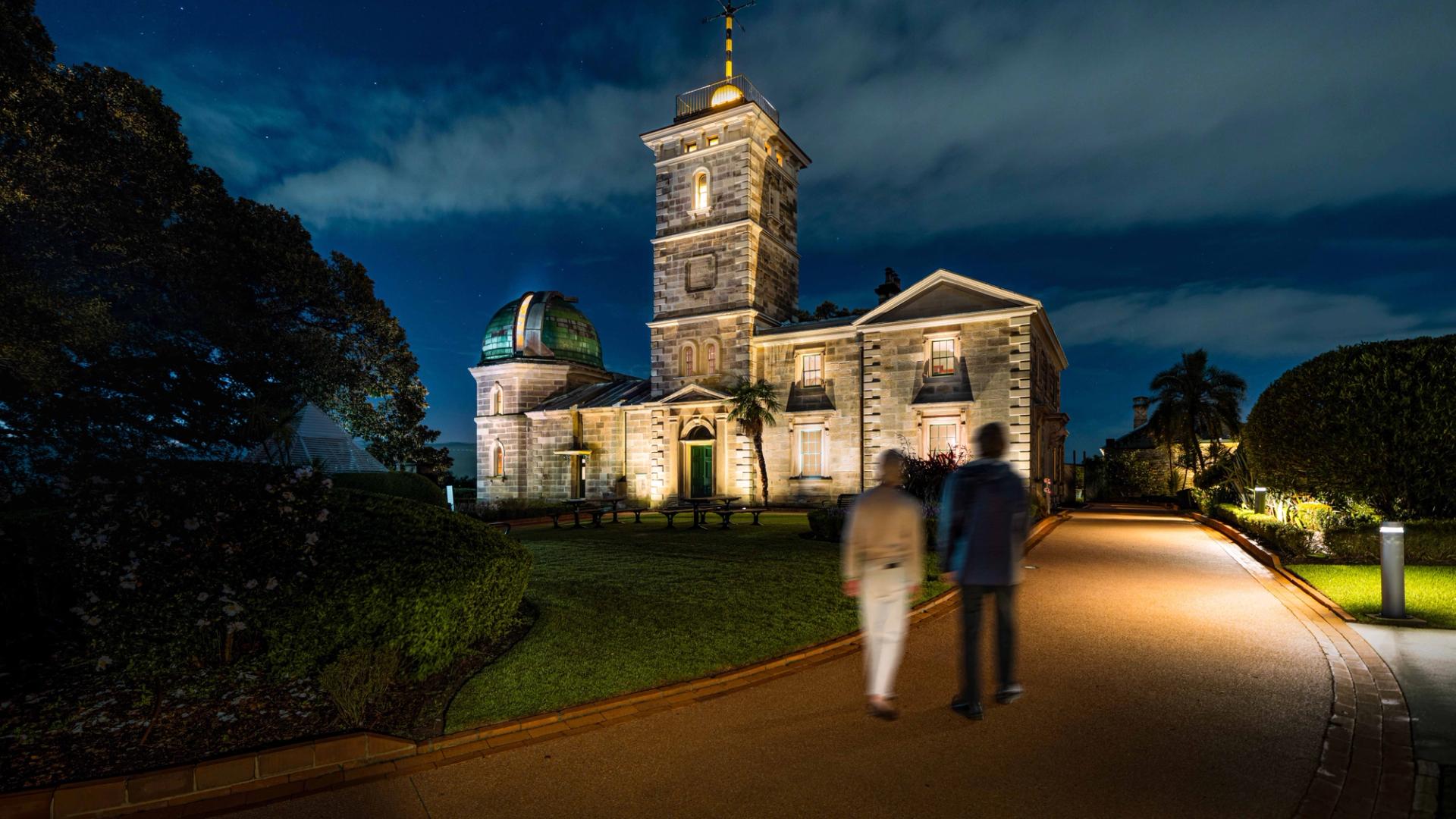
Sydney Observatory
Open for pre-booked tours, located on Gadigal land, a national place of connection and scientific research. The site is undergoing heritage conservation works.