
Sky Guide December 2025
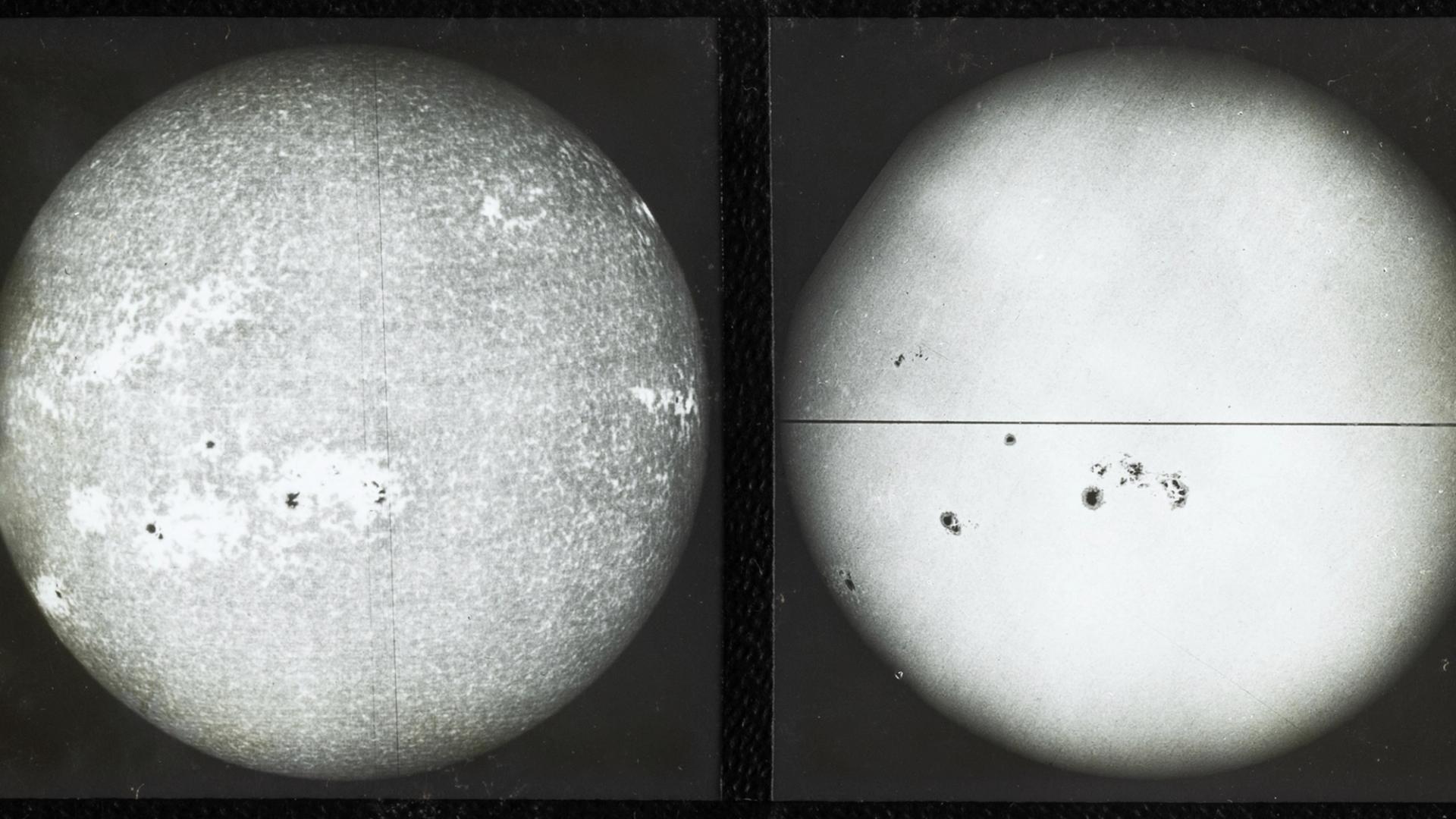
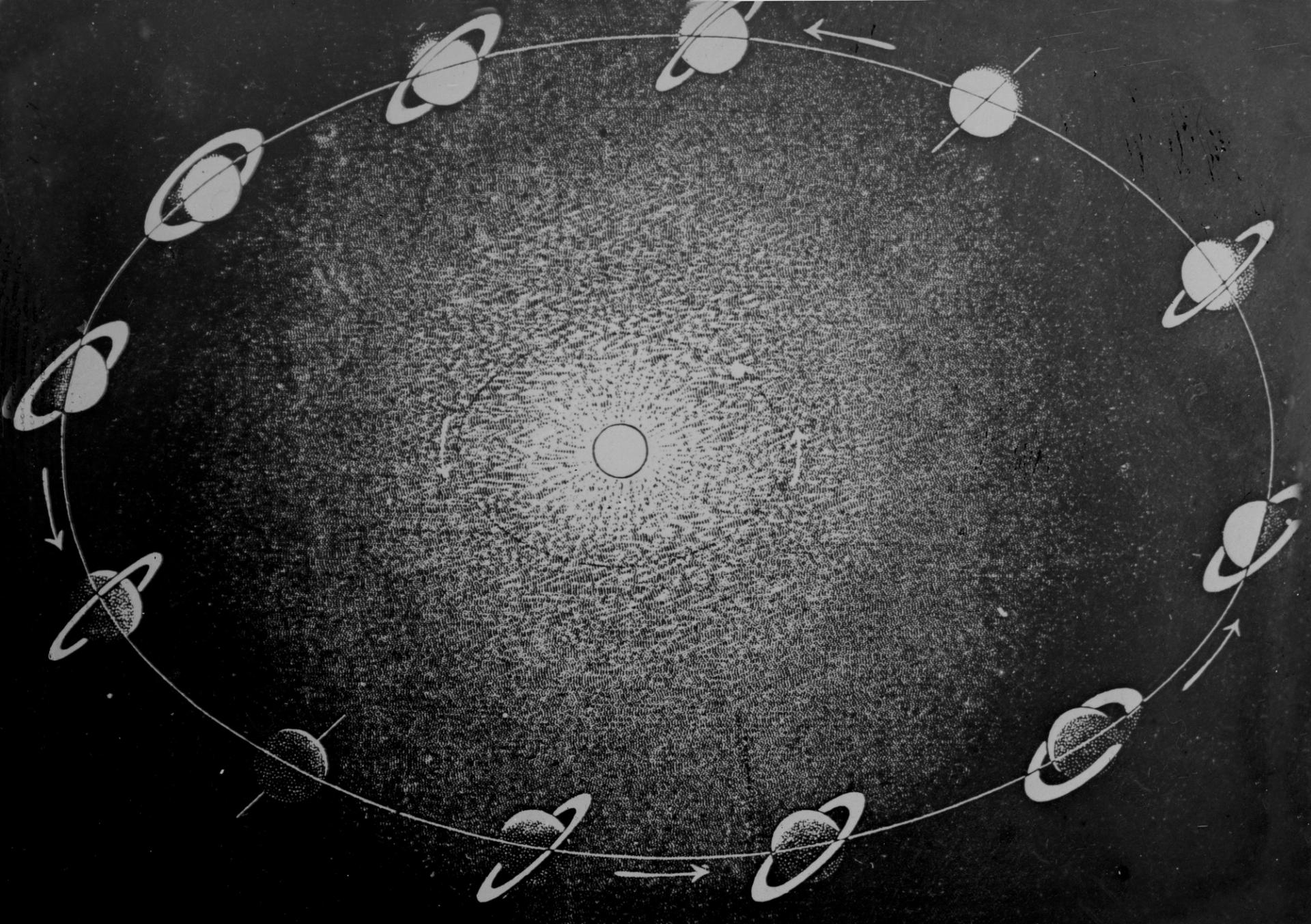
‘The Summer Solstice occurs on 22 December this year at 2:03 am. Earth’s axial tilt tips the Southern Hemisphere towards the Sun with the Sun reaching its highest point in the sky around noon. During the Summer Solstice we experience the longest day, but shortest night, of the year.’
Moon Phases
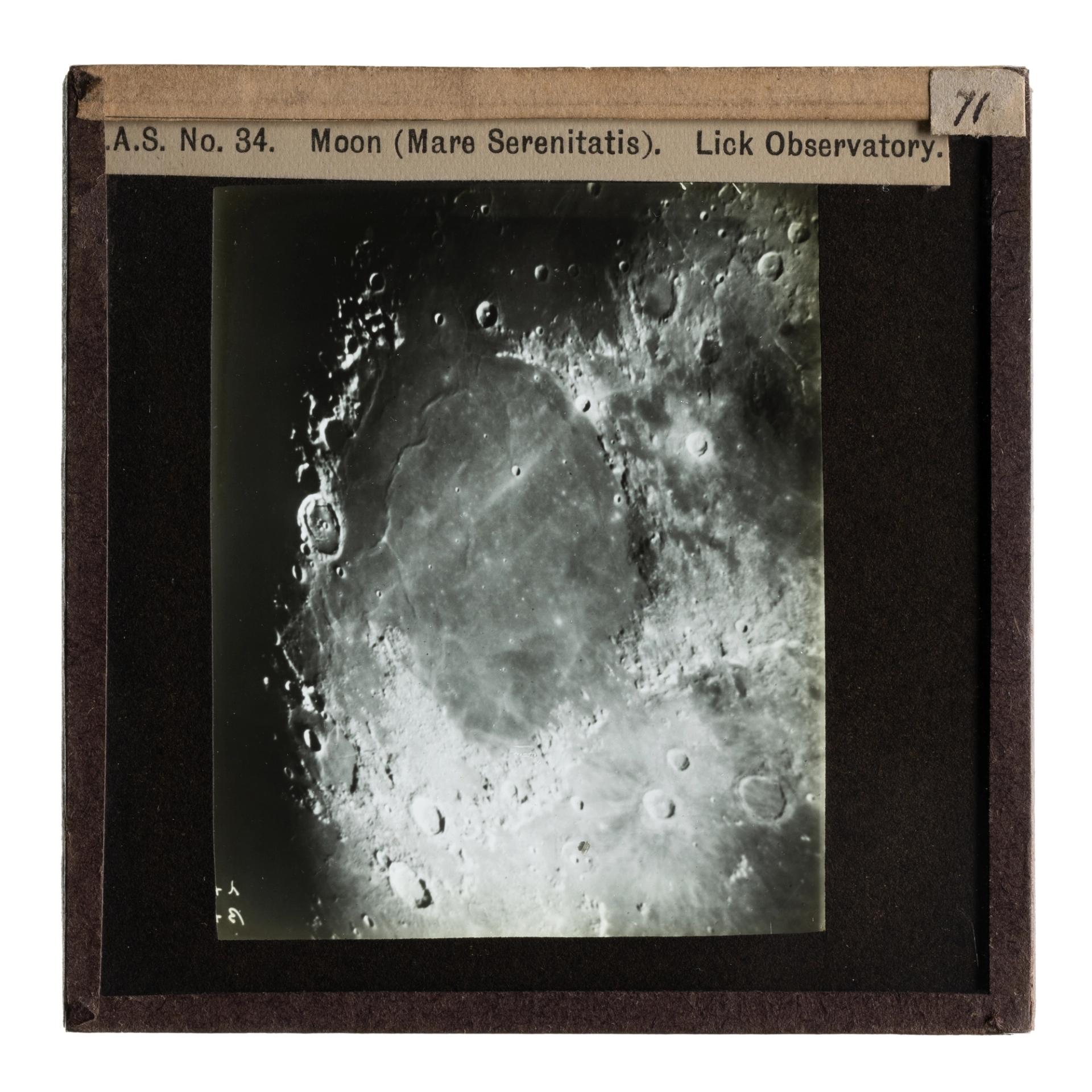
Full Moon – Friday 5 December 10:14 am AEDT
Last quarter – Friday 12 December 7:52 am AEDT
New Moon – Saturday 20 December 12:43 pm AEDT
Summer Solstice – Monday 22 December 2:03 am AEDT
First quarter – Sunday 28 December 6:10 am AEDT
Planets
EVENING
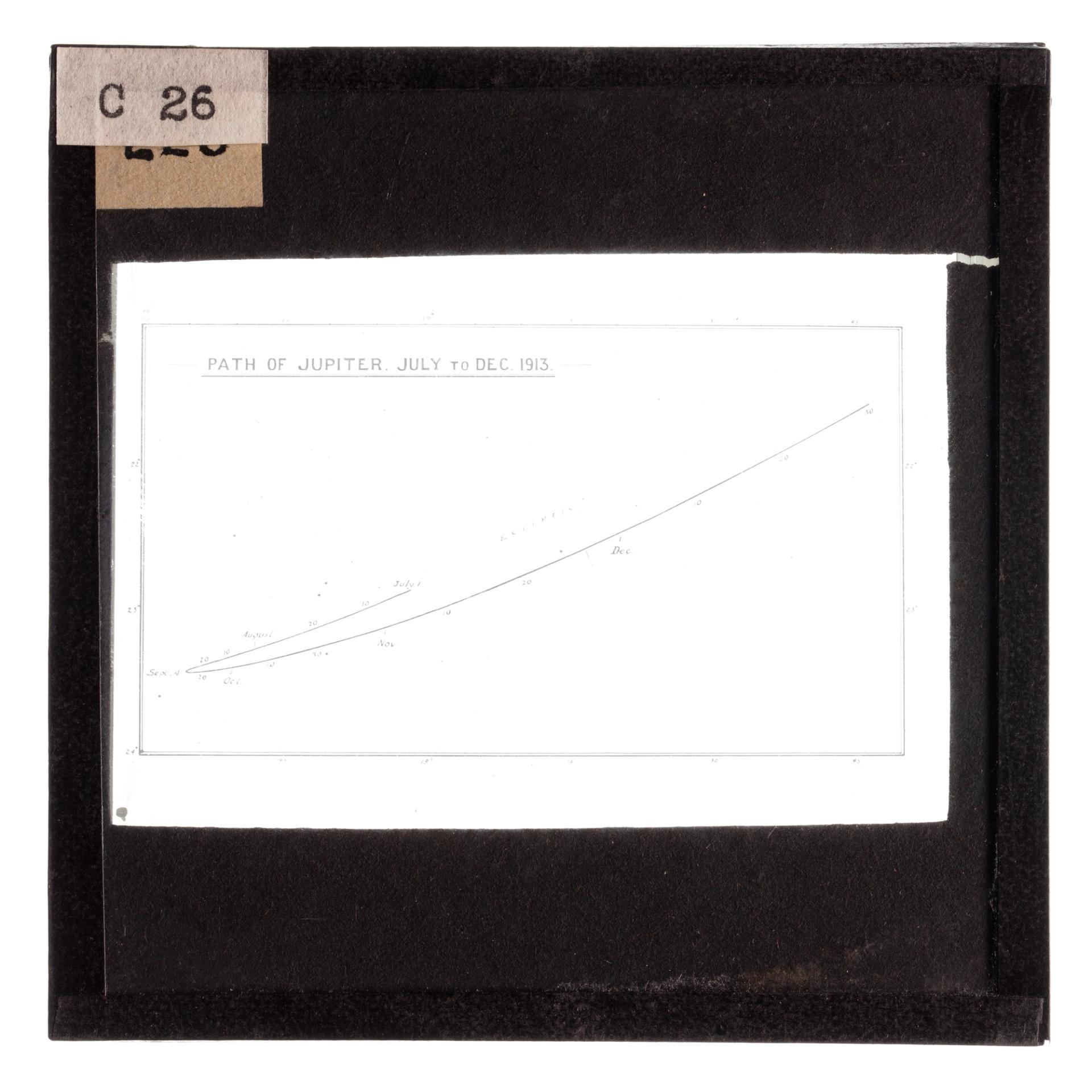
Jupiter joins Saturn in the evening sky.
Jupiter appears low in the north-east in Gemini during the last week of the month.
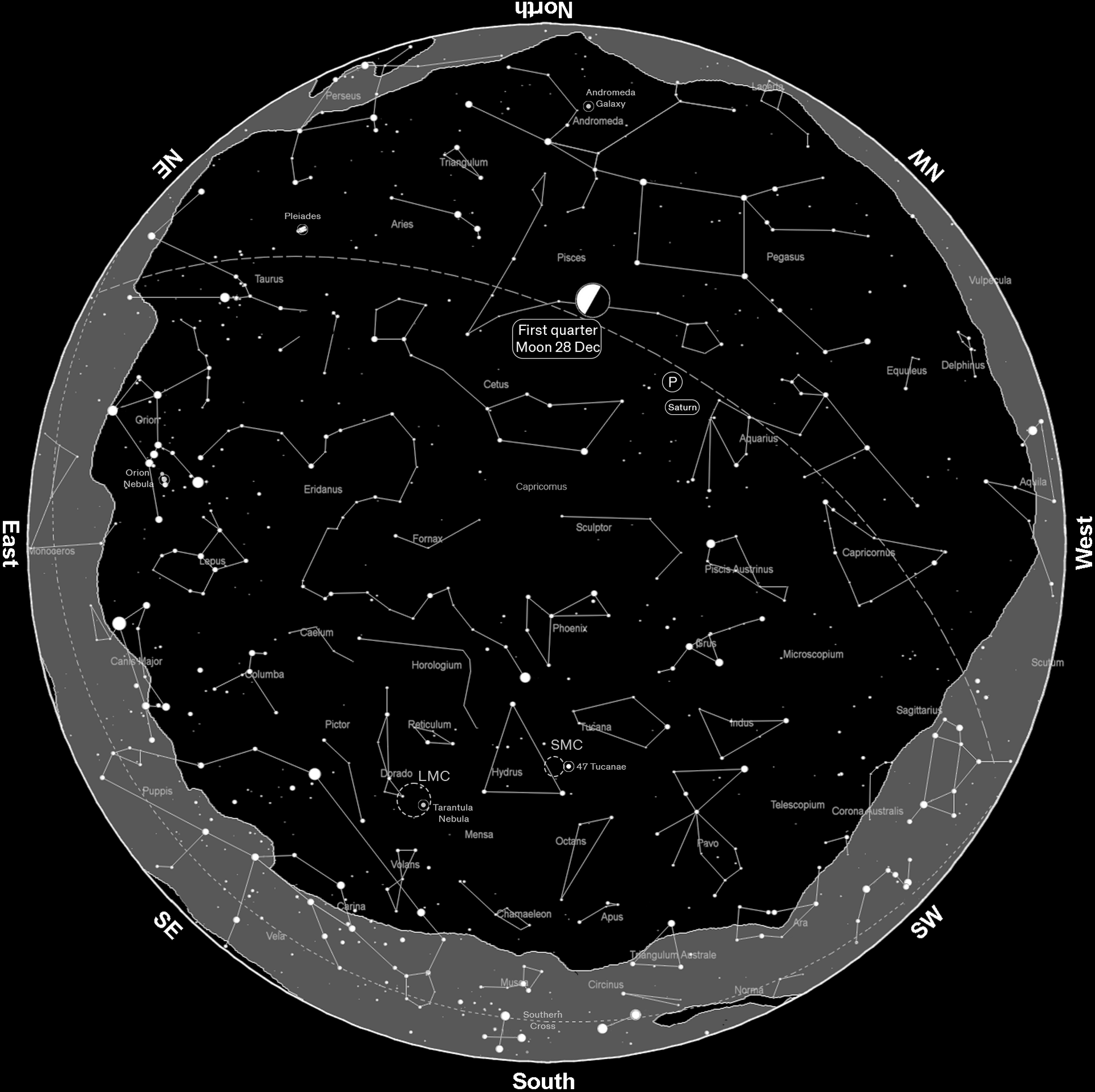
Saturn is in the north-west in Aquarius. On 26 December, the crescent Moon is below and to the left or west of Saturn, while the following evening it is still below but to the right or north of the planet.
MORNING
Jupiter is in the north-west. On 8 December, the gibbous Moon is below and to the right or north of the planet.
Constellations
Constellations are groups of stars that represent mythological figures, fanciful beasts or old scientific instruments. Some have been used for millennia as a tool to share significant cultural stories and to track the passage of the weeks and months. Today they also help astronomers mark out portions of the sky and locate astronomical objects. Those listed below have been selected for their visibility in the evening up to two hours after sunset as seen from the southern hemisphere.
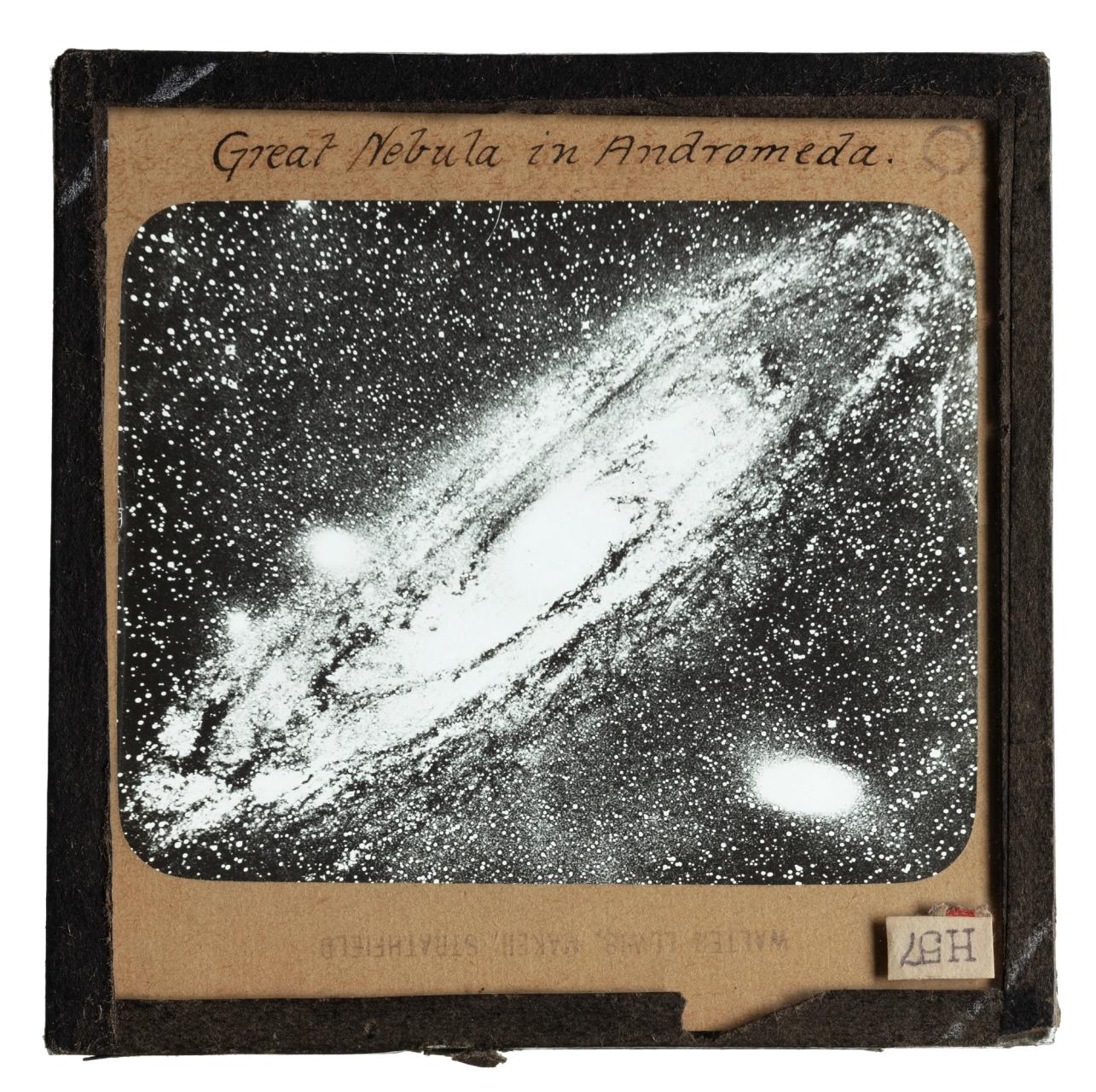
Andromeda is one of the original 48 constellations as mapped by Ptolemy and sits below the winged horse of Pegasus, barely clearing our northern horizon. It is most famous for M31, the Andromeda galaxy, which is the most distant object visible to the naked eye at 2.5 million light years. It is now thought to be about the same mass but twice the diameter of the Milky Way and the two will collide in approximately 4–5 billion years.
Aquarius is one of the original 48 constellations as mapped by Ptolemy and sits between Capricornus and Pisces. Aquarius is best known for the Eta-Aquarids meteor shower that peaks in early May. Like the other constellations, Aquarius is steeped in mythology, seen as Ganymede, a shepherd boy in Greek myths and as a man pouring water from a jug by the Babylonians. It has two globular clusters and two planetary nebulae that can be seen with a moderate telescope but only from a dark location, NGC 7009 the Saturn Nebula, and NGC 7293 the Helix Nebula, both of which are dead stars. The Helix is the largest planetary nebula in the sky at about 650 light years.
Canis Major the Greater Dog is the companion to Orion the hunter. The brightest star in the constellation, Sirius (also known as the Dog Star), is also the brightest in the night sky as it is close to us – only 8.7 light years away or about 82 million kilometres and 25 times brighter than the Sun. In about 64,000 years it will be seen as the southern polar star due to the Earth’s wobbling axis of rotation and the star’s proper motion.
Capricornus the Sea Goat is one of the original 48 as mapped by Ptolemy, is often associated with the Greek god of nature, Pan. He transformed his lower half into a fish to swim to safety during an attack on Jupiter by Typhon. Halfway through the transformation he played a loud note on his conch shell which distracted Typhon long enough for Jupiter to strike him down with thunderbolts. As a reward, Jupiter placed him in the sky as he was: half-goat, half-fish. It is a faint constellation and looks more like a partially collapsed triangle. It contains no easily seen deep sky objects other than the globular cluster M30, about 27,000 light years away. It is the smallest and second-faintest constellation of the zodiac.
Eridanus is one of Ptolemy’s original 48 constellations and represents a river, which begins near the constellation of Orion and ends at the brilliant blue-white star Achernar, the ninth brightest in the night sky, about 144 light years away. Achernar spins so quickly it is the least spherical star known in the Milky Way Galaxy.
Orion the hunter is one of the original 48 as mapped by Ptolemy and strides across the celestial equator, making it easy to see from both hemispheres. Its likeness to a male figure was probably obvious to the earliest humans. Orion’s brightest star Betelgeuse is one of the few stars to show an intense red colour due to its age and size. The three stars of Orion’s belt at his waist separate his head and shoulders on the right from his sword and knees on the left. The well-known saucepan asterism (a pattern of stars that is not a constellation) consists of a base (Orion’s belt) and a handle (Orion’s sword) plus one additional star at the rim. With binoculars you will see a small hazy glow in the middle of the saucepan’s handle: this is the Orion Nebula, a star birth cloud at a distance of about 1350 light years. The mythology of Orion is complex and often contradictory, though he usually represents a tall, strong and handsome hunter.
Pegasus the winged horse is easy to find low in the north by looking for four bright stars that outline the ‘Great Square of Pegasus’. The Square is large: more than 15 degrees wide and 13 degrees high. In the past all four stars were part of the constellation, though delta Pegasi is now known as Alpha Andromedae.
Taurus the bull is possibly the oldest Western constellation and one of Ptolemy’s original 48. It has the bright red dying star of Aldebaran and the stunning open cluster known as M45 or the Pleiades, a group of very young stars about 445 light years away. Below the horns is the remnant of a star that exploded as a supernova in 1054. It is now called M1 or the Crab Nebula. For the best view you'll need a large telescope and clear northerly view. Its brightest star Aldebaran is 65 light years from the Sun and is 44 times wider but only a little more massive (+16%). It has exhausted its core supply of hydrogen fuel and is now ‘burning’ hydrogen in a shell around a helium core.
Deep sky
Andromeda Galaxy (M31) is the most distant object visible to the unaided eye, at approximately 2.5 million light years away. Sturdy binoculars or a small telescope can reveal the dark dust lanes of the spiral arms, a bright core, and from a dark location, one or both of its companion galaxies.
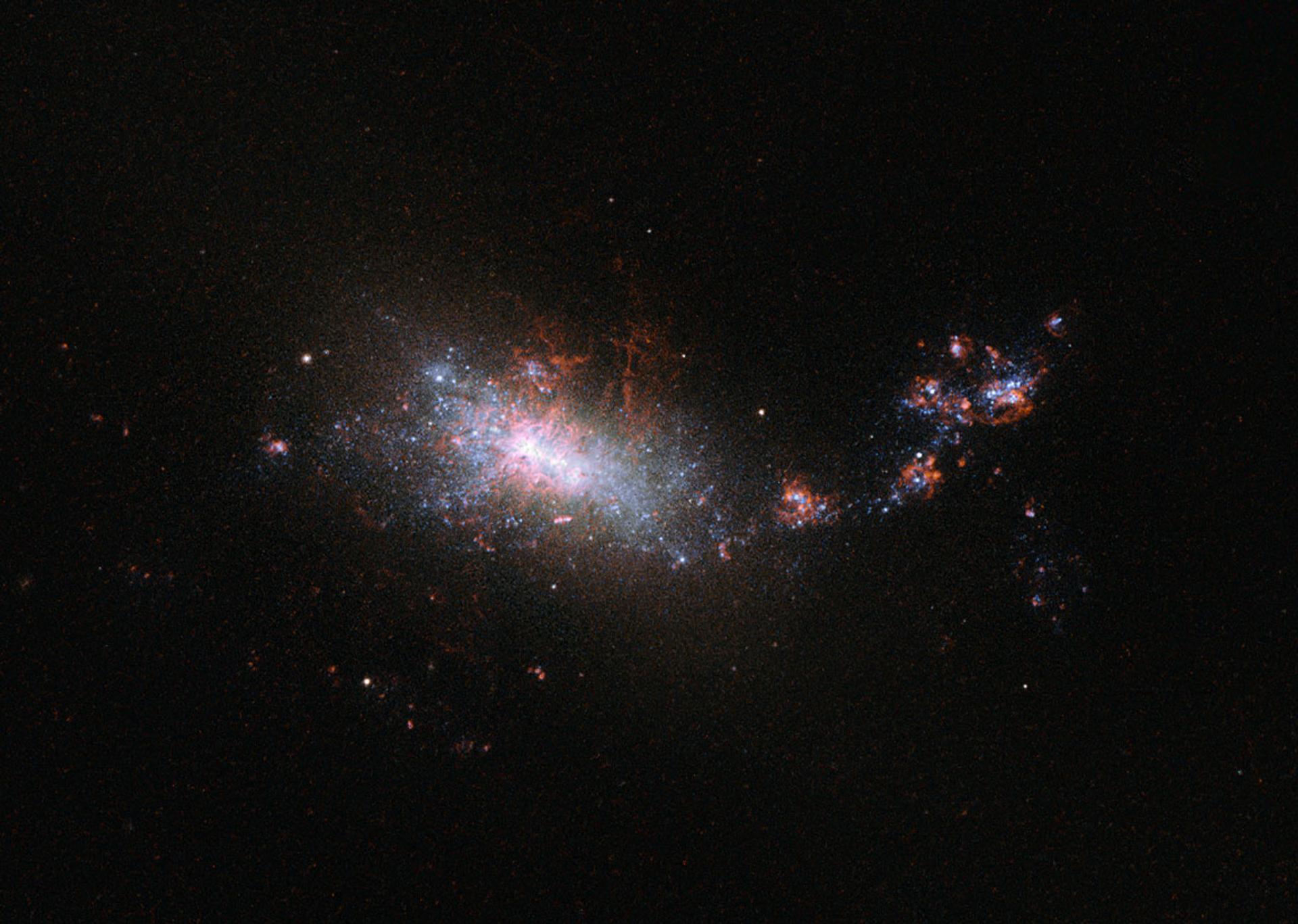
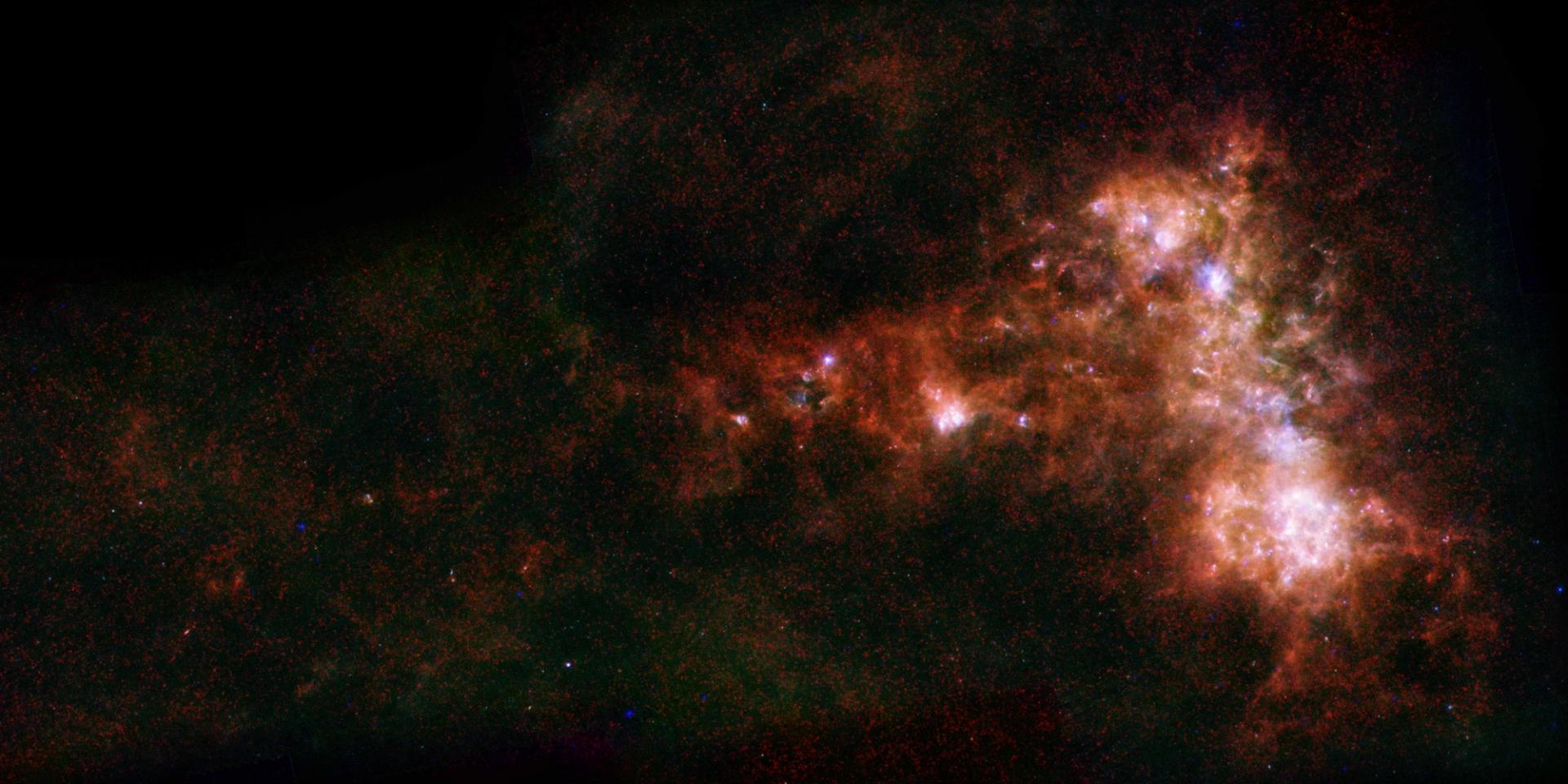
The Large and Small Magellanic Clouds (LMC/SMC) are the satellite galaxies of our own Milky Way. The Large Magellanic Cloud (LMC) is in the constellation of Dorado and is approximately 163,000 light years away. It consists of around 30 billion stars and hosts one of the largest nebulae detected, the Tarantula nebula. The Small Magellanic Cloud (SMC) is in Tucana and is approximately 200,000 light years away. It has around 3 billion stars. The LMC will merge with our galaxy in around 2.4 billion years.
The Orion Nebula (M42) is often called the Great Nebula in Orion and is approximately 1344 light years away. The massive star making cloud is 24 light years across with enough mass to form around 2000 stars like the Sun. Its size, distance and brightness (it is the brightest nebula as seen from Earth), make it one of the most studied objects in the night sky. It is easily found as the middle star-like object in the sword of Orion, or the handle of the saucepan as seen from the south. Along with the Moon, M42 is typically one of the first objects to be looked at through a telescope as it shows excellent fine structure including the birth of stars in the innermost part known as the Trapezium Cluster.
The Pleaides (M45), also known as Seven Sisters or Subaru, is one of the more famous open clusters visible to the naked eye, sitting within Taurus the bull. Like all open clusters it is a group of young to middle aged stars, in this case around 100 million years old, at about 444 light years away. Many images show the stars associated with a dusty blue nebula, which lies between us and the stars.
47 Tucanae (NGC 104) is a globular cluster second only to Omega Centauri. It sits beside but is unrelated to the SMC in the constellation Tucana. It can be easily seen away from city lights with the unaided eye due to its very dense star core. 47 Tucanae is approximately 15,000 light years from us.
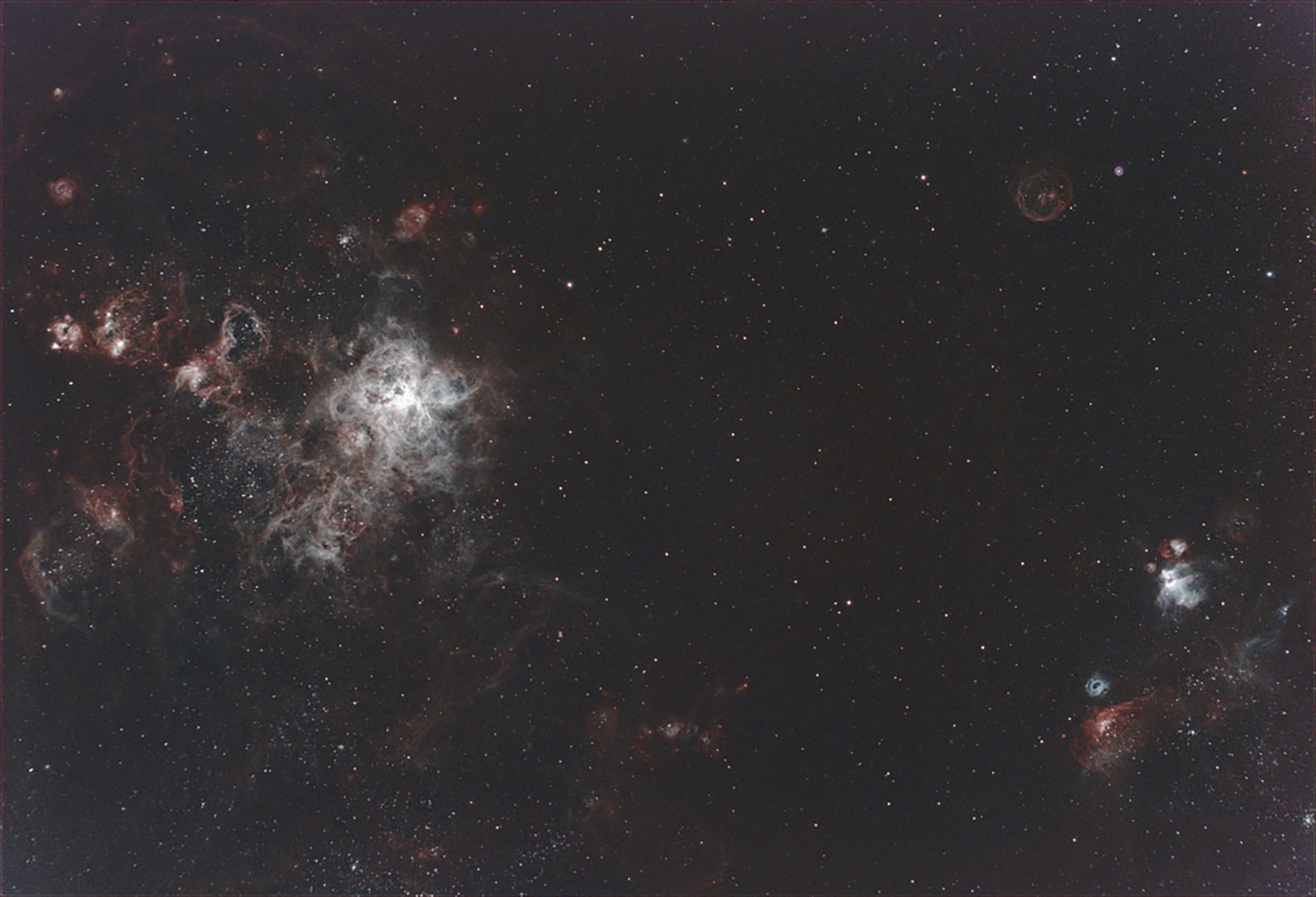
The Tarantula Nebula (NGC 2070) is a large hydrogen gas cloud approximately 1000 light years in diameter and part of the LMC at about 160,000 light years. The name ‘Tarantula’ comes from the spider-like appearance of the nebula in telescopes and photographs. At the centre of the nebula is the open cluster R136, which contains approximately 500,000 stars, including some of the hottest and most massive supergiant stars known. In 1987 the first naked eye supernova (SN1987A) since the invention of the telescope occurred in this part of the sky.
Special Events
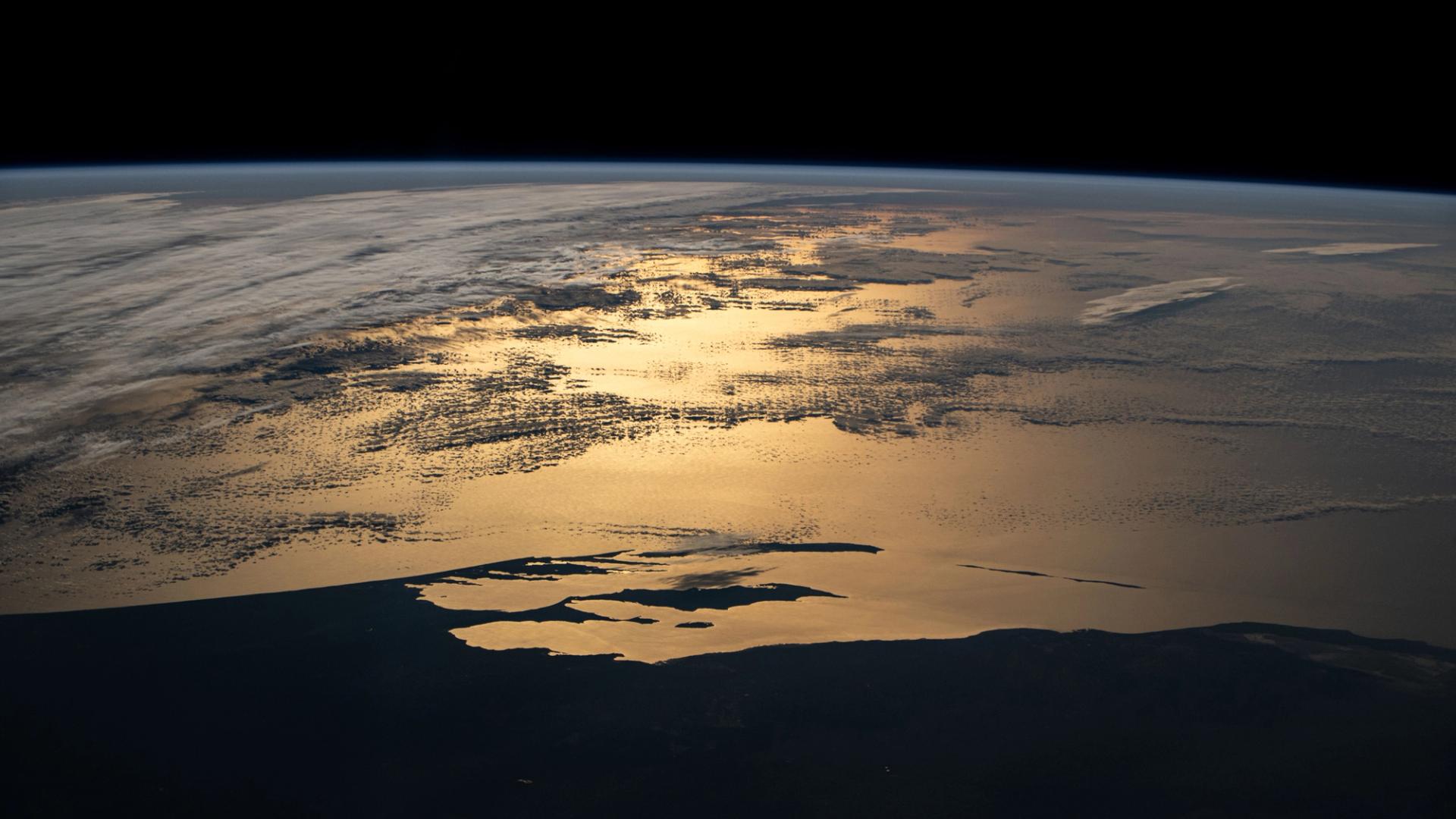
The Summer Solstice is on Monday 22 December at 2:03 am. This is the point in time when our Sun reaches its most southerly point in the sky in our yearly orbit. From this point it begins to head back to the north. The annual north-south apparent movement of the Sun in the sky is the result of an impact by an object called Theia around 4.5 billion years ago. The collision led to the formation of the Moon and left the Earth tilted to one side by 23.5 degrees. This tilt is the reason for the season and the changing path of the Sun as we see it.
The Geminid meteor shower is unlike the Eta Aquariids and all other meteor showers as the Geminids do not appear to be associated with a comet. Instead, their parent object is the rocky asteroid (3200) Phaethon, which is believed to be associated with one of the larger asteroids, (2) Pallas.
Not surprisingly, the particles leading to the Geminid meteors appear to be made of denser and stronger materials than those of other meteor showers. This makes the meteors appear brighter during the shower. The asteroid’s path leads it much closer to the Sun than Mercury, so temperatures can reach 700°C on its sunward side. One theory of how it releases particles despite being an asteroid is based on this high surface temperature. The theory is that the large temperature change as the asteroid spins results in cracks on its surface and the production of dust-sized particles that cause the shower.
In 2025, the peak of the shower is predicted to be on the mornings of Sunday 14 December and Monday 15 December. Although the Moon is in the sky, it is a waning crescent that should allow the meteors to be seen. To find them, look towards the north, as they emanate from a spot near Castor, the lower of the twin stars of Gemini.
Past Months
Shop

Sydney Observatory
Open for pre-booked tours, located on Gadigal land, a national place of connection and scientific research. The site is undergoing heritage conservation works.